...

Dress Manufacturer for Sampling Coordinators

Coordinate dress samples with clearer milestones, controlled revisions and a reliable path from development files to approved bulk standards.

Jinfeng Apparel supports sampling coordinators who manage multiple styles, fit comments, material approvals and time-sensitive launch calendars. Development starts with a structured review of the tech pack, reference garment, size chart, fabric direction and sample purpose. Pattern, sample, merchandising and quality teams then work from one controlled record, allowing every approved change to move into the final pattern, measurement chart, BOM, sewing instructions and bulk inspection plan.

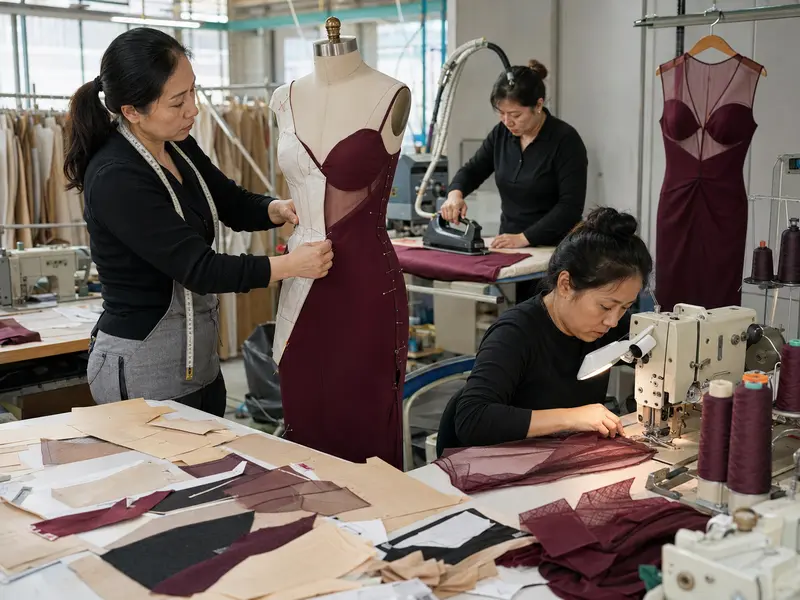
  • 2 sample rooms and 20+ sample machinistsfor parallel dress development.
  • 7+ senior pattern makersfor fit correction, grading review and final pattern control.
  • 12+ merchandisersfor sample status, material readiness, comments and approval follow-up.
  • Typical sample windows:7-10 days for simple styles, 10-15 days for standard dresses and 15-25 days for complex construction, subject to material readiness.

Sampling Capacity Built for Coordinated Development

Strong sample coordination depends on more than a fast sewing operator. A workable program needs pattern, materials, sample making, merchandising, quality review and production planning to move together. Jinfeng Apparel organizes those functions around controlled development records so sampling coordinators can see who owns each action, what remains open and what is ready for approval.

Two Sample Rooms

Two dedicated sample rooms support parallel development across dresses, skirts, jumpsuits, matching sets and fashion tops. Work can be grouped by launch date, fabric family, construction complexity or sample purpose rather than handled in a single queue. A photo sample for an upcoming campaign can therefore follow a different priority from a first fit sample or a PP sample waiting for final trim approval. Clear allocation helps reduce hidden delays when several styles enter development together.

Seven Pattern Specialists

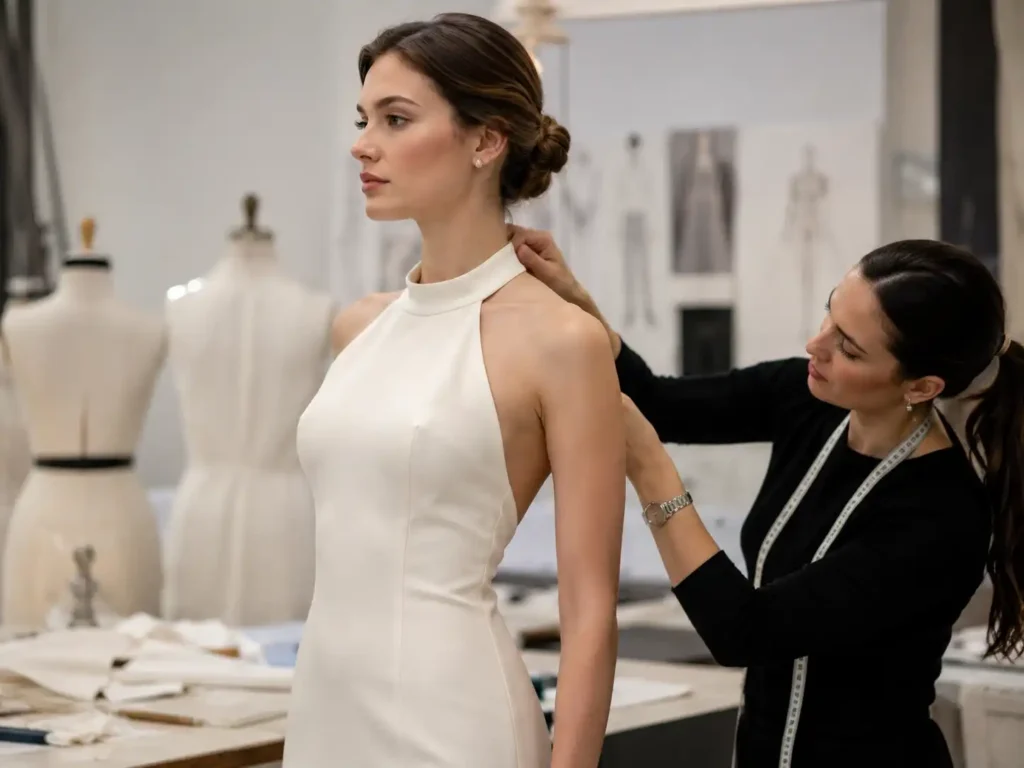
More than seven senior pattern makers review body proportion, construction balance, measurement logic and production feasibility. Their work covers first patterns, corrections after fit review, strap and neckline adjustment, bust-waist-hip balance, hem and slit positioning, jumpsuit crotch length and final pattern release. Sampling comments are not treated as general requests. Each approved change must be translated into an identifiable pattern or measurement action before the next version is cut.

Twenty Sample Machinists

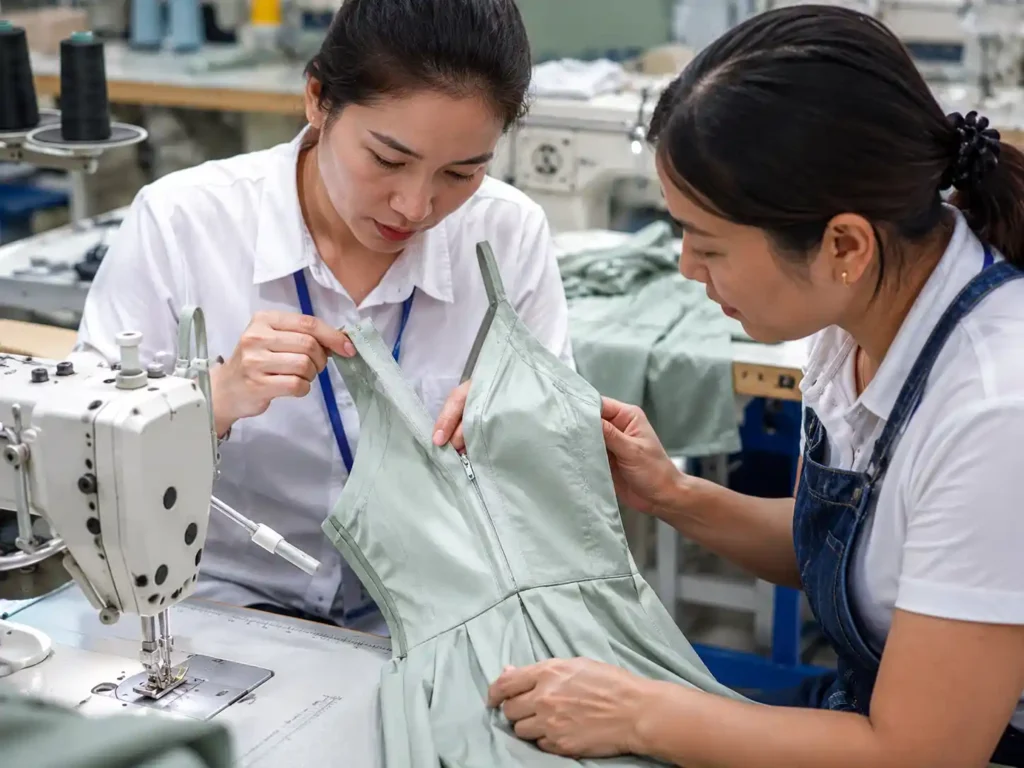
A team of more than twenty sample machinists handles standard dresses as well as fit-sensitive and decoration-heavy styles. Sample sewing is used to test seam construction, lining attachment, zipper application, boning position, cup support, mesh joining, lace placement, sequin edge treatment, ruching distribution and finishing methods. Workmanship findings from the sample room are recorded early so a visually attractive sample does not hide a construction method that would be difficult to repeat in bulk.

Twelve Merchandisers

More than twelve merchandisers support communication across development, fabric sourcing, trims, pattern, sample sewing, approval and bulk preparation. A merchandiser tracks material readiness, expected completion dates, client comments, open decisions, courier information and the effect of changes on cost or schedule. Sampling coordinators receive a clearer operating picture instead of separate answers from several departments. Complex programs and major accounts can be assigned focused project follow-up according to workload and order structure.

Fifteen QC Inspectors

More than fifteen quality inspectors connect approved sample decisions with measurable bulk checkpoints. Review can cover measurements, seam quality, appearance, trim placement, zipper smoothness, lining coverage, label position and packing requirements. QC involvement before production helps identify which details need first-piece verification, inline measurement or final comparison against the PP and Golden Samples. Quality control therefore begins while standards are being created, not after the full order has already been sewn.

Scalable Bulk Network

Six owned women’s fashion factories and more than ten long-term satellite production partners provide capacity after sample approval. Factory allocation is based on fabric type, product structure, workmanship level, order quantity and delivery rhythm. The sampling coordinator does not need a beautiful development sample that later moves to an unsuitable line. Jinfeng plans the handoff with the intended production route in mind, while final factory assignment remains subject to confirmed style mix and schedule.

Built for Structured Sampling Programs

Jinfeng Apparel works best with fashion organizations that use defined sample stages, technical feedback and planned bulk production. The service model supports development teams that need accountable milestones, accurate file updates and reliable coordination across several styles rather than isolated one-off sample making.

Program and Team Fit

Suitable programs normally involve sampling coordinators, product developers, technical designers, merchandisers, sourcing offices or vendor management teams working from a collection calendar. Projects may include 10-30 styles, several material groups, different sample purposes and staggered approval dates. Jinfeng can organize the style list by priority, assign development responsibilities and maintain separate status records so every SKU remains traceable. Global fashion brands, established ecommerce labels, regional fashion leaders, retailers and sourcing companies can use the same structure while keeping their own internal approval rules.

Information and Order Fit

The strongest starting files include a tech pack, reference image or original sample, base-size chart, fabric direction, trim details, private-label requirements, target quantity and required approval date. Jinfeng can also develop from sketches or line sheets, but missing construction and fit information must be clarified before precise timing and costing can be confirmed. Standard MOQ starts from 200 pieces per style and color, subject to fabric, trims, construction and schedule. Sampling is therefore planned as the front end of a real production program, with approved development records prepared for bulk use.

Where Sampling Coordination Usually Breaks Down

Sampling delays often begin with small gaps: a comment is not transferred to the pattern, a trim remains unapproved, or a promised date ignores material availability. Those gaps grow quickly when a collection includes many styles. Jinfeng focuses on three failure points that create the highest workload for sampling coordinators.

Unclear Sample Progress

A status such as “in progress” gives no usable planning information. Sampling coordinators need to know whether the pattern is complete, fabric has arrived, trims are approved, cutting has started, sewing is underway, internal measurement has passed and dispatch remains on schedule. Jinfeng separates those milestones and records open issues. When a missing zipper, fabric delay or new comment affects completion, the revised impact is communicated with the next action rather than hidden behind the original date.

Mixed Revision Versions

Fit comments may arrive through annotated PDFs, email notes, photographs, video calls and internal worksheets. Without consolidation, one department may follow Version 2 while another still uses Version 1. Jinfeng records the sample version, comment date, location, required action and approval state. Pattern, measurement, BOM and construction documents are updated together when the change affects bulk production. The next sample is then made from the released version rather than from memory or an old conversation thread.

Approval-to-Bulk Gaps

A sample can look correct while the underlying production records remain incomplete. Common gaps include temporary sample fabric, unconfirmed trim supply, a corrected pattern not released to grading, or a sewing method known only by the sample machinist. Jinfeng prepares the PP and Golden Sample handoff with a final pattern, approved size chart, fabric and trim records, BOM, sewing notes, label files, packing requirements and QC checkpoints. Bulk release occurs only after open points affecting production have been addressed.

What Sampling Coordinators Need From a Manufacturer

A responsive supplier is useful, but response speed alone does not protect a collection calendar. Sampling coordinators need visible control, technically accurate execution and a disciplined handoff into production. Those three requirements shape the way Jinfeng manages development programs.

Visible Development Control

Every style needs an identifiable stage, owner, target date, current status and next approval. Jinfeng can organize sample tracking around pattern progress, fabric readiness, trim readiness, sewing, internal review, client comments, revision and dispatch. Priority styles can be separated from normal-flow styles. Open points are shown with their impact so the coordinator can decide whether to hold, substitute, approve or re-sequence the program. Visibility reduces repeated chasing and gives internal design, technical and launch teams a more reliable update.

Technical Comment Execution

A comment becomes valuable only when it changes the correct production record. A request to raise a neckline may affect the pattern, facing, lining, seam allowance and measurement chart. A request to reduce ruching may change fabric consumption, marker efficiency and sewing time. Jinfeng reviews every approved change for its effect on pattern, measurement, material, trim, construction, cost and timing. Updated documents guide the next sample and later become part of the production package.

Production-Ready Approval

The goal of sampling is not merely to produce a presentable garment. The goal is to create a repeatable standard for the intended factory and order quantity. Jinfeng reviews whether the final fabric can be sourced in bulk, trims meet required quantities, the construction can be repeated consistently, measurements can be inspected and the approved appearance can survive pressing, packing and shipment. PP approval is connected to the Golden Sample, final documents and QC plan before the production line begins.

Send a Complete Sample Development Brief

Complete input files allow faster feasibility review, more stable quotations and fewer avoidable revisions. Sampling coordinators can begin with a tech pack, an original sample, a line sheet or a reference image, but every project still needs clear decisions on size, materials, sample purpose, quantity and timing.

Tech Pack Files

Provide front and back sketches, construction callouts, point-of-measure references, size chart, BOM and label or packing notes when available. Jinfeng reviews contradictions before pattern work begins, including mismatched measurements, unclear seam details, missing lining specifications or trims that cannot support the intended construction. A well-structured tech pack gives the highest starting accuracy, but the file is still checked against fabric behavior and production feasibility instead of being followed blindly.

Original Garment

An original garment helps the team study real proportions, seam construction, fabric hand feel, zipper position, lining, support components and finishing quality. Measurements can be recorded and translated into a new production pattern according to the authorized project brief. Brand-specific adjustments may be required for target fit, material availability, cost or product differentiation. Protected designs and third-party intellectual property must remain within the rights and instructions provided by the commissioning organization.

Base Size Chart

Confirm the base size, measurement points, tolerances and intended sizing system. Jinfeng can develop US, UK, EU, AU and alpha-size ranges according to the supplied chart and fit preference. Generic size assumptions are avoided because two brands using the same size name may require different bust, waist, hip, length and ease. Petite, tall, extended-size and plus-size ranges require proportion review rather than a simple overall enlargement or length change.

Fabric Direction

Send a physical swatch, supplier reference, composition, weight, stretch information or visual target whenever possible. Fabric affects drape, recovery, transparency, support, seam behavior, pressing and pattern balance. A replacement material may look similar but still require a new review of lining, fit, sewing method, cost, MOQ and timing. Final sample and bulk decisions are made against an approved fabric direction rather than an image alone.

Trim Requirements

List zippers, buttons, hooks, bra cups, boning, underwire, anti-slip tape, strap sliders, lace trims, rhinestones, sequins, labels and packaging components. Specify size, color, material and quality level when known. Trim availability can affect sample timing and bulk MOQ, especially for custom colors, molds or decorative components. Temporary sample trims must be clearly marked so they are not mistaken for final bulk standards.

Sample Purpose

State whether the garment is a first sample, fit sample, revised sample, photo sample, salesman sample, size set, PP sample or Golden Sample. Different purposes require different controls. A photo sample may prioritize camera-ready appearance and an urgent shoot date, while a PP sample must use approved production materials and lock bulk construction. Clear purpose prevents a visually acceptable sample from being approved for the wrong stage.

Quantity and Color Plan

Provide expected quantity per style and color, size range, color count and planned order release. Standard MOQ begins at 200 pieces per style and color, while special fabrics, dyeing, printing, trims and packaging may have separate supplier requirements. Quantity information helps the team judge material routes, sample substitutions, production allocation and unit-cost drivers before development choices become expensive to reverse.

Calendar and Priorities

Share fit meeting dates, campaign shoot dates, sales presentations, PP deadlines, bulk booking windows, warehouse receiving dates and launch dates. Mark hero styles and critical samples rather than assigning the same urgency to every SKU. Jinfeng can then plan backwards from the commercial deadline, identify material or revision risks and recommend a workable sequence. Timing remains dependent on file completeness, material readiness and approval speed.

Dress Categories We Develop and Sample
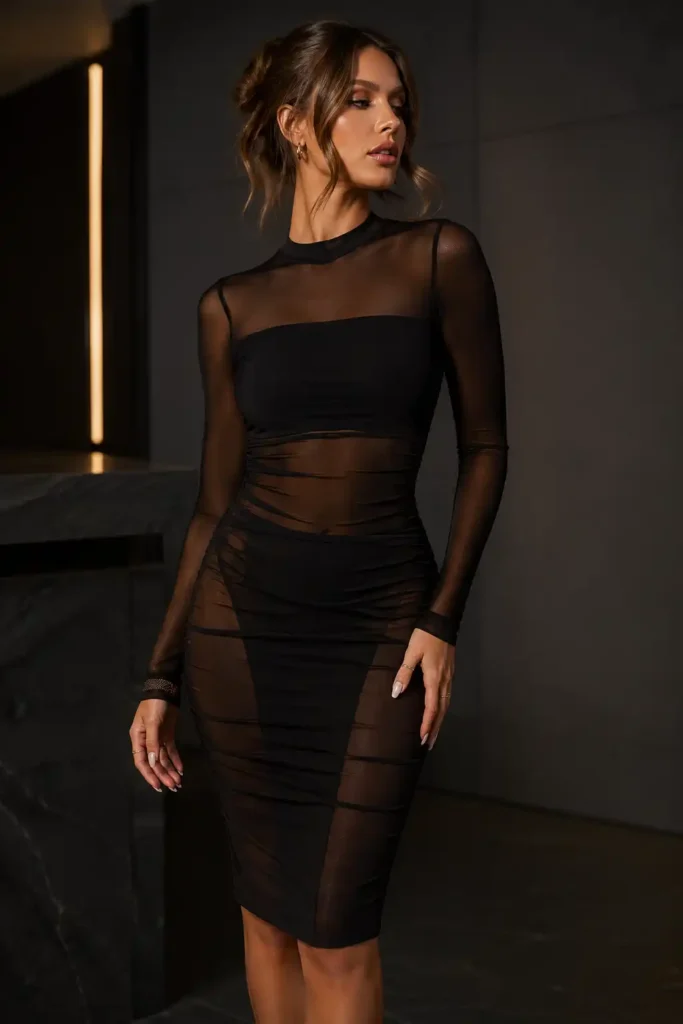
Jinfeng Apparel develops fashion-led dresses and related womenswear by product-specific risk, not by product name alone. Every category has different fit, fabric, construction and approval priorities. Sample comments are therefore evaluated against the intended wearing effect and the ability to repeat the approved garment across bulk sizes and quantities.

Bodycon Dresses

Bodycon development depends on controlled stretch, recovery and bust-waist-hip proportion. The sample team reviews fabric direction, body ease, side-seam position, hem ride-up, lining behavior and measurement stability after wearing. A garment can measure correctly on the table but still twist, loosen or climb during movement. Pattern corrections may include reshaping the waist and hip, adjusting negative ease, changing seam placement or selecting a fabric with stronger recovery. Bulk QC then checks relaxed measurements, stretch direction, seam balance and comparison against the approved sample.

Corset Dresses

Corset dresses require coordinated control of cup shape, bust support, boning, waist reduction, lining, zipper and wearer comfort. The first sample confirms structure and visual proportion; later versions refine cup position, neckline coverage, boning length, under-bust fit, back tension and closure stability. Hard components must support the garment without creating pressure points or visible distortion. Before PP approval, Jinfeng checks whether cups, boning and zippers are available in bulk and whether the sewing sequence can be repeated consistently on the selected production line.

Satin Slip Dresses

Satin and slip styles expose small construction errors because shine reflects seam tension, pressing marks and surface damage. Sample review covers grain direction, drape, neckline stability, strap length, bias growth, zipper rippling, lining compatibility and hem behavior. Color is evaluated under suitable lighting because surface shine can create visual variation. Cutting and sewing methods are planned to reduce snagging and seam puckering. Packing direction is considered before bulk because tight folds and pressure can leave marks on high-shine surfaces.

Mesh Dresses

Mesh styles require decisions on transparency, stretch, lining coverage, seam reinforcement and edge stability. Power mesh may provide support while soft mesh creates drape, so the selected material must match the intended fit. Sample review checks neckline and armhole recovery, joining methods, abrasion risk, visible seam allowances and the relationship between outer mesh and lining. Cut-outs, ruching and layered transparency need grading logic so coverage remains consistent across sizes. Bulk inspection focuses on holes, tension marks, skipped stitches, symmetry and stretch recovery.

Lace Dresses

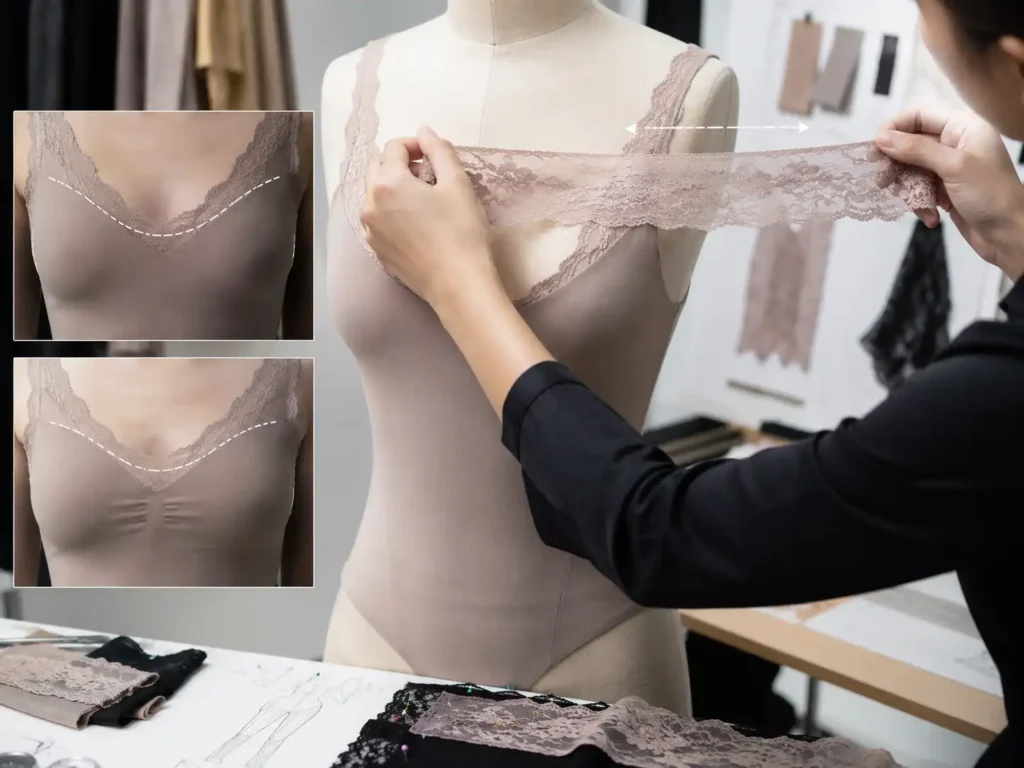
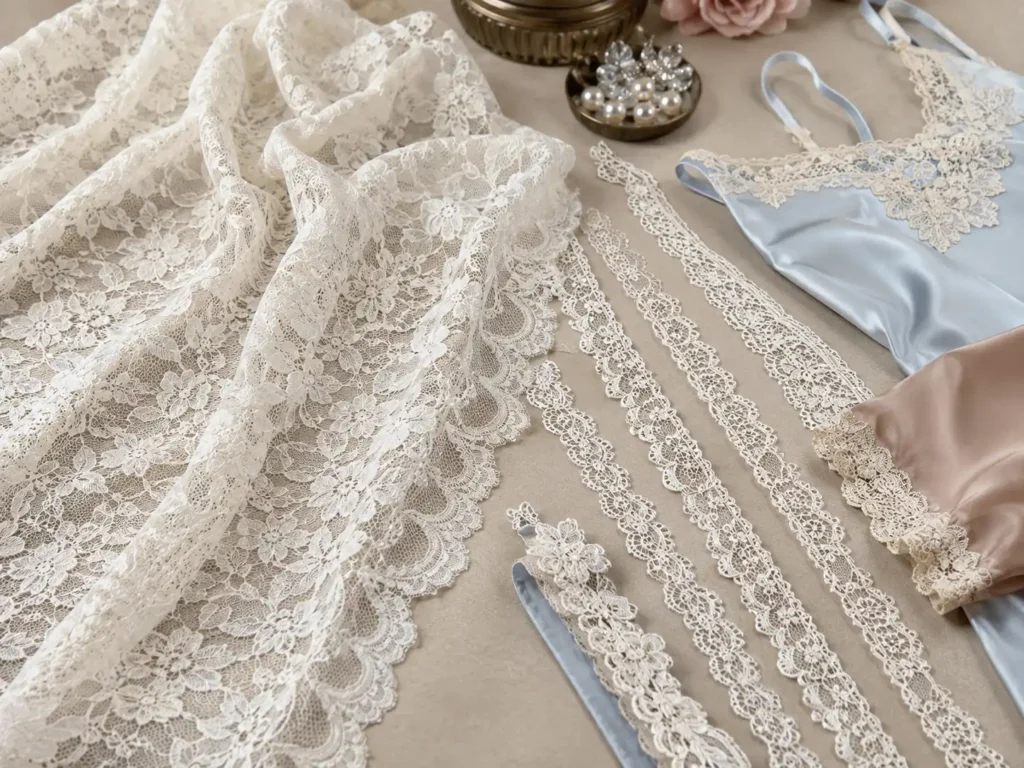
Lace development combines visual placement with structural control. Jinfeng reviews motif direction, left-right balance, seam placement, scallop use, transparency, lining color, edge finishing and potential fraying. Matching motifs across panels can increase fabric consumption and cutting time, while delicate lace may require reinforcement or a different seam method. Samples are used to confirm where pattern matching creates visible value and where a more efficient construction can preserve the intended appearance. Bulk cutting records help keep placement consistent across the order.

Sequin Dresses

Sequin fabrics create weight, abrasion and sewing risks that must be solved before production. Sample work checks sequin direction, panel alignment, edge removal, seam comfort, zipper clearance, lining protection and the ability of shoulder or strap structures to carry the garment. Decorative density affects drape and fit, while loose or sharp sequins can damage skin or adjacent panels. Workmanship standards define how seams are cleared, reinforced and covered. Final inspection includes missing decoration, exposed sharp edges, asymmetry and packing protection.

Occasion Dresses

Occasion and evening dresses often combine multiple materials, shaped bodices, draped skirts, slits, support components and decorative details. Sampling begins with silhouette and proportion, followed by support, movement, coverage and finish. Photo-ready appearance matters, but commercial production also requires stable material supply, repeatable construction and manageable pressing. Jinfeng separates visual approvals from structural approvals so a dramatic sample remains wearable and production-ready. PP review confirms the final relationship between outer fabric, lining, closure, support and finishing.

Jumpsuits and Sets

Jumpsuits add crotch depth, torso length, rise, inseam and movement requirements to ordinary dress fit. Matching sets add coordination across separate garments, shared fabrics, size ratios and packaging. Sample review checks waist placement, sitting ease, bust and hip balance, closure access and proportion between pieces. A set may also require coordinated color, labels, polybags and SKU information. Final records keep both pieces aligned through grading, bulk production, packing and replenishment.

Dress Sample Types and Approval Purpose

Each sample stage answers a different commercial or technical question. Clear stage naming prevents a photo sample from being mistaken for a bulk standard and prevents a first prototype from carrying approvals it was never designed to secure. The matrix below can be adapted to an internal approval system before development begins.

Sample StageMain PurposeCore Review PointsApproval Output
First SampleConfirm initial interpretation of the designOverall structure, proportion, material direction, construction feasibilityConsolidated revision list
Fit SampleReview body fit and balanceBust, waist, hip, length, shoulder, strap, armhole, neckline, slit or crotchFit comments and pattern actions
Revised SampleVerify approved correctionsUpdated pattern, measurements, fabric, trims and workmanshipFurther revision or stage approval
Photo SampleSupport campaign or content productionCamera-ready appearance, color, finish, styling fit and shoot deadlineRelease for photography only
Salesman SampleSupport sales presentation or range reviewCommercial appearance, assortment consistency, material and finishRelease for sales use
Size SetValidate grading when requiredSize progression, key measurements, proportion and fit consistencySize-range approval
PP SampleLock pre-production standardFinal bulk fabric, trims, pattern, measurements, labels and constructionAuthorization for bulk preparation
Golden SamplePreserve the approved referenceFinal appearance, workmanship, trim placement and packing standardReference for bulk QC, repeat orders and dispute review

From Sample Brief to Golden Sample

A disciplined workflow keeps design, pattern, materials, sample sewing and approvals aligned. Jinfeng uses stage gates so styles move forward only when enough information is available for the next action. Timing is planned by complexity and material readiness rather than one fixed promise for every garment.

Requirement Review

Development starts by collecting the tech pack, reference image, original sample, size chart, fabric or trim references, target quantity, target price and launch calendar. The team checks missing measurements, conflicting instructions, unclear details and sample purpose. Questions are grouped before pattern work so decisions arrive in a usable form. Styles with complete files can move directly into feasibility and costing, while incomplete styles receive a defined open-point list.

Structure Analysis

Pattern and development teams study garment panels, seam lines, support, lining, closures, wearer access and likely stress points. High-risk details such as deep necklines, strapless support, corset cups, cut-outs, heavy decoration or jumpsuit rise are reviewed before cutting. The analysis also considers whether the proposed construction can be repeated in bulk, not only whether one sample machinist can make it. Alternatives are raised when the original route may create instability, excessive cost or unnecessary rework.

Material Direction

Fabric and trim options are checked by composition, hand feel, weight, stretch, recovery, transparency, color, surface behavior, supplier MOQ and lead time. Jinfeng can recommend an available alternative, but a similar material is never described as identical. Swatches, trim references or photos are submitted for direction before use. Special dyeing, printing, lace, sequin fabric, custom hardware or packaging may extend the schedule and require separate supplier quantities.

Pattern Development

The base pattern is created from the approved measurements and structural decisions. Pattern makers set seam relationships, bust-waist-hip balance, ease, neckline, armhole, strap, waistline, slit, hem and other category-specific points. For original-sample development, measurements and construction are translated into a controlled pattern rather than copied without review. Pattern version and date are recorded so later comments can be traced back to the correct release.

Sample Sewing

The sample room cuts and sews the first garment using confirmed or documented substitute materials. Sample machinists record construction difficulties, material behavior and workmanship risks that may affect bulk production. Internal checks cover measurements, appearance, seam balance, closures, lining, trim placement and finishing. A sample that fails internal review is corrected before dispatch where possible, reducing avoidable comments and international courier cycles.

Fit Review

Fit information can come from a brand fit model, technical team, annotated photos, measurement sheets or a live review. Comments are separated into fit, measurement, appearance, fabric, trim and construction actions. Pattern makers assess the cause rather than changing one measurement in isolation. For example, a low armhole may relate to shoulder angle, bust shape or strap length. The proposed correction is recorded before the revised version is released.

Revision and PP

Approved comments are transferred into the revised pattern, size chart, BOM and sewing instructions. New material or construction changes are checked for cost and schedule impact. Once fit, appearance, materials and key workmanship have been accepted, a PP sample is made to confirm the production standard. PP approval also requires closure of open points that would affect bulk fabric, trims, labels, packing or quality inspection.

Golden Sample Handoff

The approved PP garment becomes the basis for the Golden Sample and production package. Final pattern, grade rules, measurements, fabric record, trim card, BOM, construction notes, labels, packing details and QC checkpoints are released together. The intended factory and line receive the same controlled standard. Any later change requires documented approval and corresponding file updates before production continues.

Clear Sample Status at Every Milestone

Sampling coordinators need information that supports decisions, not general reassurance. Jinfeng can structure updates around measurable progress, open issues and expected next actions. The format can be aligned with a brand tracker, PLM export or shared spreadsheet when required.

Status Fields That Support Real Planning

A useful status record starts with style number, sample type, version, priority and required date. It then shows pattern status, fabric status, trim status, cutting, sewing, internal measurement, internal appearance review, client comment status, expected dispatch and courier tracking.

Open decisions are listed beside the responsible party and due date. A single line saying “sample under development” is replaced by information that explains where the style stands and what must happen next.

For a 20-style collection, the tracker can be grouped by hero styles, photography needs, fit risk and material family. Styles waiting for the same fabric can be viewed together, while urgent photo samples remain visible as a separate milestone. Color and size variations are linked to the correct base style to avoid duplicated or conflicting updates.

Exception Reporting Before Dates Are Missed

Material and approval delays cannot always be avoided, but late visibility creates unnecessary damage. If a custom zipper has not arrived, the update should identify the affected style, whether a substitute can support fit review, whether the final PP date changes and which approvals are still possible. If a new fit comment requires pattern redevelopment, the schedule should reflect the added action instead of preserving an unrealistic dispatch date.

Jinfeng records the reason, impact and proposed recovery route. Recovery may involve re-prioritizing a hero style, using an approved temporary trim for a photo sample, grouping comments into one revision cycle, or moving a lower-priority style behind a fixed campaign date. Every recovery route still requires clear identification of what is temporary and what remains required for PP approval.

Evidence Included With Progress Updates

Progress can be supported by pattern screenshots, material photographs, cutting images, sample-room photos, measurement records, garment photos, detail videos and courier information. Client brand names, unreleased designs and protected files remain controlled under the project confidentiality arrangement. The purpose of visual evidence is to support status accuracy and faster decisions, not to expose proprietary work.

Photos and videos should show the issue being discussed, such as neckline position, zipper ripple, lining visibility, sequin edge treatment or measurement placement. A clear visual reference often reduces ambiguous wording and allows technical teams to consolidate comments before the next version is cut.
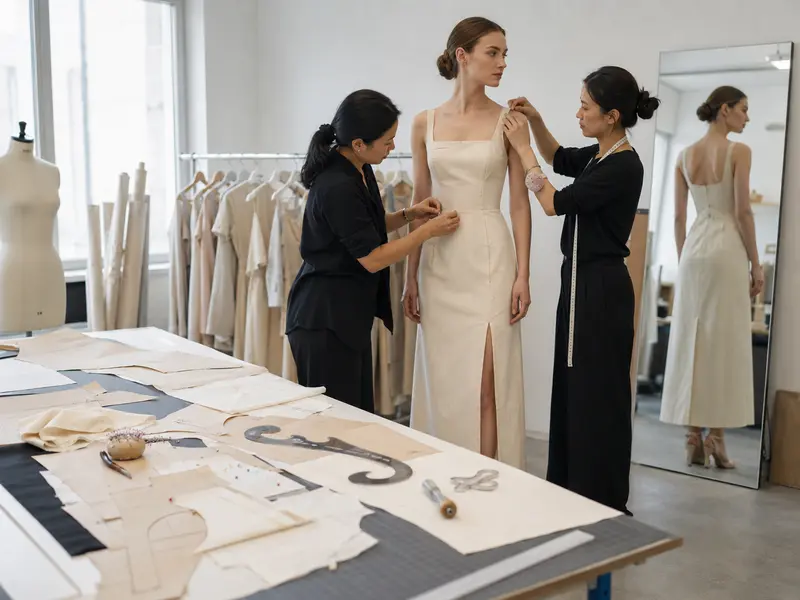
Revision Control Without Version Confusion

Revision control protects fit, appearance, cost and delivery. Every approved change must be linked to the correct sample version and production record. Jinfeng records comments in a form that pattern, sample, sourcing, merchandising, production and QC teams can execute consistently.

One Consolidated Comment Record

Comments may arrive from design, technical, merchandising, sourcing and leadership teams. Before a new sample begins, Jinfeng encourages one consolidated record that identifies the style, version, sample type, comment date and approval owner. Each item is classified as fit, measurement, fabric, trim, construction, workmanship, label, packaging or timing. Conflicting instructions are returned for clarification rather than interpreted independently by different departments.

A strong record includes the original observation, required action, responsible team and completion status. Visual comments should show the exact location. Measurement changes should state the point of measure, original value, new value and tolerance. Material changes should identify whether the substitution is temporary or intended for bulk. The sample cannot move to PP approval while production-critical comments remain open.

Change Impact Before Execution

A small visual request can affect multiple functions. Raising a slit changes the pattern, lining, reinforcement, measurement chart and safety review.

Replacing a zipper can change seam allowance, pressing, color matching and supplier timing.

Reducing skirt volume can lower fabric consumption but alter drape and hem balance. Jinfeng reviews the likely impact before cutting the next version and communicates any change in cost, timing or bulk feasibility.

Approved comments are then converted into revised patterns, updated measurement charts, BOM records, sewing instructions, QC checklists, PP notes and packing instructions where relevant. A comment that remains only in email or messaging is not treated as a production release.

Version Release and Approval Discipline

Every physical sample should match a documented version. Pattern files, sample labels and comment sheets use consistent references so the team can identify which garment was reviewed. Superseded files are retained for traceability but removed from active production circulation. When Version 3 is approved, Version 2 does not remain available as an alternative instruction on the line.

PP approval records confirm which sample, fabric, trims, pattern and measurement chart are released. Any post-PP change requires written approval, an assessment of production impact and updated files. The discipline protects the sampling coordinator from later disputes about which comment was approved and whether the factory used the correct standard.
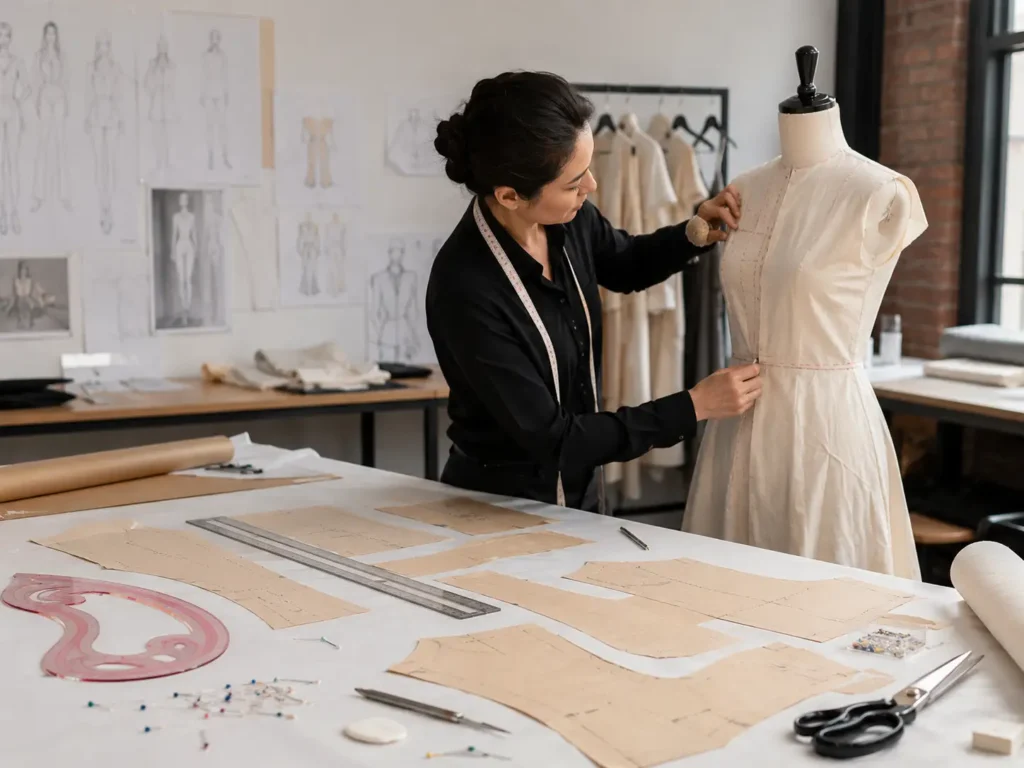
Fit and Measurement Review Before Approval

Dress fit depends on proportion, fabric behavior and wearing movement, not a list of isolated numbers. Jinfeng reviews measurements against the supplied size standard, target market and garment structure, then converts accepted fit comments into controlled pattern and grading actions.

Core Dress Measurements

Base-size review commonly covers bust, under-bust, waist, high hip, full hip, shoulder, armhole, neckline depth, strap length, dress length, slit height and hem width. Additional points are added for corset cups, backless structures, one-shoulder balance, sleeves, bodices, waist seams or shaped panels. Jumpsuits require torso length, front and back rise, crotch depth, thigh, inseam and sitting ease. The measurement method is defined so internal and external teams place the tape consistently.

Tolerance is not applied as a blanket number across every point. A decorative hem can accept a different tolerance from a bust opening, cup position or zipper length. Critical measurements are selected according to fit and safety risk, while bulk inspection frequency can be increased for points that historically create returns or inconsistency.

On-Body Balance and Movement

Table measurements do not reveal every fit issue.

Sample review considers whether the neckline sits securely, straps remain in position, the waistline stays level, side seams remain balanced and the garment allows walking, sitting and arm movement. Bodycon garments are checked for ride-up and recovery. Strapless styles are checked for support and slippage. High slits and cut-outs are reviewed for coverage across movement rather than in one static pose.

Photos or fit-session notes should show front, back and side views, along with close details for specific problems.

The fit model size and relevant body measurements are recorded so pattern makers can distinguish a garment issue from a model-size difference.

Pattern Correction and Grading

A correction is applied to the underlying cause. If the waistline rises at the front, the solution may involve bodice length, bust shaping or balance rather than adding overall length. If a mesh neckline gapes, material recovery, binding tension and pattern shape all require review. Jinfeng records the chosen action and checks related measurements before producing the revised sample.

After base-size approval, grade rules are reviewed for the intended size range. US, UK, EU, AU, alpha sizes and extended ranges follow the supplied brand chart. Plus-size, petite and tall development may require separate proportion rules for bust support, armhole coverage, waist placement, strap length, slit position and overall balance. A simple proportional enlargement is not used as a substitute for fit development.

Fit Standards for Bulk QC

Final fit decisions become measurable checkpoints. The released package includes the approved size chart, tolerances, final pattern and relevant grade rules. The production team verifies first pieces before wider output, while inline and final measurements follow the agreed inspection plan. Golden Sample comparison supports visual balance and workmanship review.

Fabric relaxing, cutting direction and stretch behavior are included where they affect measurement stability. For stretch garments, inspection may require a defined resting period before measurement. Repeat orders still require a check of fabric batch, recovery and shrinkage because the same pattern can behave differently when the material changes.

Fabric and Trim Decisions During Sampling
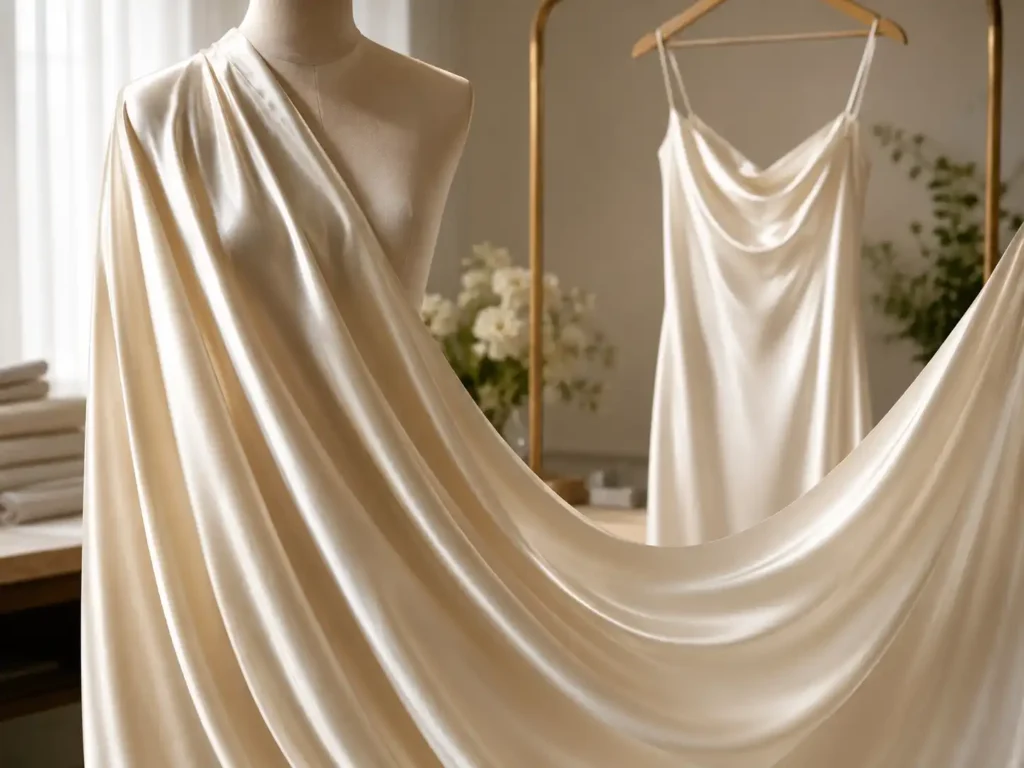
Materials shape the pattern, fit, workmanship, cost and schedule. Jinfeng reviews fabric and trims as production variables rather than decorative selections. Every substitution is checked for its effect on the next sample and the final bulk route.

Drape and Weight

Chiffon, satin, crepe, jersey, ponte, velvet, organza, tulle, lace and sequin fabrics create different silhouettes even when cut from the same pattern. Weight changes skirt fall, gathers, ruffles, pleats, bias growth and support needs. A lighter material may require lining or reinforcement, while a heavier material can pull on straps, bodices and waist seams. Sample review compares the intended visual effect with the physical behavior of the chosen fabric. Any weight change after first fit may require another pattern or construction check.

Stretch and Recovery

Stretch percentage alone does not predict fit. Direction, recovery, weight, surface structure and repeated wear all influence the garment. Power mesh can support a fitted silhouette while soft mesh may continue to grow. Jersey can recover well in one direction but distort along side seams. Bodycon, corset-combination and fitted jumpsuit samples are reviewed for relaxed measurements, stretch direction, seam stability and ride-up. A replacement fabric must be tested against the approved ease and pattern assumptions before bulk.

Transparency and Lining

Transparency changes with color, lighting, stretch and body contact. Mesh, lace, chiffon, satin and light-colored fabrics may require different lining coverage or color matching. Sample review confirms whether lining ends at the full hem, a short inner layer, the bodice only or selected panels. Seam allowances, cups, boning and labels may become visible through a fine outer layer. Lining decisions also affect comfort, static, drape, bulk cost and sewing sequence. Approval should cover both appearance and wearer movement.

Trims and Bulk Availability

Zippers, hooks, cups, underwire, boning, anti-slip tape, strap sliders, elastic, lace trims, rhinestones, sequins and labels are checked for specification, color, comfort, durability, supplier MOQ and lead time. A sample-room substitute can support early fit review, but it must be marked clearly and replaced before PP approval. Custom trims may need artwork, molds, color matching or separate testing. Jinfeng confirms whether a component can support the planned order quantity before it becomes essential to the approved design.

Managing Multi-Style Sampling and Priorities

A 10-30 style collection cannot be managed as thirty unrelated samples. Jinfeng groups development work by commercial priority, shared materials, fit risk and approval dependencies. The method keeps urgent styles moving without losing control of the remaining assortment.

Build a Priority Matrix

The line sheet is reviewed against launch date, hero SKU status, campaign needs, buyer or sales presentation dates, material readiness and construction complexity. Priority 1 may include photo samples and hero styles with fixed external dates. Priority 2 may include core revenue styles needed for PP booking. Lower-priority extensions can follow after shared fit or material decisions are confirmed. A visible priority matrix prevents every internal request from becoming an equal emergency.

For a 20-style drop, the coordinator can identify five hero styles, six shared-fit styles, four complex material styles and five commercial extensions. Jinfeng can then sequence pattern and sample resources around the decisions with the greatest effect on the full collection.

Group Shared Development Decisions

Styles using the same satin, mesh, lace, zipper, cup or lining can be reviewed as a material group.

Styles developed from one block can share fit learning, while still retaining separate pattern versions. Grouping reduces repeated questions and exposes dependencies. If one stretch mesh fails recovery testing, every linked style can be reviewed before additional samples are sewn.

Shared decisions do not eliminate style-level control. Each SKU maintains its own sample type, version, comments, measurements and approval status. The group view supports efficiency; the style record protects traceability.

Balance Fast Samples and Correct Samples

An urgent photo sample may be required before final bulk trims arrive. Jinfeng can assess whether a documented substitute is acceptable for photography without confusing the temporary component with the PP standard.

A fit sample may also proceed in a near-equivalent fabric when the purpose is pattern direction, provided the effect on fit is understood and a final-material review remains open.

Fast action is valuable only when the stage and limitations are explicit. The tracker records temporary materials, unresolved points and the next required sample. Commercial urgency does not silently convert a partial approval into bulk release.

Plan Capacity for the Bulk Handoff

Sample priorities must connect with production booking. Hero styles approved first may need early fabric reservation or a dedicated production window. Shared materials can be purchased together when color and quantity are confirmed. Complex styles may be assigned to suitable lines while simpler styles use higher-capacity routes. Jinfeng reviews factory allocation against the approved style mix, order quantity and delivery plan rather than waiting until every sample has finished.

For total orders in the 20,000-80,000 piece range, style-level readiness, material grouping and staggered production can reduce the risk of one late SKU holding the full shipment. Final scheduling remains project-specific and is confirmed after PP approvals and material commitments.

A Dedicated Team Behind Every Sample

Sample coordination works when responsibilities remain visible. Jinfeng organizes development through connected roles rather than expecting one salesperson to answer every technical, material and production question. Each role contributes a defined output to the released sample standard.

Merchandising Coordination

Merchandisers receive project files, maintain style lists, track due dates, consolidate questions and coordinate approvals. They connect design and technical comments with pattern, sourcing and sample-room actions. For multi-style programs, the merchandiser maintains priority, version and open-point records so the sampling coordinator can review the collection without rebuilding information from several messages.

Fabric and Trim Sourcing

Sourcing personnel review fabric composition, weight, hand feel, stretch, transparency, color, supplier MOQ and availability. Trim work covers zippers, cups, boning, hooks, sliders, decoration, labels and packaging. The team identifies where temporary sample materials differ from final bulk components and records any effect on cost, timing or another sample requirement.

Pattern Development

Senior pattern makers translate design and fit decisions into controlled pattern versions. They review proportion, ease, balance, seam relationships, support, grading and production feasibility. Comments affecting several points are resolved as connected pattern actions rather than isolated measurement edits. Final patterns are released with the approved measurement chart and grade information.

Sample Sewing

Sample machinists test the actual construction route. Their work identifies seam difficulty, material handling, pressing risk, edge finishing, decoration treatment and access for closures or support components. Findings are shared before bulk so the production team receives a method that can be repeated consistently instead of relying on undocumented sample-room skill.

Fit and Quality Review

Internal review covers measurements, appearance, closure function, lining, trim placement and workmanship before dispatch. QC personnel help define the points that later need first-piece, inline or final inspection. The approach connects fit decisions with measurable production controls and reduces the chance of an approved feature disappearing during line execution.

Production Preparation

Production planners and factory teams receive the released pattern, measurements, material records, BOM, sewing notes, labels, packing details, PP Sample and Golden Sample. Factory allocation is confirmed by construction, fabric, quantity and schedule. Open changes are closed or formally controlled before wider production begins, protecting both the approved appearance and the planned delivery rhythm.

Quality Control Linked to Sample Approval

Quality control follows the development decisions created during sampling. Jinfeng connects material inspection, first-piece review, inline checks, measurements, final inspection and packing verification to the approved PP and Golden Samples, final files and style-specific risk points.

Material Inspection

Bulk fabric is reviewed for color, shade grouping, surface defects, width, hand feel and relevant stretch or transparency before cutting. Trims are checked against approved specification, color, size and function. Satin shade and shine direction, mesh holes, lace damage, sequin loss and lining mismatch require fabric-specific attention. Supplier certificates or test documents are reviewed by material, batch and project requirement where applicable.

Cutting Control

Cutting checks confirm fabric direction, panel count, marker identification, size separation and high-risk placement. Lace motifs, printed designs, nap, sequin direction and satin shine may require controlled orientation. Stretch fabrics may require relaxing before cutting. Pattern version and size information are verified so superseded pieces do not enter the line. Cut panels with visible defects are removed before sewing.

First Bulk Piece

Initial production pieces are compared with the PP and Golden Samples for measurements, proportion, construction, trims, labels and appearance. High-risk details such as cups, boning, necklines, slits, zippers, lining and decorative placement are reviewed before output increases. Any correction is communicated to the line and corresponding records are updated where necessary.

Inline Inspection

Inline checks monitor seam quality, construction sequence, measurement trend, trim placement and recurring defects while the order is still in production. Early detection allows line correction before the issue spreads. Sampling history guides the focus. A style with prior zipper rippling, mesh stretching or asymmetrical ruching receives targeted inspection rather than relying only on a generic checklist.

Final Garment Review

Finished garments are reviewed for appearance, measurements, workmanship, closures, lining, decoration, pressing, labels and cleanliness according to the agreed plan. Size and color information is checked against the order. Inspection scope and acceptance criteria can be aligned with brand requirements, while final third-party inspection may be arranged when requested by the project.

Packing Verification

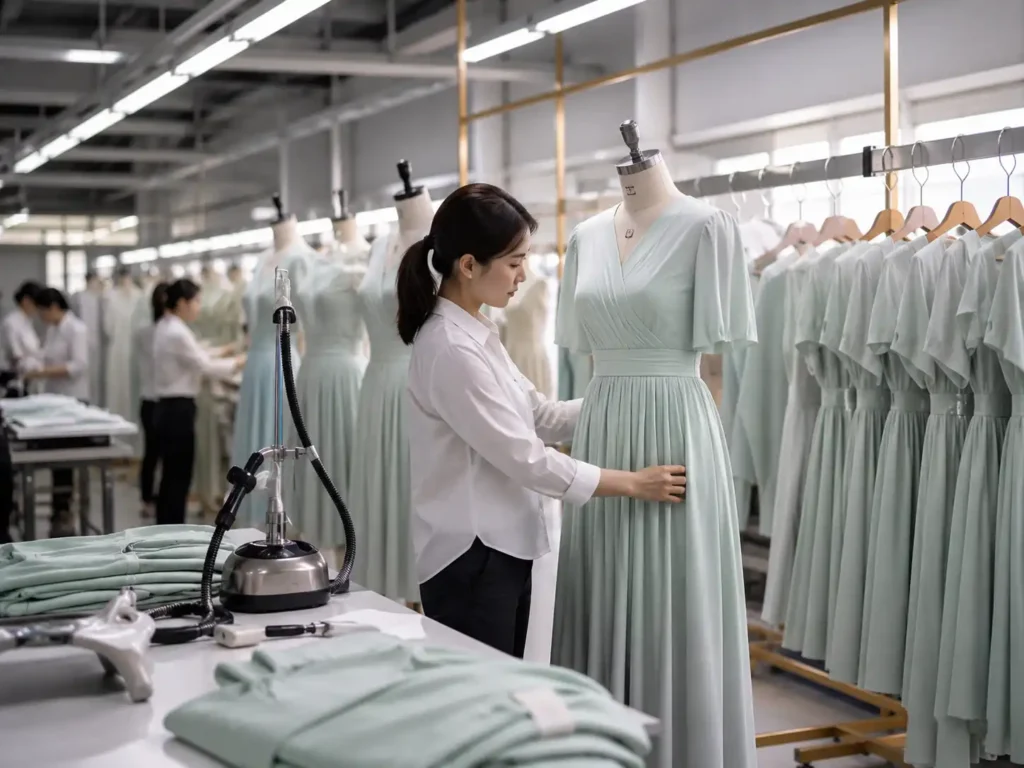
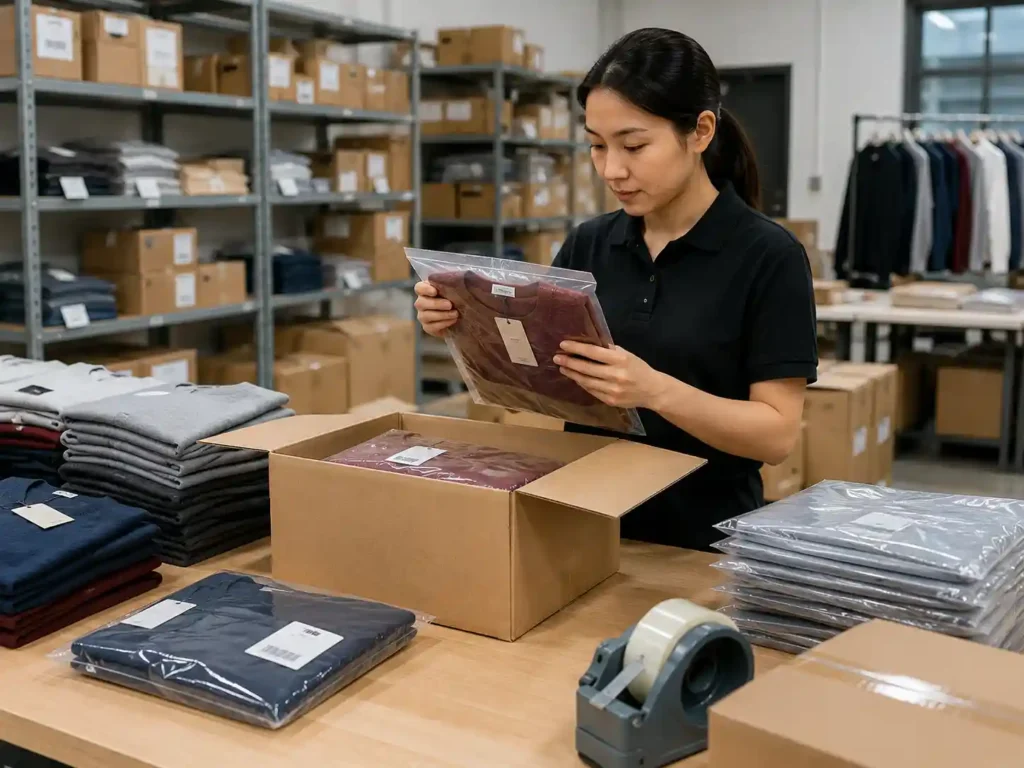
Packing control confirms folded presentation, size stickers, barcode labels, polybags, hangtags, carton marks, size ratios and carton quantities. Satin, sequin, lace and structured dresses may require specific folding or protection to reduce surface marks, abrasion or crushing. Packing lists and shipment records are checked against the completed order before handover to the appointed logistics route.

Representative Sampling Programs for Fashion Brands

The following anonymized program profiles reflect realistic order structures for established fashion brands working across 10-30 styles and total quantities between 20,000 and 80,000 pieces. Names, original designs, prices and proprietary files remain confidential. Figures show how sampling coordination can be organized around different commercial pressures.

Seasonal Dress Collection

A US fashion brand planned an 18-style seasonal dress collection totaling 42,600 pieces across satin, mesh, crepe and stretch jersey.

The line included five hero styles for campaign photography, seven core commercial styles and six color extensions. Sample development was divided into three waves so photography did not wait for the full collection.

  • Style count:18
  • Total order quantity:42,600 pieces
  • Fabric groups:4
  • Color count:11 across the collection
  • Sample versions:46 physical samples across first, revised, photo and PP stages
  • Priority structure:5 photo-critical styles, 7 core PP styles, 6 extensions

The first review identified inconsistent neckline depth across two related blocks and different stretch recovery between the proposed jersey colors. Pattern actions were consolidated across the shared blocks, while color-specific fit checks were retained for the jersey styles. Temporary photo trims were documented and replaced before PP approval. Bulk production was released in staggered groups after material and PP readiness, reducing the risk of one late extension holding all 18 styles.

Fit-Sensitive Occasion Program

An established occasionwear label developed 12 bodycon, corset and strapless styles totaling 26,400 pieces. The main risk was fit consistency across cups, boning, waist shaping and different stretch fabrics. The program used one base fit calendar with separate structural review for each bodice family.

  • Style count:12
  • Total order quantity:26,400 pieces
  • Size range:XS-XL based on the supplied brand chart
  • Fit rounds:2 main fit rounds plus PP confirmation
  • Support components:4 cup shapes, 3 boning specifications and 2 anti-slip tape options
  • Critical measurements:14-22 points per style according to construction

Fit comments were separated into pattern, cup, support, neckline and comfort actions. A strapless style originally passed static measurement review but slipped during movement, leading to changes in upper-bust shaping, boning length and anti-slip placement. Final PP records connected the approved support system with bulk trim supply and first-piece QC. The production handoff included style-specific measurement and workmanship checkpoints rather than one generic occasionwear standard.

Multi-Fabric Launch Program

A regional fashion leader prepared 27 styles and 73,800 pieces for a coordinated online and retail launch.

The collection used six material groups, multiple lining colors and a mix of dresses, jumpsuits and matching sets. Sample coordination had to support campaign shoots, internal range reviews and staggered warehouse dates.

  • Style count:27
  • Total order quantity:73,800 pieces
  • Material groups:6
  • Sample priority tiers:4
  • Photo-critical styles:8
  • PP release groups:5
  • Planned shipment structure:priority launch goods followed by main-volume delivery

Jinfeng grouped styles by material dependency and production route. Eight photo-critical styles moved first, while lace and sequin styles followed a longer trim and workmanship review. One lining color created show-through under a light satin and was changed before the PP stage. A shared tracker showed material readiness, sample version, open comments and release status. Production began by approved group, allowing priority goods to progress without waiting for every low-priority style. Packing and SKU records were controlled separately for the online and retail allocations.

MOQ, Sample Fees and Project Boundaries

Commercial terms depend on style complexity, material route, color plan, size range, packaging and calendar. The framework below shows Jinfeng Apparel’s standard position for structured dress development. Final terms are confirmed after file and material review.

Project ItemStandard PositionVariables Requiring Confirmation
MOQStarts from 200 pieces per style and colorFabric availability, dyeing, printing, trims, construction, color split and schedule
Sample FeeCharged separatelyPattern work, materials, trims, sample sewing, checking, communication and complexity
Sample Fee CreditMay be credited by project when a qualifying order proceeds in the same styleQuotation terms, order release and confirmed MOQ
Typical Sample TimeSimple styles 7-10 days; standard dresses 10-15 days; complex styles 15-25 daysFile completeness, material readiness, custom trims, revision scope and approval speed
Special MaterialsMay carry separate supplier MOQ or development timeCustom dye, print, lace, sequin, hardware, labels and packaging
PP ReleaseRequired before bulk preparationFinal fabric, trims, pattern, measurements, construction, labels and packing
NDA and Design ProtectionSupported for project files and unreleased productsNDA terms, authorized access and approved disclosure scope
Bulk ScheduleConfirmed after PP approval, material commitment and capacity allocationStyle count, total quantity, factory route, QC plan and shipping window

Frequently Asked Questions for Sampling Coordinators

Send the tech pack or reference image, base-size chart, fabric direction, trim details, sample purpose, expected quantity, color plan and required approval date. An original garment, fabric swatch, trim card, label artwork and packaging instructions improve accuracy when available. Jinfeng reviews missing or conflicting information before pattern work. Limited information can support an initial feasibility discussion, but precise timing and costing require enough detail to define the garment and intended production route.

Jinfeng supports first samples, fit samples, revised samples, photo samples, salesman samples, size sets when required, PP samples and Golden Samples. Each stage has a separate purpose and approval level. A photo sample may use a documented temporary component to meet a campaign date, while a PP sample must confirm the intended production standard. The required sequence depends on style complexity, internal approval rules and whether fit, material or construction changes remain open.

Every revision can be recorded by style, version, sample type, comment date, issue location, required action, responsible team and status. Measurement changes identify the point of measure and approved value. Fabric, trim and construction changes include cost, timing and production impact where relevant. Accepted comments are transferred into pattern, size chart, BOM, sewing instruction, QC and packing records. Superseded files are retained for traceability but removed from active production use.

Yes. Jinfeng can organize multi-style programs by launch priority, hero SKU, photo requirement, fabric group, shared block, fit risk and construction complexity. Two sample rooms, more than seven senior pattern makers, more than twenty sample machinists and more than twelve merchandisers support parallel development. Capacity and timing are confirmed after reviewing the number of styles, sample stages, file completeness, material readiness and required dates. Clear priority prevents every style from competing for the same urgent slot.

Fit comments are reviewed by the pattern team against measurements, photos, fit-model information, fabric behavior and garment balance. The team identifies the underlying cause and records the approved action. Corrections may affect several pattern pieces, seam relationships or measurement points. The revised pattern receives a new version reference, and related size charts or construction records are updated. A new sample is then cut from the released version rather than from informal notes.

The replacement is reviewed for composition, weight, stretch, recovery, drape, transparency, hand feel, color, cost, MOQ and supplier lead time. Pattern, lining and construction may need adjustment even when the new fabric looks similar. Jinfeng identifies whether the change can be confirmed by swatch, requires a revised sample or must wait for final PP review. Temporary sample fabric is clearly separated from the approved bulk material record.

PP approval is linked to the final pattern, size chart, tolerances, grade rules, fabric record, trim card, BOM, sewing instructions, labels, packing requirements and QC checkpoints. The approved garment becomes the basis for the Golden Sample and physical comparison. The intended factory receives the same released package. First bulk pieces can be reviewed before wider output, especially for fit-sensitive, complex or decoration-heavy dresses.

Standard MOQ starts from 200 pieces per style and color. The final requirement depends on fabric availability, color development, custom dyeing or printing, trims, construction, packaging and the production schedule. Material suppliers may have separate minimums. A combined total across several unrelated styles does not replace the per-style and per-color requirement. Quantity and color plans should be included in the initial brief so material and production routes can be assessed early.

Yes. Jinfeng supports NDA-based cooperation and protects tech packs, line sheets, original samples, patterns, measurements, fabric and trim plans, labels, packaging, quantities and unreleased designs according to the agreed scope. Client names and proprietary files are not used publicly without authorization. Case materials can be anonymized or replaced with internal demonstration samples. Access should remain limited to team members involved in the development and production program.

Jinfeng can retain patterns, size charts, fabric references, trim records, sewing instructions, QC notes, label files, packing details and historical order information. Retention helps rebuild a repeat order more efficiently and supports comparison against the Golden Sample. Before release, current fabric batch, color, trim availability, packaging, cost and production timing are reconfirmed. Stored records improve continuity but do not remove the need to review variables that may have changed.

Send Your Sample Development Brief

Share the information needed to evaluate structure, fit, materials, sample stages, timing and bulk suitability. Kelly will coordinate an initial review with the relevant development team and identify missing decisions before a quotation or sample schedule is confirmed.

Clear files allow more accurate pattern planning, material selection, cost review and milestone control, especially when a collection includes several styles or fixed photo and launch dates.
Please include:

  • Tech pack, reference images, sketches or line sheet
  • Original sample details when available
  • Base size, size chart, grade rules and fit preference
  • Fabric swatches, composition or material direction
  • Trim, support, decoration and closure requirements
  • Required sample type for each style
  • Number of styles and priority order
  • Quantity per style and color
  • Photo, sales, PP, warehouse or launch deadlines
  • Private-label, barcode, packing and shipping requirements
  • Existing fit comments or unresolved sample issues
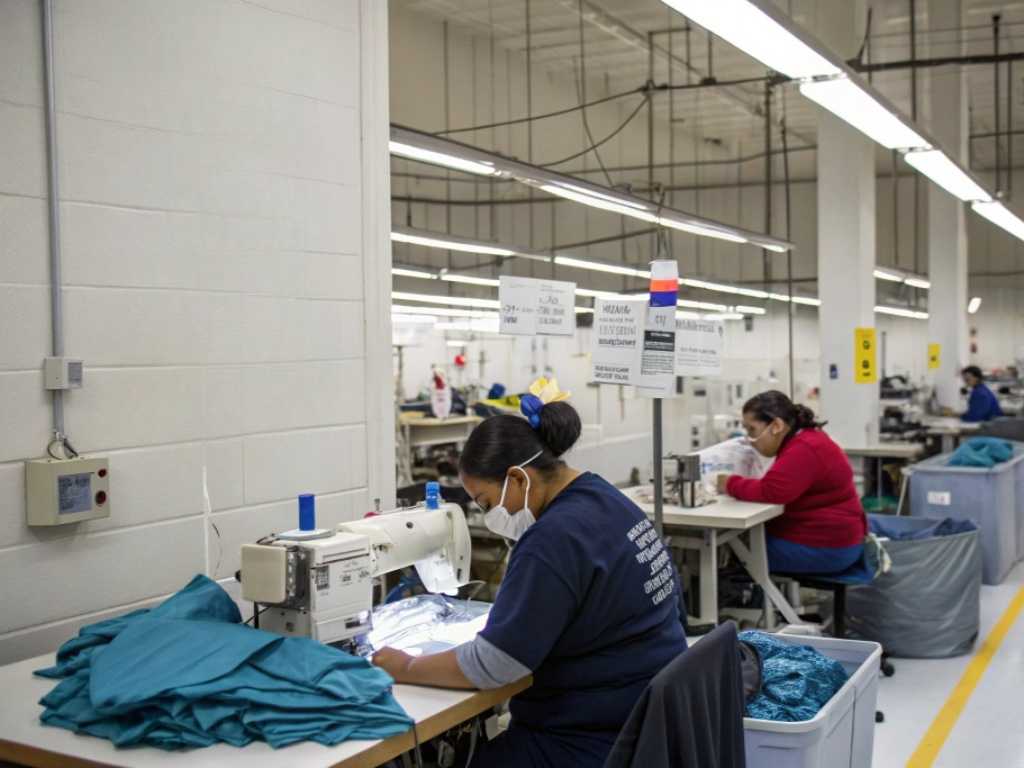
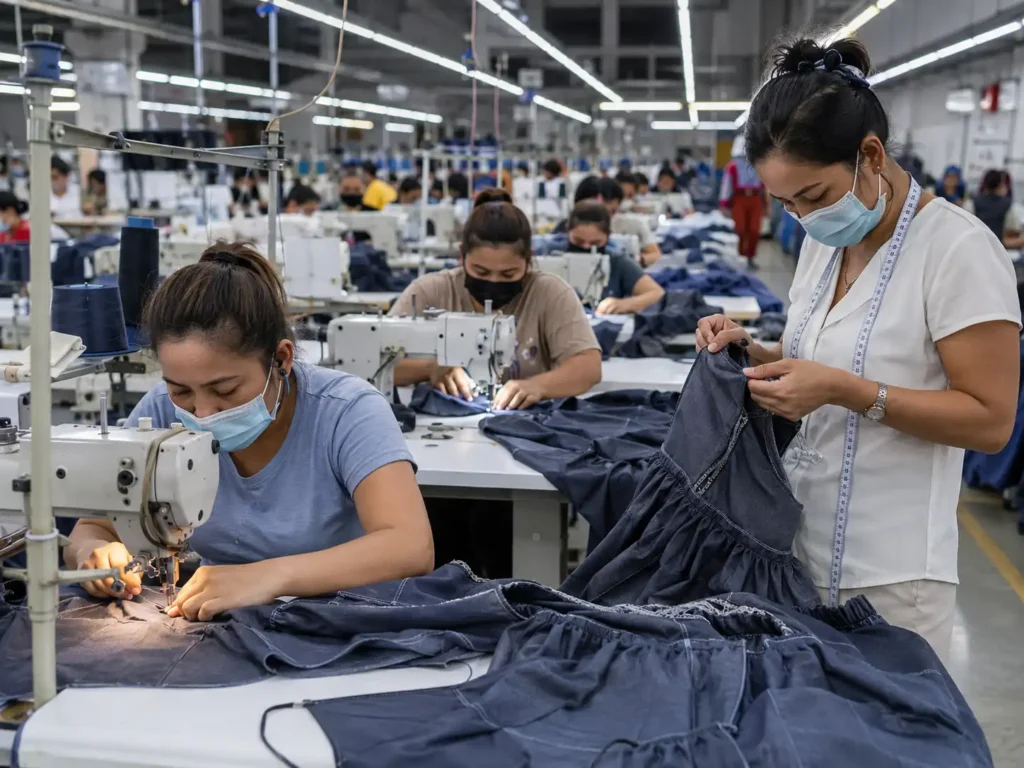
Female garment workers sewing blue fabric at industrial sewing machines.

Tell Us About Your Dress Project

Share your product details, estimated quantity and development requirements. Our team will review your project and provide practical OEM/ODM production feedback.

Premium Women’s Apparel Production for Fashion Brands

From dress sample development to bulk production, JF Apparel supports fashion brands with confidential OEM/ODM manufacturing, reliable quality control and scalable production support.

Click to discover the latest women's fashion trends!

Note: Your email information will be kept strictly confidential.

START YOUR DRESS PROJECT

Ready to Develop Your Next Dress Collection?

Share your design concept, product requirements or sourcing plans with our team. We’ll review your project and provide practical feedback on development, materials, MOQ and production.

7-10 Days

Sample Development

200 PCS

Starting MOQ

Fast Response

Professional Follow-Up