Skip to content
Dress Manufacturer for Fashion Range Planning Teams
Turn an approved seasonal dress range into coordinated samples, costed styles, controlled production, and delivery-ready SKUs.
Jinfeng Apparel supports fashion range planning, merchandising, product development, sourcing, and quality teams that need a dress program to move cleanly from line sheet to bulk production. The manufacturing workflow is organized around style roles, fabric groups, sample priorities, cost tiers, size architecture, production allocation, private-label packing, and launch dates.
- 10-30 styles per range: projects can be grouped by fabric, construction, sample priority, and production route instead of being managed as isolated garments.
- From 200 pcs per style/color: MOQ is assessed against fabric availability, color development, trims, construction, packing, and the intended order structure.
- 6 owned factories plus 10+ long-term production partners: resources can be matched to woven, knit, structured, embellished, or fit-sensitive dress programs.
- 2 sample rooms, 7+ senior pattern makers, and 20+ sample machinists: multi-style development can be sequenced through first samples, fit revisions, photo samples, PP samples, and Golden samples.
Capacity Built for Multi-Style Dress Range Development
Since 2008
6 Owned Factories
10+ Production Partners
2 Sample Rooms
7+ Pattern Makers
15+ QC Inspectors
Built for Teams Planning Commercial Dress Ranges
Range Planning
- Useful inputs: line sheet, style role, target quantity, color count, intended launch window.
- Manufacturing output: feasibility notes, sample sequence, fabric grouping, MOQ impact, production route.
Merchandise Planning
- Useful inputs: target retail position, target FOB range, margin limits, priority styles.
- Manufacturing output: cost drivers, value-engineering options, quantity breaks, material alternatives.
Product Development
- Useful inputs: tech pack, base measurements, reference sample, construction notes, fit comments.
- Manufacturing output: pattern, first sample, revision record, PP sample, Golden sample.
Sourcing Teams
- Useful inputs: quantity by style/color, target market, compliance file list, incoterm, delivery window.
- Manufacturing output: factory match, commercial quotation, material plan, timeline, shipping preparation.
Quality Teams
- Useful inputs: measurement specification, workmanship standard, AQL level, inspection checklist.
- Manufacturing output: QC checkpoints, measurement records, defect actions, final and packing review.
Supply Chain Teams
Supply chain teams focus on material arrival, production sequencing, warehouse requirements, shipping documents, and delivery priority. Jinfeng Apparel coordinates packing lists, carton marks, carton measurements, gross and net weight, commercial invoices, forwarder communication, and split-shipment planning. Priority colors or hero styles can be separated when the launch plan requires staged delivery.
- Useful inputs: warehouse guide, forwarder details, cut-off date, carton rules, shipment split.
- Manufacturing output: packing plan, cargo data, document coordination, shipment status, delivery batches.
Where Range Planning Connects With Dress Manufacturing
Strong cooperation begins with a clear division of responsibility. Brand teams retain control of market strategy and commercial decisions, while Jinfeng Apparel converts approved range direction into manufacturable garments, controlled specifications, and production-ready files.

Brand-Led Range Decisions
Fashion range planning remains a brand-led function. Market demand, channel strategy, target consumer, retail price, sales forecast, buy depth, markdown policy, assortment breadth, and inventory exposure belong with the brand’s planning and merchandising teams. Jinfeng Apparel does not replace those commercial decisions. The manufacturing role begins when product architecture needs to be tested against material availability, garment construction, fit, MOQ, costing, and delivery reality.
A useful range brief identifies which styles are intended as hero products, core commercial lines, entry-price options, visual campaign pieces, carryover products, or likely replenishment candidates. That information changes the manufacturing plan. Hero styles may require earlier sampling and more complex materials. Core products may need a stronger focus on repeatability and cost control. Carryover products benefit from stable fabric records, patterns, BOM files, QC history, and Golden samples.
Clear brand decisions also reduce unnecessary development. When style role, target price, color count, size range, and launch date are known, fabric and construction proposals can be judged against a real commercial purpose. Without those boundaries, a sample can look attractive yet fail the intended margin, production quantity, or launch calendar.

Manufacturing-Led Execution Decisions
Jinfeng Apparel supports product feasibility, fabric and trim direction, pattern development, sample sequencing, cost structure, MOQ interpretation, production allocation, QC planning, private-label packing, and export coordination. Each approved concept is reviewed as part of the wider range rather than as an isolated style. Shared fabrics, colors, linings, zippers, labels, and packaging can be identified where technically suitable, while fit-sensitive or complex styles receive separate control points.
Manufacturing review also identifies risks that may not be visible in a range board. Satin can magnify seam waviness and shade differences. Power mesh requires controlled stretch direction and recovery. Lace placement changes cutting yield and visual balance. Corset structures need stable support, cup position, boning, and closure design. Multi-layer chiffon affects opacity, hem balance, and labor time. Those factors influence price, sampling, bulk consistency, and the sequence in which styles should be approved.
The handover becomes complete when the range has confirmed fabrics, approved measurements, final construction, PP samples, quantities, labels, packing files, inspection requirements, and delivery instructions. At that point, the planning concept has become a controlled manufacturing program.
Production Risks That Can Disrupt a Strong Range Plan
Fragmented Style Development
Fabric MOQ Conflicts
Cost Tier Imbalance
Sample Calendar Congestion
Factory Allocation Mismatch
Launch Date Slippage
What Range Planning Teams Need From a Manufacturer
Category Understanding
Multi-Style Development
Fabric Platform Planning
Transparent Costing
Calendar Management
What We Review Before Developing Your Dress Range
Line Sheet
Tech Pack
Style Role
Quantity Plan
Fabric Direction
Color Plan
Size Architecture
Launch Requirements
Dress Categories for a Balanced Seasonal Range

Mini Dresses
Midi Dresses
Maxi Dresses

Bodycon Dresses

Corset Dresses

Party Dresses
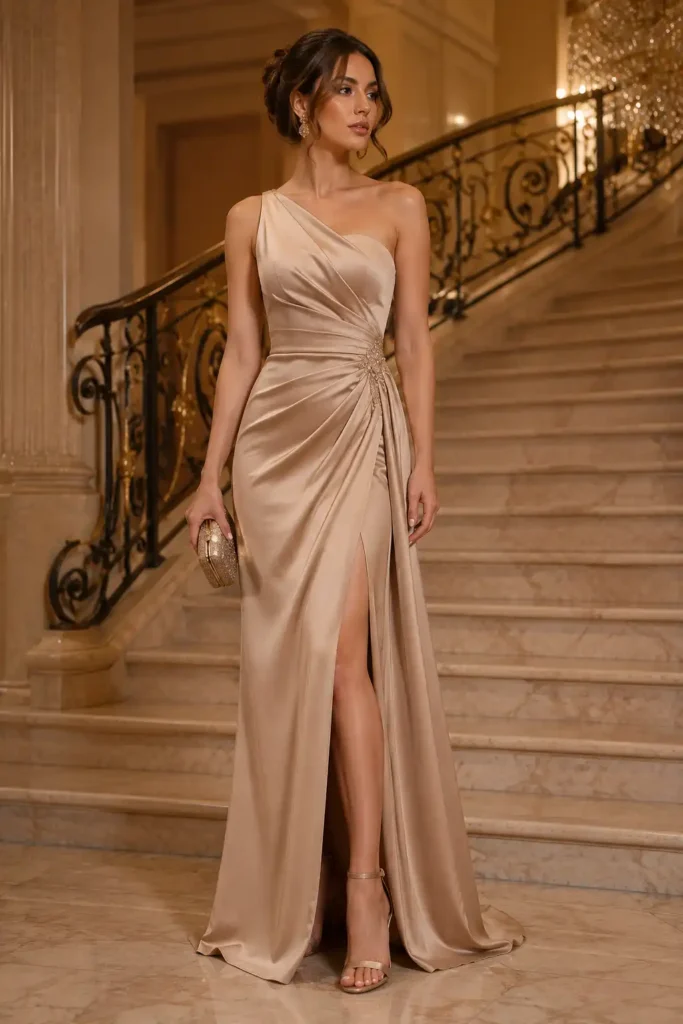
Occasion Dresses

Resort Dresses

Jumpsuits and Sets
Build a Range With Distinct Product Roles
Hero Styles
Core Commercial
Entry Price
Occasion Focus
Content Drivers
Carryover Styles
Seasonal Statements
Replenishment Styles
Range Completers
Range-completion styles fill gaps in length, color, price, or wearing occasion. They should support the assortment rather than add unnecessary complexity. A compatible fabric, standard closure, proven pattern block, or shared label and packing system can make these products commercially useful without creating a separate supply chain.
Plan Fabric Platforms Across Multiple Dress Styles
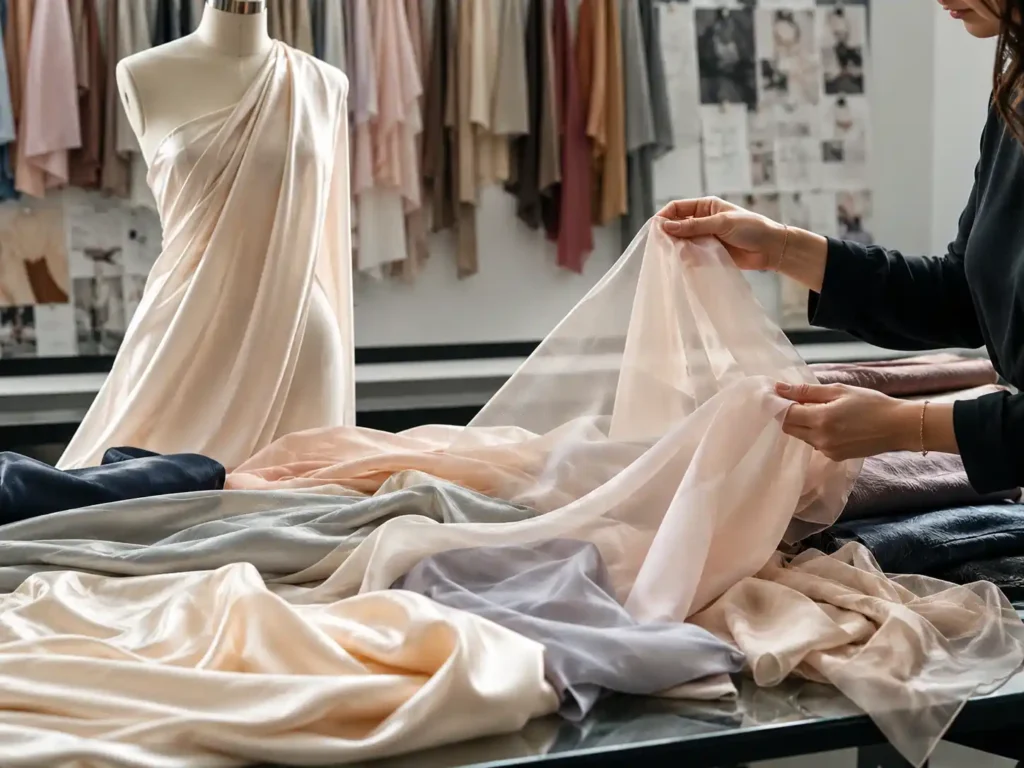
Satin and Charmeuse
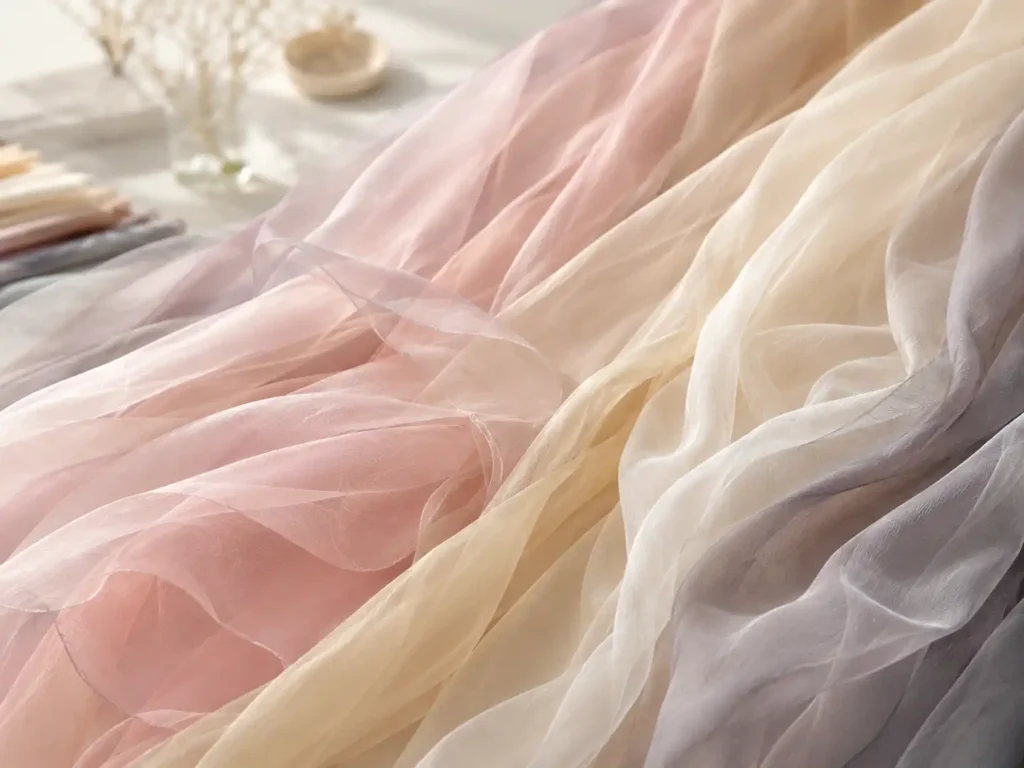
Chiffon and Georgette
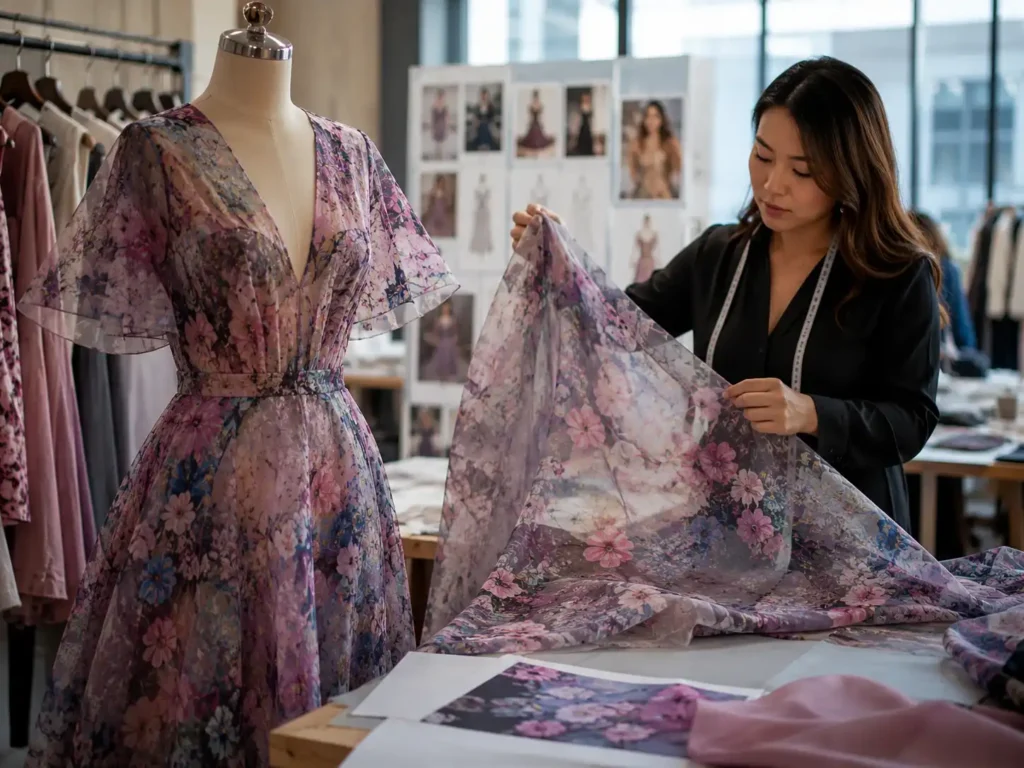
Mesh and Power Mesh
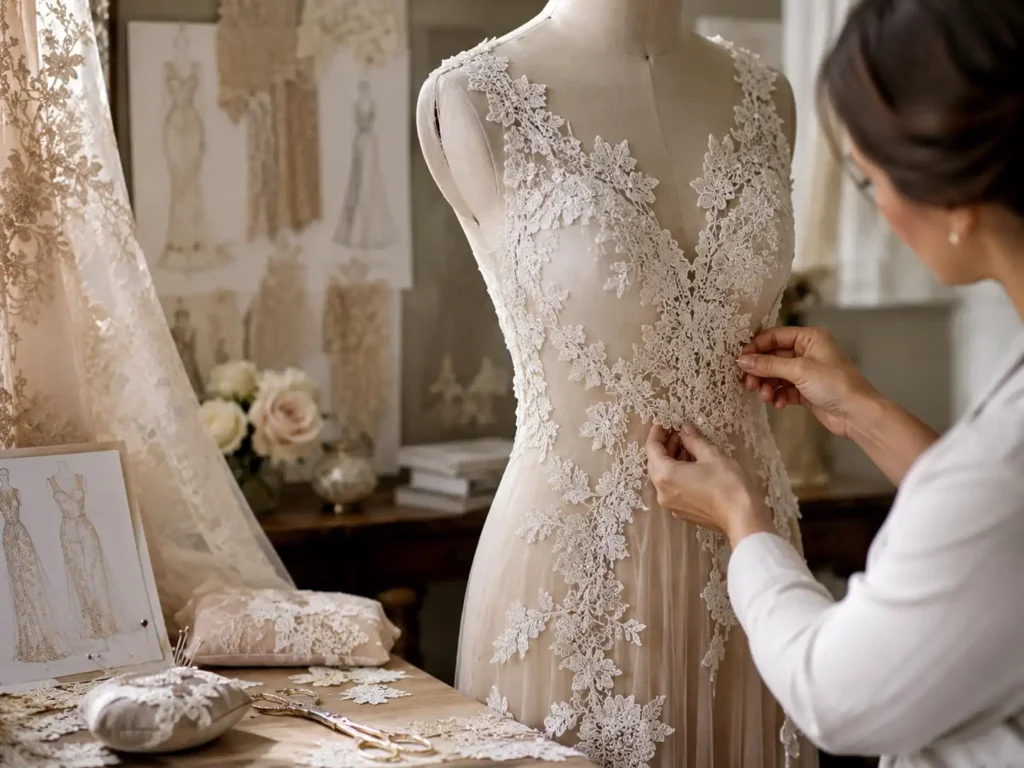
Lace and Tulle
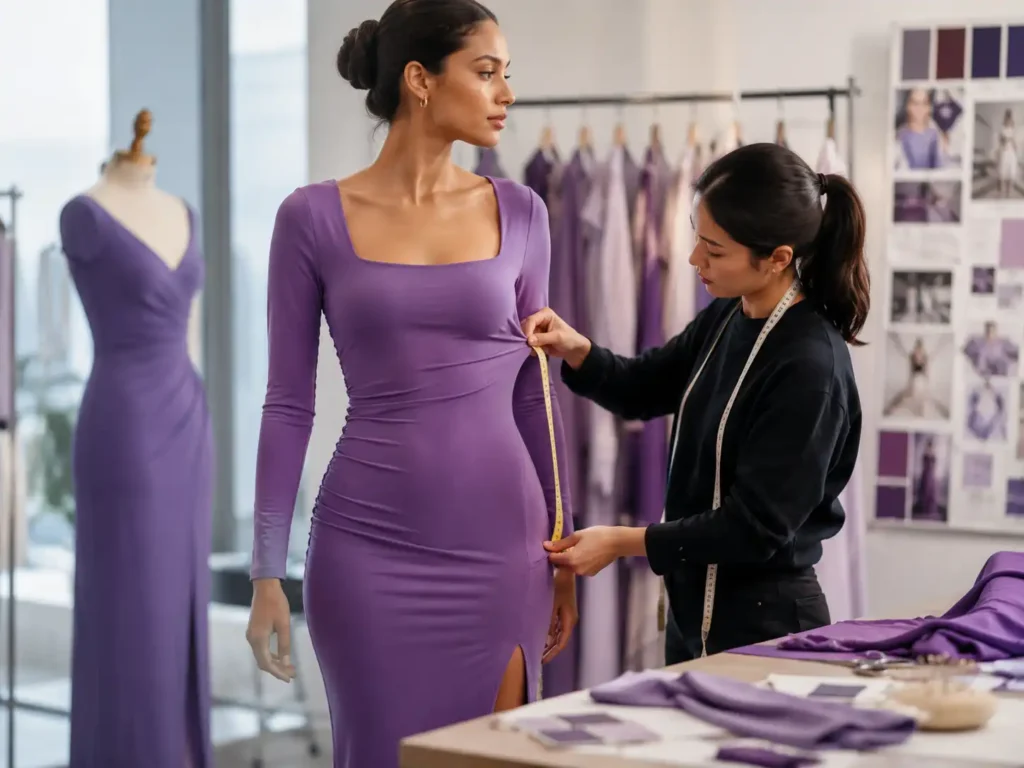
Jersey and Ponte
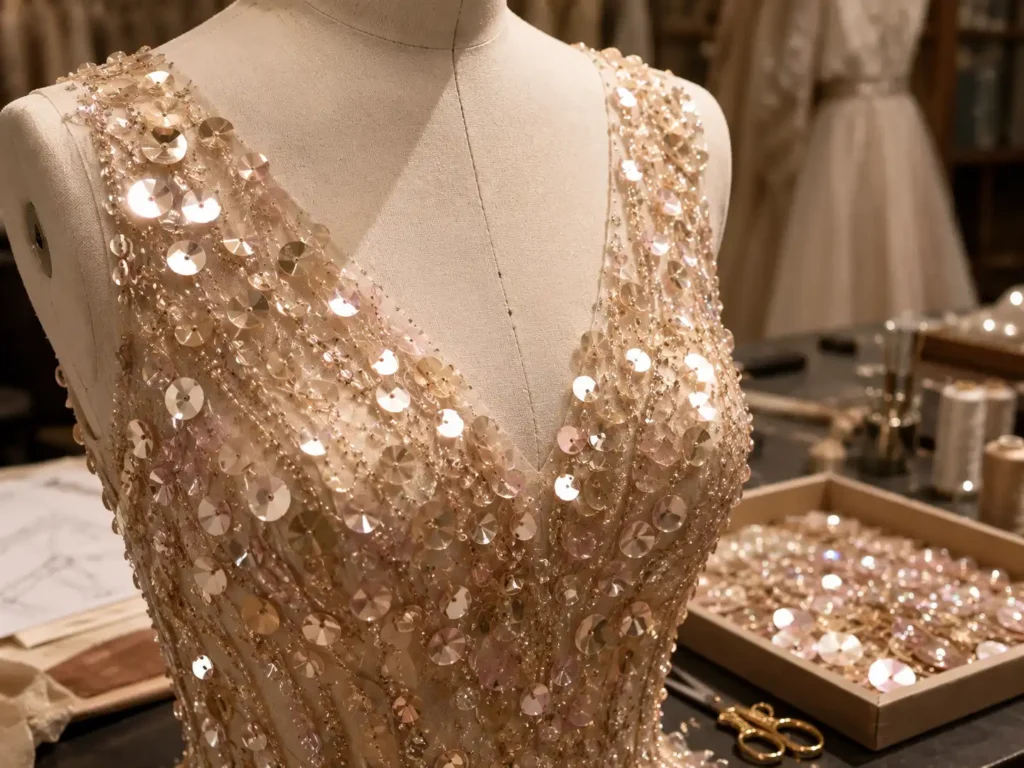
Sequins and Embellishment
Control Color, Size and SKU Complexity
Core Color Allocation
Fashion Color Allocation
Fabric Color Minimums
Size Architecture
SKU Label Control
Reorder Data Retention
Cost a Dress Range Without Flattening Its Identity
Range costing should show where money creates visible value and where complexity can be reduced. Jinfeng Apparel builds quotations from the actual fabric, trims, pattern work, sampling, construction, finishing, QC, packing, testing, logistics coordination, and quantity structure of each style.
Range-Level Cost Visibility
A dress quotation is not a single sewing number. Fabric cost depends on composition, weight, width, yield, color development, print method, cutting loss, and supplier minimum. Trim cost may include zippers, hooks, cups, boning, anti-slip tape, elastic, lining, lace trim, rhinestones, labels, and packaging. Construction cost changes with layer count, ruching, draping, corsetry, cut-outs, placement motifs, embellishment, handwork, pressing difficulty, and measurement control. Sampling and pattern development also vary by complexity and number of revisions.
Range-level costing makes these drivers comparable. A satin slip may use expensive material but efficient construction. A corset mini may use less shell fabric but require more internal components and labor. A sequin style can create high visual impact while carrying cutting waste, repair, skin-contact, and packing costs. A layered chiffon maxi may look light but consume several times the visible surface area. Separating those drivers prevents one average target from distorting every product.
Commercial quotations become more accurate after fabric, trims, construction, size range, colors, quantities, packing, and delivery terms are confirmed. Early figures can guide range decisions, while final bulk prices should be tied to approved specifications and material routes.
Product Tier Balance
Entry, core, premium, and hero products should not be forced into identical cost logic.
Entry products can use commercially available fabrics, proven closures, efficient silhouettes, and fewer internal layers.
Core products should protect fit, repeatability, material continuity, and broad wearability. Premium products can invest in fabric handfeel, lining, support, refined finishing, and selected details.
Hero products may carry the most complex visual treatment because they support campaign and brand impact.
The objective is not to make every style cheaper. The objective is to keep the range inside its planned architecture while preserving the reason each product exists. Removing support from a strapless dress, reducing lining where opacity is essential, or using unstable fabric in a bodycon style may lower the initial quotation yet increase fit failure, returns, repair, or markdown exposure.
Better cost decisions remove invisible waste while protecting visible and functional value.
Value Engineering Without Visual Loss
Jinfeng Apparel can review fabric substitution, trim replacement, lining strategy, construction simplification, pattern efficiency, color consolidation, size-ratio planning, MOQ grouping, and shipment splitting. A similar fabric may offer more stable supply or better yield.
A standard zipper can replace a decorative closure where the closure is not a visual focus. Internal construction can sometimes be simplified after fit and support are tested. Shared lining, labels, or packing materials can reduce fragmentation across the range.
Every value-engineering proposal should be judged against drape, opacity, stretch, recovery, support, comfort, durability, photo appearance, and approved brand quality. Cost control is most effective before samples are locked, when material and construction alternatives can still be compared without disrupting the bulk calendar.
How MOQ Works Across a Multi-Style Range
Jinfeng Apparel starts from 200 pieces per style/color, subject to fabric availability, color development, trims, construction, packing, and production schedule. Range volume can improve purchasing and line efficiency, but one total figure does not automatically remove material or color minimums attached to individual styles.
| Material or Requirement | MOQ Effect | Range Planning Response | Control Point |
|---|---|---|---|
| Stock fabric | Standard style/color MOQ may be possible | Group technically compatible styles where useful | Confirm stock quantity, dye lot, replacement availability |
| Custom-dyed fabric | Dye-house minimum applies by quality and color | Consolidate color across compatible silhouettes | Approve lab dip, bulk shade, shell-lining relationship |
| Custom print | Printing minimum and setup cost apply | Use one print across several suitable products | Confirm artwork scale, repeat, placement, strike-off |
| Special lace or tulle | Supplier stock and motif repeat influence minimum | Reserve premium placement for selected styles | Approve motif, softness, color, lining, cutting route |
| Sequin or embellished fabric | Batch, color, backing, and repair needs affect minimum | Prioritize hero or occasion products | Check scratch risk, loss, seam areas, protective packing |
| Custom trims | Separate minimum may apply to zippers, hardware, cups, or branding | Standardize hidden components across styles where suitable | Confirm specification, color, durability, comfort, lead time |
| Private-label packing | Labels, hangtags, barcodes, and special bags may have independent minimums | Coordinate artwork and common packaging before production release | Approve SKU matrix, label files, carton marks, warehouse rules |
Manage Multi-Style Sampling Without Losing Control
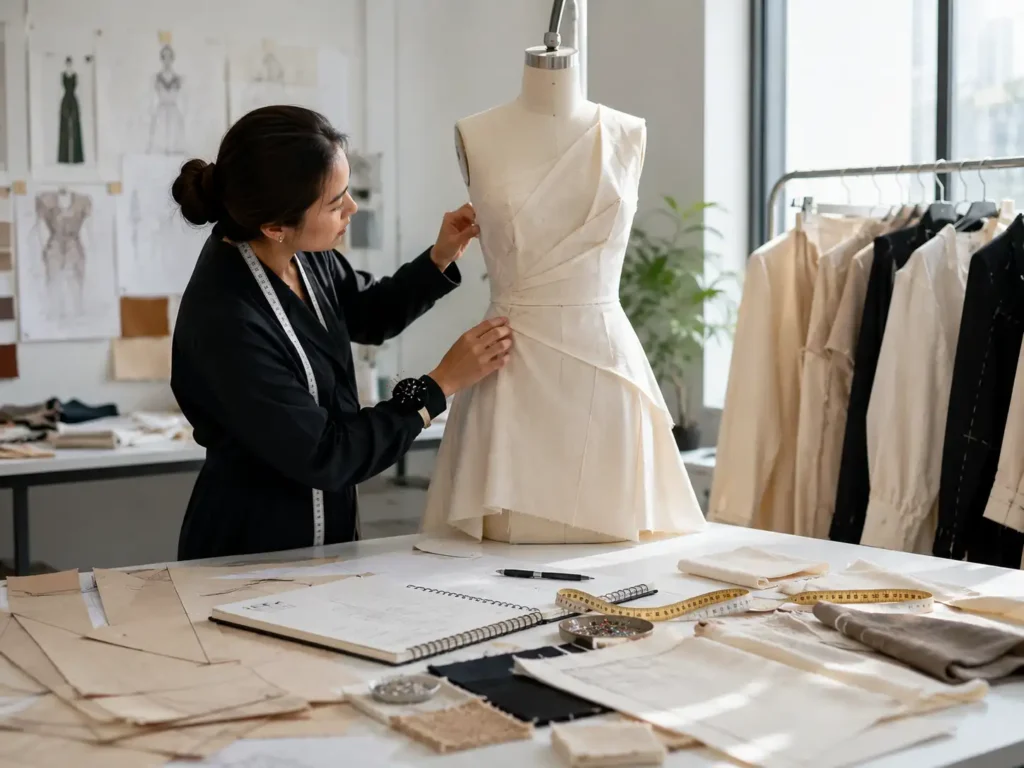
First Sample

Fit Sample

Revised Sample

Photo Sample
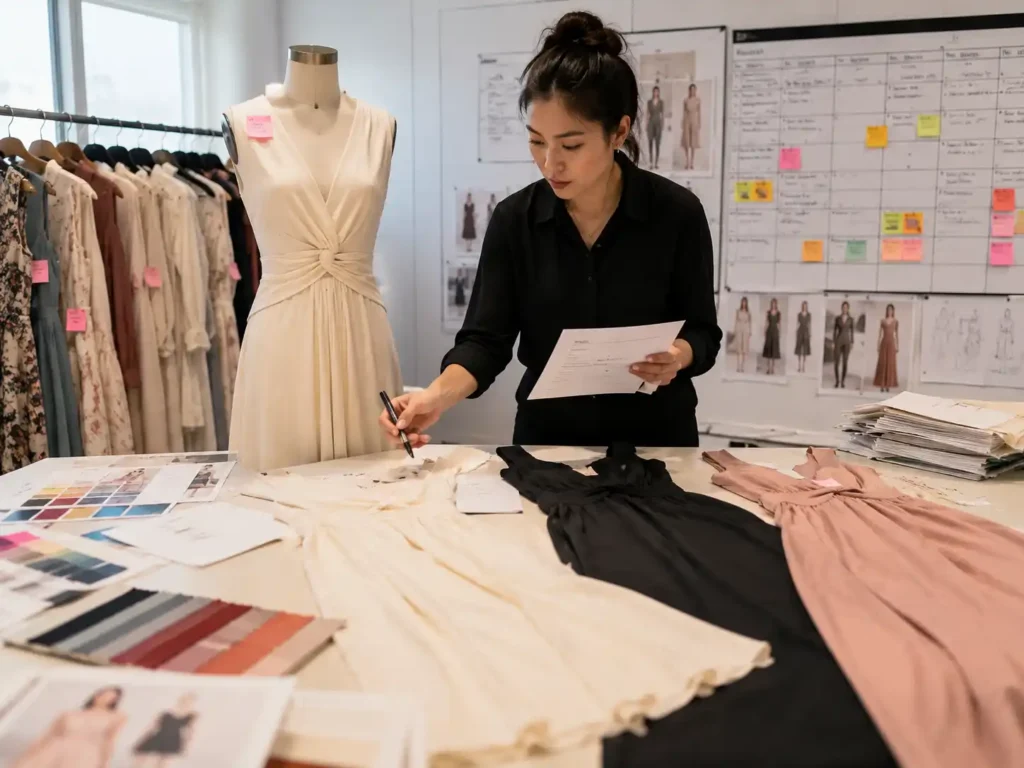
Salesman Sample

PP Sample
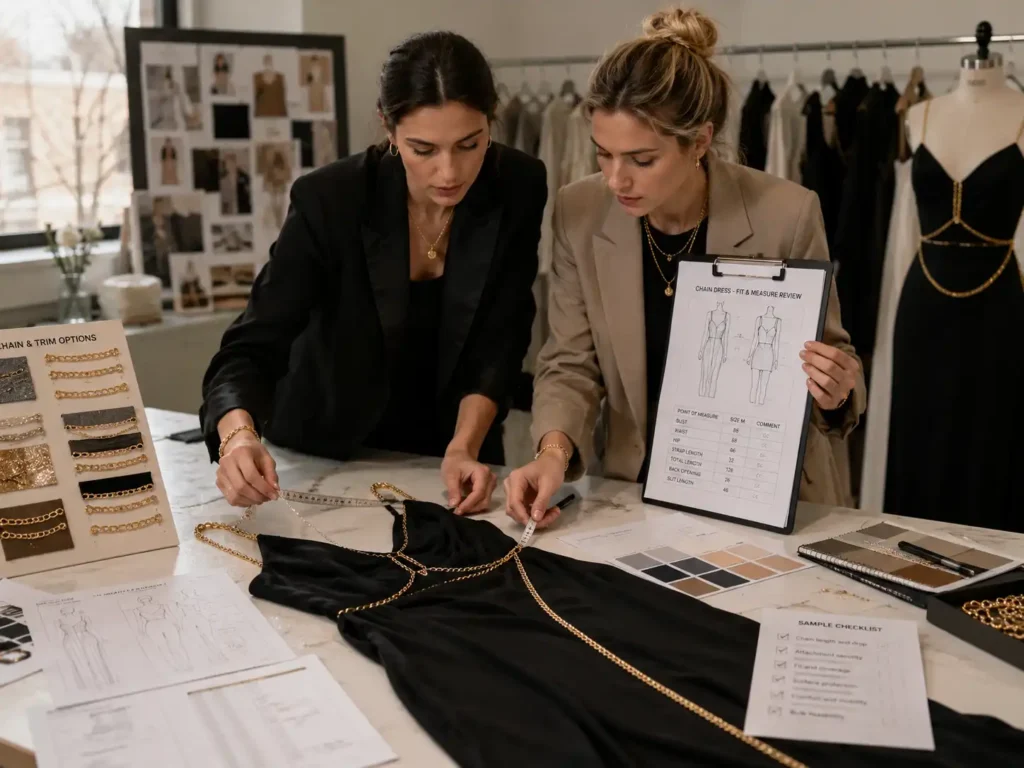
Golden Sample

Sample Control Record
Build Sampling Around Your Launch Calendar
The timeline below provides a planning reference after required inputs are available. Fabric development, complex construction, repeated revisions, compliance testing, holiday capacity, and delayed approvals can extend the schedule. A backward plan from the launch window remains more reliable than a single promised delivery date.
| Stage | Brand Input | Jinfeng Output | Planning Window | Approval Point |
|---|---|---|---|---|
| Range review | Line sheet, style roles, quantity, target cost, launch date | Feasibility notes, risk list, information gaps | 2-4 working days | Style shortlist and development priority |
| Fabric direction | Fabric reference, color plan, performance need | Swatches, source route, MOQ and timing notes | 5-12 working days for available options | Fabric direction approval |
| First sample | Tech pack or confirmed reference, base measurements | First construction and fit sample | 7-15 working days after materials are ready | Initial fit and construction comments |
| Fit revision | Consolidated comments, photos, measurements | Revised pattern and sample | 5-10 working days per revision | Fit and construction approval |
| Photo or sales sample | Shoot or sales requirement, priority color and size | Presentation-ready sample | 7-12 working days after approved direction | Release for intended use |
| PP sample | Final fabric, trims, labels, measurements, packing details | Pre-production reference | 5-10 working days after all components are ready | Documented PP approval |
| Bulk production | PO, approved PP, material and packing confirmation | Cutting, sewing, finishing, in-line QC | 30-45 working days for standard planned programs | In-line and pre-final review |
| Final QC and packing | Inspection level, warehouse guide, shipping instruction | Final inspection, packing, cargo documents | 5-10 working days depending on order scale | Shipment release |
Allocate Each Style to the Right Production Resource
Six owned factories and more than ten long-term production partners create flexibility only when every style is routed through a controlled decision. Jinfeng Apparel matches resources to fabric, structure, workmanship, volume, approval status, QC risk, and delivery priority.
Product and Fabric Matching
Factory allocation begins with product structure. Simple woven dresses, structured corset styles, stretch bodycon products, slippery satin, delicate lace, sheer mesh, sequins, and jumpsuits require different production experience. Fabric handling affects cutting, needle choice, seam stability, pressing, repair, and final appearance. The selected resource should have demonstrated control over the relevant material and construction rather than only available line space.
Styles can be grouped when they share compatible fabric, internal construction, workmanship, and delivery timing. Grouping may improve material control and communication, yet technical differences still need separate files. A satin slip and satin corset dress may share shell material but require different pattern, lining, support, seam, and pressing standards.
Approval and Line Readiness
Production allocation should follow approved or near-final technical direction. Releasing a style before fit, fabric, trims, PP sample, or packing details are stable creates rework and capacity disruption. The project team checks the approved sample, BOM, measurement chart, sewing notes, labels, packing method, and QC focus before bulk release. Critical details are transferred into production instructions so the line is not expected to interpret a design from images alone.
Pilot or early-line checks can confirm seam appearance, measurement, closure function, trim position, and pressing before volume builds. Any correction is recorded and communicated to production and QC. A range with several factories still uses common project records and approval standards rather than separate informal instructions.
Capacity and Delivery Sequencing
Quantity, launch priority, material arrival, and production complexity influence line planning. Hero products, priority colors, or photo-sensitive styles may be released earlier. High-volume core products may need longer continuous line time. Special-fabric styles may wait for confirmed material batches. Split production can protect delivery only when color, workmanship, measurement, labeling, and packing remain controlled across resources.
Jinfeng Apparel coordinates production status through material, cutting, sewing, QC, pressing, packing, and shipment stages. A delayed component is reported against its effect on the wider range, allowing the brand team to evaluate priority changes or split-delivery options before the launch is at risk.

Keep Every Style Visible Through Bulk Production
Project Launch
Material Tracking
Version Control
Production Updates
Exception Handling
Packing Release
Protect Quality, Compliance and Unreleased Range Information
Range-Level Quality Control
Compliance Coordination
NDA and Range Protection
How Dress Ranges Move From Plan to Production
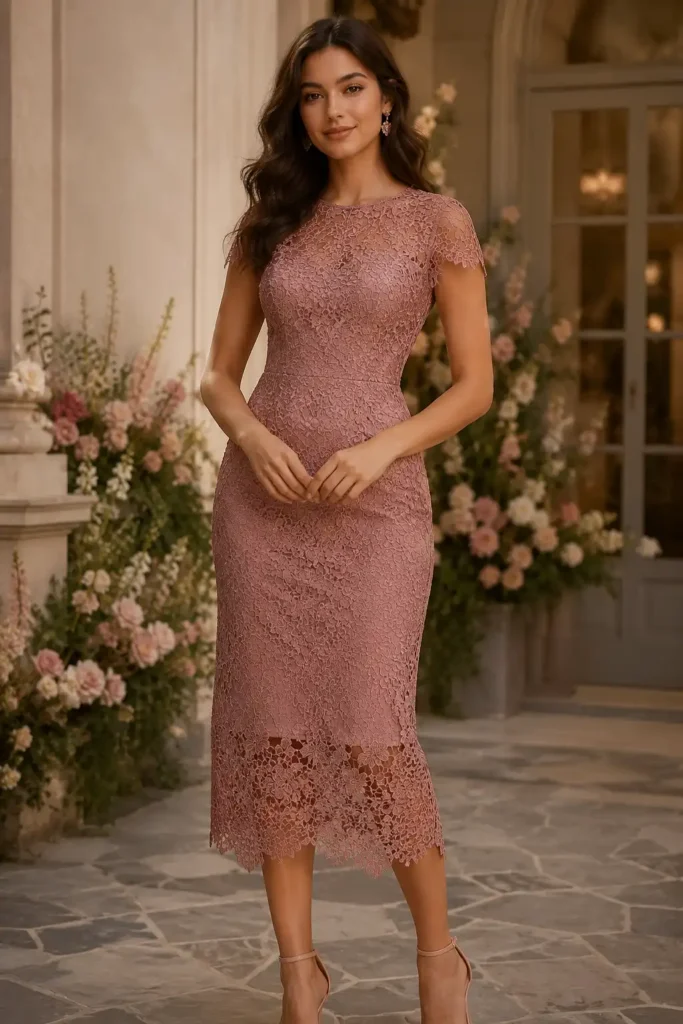
US Occasionwear Range
European Resort Program
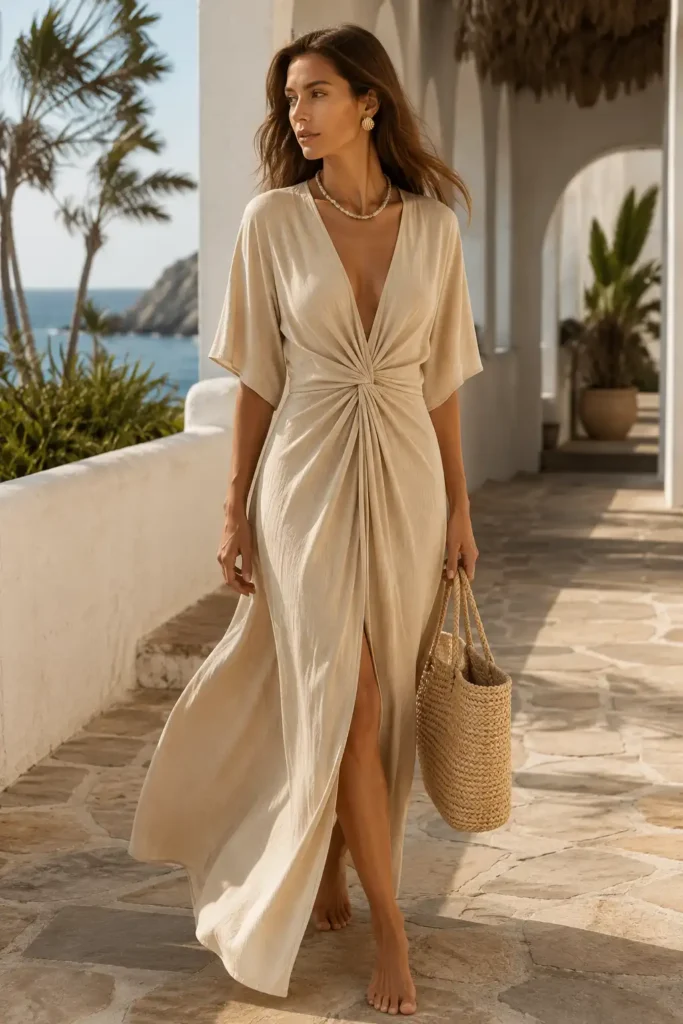
Project profile: 18 styles, 42,600 pieces, 9 colors, five principal fabrics, and sizes aligned to the brand’s EU grading standard. The range included printed maxis, halter midis, lightweight minis, draped satin dresses, and coordinated crop-top and skirt sets. Three sample rounds were planned for most styles, with extra fit work allocated to low-back and wrap constructions.
The planning challenge involved print minimums, color stories, and delivery timing for a fixed summer launch. Jinfeng Apparel grouped the range around one printed base, one lightweight woven, one chiffon family, one satin quality, and one lining platform. Print scale and placement were approved through strike-offs and sample cutting. Similar hardware and labels were standardized where visible design was not affected. Petite length adjustments were developed for selected maxi products rather than shortening every style by one fixed amount.
Production followed fabric readiness and sales priority. Core printed and solid-color styles entered bulk first, while special-color satin products followed after shade approval. QC reviewed print placement, seam slippage, transparency, lining length, halter security, hem balance, size labels, barcodes, and mixed-size cartons. The 14-week planned manufacturing program used two delivery batches, allowing priority ecommerce styles to reach the warehouse before the full seasonal assortment.
North American Reorder Range
Frequently Asked Questions for Range Planning Teams

Send Your Dress Range for Manufacturing Review
Share the information already available, even when several styles are still under development. Kelly and the project team will review range structure, product risk, fabric route, sample priority, MOQ, costing inputs, size architecture, private-label requirements, production allocation, and delivery timing before recommending the next step.
Early review is especially useful when the range contains 10-30 styles, several fabric families, special colors, fit-sensitive products, or a fixed campaign and launch calendar.
- Range files: line sheet, tech packs, reference images, original samples, sketches, or construction notes.
- Commercial structure: quantity per style/color, target cost, product role, intended market, and launch date.
- Material direction: fabric references, color standards, lining, trims, surface details, and performance needs.
- Fit and size: base measurements, target sizing system, size range, grading preference, petite, tall, or extended-size requirements.
- Brand delivery: main labels, care labels, hangtags, barcodes, polybags, carton marks, warehouse guide, inspection, and shipping instructions.
- Confidentiality: an NDA can be signed before unpublished line sheets, tech packs, samples, labels, or launch information are shared.