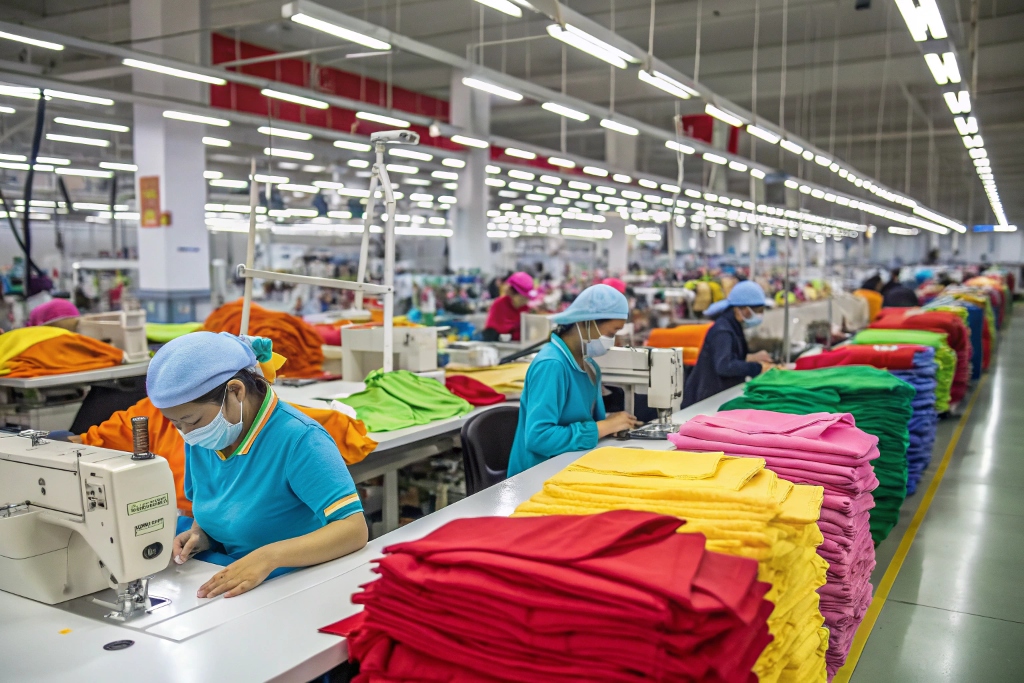
Dress Manufacturer for Brands Replacing Unstable Suppliers
Move existing dress programs into a documented sample-to-bulk system built around fit, material continuity, production visibility and repeat-order control.
Jinfeng Apparel helps established fashion brands transfer approved styles, seasonal collections and repeat-order programs away from suppliers that no longer deliver consistent results. Existing garments, tech packs, size charts, fabric references, fit comments and previous inspection records are reviewed before a replacement sample is released.
- 10-30 style programs: prioritized by launch date, fabric group, construction risk and commercial importance.
- 20,000-80,000 unit programs: planned through staged approvals and product-specific factory allocation rather than one uncontrolled handover.
- 2 sample rooms: supported by 7+ senior pattern makers and 20+ sample machinists for fit correction, revised samples and PP development.
- 15+ QC inspectors: used across incoming material checks, first-piece review, inline measurement, final inspection and packing verification.
Built for Brands Ready to Change Suppliers
Best Program Fit
- Fashion brands managing recurring dress drops or seasonal collections
- Sourcing, product development, merchandising and quality teams
- Programs with tech packs, original samples, measurement files or historical bulk pieces
- Multi-style orders requiring private labels, SKU control, packing instructions and export delivery
- Brands seeking a primary replacement source or a qualified second manufacturing source
Outside the Program Model
The manufacturing model is not built around ready-stock purchasing, single-piece fulfillment, personal garments or one-off micro orders. A transfer review needs a real product direction, a sampling budget, a quantity plan and a credible route to bulk production. Clear boundaries protect development quality and production scheduling for ongoing brand programs.
- Ready-stock and inventory resale requests
- Single-piece fulfillment or direct-to-consumer parcel handling
- Orders without defined style, material, sizing or quantity direction
- Projects driven only by the lowest quoted unit price
- Development requests with no bulk production plan
What Makes a Dress Supplier Unstable
Sample-to-Bulk Mismatch
Delivery Uncertainty
Fit and Size Drift
Fabric Instability
Weak Record Control
Poor Communication
The Cost of Staying and Switching Too Fast

Cost of Staying
- Late campaign or collection launch
- Airfreight and split-shipment premiums
- Rework, replacement and inspection costs
- Higher returns from fit or size inconsistency
- Lost replenishment sales on proven styles
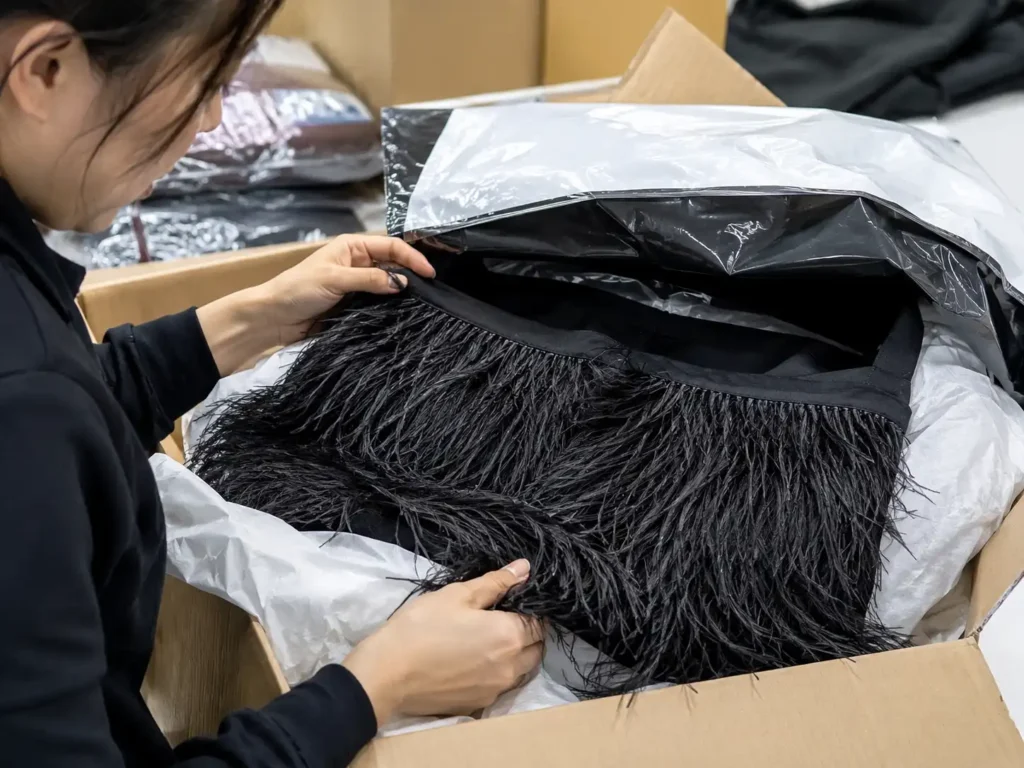
Risk of Rushing
A fast quotation does not equal a safe transfer. Old samples may contain undocumented corrections, and previous tech packs may conflict with the approved garment. The same fabric could be unavailable, or a substitute may require pattern and lining changes. Moving directly into bulk also leaves no controlled PP reference. A phased transfer protects continuity by confirming the product file, rebuilding the sample and locking production standards before volume is released.
- Unverified pattern copied from an imperfect bulk garment
- Material substitution without drape or stretch testing
- Lost grading rules, labels or packing requirements
- Bulk production released before PP approval
- All styles moved at once without priority or capacity planning
What a Replacement Manufacturer Must Prove
Dress Expertise
Takeover Method
Development Control
Bulk Control
Project Visibility
Repeat Stability
A Controlled Transition, Not a Blind Restart
Jinfeng Apparel begins with the existing program, not a generic quotation. The goal is to preserve what already works, correct what does not and create a repeatable production reference.
Preserve Commercially Proven Elements
A successful transfer does not redesign a proven style without reason. Brand-recognizable proportions, approved fabric character, key trims, label presentation and fit expectations should be identified first. The review separates commercial essentials from accidental features created by the old supplier. An accepted neckline shape may need to stay, while a distorted waist seam or unstable zipper application should not be preserved merely because it appears on a bulk garment.
Separate Symptoms From Root Causes
A complaint such as ‘the dress feels different’ may originate from fabric weight, lining tension, seam allowance, pressing, shrinkage or an altered pattern. Jinfeng compares available references and maps each defect to a probable source. Fit comments, measurement reports, issue photographs and previous inspection results are especially useful because they reveal repeated failure patterns. Correction then targets the operating cause rather than only changing the visible symptom.
Release Volume Only After Standards Align
Bulk release follows final pattern confirmation, material approval, measurement agreement, trim confirmation, construction instruction and PP acceptance. The transition can begin with a representative hero style, a high-risk style or a proven bestseller. Results from the first controlled transfer help determine whether the remaining 10-30 styles should move by fabric group, complexity or launch priority. Phasing protects sales continuity while the new production system is being verified.
What We Review From Your Existing Program

Approved Sample

Bulk Garment
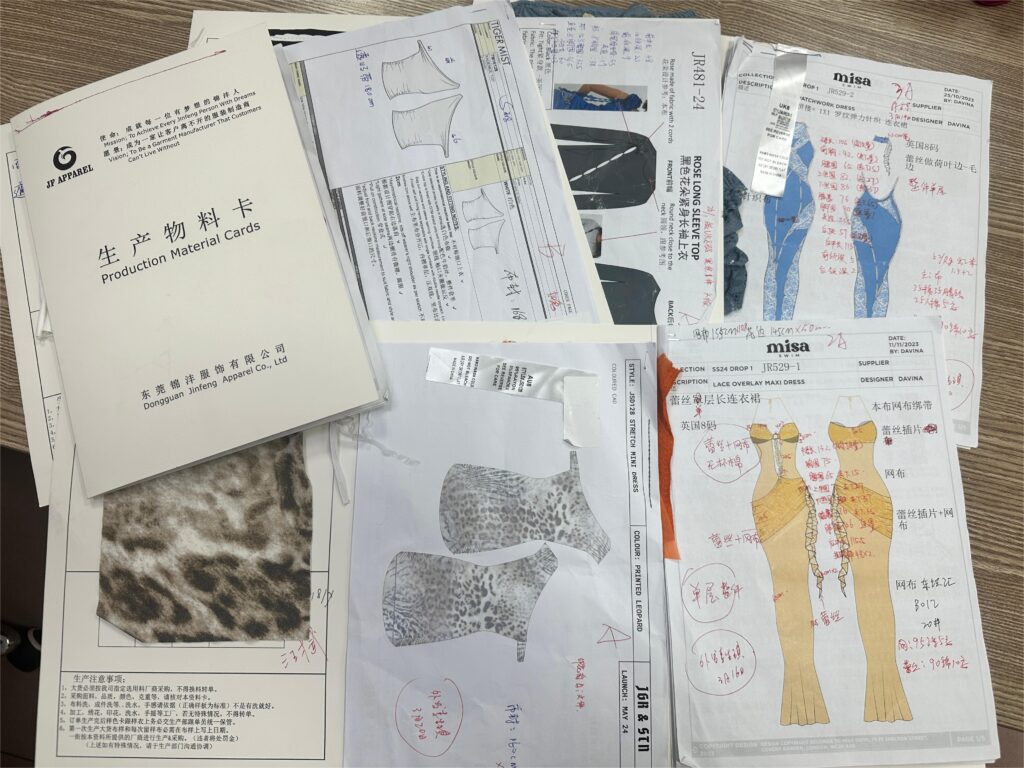
Tech Pack

Size Chart

BOM and Trims

Fabric References

QC Evidence

Packing Files
Review Before You Commit to Sampling
Project Review
Feasibility Advice
Transition Plan
How We Move a Dress Program to Jinfeng
Program Intake
Issue Mapping
Product Review
File Rebuilding
Correction Sample
Fit Review
PP Approval
Controlled Bulk
Repeat Records
Rebuilding the Product File From Existing References
A transferred style needs one reliable production file. Old documents are treated as evidence, not automatically accepted as the final standard.
Resolve Conflicting References
An approved sample, a bulk garment and a tech pack may show three different versions of the same style. Jinfeng records the conflict instead of choosing silently. The brand confirms which reference controls appearance, fit and commercial intent. A measurement can match the tech pack while the garment looks wrong because seam shape, fabric stretch or internal support changed. Visual approval and numeric approval must therefore be aligned.
Create a Missing-Information List
Missing tolerances, incomplete BOM details, unknown lining specifications, unspecified zipper lengths, absent grading rules and unclear label positions are listed before redevelopment. The list separates items that can be measured from the reference garment from items requiring a brand decision. Clear gaps prevent hidden assumptions from becoming production instructions.
Build the Controlled Master
The rebuilt product file links style number, final pattern version, base-size measurements, size range, grade rules, fabric and lining references, trim card, sewing notes, label placement, folding method, barcode logic and QC focus. Later changes are entered as revisions rather than overwriting the history. The resulting master becomes the reference for PP approval, line instruction, inspection and repeat ordering.
Dress Programs We Can Take Over

Satin and Slip

Bodycon Dresses
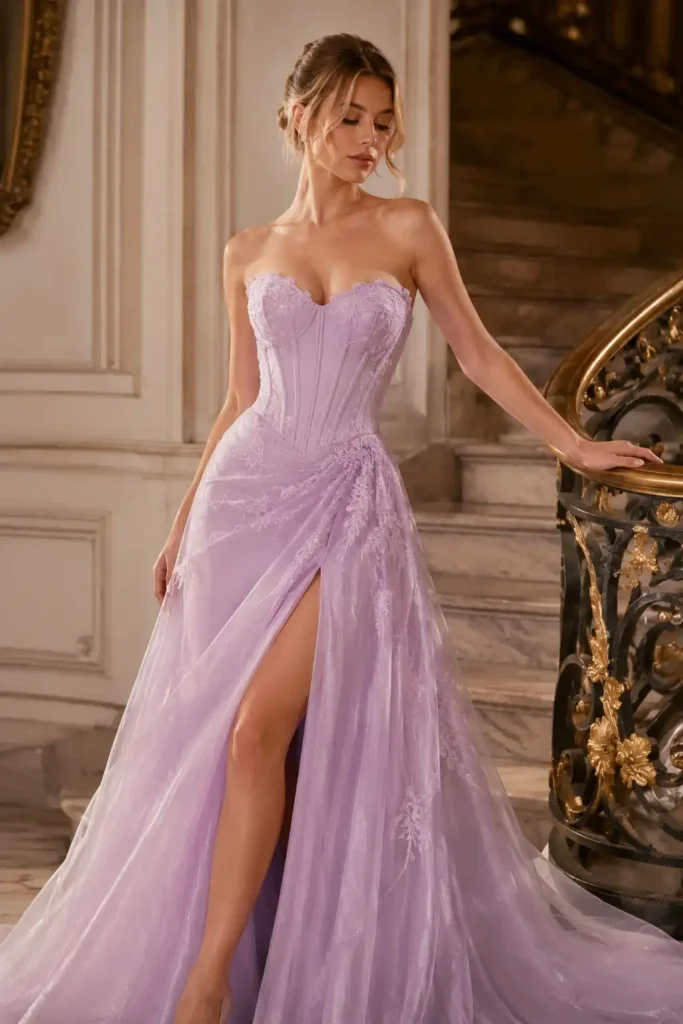
Corset Dresses

Mesh and Cut-Out
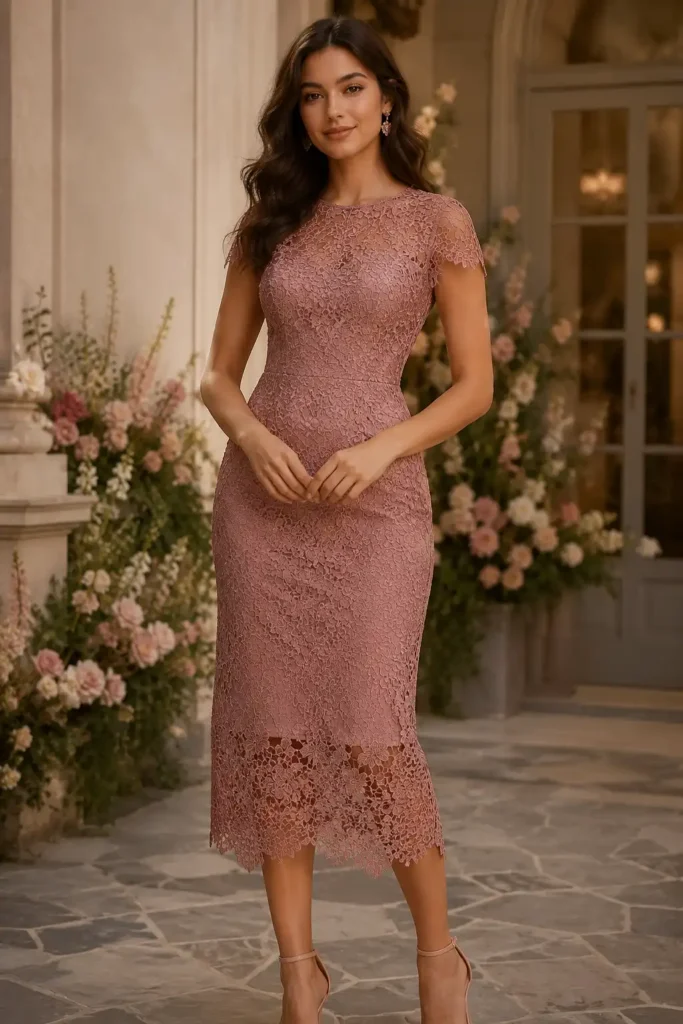
Lace Occasionwear

Sequin and Party

Resort Mini and Maxi

Jumpsuits and Sets
Keeping Fabric and Trims Consistent After Transfer
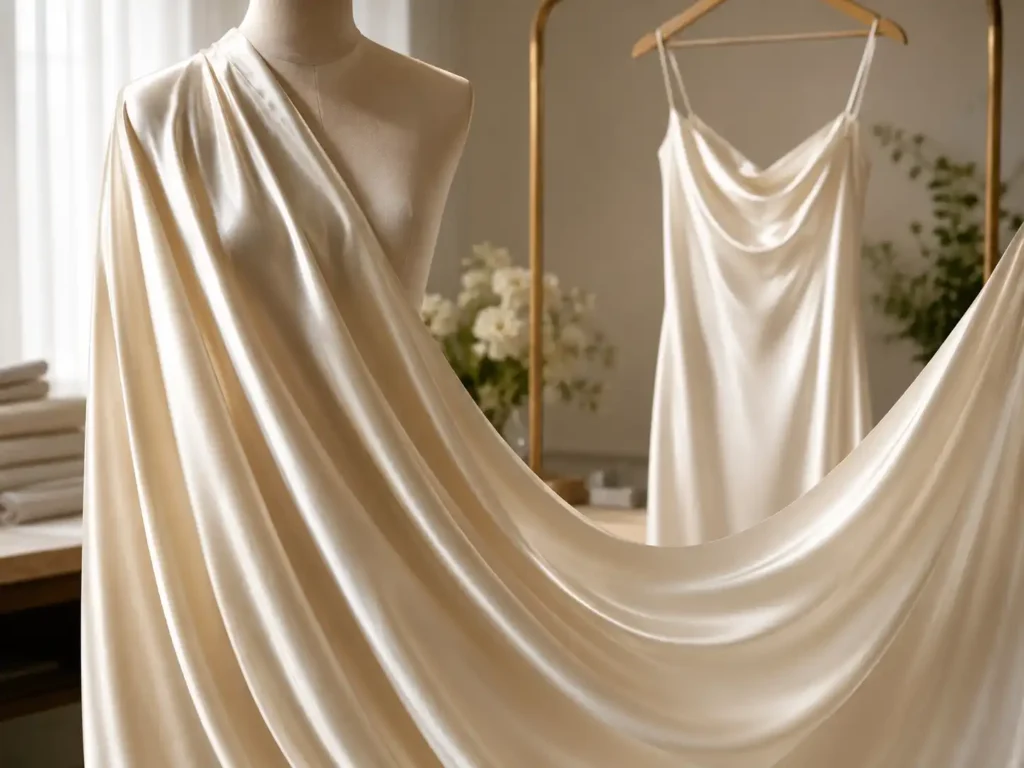
Hand Feel and Weight
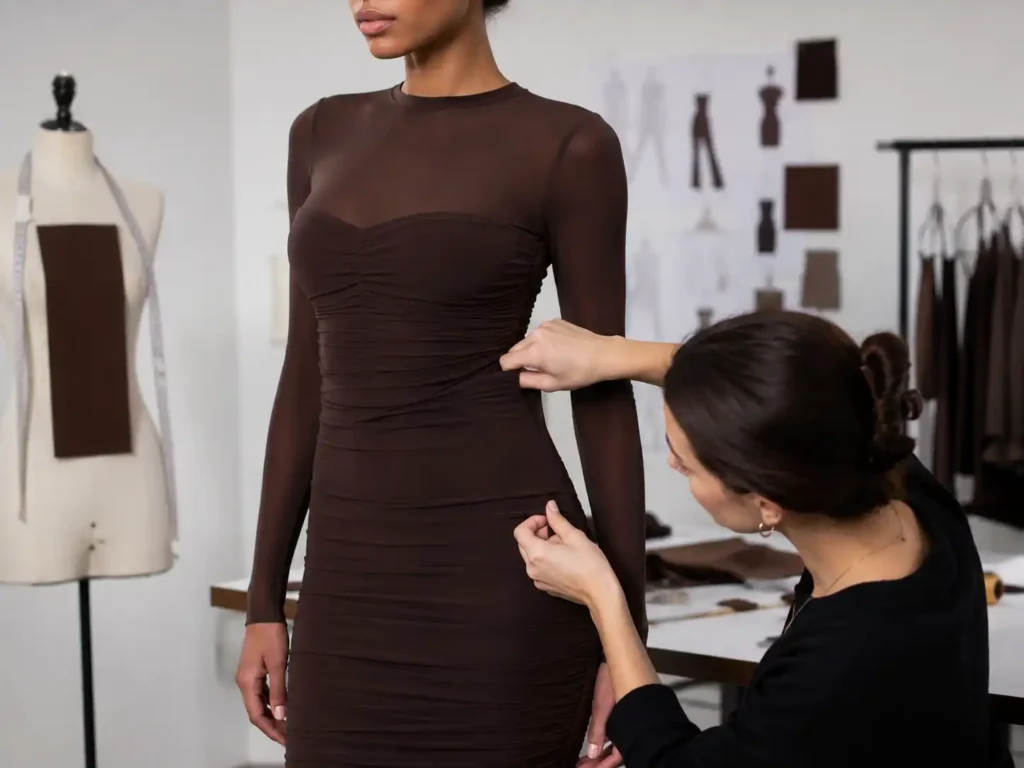
Stretch and Recovery

Color and Shade

Transparency and Lining

Surface-Sensitive Materials

Structural Trims
Correcting Fit Before It Reaches Bulk
Fit correction converts wear-test feedback and measurements into a controlled pattern. Appearance, movement, coverage and grading are reviewed together.
Measure the Garment as a System
Core dress checks can include bust, upper bust, underbust, waist, high or low waist, hip, front and back length, strap length, armhole, neckline depth, slit height, lining length and hem balance. Jumpsuits add torso and rise measurements. Jinfeng compares actual measurements with the approved chart and records whether the issue comes from pattern shape, seam construction, fabric behavior or finishing.
Translate Comments Into Pattern Actions
Comments such as ‘too loose at the chest’ or ‘the skirt rides up’ are not production instructions. A pattern maker studies where volume is distributed, how the grain or stretch runs, whether seams are pulling and how the garment behaves when walking or sitting. The revision record identifies the pattern area, measurement effect and sample version. Photographs and marked measurements help prevent interpretation gaps.
Review the Full Size Range
A five-size run such as XS-XL cannot be created by adding the same increment at every point. Bust, waist, hip, armhole, neckline, strap, slit and length need product-specific grade rules. Fitted styles may require closer control at the bust-waist-hip relationship, while maxi dresses need hem balance across sizes. Approved tolerance is defined by construction and fabric behavior rather than copied from an unrelated garment.
Rebuilding the PP and Golden Sample Standard
A successful sample is not enough. The approved garment must be converted into a complete standard that the production line and QC team can follow.
PP Approval Locks the Commercial Product
The PP stage confirms the final pattern, base-size measurements, grade direction, fabric, color, lining, trims, construction, label placement, finishing and packing method. Open decisions are closed before volume fabric is cut. Any approved deviation is written into the file, so the line does not rely on verbal memory. Complex programs may require one PP sample per material group or color when the change affects structure or appearance.
Golden Sample Anchors Appearance
The Golden sample provides a physical reference for silhouette, surface, seam behavior, neckline, waistline, hem, lining, trims and finishing. It works beside the technical file rather than replacing it. A garment can look similar while sitting outside tolerance, and a garment can measure correctly while showing poor balance. Production and inspection therefore compare both appearance and measurement.
Revision History Protects the Final Version
Every material, pattern, trim and sewing change is recorded with version, reason, approval status and next action. A typical record covers pattern correction, measurement change, fabric replacement, zipper or cup adjustment, sewing method, label placement and packing instruction. The approved PP version is clearly separated from earlier first or revised samples, preventing obsolete information from reaching bulk.
Turning Approved Samples Into Production Instructions
Sample approval becomes reliable only when the line receives the same standard through patterns, work instructions, material references and measurable checkpoints.
Production File
The production package can include final pattern, size chart, grade rule, tolerance, fabric reference, trim card, BOM, color-size breakdown, label artwork, packing instruction and QC focus. Style number and version remain consistent across documents. Multi-style programs are grouped by fabric, construction and launch priority so shared materials and risks can be managed without mixing specifications.
Sewing Instruction
Construction notes define stitch type, stitch density, seam allowance, thread color, zipper position, lining method, boning or cup application, ruching control, reinforcement and label placement. The instruction is linked to the PP garment. Critical operations receive visual references or marked samples when text alone could be interpreted differently by line teams.
First-Piece Confirmation
The first completed units are checked before the operation continues at scale. Fit-related points, neckline, waist seam, zipper, straps, lining, slit, symmetry, surface condition and measurements are reviewed against the PP standard. Correction at first-piece stage prevents the same error from spreading across hundreds or thousands of garments.

Bulk Controls That Prevent Old Problems Returning

Incoming Fabric

Fabric Relaxing

Cutting Check

First-Piece Review

Inline Inspection

Measurement Control

Final Garment
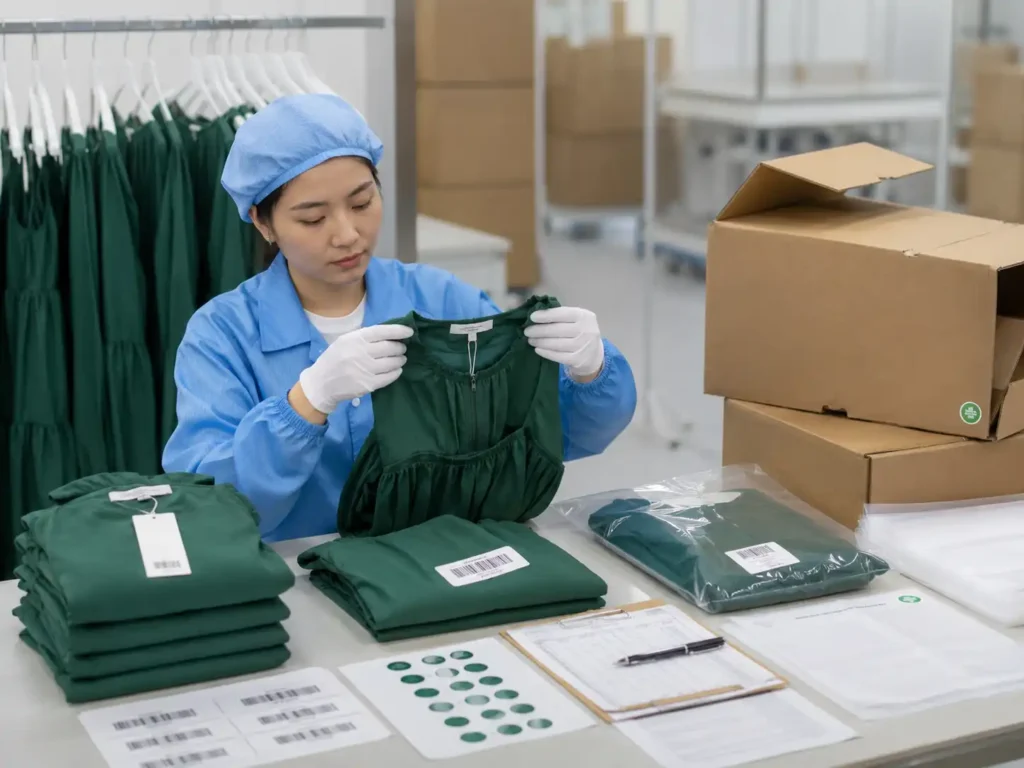
Packing and AQL
Project Visibility for Product, Sourcing and QA Teams
Project Timeline
Sample Tracker
Material Tracker
Revision Log
Bulk and QC Updates
Shipment Confirmation

Capacity, Timing and Factory Allocation for Stable Transfers
| Transfer Phase | Planning Range | Primary Output | Release Condition |
|---|---|---|---|
| Program review | 2-4 working days | Issue map and missing-information list | Required references received |
| Correction sample | 7-12 working days | Pattern and material validation | Materials available and direction approved |
| Revised / PP sample | 5-10 working days | Final production standard | Fit comments and revisions closed |
| Bulk production | 25-40 days | Finished and inspected order | PP approved; fabric and trims ready |
| Split delivery | By program plan | Priority styles or quantities released first | Packing and inspection passed |
Supplier Transition Dress Manufacturing Case Studies
Replacing a dress supplier requires more than moving production to another factory. Brands need to protect proven product standards, identify previous failures, rebuild technical files, and create a controlled path from existing references to stable bulk production.

Case Study 1: Replacing an Unstable Dress Supplier for a Growing Fashion Brand
A growing womenswear brand had built strong sales through several bestselling dress collections but experienced repeated issues with its existing supplier.
The product range included:
- Satin occasion dresses
- Bodycon dresses
- Corset dresses
- Party dresses
The brand wanted to transfer production while maintaining:
- Existing fit standards
- Product appearance
- Customer expectations
- Seasonal delivery schedule
Program scope:
- 18 dress styles
- 42,600 pieces
- XS-XL size range
- Multiple seasonal colors
Previous Supplier Challenges
The brand experienced several recurring problems.
Sample-to-Bulk Differences
Bulk garments showed:
- Different waist position
- Changed neckline shape
- Different fabric hand feel
- Uneven finishing
Quality Problems
Issues included:
- Zipper waves
- Satin pressing marks
- Size inconsistency
- Incorrect lining length
Weak Production Visibility
The brand also lacked:
- Clear production updates
- Version-controlled files
- Accurate issue tracking
Jinfeng Solution
Jinfeng did not immediately move into bulk production.
The first step was rebuilding the product standard.
Existing Program Review
Reviewed:
- Approved samples
- Previous bulk garments
- Tech packs
- Size charts
- Fabric references
- QC reports
- Defect photos
Result
The brand achieved:
- Stable fit consistency
- Improved production visibility
- Controlled bulk quality
- Reliable repeat-order foundation
The supplier transition expanded from selected styles into broader seasonal programs.

Case Study 2: Building a Second Manufacturing Source Without Disrupting Existing Supply
A premium ecommerce fashion brand relied heavily on one supplier but wanted a second manufacturing source to reduce supply chain risk.
The brand needed:
- Additional production capacity
- Backup supplier capability
- Peak-season flexibility
- Better production security
Products included:
- Satin dresses
- Mesh party dresses
- Resort styles
- Occasionwear
Program scope:
- 15 styles
- 35,000 pieces
- Multiple delivery periods
Supplier Transition Challenge
The brand did not want a complete replacement immediately.
Main concerns:
Maintaining Existing Product Standards
The second supplier needed to understand:
- Existing fit
- Fabric behavior
- Construction methods
- Packaging requirements
Avoiding Duplicate Development
The brand wanted to avoid:
- Rebuilding styles from zero
- Repeating previous sample rounds
- Losing seasonal timing
Jinfeng Solution
Jinfeng created a phased supplier qualification process.
Phase 1: Reference Review
Analyzed:
- Approved garments
- Historical production records
- Size charts
- Material references
Phase 2: Controlled Sample Transfer
Developed:
- Transfer samples
- Fit comparison
- Material confirmation
- Construction review
Result
The brand successfully established:
- A qualified second supplier
- Reduced production dependency
- Increased seasonal capacity
- More flexible supply planning
Jinfeng became an approved manufacturing partner.

Case Study 3: Recovering Quality Problems Through Production System Rebuilding
A womenswear brand experienced increasing quality complaints after expanding production volume.
Main products:
- Stretch bodycon dresses
- Lace occasion dresses
- Sequin party dresses
The brand needed to identify whether problems came from:
- Materials
- Patterns
- Production methods
- Quality inspection
Quality Challenge
The brand discovered:
Fit Drift
Problems included:
- Bust imbalance
- Waist movement
- Hip tightness
- Length differences
Material Variation
Issues included:
- Different stretch recovery
- Color inconsistency
- Changed fabric feel
Production Variation
Different batches showed:
- Different seam quality
- Different finishing standards
- Packing mistakes
Jinfeng Solution
Jinfeng rebuilt the production control system.
Pattern Correction
Reviewed:
- Bust
- Waist
- Hip
- Length
- Stretch allowance
- Grade rules
Material Control
Confirmed:
- Fabric composition
- Weight
- Stretch
- Recovery
- Shade standards
Result
The brand achieved:
- More stable product quality
- Reduced production variation
- Improved customer experience
- Stronger repeat-order confidence
The manufacturing relationship developed from problem solving into long-term production support.
Frequently Asked Questions About Supplier Transition

Start With a Supplier Transition Review
Send the records already available rather than rebuilding the story from memory. Jinfeng Apparel will review the product structure, existing standards, previous failure pattern, material direction, quantity plan, sample requirement and transition risk before recommending the next step.
A useful submission does not need to be perfect, but it should identify the styles that matter most and the commercial deadline the program must protect.
- Company and market: brand website, destination market and responsible product or sourcing contact.
- Program scope: number of styles, quantity per style/color, size range and planned release sequence.
- Product evidence: tech packs, approved garments, bulk samples, measurement charts and fit comments.
- Material evidence: fabric swatches, color standards, BOM, trim cards and known supplier references.
- Failure evidence: QC reports, return reasons, defect photographs, delay history and unresolved issues.
- Commercial requirements: launch date, packing, labels, barcodes, inspection plan, shipping terms and NDA needs.