
Dress Manufacturer for Wholesale-to-Retail Fashion Brands
Custom dress development and bulk production built around line sheets, retail calendars, margin targets, SKU accuracy and repeatable delivery.
Jinfeng Apparel supports established fashion brands selling through boutiques, specialty retailers, department-store programs, showroom accounts, brand-owned stores and online channels. Development starts with the collection plan, fabric direction and target cost, then moves through pattern work, sales samples, PP approval, bulk production, QC, retail packing and shipment coordination.
- Program planning for 10-30 styles and 20,000-80,000 pieces per order.
- 100,000+ pieces of monthly capacity across 6 owned factories and 10+ long-term production partners.
- 2 sample rooms, 7+ senior pattern makers and 20+ sample machinists for parallel development.
- MOQ starts from 200 pieces per style/color, subject to material, trim and construction requirements.
Manufacturing Capacity for Multi-Style Retail Dress Programs
Since 2008
6 Owned Factories
10+ Production Partners
100,000+ Monthly Capacity
2 Sample Rooms
18+ Sewing Lines
Built for Established Wholesale and Retail Fashion Programs
Best Program Fit
Operating Model
What Wholesale-to-Retail Dress Production Really Requires
Sellable Collection
Retail-Ready Execution

Where Retail Dress Programs Lose Margin and Time
Margin Compression
Sample-Bulk Gaps
SKU Confusion
Missed Retail Windows
Fit-Related Returns
Unstable Reorders
Where Retail Dress Programs Lose Margin and Time
Margin Compression
Sample-Bulk Gaps
SKU Confusion
Missed Retail Windows
Fit-Related Returns
Unstable Reorders
Dress Categories Built for Seasonal Retail Assortments
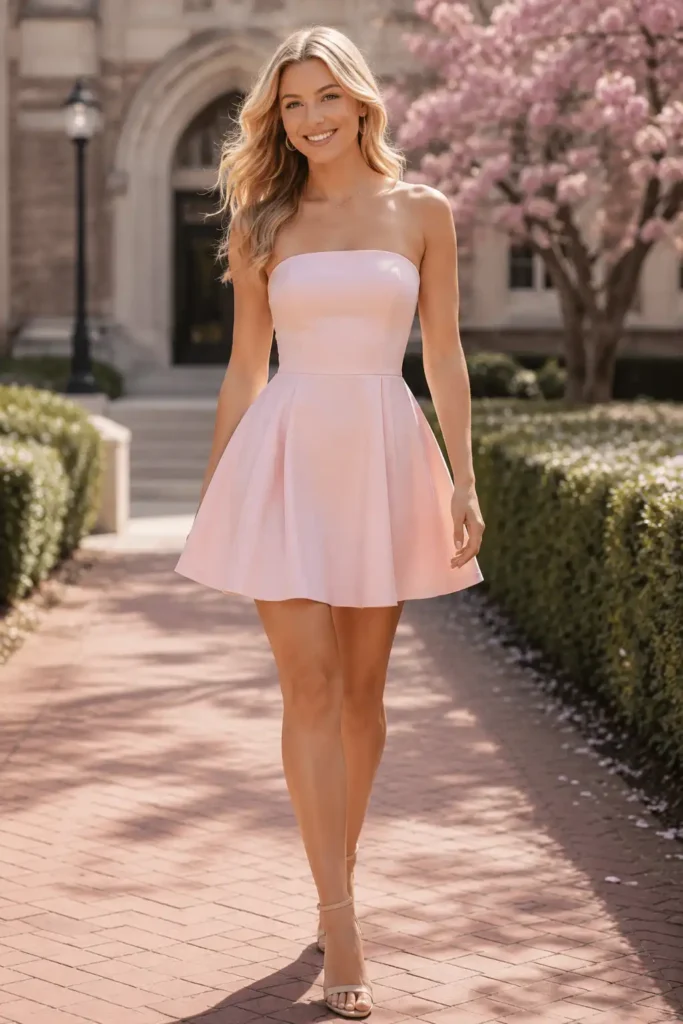
Mini Dresses
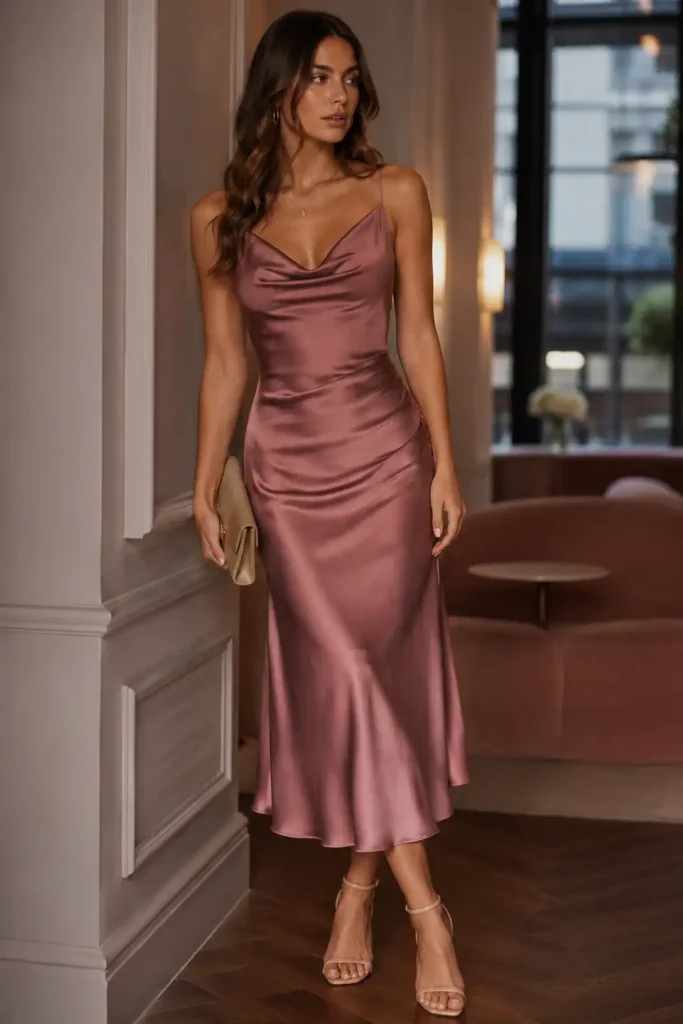
Midi Dresses
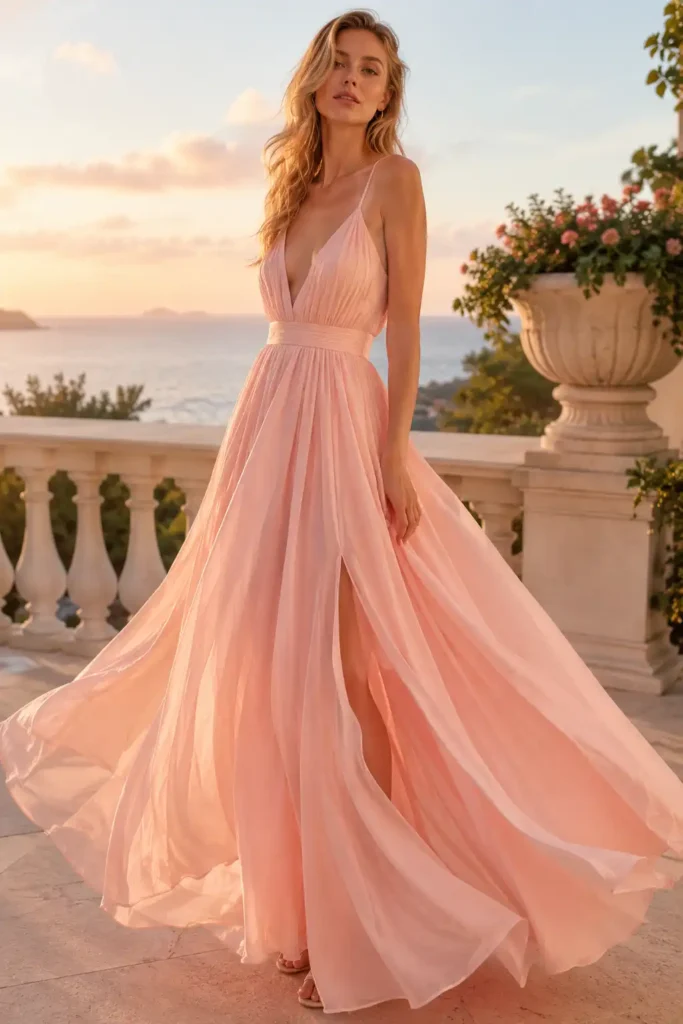
Maxi Dresses
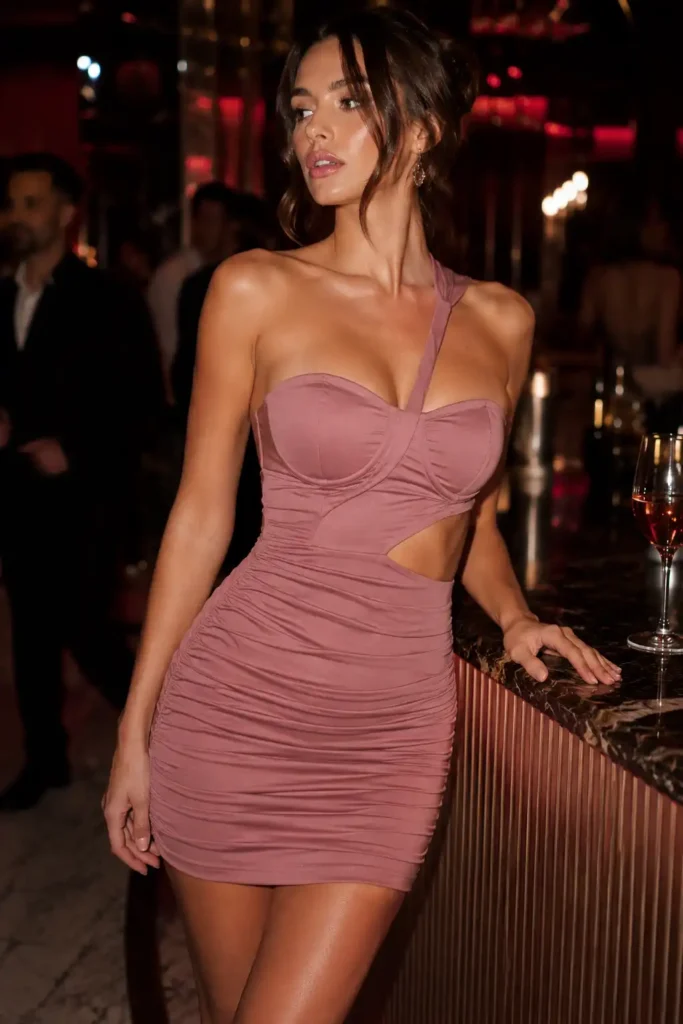
Party Dresses
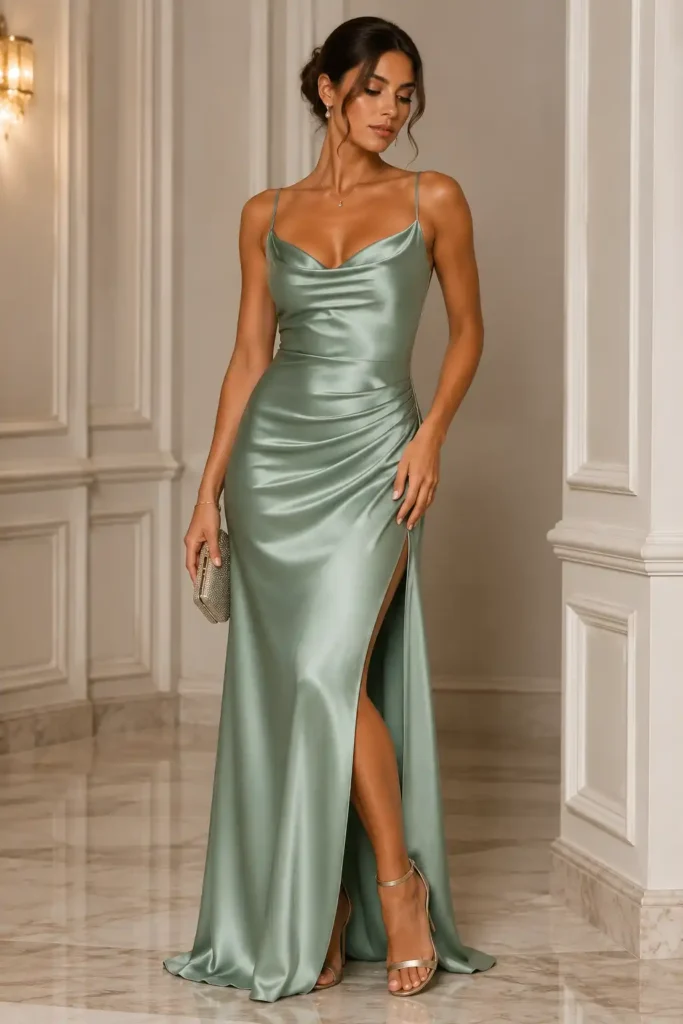
Occasion Dresses

Bodycon Dresses
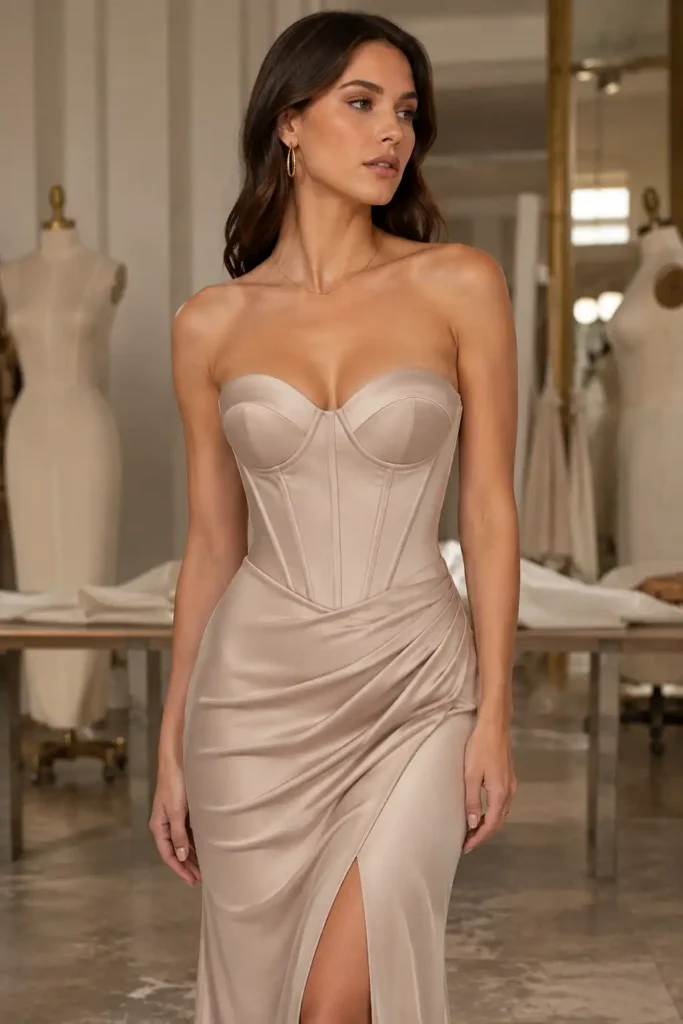
Corset Dresses

Fabric-Led Dresses
Build a Collection Architecture That Production Can Follow
A clear assortment structure allows design, merchandising, development and production teams to work from the same priorities.
| Planning Area | Brand Decision | Jinfeng Control | Retail Impact |
|---|---|---|---|
| Style Priority | Identify hero, core and supporting styles | Sample queue and production priority | Key products reach sales and launch dates first |
| Fabric Groups | Decide shared and unique materials | Fabric tracking, batch control and consumption review | Better cost control and fewer material delays |
| Color Story | Define core colors and seasonal accents | Swatch, lab dip, lining and trim color coordination | Consistent presentation across the range |
| Size Structure | Confirm base size, range and ratio | Grade-rule review, measurement plan and packing ratio | More reliable fit and store allocation |
| Launch Waves | Separate first launch, follow-up and replenishment | Production and shipment wave planning | Reduced timing pressure and better inventory flow |
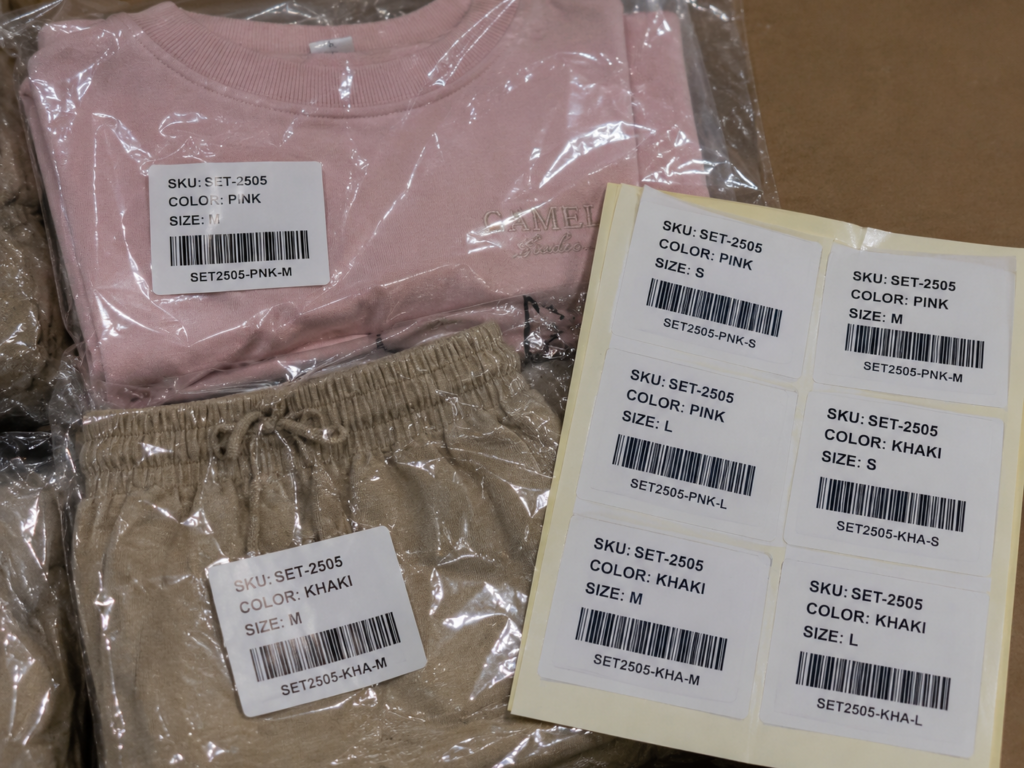
| SKU Data | Confirm style, color, size and barcode structure | Label, polybag, carton and packing-list matching | Cleaner warehouse receiving and stock accuracy |
Cost Engineering Without Weakening Retail Presentation
Wholesale-to-retail margins depend on a garment cost that supports both brand economics and retail presentation. Cost control begins with product engineering, not a late request for a lower price.
Build the Quote from the Garment
Jinfeng quotations consider fabric cost and consumption, lining, trims, pattern work, sample development, cutting, sewing time, pressing, QC, packing, wastage, testing, logistics requirements and reasonable factory margin. A fitted corset dress with boning, cups and multiple panels cannot be costed like a simple slip dress even when both use the same outer fabric.
Quantity matters, but volume alone does not erase construction work. Multiple colors create separate fabric, cutting, label, SKU and packing control. A broad size range may require additional grading and measurement attention. Retail-specific labels, hangtags, barcode stickers and warehouse requirements also need to be included in the commercial calculation from the beginning.
Protect the Product Elements Shoppers Notice
Cost reduction should not remove the features carrying the visual and fit value. Fabric handfeel, drape, opacity, color, neckline stability, bust support, zipper flatness, lining coverage and clean pressing influence retail perception and return risk. A lower-cost substitute is acceptable only when the sample still supports the intended silhouette and brand positioning.
For satin, a thinner substitute may increase cling and seam show-through. For bodycon dresses, weaker recovery may create bagging after wear. For lace, a flatter motif may remove the premium effect. For sequin dresses, reducing lining or reinforcement may create discomfort or trim loss. Material alternatives therefore require side-by-side evaluation rather than price comparison alone.
Use Engineering Levers with Controlled Trade-Offs
Cost can often be improved through fabric substitution within an approved performance range, construction simplification, trim replacement, reduced color fragmentation, shared materials across several styles, cutting-layout improvement, size-ratio planning and packaging tier decisions. Each change should be recorded so the revised price remains connected to an exact product standard.
A commercially sound option may preserve the visible outer fabric while simplifying an internal facing, replace a custom trim with a close stock alternative, group several styles under one lining quality, or move non-priority colors into a later production wave. The aim is not the lowest possible FOB. The aim is a garment that reaches the required price without creating avoidable quality, fit or delivery risk.

Move from Line Sheet to Approved Production Samples
Line Sheet Review
Pattern Development
First Sample
Fit Sample
Revised Sample
Sales Sample
Photo-Ready Sample
PP and Golden Sample
Control Fabric, Fit and Size Before Bulk Cutting

Drape and Handfeel

Stretch and Recovery
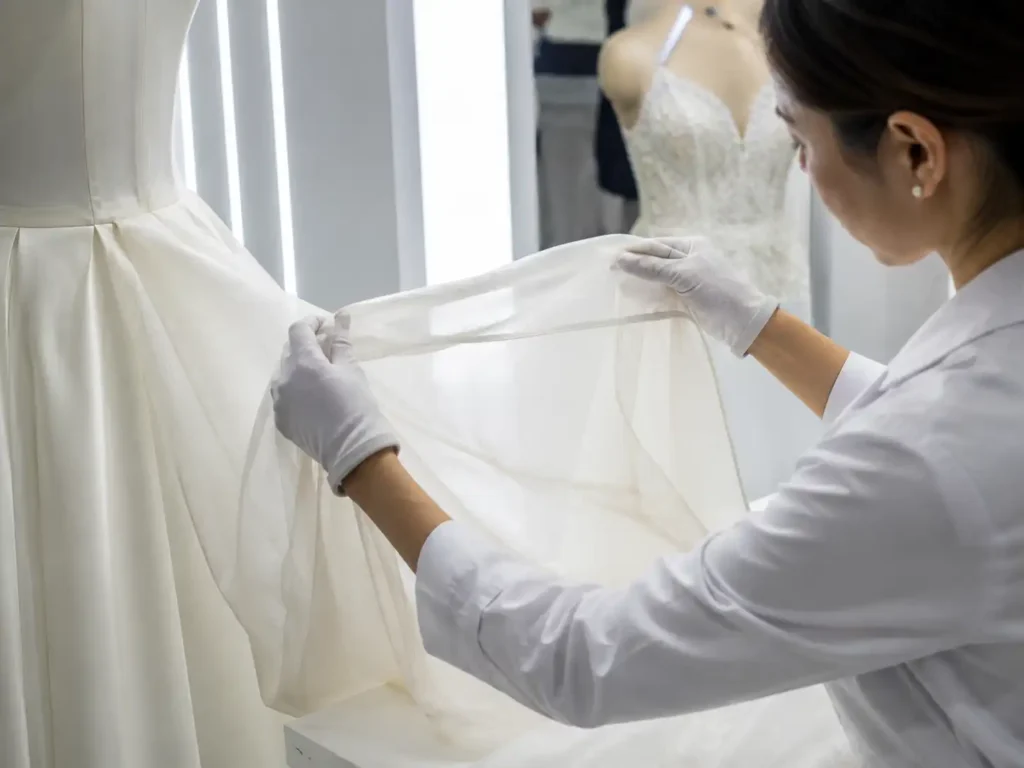
Transparency and Lining

Shrinkage and Relaxation

Size Grading

Measurement Tolerance
Workmanship Details That Protect Retail Quality

Neckline and Bust Control

Zipper Installation
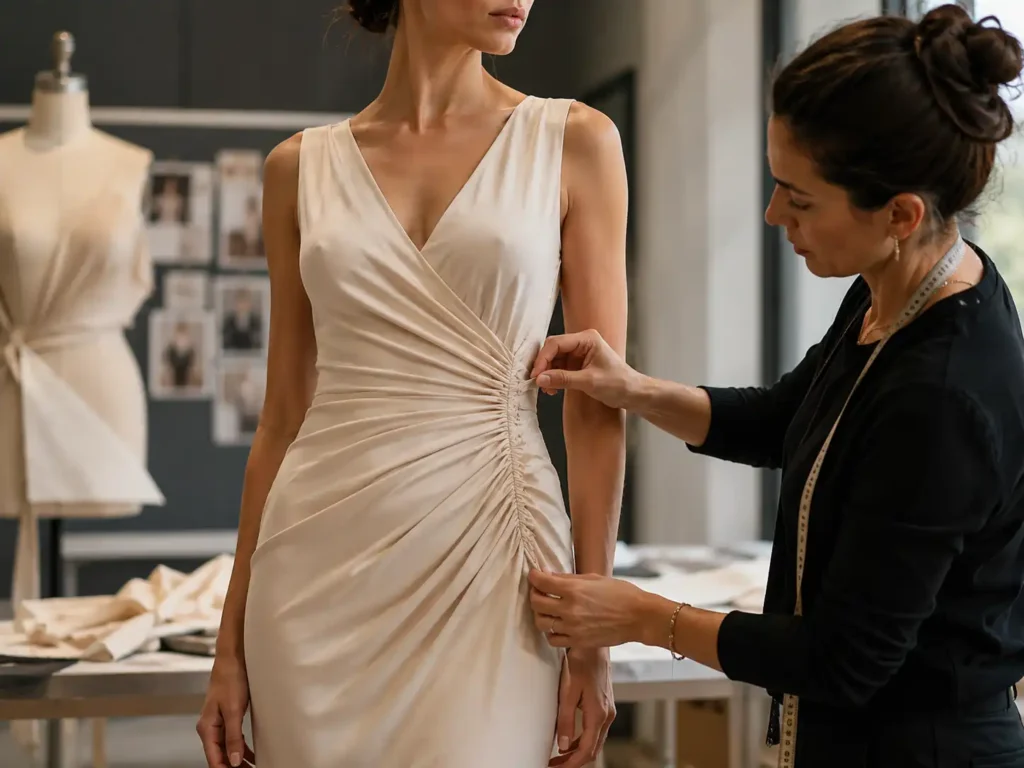
Ruching and Gathering
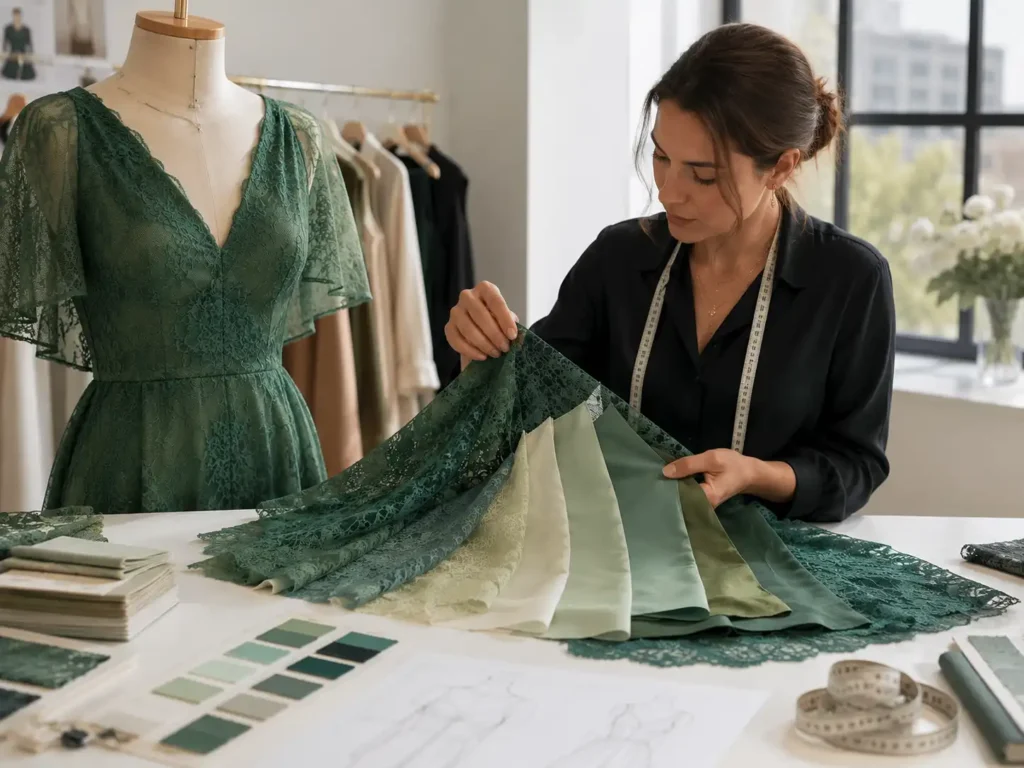
Lining and Internal Finish
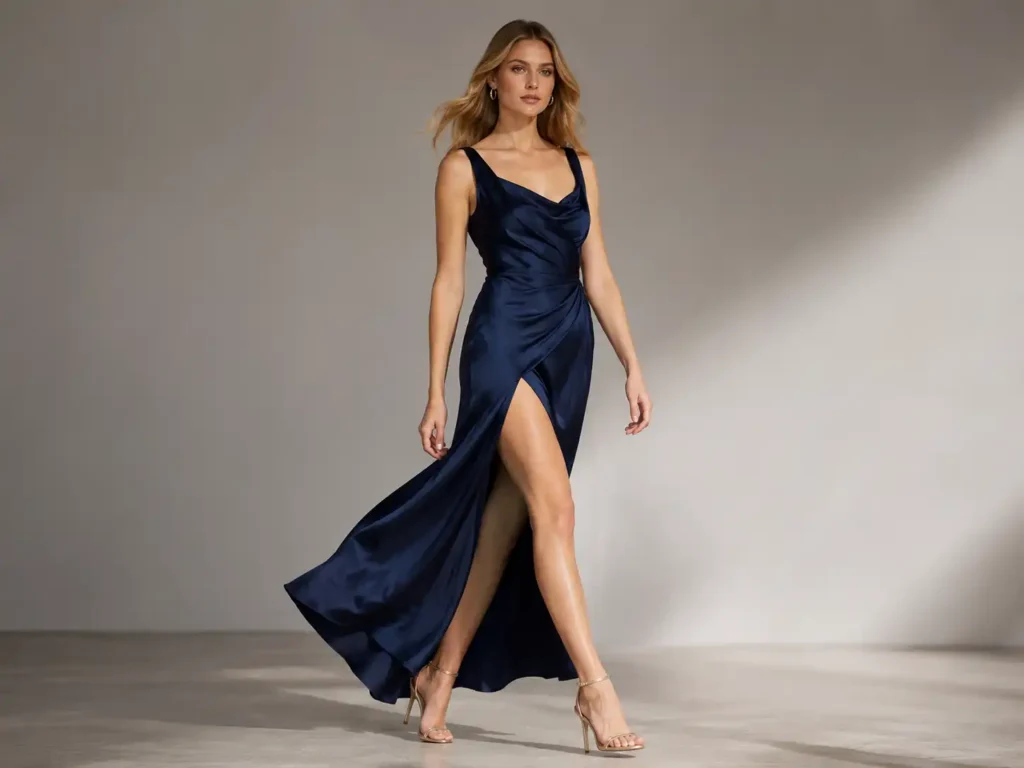
Hems and Slits
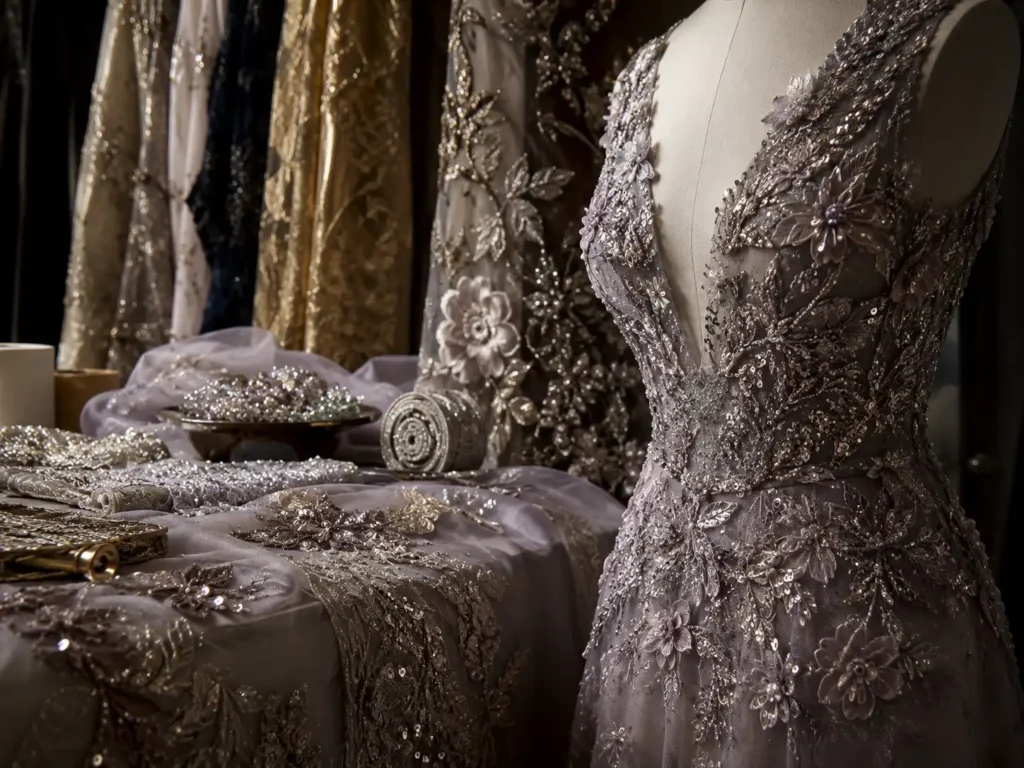
Embellishment Security
Assign Every Style to the Right Production Team
Multi-style programs remain stable when factory and line allocation follow product risk, not convenience. Jinfeng uses a managed network rather than treating every sewing line as interchangeable.
Product-Based Factory Allocation
Woven fashion dresses, stretch bodycon styles, occasionwear, corset structures and matching sets require different production strengths. Production managers review the dominant construction, fabric, order quantity and finish standard before assigning a factory. Complex mesh, lace or sequin work is directed toward teams familiar with those materials, while stable repeat styles can move to lines designed for consistent volume.
Allocation also considers the relationship between styles. Several dresses using the same satin, lining or zipper can be grouped for material control, but identical fabrics do not automatically mean identical sewing methods. A bias-cut slip dress, corset mini and ruched midi may share satin while requiring different pattern, handling and inspection standards.
Multi-Style Scheduling
Programs containing 10-30 styles are divided by launch priority, fabric readiness, pattern complexity, sample approval and order quantity.
Hero products may begin development first, while shared fabric groups are coordinated to reduce material delays.
Production starts only after the applicable PP standard, material status and packing requirements are confirmed.
A production schedule tracks material arrival, cutting, sewing, in-line QC, finishing, pressing, packing and final inspection by style. The project team reports risks early instead of hiding them inside a single promised delivery date.
Split production or shipment waves can be used when priority styles need earlier warehouse arrival.

Plan MOQ Across Styles, Colors and Size Ratios
Style-Color Planning
Size-Ratio Planning
Material MOQ
Collection-Level Review
Typical Development and Delivery Planning Reference
Timing depends on style complexity, fabric and trim availability, revision speed, approval timing, quantity, testing, packing and transport. The ranges below support early planning and are confirmed after project review.
| Stage | Typical Planning Range | Approval or Output |
|---|---|---|
| Project and quotation review | 2-4 working days | Feasibility notes, quotation basis and missing-information list |
| First development sample | 7-15 working days after key materials are confirmed | First sample, measurements and development comments |
| Revision sample | 5-10 working days | Updated pattern, revised sample and revision record |
| Sales or photo sample | 7-12 working days | Presentation-ready sample built to the confirmed specification |
| PP sample | 7-12 working days after production materials are ready | Production standard covering fabric, trims, fit and construction |
| Bulk production | 30-45 days after PP approval and material readiness | Cut, sewn, finished and inspected bulk order |
| Final QC and packing | 3-7 working days | Inspection result, packing confirmation and carton data |
| Freight transit | Confirmed by route and destination | Express, air, sea or split-shipment plan |
Protect Sample-to-Bulk Consistency at Every QC Stage
Incoming Material QC
Cutting QC
Sewing In-Line QC
Measurement QC
Final Garment QC
Packing and AQL Support
Deliver Branded Dresses Ready for Retail Handling

Brand and Size Labels
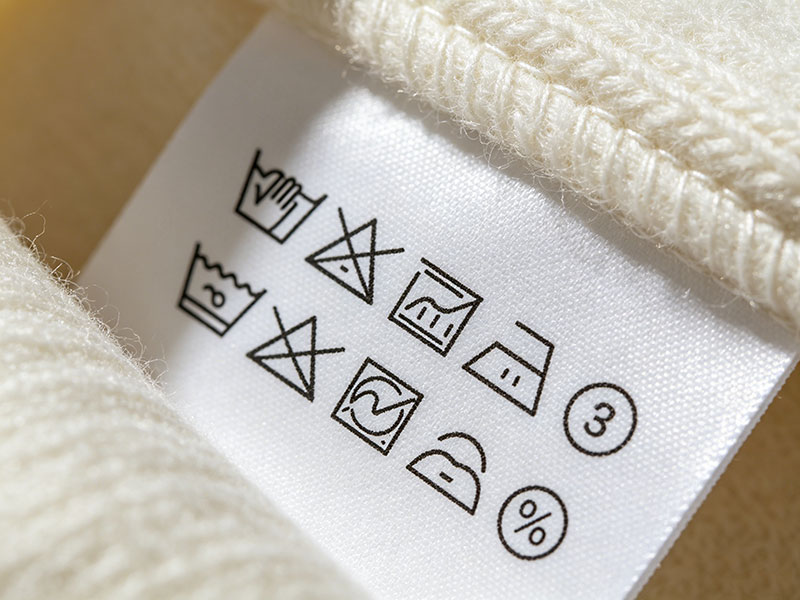
Care Labels
Hangtags and Price Tags
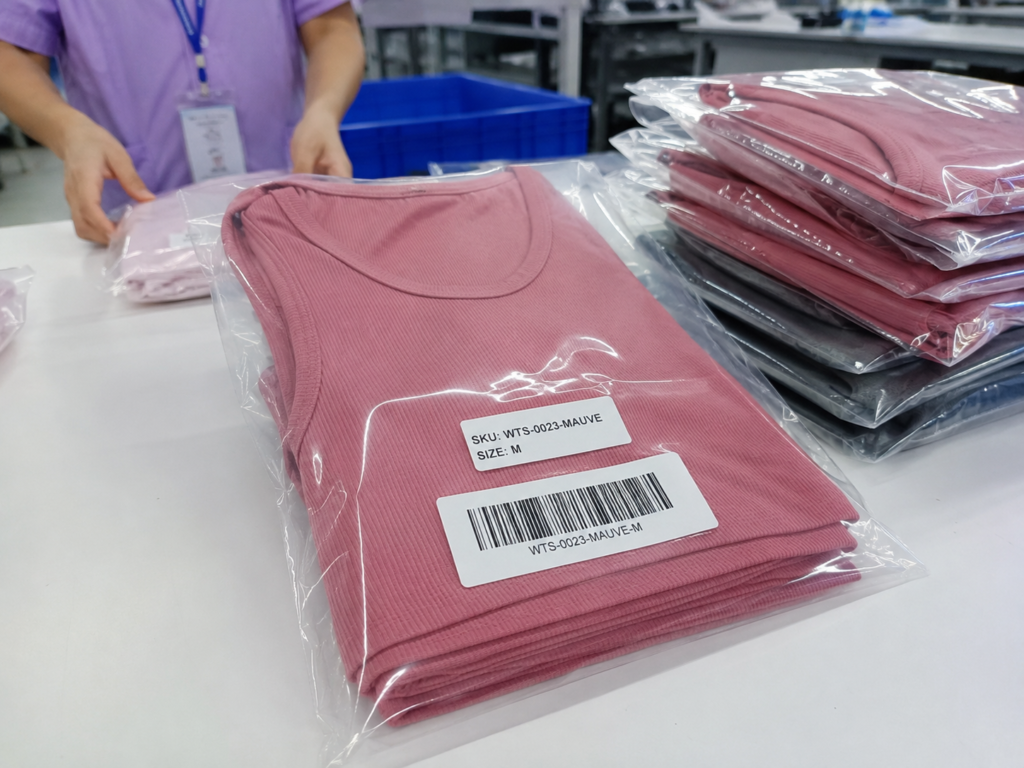
Barcode and SKU Labels
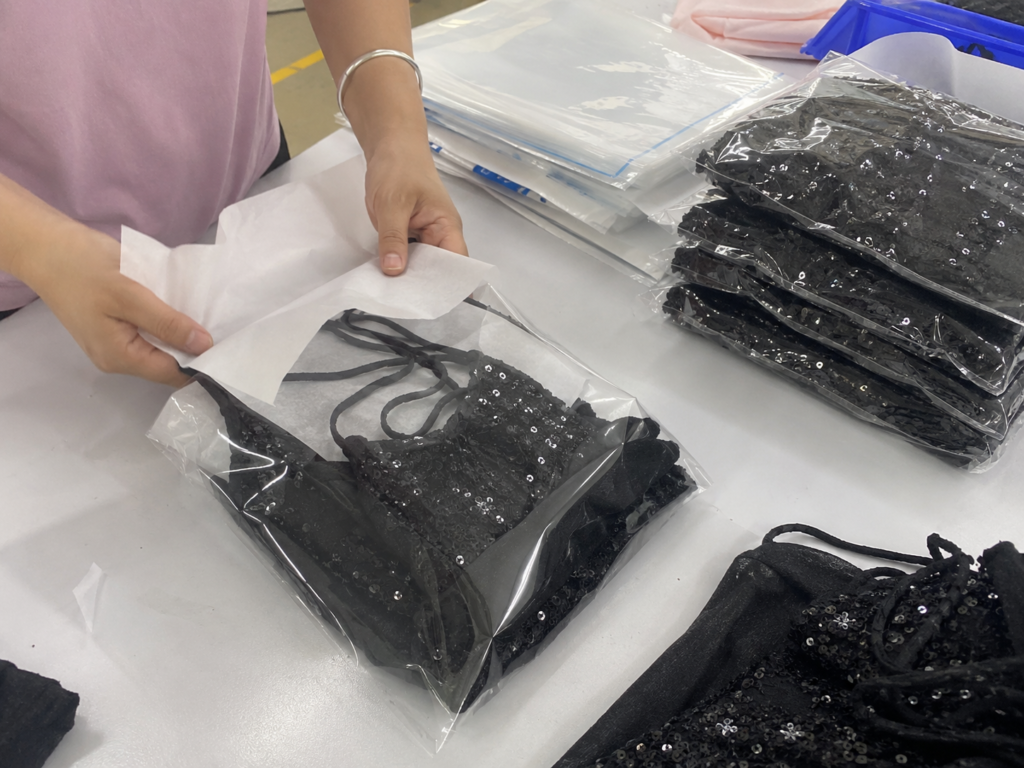
Individual Polybags
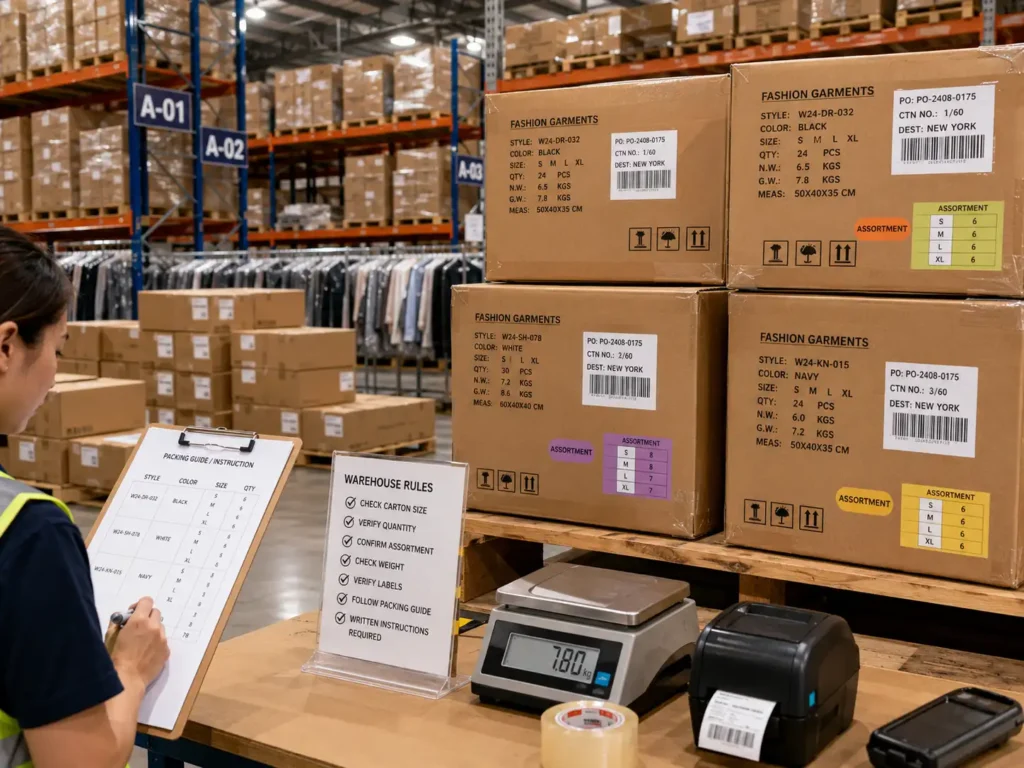
Cartons and Warehouse Marks
Prepare Accurate Documents and Flexible Shipment Plans
Commercial Documents
Carton-Level Data
Forwarder Coordination
Express and Air Freight
Sea Freight
Split and Multi-Batch Delivery
Build Faster and More Consistent Repeat-Order Programs
Records Kept for Reorders
Items Reconfirmed Before Release
Wholesale-to-Retail Dress Manufacturer Case Studies
A representative program shows how assortment planning, sample priority, production control and retail packing work together across a large seasonal order.

Program Scope and Commercial Requirements
An established US occasionwear brand prepared a seasonal line for wholesale accounts, selected specialty retailers and its own online channel. The program covered 18 dress styles and 42,600 finished pieces across 32 style-color combinations. Sizes ran from XS to XL, with ratios adjusted by historical sell-through. Six fabric families included satin, stretch satin, mesh, lace, crepe and structured knit.
Nine hero SKUs required sales samples first for showroom appointments and campaign production. The remaining styles followed in grouped sample waves. The brand supplied line sheets, reference garments, size charts, target FOB positions, label artwork, barcode data, wholesale delivery windows and warehouse packing instructions. Several styles shared outer fabrics and linings, but construction ranged from corset minis and ruched midis to occasion maxis and bodycon dresses.

Development and Production Control
Jinfeng grouped the 18 styles by fabric behavior, pattern complexity and launch priority. Satin and stretch-satin styles were separated because their pattern ease and zipper behavior differed. Mesh and lace products moved through transparency, lining and seam-placement reviews. Corset styles received cup, boning, neckline and closure checks before sales-sample approval.
A sample tracker recorded first sample, fit comments, revised sample, sales-sample status and PP approval by style. Eight priority products reached sales-sample approval in the first development wave, while shared trims and labels were reviewed centrally. Production files included approved patterns, BOM records, size charts, grade rules, measurement tolerances, sewing instructions, label placement, barcode references and packing requirements.

Retail Packing and Delivery Outcome
Bulk production was divided across suitable sewing teams, then tracked through material arrival, cutting, sewing, in-line QC, finishing, pressing, packing and final inspection. Carton-level control matched style, color, size, barcode and carton mark data with the packing list. The order used individual polybags, hangtags, barcode stickers, size-color labels and warehouse-specific carton marks.
Delivery was arranged in two waves. Priority occasion styles moved first to protect the earliest retail intake, while the remaining assortment followed under the main freight plan. Pattern, fabric, color, trim, QC and packing records were retained for the brand’s replenishment program. The operational result was not simply 42,600 dresses shipped; the result was a controlled assortment that could be sold, received, allocated and repeated under one documented standard.
Frequently Asked Questions for Retail Dress Programs
No. Jinfeng Apparel develops and manufactures custom dresses from line sheets, tech packs, reference garments or approved design directions. The service covers fabric sourcing, pattern development, sampling, PP approval, bulk production, QC, private-label packing and shipment coordination for established fashion programs.
The regular MOQ starts from 200 pieces per style/color. The final requirement depends on fabric availability, custom color development, trims, construction complexity, packaging and production scheduling. Each color is evaluated separately because fabric purchasing, cutting, labels, SKU control and QC are managed by color.
Yes. Multi-style collections can be grouped by fabric, pattern complexity, trims, sample priority and launch date. A sample tracker and revision log record progress by style. Programs containing 10-30 styles benefit from clear hero-SKU priorities and complete line-sheet information before sampling begins.
Yes. The two sample rooms support first samples, fit samples, revised samples, salesman samples, photo-ready samples, PP samples and Golden sample management. The required sample type, quantity, fabric standard and deadline should be confirmed at project launch.
Yes. Target cost is reviewed against fabric, lining, trims, construction, sewing time, pressing, QC, packing, testing and quantity. Cost options may include approved material substitution, construction adjustment, trim alternatives, shared materials, color consolidation or packing changes without weakening the intended retail appearance.
Yes. Jinfeng can develop US, UK, EU, AU and alpha-size ranges from the brand’s size chart, base size, grade rule, target market, fabric stretch and fit preference. Extended, plus, petite or tall ranges require dedicated evaluation rather than simple proportional scaling.
Yes. Packing can include brand labels, size labels, care labels, hangtags, barcode stickers, SKU labels, size-color stickers, individual polybags and carton marks. The brand should provide approved artwork, barcode data, SKU mapping and warehouse instructions before bulk packing begins.
Yes. Client inspection and third-party AQL inspection can be coordinated according to the project requirement. The inspection standard, sample size, timing, location and reporting format should be agreed before the final inspection date. QC also covers incoming materials, cutting, in-line sewing, measurements, finished garments and packing.
Yes. Multi-batch and split shipment can be planned by launch wave, priority style, quantity, destination or transport mode. Express, air, sea and air-sea combinations can be evaluated. Each shipment requires a clear packing list, carton data, commercial documents and warehouse identification.
Repeat orders use stored patterns, size charts, BOM records, fabric and color references, trims, sewing instructions, Golden samples, QC notes and packing files. Fabric batch, color, trim availability, quantity, price and schedule are reconfirmed before release. Changes may require a color sample, revised sample or PP sample.

Prepare Your Dress Program for Project Review
A line sheet or tech pack should show style references, expected quantity by style and color, size range, fabric direction, target market, target FOB position, sales-sample deadline, bulk delivery window, label requirements and retail packing instructions. Reference garments, measurement charts, barcode files and warehouse guides can be uploaded with the inquiry.
Kelly coordinates the first review with the development, costing and production teams. The response can cover missing information, style complexity, fabric and trim direction, MOQ fit, sample plan, cost basis, capacity and timing risks. A structured review is designed to establish a workable development and production path before sample work begins.
- Company and brand information
- Line sheet, tech pack or reference images
- Quantity by style, color and size
- Fabric and trim preferences
- Target market and target cost
- Sales-sample and bulk deadlines
- Private-label and barcode files
- Warehouse, packing and freight requirements


