Dress Manufacturer for Marketplace Fashion Brands

Marketplace-ready dress development for established fashion brands managing frequent launches, complex SKU structures, private-label packing and repeat production across major online sales channels.

Jinfeng Apparel turns line sheets, tech packs, reference samples and launch plans into production-ready dress collections. Product teams receive coordinated fabric sourcing, pattern development, photo-ready samples, PP approval, bulk production, quality control, branded packing and export delivery through a structured womenswear manufacturing system.

  • 10-30 styles commonly managed within one collection program.
  • 20,000-80,000 pieces commonly planned across one brand order.
  • MOQ starts from 200 pieces per style and color.
  • 100,000+ pieces of regular monthly production capacity across the manufacturing network.

Capacity Built for Marketplace Dress Programs

Marketplace growth places pressure on development speed, style separation, production planning, packing accuracy and repeat-order control. Jinfeng Apparel combines owned factories, long-term production partners and dedicated development teams to manage collection programs without treating every style as an isolated order.

Since 2008

Long-term womenswear manufacturing experience supports pattern decisions, fabric selection, sample correction, bulk execution and export coordination across trend-driven dress categories.

6 Owned Factories

Owned production units cover different womenswear structures, including woven dresses, stretch styles, partywear, occasionwear, jumpsuits, matching sets and private-label finishing.

10+ Production Partners

Long-term satellite partners provide additional capacity and specialized support when fabric type, construction level, order volume or delivery priorities require separate production allocation.

100,000+ Monthly Capacity

Regular monthly production capacity supports seasonal collections, multi-style bulk orders, split delivery plans and repeat production without relying on a single sewing unit.

2 Sample Rooms

Dedicated sample rooms support first samples, fit revisions, photo-ready samples, PP samples and golden sample sealing before production files move into bulk execution.

15+ QC Inspectors

Quality teams cover incoming materials, cutting, sewing, in-line checks, garment measurements, pressing, packing and project-based AQL inspection support.

Built for Established Marketplace Fashion Operations

The strongest manufacturing fit comes from brands with clear product direction, structured launch calendars, defined quantities and a need for repeatable dress production across online channels. Two common operating models receive especially strong support.

Marketplace-Native Brands

Marketplace-native brands often manage a wide style mix, fast-moving data, frequent new listings and strict packaging requirements. Jinfeng Apparel supports style grouping, fabric grouping, sample priority, SKU identification, barcode application, size-color separation, carton marking and repeat-order records. Product teams can submit line sheets, tech packs, quantity plans and warehouse guides for coordinated evaluation before sampling begins.

Multi-Channel Fashion Teams

Brands selling through marketplaces, owned websites, social commerce and regional retail partners need consistent product standards across several fulfillment routes. Jinfeng Apparel can align dress development, packaging specifications, labeling files and shipment preparation around one approved product standard, while allowing separate carton, barcode or warehouse instructions for different delivery destinations.

Manufacturing Risks Behind Marketplace Dress Growth

Marketplace sales can expand faster than an unstructured supply chain. Most failures begin before sewing: unclear style files, uncontrolled sample versions, weak size logic, mixed labels or incomplete packing instructions. Early control protects launch dates and future reorders.

SKU Overload

Ten to thirty styles can create hundreds of style-color-size combinations. Without disciplined coding, separate BOM files and controlled packing instructions, fabrics, labels and cartons can cross between styles. Jinfeng Apparel groups styles by fabric, structure, launch priority and factory allocation, then maintains separate development and production records for every style number.

Sample-Bulk Gaps

A strong photo sample can still fail in bulk when fabric lots, construction notes, measurements or pressing standards remain open. PP approval must lock fabric, color, trims, measurements, construction, labels and packing before cutting starts. Production teams then receive final patterns, BOM details, sewing instructions and QC checkpoints based on the approved standard.

Fit-Driven Returns

Dress returns often begin with bust exposure, waistline mismatch, tight hips, unstable straps, short lining or uneven hems. Pattern review focuses on wearing safety, movement and visual proportion rather than measurements alone. Key fit points are checked during sample revisions and again during bulk measurement inspection.

Labeling Errors

Wrong size labels, barcode stickers or SKU labels can disrupt warehouse receiving even when garments are sewn correctly. Label artwork, placement, size mapping and barcode lists need formal confirmation before packing. Packing teams separate products by style, color and size, then follow approved polybag, sticker, carton and carton-mark instructions.

Missed Launch Windows

Delayed fabric approval, repeated design changes and late warehouse instructions can compress production and transport time. Project planning links sample priority, PP approval, material booking, bulk production, QC, packing and freight selection to the target launch date. Urgent requirements are evaluated against material availability and production capacity before any commitment is made.

Unstable Reorders

Second runs can drift when pattern files, fabric references, trim cards or packing details are missing. Jinfeng Apparel keeps approved patterns, size charts, construction records, fabric references, trim details, label files and packing instructions for repeat review. New fabric lots, colors and supplier changes still receive confirmation before reorder production.

A Manufacturing System for Marketplace-Ready Dresses

Commercial dress programs need more than sewing capacity. Product development, production control and marketplace delivery must connect through one set of approved files, clear responsibilities and measurable checkpoints.

Product Development

Development starts with style review, fabric direction, trim selection, pattern work and sample planning. Teams assess silhouette, fit risk, material behavior, cost impact and production feasibility before the style enters bulk. Photo-ready samples support launch content, while PP samples define production requirements.

Production Control

Bulk execution uses final patterns, approved size charts, BOM files, trim cards, sewing instructions and QC checklists. Styles are allocated according to fabric category, construction complexity, order volume and delivery priority. Progress tracking covers material arrival, cutting, sewing, in-line inspection, finishing and packing.

Marketplace Delivery

Private-label packing connects the garment with its marketplace identity. Main labels, size labels, care labels, hangtags, barcode stickers, SKU labels, polybags, carton marks and warehouse labels are checked against approved files before shipment preparation. Export documents and forwarder coordination follow the confirmed delivery arrangement.

Commercial Dress Categories for Marketplace Collections
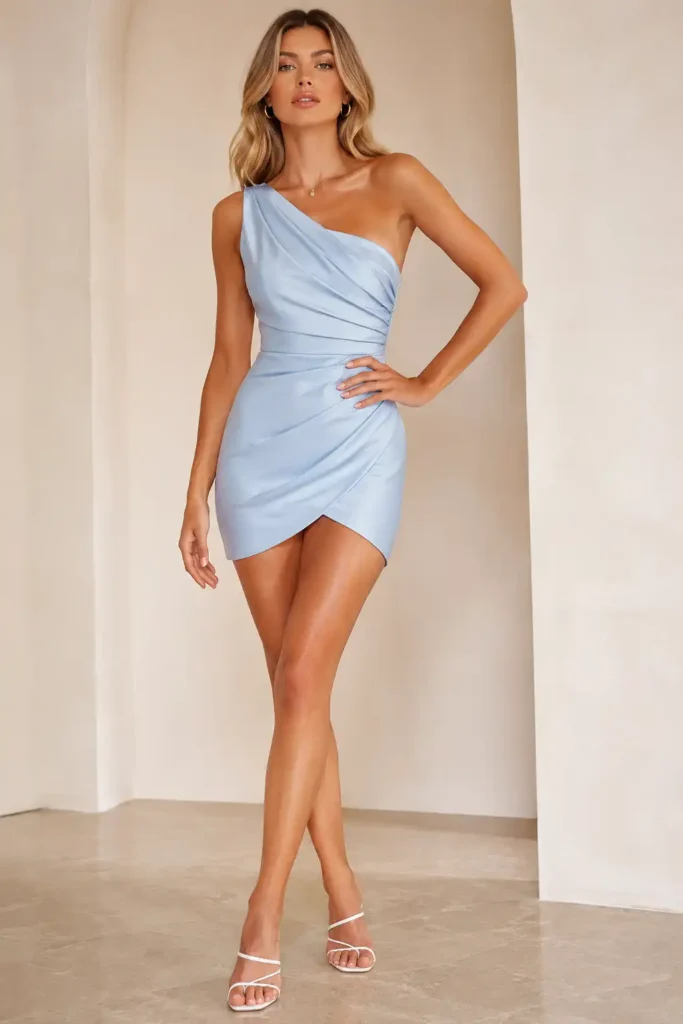
Marketplace assortments perform best when product categories are selected around selling occasion, fabric behavior, fit risk and production repeatability. Jinfeng Apparel develops trend-driven dress categories with separate controls for pattern, materials, construction and bulk inspection.

Mini Dresses

Mini dresses require precise control over hem length, lining coverage, waist position and hip movement. Stretch styles need recovery checks; woven styles need enough ease for sitting and walking. Sample review covers front and back length, side seam balance, slit safety and zipper behavior. Bulk inspection verifies length tolerance, lining position and consistent waist-to-hip proportions.
  • Best for party, club, birthday and seasonal drops.
  • Common fabrics: satin, mesh, jersey, ponte, crepe.

Midi Dresses

Midi dresses depend on balanced proportions between neckline, waist, hip and hem. Fabric drape can change the visual length and movement, especially in bias, ruched or flared designs. Pattern work checks waist placement and skirt balance, while bulk control focuses on hem consistency, seam twisting, lining length and pressing quality.
  • Best for occasionwear, brunch, office and wedding guest ranges.
  • Common fabrics: satin, chiffon, crepe, jersey, lace.
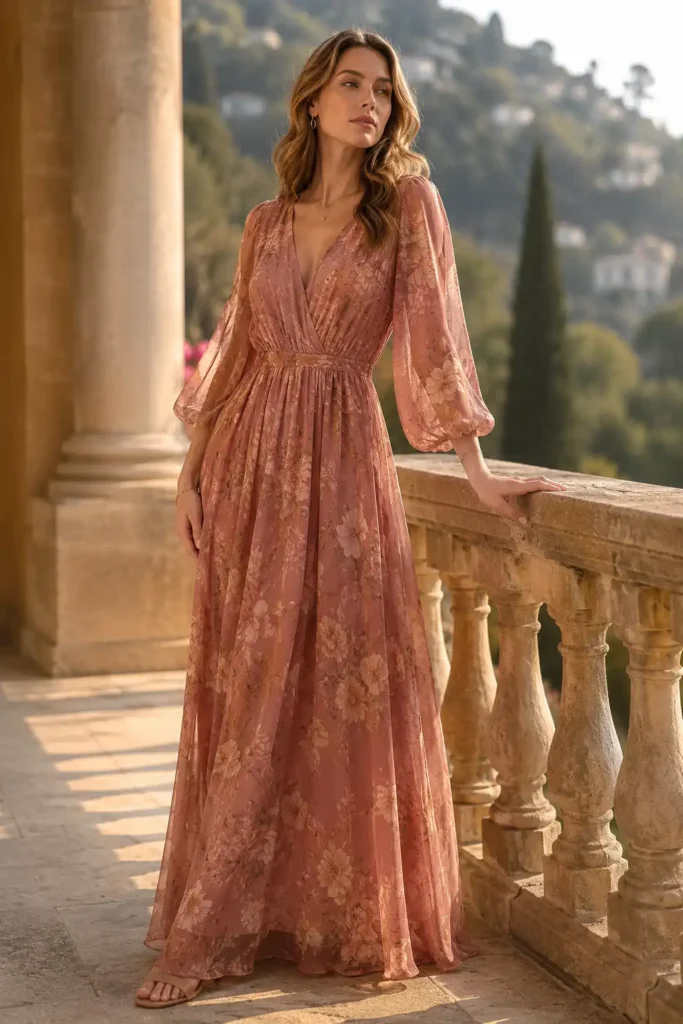
Maxi Dresses

Maxi dresses amplify small pattern and sewing errors. Uneven hems, twisted seams, lining shortage and packing creases become highly visible. Development checks front-back balance, movement allowance, slit placement and fabric weight. Bulk finishing requires controlled hanging, pressing and folding methods to protect long silhouettes during packing and transport.
  • Best for resort, formal, evening and vacation collections.
  • Common fabrics: chiffon, satin, viscose, mesh, lace.
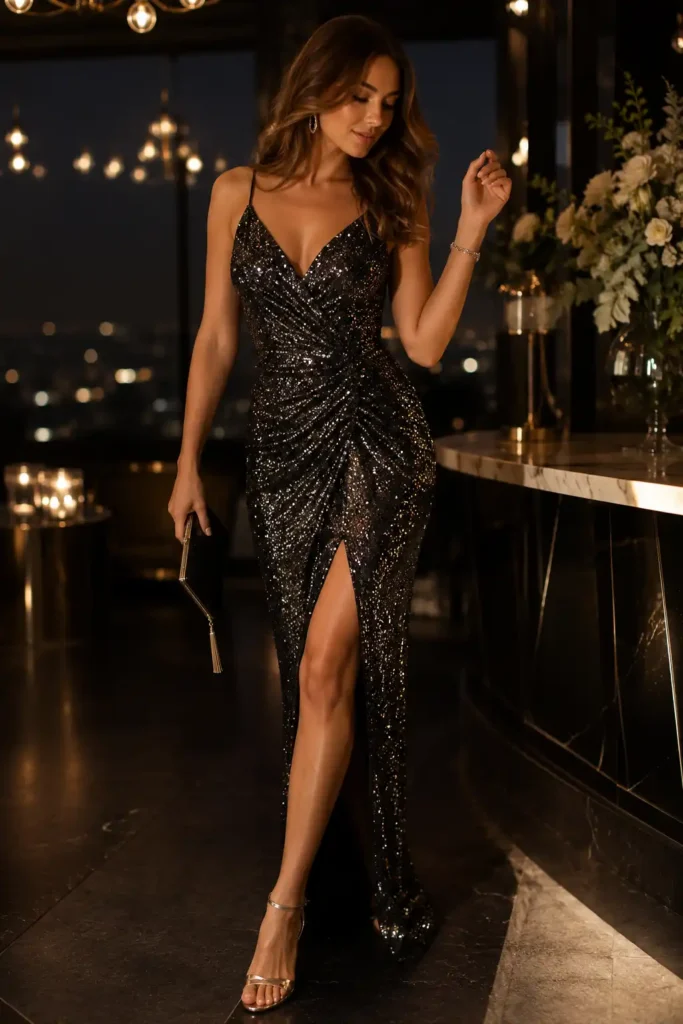
Party Dresses

Party dresses often combine close fit, visual shine, cut-outs, ruching, mesh, sequins or corset details. Development must balance impact with wearability. Critical checks include bust security, zipper flatness, sequin protection, lining comfort, edge finishing and movement. Bulk teams follow product-specific construction and packing instructions rather than one generic sewing standard.
  • Best for event-led launches and social-commerce content.
  • Common fabrics: sequin, satin, mesh, velvet, stretch jersey.
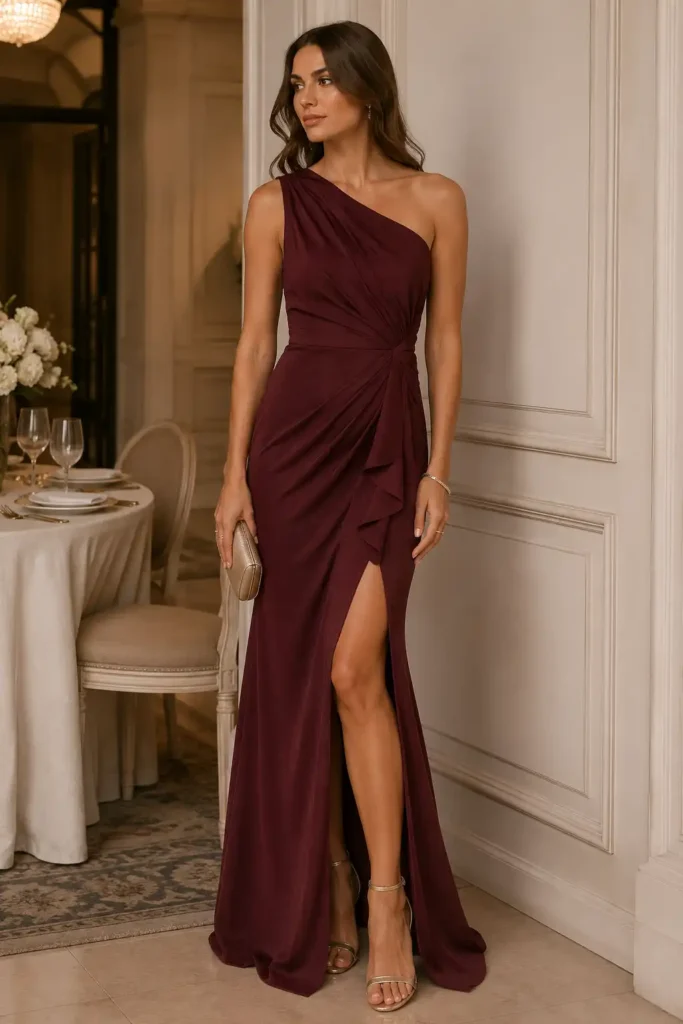
Occasion Dresses

Occasion dresses need refined fit, stable construction and consistent finishing across several sizes. Neckline depth, waist position, sleeve mobility, lining coverage and slit height are reviewed during fitting. Fabric shade, lace placement, pressing and packaging receive added attention because formal products are often inspected closely after delivery.
  • Best for graduation, wedding guest, cocktail and formal ranges.
  • Common fabrics: satin, lace, chiffon, crepe, organza.

Bodycon Dresses

Bodycon performance depends on stretch direction, recovery, compression and accurate bust-waist-hip grading. A fabric with strong initial stretch can still bag after wear, so sample testing covers recovery and seam stability. Bulk QC measures critical points and checks side-seam twisting, neckline hold, hem riding and fabric shine caused by excessive tension.
  • Best for club, date-night and high-impact ecommerce ranges.
  • Common fabrics: power mesh, jersey, ponte, rib knit.

Corset Dresses

Corset dresses combine fashion shape with internal support. Bra cups, boning, under-bust position, waist reduction, zipper strength and anti-slip elements must work together. Sample stages verify cup shape, bust coverage, symmetry and comfort. Bulk production uses controlled boning lengths, cup placement and seam allowances to prevent distortion across sizes.
  • Best for party, evening, prom and premium occasionwear.
  • Common fabrics: satin, mesh, lace, jacquard, velvet.
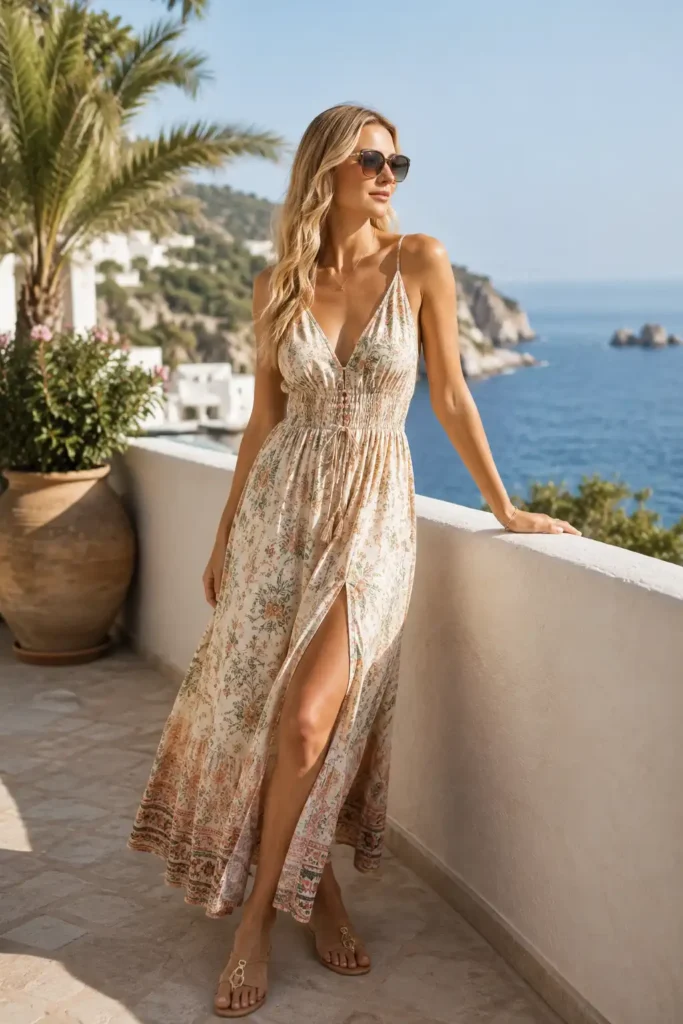
Resort Dresses

Resort dresses rely on light hand feel, print quality, movement and packability. Fabric transparency, shrinkage, print scale and wrinkle behavior require review before approval. Long styles need balanced hems and travel-friendly folding. Repeat production also requires careful color and print matching when fabric comes from a new batch.
  • Best for vacation, cruise, summer and destination collections.
  • Common fabrics: rayon, viscose, chiffon, linen blends, printed satin.

Build a Commercial Assortment, Not Random SKUs

A strong marketplace collection balances hero products, repeatable core shapes and controlled color-size depth. Assortment planning should connect commercial goals with material MOQ, sample workload, factory allocation and warehouse complexity.

Group Styles Around Shared Manufacturing Logic

Collections move faster when styles are grouped by fabric family, construction type and fit risk. Satin mini and midi dresses can share fabric direction, lining references and color approval methods.

Mesh and bodycon styles can share stretch testing and measurement checkpoints. Corset and structured occasion styles need a separate sample path because cups, boning and internal support require more development.
Grouping reduces duplicated sourcing work, improves sample priority decisions and helps production teams assign the right styles to the right units. A line sheet should identify style number, category, fabric direction, color plan, size range, target quantity and desired launch timing. Product teams can then identify hero styles for early photography, commercial core styles for main volume and experimental styles for later review.

Control Color and Size Depth Before Quotation

MOQ is calculated by style and color, not by total collection volume. A line with many colors can reach a high total quantity while leaving individual colorways too fragmented for stable production.

Size planning also matters. Standard ranges such as XS-XL can be managed when the ratio reflects expected sales and cutting efficiency. Petite, tall or extended sizes may require separate grade rules, fit review and measurement checkpoints. Before quotation,

Jinfeng Apparel reviews quantity per style and color, size breakdown, fabric availability, custom dye or print requirements and private-label material MOQ. Consolidating colors, using shared fabrics or adjusting size ratios can improve cost and reduce packing complexity without weakening the collection concept.

Plan Launch Waves Around Sales Priorities

Not every style needs the same priority. Hero styles used for campaign photography may require photo-ready samples first. Proven silhouettes can move through fit confirmation more quickly when approved patterns already exist. Main-volume styles can enter production after PP approval, while later-season styles remain in development. For larger programs, split shipment can protect the launch date: selected hero styles or priority sizes move by air, while the main volume moves by sea. Launch-wave planning requires accurate style priority, packing separation and shipment files. Clear priority decisions prevent sample rooms, production units and packing teams from treating all styles as equally urgent.

From Design Reference to Production-Ready Dress SKU

A reference image shows visual direction, but production needs measurements, materials, construction, labels and packing rules. Jinfeng Apparel converts creative input into controlled files before bulk cutting begins.

Review Structure Before Pattern Development

Project review starts with a tech pack, line sheet, original sample, sketch or reference image. The development team identifies garment category, silhouette, seam construction, closure, lining, support elements, fabric behavior and visible risk points. A satin slip dress may need bias-cut evaluation, neckline control and zipper flatness. A mesh bodycon dress needs transparency, stretch and lining decisions. A corset dress needs cup, boning and waist-support planning. Early review also considers target quantity, color count, size range, private-label requirements and launch timing. When design elements create unnecessary cost or unstable bulk production, alternatives can be discussed before pattern work. The goal is not to simplify every style; the goal is to preserve the intended appearance through a construction route which can be sampled, graded and repeated reliably.

Lock Materials, Measurements and Construction

After direction is agreed, fabric and trim options are prepared for sample development. Pattern makers work from body measurements, garment specifications, fit intention and material behavior. Sample comments should identify exact changes: raise neckline 1.5 cm, reduce waist 1 cm, add 2 cm hip ease, shorten strap 1 cm or increase lining length 3 cm. Vague comments such as “make it better” create version confusion. Approved revisions are transferred into final pattern files, size charts and construction notes.

PP approval then locks fabric, color, trims, measurement tolerance, label placement, hangtags, polybags and carton instructions. Any later change must be reviewed for price, material availability and lead-time impact before production files are updated.

Transfer Approved Standards into Bulk Production

The sample-to-bulk handover includes final patterns, graded size rules, BOM details, fabric references, trim cards, sewing instructions, label placement, packing instructions and QC checkpoints. Production allocation follows fabric category, style complexity, quantity and launch priority. A pre-production review confirms approved materials, cutting requirements, sewing sequence, measurement points and finishing standards. QC teams then inspect material arrival, cutting, sewing, in-line quality, finished measurements, pressing and packing. A golden sample can remain as the visual and construction reference for bulk review and later reorders. Clear handover prevents sample-room decisions from disappearing when production moves to a different team or factory unit.

Fabric and Trim Decisions Protect Product Performance

Fabric appearance alone cannot determine suitability. Weight, width, drape, stretch, recovery, transparency, shrinkage, color behavior, lining needs and sewing risk all affect fit, price and bulk consistency.

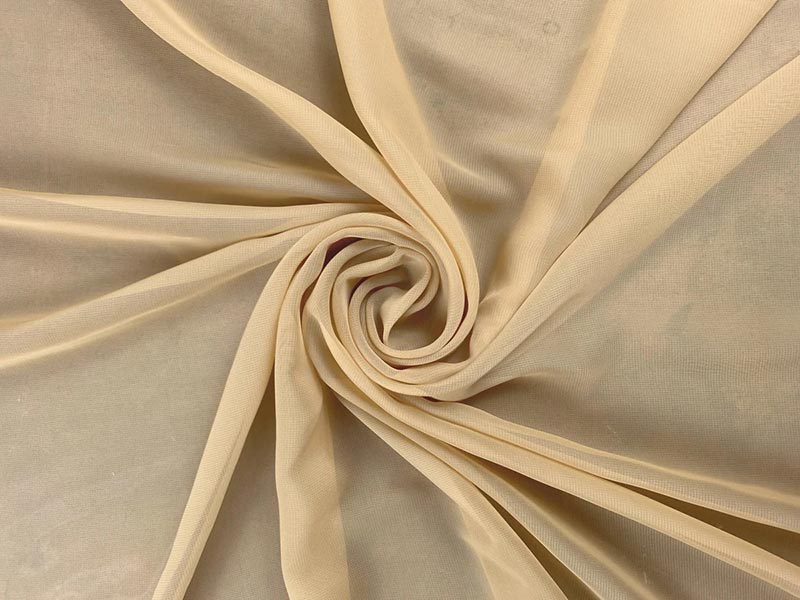
Satin

Satin direction controls shine and shade appearance. Panels cut in inconsistent directions can look like different colors under photography. Sampling checks drape, snagging, seam puckering, zipper flatness and pressing marks. Bulk control covers fabric lot, cutting direction, needle choice, seam tension, clean handling and protective folding. Common uses:
  • slip
  • midi
  • occasion
  • corset dresses
Typical trims:
  • invisible zipper
  • lining
  • bra cup
  • hook and eye

Chiffon

Chiffon needs transparency control, stable cutting and careful hem finishing. Lightweight layers can shift during cutting and grow along bias areas. Samples verify lining length, neckline stability, gathering, sleeve movement and skirt balance. Bulk production uses controlled spreading, panel matching, narrow hems and pressing temperatures suited to the fabric. Common uses:
  • maxi
  • resort
  • bridesmaid
  • occasion dresses
Typical trims:
  • lining
  • covered buttons
  • invisible zipper
  • elastic loops

Mesh

Mesh varies widely in stretch, recovery, transparency and surface strength. Power mesh supports bodycon structures, while soft mesh suits overlays and draping. Development checks neckline hold, armhole shape, seam strength, lining coverage and cut-out stability. Bulk QC looks for holes, stretched edges, uneven gathers and color differences between mesh and lining. Common uses:
  • bodycon
  • party
  • corset
  • layered dresses
Typical trims:
  • lining
  • elastic
  • bra cups
  • binding
  • boning

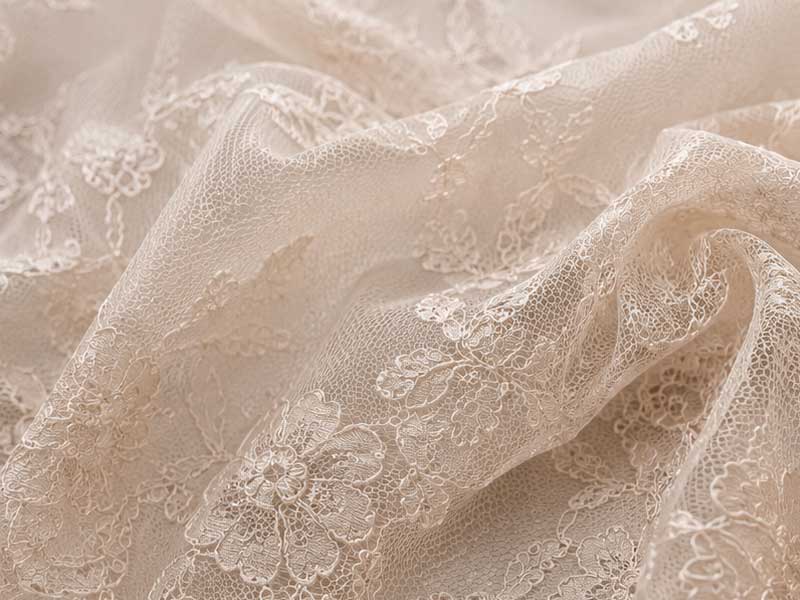
Lace

Lace quality depends on motif placement, edge handling, transparency and base stability. Placement can affect material consumption and cutting time. Samples define motif direction, seam locations, lining color and edge finish. Bulk teams control matching, panel alignment, broken threads, fraying and comfort where lace contacts the skin. Common uses:
  • occasion
  • cocktail
  • corset
  • evening dresses
Typical trims:
  • lining
  • invisible zipper
  • binding
  • appliqué

Jersey

Jersey requires clear stretch direction, recovery and seam selection. Excessive tension can create shine, rippling or hem growth. Pattern dimensions must reflect fabric stretch rather than woven standards. Samples check body compression, neckline recovery, side-seam twisting and hem movement. Bulk inspection measures critical fit points and tests seam stability. Common uses:
  • bodycon
  • ruched
  • casual
  • cut-out dresses
Typical trims:
  • clear elastic
  • power mesh
  • binding
  • zipper when required

Sequins

Sequin fabrics add weight, abrasion and needle risk. Seam areas may need sequin removal or controlled trimming to reduce bulk. Samples check scratching, shedding, zipper movement, lining comfort and motif direction. Bulk production includes protected handling, seam cleaning, broken-needle control and packing methods which prevent surface damage. Common uses:
  • party
  • mini
  • evening
  • statement dresses
Typical trims:
  • full lining
  • strong zipper
  • hooks
  • protective tissue

Fit Engineering for Lower Marketplace Return Risk

Consistent fit begins with silhouette intent and material behavior, not size labels alone. Pattern teams control body landmarks, wearing safety, movement and grade rules across the approved size range.

Stabilize Necklines, Bust and Straps

Upper-body failures are highly visible in product reviews. Deep necklines can expose more than expected after grading; strapless dresses can slip when cup shape, elastic or anti-slip support is weak; narrow straps can change armhole coverage when the length or angle is wrong. Pattern review measures bust, upper bust, under bust, neckline depth, armhole, shoulder width and strap length. Corset styles also require cup placement, boning direction and waist support. Sample fitting should be performed in the intended fabric because stretch, drape and thickness change support. Comments need measurable corrections rather than visual impressions. During bulk inspection, critical upper-body points are measured and construction details such as strap attachment, elastic length and cup symmetry are checked against the approved standard.

Balance Waist, Hip and Stretch Recovery

Waist and hip balance affects both appearance and comfort. A waistline placed too high or low can distort the intended silhouette, while insufficient hip ease can pull side seams forward and raise the hem. Stretch dresses need enough negative ease for shape without causing excessive compression or fabric shine. Pattern development considers bust-waist-hip proportions, stretch percentage, recovery and seam direction. Sample review checks sitting, walking and movement rather than standing photographs alone. Size grading must maintain the visual waist position and correct ease across the range. Bulk QC combines garment measurements with visual checks for twisting, rippling, drag lines and recovery after handling. Stable proportions help reduce fit-related complaints without relying on oversized tolerance ranges.

Control Length, Slits and Lining Coverage

Dress length changes during movement, pressing and hanging, especially in bias cuts, lightweight fabrics and stretch structures. Mini dresses need safe back length and adequate lining coverage. Midi and maxi styles need balanced hems and stable side seams. Slit height must work with the intended size range and movement. Lining length should protect coverage without showing below the shell. Sample review measures front length, back length, side length, slit opening and lining length after the garment has rested. Bulk teams measure critical lengths, inspect hem shape and check pressing effects. Long dresses may need hanging time before final hemming, while stretch styles may require recovery checks before measurement. Packing methods are selected to reduce severe folds and hem distortion.

Samples Connect Product Vision with Bulk Production

Sample names should describe a clear decision point. Separating fit, photography, production approval and reference standards prevents one sample from being used for several conflicting purposes.

First Sample

The first sample tests design interpretation, pattern direction, fabric suitability and construction feasibility. It is not automatically the final production standard. Review should identify structural issues, material changes and measurable fit corrections before another version is requested.

Fit Sample

A fit sample focuses on body measurements, balance, movement and wearing safety. Bust, waist, hip, length, neckline, armhole, straps, slit and lining are reviewed according to silhouette and material behavior. Fit comments should be recorded by version.

Revised Sample

A revised sample confirms whether agreed corrections were executed correctly. New changes should be separated from previous corrections to avoid circular revisions. Fabric or trim substitutions introduced during revision must be documented because they can change fit and price.

Photo-Ready Sample

A photo-ready sample supports campaign photography, product listings and launch content. Visual drape, color, surface quality and styling details receive close attention. A photo sample may still differ from the PP standard when final production materials or packing details remain open.

PP Sample

The PP sample is the production approval reference. Fabric, color, trims, measurements, construction, labels and packing need formal confirmation before bulk begins. Changes after PP approval require review for cost, material and schedule impact.

Golden Sample

A golden sample provides a sealed visual and construction reference for bulk inspection and later reorders. It works together with patterns, size charts, BOM files, trim records and packing instructions rather than replacing written production documents.

Multi-SKU Control Across Styles, Colors and Sizes

Marketplace orders connect physical garments with digital product records. Style numbers, color codes, sizes, labels, barcodes and carton details must remain synchronized from development through warehouse delivery.

Control AreaRequired FileMain RiskJinfeng Control Method
StyleTech pack, BOM, style codeFiles or trims mixed between stylesSeparate style folders, sample versions, production sheets and packing instructions
ColorColor list, swatch or Pantone referenceShade variation, wrong labels or mixed packingFabric-lot confirmation, color coding, separated production and carton identification
SizeSize chart, grade rule, size ratioWrong grading, incorrect size labels or carton ratiosApproved measurement files, in-line checks, final measurement review and packing ratio control
LabelsMain label, care label and size-label artworkWrong content, placement or size mappingArtwork approval, placement confirmation, size-color matching and packing-stage recheck
BarcodeBarcode and SKU listIncorrect inventory identity or warehouse rejectionClient-approved barcode file, sample label check and style-color-size matching before application
CartonsPacking list, carton mark and warehouse guideMixed styles, wrong quantities or incomplete marksPacking instructions, carton separation, count verification and export-document cross-check

Private-Label Packing for Marketplace and Warehouse Delivery

Private-label execution extends far beyond a main label. Every identification and packing element must connect with the approved style, color, size and destination requirements.

Main Labels

Woven or printed main labels represent brand identity and need approval for artwork, size, color, fold type, material and placement. Label supplier MOQ may differ from garment MOQ. Production files should identify the exact label version for every style group.
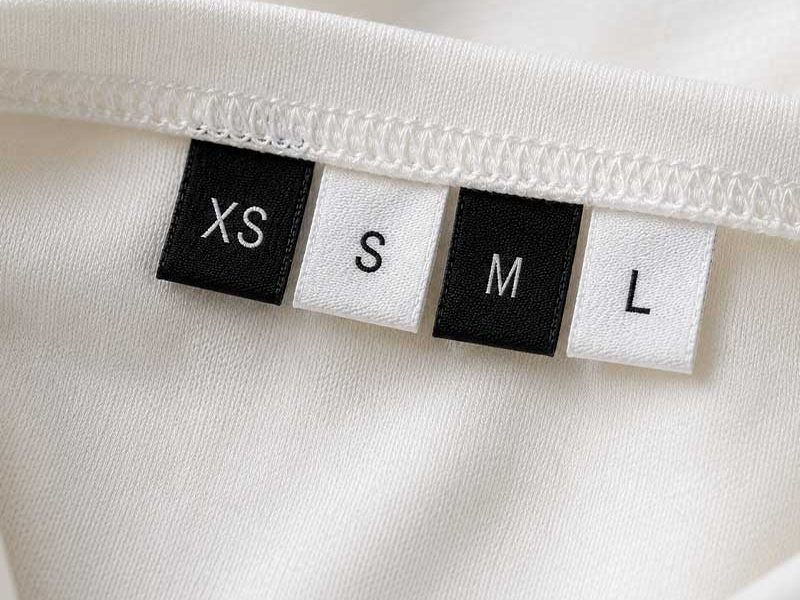
4.-Size-Labels

Size Labels

Size labels must match the size chart and garment inside each polybag. Multi-region size conversion, separate petite or extended-size ranges and dual-size labels require explicit mapping. Packing teams verify label content before folding and barcode application.

Care Labels

Care labels contain fiber content, care instructions, country information and other market-specific content supplied or approved by the brand. Fabric composition and label language must match the final product. Placement needs to avoid discomfort or visible distortion.
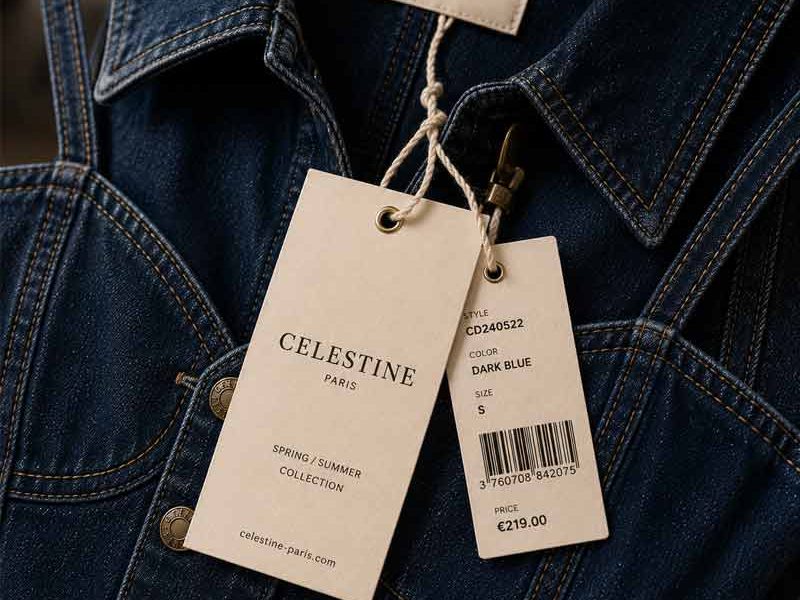
4.-Hangtag

Hangtags

Hangtags may include brand story, pricing, product code, barcode or campaign information. Attachment method, string, safety pin or hang-seal position should be approved. Tags need protection during folding so corners and printed surfaces do not damage delicate fabrics.

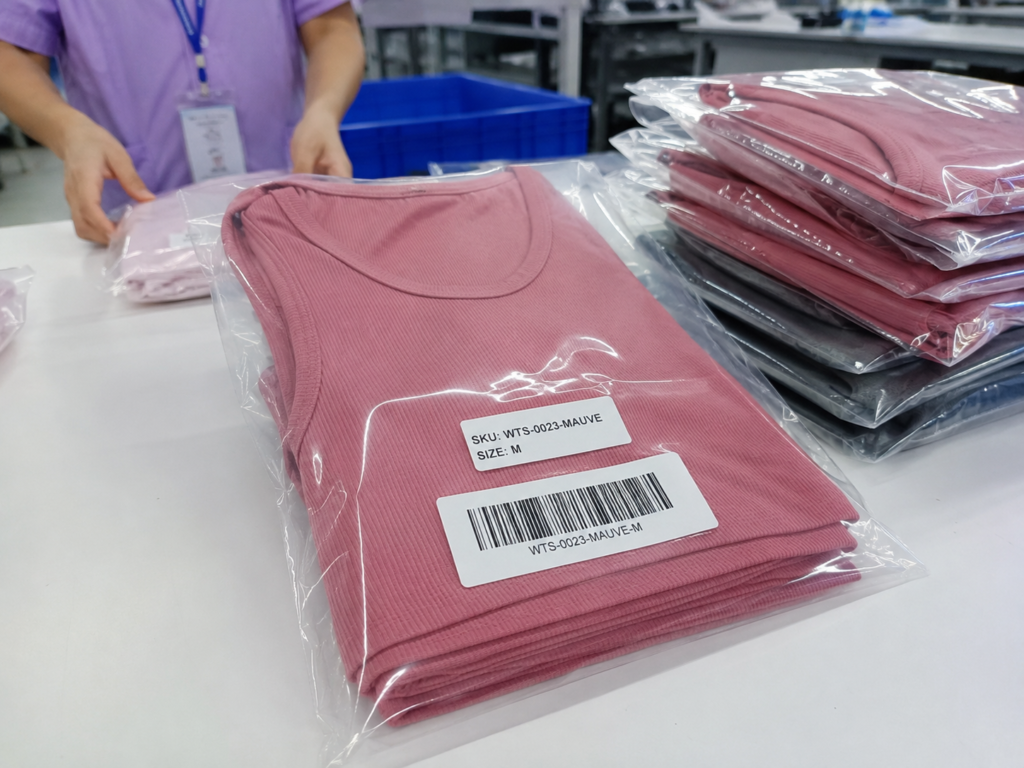
Barcode and SKU

Barcode stickers and SKU labels link the physical garment with marketplace inventory. The brand supplies or confirms the final barcode list. Application is checked by style, color and size, with placement aligned to polybag or hangtag requirements.

Polybags and Cartons

Polybags, warning text, size stickers, carton quantity, carton marks and warehouse labels follow the approved packing guide. Delicate satin, lace or sequin garments may require tissue, protective covers or alternative folding. Carton data is matched with the final packing list before pickup.

Scalable Dress Production Without Losing Product Control

Large collection orders need capacity and coordination in equal measure. Jinfeng Apparel uses product-based factory allocation, controlled project files and shared quality standards across the production network.

Allocate Styles by Product and Fabric

Jinfeng Apparel operates 6 owned women’s fashion factories and works with 10+ long-term satellite production partners. Styles are assigned according to category, fabric, construction complexity, volume and delivery priority. Satin and occasion dresses require teams familiar with snag control, lining, zipper flatness and pressing. Stretch bodycon styles need production units experienced in recovery, seam stability and measurement control. Mesh, lace, sequin and corset styles need specialized handling because transparency, motif placement, boning, cups and surface protection affect the production route. Multi-style programs are grouped before allocation so shared fabrics, trims and QC requirements remain coordinated. Allocation decisions are reviewed again after PP approval because final construction and material details determine the best production unit.

Manage Parallel Production Through Shared Files

Parallel production becomes risky when different units work from different sample versions. Every style needs a final pattern, approved size chart, BOM, trim card, sewing instruction, label placement and packing instruction. Project teams track material arrival, cutting, sewing, in-line inspection, finishing, packing and shipment preparation through agreed milestones. 12+ merchandisers and order follow-up specialists support communication across development, sourcing, production, QC and logistics. Key issues are documented with photos, measurement records and corrective actions. Large programs may use priority groups so campaign styles, main-volume styles and later delivery styles move through production in the right sequence instead of competing for the same resources.

Protect Consistency Across Production Units

Capacity alone cannot guarantee stable dress quality. Jinfeng Apparel applies shared quality checkpoints across material inspection, cutting, sewing, in-line review, garment measurement, pressing and packing. Approved samples and product-specific QC notes guide inspection. Satin styles receive snag, shade, seam and pressing checks; bodycon styles receive stretch, recovery and critical-measurement checks; corset styles receive cup, boning and symmetry checks. Packing instructions are controlled centrally to prevent different units from using different labels or folding methods. When an order is divided into batches, shipment records identify style, color, size and carton allocation for each release.
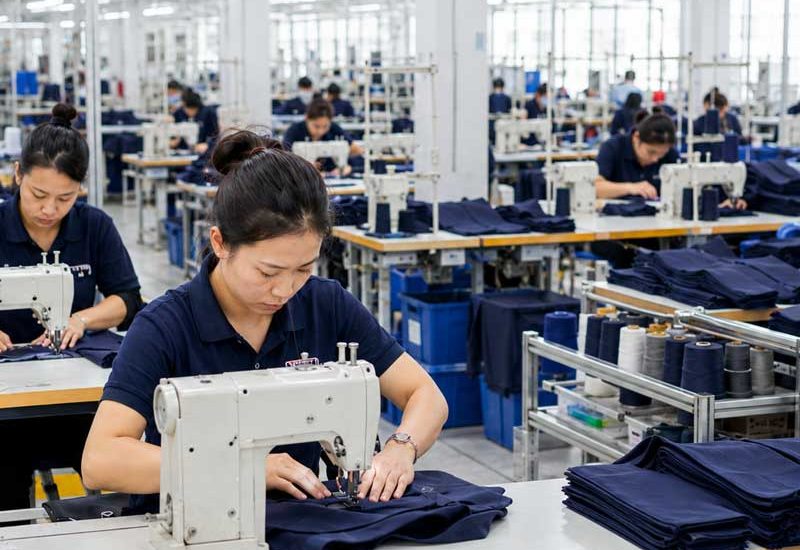
Production Capacity

Quality Control from Fabric Arrival to Packed SKU

Quality control follows the garment through development and production. Generic final inspection cannot correct wrong fabric, unstable patterns or mixed packaging after the order is complete.

Incoming Material QC

Fabric and trims are checked against approved references for color, hand feel, width, weight, stretch, surface faults and quantity. Special attention is given to satin shade, mesh damage, lace motifs, sequin condition and lining compatibility.

Cutting QC

Cutting control covers fabric direction, panel placement, shade grouping, pattern version, size markers and visible defects. Satin shine direction, lace placement and print orientation require clear cutting instructions before bulk panels are released.

Sewing QC

Sewing checks focus on seam construction, tension, stitch balance, zipper insertion, lining, elastic, cups, boning and trim placement. Product-specific risks are checked at the operation where correction remains possible.

In-Line Inspection

In-line review identifies recurring defects before full production is complete. Inspectors check workmanship, critical measurements, symmetry, component placement and style-specific issues, then record corrective action for the production team.

Measurement Review

Critical measurements are selected by silhouette and fit risk. Bust, waist, hip, length, strap, armhole, neckline, slit, lining and crotch length are checked according to approved tolerances and size rules.

Garment Inspection

Finished garments are reviewed for appearance, workmanship, stains, damage, closures, trims, loose threads, shape and overall consistency. Delicate surfaces receive additional checks for snagging, broken lace or missing sequins.

Pressing and Finishing

Pressing temperature, steam, shaping and handling affect final appearance. Satin can show pressure marks, chiffon can distort and long dresses can develop uneven hems. Finishing teams use material-appropriate methods before packing.

Packing and AQL

Packing inspection verifies labels, barcodes, size-color identity, folding, polybags, quantities, carton marks and warehouse requirements. Project-based AQL inspection or brand-appointed inspection can be coordinated before shipment release.

Plan Sampling, Production and Delivery Around Launch

A workable launch plan links product decisions with material readiness and freight. Timing below gives a planning framework for standard programs; complex fabrics, custom dyeing, exclusive prints, multiple revisions or special packaging can extend individual stages.

StagePlanning WindowKey ApprovalLaunch Impact
Project and file review2-5 working daysStyle list, quantity, fabric direction, size range and delivery goalConfirms feasibility, quotation inputs and sample priority
First sample development10-15 working days after material directionPattern, construction, sample fabric and trimsCreates the first measurable product version
Revision cycle7-12 working days per roundFit comments, material changes and construction correctionsControls photo timing and PP readiness
PP sample and production lock7-12 working daysFinal fabric, color, trims, measurements, labels and packingAllows material booking and bulk release
Bulk production30-45 days after PP and material readinessProduction files, material inspection and production scheduleDefines main delivery window; complex programs require longer planning
Packing and final inspection5-10 working daysBarcode list, packing ratio, carton marks and inspection releaseProtects warehouse receiving and shipment accuracy
FreightExpress, air or sea by destinationForwarder, booking, shipping terms and documentsAir can protect launch timing; sea controls cost for main volume

Repeat Best-Selling Dresses with Controlled Specifications

A bestseller reorder should begin from approved records, not memory. Jinfeng Apparel keeps product and packing references while rechecking variables which can change between production batches.

Development Records

Approved patterns, size charts, construction notes, sample comments and golden sample references provide the product foundation for repeat production. New colors, size extensions or design changes are recorded as a controlled new version rather than mixed into the original specification.

Material Records

Fabric references, color records, trim cards, lining details and supplier information are retained for reorder review. Availability, dye lot, hand feel and color can change, so new material lots are compared with approved references before cutting.

Repeat Production

Reorders follow production allocation, QC and packing controls based on the approved style. Quantity, color, size ratio, labels, barcodes, packaging, delivery destination and freight plan are reconfirmed. Multi-batch delivery can support replenishment schedules when volume and warehouse plans are clear.

MOQ and Cost Planning for Marketplace Collections

MOQ starts from 200 pieces per style and color. Final feasibility depends on fabric availability, color development, trims, construction, packaging and production schedule. Cost planning should protect the intended brand appearance while removing avoidable complexity.

Style and Color MOQ

MOQ is calculated by style and color. One style in two colors normally requires 200 pieces per color, subject to fabric and trim conditions. Several styles cannot be combined to create one 200-piece production unit. Clear quantity plans improve quotation accuracy and factory allocation.

Stock Fabric

Available satin, mesh, chiffon, jersey, ponte or crepe may support faster development and more manageable material planning, but stock still needs confirmation for color, quantity, width, hand feel and lot consistency. Availability can change between sample and bulk booking.

Custom Color

Custom dyeing involves color references, lab dips, minimum dye quantities, shade control and lining or trim matching. Material supplier MOQ and dyeing lead time can increase the required quantity. Color approval should occur before bulk fabric is released.

Custom Print

Exclusive print, placement print and border print require artwork, repeat scale, base fabric, color approval and print sampling. Printing supplier MOQ, setup and wastage affect both cost and lead time. Existing print options may offer a faster alternative for suitable programs.

Complex Construction

Corset structure, double layers, heavy ruching, lace placement, sequins, cut-outs, handwork and special finishing increase pattern, sample and sewing time. Cost review can explore material substitution or construction adjustment without weakening the intended appearance.

Private-Label Materials

Woven labels, care labels, hangtags, printed polybags, boxes and barcode systems can carry separate supplier MOQ. Mature programs can coordinate packaging materials across several styles when artwork and dimensions allow shared production.

Protect Designs, Product Data and Brand Information

Marketplace collections often remain confidential until launch. Jinfeng Apparel supports NDA-based cooperation and controlled use of development, production and packaging information throughout the project.

NDA Cooperation

NDA arrangements can cover brand identity, tech packs, line sheets, samples, patterns, size files, fabric plans, trims, order quantities, pricing and launch schedules. Project information is used for evaluation, development, production, QC, packing and delivery coordination.

Unreleased Design Protection

Unreleased styles, sample photos, original garments, exclusive materials and packaging artwork are not published without authorization. Case studies should remain anonymous unless written permission allows brand identification or product imagery.

Project-Based Compliance

Material certificates, testing, audit records and factory documentation are reviewed according to the product, market, fabric supplier, production unit and latest available records. Requirements should be submitted before material confirmation so scope, cost, MOQ and lead time can be evaluated.

Marketplace Dress Program: 18 Styles and 42,600 Pieces

The anonymized production scenario below reflects the scale and complexity commonly handled for established fashion brands: 10-30 styles and 20,000-80,000 total pieces per order. Figures illustrate a realistic marketplace collection structure without identifying any brand or unpublished design.

Collection Scope and Commercial Structure

The program included 18 dress styles and 42,600 total pieces for a United States marketplace fashion operation. The line contained 6 mini dresses, 5 midi dresses, 4 maxi dresses and 3 structured party dresses. Materials were divided into satin, stretch mesh, jersey and chiffon groups. Across the collection, 54 style-color combinations were planned, with five main sizes creating 270 style-color-size SKU combinations. Quantities ranged from 400 pieces for narrower seasonal colorways to 1,600 pieces for hero styles. Product teams prioritized 8 styles for campaign photography and early launch, while 10 styles formed the main delivery wave. Private-label requirements included main labels, size labels, care labels, hangtags, barcode stickers, individual polybags, carton marks and destination-specific packing lists.

Development and Sample Control

The line sheet was first divided by fabric group and structural risk. Satin slip and midi styles shared color and lining review. Mesh and bodycon styles shared stretch and recovery testing. Structured party dresses followed a separate path for cups, boning and zipper support. All 18 styles received first samples. Twelve styles required one measurable revision for neckline, waist, hip, strap, lining or length corrections; six commercial core shapes moved directly into PP preparation after first-sample approval. Photo-ready samples were prioritized for the 8 launch styles. PP approval locked fabric, color, trims, measurements, label placement and packing details before bulk materials were released. Sample comments were recorded by style number and version so photography requirements did not overwrite production specifications.

Bulk Allocation and SKU Protection

Production was divided across specialized units according to fabric and construction. Satin and chiffon styles moved to woven-dress units with controlled pressing and lining experience. Stretch mesh and jersey styles moved to teams familiar with recovery, body measurements and seam stability. Structured party dresses were assigned to units experienced in cups, boning and close-fit construction. Each style received a separate production file, barcode list and packing instruction. QC checkpoints covered incoming fabric, cutting direction, seam quality, critical measurements, finishing and packing. Barcode application was checked by style, color and size before garments entered polybags. Cartons were separated by shipment wave, with packing lists matched against carton marks and SKU quantities.

Launch Delivery and Reorder Readiness

The launch plan used two shipment waves. Eight hero styles and priority size ratios moved in the first release to protect campaign timing. Ten styles and the remaining volume moved in the main freight release. Production and packing files recorded style, color, size, barcode and carton allocation for each shipment. Approved patterns, size charts, fabric references, trim cards, construction notes, golden sample references and packing instructions were archived for replenishment review. Reorder readiness did not remove material approval: new fabric lots and colors still required confirmation before the next cutting release. The program structure allowed campaign products, main inventory and future replenishment to remain connected to one controlled product standard.

Marketplace Dress Manufacturer Qualification Checklist

A manufacturing partner should be assessed on development, fit, production control, packing accuracy and repeat-order records – not quotation alone. The following checks help sourcing and product teams compare suppliers on evidence.

Dress Category Depth

Ask for product experience matching the planned assortment: mini, midi, maxi, bodycon, corset, mesh, satin, lace, sequin or resort dresses. Review how the factory explains fit, fabric and QC risks rather than counting product photos alone.

Sample Team

Confirm whether pattern makers and sample machinists support first, fit, revised, photo-ready, PP and golden samples. Ask how comments are recorded and how approved standards move from the sample room into production.

Multi-Style Control

Review how 10-30 styles are grouped, prioritized and allocated. Strong systems use style codes, fabric groups, sample versions, PP approvals, production files, SKU mapping and packing instructions rather than informal chat records.

Quality Process

Look for incoming material, cutting, sewing, in-line, measurement, garment, pressing and packing checks. Product-specific risks should be visible in QC planning, especially for satin, mesh, lace, sequins, bodycon and corset structures.

Packing Accuracy

Confirm support for main labels, care labels, size labels, hangtags, barcodes, SKU labels, polybags, carton marks and warehouse guides. Ask who approves files and how style-color-size matching is verified before shipment.

Repeat-Order Records

Ask whether approved patterns, size charts, fabric references, trim details, construction notes, golden samples and packing requirements are retained. Reorders should also include a fresh review of material lots, colors, quantities and destination rules.

Frequently Asked Questions for Marketplace Fashion Brands
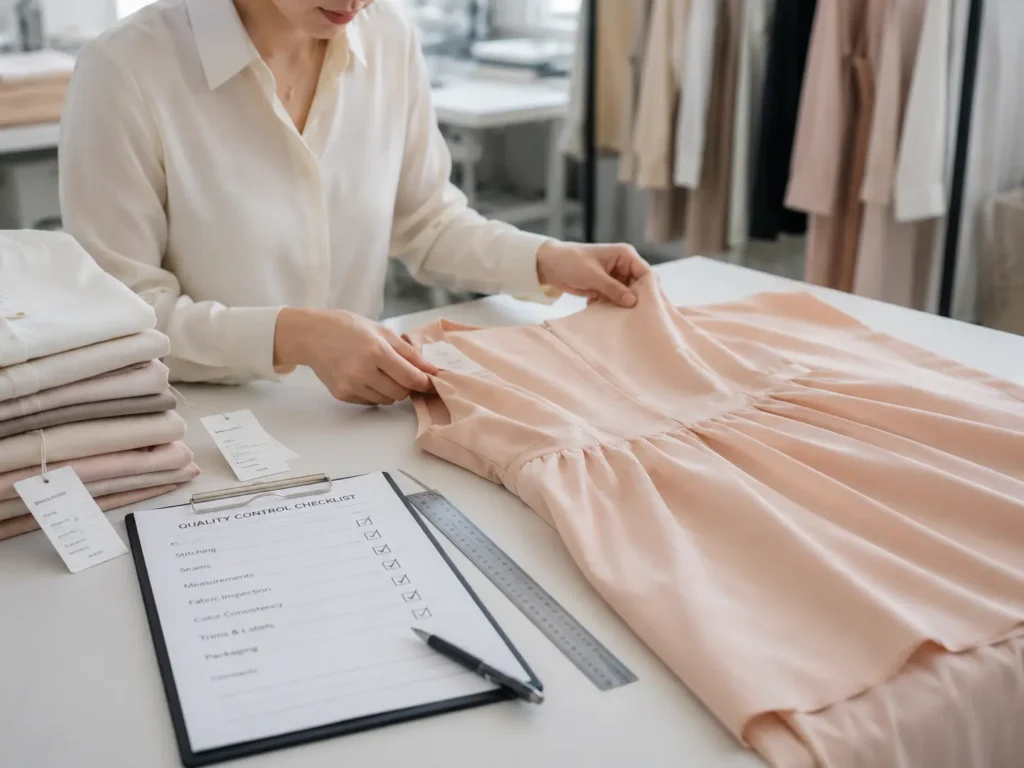
Jinfeng Apparel supports established marketplace-native brands, multi-channel ecommerce operations, mature private-label dress programs, sourcing offices and fashion groups with clear product direction, sampling requirements and bulk production plans.
MOQ starts from 200 pieces per style and color. Fabric availability, custom dyeing, printing, special trims, complex construction, private-label materials and production scheduling can raise the required quantity.
Yes. Multi-style programs are grouped by fabric, structure, fit risk, launch priority and factory allocation. Separate style files, sample versions, PP approvals, SKU lists and packing instructions help prevent information crossover.
Yes. Development can begin from tech packs, original samples, sketches, line sheets or reference images. Accurate quotation and sampling still require quantity, fabric direction, size range, color plan, construction details and packing requirements.
A standard first sample commonly needs about 10-15 working days after material direction is confirmed. Revision and PP stages commonly need 7-12 working days per round. Complex fabrics, custom trims or structural styles may require longer.
Yes. Photo-ready samples support campaign and listing content. PP samples lock final fabric, color, trims, measurements, construction, labels and packing before bulk production. The two samples serve different approval purposes.
Yes. Barcode stickers, SKU labels, size labels and polybag identification can be applied according to brand-approved files. The final barcode list must be supplied or confirmed before packing.
Pattern teams review grade rules and critical points such as bust, waist, hip, length, straps, armholes, neckline, slit, lining and crotch length. Bulk measurement inspection follows the approved size chart and tolerances.
Yes. Jinfeng Apparel keeps approved patterns, size charts, fabric references, trim details, construction notes, golden sample references and packing records. New fabric lots, colors and quantities receive confirmation before reorder production.
Yes. Jinfeng Apparel can coordinate with brand-appointed forwarders and provide cargo details, packing lists, commercial invoices, carton marks, measurements, weights and pickup support. DDP availability is evaluated by destination and freight plan.

Share Your Marketplace Dress Production Plan

Send your line sheet, tech pack, reference images or original sample photos for an initial project review. Kelly and the Jinfeng Apparel team will evaluate style complexity, fabric direction, size range, quantity per style and color, sample requirements, private-label packing, production allocation and target delivery. A clear file set allows faster feedback on feasibility, sampling priorities, MOQ fit and the information needed for a formal quotation. Sensitive files can be handled under NDA-based cooperation and are used only for project evaluation, development, production, QC, packing and delivery coordination.

  • Company or brand name and main sales marketplaces
  • Style list, tech packs, reference images or original sample photos
  • Quantity per style and color, plus planned size ratio
  • Fabric, color, trim and construction direction
  • Main labels, care labels, hangtags, barcodes and packaging requirements
  • Target launch date, delivery destination and preferred freight plan
  • Upload fields: Name, Company, Email, Tel/WhatsApp, Message and Project Files

Tell Us About Your Dress Project

Share your product details, estimated quantity and development requirements. Our team will review your project and provide practical OEM/ODM production feedback.

Premium Women’s Apparel Production for Fashion Brands

From dress sample development to bulk production, JF Apparel supports fashion brands with confidential OEM/ODM manufacturing, reliable quality control and scalable production support.

START YOUR DRESS PROJECT

Ready to Develop Your Next Dress Collection?

Share your design concept, product requirements or sourcing plans with our team. We’ll review your project and provide practical feedback on development, materials, MOQ and production.

7-10 Days

Sample Development

200 PCS

Starting MOQ

Fast Response

Professional Follow-Up