
Dress Manufacturer for Instagram-Led Fashion Brands
Photo-ready dress development, multi-style production and repeat-order control for brands built around visual launches and social selling.
- 2 sample rooms, 7+ senior pattern makers and 20+ sample machinists support coordinated development across campaign, launch and carryover styles.
- 6 owned women’s fashion factories, 18+ sewing lines and 100,000+ pieces of regular monthly capacity provide room for approved styles to scale.
- Projects can be organized across 10-30 styles and total order volumes of 20,000-80,000 pieces, with style, color, size, label and packing files managed separately.
- MOQ starts from 200 pieces per style and color, subject to fabric, trims, construction, packaging and production scheduling.
Development Capacity Behind Every Instagram Fashion Drop
Since 2008
2 Sample Rooms
7+ Pattern Makers
20+ Sample Machinists
18+ Sewing Lines
15+ QC Inspectors
Built for Visual-First Fashion Brands With Production Plans
Instagram-Led Brands
Creator-Led Labels
Premium Ecommerce Brands
DTC Dress Brands
Occasionwear Labels
Sourcing Teams
Where Instagram Fashion Success Can Break in Production

Content Schedule Mismatch
- Lock hero styles first
- Track material arrival
- Separate photo and PP approval

Photo-to-Bulk Gap
- Approve final fabric batch
- Seal a Golden sample
- Inspect measurements and finish

Multi-Style Drop Pressure
- Rank launch priority
- Group shared materials
- Manage versions by style

Viral Demand Risk
- Keep complete records
- Reconfirm material supply
- Prioritize key sizes
Dress Categories Designed for Strong Visual Merchandising
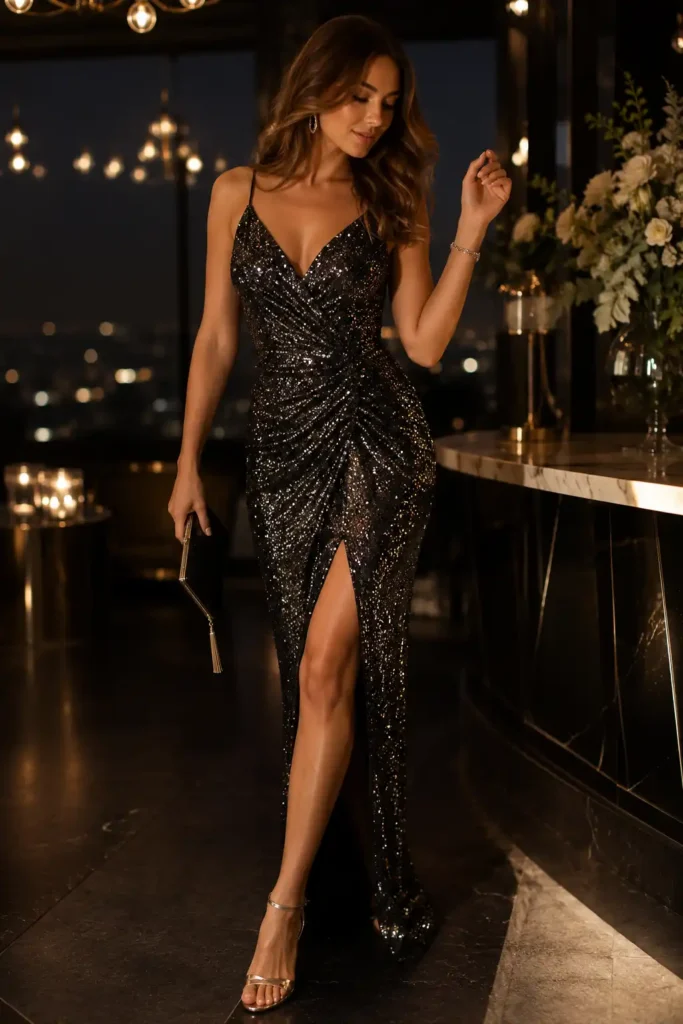
Party Dresses
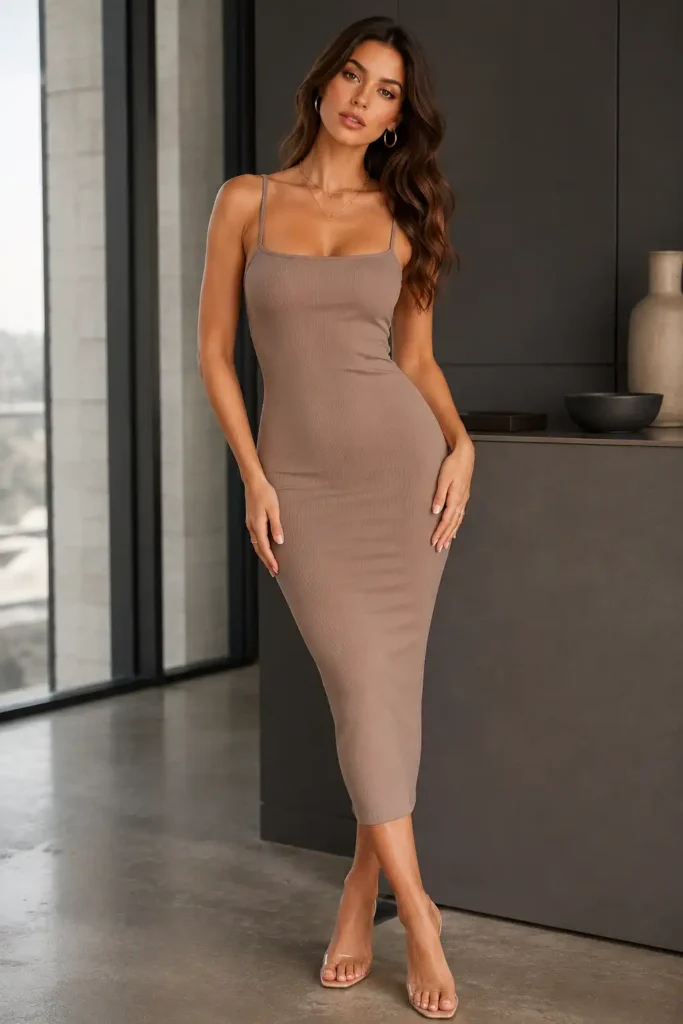
Bodycon Dresses

Corset Dresses

Satin Dresses
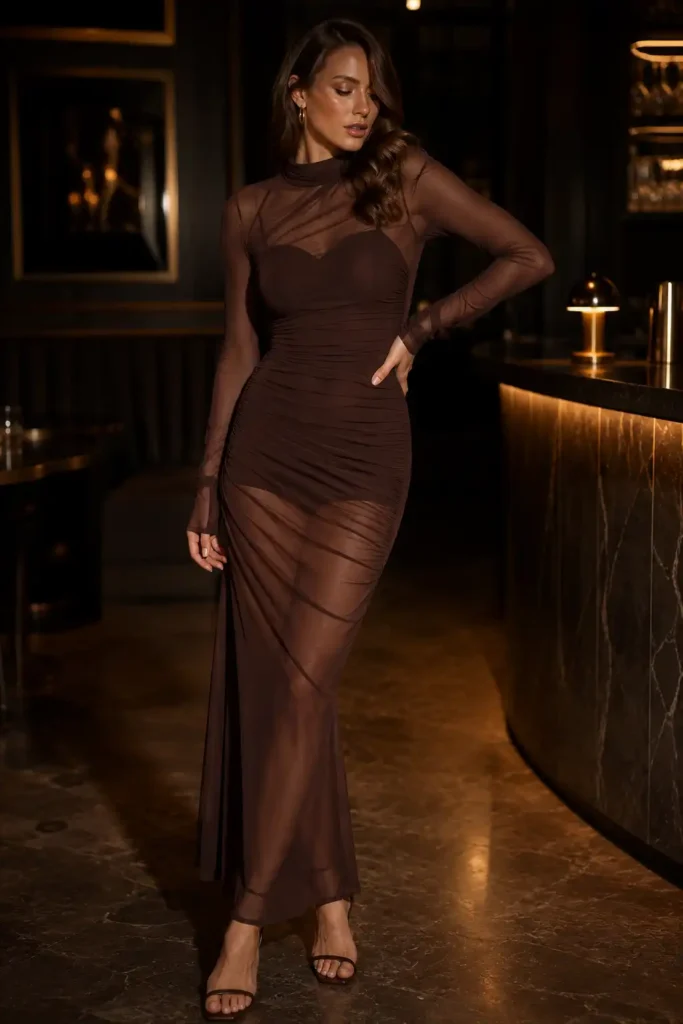
Mesh Dresses
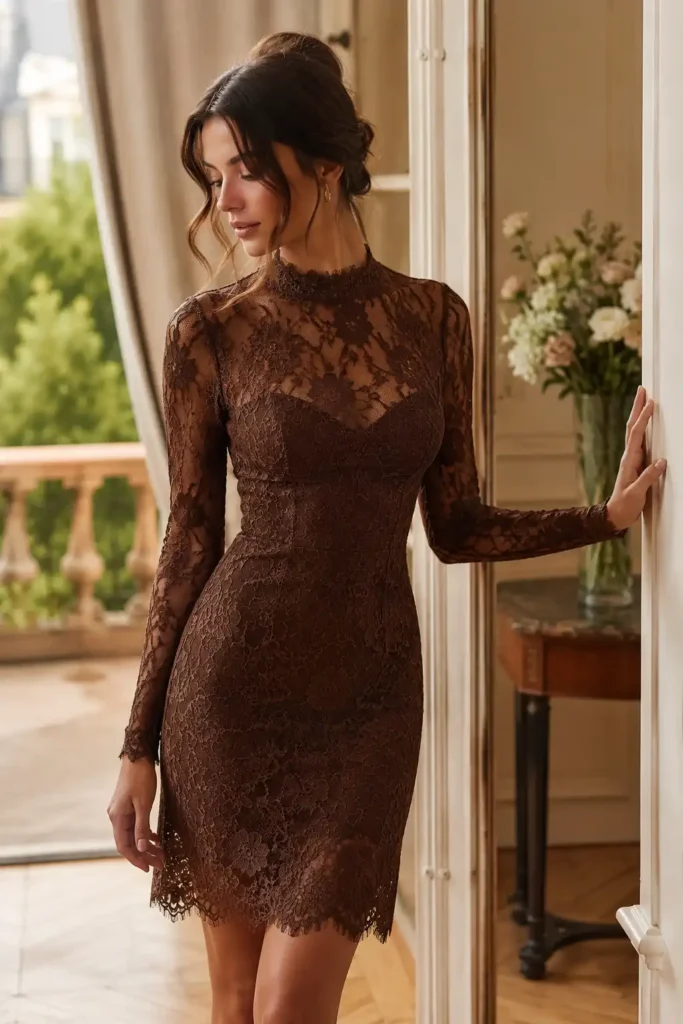
Lace Dresses
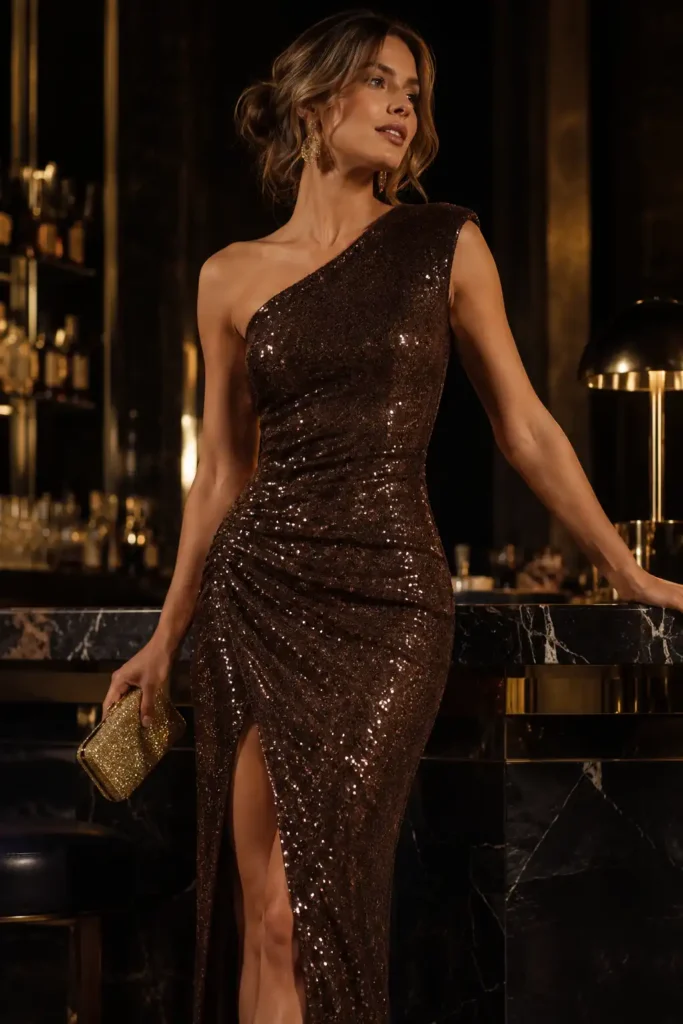
Sequin Dresses
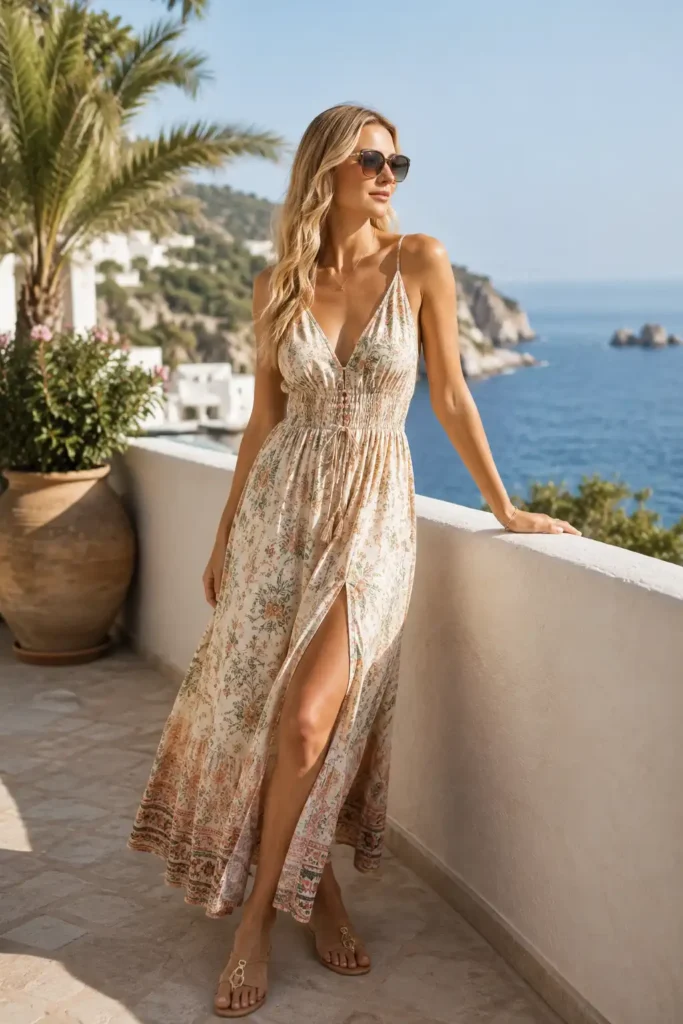
Resort Dresses
Turning Visual References Into Production-Ready Dress Designs
A reference image communicates mood, proportion and styling, but it rarely contains enough information for stable production. Development work converts the visible concept into measurable structure, approved materials and repeatable instructions.
Review the Reference, Brand Direction and Commercial Goal
Jinfeng Apparel can begin from a tech pack, original garment, sketch, line sheet, measurement chart, mood board or reference image. The first review separates visual direction from production facts. A photograph may show a fitted satin bodice, but it does not reveal the fabric composition, stretch, lining, internal support, seam allowance, back construction or intended size range. The development team therefore identifies the silhouette, target length, neckline, sleeve or strap structure, waist position, closure, lining, surface details and intended selling occasion before a pattern is opened.
Commercial context also matters. A campaign hero dress may justify more complex structure and higher material cost than a supporting style. A product intended for repeat sales needs dependable fabric supply and straightforward quality points. A dress planned for multiple colors requires an early check of dye-lot risk, minimum material quantities and trim availability. Target retail level, planned order quantity, market, launch date and packaging requirements help define a workable direction.
A strong project brief normally includes product references, brand fit preference, size range, planned quantity per style and color, fabric direction, target price, private-label needs and warehouse destination. When information is incomplete, Jinfeng provides a preliminary feasibility review rather than a false fixed quotation. The goal is to identify structural questions early, before sample sewing hides them behind a finished appearance.
Convert Visual Features Into Fit and Construction Decisions
The next step is a technical breakdown of the visible design. A low neckline requires a defined depth, bust coverage and support method. A cut-out needs stable edges, correct placement and enough surrounding fabric to resist distortion. A corset bodice needs cup position, boning channels, lining, seam structure and closure details. A bodycon skirt needs stretch direction, ease allowance and hem behavior. Each decision influences pattern shape, fabric choice, sample cost and production consistency.
Jinfeng pattern makers evaluate bust, upper bust, under bust, waist, hip, shoulder, armhole, neckline, strap length, slit height, dress length and movement allowance according to the style. For jumpsuits or dress-and-short combinations, rise and crotch length are reviewed together with the waistline. Fit is not treated as a single measurement check; the relationship between body zones determines whether the garment sits correctly on camera and during movement.
Construction feasibility is reviewed at the same time. Satin may need a different seam strategy from stretch jersey. Mesh edges may need binding or reinforcement. Lace motif placement may increase material use. Sequins may need removal from seam allowances. Ruching may change fabric consumption and measurement control. When a reference depends on an unstable method, the team can propose an alternative that preserves the visible effect while improving bulk repeatability. The decision is documented before PP approval, not improvised on the production floor.
Build the Files Used for Sampling, Bulk Production and Reorders
A production-ready style needs more than an approved appearance. The working file set may include the final pattern, graded size chart, BOM, fabric approval, trim approval, color standard, sewing instruction, measurement points, label placement, QC checklist, packing instruction and approved sample record. Each file answers a different question during bulk production and prevents verbal decisions from being lost between development, merchandising, factory allocation, QC and packing teams.
Sample feedback is translated into controlled revisions. A lower waistline requires an updated pattern and measurement chart. A different lining affects the BOM and fabric consumption. A zipper change alters trim approval and sewing instructions. A revised cup position changes both pattern and QC points. Version names and dates are recorded so an old sample comment does not reappear during bulk production.
After the PP sample is approved, the final standard is used to establish the Golden sample and production files. Major structure changes should not continue after that point because they affect material use, line setup, measurements, cost and timing. Complete records also support repeat orders. When a best-selling dress returns, Jinfeng can retrieve the pattern, measurements, materials, trims, labels, packing and QC notes, then reconfirm any new color, fabric batch or packaging change before production starts again.

Photo-Ready Samples Built for Campaigns and Product Launches
Campaign samples must photograph well, fit the selected model and arrive before content production. Bulk approval requires a wider standard covering final materials, construction, labels, measurements, QC and packing.
Define the Purpose Before the Sample Room Starts
A photo-ready sample may be used for Instagram campaigns, Reels, influencer seeding, ecommerce photography, lookbooks, showrooms or launch previews. The intended use determines the fitting size, finishing level, deadline and whether final bulk materials are already available. A campaign sample for one model can be optimized around a selected size, while a PP sample must represent the approved construction and measurement standard for the entire order.
Jinfeng Apparel separates sample types so the brand team knows what has been approved. First samples test structure and overall appearance. Fit samples focus on measurements and proportion. Revised samples confirm corrections. Photo-ready samples receive close attention to visual finish, pressing, surface cleanliness, drape and details visible in high-resolution imagery. Salesman samples may support line reviews or wholesale presentation. PP samples lock the final production standard, and Golden samples remain the comparison reference for bulk and repeat orders.
Typical first-sample timing is about 7-10 days for simple styles, 10-15 days for regular dresses, and 15-25 days for complex corset, strapless, lace, mesh, sequin or evening styles. Custom-dyed fabrics, special trims or certification-related material sourcing can extend the schedule. A realistic calendar starts only after style information, sample payment, fabric direction and required trims are confirmed.
Control What the Camera Reveals
High-resolution imagery exposes details that may be less noticeable during a quick garment review. Satin can show rippled seams, pressing shine and tiny snags. Mesh can reveal inconsistent transparency or lining edges. Lace can look unbalanced when motifs shift across the bust. Bodycon fabrics can show seam tension, twisting or uneven stretch. Sequins can reflect missing areas or damaged surfaces. Photo-ready preparation therefore checks silhouette, bust shape, waist placement, hip line, neckline, straps, hem balance, slit opening, lining, closures, symmetry, pressing and surface cleanliness.
Model movement also matters. A mini dress may rise when walking or sitting. A strapless bodice can slip after repeated arm movement. A deep V neckline may open under different poses. A cut-out can distort when the torso turns. Fit review should include standing, sitting, walking and arm movement rather than a single static photograph.
The selected sample size must be clear. When the campaign model differs from the brand’s base fitting model, the sample can be prepared for the shoot, but the production size chart still requires separate approval. Jinfeng records any photo-only adjustment so it is not automatically copied into every bulk size. The aim is a garment that photographs well without weakening the production logic used for the final range.
Move From Photo Approval to PP Approval Without Confusion
A polished photo sample is not automatically the PP sample. The photo version may use available fabric to meet a campaign date, hand-finished details, temporary labels or a model-specific fit. Before bulk production, the brand and Jinfeng still need to confirm final fabric composition and weight, color or dye lot, stretch, lining, trims, measurements, sewing method, care label, brand label, hangtag, barcode, polybag, carton mark and inspection standard.
A structured handover prevents the photo sample from creating a false bulk expectation. Jinfeng compares the photo sample with the final production materials and records every difference. If the final fabric has different stretch, shine or weight, a PP sample may be required even when the visual design is unchanged. If the photo sample used temporary hardware or hand placement, production methods must be tested before approval.
Once the PP sample is accepted, major structural changes should stop. The Golden sample, final BOM, pattern, size chart, sewing instruction, QC checklist and packing instruction become the factory reference. Content can continue using the photo sample, while production teams follow the sealed bulk standard. Clear separation protects both the launch image and the delivered product from avoidable misunderstanding.
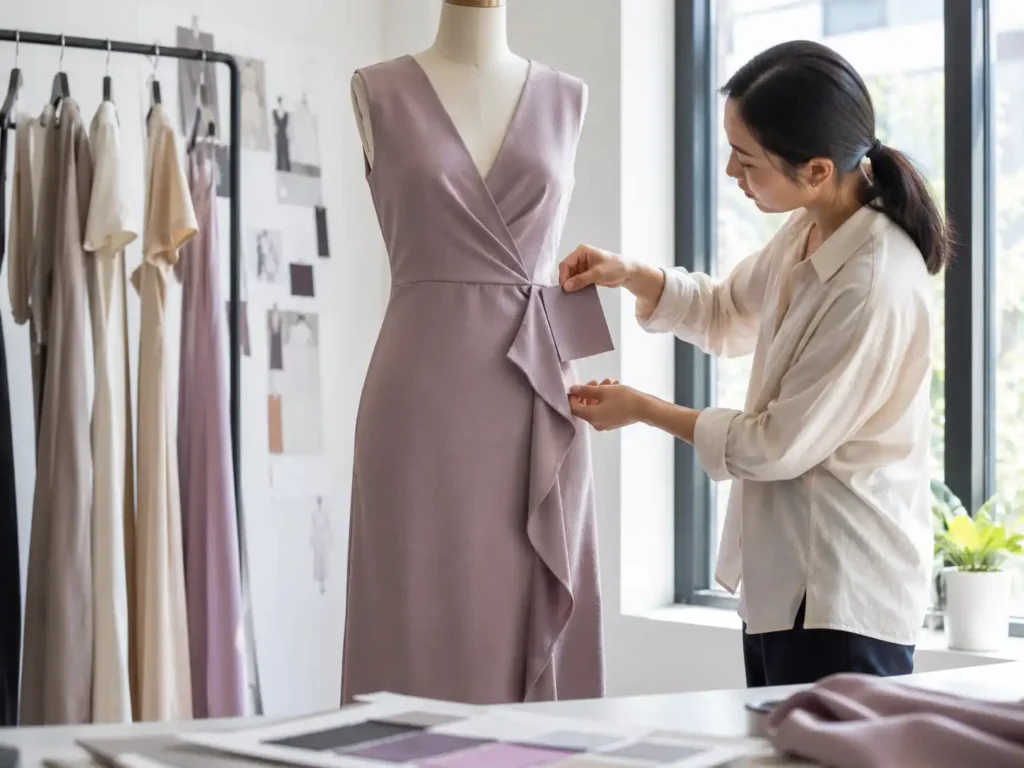
Fit Engineering for Dresses That Must Look Right On Camera
Camera appeal begins with proportion, but commercial fit must also survive movement, size grading and repeat production. Jinfeng controls the measurements and internal structure behind fitted, corset and length-sensitive dresses.
Bodycon Fit Requires Stretch Data, Not Only Tight Measurements
Bodycon dresses are often approved visually because the sample looks close to the body, yet the real control point is the relationship between fabric stretch, recovery, negative ease and pattern shape. Two fabrics with the same composition can behave differently because of knit structure, weight and finishing. Jinfeng reviews stretch in the width and length directions, recovery after extension, relaxation before cutting and seam behavior before fixing the final measurements.
Bust, waist and hip cannot be graded as isolated points. A stronger hip reduction can pull the side seams forward and make the hem rise. Excessive waist reduction can create horizontal drag lines or zipper stress. A lining with less stretch than the shell can restrict movement even when the outer fabric appears suitable. For a mini bodycon style, movement testing checks walking, sitting and hem recovery. For a midi or maxi fitted style, knee movement, slit height and hem balance also matter.
The approved size chart should state key garment measurements and tolerances rather than relying on body measurements alone. Bulk QC can then check bust, waist, hip, length, neckline, armhole, strap and slit positions against the defined points. Stable fit reduces avoidable returns caused by twisting, compression, transparency, seam opening or unexpected length changes across sizes.
Corset and Strapless Support Must Balance Security and Comfort
Corset and strapless dresses carry visual weight around the upper body, where small pattern errors become obvious. Support depends on upper-bust grip, under-bust shape, cup placement, neckline height, back width, waist position, boning layout, lining, closure and anti-slip handling. Adding harder boning does not automatically create a better fit; stiffness, placement and seam structure must work together.
Jinfeng pattern makers check cup position against the intended size, confirm whether the neckline provides enough coverage, and assess how the bodice behaves when the wearer raises her arms, sits or turns. Boning ends need protection so they do not push through the fabric or irritate the skin. Bra cups must sit evenly and remain secure after sewing. Invisible zippers or other closures must lie flat without pulling the center back or side seam.
Fit samples record the exact area requiring correction: upper bust, under bust, cup distance, neckline depth, waist seam, back opening, strap position or bodice length. Adjustments are reflected in the pattern and size chart rather than handled only through hand sewing. Bulk inspection then checks symmetry, cup position, boning channels, neckline stability, closure function and critical bodice measurements against the approved standard.
Mini, Midi and Maxi Lengths Need Different Balance Controls
Dress length changes proportion, movement and quality risk. A mini style needs enough safety for walking and sitting while maintaining the intended leg line. A midi style is highly sensitive to waist position, calf length, slit height and fabric drape; a small length change can make the silhouette appear heavy. A maxi or floor-length style needs hem balance, lining coordination, movement allowance and packaging that protects the pressed finish.
Jinfeng reviews length together with waistline and shoe expectations. A low waist can visually shorten a midi dress. A high slit can change the effective movement and coverage of a maxi. Stretch fabrics may grow after hanging, while bias-cut satin can drop unevenly. Chiffon and rayon may change after relaxation or steam. Layered skirts need shell and lining lengths coordinated so neither layer appears accidental.
Sample checks include center front, side seam and center back length, waist seam position, slit opening, hem level and lining length. For long dresses, the garment may be hung before final hemming to observe drop. Bulk measurement and pressing checks confirm the approved balance across sizes. The result should preserve the intended image while remaining wearable and repeatable in production.

Fabrics That Perform On Camera and in Bulk Production
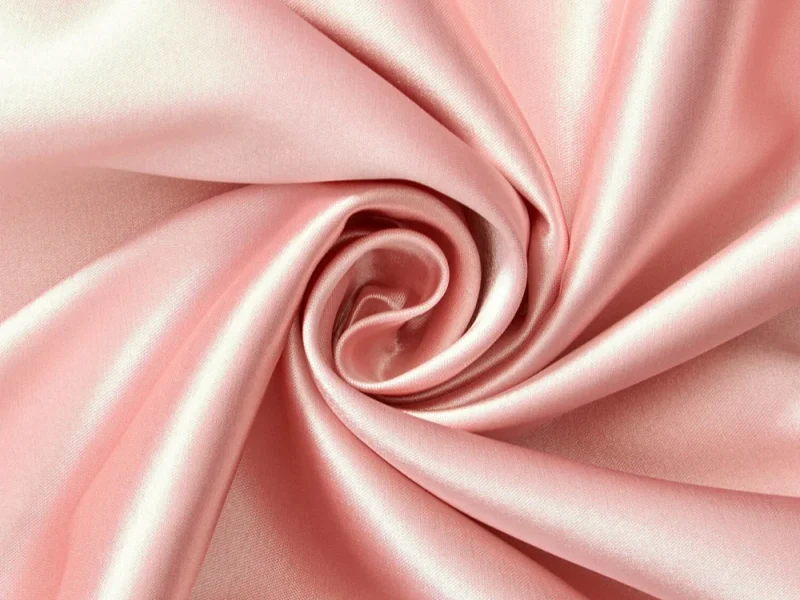
Satin
- Approve hand feel and drape
- Confirm bulk availability
- Set fabric-specific QC points
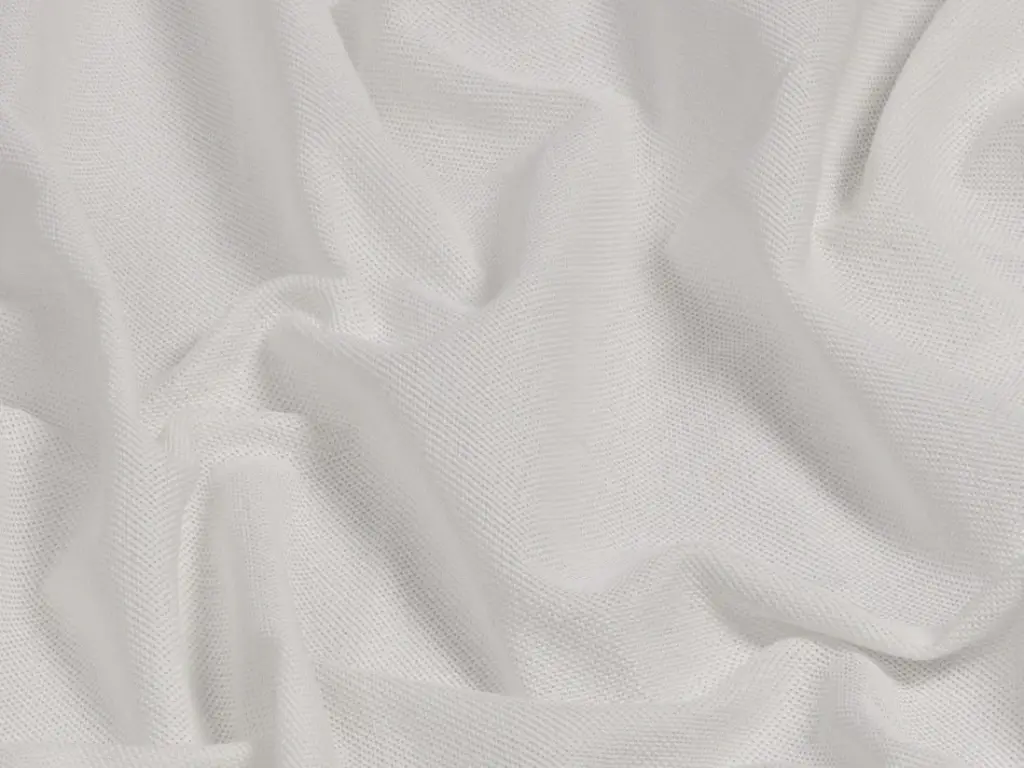
Mesh
- Approve hand feel and drape
- Confirm bulk availability
- Set fabric-specific QC points
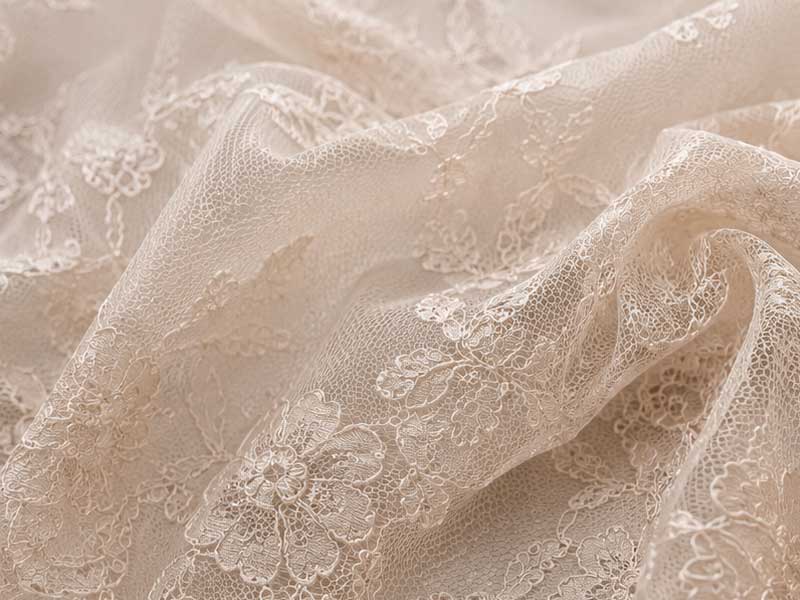
Lace
- Approve hand feel and drape
- Confirm bulk availability
- Set fabric-specific QC points
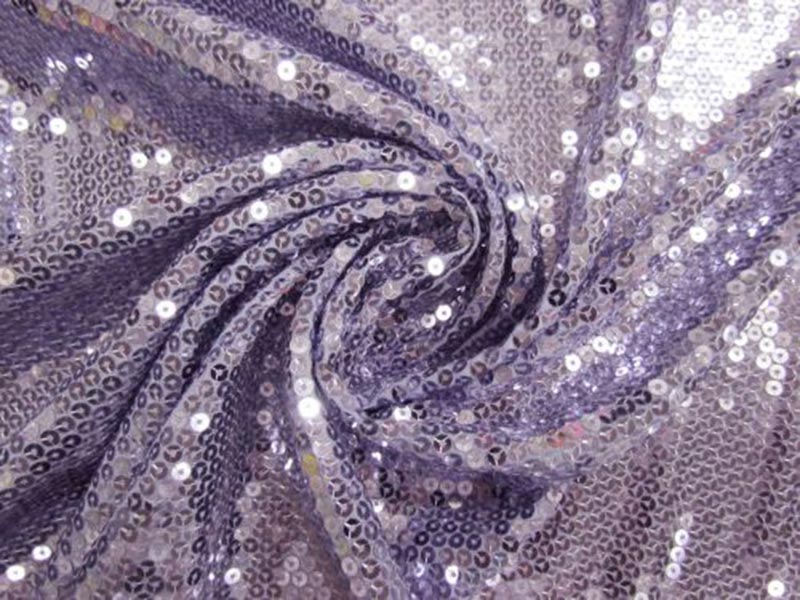
Sequin Fabric
- Approve hand feel and drape
- Confirm bulk availability
- Set fabric-specific QC points
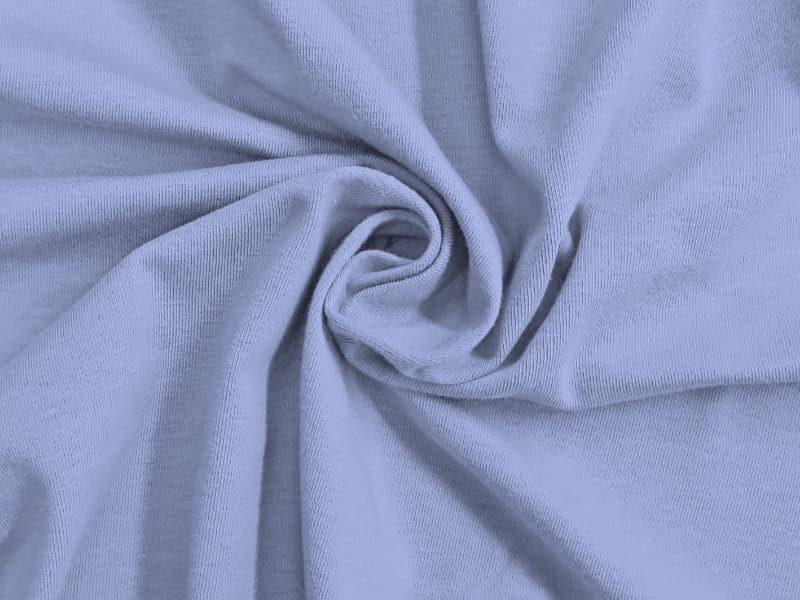
Stretch Jersey
- Approve hand feel and drape
- Confirm bulk availability
- Set fabric-specific QC points
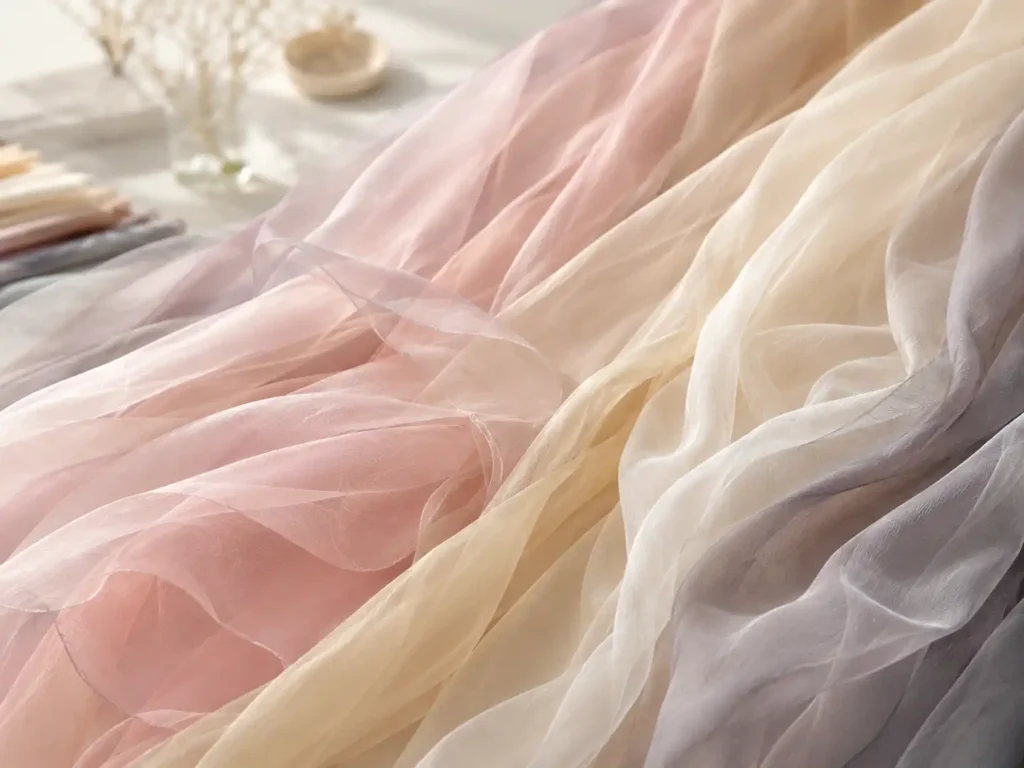
Chiffon and Wovens
- Approve hand feel and drape
- Confirm bulk availability
- Set fabric-specific QC points
Construction Details Behind High-Impact Social Fashion Dresses
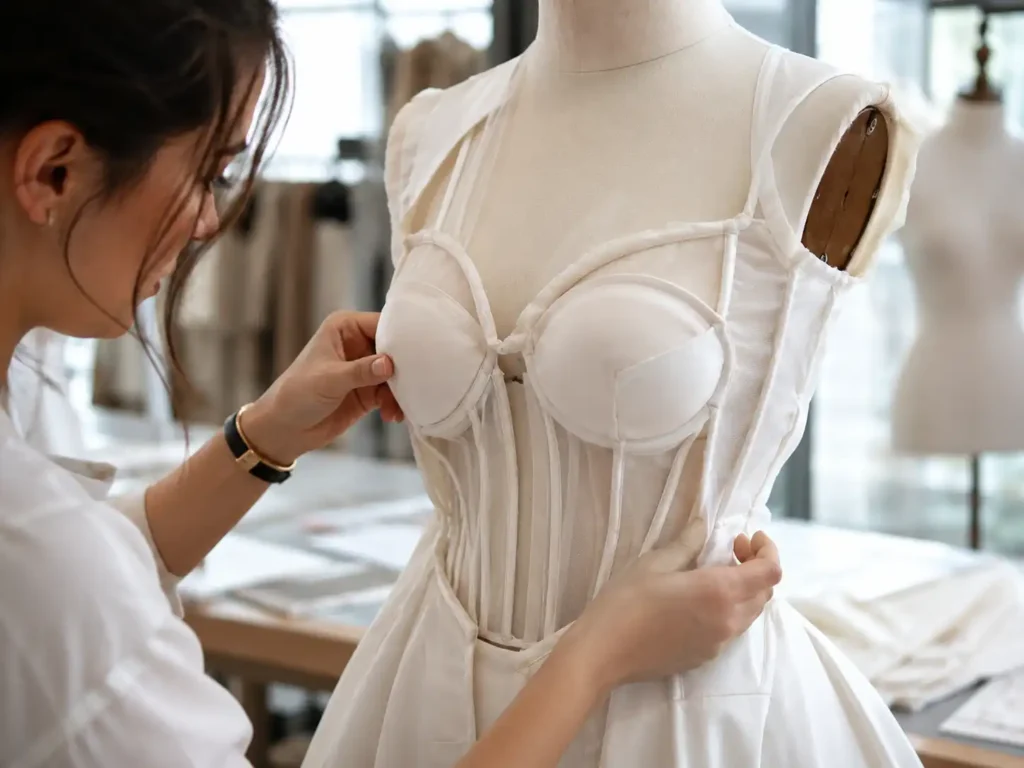
Boning and Bra Cups
- Validate in sample stage
- Document the approved method
- Inspect before packing

Cut-Out Stability
Cut-outs can stretch, roll, gape or move away from the intended body area. Pattern shape, fabric stretch, reinforcement, lining and seam finish need to be planned together. Samples are tested during movement, not only on a static dress form. Bulk QC checks placement, symmetry, edge flatness, seam allowance, reinforcement and measurements from fixed reference points so cut-outs remain consistent across sizes.
- Validate in sample stage
- Document the approved method
- Inspect before packing
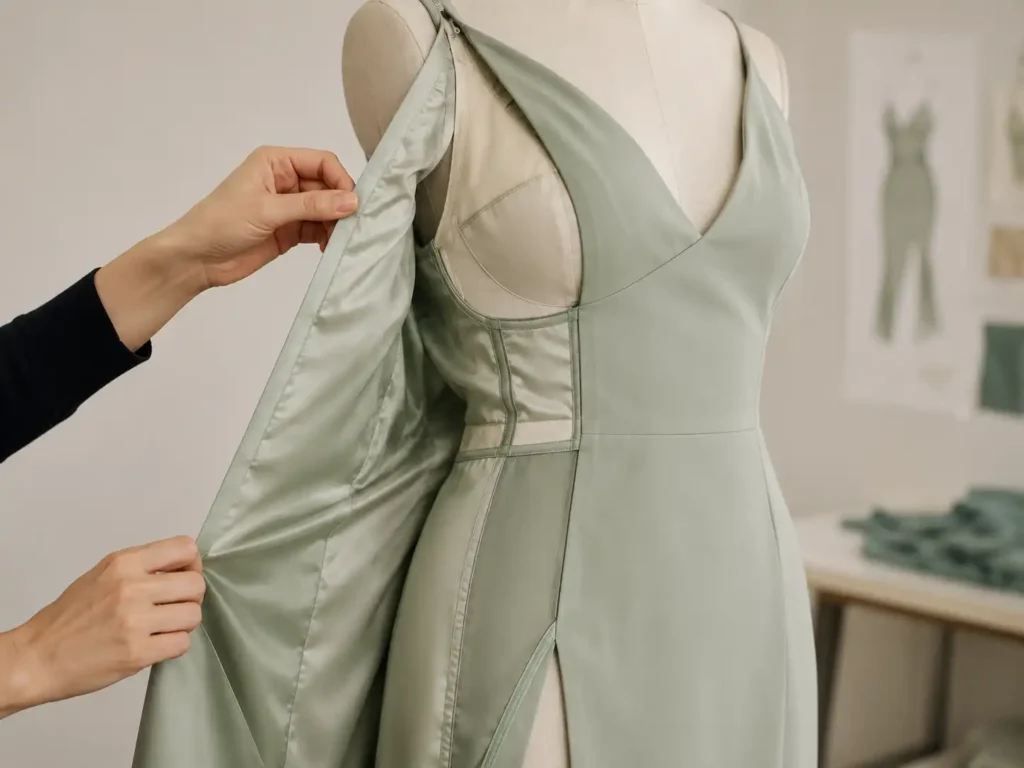
Lining Coverage
Lining controls opacity, comfort, structure and internal cleanliness. The wrong lining may be too short, too tight, too warm, too visible or incompatible with the shell stretch. Sample approval confirms color, hand feel, coverage area, attachment and hem relation. Bulk inspection checks shell-to-lining measurements, exposed edges, twisting, pulling, seam attachment and whether labels or trims irritate the wearer.
- Validate in sample stage
- Document the approved method
- Inspect before packing
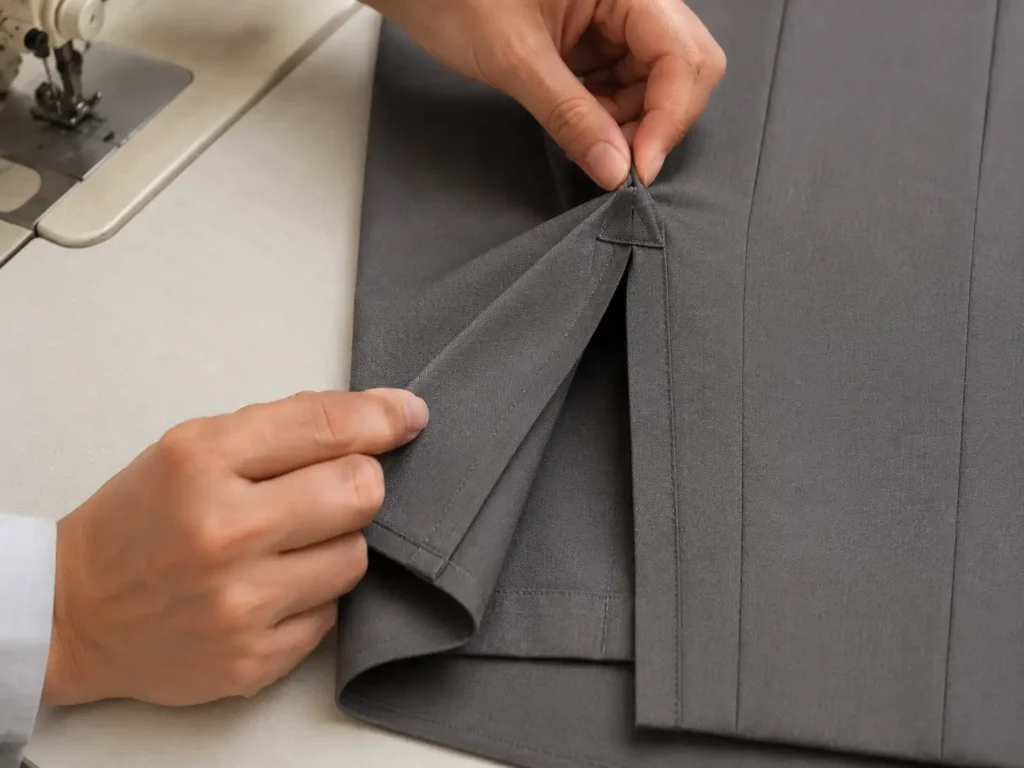
Slit Reinforcement
Slits influence movement and visual proportion, especially on midi and maxi dresses. A slit set too high creates coverage risk; too low can restrict the intended silhouette. Stress at the slit top must be reinforced without creating bulk. Samples test walking and sitting. Bulk checks include slit height, left-right consistency, bar tack or reinforcement, seam security, lining opening and pressing.
- Validate in sample stage
- Document the approved method
- Inspect before packing
Zipper Flatness
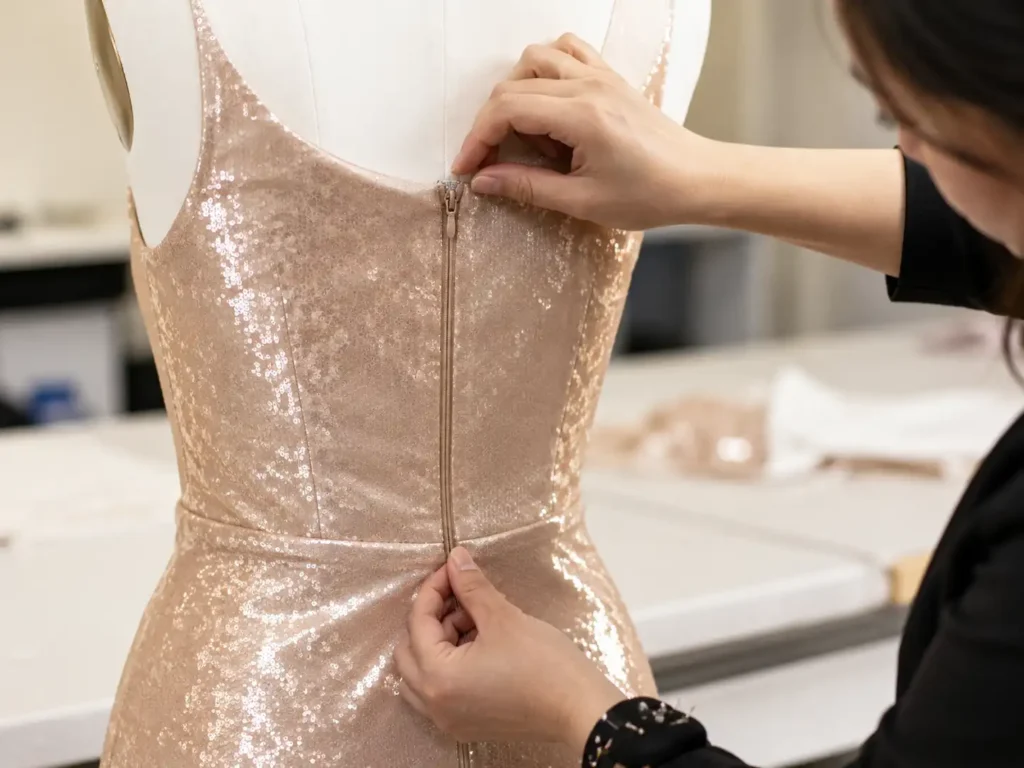
Invisible and metal zippers can wave, catch, separate or distort a fitted seam. Fabric stability, seam allowance, zipper length and sewing tension affect the result. Samples check opening function, top alignment, seam flatness and body movement. Bulk QC verifies zipper color, length, slider function, tape damage, top stop, seam match and whether the garment can be dressed without excessive force.
- Validate in sample stage
- Document the approved method
- Inspect before packing

Sequin and Lace Protection
Decorative surfaces need protection during sewing, pressing and packing. Sequins may break needles or scratch the skin, while lace can snag, fray or tear at joins. Jinfeng establishes seam preparation, lining or binding, pressing restrictions and handling instructions during sampling. Bulk inspection checks loose decoration, damaged motifs, rough edges, internal scratching points, surface contamination and protective folding or wrapping.
- Validate in sample stage
- Document the approved method
- Inspect before packing
Build Cohesive Dress Drops Instead of Isolated Styles

Partywear Drop
- Hero style for campaign
- Core styles for volume
- Shared trims where suitable

Resort Drop
- Group print families
- Control transparency
- Plan seasonal delivery

Occasion Drop
- Use fit-block logic
- Balance price levels
- Prioritize formal styles
A Structured Path From Content Idea to Bulk Delivery
Every stage has a defined output and approval point. A documented path prevents a campaign sample, old pattern, unapproved fabric or temporary packing detail from entering production by mistake.
| Stage | Jinfeng Apparel Work | Brand Approval Point |
|---|---|---|
| Project Review | Review reference image, tech pack, original sample, quantity, target market and launch plan. | Confirm product direction and project fit. |
| Fabric Direction | Source or compare fabric, lining and trims; review weight, stretch, drape, transparency, color and MOQ. | Approve material direction or swatches. |
| Pattern Development | Build the pattern, measurement chart and construction approach for the intended silhouette. | Confirm fit base and critical measurements. |
| First Sample | Sew the first sample to test structure, material behavior and visible details. | Provide consolidated comments. |
| Fit and Revision | Update pattern, measurements, construction, materials or trims based on review. | Approve revised fit and details. |
| Photo-Ready Sample | Prepare campaign-quality appearance, pressing and finishing where required. | Approve for photography or presentation. |
| PP Sample | Confirm final fabric, color, measurements, trims, labels, packing and production method. | Issue final bulk approval. |
| Bulk Production | Allocate factories and lines, control materials, cutting, sewing and finishing by approved files. | Review project progress and inspection updates. |
| QC and Packing | Inspect materials, measurements, workmanship, labels, barcodes, polybags, cartons and quantities. | Confirm inspection and shipment release. |
| Delivery and Reorder | Coordinate express, air, sea or appointed forwarder, then retain approved production records. | Confirm receipt, feedback and repeat plan. |
Align Sample Priorities With Your Instagram Launch Calendar
A launch calendar works only when product development, material approval, bulk production, QC, packing and freight are linked. Jinfeng organizes styles by commercial priority instead of moving every sample in the same sequence.
Rank Styles by Commercial Role Before Sampling Begins
Multi-style programs need a clear priority system. A hero style used in campaign photography should not wait behind a carryover color extension with a later sales date. Jinfeng can organize the line sheet into campaign hero styles, influencer or showroom styles, core volume styles, supporting styles, carryover styles and repeat styles. The classification determines where pattern and sample capacity should be used first.
Priority also depends on complexity. A corset sequin dress may need 15-25 days for the first sample and more than one revision, while a simpler jersey style may move faster. Starting both on the same date does not mean they will reach PP approval together. Material risk is another factor: custom-dyed satin, exclusive prints, special lace or custom hardware need earlier confirmation than available stock fabric and regular trims.
A useful sample plan names each style, sample type, fitting size, required date, fabric status, trim status, latest revision, responsible contact and next approval. Consolidated comments are important. Fragmented feedback across messages can cause repeated work and conflicting instructions. One approved comment sheet per version keeps the style moving and protects the launch sequence.
Reverse-Plan From the Warehouse Receiving Date
The commercial deadline is normally the warehouse receiving date, not the sewing completion date. Reverse planning should include freight, export documents, carton preparation, final inspection, finishing, sewing, cutting, material arrival, PP approval, sample revision and first-sample development. When a campaign begins before stock reaches the warehouse, the first available selling date and expected replenishment date also need to be considered.
Jinfeng creates a project schedule after style information, quantities, materials and sample requirements are confirmed. Bulk timing cannot be fixed from a reference image alone because satin, mesh, lace, sequins, custom prints and special trims follow different supply paths. Brand approval speed affects the schedule as much as factory work. Delayed comments, changed colors or a new packaging artwork can move the final delivery window.
For time-sensitive programs, the safest path is to lock hero styles, reserve critical materials and approve PP samples before the main production window becomes crowded. Where suitable, a split shipment can place launch stock or priority sizes on air freight while the remaining bulk moves by sea. The decision should be made before packing so SKU and carton separation is planned correctly.
Track Sample, Material, Production and Packing Status Separately
A single percentage-complete figure can hide the real bottleneck in a multi-style order. One dress may have an approved pattern but missing lace. Another may have fabric in stock but an unresolved neckline fit. A third may be sewing complete but waiting for barcode artwork. Jinfeng tracks development, material, bulk and packing status separately so the next action is visible for each style.
The project record may include sample version, feedback date, fabric approval, bulk material arrival, trim status, PP approval, production start, in-line inspection, finishing, packing approval and shipment readiness. For 10-30-style programs, style-level tracking is essential because one delayed item should not automatically hold every completed style unless the shipment plan requires it.
Brand teams receive more useful information when updates name the exact blocker and required decision. “Waiting for approval on lining color for Style A” is actionable. “Production is in progress” is not. Clear status reporting helps merchandising, content, ecommerce and logistics teams adjust campaign timing, launch sequencing or freight choices before a delay becomes irreversible.

MOQ and Cost Planning for Multi-Style Dress Programs
Understand the MOQ Structure
MOQ may increase when the program uses custom-dyed or custom-woven fabric, exclusive printing, special lace, sequin materials, custom zippers, molded hardware, unique labels or printed packaging. Trim suppliers may have their own minimums: custom labels, hangtags and polybags often need 500-1,000 pieces, while custom buttons or hardware can also require larger runs. A multi-style collection can sometimes share labels, packaging or selected materials, but only when specifications truly match.
Size ratios also influence planning. A range from XS to 3XL across many colors may create small quantities in individual SKU cells even when the total order is large. Jinfeng reviews style, color and size splits before confirming material purchasing and production allocation. The aim is a workable order structure that protects brand presentation and bulk efficiency.
- 200 pcs per style/color starting point
- Separate material and trim MOQ
- Review size ratio before booking
Build Cost From the Actual Garment
Cost optimization can preserve the visible design without weakening key quality. Options may include using a comparable stock fabric instead of custom weaving, reducing unnecessary hidden layers, changing a trim specification, simplifying excessive ruching, optimizing lace placement, consolidating colors, improving size ratios or splitting air and sea freight. Each change is reviewed for its effect on fit, hand feel, appearance and repeat supply.
A useful quotation therefore needs reference files, expected quantity, color plan, size range, fabric direction, private-label requirements, packaging and target delivery. When details are missing, Jinfeng can provide a feasibility review and list the information required for accurate pricing rather than treating a photograph as a complete cost specification.
- Cost by fabric and construction
- Protect visible brand value
- Quote after file review
Private Label Packing Ready for Ecommerce and Warehouses

Woven Labels
Size Labels

Care Labels

Hangtags
Barcode Stickers
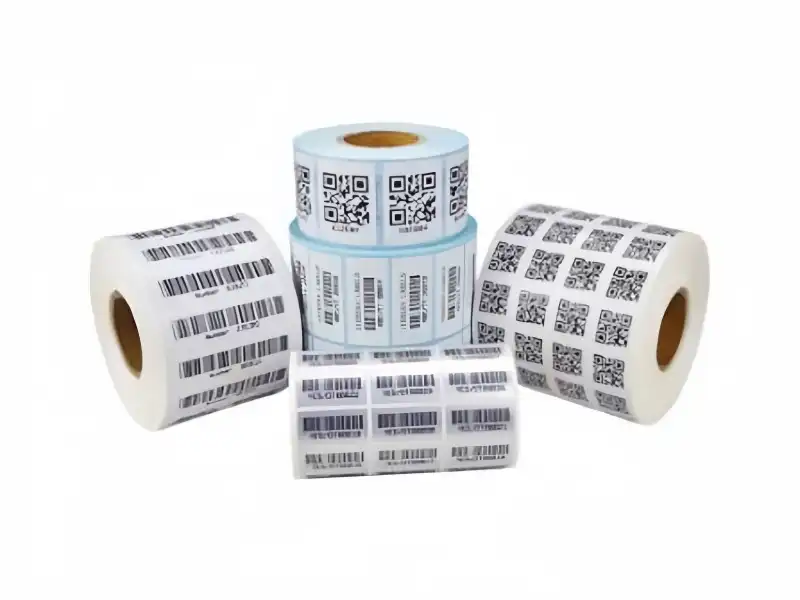
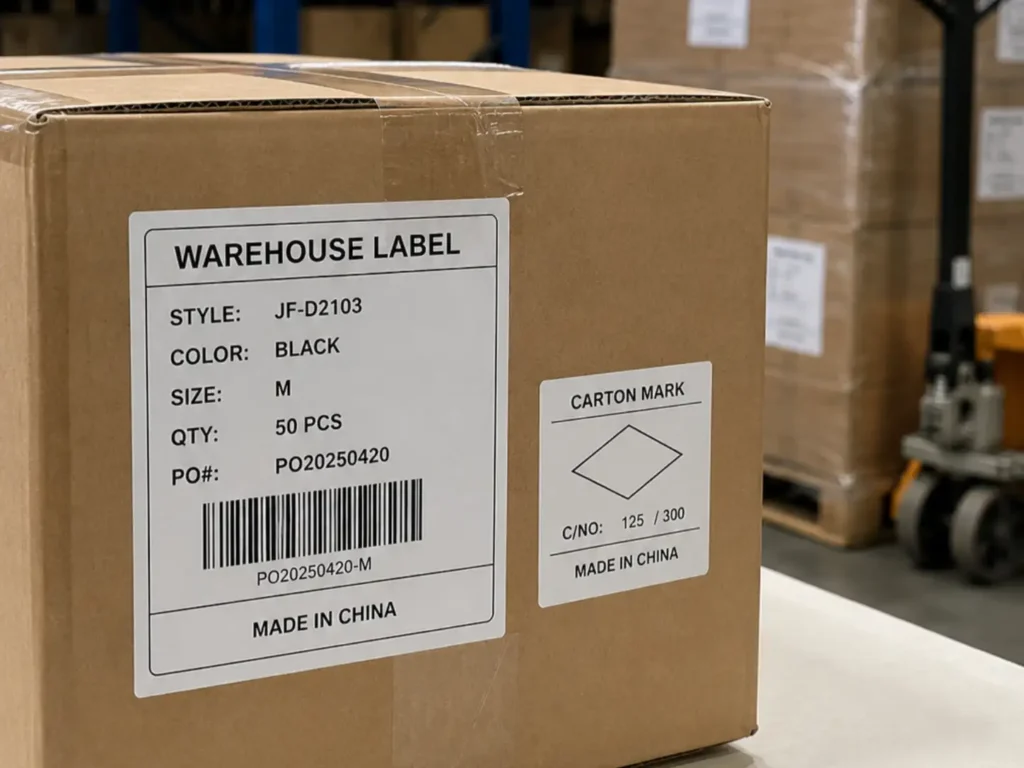
Barcode files must connect style, color, size and SKU. Jinfeng can apply stickers to hangtags or polybags according to the packing instruction and check scan readability by project.
Barcode control is included in packing inspection because a garment with correct workmanship can still be rejected by a warehouse when the SKU or code is wrong.
SKU Polybags

Carton Marks
Carton marks can include purchase order, style, color, size ratio, carton number, destination and handling information according to the supplied template.
Jinfeng checks carton-level quantity, SKU, color, size, gross weight, net weight and carton dimensions before shipment. Mixed cartons require especially clear breakdown and packing-list consistency.
Warehouse Labels
Production Capacity for Multi-Style Drops and Growing Orders
Capacity is useful only when the right factory, line, material and quality standard are assigned to each style. Jinfeng manages production through 6 owned factories, 10+ long-term satellite partners and a structured merchandising team.
Match Each Dress to the Right Production Unit
A multi-style program should not be placed in one factory merely for administrative convenience. Satin, stretch jersey, mesh, lace, sequins, structured corsets, resort wovens and occasion dresses require different handling and sewing experience. Jinfeng reviews fabric, construction, order quantity, approval status and schedule before assigning production. Regular repeat styles can move to stable lines, while complex lace, mesh or sequin products need teams familiar with their damage and finishing risks.
Factory matching also considers the relationship between styles. Products sharing fabric, lining, trims or fit blocks may be grouped to improve material control, but styles with incompatible sewing methods should not be forced together. A 20-style order may therefore run across several production units under one project schedule. The merchandising team keeps separate production orders, BOM files, pattern versions, QC checklists and packing instructions for each style.
The production system includes 6 owned women’s fashion factories and 10+ long-term satellite production partners. Satellite capacity is not used as an uncontrolled overflow channel; the allocated unit receives the approved PP sample standard and project files. Factory assignment is confirmed by product suitability, schedule and quality requirement.
Coordinate Multi-Style Production Without Losing Style-Level Control
Orders containing 10-30 styles and 20,000-80,000 total pieces create a project-management challenge beyond sewing capacity. Fabric can arrive at different times, colors may have separate dye lots, trims may follow different suppliers, and some samples can reach PP approval earlier than others. Jinfeng manages the order by style, color, size, material status, production stage, inspection result and packing readiness.
Production sequencing starts with material availability and commercial priority. Hero styles or warehouse-critical SKUs may enter first when approvals and materials are complete. Styles still waiting for a revised sample or final label artwork remain outside bulk production rather than receiving verbal exceptions. In-line inspection identifies workmanship or measurement drift before the full quantity is complete.
The project team records factory allocation, line plan, material arrival, cutting status, sewing progress, finishing, QC, packing and shipment readiness. Separating these stages prevents a finished-looking update from hiding incomplete barcode, packing or inspection work. Large programs can also be divided into planned shipment batches when the brand needs staged warehouse intake or different freight methods.
Scale Approved Styles With Capacity Boundaries Made Clear
Jinfeng Apparel operates more than 18 sewing lines, including 6+ flexible production lines, with regular monthly capacity above 100,000 pieces across the manufacturing system. Capacity is not presented as an automatic promise for every product. Complex corset, lace, sequin and evening dresses consume more line time and inspection resources than regular woven or jersey styles. Production dates are confirmed after PP approval, material booking, quantity, size ratio, packing and line allocation.
Scaling a successful style is easier when the original project files are complete. Patterns, graded measurements, fabric and trim references, sewing instructions, packing files, QC notes and the Golden sample reduce restart time. The original material still needs to be checked for availability, and a new dye lot or color requires approval. When original fabric is unavailable, Jinfeng can source a close replacement and prepare swatches or a revised sample before the reorder is released.
For urgent replenishment, priority sizes or colors can be evaluated first, and part of the shipment may move by air while the main quantity moves by sea. The safest scaling plan protects the approved garment and brand promise rather than sacrificing fit or quality for an unrealistic date.

Keeping Bulk Dresses Close to Approved Samples
Bulk consistency comes from approved references, controlled materials, measurable standards and inspection at several stages. Final inspection alone cannot correct a wrong fabric batch, cutting direction or repeated sewing method.
Incoming Materials Set the Limit for Every Later Process
Bulk quality begins before cutting. Fabric is checked for color, weight, width, hand feel, stretch, recovery, transparency, stains, holes, snagging, print direction, lace damage, sequin loss and shrinkage risk according to the material. Trims are checked for specification, color, quantity and function, including zippers, buttons, hooks, bra cups, boning, sliders, decorative trims, labels and packaging materials.
Material approval must match the final PP sample or documented standard. A satin dye lot can change the apparent color and shine. Mesh from a different batch can alter transparency and recovery. Lace motif scale or shade may affect placement. A lining with different stretch can change the fit. When a difference is found, production should not continue on assumption. The brand team receives photos, swatches or a revised approval request depending on the risk.
Approved materials are recorded in the BOM and production order. Rolls may be grouped by shade where required, and cutting plans follow fabric direction or print placement. Incoming inspection cannot remove every natural fabric variation, but it prevents known differences from being distributed randomly across finished garments.
Cutting and Sewing Controls Protect Fit, Symmetry and Surface
Cutting QC checks the correct pattern version, fabric face, grain or stretch direction, print direction, stripe or check matching where applicable, shade grouping, lining match, size bundle and piece count. Bias satin, stretch jersey, mesh, lace and sequin fabrics each require different handling. A cutting error becomes expensive after sewing because the whole bundle may repeat the same problem.
During sewing, inspectors review stitch quality, seam allowance, symmetry, zipper flatness, strap length, ruching position, lace joins, lining attachment, slit height, bra cups, boning, label placement and other style-specific points. In-line checks are scheduled while correction is still possible. The approved PP or Golden sample, sewing instruction and measurement chart provide the reference.
Critical measurements are checked during production instead of waiting until packing. For bodycon styles, bust, waist, hip and length show whether fabric handling is changing the fit. For corsets, cup placement, upper bust, waist seam and closure alignment matter. For maxis, hem balance and slit position are reviewed. Early feedback allows the line to correct a method before the same defect spreads across the order.
Garment Finishing Must Preserve the Intended Camera Appearance
Finished garments are checked for measurements, overall appearance, color, stains, holes, loose threads, closures, straps, lining, labels, hem balance and pressing. Delicate surfaces need material-specific treatment. Satin can show pressure marks or shine; mesh can distort under heat; sequins can be damaged; lace can snag. Pressing instructions should come from sample testing rather than a generic temperature.
Visual inspection is linked to the intended product. A clean party dress needs stable cut-outs, even ruching and a smooth zipper. An occasion dress needs controlled drape, symmetrical lace and a level hem. A bodycon dress needs seam alignment and consistent stretch recovery. A resort dress needs balanced print direction, lining and a clean lightweight finish. Mannequin or fit observation can be used by project when flat measurement alone is not enough.
Final garment acceptance compares the produced piece with the Golden sample and project files. AQL inspection can be arranged according to the order requirement, covering appearance, measurements, workmanship, materials, labels, barcodes, packing, carton marks and quantity. Third-party inspection can also be coordinated when requested.
Packing QC Prevents Warehouse and Consumer-Facing Errors
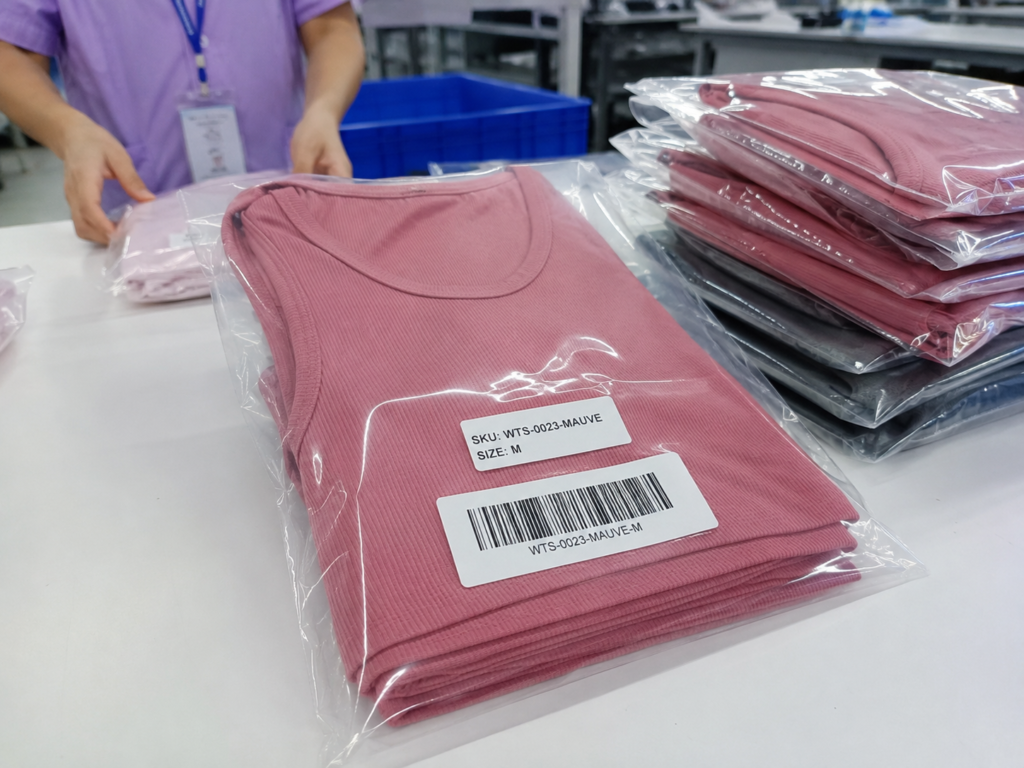
Packing errors create commercial problems even when sewing quality is acceptable. Before individual packing, Jinfeng checks brand label, size label, care label, hangtag, barcode, color sticker, SKU label, polybag, inserts and folding method against the approved instruction. Garment size and color are matched to every label component. Barcode readability can be checked by project.
Carton inspection verifies style, color, size ratio, quantity, carton number, carton mark, dimensions, gross weight, net weight and packing-list consistency. Mixed-SKU cartons need especially clear records.
Delicate garments may require tissue, protective layers or less compressed folding. Sequin and embellished styles should not be packed in a way that causes abrasion or permanent pressure.
Shipment release is based on completed garment and packing checks, not only production completion. Photos, packing lists, commercial invoices, carton information and other required files are prepared for the appointed freight arrangement. Complete packing records also support repeat orders by preserving the brand’s established presentation and warehouse requirements.
Support From Test to Launch, Repeat and Replenishment
A content-led brand needs a supplier that can preserve product records after launch. Reorders move faster when the approved pattern, materials, construction, labels, packing and inspection notes can be retrieved and verified.
Test and Launch Establish the Commercial Production Standard
The first production run establishes more than a unit price. It confirms the pattern, size chart, fabric source, color standard, trims, sewing method, inspection points, labels, packing and shipment arrangement. During launch, the brand may collect fit feedback, return reasons, content response and size sales. Jinfeng records production and QC information so later decisions can be linked to the exact delivered version.
A test stage should still follow a full sample and PP process. Reducing quantity does not remove the need to confirm structure, materials and packing. If the first order includes 10-30 styles, the brand may choose different commercial roles: some styles are campaign-led, some are intended for core volume, and others test a new silhouette or material. Style-level records prevent feedback from one dress being applied incorrectly to the entire collection.
After shipment, feedback can be classified by fit, fabric, workmanship, color, packing or logistics. A measurement issue may require a pattern or size-chart update. A fabric complaint may need a new source or weight. A packing error may require a revised SKU instruction. Approved changes are documented before the next order rather than handled through informal memory.
Repeat and Replenishment Use Records, Then Reconfirm New Variables
For repeat orders, Jinfeng can retrieve the approved pattern, graded size chart, BOM, fabric reference, color record, trim record, sewing instruction, QC notes, label artwork, packing instruction and Golden sample. Preserved files reduce redevelopment work and help the production team compare the new order with the original standard.
A repeat order is not released blindly. Original fabric and trims may no longer be in stock. A new dye lot can change color or hand feel. A new color may alter transparency, especially in white, ivory, mesh or lightweight satin.
A new size range may need grading and fit review. Updated hangtags, barcodes, polybags or carton marks require new approval. Jinfeng identifies the unchanged elements and the variables that need reconfirmation.
When the original materials remain available, approved repeat styles can move more efficiently. When a material changes, swatches, lab dips or a revised sample may be needed. The approach protects bulk consistency and avoids treating a similar-looking material as an automatic match.
Extend a Bestseller Into New Colors, Lengths or Related Styles
A proven dress can support a wider collection. A bodycon mini may extend into midi length, long sleeves or a matching skirt set. A satin slip can add new necklines, back details or seasonal colors. A resort maxi can become a midi, skirt or matching set using the same print family. Jinfeng can reuse an approved fit direction while evaluating how each change affects pattern, material consumption, construction and MOQ.
Extensions should preserve the recognized product identity without copying hidden problems. Changing from mini to maxi alters hem balance and fabric use. Replacing jersey with satin changes ease, closure and seam behavior. Adding sleeves affects armhole and movement. A new light color may need extra lining. Each extension receives a focused technical review and sample plan rather than being treated as a simple color update.
For urgent bestsellers, priority sizes or colors can be identified from the sales plan. Production and freight can be split when commercially justified. The objective is not only faster replenishment, but a repeatable program that keeps fit, visual finish, SKU packing and brand presentation stable across batches.

Shipping Options Planned Around Your Launch Window

Express for Samples

Air for Launch Stock

Sea for Main Bulk
Protecting Unreleased Collections and Campaign Samples
NDA-Based Cooperation
- Protect commercial files
- Limit internal use
- Confirm project scope
Sample Photo Protection
- No unapproved posting
- Use anonymous process images
- Protect launch timing
Private Label Protection
- Protect artwork files
- Control version use
- Anonymize case details
How to Qualify a Dress Manufacturer for Instagram Brands
A reliable partner should explain how visual concepts become patterns, samples, bulk standards, private-label products and repeat orders. The matrix below gives a direct way to compare manufacturing depth rather than relying on general quality claims.
| Qualification Area | What to Verify | Jinfeng Apparel Evidence |
|---|---|---|
| Dress Specialization | Relevant work in party, occasion, bodycon, corset, satin, mesh, lace, sequin and resort dresses. | Core product range and fabric-specific development controls. |
| Pattern Capability | In-house ability to correct bust, waist, hip, neckline, slit, length and movement. | 7+ senior women’s pattern makers. |
| Sample System | Separate first, fit, revised, photo-ready, PP and Golden sample stages. | 2 sample rooms and 20+ sample machinists. |
| Multi-Style Management | Style-level files, version control, material tracking and priority scheduling. | 12+ merchandisers and order follow-up specialists. |
| Bulk Capacity | Factory assignment by product, realistic capacity and repeat-order support. | 6 owned factories, 10+ long-term partners, 18+ lines. |
| Quality Control | Incoming, cutting, in-line, garment, measurement and packing inspection. | 15+ QC inspectors and project-specific AQL support. |
| Private Label | Labels, hangtags, barcodes, polybags, carton marks and warehouse data. | Private-label and ecommerce-ready packing system. |
| Brand Protection | NDA, unpublished sample protection and controlled use of files. | NDA-based cooperation and anonymous case policy. |
| Repeat Orders | Retention of pattern, BOM, material, packing and quality references. | Golden sample and repeat-order record support. |
| Export Support | Packing list, invoice, carton details, forwarder coordination and shipment options. | Express, air, sea, split shipment and appointed forwarder support. |
How Visual-First Dress Projects Move Into Production

US Partywear Launch
- Anonymous brand information
- Documented fit and material control
- Style-level bulk and packing records

Australian Resort Capsule
An Australian resort label placed a 24-style program totaling 67,200 pieces, including printed maxi dresses, rayon midis, lightweight mini dresses, jumpsuits and skirt sets. Six print families and five solid colors were grouped to manage fabric purchasing and lining. The launch calendar required campaign samples before the full bulk schedule, so eight visual hero styles moved first. Development checks covered print direction, white and light-color transparency, strap security, rayon shrinkage and maxi hem balance. Packing used style-color-size barcodes and individual polybags for ecommerce fulfillment. Priority launch quantities moved by air, while the remaining cartons followed by sea under separate packing lists.
- Anonymous brand information
- Documented fit and material control
- Style-level bulk and packing records

UK Occasionwear Reorder
- Anonymous brand information
- Documented fit and material control
- Style-level bulk and packing records
Frequently Asked Questions for Instagram Fashion Brands
Send Your Next Dress Drop for Manufacturing Review
Send the project files that define your collection, not only a single reference image. A useful review includes product type, tech pack or sketch, target quantity per style and color, size range, fabric direction, color plan, required sample type, private-label details, packing instructions, launch date and shipping destination. Jinfeng Apparel will assess structure, material availability, MOQ fit, sample requirements, production risk, quality points and the information needed for a formal quotation.
For multi-style programs, include a line sheet and identify campaign hero styles, core volume styles, carryover products and repeat orders. Clear priority allows the sample rooms, pattern team and merchandising team to build a realistic schedule. Files can be sent by email or through the upload form. Kelly coordinates the initial review and routes approved projects to the relevant development, fabric, pattern, production and quality teams.
- Reference images, tech packs, original samples or line sheets
- Quantity per style and color, plus size range and size ratio
- Fabric, lining, trims, labels, barcodes and packing requirements
- Campaign date, warehouse receiving target and shipping destination
- Brand website or Instagram account when available for style context


