...

Dress Manufacturer for Process-Driven Fashion Brands

Structured dress development for fashion teams that require controlled approvals, documented revisions, accountable handoffs and repeatable bulk execution.

  • Since 2008, supported by 6 owned women’s fashion factories and 10+ long-term satellite production partners.
  • 2 sample rooms, 7+ senior pattern makers, 20+ sample machinists, 12+ merchandisers and 15+ QC inspectors.
  • 100,000+ pcs monthly womenswear capacity, adjusted by fabric, construction complexity, style mix and production schedule.
  • MOQ starts from 200 pcs per style/color, with project-specific review for custom fabrics, trims, colors and private-label packaging.
  • Controlled handoff from tech pack and fabric direction to sample revisions, PP approval, bulk QC, packing confirmation and shipment preparation.

Capacity Supported by Dedicated Project Teams

A structured production program depends on people, files and assigned responsibility. Jinfeng Apparel combines development, merchandising, production, quality and packing teams around one controlled project path.

Six Owned Factories

Core production can be assigned across six owned women’s fashion factories according to silhouette, fabric behavior, construction difficulty, order size and launch timing. Factory selection begins after style review rather than after purchase order release, helping reduce last-minute line changes.

Flexible Partner Network

More than ten long-term satellite production partners provide scalable support for seasonal peaks, multi-style programs and repeated deliveries. Allocation remains linked to approved specifications, QC checkpoints and project records instead of uncontrolled subcontracting.

Two Sample Rooms

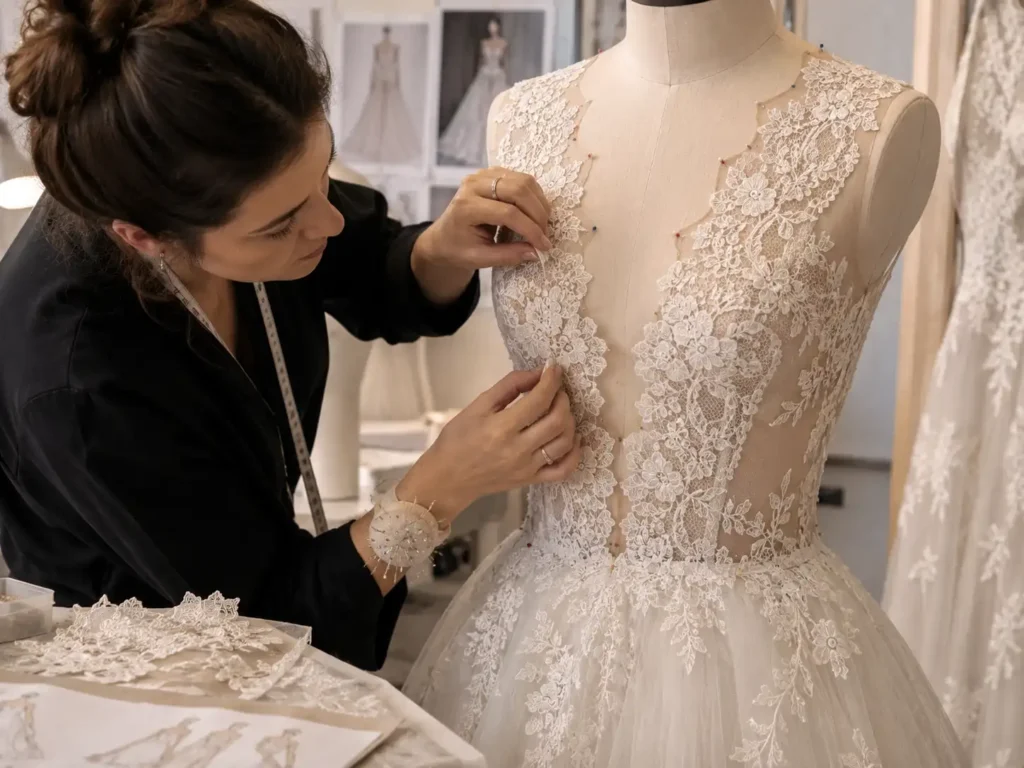
Two sample rooms support first samples, fit samples, revised samples, photo-ready samples, salesman samples, PP samples and golden samples. Sampling is treated as production preparation, not an isolated presentation exercise.

Pattern and Sample Teams

Seven or more senior pattern makers and twenty or more sample machinists translate design intent into measurable patterns, construction methods and sample revisions. Fit comments are converted into pattern actions and documented approval status.

Merchandising Control

Twelve or more merchandisers coordinate input completeness, fabric and trim status, sample tracking, price changes, production schedules, packing requirements and shipment preparation. Major programs receive defined follow-up responsibility.

Quality Ownership

Fifteen or more QC inspectors support material inspection, cutting review, inline sewing checks, measurement control, final garment inspection and packing verification. Quality is controlled during production rather than left until final inspection.

Built for Teams With Defined Approval Paths

The strongest working relationship begins when both sides know who decides, what must be approved and which file becomes the production reference.

Product Development

Development teams receive support for reference analysis, fabric direction, pattern construction, fit review, measurement checks and sample revision records. The goal is a production-ready garment, not a visually similar sample with unresolved technical risk.

Sourcing Teams

Sourcing teams gain clear visibility into MOQ, capacity fit, fabric availability, quotation assumptions, production allocation, QC scope and shipment conditions. Commercial decisions stay connected to the approved product specification.

Quality Teams

Quality teams can align checkpoints around incoming fabric, cutting, sewing, measurement, finishing and packing. Inspection criteria can be linked to the size chart, golden sample, construction notes and approved private-label requirements.

Merchandising Teams

Merchandising teams can organize style priority, color plans, size ratios, launch dates, sample deadlines, bulk windows and split-delivery needs. Multi-style collections are grouped and tracked instead of handled as unrelated single orders.

Operations Teams

Operations teams receive a defined manufacturing path from project intake to shipping preparation. Delays, missing approvals and material risks can be escalated before they spread into bulk production.

Brand Management

NDA-based cooperation protects tech packs, patterns, unpublished designs, labels, packaging files and launch information. Anonymized proof can be shared without exposing confidential brand assets.

Common Failures a Controlled Workflow Prevents

Most production losses begin before sewing. Missing information, unclear versions and late decisions can turn a strong design into inconsistent samples, delayed bulk production or incorrect retail delivery.

Unlocked Specifications

A style cannot move safely when fabric, lining, trims, measurements or construction details remain open. Jinfeng records unresolved items and separates assumptions from approved standards before production release.

Version Confusion

Old comments, outdated tech packs and untracked pattern changes create avoidable bulk errors. Revision records link each change to the current sample, measurement file and approval status.

Sample-Bulk Gaps

A strong sample can fail in bulk when materials, stitch methods, seam allowance, trim placement or pressing instructions are not transferred to the line. PP and golden sample references support controlled handoff.

Late Quality Discovery

Waiting for final inspection allows repeated defects to spread through an order. Incoming, cutting and inline checkpoints are used to find risk earlier, while correction remains faster and less disruptive.

Packing Errors

Correct garments can still fail at delivery through wrong labels, barcode mismatches, mixed sizes, incorrect carton marks or missing documents. Packing instructions and SKU checks belong inside the production workflow.

From Project Intake to Shipment Release

Every stage produces a defined output for the next team. Planning windows below are typical working ranges for established materials and responsive approvals; complex fabrics, custom development, added sample rounds or seasonal capacity can extend timing.

StageControlled InputRequired OutputPrimary OwnerTypical Planning Window
Project reviewTech pack, reference, quantity, launch targetRisk list, information gap list, project pathKelly + development1-3 working days
Fabric and trim directionApproved look, hand feel, cost level, color planSwatch options, trim direction, sourcing statusDevelopment + sourcing3-10 working days
Pattern and first sampleMeasurement chart, construction notes, chosen materialsFirst sample and measurement recordPattern + sample room7-15 working days
Fit and revisionFit photos, comments, revised measurementsRevision log, corrected pattern, revised samplePattern + merchandising5-12 working days per round
PP approvalFinal fabric, trims, labels, size chart, constructionApproved PP sample and bulk release fileMerchandising + client team5-10 working days
Bulk preparationApproved PP, BOM, size ratio, color breakdownProduction order, sewing instruction, QC checklistProduction management3-7 working days
Bulk productionReleased files and production scheduleSewn, finished and inspected garmentsFactory + QC25-45 working days
Packing and shipmentPacking instruction, SKU, barcode, carton planPacked order, packing list, shipment file setPacking + logistics5-10 working days

Start With Information the Factory Can Execute

Clear input produces faster risk review, stronger quotations and fewer sample rounds. Complete files are preferred, while a reference-led project can still begin with structured clarification.

Product Definition

Provide a tech pack, original sample, sketch, line sheet or clear reference images. Mark the non-negotiable design features, fit intention, target wearer and any details open to engineering suggestions.

Commercial Plan

Provide target quantity per style/color, color breakdown, size range, expected size ratio, launch date, destination market and delivery preference. MOQ and cost cannot be assessed accurately from total collection volume alone.

Brand Delivery

Provide label artwork, care requirements, hangtags, barcode logic, polybag specification, carton marks, testing expectations and warehouse instructions. Packaging and compliance inputs should enter before PP approval, not after production completion.

Dress Categories Managed as Production Systems

Each silhouette carries a different fit, fabric, construction and bulk-control profile. Product development is organized around the risk points that influence wearability, visual balance and repeatable production.

Party and Occasion

Party, cocktail, evening, graduation and wedding-guest dresses often combine visual impact with strict fit and finish expectations. Development can involve satin, mesh, lace, sequins, shaped necklines, lining coverage and photo-ready sample deadlines. Control focuses on bust support, waist placement, hem balance, closure performance, embellishment security and final pressing. Bulk planning also accounts for event calendars, peak delivery windows and color-sensitive programs.

Bodycon Dresses

Bodycon programs depend on stretch percentage, recovery, negative ease, side-seam balance and stable measurements. Jersey, rib, ponte, power mesh and stretch satin are assessed by weight, stretch direction, opacity and wash behavior. Pattern decisions cover bust-waist-hip proportion, neckline stability, hem rise and movement comfort. Bulk QC checks recovered measurements rather than measuring garments immediately after handling or pressing.

Corset Structures

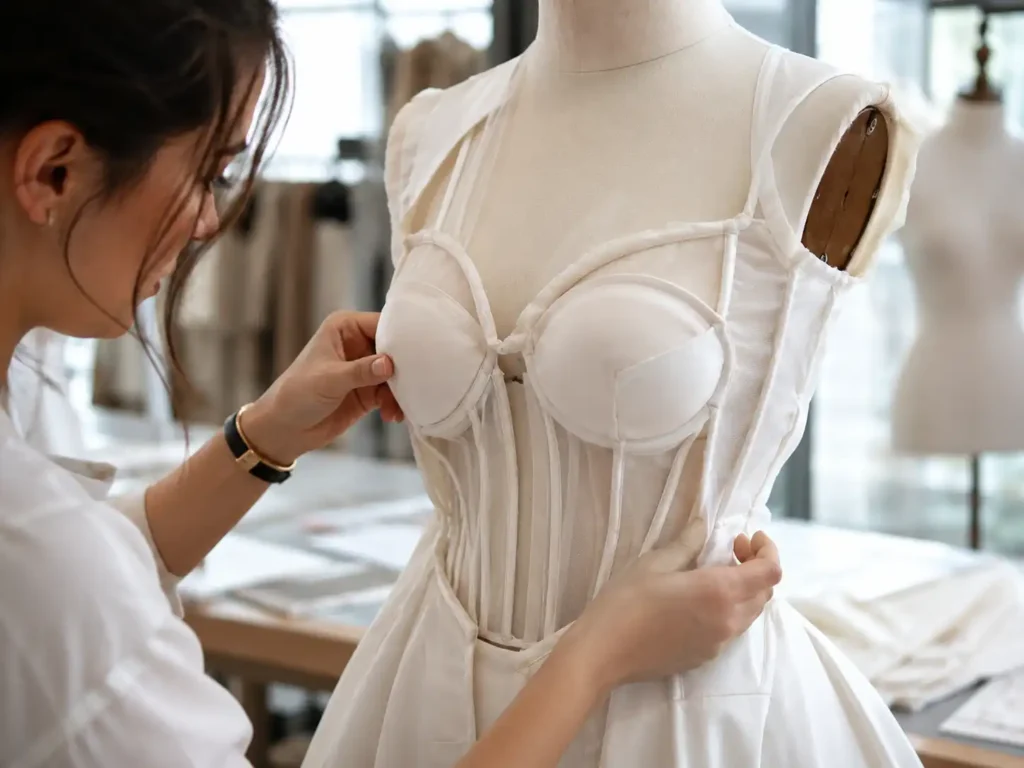
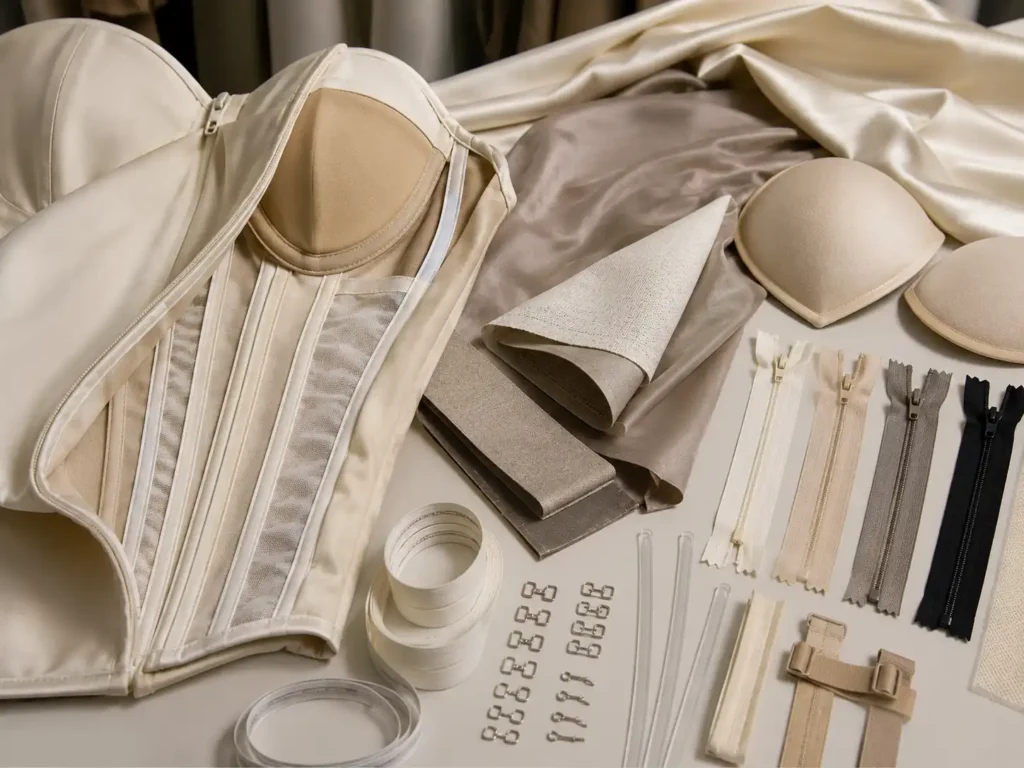
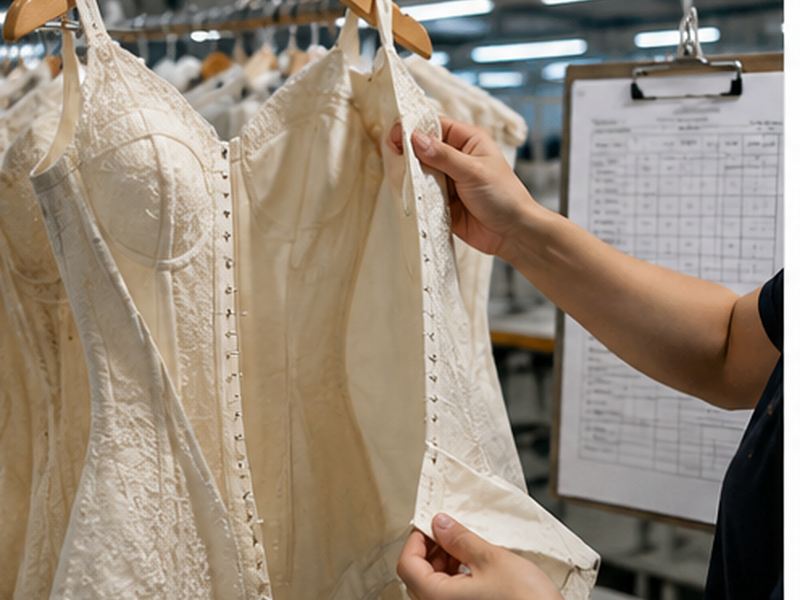
Corset, strapless and structured mini dresses require more than decorative topstitching. Development may include cup shape, boning direction, neckline height, anti-slip support, internal lining, zipper strength and waist compression. Sample review tests standing, sitting, arm movement and bust security. PP approval locks internal construction as well as visible appearance, because hidden support determines bulk fit and wearer confidence.

Satin and Slip

Satin and slip dresses are controlled for surface shine, snagging, seam show-through, puckering, bias movement, strap balance and pressing marks. Fabric weight may range broadly from lightweight fluid satin to 120-250 gsm stretch satin, depending on silhouette. Cutting direction, needle choice, seam handling, lining, tissue protection and packing methods are reviewed before bulk release. Color approval considers lighting and sheen, not only a digital swatch.

Mesh and Lace

Mesh and lace products require transparency planning, lining boundaries, stretch compatibility, edge stability and placement control. Lace may require motif matching, mirrored positioning or seam placement around visible areas. Mesh needs hole inspection, recovery review and comfortable seam finishes. Sample photos should show front, side and back coverage. Bulk QC checks layer alignment, neckline stability, damaged panels and consistent placement across sizes.

Sequin and Embellished

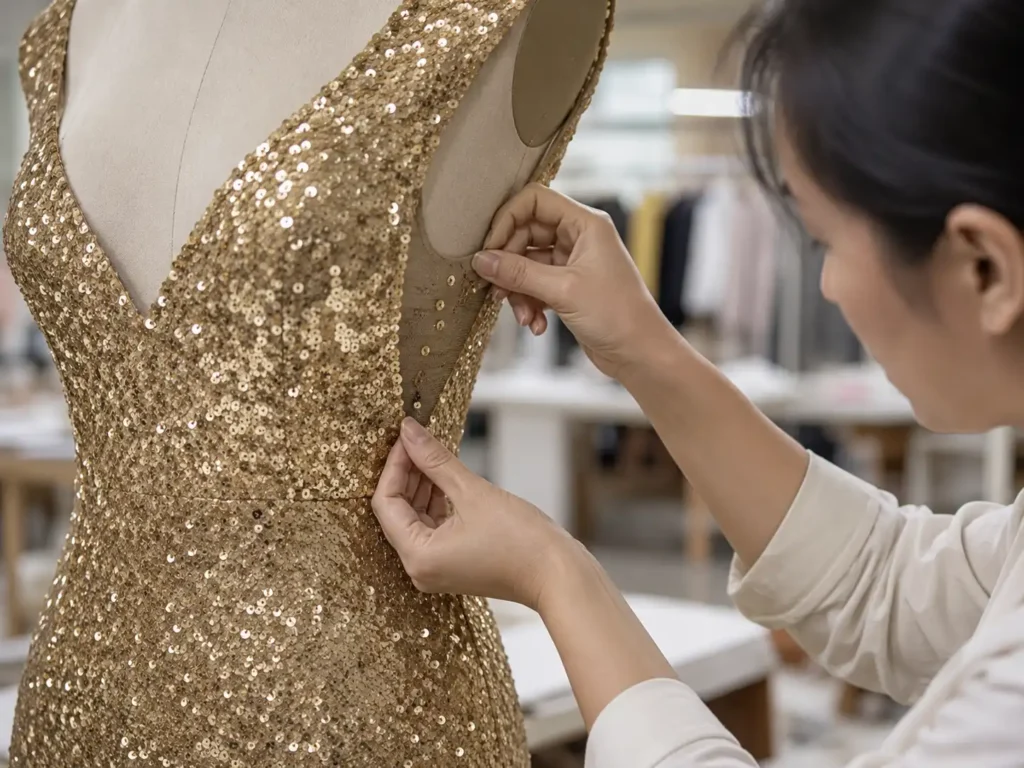
Sequin, rhinestone and embellished dresses need direction control, safe seam margins, skin protection and secure attachment. Material loss, broken decoration and surface abrasion influence consumption and packing. Development confirms where decoration can be removed from seam allowance, how lining prevents scratching and how garments are folded without crushing the surface. Final inspection checks missing elements, sharp edges, stain risk, zipper function and appearance under light.

Resort and Printed

Resort, vacation and printed dresses prioritize drape, breathability, opacity, print scale, travel packing and easy movement. Rayon, viscose, chiffon, linen blends and printed polyester blends require review for shrinkage, wrinkling, color fastness and lining. Print placement is checked against neckline, waist seam, center front and panel joins. Maxi styles also require hem-level control and carton packing that avoids excessive creasing.

Jumpsuits and Sets

Jumpsuits and matching sets extend a dress collection while adding fit and SKU complexity. Jumpsuits require coordinated bust, waist, hip, rise, crotch length and movement allowance. Sets require matched color batch, consistent fabric hand, coordinated proportions and correct size pairing. Production files separate each component while packing instructions keep the commercial set intact. Reorder records preserve both garment and pairing requirements.

Fabric Decisions Connected to Fit and Bulk Risk

Material selection is reviewed through hand feel, drape, stretch, weight, transparency, shrinkage, color behavior, construction compatibility, MOQ and repeat availability. A visually similar fabric can still change pattern balance, sewing method and bulk consistency.

Drape, Weight and Silhouette

Fabric weight alone does not define suitability. Lightweight chiffon or georgette can create movement but may require controlled layering, lining and narrow-hemming trials. Medium-weight crepe supports cleaner waist seams and commercial day-to-evening dresses. Stretch satin commonly falls around 120-250 gsm and can suit fitted party or corset styles when stretch recovery and surface stability are verified. Ponte and structured knits may sit in a heavier range and support smooth bodycon shapes, but excessive weight can distort shoulders or hems. Material review therefore links weight, thickness, drape and recovery to the intended silhouette. Sample cutting direction and grain alignment are confirmed before fit comments are accepted as pattern issues.
Stretch, Recovery and Measurement

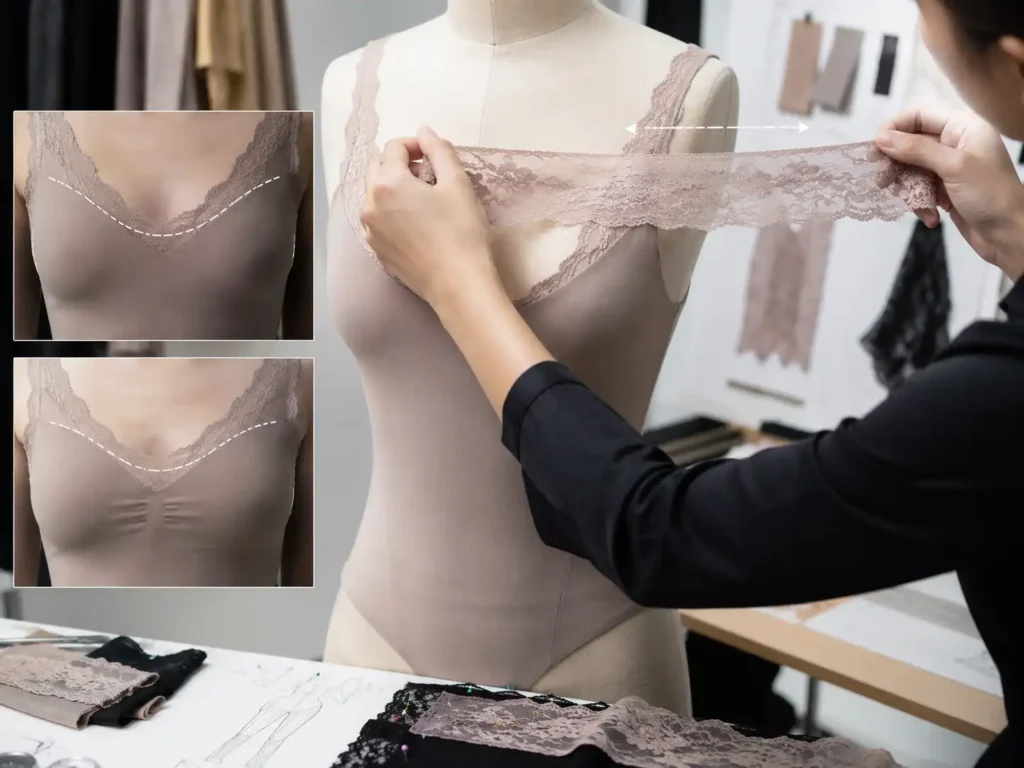
Stretch fabrics are assessed in both width and length directions. Two materials with similar initial stretch can recover differently after wear, steam or washing. Bodycon and fitted styles require clear decisions on negative ease, bust-waist-hip reduction, neckline stabilization and hem behavior. Power mesh used as a support layer must coordinate with the shell fabric rather than fight it. Measurement review can include a controlled rest period after sewing or pressing, because immediate readings may not represent the recovered garment. Fabric changes during sampling trigger a pattern and measurement recheck; replacing a 2-way stretch fabric with a 4-way stretch fabric cannot be treated as a color substitution.

Transparency, Lining and Coverage

Chiffon, mesh, lace, light rayon and pale colors need a planned coverage map. Lining choices influence opacity, heat, comfort, drape and color appearance. The correct lining may be full, partial, double-layered or shaped around bust, waist and skirt sections. Mesh panels need controlled seam finishes and recovery at necklines or armholes. Lace needs motif placement and backing decisions. Sample review records visible coverage from front, side and back under normal and bright lighting. Bulk files identify lining material, color, cut shape, attachment method and finished length, preventing production teams from using a visually close but functionally different substitute.

Color, Shrinkage and Repeat Availability

Color control may involve physical swatches, Pantone references, lab dips, shade bands, dye-lot records and bulk color approval. Satin sheen, velvet pile and mesh transparency can make one dye lot appear different under changing light, so approval should use the actual product surface. Rayon, viscose, linen blends, cotton blends and some knits require shrinkage review before final measurements are locked. Repeat orders also need renewed material confirmation: the original pattern can be retained, while a new dye lot, changed fabric composition or revised finish may require another sample or PP review. Certified, custom-dyed, custom-printed, lace, sequin or exclusive fabrics may carry separate supplier MOQ and longer development windows.

Fit Standards Converted Into Measurable Control Points

Fit is managed through pattern version, size chart, grade rule, measurement tolerance, sample review and bulk measurement checks. The matrix below shows how design intention becomes a controllable production standard.

Style GroupCritical MeasurementsFrequent RiskSample ValidationBulk Control
Bodycon / knitBust, waist, hip, length, neckline, hem widthOver-compression, seam twist, growth after wearFit on body, stretch recovery, movement testRecovered measurements, seam balance, neckline stability
Corset / straplessBust level, cup position, waist, back height, zipper lengthGaping, slipping, cup mismatch, discomfortStanding, sitting, arm raise, support reviewBoning and cup placement, anti-slip, measurement check
Slip / satinStrap length, neckline depth, bust, bias length, side seamUneven drape, seam growth, neckline exposureHanging rest, front/side/back photos, strap rangeGrain direction, length balance, puckering and pressing
Mesh / laceCoverage points, armhole, neckline, waist, layer lengthTransparency mismatch, damaged panels, uneven placementLighting review, layer map, motif alignmentPanel inspection, placement template, edge stability
Maxi / eveningCenter front/back length, waist, hip, slit, hem sweepUneven hem, drag, lining mismatch, packing creaseTarget heel and height review, movement testHem-level check, lining length, pressing and folding
Jumpsuit / setBust, waist, hip, rise, crotch, inseam, component ratioRestricted movement, pulling, mismatched pairingSit/walk/raise-arm test, component try-onSize bundle control, component matching, SKU verification

Design Details Controlled Beyond the Main Silhouette

Small construction decisions often determine whether a dress feels secure, photographs correctly and remains consistent across sizes. Detail control is built into pattern, sampling, sewing instruction and QC.

Necklines and Straps

Neckline depth, strap length, strap angle, armhole exposure and back height are linked rather than reviewed separately. Adjustable sliders can reduce wearer variation on slip styles, while strapless and halter styles need support and tension testing. Sample review records front, side and back views plus movement. Bulk checks confirm attachment position, symmetry, slider orientation, bartack security and consistent finished length.

Cups and Boning

Bra cups, boning and internal support influence bust shape, neckline security and comfort. Development confirms cup shape, thickness, fixed or removable construction, lining pocket, boning stiffness and end protection. Placement is checked against the pattern and worn sample, not only a flat measurement. Bulk inspection verifies left-right symmetry, secure insertion, smooth lining and absence of sharp pressure points.

Ruching and Pleats

Ruching, gathers, pleats and draped panels need controlled direction, density, start/end points and tension. Uneven fullness can distort waistlines or create different silhouettes across sizes. The approved sample is translated into marks, stitch instructions and placement references. Inline QC compares distribution, symmetry and panel length before final pressing, when correction remains easier.

Zippers and Closures

Invisible zippers, exposed zippers, hooks, buttons and snaps are selected by garment weight, opening position and wearer movement. Control points include zipper length, tape color, top stop position, seam flatness and puller access. Corset, satin and fitted dresses need extra attention because closure distortion is highly visible. Final inspection includes repeated opening, alignment and stress review.

Lining and Clean Finish

Lining supports opacity, comfort, shape and internal appearance. Construction decisions cover full or partial lining, attachment points, turn-back method, hem relation, seam concealment and stretch compatibility. Clean finishing may involve enclosed seams, binding or overlock according to fabric and price tier. Bulk QC checks twisting, pulling, lining exposure and comfort against skin.

Labels and Embellishment

Brand labels, size labels, care labels, hangtags, rhinestones, lace appliques and sequin elements require artwork, material, position and attachment approval. Labels must remain readable and comfortable. Embellishments need secure placement, skin protection and packing care. Production files identify exact location and orientation, while packing inspection verifies brand presentation and SKU accuracy.

Samples Assigned a Clear Commercial Purpose

Not every sample answers the same question. Naming the sample type prevents a photo sample, fit sample or PP sample from being approved for a purpose it was never built to serve.

First Sample

Validates initial pattern, silhouette, construction direction and selected material. It reveals major design or manufacturing issues before fine fit adjustments are locked.

Fit Sample

Focuses on measurements, balance, movement, coverage and wearer comfort. Fit feedback should include photos, body information and marked comments linked to the size chart.

Revised Sample

Confirms recorded changes in pattern, measurement, fabric, trim or sewing method. Each round receives a revision status rather than relying on chat history.

Photo-Ready Sample

Prioritizes visual presentation, approved color, finish and styling readiness for campaign or ecommerce photography. Photo deadlines are ranked against other sample priorities.

PP Sample

Uses confirmed production materials, trims, labels, measurements, construction and finish. Approval releases bulk only when open issues have been resolved or formally accepted.

Golden Sample

Serves as the physical reference for workmanship, measurements, appearance and packing expectations. It supports line briefing, QC comparison and future repeat-order review.

Revision Records Replace Memory-Based Production

Sample comments become production instructions only after they are recorded, assigned and approved. A controlled revision system protects the project when multiple teams, time zones and sample rounds are involved.

One Record for Every Decision

The revision record can capture pattern change, measurement change, fabric replacement, trim adjustment, sewing method, label position, client comment, approval status and next action. Each update identifies the affected sample version and the person responsible for follow-through. Photos, marked sketches and measurement values are attached when text alone may be interpreted differently. Open items remain visible until closed, preventing a verbal comment from disappearing between sample room, merchandising and production teams.

Approved Files Become the Production Base

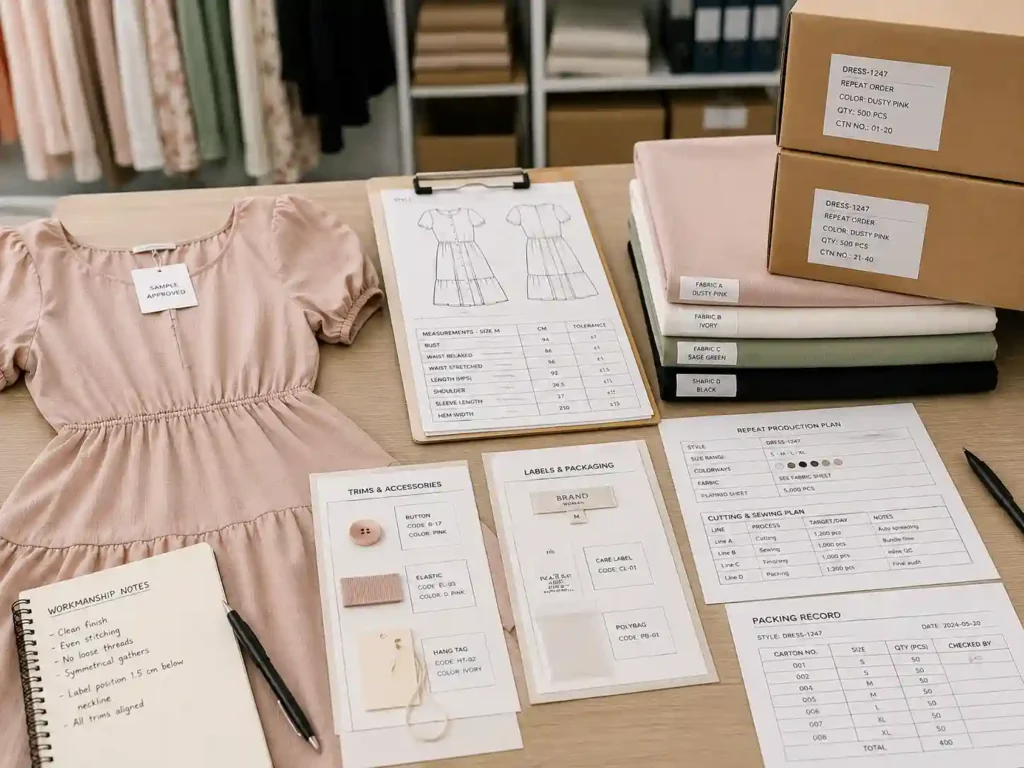
Bulk release uses the latest tech pack, BOM, size chart, grade rule, sewing instruction, trim card, packing instruction and approved sample reference. Late changes are reviewed for impact on material usage, pattern, labor, cost, timing and quality. A new instruction replaces an approved version only after the update is confirmed. The approach reduces mixed versions on the cutting floor and creates a traceable explanation when a project decision changes.

Feedback Structured for Faster Corrections

Useful fit feedback identifies the size worn, wearer measurements, front/side/back photos, movement concerns, exact point of measurement and requested outcome. Comments such as “make it better” or “fit feels wrong” are converted into measurable questions: neckline depth, strap length, waist position, hip ease, slit height, lining coverage or hem balance. Clear evidence allows pattern makers to correct the cause instead of guessing from appearance alone.
Quotations Built From an Approved Product Definition

A reliable price follows the garment structure. Fabric, lining, trims, construction, quantity, color count, size ratio, QC, packaging and delivery terms all influence the final manufacturing cost.

BOM-Based Review

A complete BOM identifies shell fabric, lining, zipper, buttons, cups, boning, elastic, lace, embellishment, labels, hangtags, polybags and special testing. Missing items are listed before a price is treated as production-ready.

Change Impact

Fabric substitution, added lining, revised ruching, new color, extra label, changed packaging or tighter inspection can alter consumption, labor, MOQ and timing. Price updates are connected to a recorded change rather than introduced without explanation.

Price Lock Point

An early estimate can support range planning, while final bulk price is confirmed against approved materials, PP construction, quantity per style/color, size ratio, packing method and delivery terms. The same discipline protects repeat orders when material or logistics conditions change.

Multi-Style Collections Managed by Priority and Risk

Collections of 10-30 styles require more control than thirty independent samples. Jinfeng groups styles by material, pattern complexity, trim readiness, launch priority and factory suitability, then tracks approval and bulk status separately.

Style Grouping Before Development

Related styles are grouped by fabric family, block pattern, construction method, trim set and color program. A satin capsule may share approved base fabric while using different silhouettes; a corset group may share cup and boning decisions while requiring separate pattern validation. Grouping reduces repeated material work, but it never assumes one approval automatically covers another style. Each SKU retains its own measurements, revision status and PP decision.

Priority Based on Commercial Timing

Hero SKUs, campaign samples, early launch colors and long-lead materials receive priority according to the collection calendar. Styles with available fabric and confirmed structure can move first, while high-risk or incomplete styles remain visible on the risk board. The approach avoids blocking an entire collection because a few complex items are unresolved. Split development and split shipping can be evaluated when launch needs justify the added coordination.
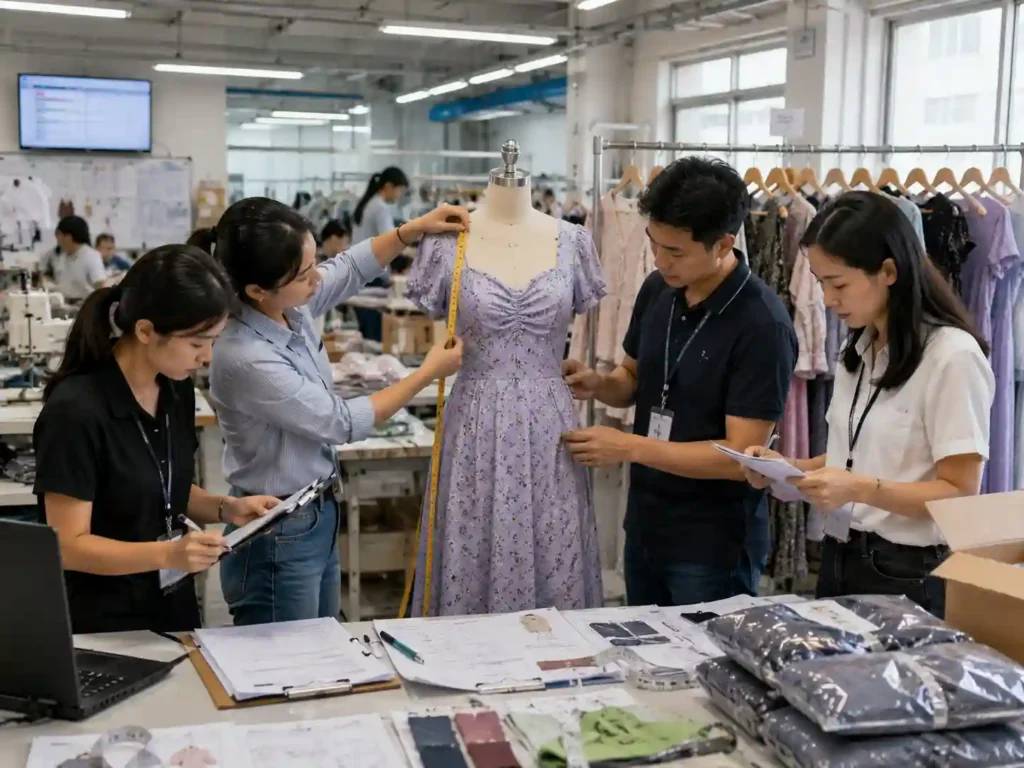
Capacity Allocated by Product Fit

Factory allocation considers fabric behavior, construction difficulty, order quantity, skill match, color count and delivery sequence.

Owned factories can hold core programs, while long-term satellite partners provide controlled support for peaks or specialized work.

A multi-style order is therefore distributed through a plan, not scattered after capacity becomes tight. Merchandising and QC records follow the allocated unit to keep the approved standard consistent.

Project Data Used Across the Collection

A collection tracker can show style code, material status, pattern status, sample round, approval date, PP status, production unit, planned quantity, size ratio, QC status, packing status and shipment plan. Shared issues such as a delayed zipper or revised care label are identified across affected styles. One decision can then be implemented consistently without losing SKU-level control.

For established brand programs, a common project scale is 10-30 styles with 20,000-80,000 total units. Final feasibility depends on complexity mix, color count, material readiness and delivery sequence rather than total volume alone.

Bulk Production Released Only After Readiness Review

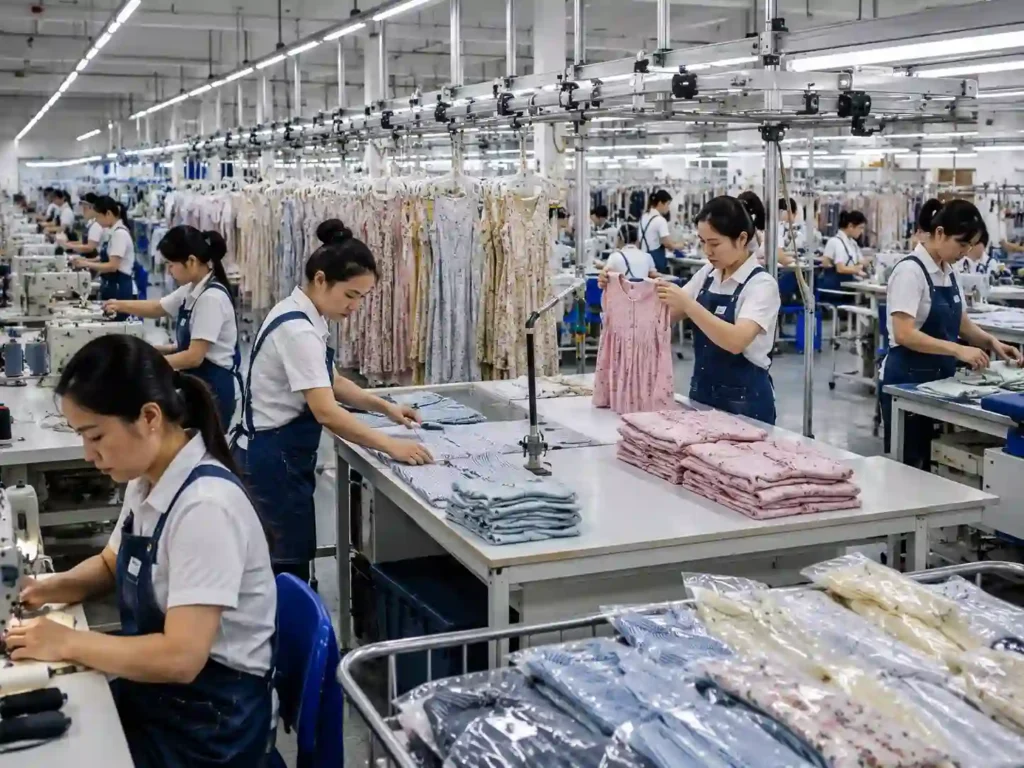
Capacity creates value only when the line receives complete standards. Bulk readiness connects approved product files, materials, factory allocation, quality checkpoints and delivery timing before cutting begins. Jinfeng Apparel supports 100,000+ pcs monthly womenswear capacity across owned factories and coordinated partners. Actual capacity for complex occasionwear, lace, sequin, corset or multi-style programs is calculated from labor content and line suitability, not presented as a universal output figure.

PP Approval

Final fabric, trims, labels, measurements, construction and finish are confirmed. Open deviations are recorded before the order can move forward.

Material Readiness

Shell, lining, trims and packaging are checked for quantity, color, batch, quality and delivery status. Short or unapproved materials remain visible.

Production Order

Style, color, size breakdown, quantity, BOM, sewing notes and packing requirements are issued as a controlled production package.

Factory Allocation

Production is matched to product type, fabric, complexity, quantity and schedule across six owned factories and approved partner capacity.

Quality Plan

Incoming, cutting, inline, measurement, final and packing checkpoints are defined against the approved sample and files.

Shipment Plan

Required completion date, inspection window, packing sequence, split-shipment option and logistics handoff are reviewed before bulk launch.

Workmanship Standards Translated for the Sewing Line

The approved sample must become instructions that operators, line leaders and inspectors can apply. Workmanship control covers visible finish, hidden structure and fabric-specific handling.

Sewing Instructions

The production file can specify stitch type, stitch density, seam allowance, thread color, zipper position, label placement, lining method, ruching direction and pressing limits. Instructions are linked to the PP or golden sample so visual and written references support each other. High-risk details are highlighted before line start.

Seam and Edge Control

Seam selection depends on fabric weight, stretch, transparency and skin contact. Fine satin may need controlled tension and smooth seam handling; mesh or chiffon may require narrow, enclosed or stabilized finishes; stretch jersey needs elastic seam behavior without popping. Bulk checks review skipped stitches, seam grin, puckering, waviness and allowance consistency.

Zipper and Lining Finish

Invisible zippers must sit flat without twisting the side or center-back seam. Lining must support opacity and comfort without pulling the shell. Line checks confirm zipper tape color, top alignment, hook position, lining catch points and internal cleanliness. Pressing is controlled to avoid shine, seam impressions or crushed texture.

Lace and Mesh Handling

Lace placement can require motif alignment, mirrored panels, stable edges and careful seam positioning. Mesh needs hole inspection, layer alignment and controlled tension around necklines or armholes. Cutting bundles identify panel direction and damage. Sewing and finishing methods protect delicate areas from stretching or distortion.

Sequin Protection

Sequin materials are reviewed for direction, seam allowance clearing, needle damage, missing decoration and wearer comfort. Exposed edges may need lining or binding to reduce scratching. Operators receive handling guidance, while packing uses protective folding to prevent abrasion. Final inspection is performed under lighting that reveals missing or irregular surfaces.

Pressing and Final Shape

Pressing is part of garment construction, not cosmetic cleanup. Heat, steam, pressure and direction are adjusted to fabric behavior. Satin, velvet, pleats, ruching and structured bust areas require different handling. Finish review checks hem shape, seam impressions, shine, creases, silhouette and hanger presentation before packing.

Quality Control Begins Before Garment Completion
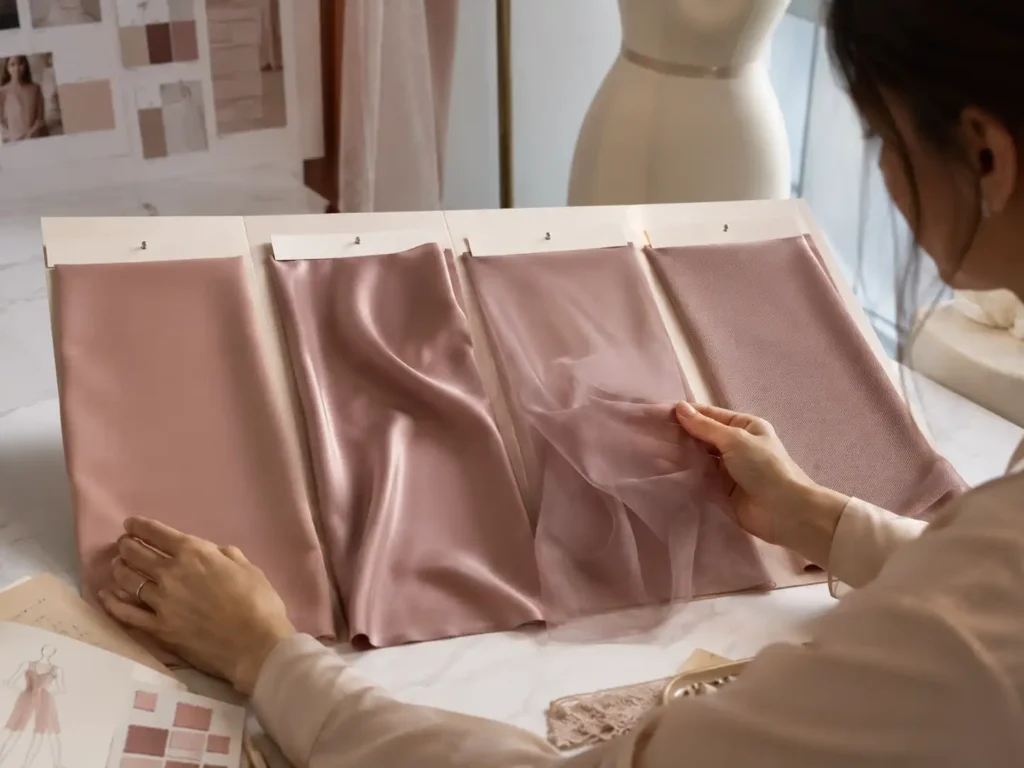
A staged QC chain prevents repeated defects from spreading across a large order. Every checkpoint uses the latest approved product and packing references.

Incoming Fabric

Fabric is reviewed for color, shade, width, hand feel, visible defects, stretch direction and batch consistency. Product-specific risks such as satin snags, mesh holes, lace damage, velvet pile direction or print variation are identified before cutting. Material status is linked to the approved swatch or color standard.

Cutting Inspection

Cutting review checks grain direction, face/back orientation, print or stripe placement, lace motif, panel quantity, size bundles and damaged parts. Preventing a cutting error is more efficient than repairing a sewn garment. Bundles remain identified by style, color and size to protect downstream traceability.

First-Piece Review

The first completed pieces verify line understanding before volume grows. Inspectors compare construction, measurements, placement and finish with the approved sample and sewing instruction. Any deviation is corrected and communicated to the line, with affected work isolated for review.

Inline Sewing Check

Inline inspection focuses on high-risk areas such as straps, necklines, zippers, ruching, waist seams, lining, slits, symmetry, seam allowance and fabric damage. Issues are escalated while the operation can still be adjusted. Repeated findings trigger root-cause review rather than isolated repair.

Measurement Control

Critical points are measured against the approved size chart and tolerance. The method, garment condition and rest time are kept consistent for stretch styles. Multi-size programs use grade rules and sample checks across the size range, not only the base size.

Final Garment

Final inspection reviews appearance, workmanship, measurements, stains, damage, closure function, labels, pressing and overall silhouette. Inspection scope can follow the agreed quality standard and project requirements. Third-party inspection support can be coordinated when requested.

Packing Verification

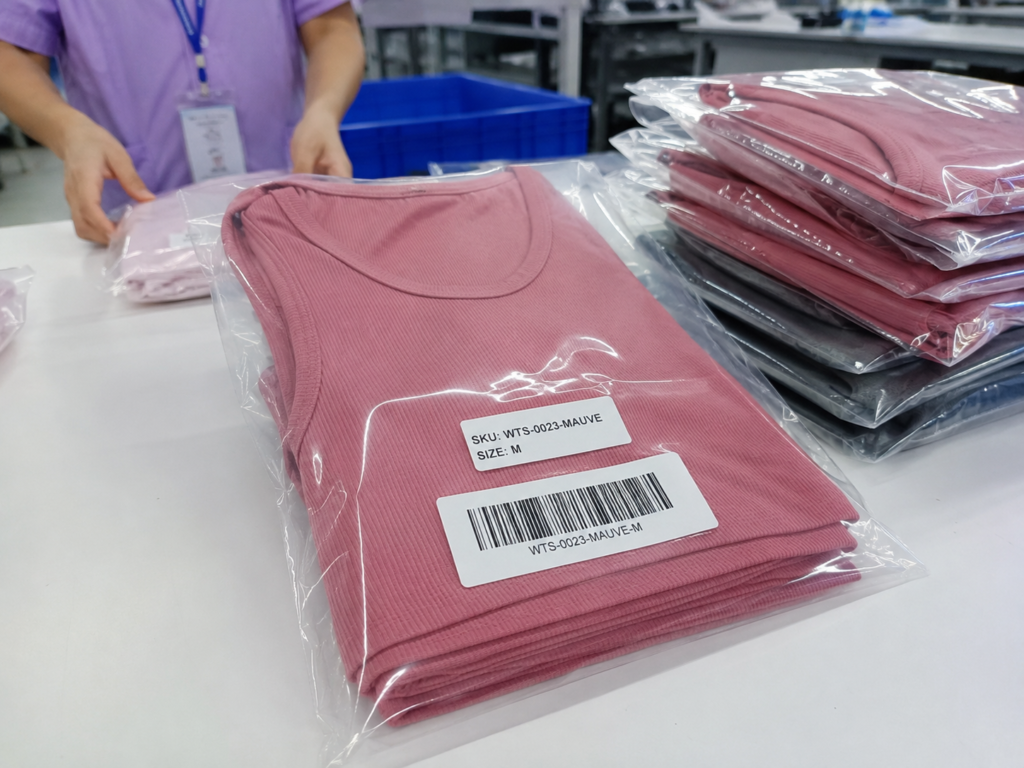
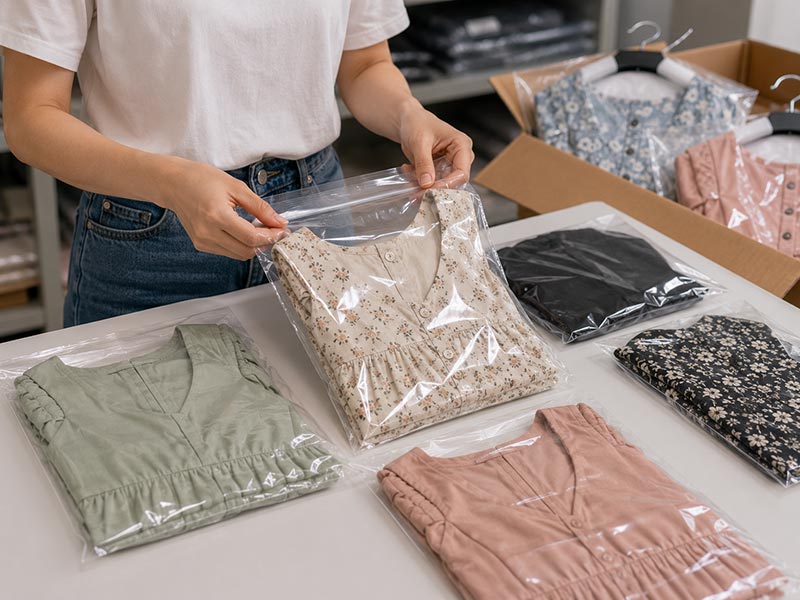
Every garment is checked against size, color, label, hangtag, barcode, polybag and folding instructions. Cartons are verified for SKU mix, quantity, carton mark and packing list consistency. Retail or ecommerce delivery requirements are controlled before sealing.

Shipment Release

Shipment preparation confirms inspection status, packed quantity, document set, shipping marks and logistics arrangement. Any accepted deviation is documented. Release is based on completed checks rather than calendar pressure alone.

Production Risks Tracked With Owners and Decisions

A risk board turns uncertainty into visible action. Each risk is recorded with impact, owner, required decision, target date and current status.

Material Delay

Track fabric, lining, trim or packaging delay against sample and bulk milestones. Options may include approved alternatives, priority allocation, split production or revised delivery sequence.

Fit Open Points

Record unresolved neckline, bust, waist, hip, length, support or movement concerns. Bulk release waits for approval or a documented accepted deviation.

Color and Batch

Monitor lab dip, bulk color, shade band, lining match and trim color. New dye lots or repeat-order materials receive renewed review.

Quality Deviation

Identify defect type, affected quantity, operation, cause and containment action. Correction is assigned before the issue expands across production.

Change Request

Assess new design, material, size, packaging or quantity changes for cost, timing, pattern and production impact before approval.

Launch and Logistics

Track inspection date, packing readiness, air/sea split, client forwarder handoff and document deadlines against launch priorities.

Private-Label Delivery Controlled at SKU Level

Brand presentation continues after the garment leaves the sewing line. Label, barcode, packing and carton accuracy determine whether products arrive ready for retail, ecommerce or distribution handling.

Garment Labels

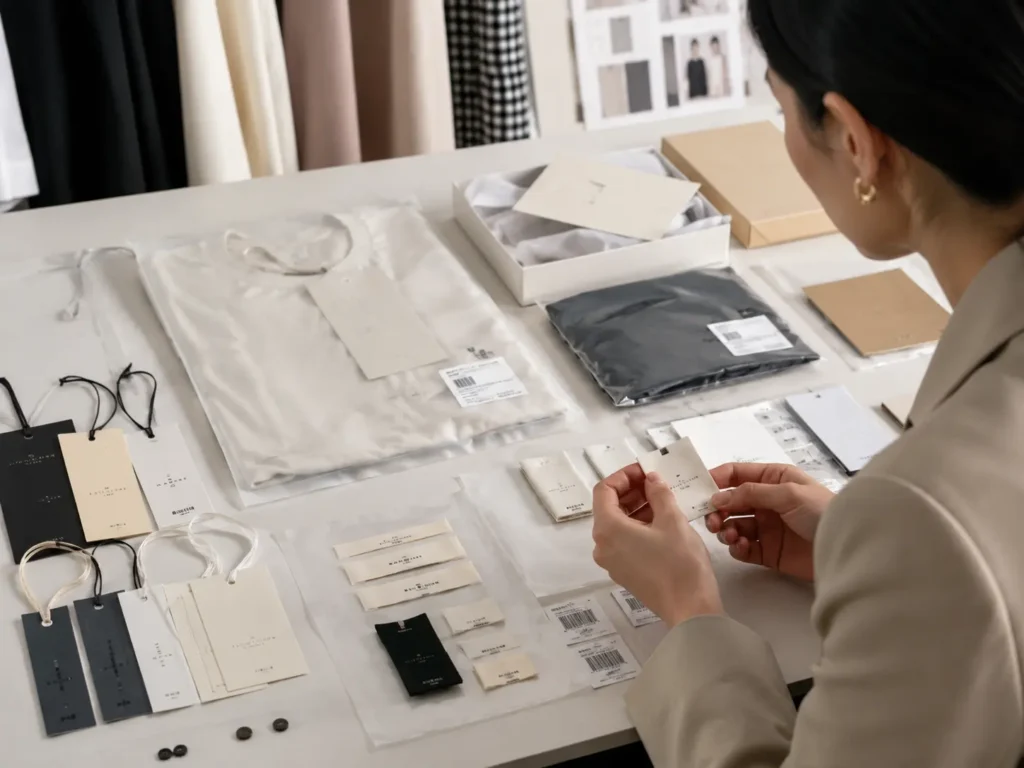
Woven, satin, printed, heat-transfer, size and care labels are reviewed for artwork, material, dimensions, position, comfort and supplier MOQ. Production instructions identify exact placement and orientation. Final QC checks legibility, attachment and style-size consistency.

Hangtags and Barcodes

Hangtag artwork, string, barcode format, SKU, price information and placement are matched to the style-color-size breakdown. Barcode scanning or visual verification can be included according to the packing standard. Mixed or duplicated identifiers are isolated before packing.

Individual Polybags

Each garment can be folded, labelled and packed in an individual polybag according to the approved method. Control points include bag size, warning text, size sticker, color sticker, SKU label, garment cleanliness and fold presentation.

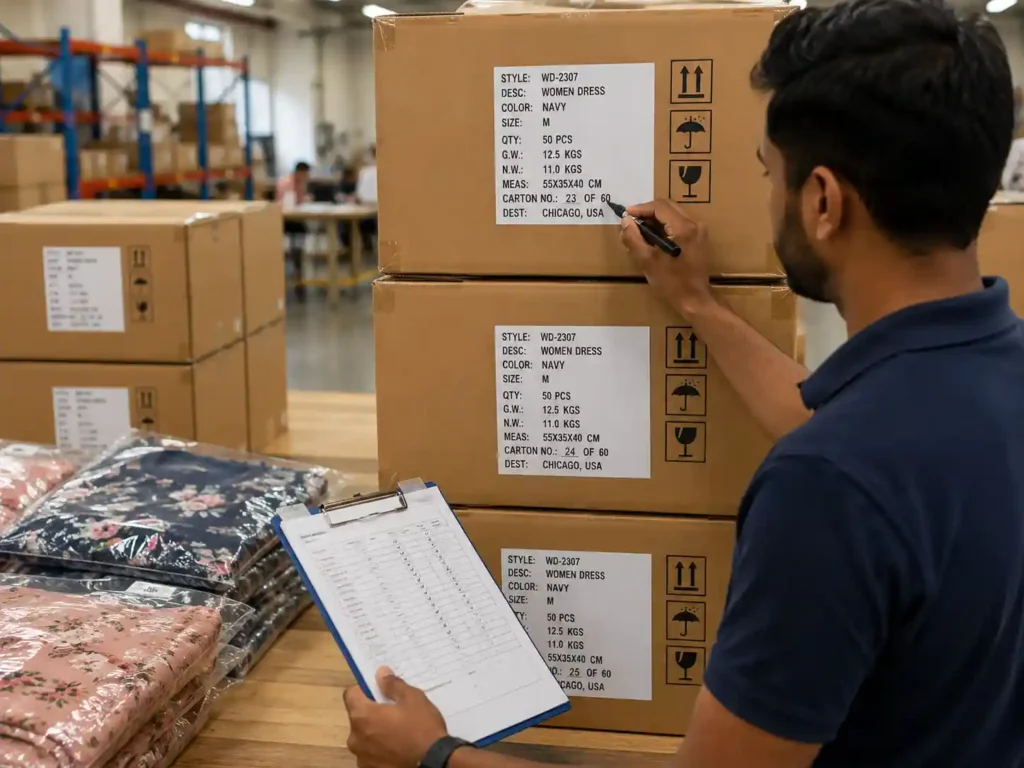
Carton Planning

Carton quantity, SKU mix, color-size breakdown, carton mark and destination requirements are confirmed before sealing. Split deliveries or multiple warehouses receive separate packing logic. Carton-level checks reconcile packed quantity with the packing list.

Export Documents

Commercial invoice, packing list and required shipment information are coordinated with the approved order and logistics arrangement. Additional documents or third-party requirements are reviewed by project and destination.

Shipping Options

Courier, air, sea, client-nominated forwarder and combined air-sea plans can be evaluated. Delivery timing depends on packed readiness, inspection release, route availability, customs requirements and forwarder confirmation.

Repeat Orders Start From Preserved Production Records

A repeat order should restart faster without assuming every condition remains unchanged. Jinfeng retains approved records and rechecks variables that can change between production batches.

Pattern Records

Approved pattern versions, grade rules and size charts provide the technical base for the same style. New fit comments or size-range expansion are handled as controlled revisions.

Material Records

Fabric composition, supplier reference, color, lining and trim details are retained. Availability, dye lot, finish and performance are rechecked before reorder confirmation.

BOM and Instructions

BOM, sewing instructions, placement details and packing requirements support repeat execution. Any requested change is separated from the prior approved standard.

Golden Sample

The golden sample supports visual and workmanship comparison. Storage condition and material aging are considered when a long interval exists between orders.

Quality History

QC findings, accepted tolerances, recurring risks and corrective actions provide a stronger starting point for the next batch. Repeated issues receive preventive controls.

Replenishment Planning

Hot-selling SKUs can be prioritized according to material availability, capacity, color continuity, quantity and delivery route. Same style in a new color or new fabric still requires renewed approval.

Process-Driven Dress Manufacturing Case Studies

Process-driven fashion brands need more than production capacity. They need a manufacturing partner that can connect development files, approval decisions, production standards, quality checkpoints and delivery plans into one controlled workflow.

Case Study 1: Managing a 24-Style Collection Through a Structured Development System

A US womenswear brand planned a seasonal dress collection requiring multiple styles, fabrics and delivery milestones.

The collection included:

  • Satin occasion dresses
  • Mesh party dresses
  • Bodycon styles
  • Corset dresses
  • Resort dresses

Program scope:

  • 24 styles
  • 68,000 pieces
  • XS-XL size range
  • Multiple colors
  • Private-label packaging

Process Challenge

The brand previously managed development through scattered communication.

Problems included:

Unclear Style Status

Different teams could not quickly identify:

  • Which samples were approved
  • Which fabrics were confirmed
  • Which styles were ready for PP
  • Which items affected launch timing

Collection Coordination

Different styles had:

  • Different fabrics
  • Different construction methods
  • Different approval dates

The brand needed one system to manage the entire assortment.

Jinfeng Solution

Jinfeng established a collection management workflow.

Style Tracking

Created records for:

  • Style number
  • Fabric status
  • Pattern progress
  • Sample version
  • Approval stage
  • Production status

Result

The brand achieved:

  • 24 styles managed under one workflow
  • Clear approval visibility
  • Reduced communication errors
  • Controlled bulk execution

The process became a reusable model for future seasonal collections.

Case Study 2: Improving Sample-to-Bulk Consistency for a Premium Dress Brand

A premium occasionwear brand had strong sample development but experienced differences when products entered bulk production.

Products included:

  • Corset dresses
  • Satin gowns
  • Lace dresses
  • Structured cocktail styles

Process Challenge

The brand discovered gaps between development and production.

Common issues:

Sample Transfer Problems

Bulk production sometimes used:

  • Older pattern versions
  • Missing construction notes
  • Incorrect trim details
  • Different pressing methods

Quality Variation

Differences appeared in:

  • Bust structure
  • Zipper installation
  • Lining coverage
  • Hem balance
  • Surface finishing

Jinfeng Solution

Jinfeng created a controlled sample handover system.

Final Standard Files

Locked:

  • Final pattern
  • Measurement chart
  • BOM
  • Sewing instructions
  • Trim details

PP Approval Process

Confirmed:

  • Final fabric
  • Construction
  • Labels
  • Packing
  • QC standards

Golden Sample Control

Used for:

  • Production briefing
  • Inline inspection
  • Final comparison
  • Repeat orders

Result

The brand achieved:

  • Reduced sample-to-bulk differences
  • Improved production consistency
  • Clear technical responsibility
  • Stable repeat production

Case Study 3: Coordinating Multiple Teams for a Growing Fashion Program

A growing fashion company expanded from small collections into larger seasonal programs.

The internal team included:

  • Product development
  • Sourcing
  • Merchandising
  • Quality control
  • Operations

The collection included:

  • Mini dresses
  • Midi dresses
  • Jumpsuits
  • Matching sets

Program scope:

  • 30 styles
  • 80,000 pieces
  • Multiple delivery windows

Process Challenge

The company faced coordination problems:

Different Team Priorities

Product team focused on:

  • Design details

Sourcing team focused on:

  • Cost and suppliers

Quality team focused on:

  • Inspection standards

Operations team focused on:

  • Delivery dates

Information Gap

Important updates were separated between:

  • Emails
  • Chat messages
  • Different spreadsheets

The company needed a unified production communication system.

Jinfeng Solution

Jinfeng created cross-functional project coordination.

Merchandising Control

Managed:

  • Sample deadlines
  • Material progress
  • Approval status
  • Production schedule

Result

The brand achieved:

  • Better team communication
  • Clear project ownership
  • Improved launch control
  • Scalable production management

The system supported future collection expansion.

Frequently Asked Questions

Yes. Share the relevant development, quality, labeling, packing and shipment sections for review. Jinfeng maps the requirements to project files, responsible teams and production checkpoints. Any capability, timing or documentation gap is clarified before sampling or bulk release.

Yes. Tech packs, original samples, sketches, line sheets and reference images can be reviewed. Complete measurement, BOM, construction and packaging data supports faster assessment. Missing information is listed and confirmed rather than assumed.

MOQ starts from 200 pcs per style/color. The quantity is calculated by style and color, while sizes are distributed within the confirmed order. Custom-dyed, printed, certified or specialized materials and packaging may require higher supplier MOQ.

A typical first-sample planning range is 7-15 working days after materials and information are ready. Revisions commonly require 5-12 working days per round. Complex structures, custom materials, embellishment and multiple fit rounds can extend the schedule.

Bulk release follows approved PP materials, construction, measurements, labels, packing requirements and production files. Open issues must be closed or formally accepted. A production order, sewing instruction, BOM and QC checklist are prepared before cutting.

Yes, subject to style mix, material readiness, color count, capacity and launch sequence. Styles are grouped by fabric, pattern complexity, trims and priority, while each SKU keeps separate revision, approval, production and packing status.

Control uses PP approval, golden sample, fabric and trim confirmation, BOM, size chart, sewing instruction, production order, QC checklist and packing instruction. First-piece and inline checks verify whether the line is following the approved standard.

Yes, third-party inspection can be coordinated according to the agreed order, inspection scope and timing. Project-specific testing, audit or compliance documents are reviewed according to product, material, destination and verified certificate coverage.

Yes. NDA-based cooperation can protect tech packs, samples, patterns, labels, packaging files, unpublished designs, order details and launch information. Brand names and confidential assets are not published without written authorization.

Often yes, because patterns, size charts, BOM, material records, sewing instructions, packing standards, QC history and golden samples can be retained. Material availability, new dye lots, changed colors, packaging and production schedule still require reconfirmation.

Send a Complete Project Brief to Kelly

A useful review starts with enough information to assess product structure, material direction, MOQ, sampling route, capacity fit, quality requirements and delivery timing.

Kelly coordinates the initial review and routes the project to development, merchandising or production teams according to the program stage. Files remain confidential and can be handled under NDA-based cooperation.

  • Tech pack, line sheet, original sample or clear reference images
  • Target quantity for every style/color and planned size ratio
  • Fabric preference, hand-feel target, color plan and trim requirements
  • Required sample type, fitting standard and approval workflow
  • Brand labels, hangtags, barcode, polybag and carton instructions
  • Target launch date, delivery destination and preferred shipping arrangement
  • Quality manual, testing needs, third-party inspection or compliance documentation requirements
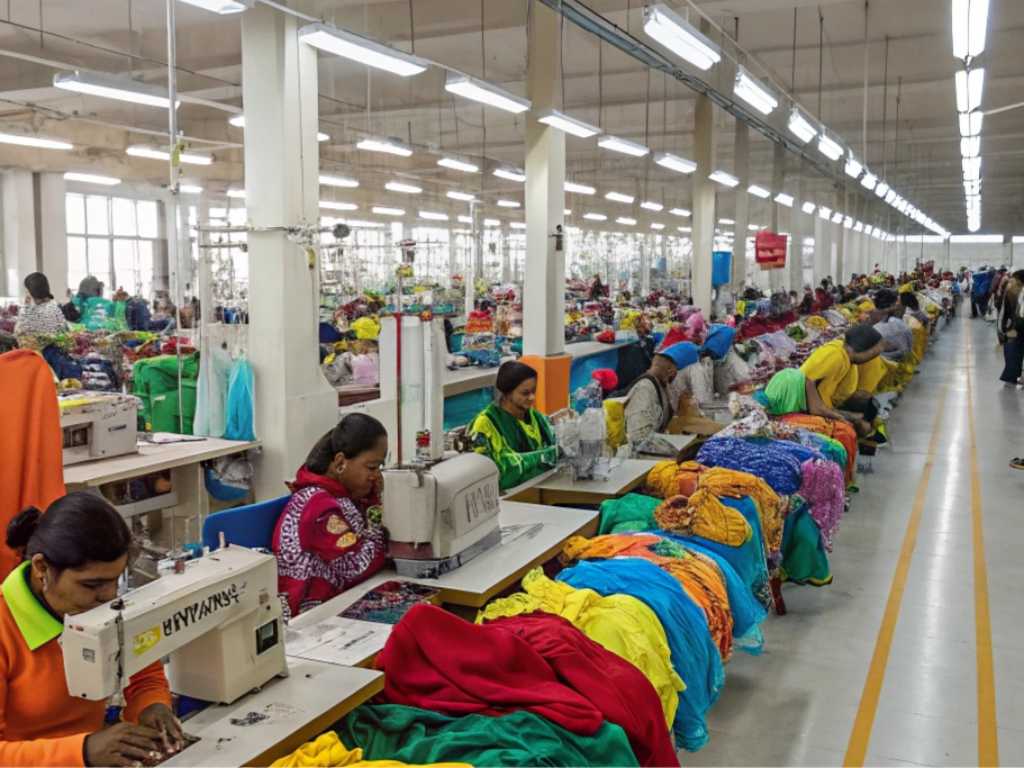
Textile factory workers sewing multicolored fabrics on machines.

Tell Us About Your Dress Project

Share your product details, estimated quantity and development requirements. Our team will review your project and provide practical OEM/ODM production feedback.

Premium Women’s Apparel Production for Fashion Brands

From dress sample development to bulk production, JF Apparel supports fashion brands with confidential OEM/ODM manufacturing, reliable quality control and scalable production support.

START YOUR DRESS PROJECT

Ready to Develop Your Next Dress Collection?

Share your design concept, product requirements or sourcing plans with our team. We’ll review your project and provide practical feedback on development, materials, MOQ and production.

7-10 Days

Sample Development

200 PCS

Starting MOQ

Fast Response

Professional Follow-Up