 Skip to content
Dress Manufacturer for Established Shopify Fashion Brands
Custom dress development, multi-style production and reorder support built around established ecommerce fashion operations.
- 6 owned women’s fashion factories, 10+ long-term production partners and 100,000+ pieces of regular monthly capacity support multi-style collection planning.
- 2 sample rooms, 7+ senior pattern makers and 20+ sample machinists convert tech packs, reference garments and line sheets into production-ready dress standards.
- MOQ starts from 200 pieces per style and color, with project allocation based on fabric, construction, size range, launch date and repeat-order potential.
Built for Established Shopify Fashion Operations
Frequent Product Drops
Multi-Style Collections
Photo-Ready Development
Bulk Consistency
Bestseller Reorders
Warehouse-Ready Delivery
Manufacturing Capacity Behind Every Dress Collection
Since 2008
6 Owned Factories
10+ Production Partners
100,000+ Monthly Capacity
18+ Sewing Lines
Structured Project Team
Where Shopify Dress Programs Commonly Lose Control
Fit Changes Across Batches
Sample-to-Bulk Gaps
Wrong Fabric Direction
Multi-Style Project Chaos
Launch Window Compression
Packing and SKU Errors
One Manufacturing System From Concept to Reorder
Style Review
Fabric and Trims
Pattern and Fit
Sample Development
Bulk and QC
Delivery and Reorder
Dress Categories Developed for High-Volume Online Fashion

Mini Dresses

Bodycon Dresses

Corset Dresses

Satin Dresses

Mesh Dresses

Lace Dresses

Sequin Dresses

Midi Dresses

Maxi Dresses

Resort Dresses

Jumpsuits

Matching Sets
Collection Architecture for Shopify Merchandising Calendars
Going-Out Drop
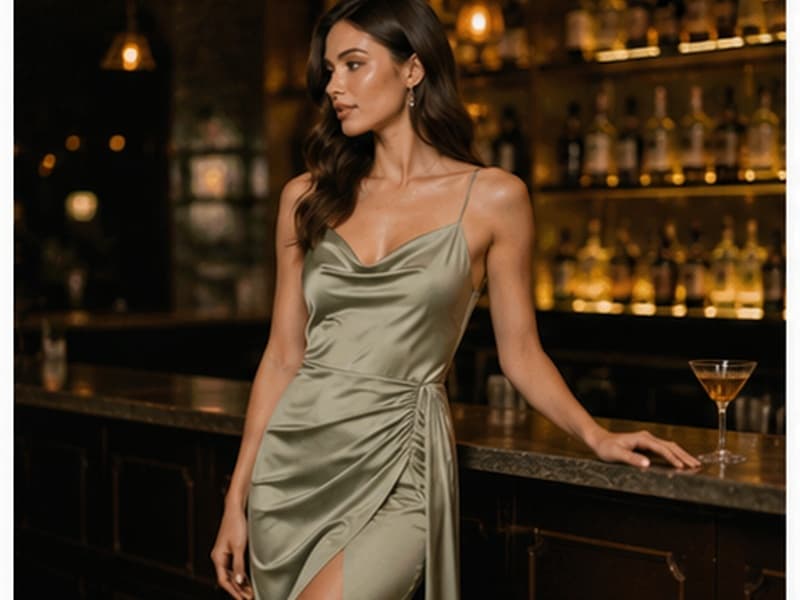
A going-out drop can combine a structured corset mini, mesh bodycon, ruched jersey dress, satin halter and sequin statement style. Shared color stories and selected common trims reduce development fragmentation, while different construction levels protect price architecture. Photo-ready styles are prioritized first, followed by commercial variants and color extensions after fit direction is approved.
Occasionwear Capsule

Resort Collection

Core Reorder Program
Fabric Engineering Before a Dress Reaches Production
Fabric is evaluated as a structural component, not a surface choice. Weight, width, stretch, recovery, drape, transparency, shrinkage, color and bulk availability all influence fit, cost and production stability.
| Fabric Group | Typical Applications | Primary Risks | Sample Approval Focus | Bulk Control Focus |
|---|---|---|---|---|
| Satin / Stretch Satin | Slip, corset, midi, occasion | Shine direction, snagging, seam puckering, color difference | Drape, lining, strap angle, pressing | Batch color, cutting direction, needle marks, finish |
| Mesh / Power Mesh | Bodycon, layered, cut-out | Transparency, stretch, recovery, holes | Tension, lining coverage, edge stability | Panel symmetry, seam reinforcement, hole inspection |
| Lace | Occasion, wedding guest, corset | Motif placement, border use, damage, color | Placement map, lining color, edge finish | Cut-panel matching, seam alignment, damaged motifs |
| Sequin Fabric | Party, holiday, statement styles | Sequin loss, abrasion, weight, skin comfort | Lining, seam method, reinforcement | Missing sequins, scratch protection, packing friction |
| Chiffon | Maxi, resort, layered dresses | Transparency, slippage, fraying, static | Layer count, lining, hem behavior | Grain, seam stability, clean finish, pressing |
| Jersey / Ponte | Bodycon, fitted midi, structured knit | Stretch direction, recovery, twisting, shrinkage | Fit tension, size chart, wash behavior | Measurement, side seams, recovery, shape retention |
| Organza / Tulle | Volume, overlays, occasion details | Snagging, stiffness, layer balance, edge finish | Volume, lining, seam visibility | Layer consistency, damage, hem and packing |
| Rayon / Viscose / Linen | Resort, printed, relaxed dresses | Shrinkage, colorfastness, wrinkles, print direction | Drape, wash test, print scale, lining | Batch control, shrinkage allowance, print alignment |
Fabric Direction Before Sampling
A reference image may suggest satin, mesh or lace, yet several constructions can create a similar visual result at different cost and risk levels. Jinfeng Apparel compares hand feel, weight, stretch, drape, opacity, lining requirement and bulk availability before a sample material is approved. For an established Shopify assortment, material selection also considers whether the fabric can support color extensions, repeat production and coordinated products. A visually strong first sample built from an unstable or unavailable fabric creates avoidable redevelopment later.
Color, Shine and Batch Control
Color approval is connected to the fabric surface. Satin can appear different under studio lighting because of shine direction, while mesh, lace and lining combinations change perceived depth. Pantone references, physical swatches, lab dips, fabric lots and lining colors are recorded as required by the project. During bulk preparation, dye-lot separation and material inspection help prevent mixed shades within one style or shipment. New colors and reorder batches are rechecked rather than assumed to match a previous production run.
Lining, Transparency and Wearing Security
Lining decisions influence comfort, opacity, support, movement and retail appearance. Mesh and chiffon may need partial or full lining; satin can require anti-static and clean seam coverage; lace may depend on a deliberately contrasting or tonal base. Lining length is reviewed against slit height, neckline depth and hem movement. The goal is not simply to make a dress less transparent, but to preserve the intended design while reducing exposure, rolling, visible seam allowance and uneven layering.
Cost Control Without Weakening the Product
Cost is adjusted through material substitution, construction refinement, trim replacement, cutting layout, color consolidation and size-ratio planning. A lower-cost alternative must still be tested for drape, stretch, shine, transparency and sewing behavior. Removing a lining, changing a zipper or reducing structure may lower the quotation yet damage fit and review quality. Jinfeng Apparel explains the visual and production consequence of each option so the brand can protect the product features that drive conversion while controlling less visible cost areas.
Pattern and Fit Control for Conversion-Driven Dress Styles
Fit affects product photography, reviews and return behavior. Jinfeng Apparel uses 7+ senior pattern makers, 2 sample rooms and 20+ sample machinists to turn design direction into measurable production standards.
Fit Begins With the Intended Wearing Effect
A dress should not be developed from measurements alone. Bodycon, corset, slip, A-line, relaxed resort and floor-length silhouettes require different ease, support and balance. Pattern makers review the reference image, base size, target body profile, fabric stretch and styling intent before shaping the pattern. Key points may include upper bust, full bust, under bust, waist, high or low waist, hip, front length, back length, shoulder width, armhole, neckline depth, strap length, slit height, lining length and hem width. A structured review helps prevent a technically correct garment from looking wrong on body.
Upper-Body Security and Support
Strapless, halter, deep-V, cowl-neck and corset designs need different support strategies.
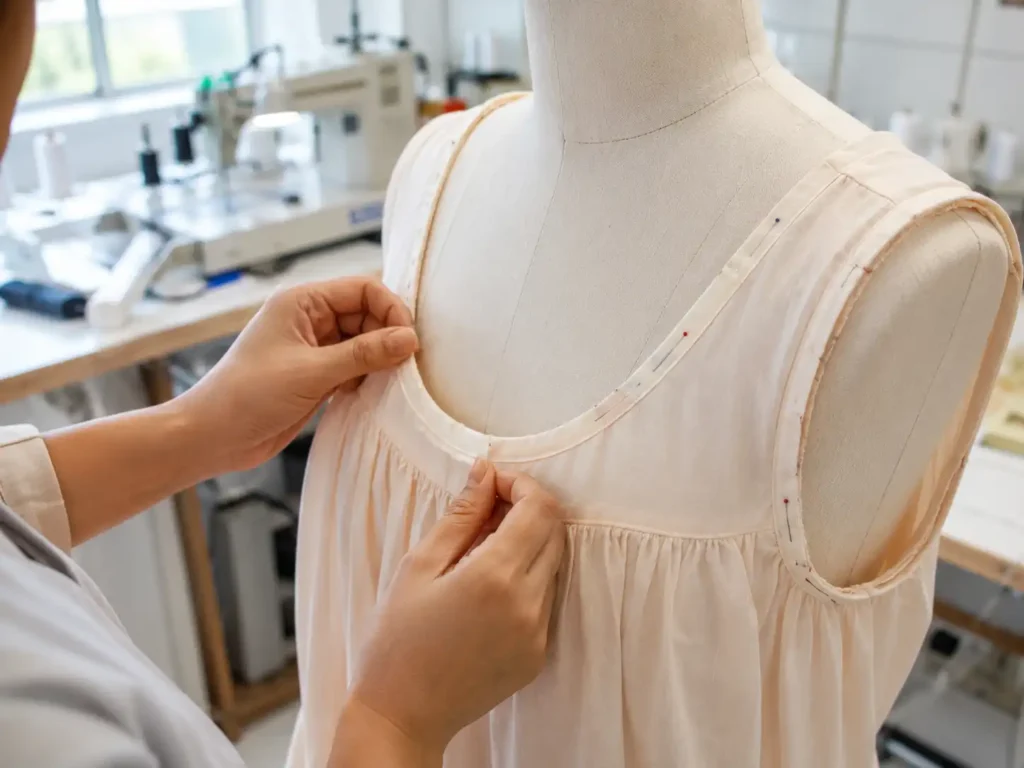
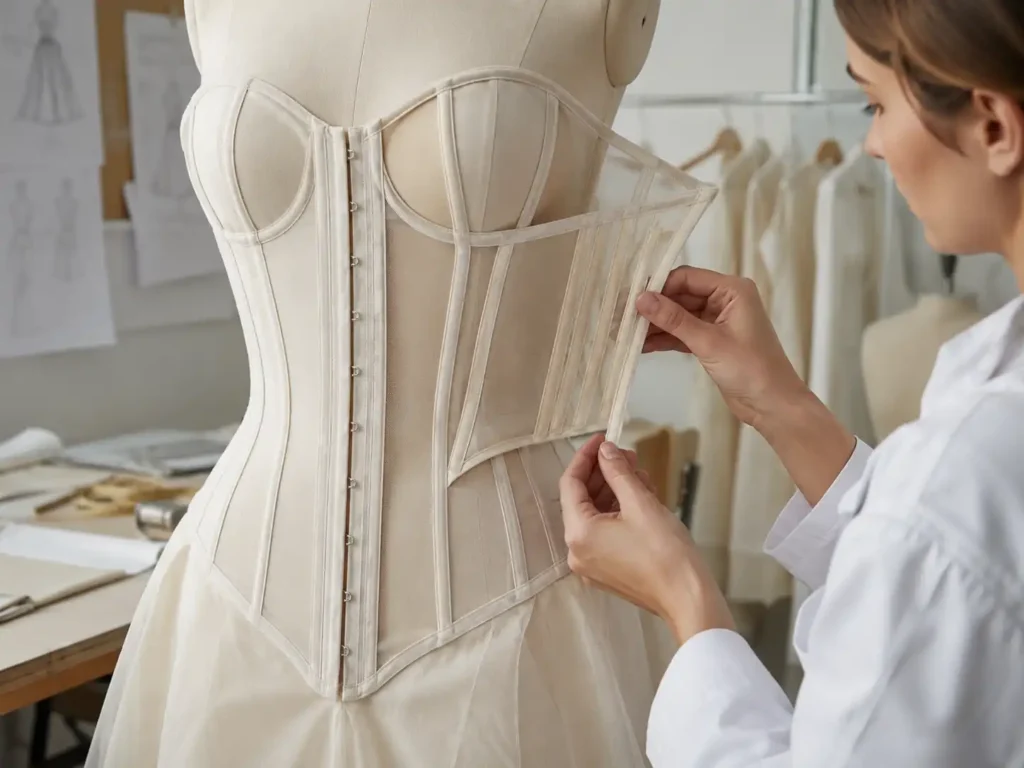
Cup position, neckline depth, armhole exposure, strap angle, boning, elastic, anti-slip tape and lining tension are assessed during sampling. Front, side and back photos help identify gaping, underarm exposure, bust compression, neckline collapse or strap slippage. When a change affects construction, the update moves into the pattern, measurement record, BOM and sewing instructions rather than remaining as an informal sample-room adjustment.
Waist, Hip, Length and Movement
Waist position changes the entire proportion of a dress. A high waist can shorten the torso, while a low waist changes hip fit and skirt balance. Bodycon and fitted midi styles are checked for side-seam movement, hip tension and hem rise. Mini dresses are reviewed for walking and sitting coverage; maxi dresses are checked for level hems and floor clearance; jumpsuits add rise, torso and inseam control. Fit approval considers movement as well as static appearance because many return issues appear only when the garment is worn normally.
Size Grading and Bulk Measurement Control
After the base size is approved, grading rules are aligned with the brand’s size chart and product structure. Bust, waist and hip increments cannot be applied blindly to every neckline, strap, cup, slit or corset panel. Critical measurement points are identified for sample review and bulk inspection. Final patterns, graded size charts and measurement tolerances become production references. Cutting checks, inline inspection and finished-garment measurement then verify that the approved fit direction survives scale, rather than relying on visual judgement alone.
Design and Construction Details That Protect Product Value
Necklines and Straps
Corset Support

Ruching and Gathering
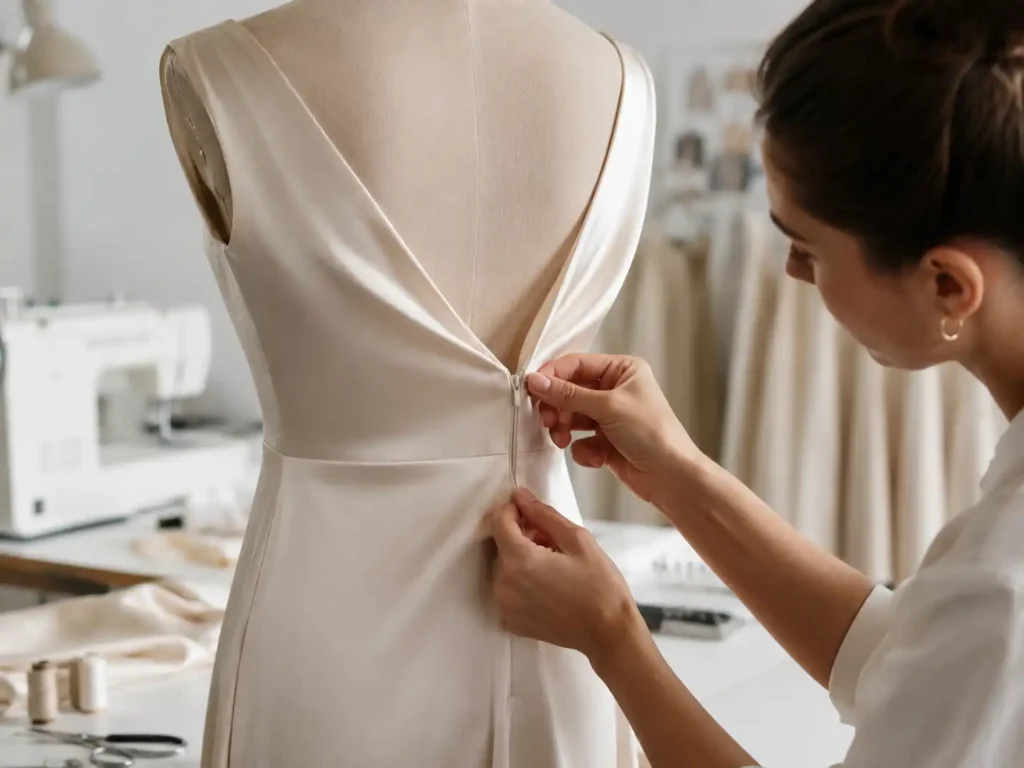
Zippers and Openings

Lining and Coverage

Slits and Hems
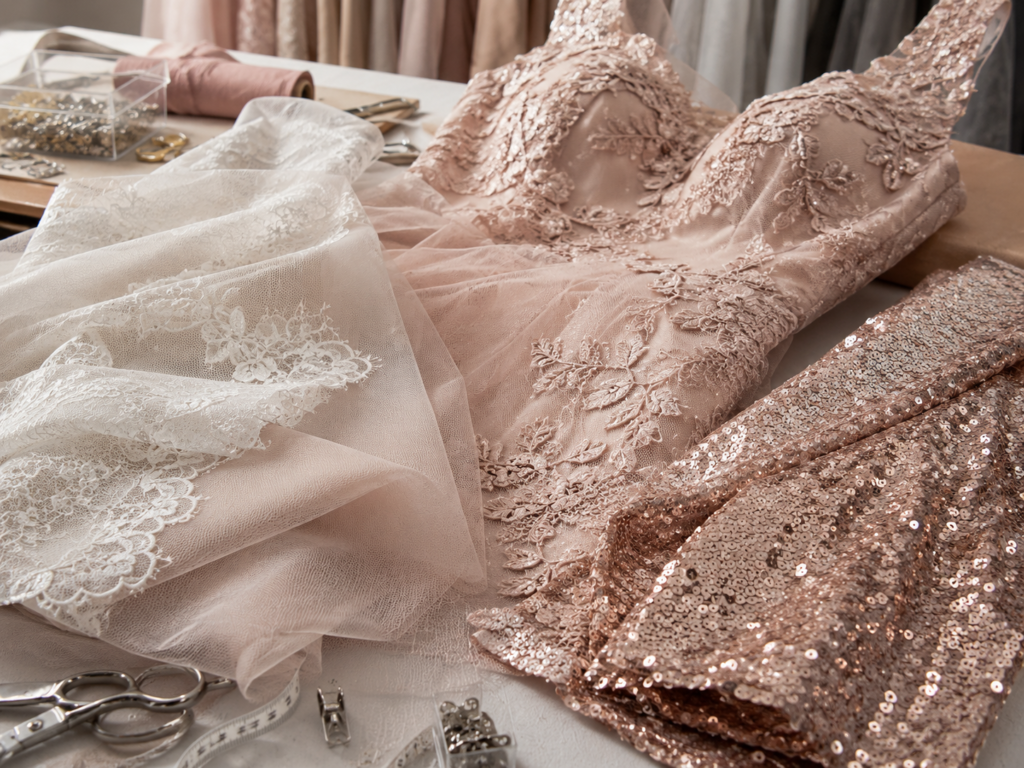
Lace and Sequin Placement

Pressing and Final Shape
Sampling and Approval Gates for Multi-Style Programs
Sampling is a controlled conversion from creative direction into production standards. Every version has a defined purpose, owner and release condition so a collection can move quickly without losing technical clarity.
| Stage | Brand Input | Jinfeng Output | Release Condition |
|---|---|---|---|
| Project Review | Tech pack, line sheet, reference sample, target quantity, size range, launch requirement | Construction review, fabric direction, trim list, quotation inputs, risk notes | Development scope accepted |
| Fabric and Trim Approval | Material preference, color standard, brand requirements | Swatches, trim options, lining direction, availability and MOQ notes | Selected materials approved |
| First / Fit Sample | Base size chart and fit direction | Pattern, first garment, measurements, front-side-back review | Fit comments issued |
| Revised Sample | Consolidated comments and approved change list | Updated pattern, measurement record, construction and material changes | Revision approved |
| Photo-Ready / Salesman Sample | Campaign or selling-sample requirement | Presentation-focused sample aligned with approved fit and material direction | Content or sales use approved |
| PP Sample | Final fabric, color, trims, labels, packaging and size standards | Production-standard garment with final files | Bulk release approved |
| Golden Sample | Final accepted standard | Sealed comparison reference for production and QC | Reference retained |
| Bulk Handover | Confirmed PO, ratios, delivery and warehouse rules | Production order, BOM, sewing instruction, QC and packing files | Factory allocation released |
Priority Planning for 10-30 Styles
Large assortments are not sampled as one undifferentiated queue. Hero campaign styles, core commercial styles, fabric-dependent products and high-risk constructions are grouped separately. Styles needed for photography can move first, while complex corset, lace, mesh or sequin pieces receive additional validation before PP approval. Shared fabrics and trims are also identified so approvals can benefit several styles without hiding style-specific fit or construction differences.
Version Control Before Bulk Release
Every important change is assigned to a sample version and transferred into updated technical records. Fit comments, fabric replacement, trim adjustment, label position and packaging changes are consolidated before a revised sample is made. PP approval locks the final pattern, measurements, materials, construction and private-label details. Later changes are evaluated for cost, material availability and production impact rather than inserted informally after bulk work has begun.
Multi-Style Project Management Without Crossed Instructions
Style Codes
Fabric Groups
Sample Priority
Approval Gates
Factory Allocation
SKU and Packing
Bulk Production Built Around Approved Product Standards
Bulk production begins after PP approval and material readiness. Jinfeng Apparel uses factory allocation, production files and in-process inspection to carry approved design details into repeatable output.
Capacity Allocation by Product Risk
Jinfeng Apparel operates 6 owned women’s fashion factories and works with 10+ long-term production partners. More than 18 sewing lines, including 6+ flexible lines, support regular monthly capacity above 100,000 pieces. Allocation is not made by volume alone. Satin, stretch knit, lace, mesh, sequin, corset and layered occasion styles are matched with lines familiar with the relevant handling and construction. Order quantity, size range, material arrival, inspection requirement and delivery priority are reviewed together before the production plan is confirmed.
PP Lock and Production File Release
The PP standard locks fabric, color, lining, trims, measurements, construction, labels, hangtags, polybags, carton marks and packing method. Final patterns, graded size charts, BOM files, sewing instructions, trim cards, approved samples and QC checklists are released to the responsible production team. Any requested change after release is assessed for pattern impact, material replacement, work already completed, cost and schedule. A controlled change process protects the brand from hidden variation introduced during production.
Cutting and Sewing Controls
Incoming fabric is checked before cutting for color, width, visible defects, stretch direction, print or motif direction and relevant batch information. Cutting bundles are separated by style, color and size. Sewing instructions define seam allowance, stitch type, stitch density, zipper position, lining method, ruching, strap placement and decorative details. Inline inspection focuses on high-risk points early enough to prevent repeated errors from spreading through a full production lot.
Finishing, Pressing and Packing Handover
Completed garments move through thread cleaning, finishing, pressing, measurement review, visual inspection and functional checks. Pressing standards reflect the fabric surface so satin is not marked, velvet is not crushed and sequins are not damaged. Approved label, barcode and packing files are verified before garments enter polybags and cartons. The packing team then prepares carton breakdowns, marks and shipment data according to warehouse and forwarder instructions.
Quality Controls Focused on Ecommerce Return Risks
Incoming Fabric QC
Trim Inspection
Cutting Inspection
Inline Sewing Check
Measurement Control
Visual and Functional Review
Pressing and Presentation
Packing QC
Reducing Returns Before Inventory Reaches the Warehouse
Fit-Related Returns
Comfort and Transparency
Finish and Function
SKU and Packing Accuracy
Private-Label Packing Ready for Shopify Fulfillment
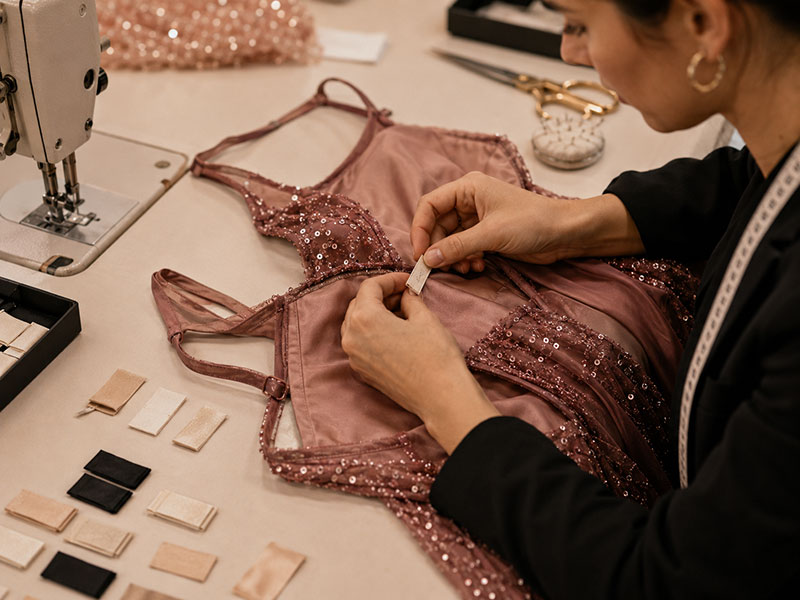
Woven and Size Labels

Care and Composition
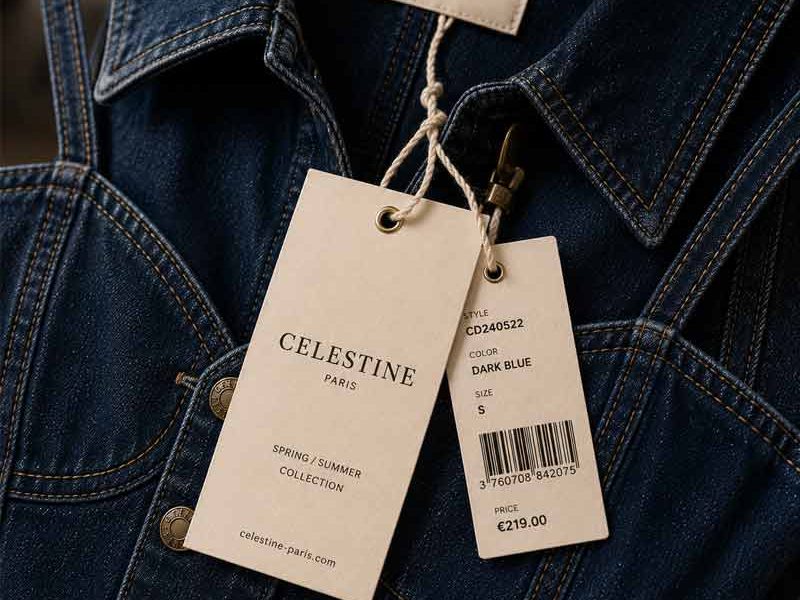
Hangtags and Barcodes
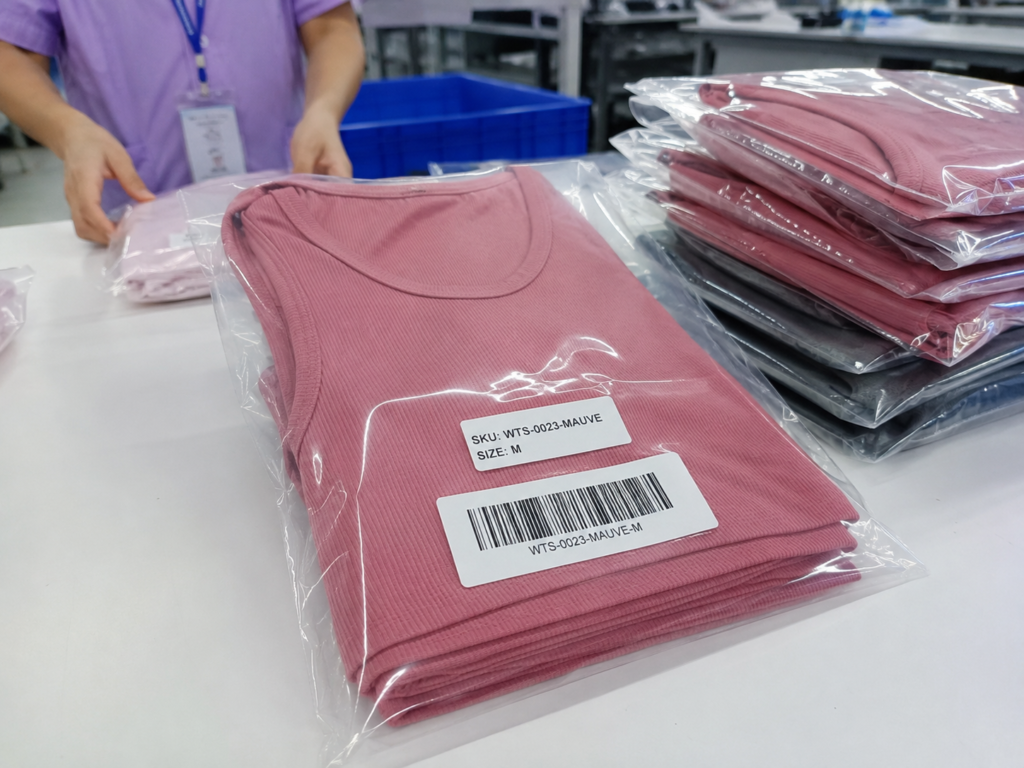
Polybags and SKU Marks
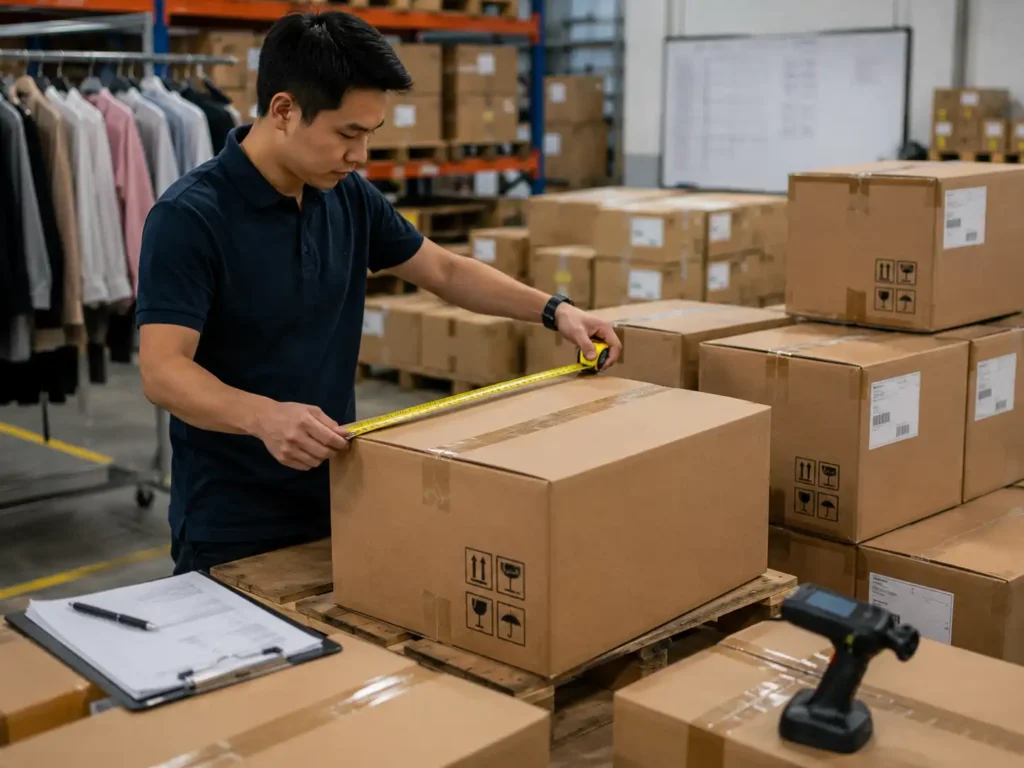
Carton Ratios and Marks
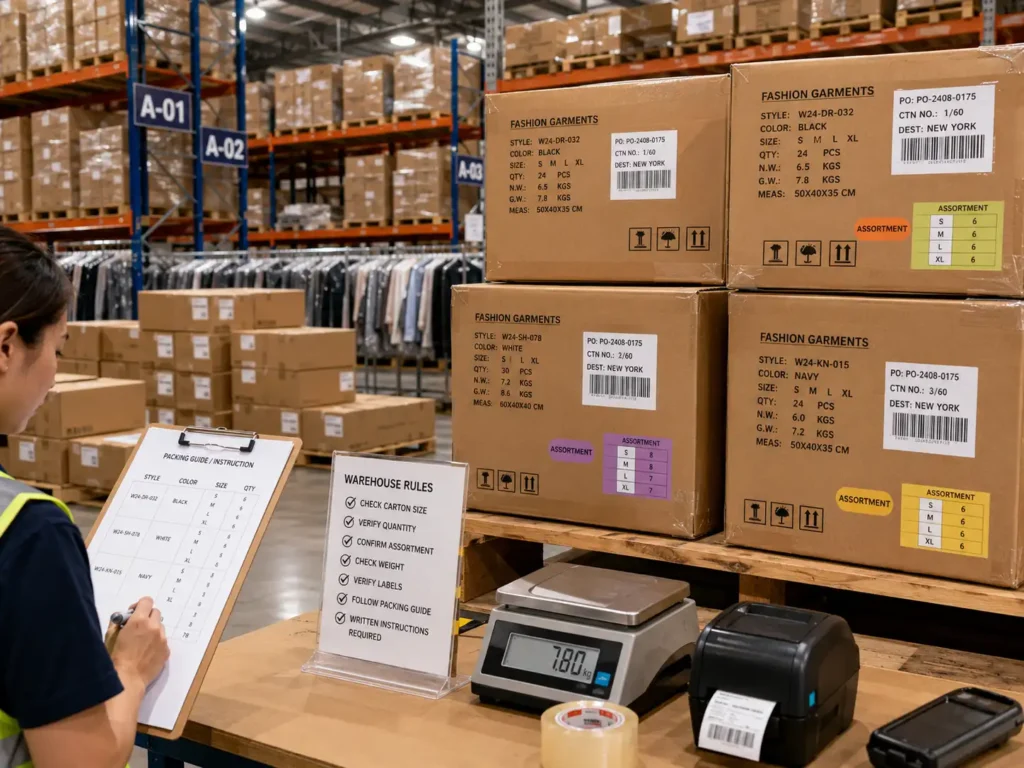
Export and Forwarder Files

Launch Calendar Planning From Campaign Date Backward
A production promise is meaningful only when it connects photography, approval, manufacturing, packing, transit and warehouse receiving. Scheduling begins with the required commercial date and works backward through each gate.
- Build the Calendar Around Approval Dates
The launch plan identifies campaign sample needs, fit approval, fabric and trim confirmation, PP release, bulk material arrival, production allocation, QC window, packing window, shipment booking and warehouse receiving. Established Shopify brands often have different dates for photography, prelaunch content, product upload and stock availability. Separating these dates prevents a photo-sample deadline from being confused with a bulk delivery commitment.
- Use Shipment Splits for Commercial Priority
When launch timing is tight, selected styles, colors or quantities may move first by air while the main volume moves by sea. A split can also separate campaign-priority SKUs, warehouse destinations or replenishment groups. Logistics cannot replace late PP approval or missing materials, so the split is planned together with production, carton data and warehouse instructions. Each shipment receives an independent packing list and traceable style-color-size breakdown.
- Control Changes After the Calendar Is Locked
Late changes to fabric, color, fit, trims, labels or packaging can move several downstream dates at once. Jinfeng Apparel records the requested change, identifies affected styles and evaluates whether new sampling, material ordering or revised production files are required. Clear change control gives merchandising teams a realistic decision: protect the launch date, accept a revised date, split the shipment or remove a high-risk variation from the current drop.
Reorder Systems for Proven Shopify Bestsellers
Technical Record Retention
Material Revalidation
Priority Replenishment
Multi-Batch Delivery
Anonymized Collection Programs With Realistic Order Scale

18-Style Occasion and Going-Out Collection - 36,800 Pieces
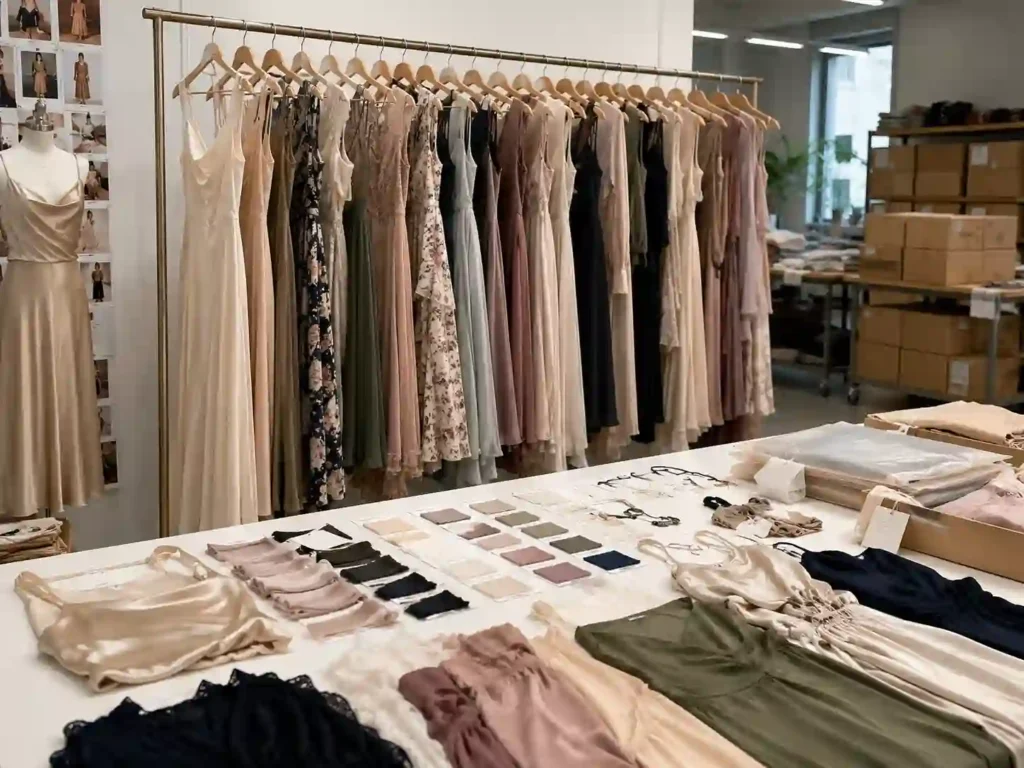
27-Style Seasonal Shopify Drop - 72,000 Pieces
The program included mini, midi and maxi dresses, matching sets and jumpsuits in nine commercial colors, six fabric groups and sizes XS through XXL. Three warehouse destinations required separate barcode lists, carton marks and size-ratio packing. Sample priority followed photography date, construction risk and sales forecast. Shared fabrics were approved as groups, while fit and PP approval remained style-specific. The phased production plan covered 52 days after final PP release and confirmed material arrival.
Approximately 15% of launch-priority units were allocated to air shipment, with the remaining volume prepared for sea freight by warehouse destination. Pattern, BOM, QC and packing records were retained for reorder planning. The operating result was not based on rushing every style equally; progress came from controlled priorities, parallel approvals and traceable shipment groups.
Brand Protection, Compliance and Inspection Support
NDA and Design Protection
Compliance by Project
Inspection Cooperation
Project Fit for Established Shopify Dress Brands
Strong Program Fit
Information for Review
Frequently Asked Questions for Established Shopify Brands

Send Your Dress Collection for Manufacturing Review
Share enough information for a useful project assessment rather than a generic price response. Kelly will coordinate the first review with product development, fabric, sampling and production teams. The response can address style complexity, fabric direction, MOQ fit, sample priorities, bulk allocation, private-label requirements and delivery planning. For a 10-30 style collection, a line sheet is especially useful because it shows how the assortment should be grouped before individual styles enter sampling.
- Line sheet, tech packs, sketches, original samples or reference images
- Target quantity by style and color, plus planned size range
- Preferred fabrics, colors, trims and construction details
- Campaign, launch or warehouse receiving date
- Main label, care label, hangtag, barcode and packaging files
- Destination, forwarder details, trade terms and inspection requirements


