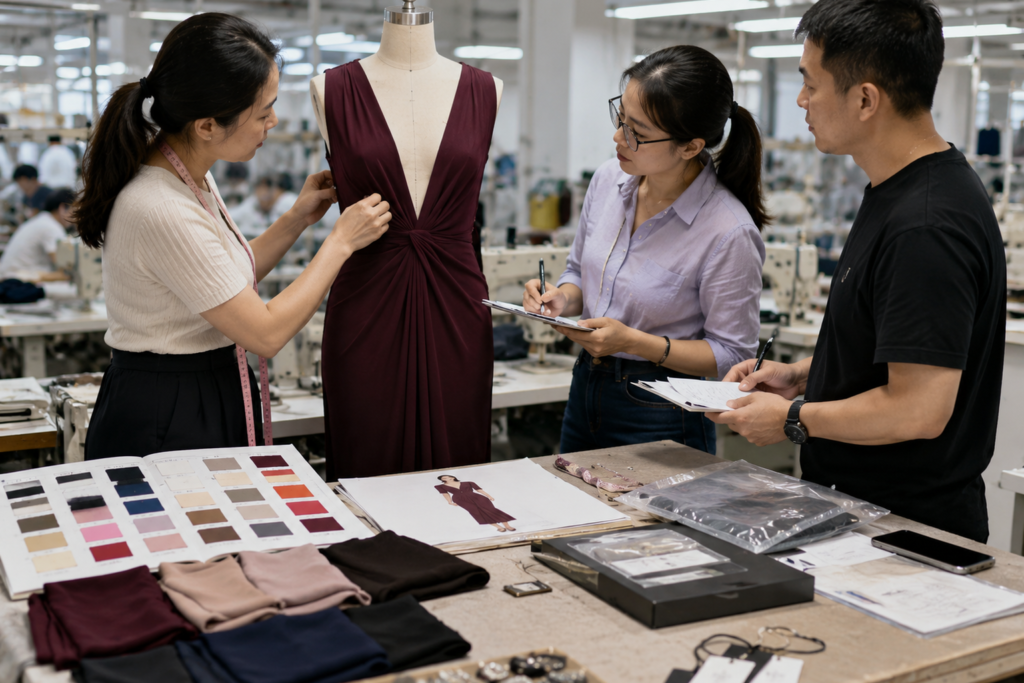
Dress Manufacturer for Premium Online Retailers
Premium online retailers need more than a sewing supplier. Strong collections depend on fabric appearance, controlled fit, consistent bulk execution, retail-ready labeling and a launch schedule that works across photography, merchandising, production and delivery. Jinfeng Apparel supports established fashion retailers with custom dress development from product brief to repeat production.
- Collection programs commonly include 10-30 stylesacross coordinated fabrics, colors and size ranges.
- Brand orders can be organized for 20,000-80,000 total garmentsthrough planned style, color and size allocation.
- Development is supported by 2 sample rooms, 7+ senior pattern makers and 20+ sample machinists.
- Standard production starts from 200 pcs per style/color, subject to fabric, trims and construction requirements.
- Production resources include 6 owned women’s fashion factories, 10+ long-term satellite partners and 100,000+ pcs monthly capacity.
Manufacturing Scale Built for Online Retail Growth
Since 2008
6 Owned Factories
10+ Production Partners
2 Sample Rooms
7+ Pattern Makers
15+ QC Inspectors
Built for Premium Online Retailers With Clear Growth Plans
Best Fit for Jinfeng
- Premium ecommerce womenswear collections
- Established DTC fashion labels
- Occasionwear, partywear and resortwear retailers
- Multi-brand online stores developing private labels
- Fashion groups managing several dress categories
- Retailers planning seasonal drops and repeat orders
Not Designed for
- Single-piece dropshipping fulfillment
- Ready-stock dress purchasing
- One-off personal orders
- No-MOQ requests
- 1-50 piece trial orders
- Lowest-price-only sourcing with no quality plan
Online Retail Risks Controlled Before They Reach Market
Image-to-Product Gap
Fit and Return Risk
Sample-to-Bulk Drift
Missed Launch Dates
SKU Packing Errors
Unstable Restocking
Dress Categories for Premium Online Assortments
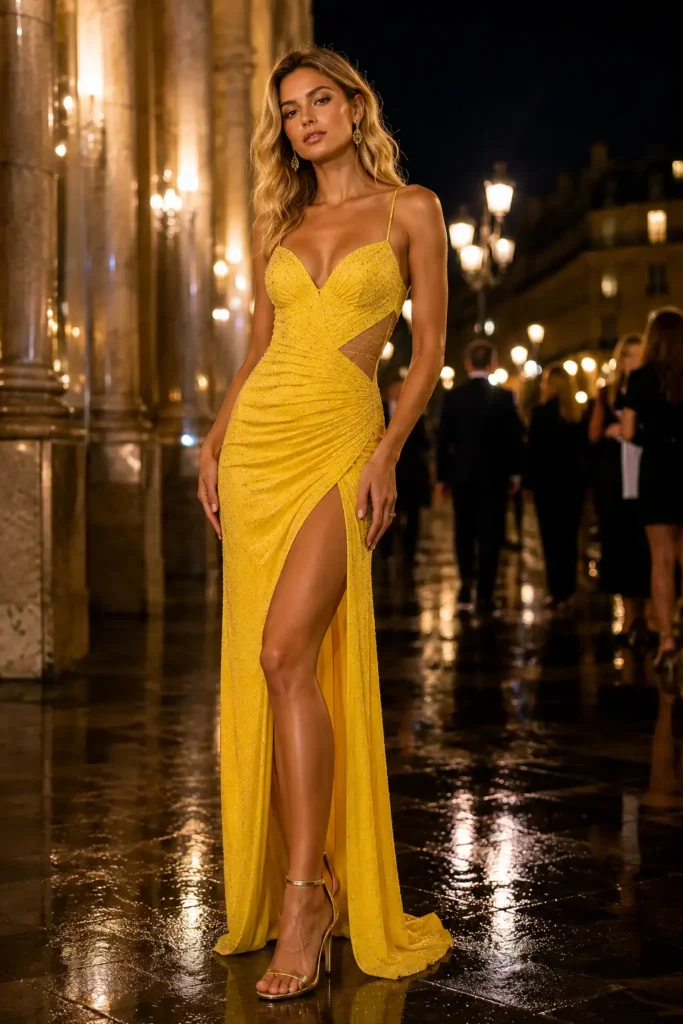
Party Dresses
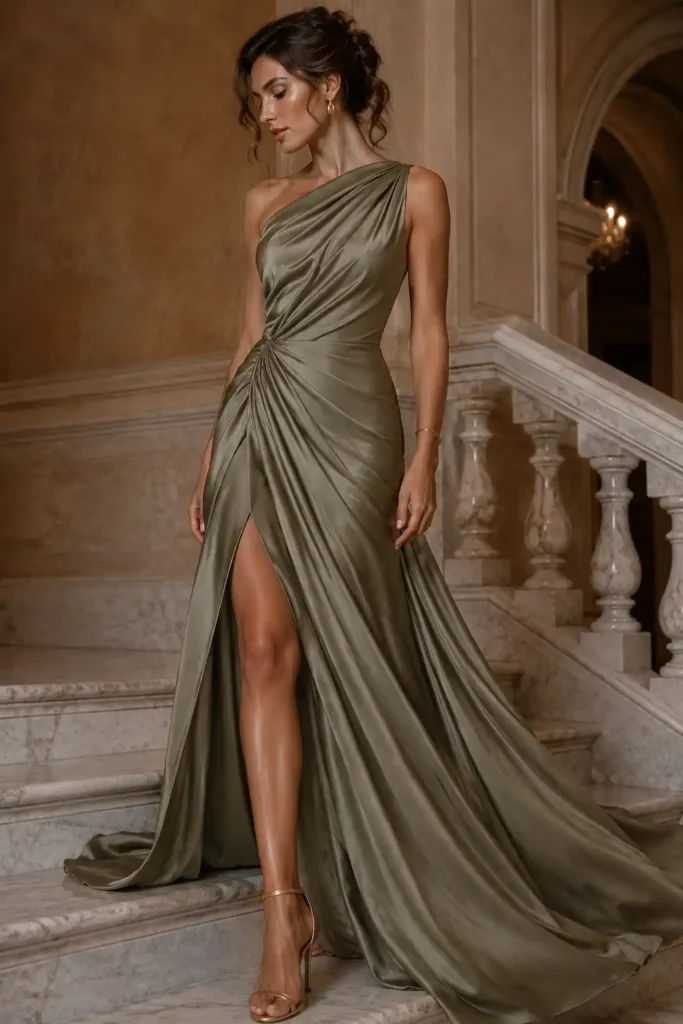
Occasion Dresses
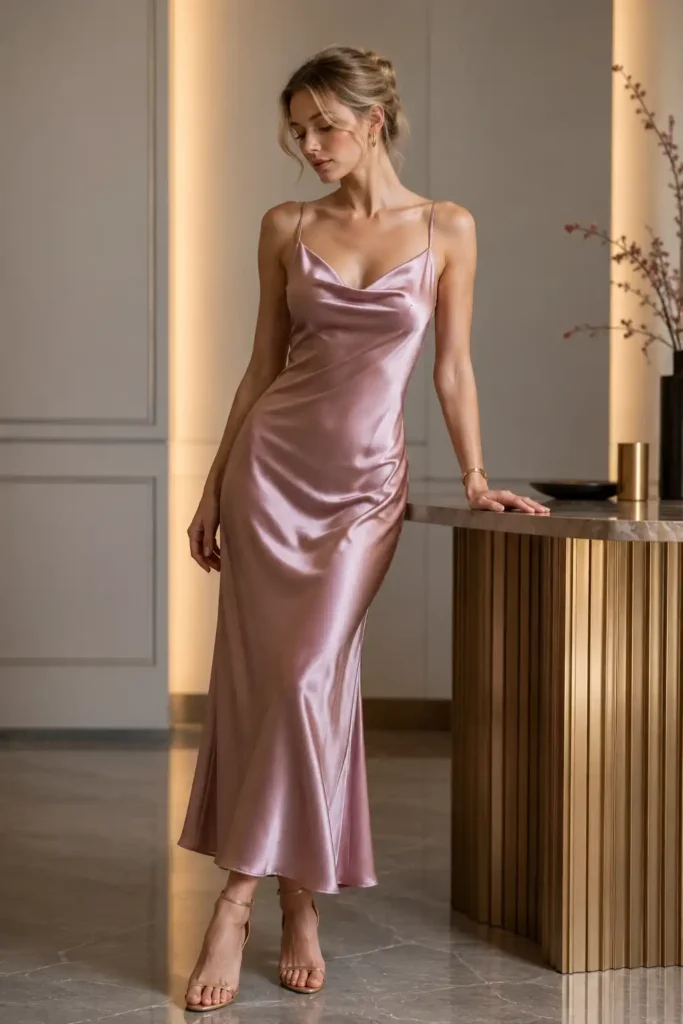
Satin Dresses

Mesh Dresses
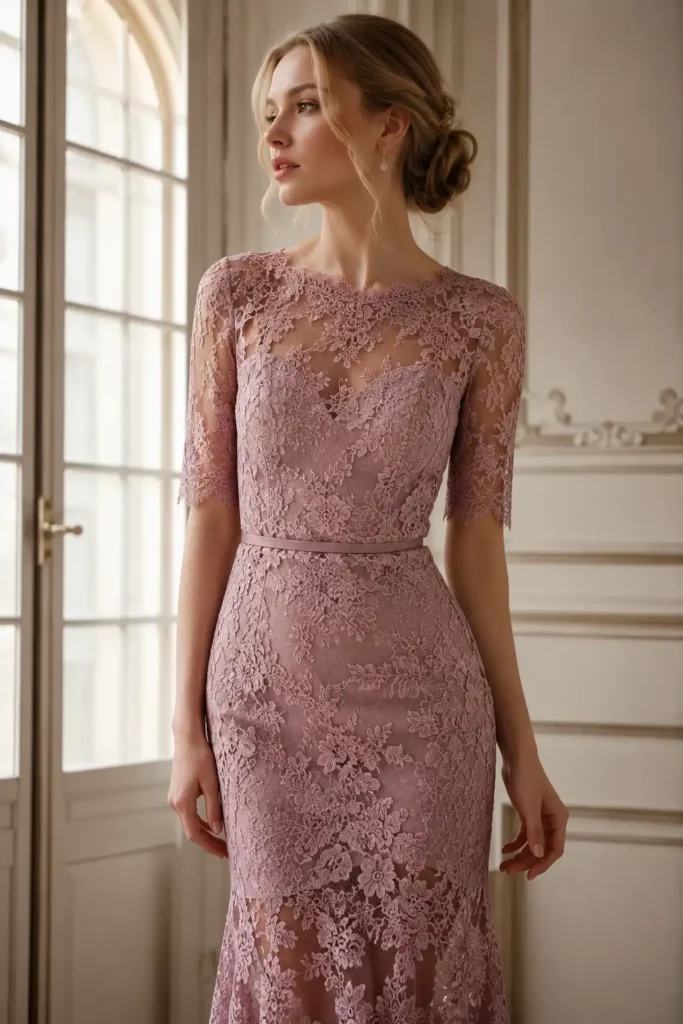
Lace Dresses
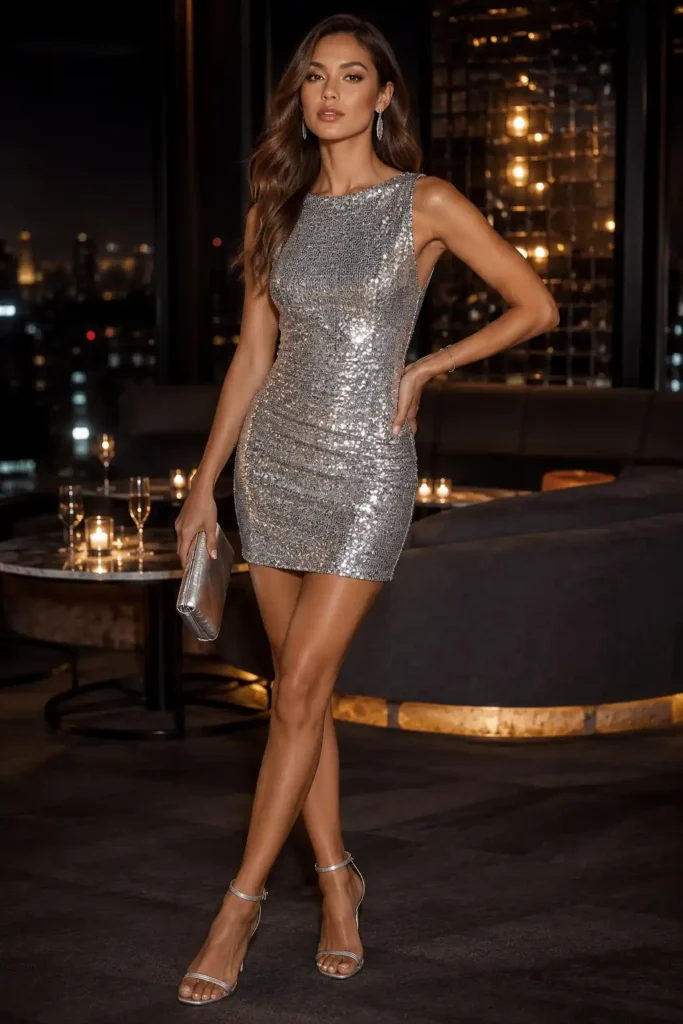
Sequin Dresses

Bodycon Dresses
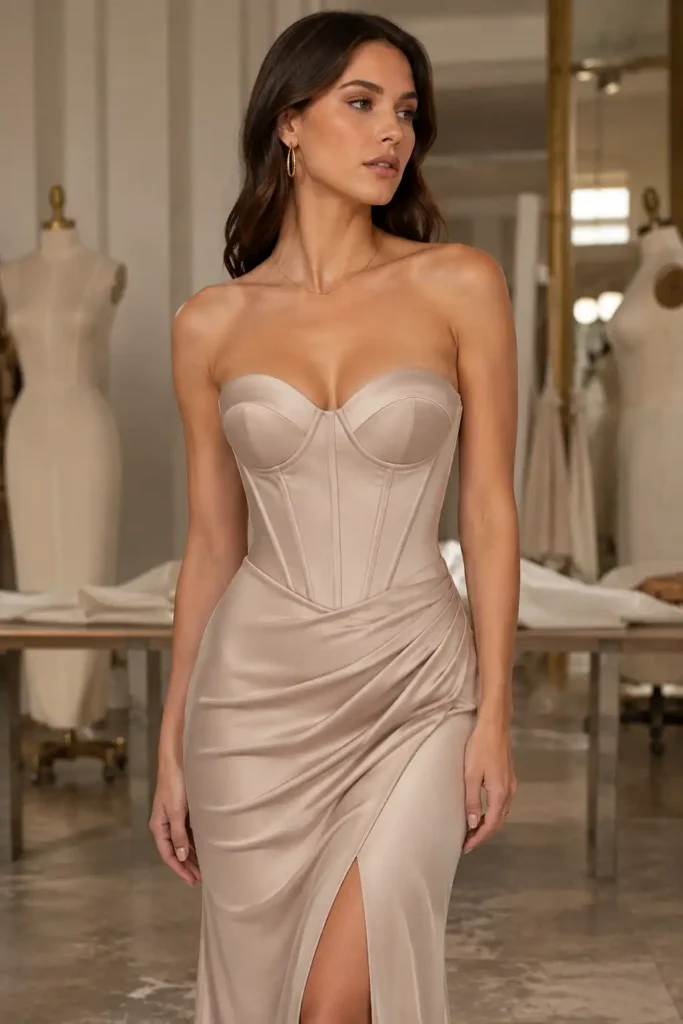
Corset Dresses
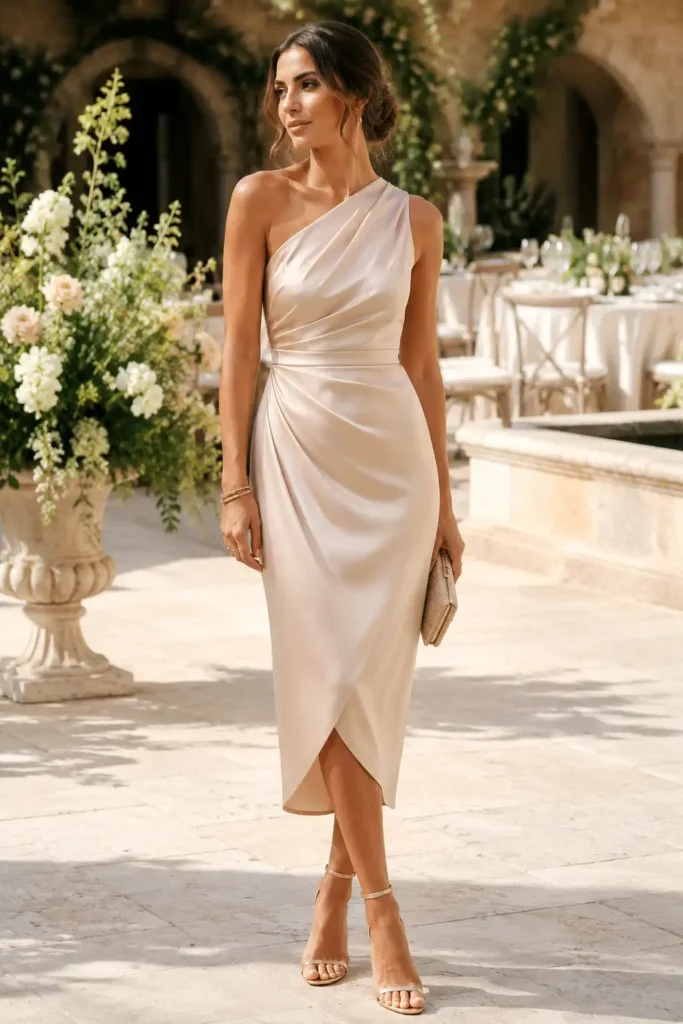
Wedding Guest Dresses

Graduation Dresses
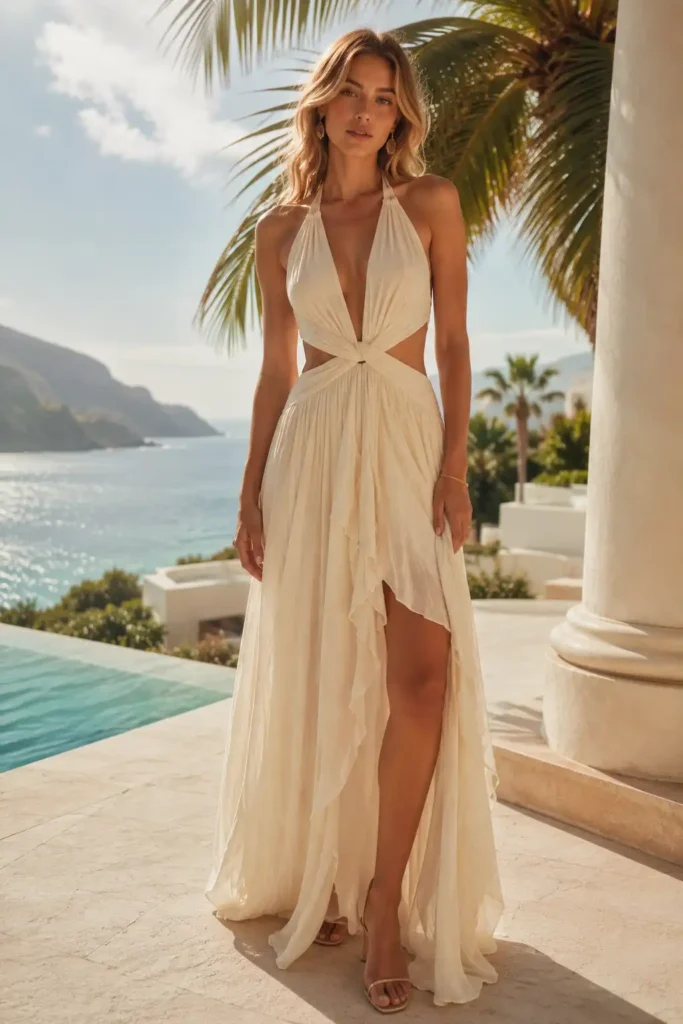
Resort Dresses

Jumpsuits and Sets
Fit Control That Protects the Wearing Experience
Fit is developed as a system, not a single list of measurements. The same bust, waist and hip values can produce very different results depending on shoulder balance, torso length, neckline shape, fabric stretch, seam position and internal support. Jinfeng reviews these relationships during pattern work, fitting and size grading.

Bust, Neckline and Shoulder Balance
The upper body controls how a dress sits, moves and photographs. Bust shaping may come from darts, princess seams, gathers, cups, stretch or internal panels. Neckline depth and width influence coverage and stability, while shoulder slope affects armhole position and strap behavior. For strapless or asymmetrical styles, support cannot rely on visual shape alone. Boning, elastic, grip tape, cups or internal mesh may be needed according to the fabric and intended wear.
Review points include:
- Bust point position
- Cup depth and seam shaping
- Neckline opening and coverage
- Shoulder slope and armhole balance
- Strap length, angle and attachment
- Underarm height and gaping
- Internal support requirements

Waist, Hip and Torso Proportion
A fitted dress can look incorrect even when each circumference meets the specification. Waist placement, torso length and hip depth determine where the garment shapes the body. Bodycon and corset styles are especially sensitive because excessive negative ease can distort seams, expose lining or restrict movement. Woven occasion dresses require enough shaping to create definition without introducing drag lines or pressure at closures.
Review points include:
- Natural and design waist positions
- Front and back torso lengths
- High-hip and full-hip levels
- Side seam balance
- Zipper strain and closure alignment
- Sitting and walking ease
- Lining movement relative to shell fabric

Length, Slits and Hem Balance
Mini, midi and maxi lengths require proportion control across sizes. A hem cannot always increase by the same amount as body measurements because the visual balance may change. Slit position and opening need to support movement while remaining stable during sitting and walking. Bias-cut fabrics, chiffon layers and stretch materials may drop after hanging, so final hem approval should consider resting time and production handling.
Review points include:
- Center-front and center-back length
- Side seam and high-low balance
- Slit height and reinforcement
- Layered hem alignment
- Bias drop after hanging
- Heel allowance for floor-length styles
- Packing method to protect pressed hems

Size Grading and Measurement Tolerance
A strong medium-size sample does not guarantee a reliable size range.
Grading rules determine how neckline, straps, armholes, waist placement, cup depth and length change from one size to another.
Jinfeng reviews grading around garment structure and target-market proportions rather than increasing every measurement mechanically.
Critical points are selected for measurement inspection, with agreed tolerances based on fabric and construction.
Stretch garments, structured corset styles and long bias dresses require different control logic.
Finished garments are measured after appropriate resting and pressing conditions so results reflect the actual product state.
From Product Brief to Approved Sample
Development begins with a technical and commercial review. Product intention, fabric direction, target quantity, retail timing and packaging requirements are considered together. Early decisions are recorded so sample revisions lead toward a production-ready standard rather than an attractive one-off garment that cannot be repeated.

Project and Construction Review
Jinfeng can start from a tech pack, original sample, line sheet, sketch or detailed reference image. The development team identifies visible design features and hidden construction needs, including lining, interfacing, cups, boning, zippers, closures, seam finishes, embellishment placement and pressing limitations.
Questions raised before pattern work may include:
- Is the intended fabric suitable for the silhouette?
- Does the neckline need internal support?
- Can the requested detail be repeated in bulk?
- Will the design remain comfortable across the size range?
- Are special trims or custom colors subject to supplier minimums?
- Does the launch date allow enough time for testing and approval?
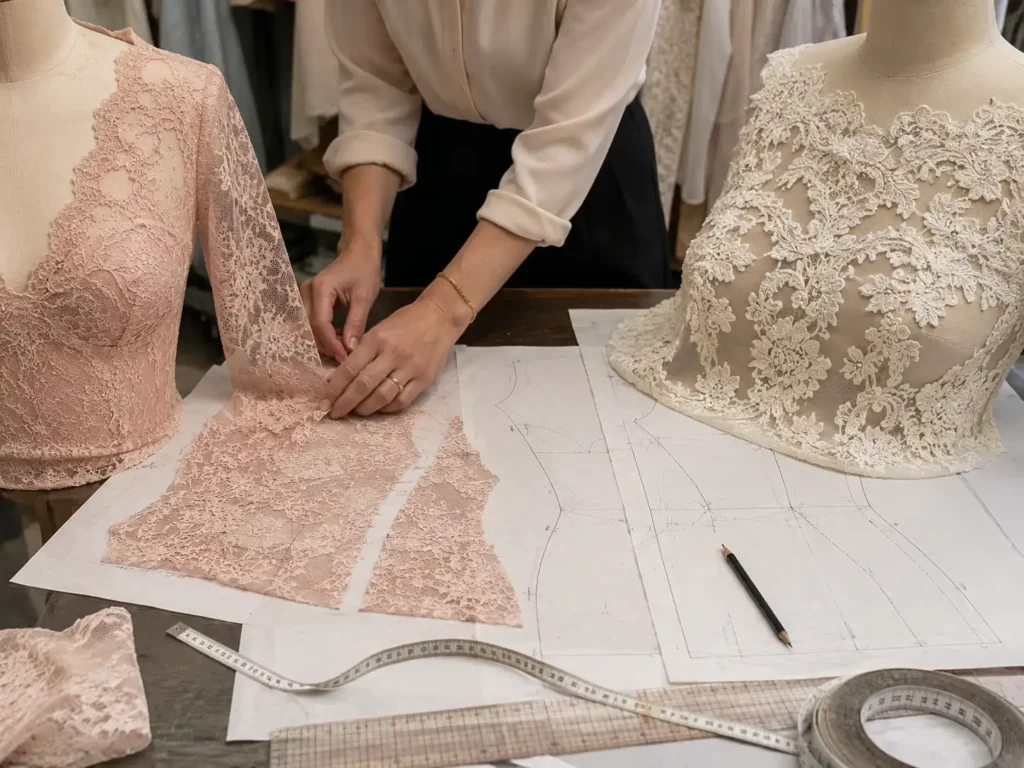
Pattern Development and First Sample
Pattern development translates design intent into garment structure. The first sample is used to evaluate silhouette, proportion, construction, fabric behavior and major fit relationships. It is not treated as a final commercial approval. Notes from the first review are converted into measurable changes, marked pattern corrections and updated construction instructions.
Indicative development timing:
- Straightforward fashion dress: 7-10 days
- Standard custom dress: 10-15 days
- Medium-complexity dress, set or jumpsuit: 12-18 days
- Corset, lace, mesh or sequin style: 15-25 days
- Custom-developed material or trim: timing confirmed after supplier review

Revision and Photo-Ready Samples
Revision samples should solve defined issues rather than repeat the first sample with vague adjustments. Feedback is organized by fit, appearance, construction, material and workmanship. When a brand needs a sample for photography, Jinfeng can plan a photo-ready version after the major structure and fabric direction are stable. Campaign samples may receive extra finishing, but their approved construction must remain transferable to bulk production.
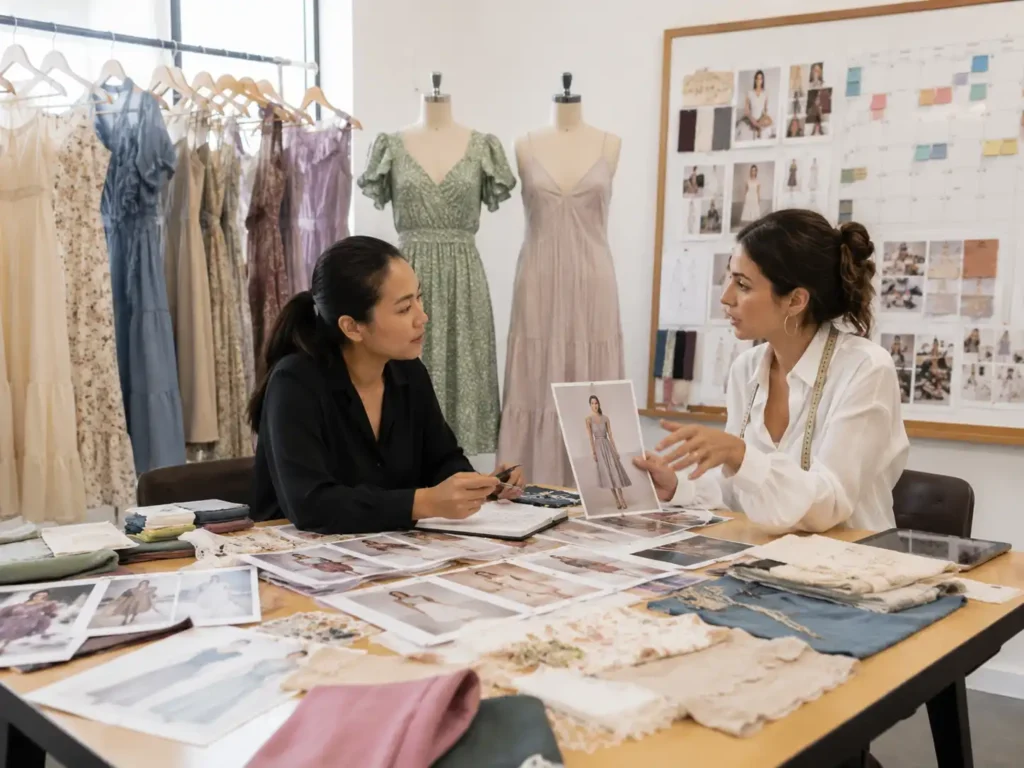
PP Sample and Golden Sample
The pre-production sample confirms the intended production material, construction, measurements, labels and finishing. Approval should occur before bulk cutting. A sealed golden sample provides a physical reference for sewing, inspection, pressing, packing and repeat orders. Changes after PP approval are documented because fabric, pattern, trim or packaging revisions can affect cost, timing and production consistency.
Multi-Style Development for Seasonal Product Drops
Line Sheet Review
Fabric Grouping
Complexity Mapping
Hero Style Priority
Revision Tracking
Approval Status Control
Capacity Planned Around Style Complexity and Timing
100,000+ Monthly Capacity
18+ Sewing Lines
6+ Flexible Lines
Multi-Factory Allocation
A 10-30 style program may be divided by fabric category, construction type, order quantity or delivery phase. Allocation is planned centrally so quality references, measurements, labels and packing instructions remain aligned even when more than one production unit is involved.
12+ Merchandising Staff
30+ Finishing Staff
Quality Control for Ecommerce-Ready Dresses

Fabric and Color Control
Fabric is reviewed for visible defects, shade consistency, directional surface, width and agreed performance points.
Rolls or dye lots are identified to reduce uncontrolled shade mixing.
Delicate materials are handled according to snagging, pressure and pressing sensitivity.

Construction and Workmanship
Sewing inspection focuses on the operations that influence appearance, strength and comfort. Critical areas include neckline support, straps, underarms, zippers, boning, cups, side seams, slits, hems and lining attachment. Seam allowance and stitch selection are checked where fabric behavior makes them important.
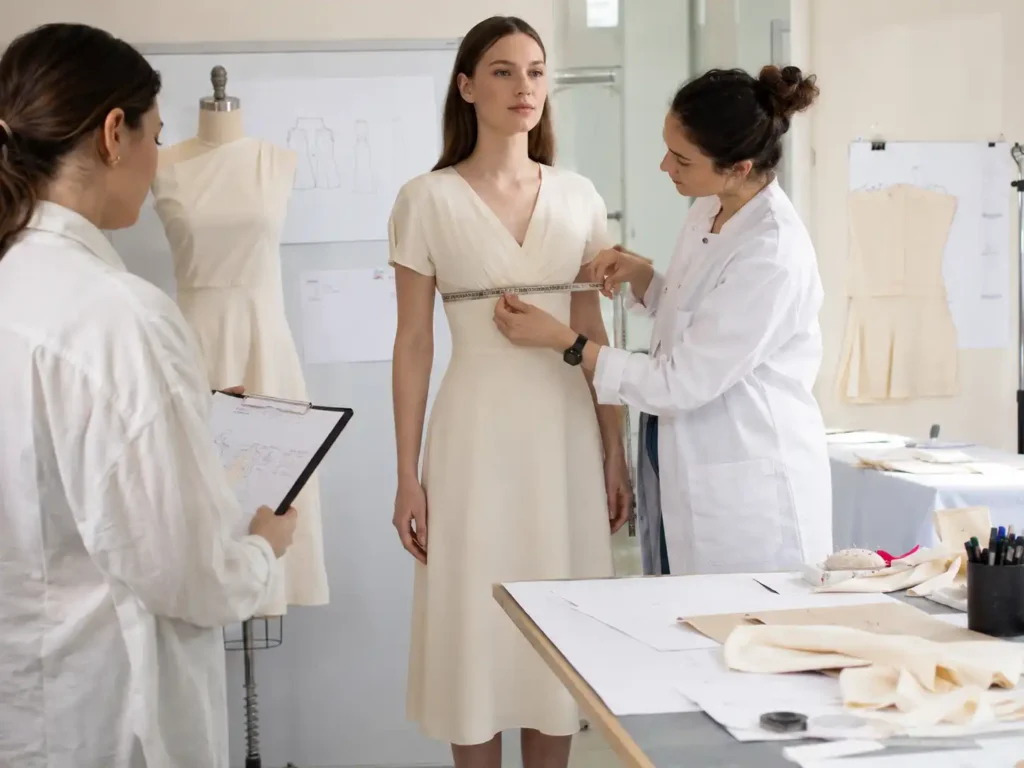
Measurement and Fit Points
Finished measurements are checked at agreed critical points. Bust, waist, hip, length, armhole, strap, neckline, slit and torso measurements may be selected according to the style.
Stretch garments are allowed to rest before final measuring when needed, and tolerances are set according to construction and material behavior.

Appearance and Pressing
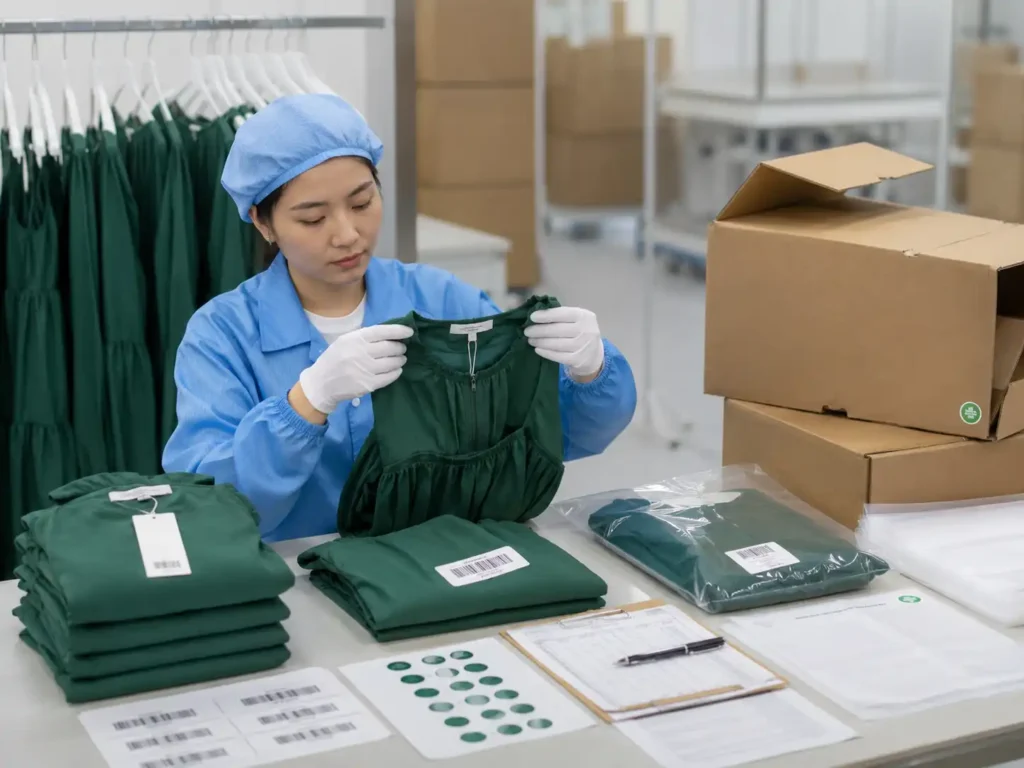
Label and Packaging Accuracy

Final Inspection Support
Private Label and Ecommerce-Ready Packaging

Woven Brand Labels
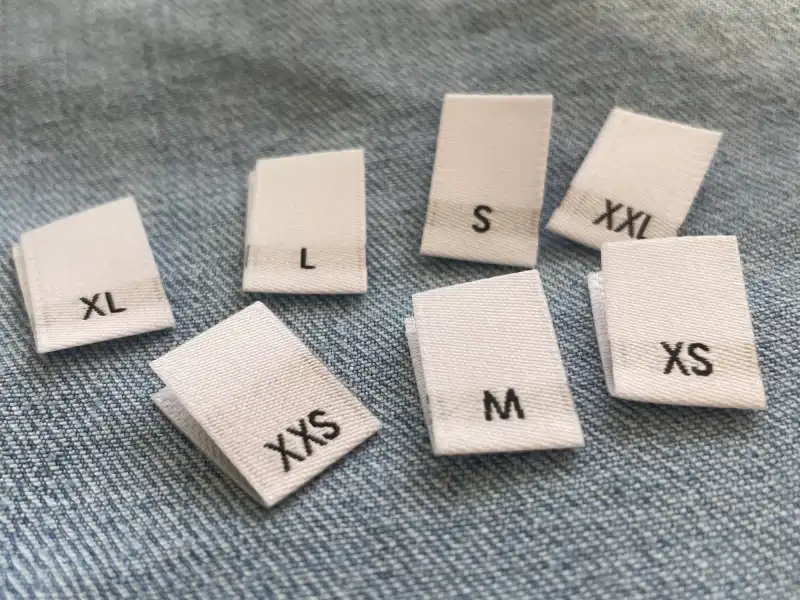
Size Labels
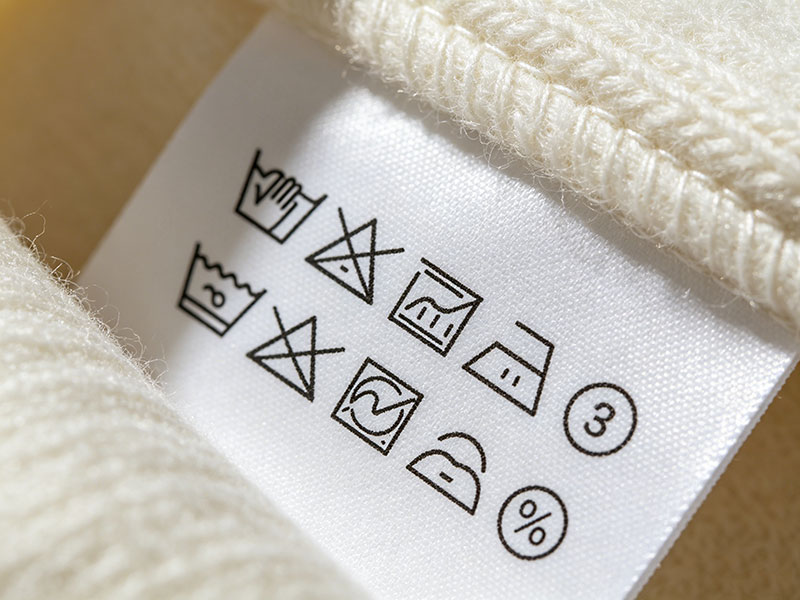
Care and Content Labels
Hangtags
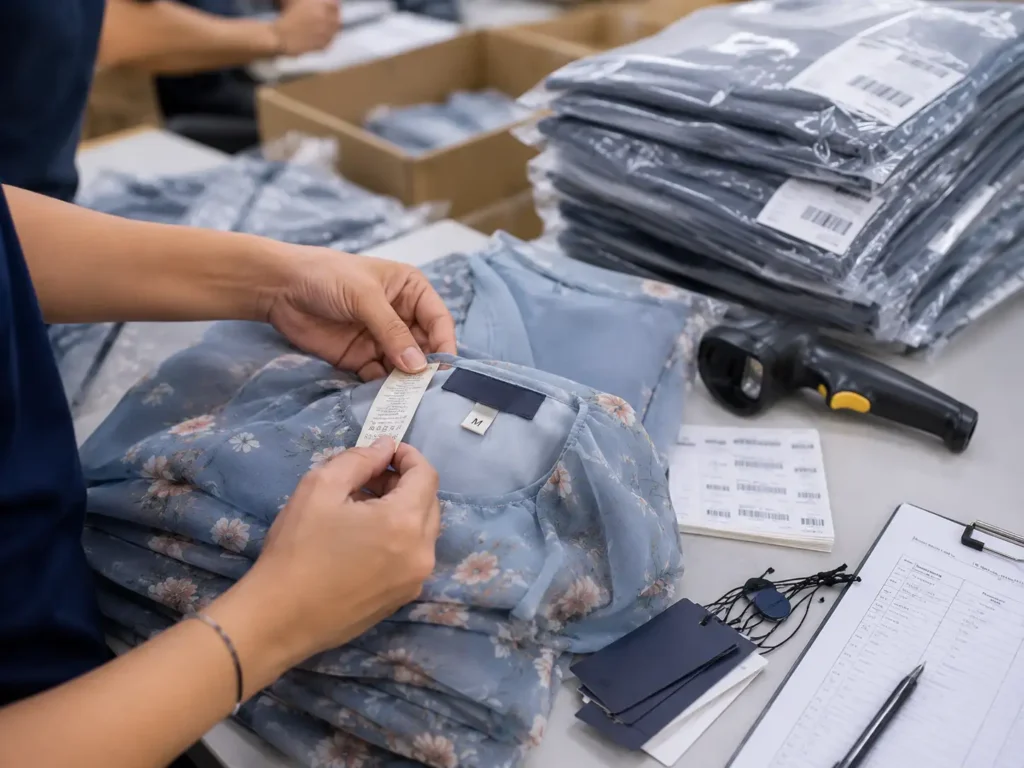
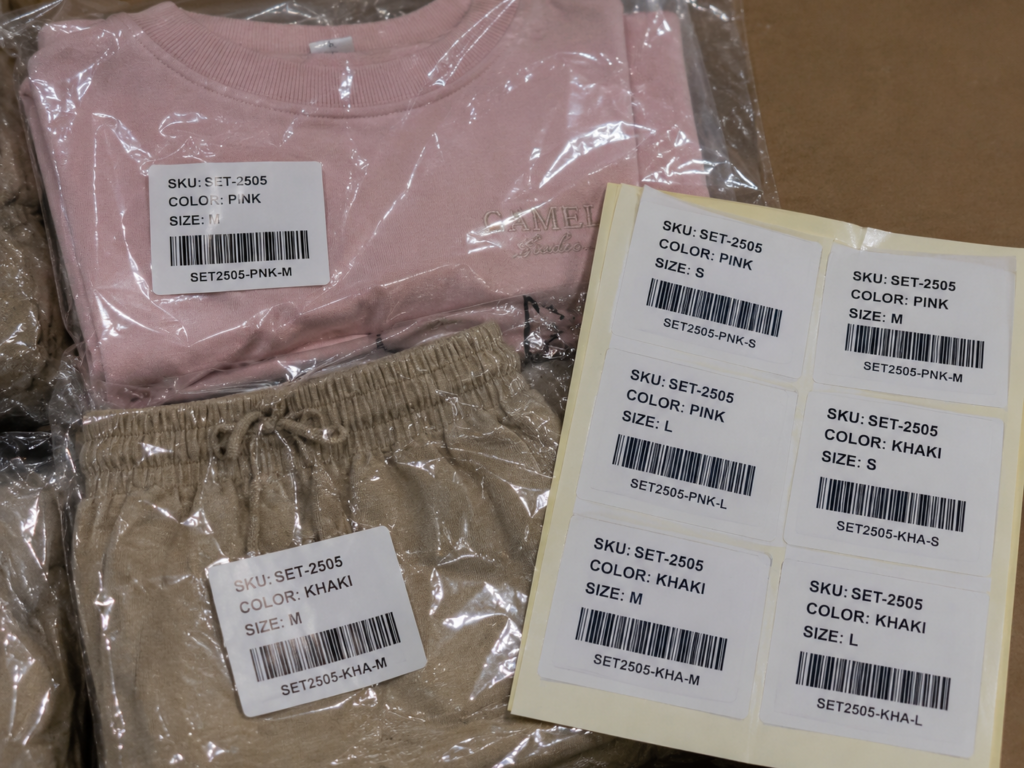
Barcode Stickers
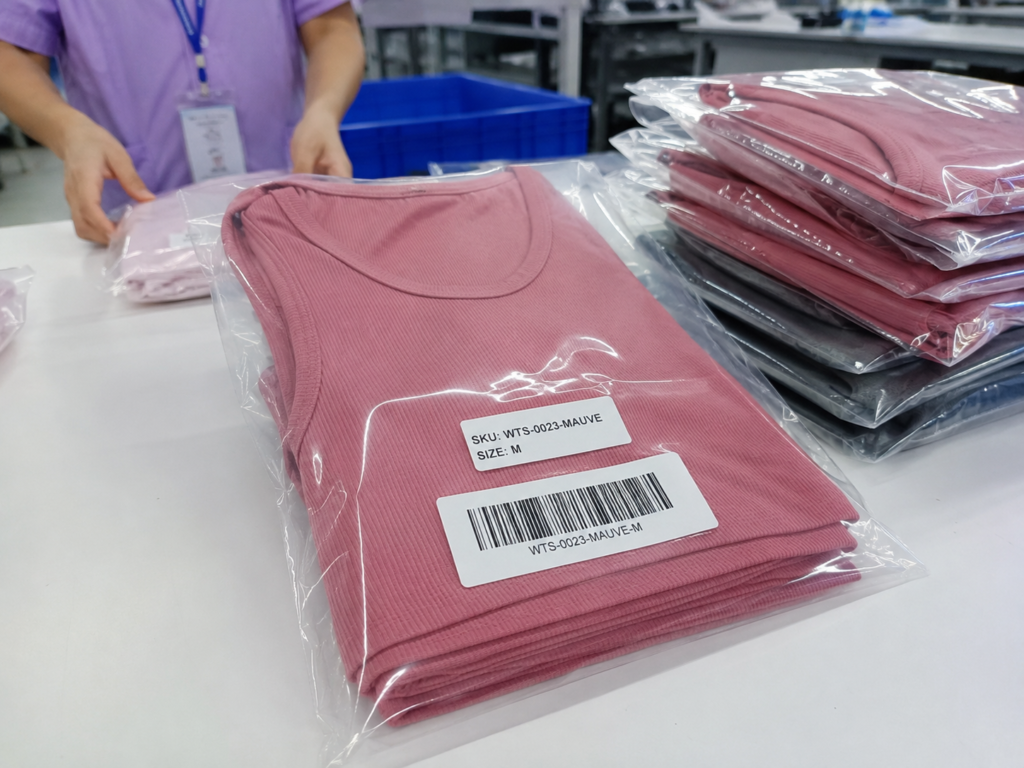
SKU and Color Labels
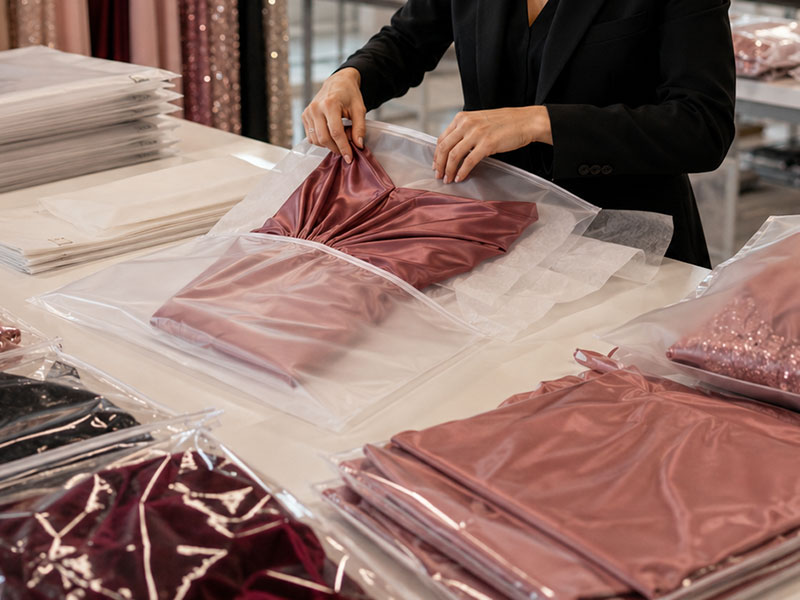
Individual Polybags

Carton Marks
MOQ and Cost Planning by Style and Material
The standard MOQ starts from 200 pcs per style/color. Final minimums and pricing depend on fabric availability, color development, trims, construction difficulty, size breakdown, packaging and production timing. Clear quantity planning helps protect both product quality and commercial cost.
| Order Condition | Manufacturing Impact | Planning Guidance |
|---|---|---|
| Stock fabric in standard color | Lower material setup and faster sourcing | Best route for meeting the standard MOQ when the selected quality is suitable |
| Custom-dyed fabric | Dye-house minimum, lab dips and extra approval time | Group styles by shared fabric and color where commercially appropriate |
| Custom print | Artwork, strike-off, printing minimum and placement risk | Confirm repeat size, color standard and production quantity before sampling |
| Special lace or sequin | Higher material waste and more complex workmanship | Approve motif placement, seam treatment and packing protection early |
| Corset construction | Cups, boning, panels, lining and skilled sewing time | Final price should follow approved internal structure rather than appearance alone |
| Multi-color style split | Lower quantity per color can raise material and production cost | Prioritize core colors and use planned replenishment for secondary colors |
| Extended size range | Grading, marker efficiency and fit review become more complex | Confirm size ratios and critical measurements before quotation is finalized |
| Custom labels and packaging | Artwork, printing minimum, packing labor and data control | Approve all files before bulk packing materials are ordered |
| Rush production or air freight | Capacity pressure and higher logistics cost | Identify hero SKUs and split delivery rather than rushing every style |
Project Management Across Every Order Stage

Development Coordination
- Tech pack and reference review
- Fabric and trim follow-up
- Sample calendar control
- Revision records
- PP approval tracking
- Development risk communication

Production and Quality
- Factory and line allocation
- Pre-production review
- First-piece approval
- In-line and end-line inspection
- Measurement and appearance checks
- Issue correction and follow-up

Packing and Delivery
- Label and packaging approval
- Barcode and SKU control
- Carton planning
- Packing-list accuracy
- Forwarder coordination
- Shipment-document support
Premium Online Retail Dress Manufacturing Case Studies
Premium online retailers require more than garment production. Successful collections depend on strong product presentation, accurate fit, consistent bulk quality, retail-ready packaging and reliable delivery. Jinfeng Apparel supports ecommerce brands from initial concept development to repeat production.

Development CoordinatioCase Study 1: Premium DTC Fashion Brand Launching an Occasion Dress Collectionn
A premium direct-to-consumer fashion brand planned a new occasionwear collection for online launch.
The brand focused on:
- Elevated womenswear
- Social-media-driven fashion
- Premium visual presentation
- Repeat seasonal drops
The collection included:
- Satin dresses
- Corset dresses
- Mesh occasion dresses
- Lace midi dresses
- Bodycon styles
Program scope:
- 20 styles
- 45,000 pieces
- XS-XXL size range
- Multiple colors
- Private-label packaging
Development Challenge
The brand needed products that looked strong online while maintaining production stability.
Main challenges:
Photography Requirements
Online images highlighted every detail:
- Fabric shine
- Silhouette shape
- Neckline balance
- Draping effect
- Surface finishing
Return Risk
The brand needed to reduce issues related to:
- Incorrect fit
- Poor sizing
- Transparency
- Uncomfortable structures
Jinfeng Solution
Jinfeng supported the complete product development process.
Result
The brand successfully launched:
- 20 premium dress styles
- 45,000 units production
- Stable size performance
- Retail-ready packaging
Approved patterns and production records supported future seasonal collections.

Case Study 2: Online Retailer Building a Seasonal Fashion Drop System
A growing online fashion retailer needed a manufacturing partner to support frequent seasonal launches.
The business model required:
- New styles every season
- Fast trend response
- Multiple product categories
- Controlled inventory planning
The collection included:
- Mini dresses
- Midi dresses
- Resort dresses
- Matching sets
- Jumpsuits
Development Challenge
The retailer faced challenges:
- Too many styles competing for development resources
- Different fabric requirements
- Limited approval time
- Need for campaign samples before launch
Jinfeng Solution
Jinfeng organized the collection through a structured development system.
Style Prioritization
Styles were divided into:
Hero Products
Used for:
- Campaign photography
- Homepage promotion
- Social media launch
Core Products
Used for:
- Main sales volume
- Repeat potential
Trend Products
Used for:
- Fashion testing
- Limited releases
Result
The retailer achieved:
- Faster seasonal development
- Better launch timing
- Reduced approval confusion
- More predictable inventory arrival
The collection system became a repeatable model for future drops.
Case Study 3: Ecommerce Brand Scaling Bestseller Dresses Into Repeat Production
An established ecommerce womenswear brand identified several bestselling dress silhouettes and wanted to expand them into long-term commercial products.
The focus included:
- Bestseller replenishment
- New color launches
- Seasonal variations
- Improved production consistency
Development Challenge
Previous suppliers created problems:
- Different fit between batches
- Fabric changes without approval
- Packaging inconsistencies
- Slow repeat development
The brand needed a manufacturing partner that could preserve product standards.
Jinfeng Solution
Jinfeng created a repeat-production system.
Technical Records
Maintained:
- Final patterns
- Size charts
- BOM files
- Fabric references
- Trim details
- QC standards
Repeat Order Control
Reviewed:
- Fabric availability
- Dye-lot consistency
- Production capacity
- Updated quantities
Product Extension
Supported:
- New colors
- New fabrics
- Updated lengths
- Related styles
Result
The brand achieved:
- Faster replenishment
- Stable product quality
- Reduced development time
- Stronger seasonal expansion capability
Successful styles became long-term commercial assets instead of one-season products.
Brand Protection, Testing and Inspection Support
NDA and Design Protection
Product Testing Support
Inspection Support
Frequently Asked Questions for Online Retailers

Start Your Premium Dress Manufacturing Project
Send the product information available for your collection, and Jinfeng Apparel will review the development route, material direction, production fit and key timing requirements.
A useful first review does not require every detail to be finished, but clearer files allow more accurate advice on sampling, MOQ, cost and delivery planning.
Please include as many of the following items as possible:
- Tech pack, original sample, sketch or reference images
- Line sheet and priority styles
- Target quantity by style and color
- Preferred fabric, hand feel or performance direction
- Color plan and size range
- Required labels, hangtags, barcodes and packaging
- Target retail market and destination country
- Photography, launch and warehouse deadlines
- Inspection, testing or compliance requirements
- Expected repeat-order or seasonal program needs