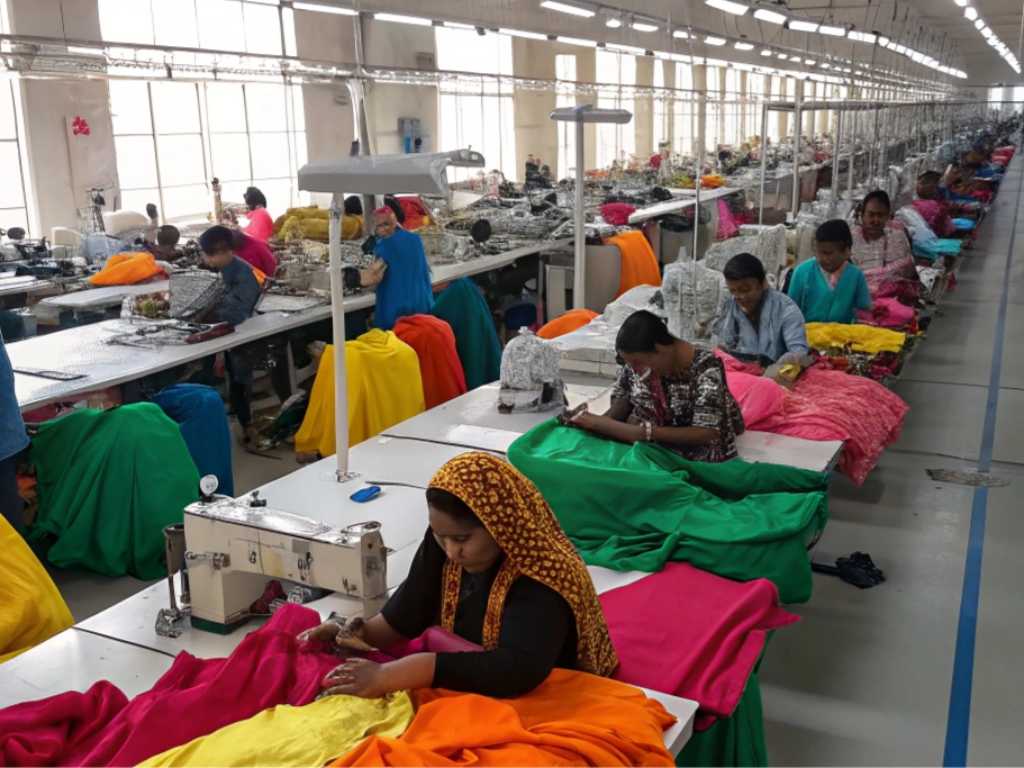
Dress Manufacturer for Apparel Sourcing Companies
Structured dress development, multi-style production, documented approvals and export delivery for sourcing teams managing demanding fashion programs.
- Program scale: Built for sourcing programs commonly covering 10-30 styles and 20,000-80,000 total units across coordinated product groups.
- Manufacturing network: 6 owned women’s fashion factories plus 10+ long-term satellite partners support allocation by fabric, construction, quantity and delivery window.
- Project control: 2 sample rooms, 7+ senior pattern makers, 20+ sample machinists, 12+ merchandisers and 15+ QC inspectors connect development with bulk execution.
- Commercial scope: MOQ starts from 200 pcs per style/color, with quotations based on real fabric, trim, construction, packaging, inspection and delivery requirements.
Manufacturing Capacity for Managed Sourcing Programs
Core resources are organized around multi-style development, controlled factory allocation and documented follow-up rather than a single sewing line handling every product in the same way.
| Capability | Verified Scale | How It Supports Sourcing Teams |
|---|---|---|
| Manufacturing network | 6 owned factories + 10+ long-term satellite partners | Styles are allocated by fabric, silhouette, construction difficulty, quantity and delivery plan. |
| Monthly planning capacity | 100,000+ pcs | Capacity is scheduled against approved samples, material readiness, QC requirements and active production calendars. |
| Sampling resources | 2 sample rooms, 7+ pattern makers, 20+ sample machinists | Separate pattern, sample and revision work supports parallel style development and clearer approval control. |
| Project follow-up | 12+ merchandisers | Style-level tracking covers quotation, fabric, samples, approvals, bulk status, packing and shipment documents. |
| Quality team | 15+ QC inspectors | Inspection covers incoming materials, cutting, sewing, measurements, finishing, packing and shipment release. |
| Order structure | From 200 pcs per style/color | Multi-style programs are planned by style, color, size ratio, material MOQ, packaging needs and production timing. |
Built for Professional Apparel Sourcing Organizations
Apparel Sourcing Companies
Buying Offices
Sourcing Agents
Vendor Management Teams
Multi-Brand Groups
Private Label Programs
Confirm Project Fit Before Development Begins
Strong Project Match
- Clear product category, styling direction and end-market positioning
- Sampling budget and named approval contacts
- Quantity plan by style, color and size ratio
- Defined label, packing, inspection and delivery requirements
- Potential for repeat orders, replenishment or seasonal development
Project Boundaries
- MOQ starts from 200 pcs per style/color
- Special fabric, printing, dyeing, trims and packaging can carry separate supplier MOQ
- Bulk production begins only after PP sample and production files are approved
- Final timing is confirmed after material readiness and order details are locked

Reduce Friction Across Multi-Style Dress Programs
Slow Quote Review
Sample Version Drift
Dress Expertise Gaps
Bulk Variation Risk
File Mismatch
Fragmented Delivery
A Controlled Route from RFQ to Delivery
RFQ Review
Risk Notes
Costing Plan
Sample Development
Revision Control
PP Approval
Bulk and QC
Packing and Delivery
Dress Categories Matched to Brand Programs
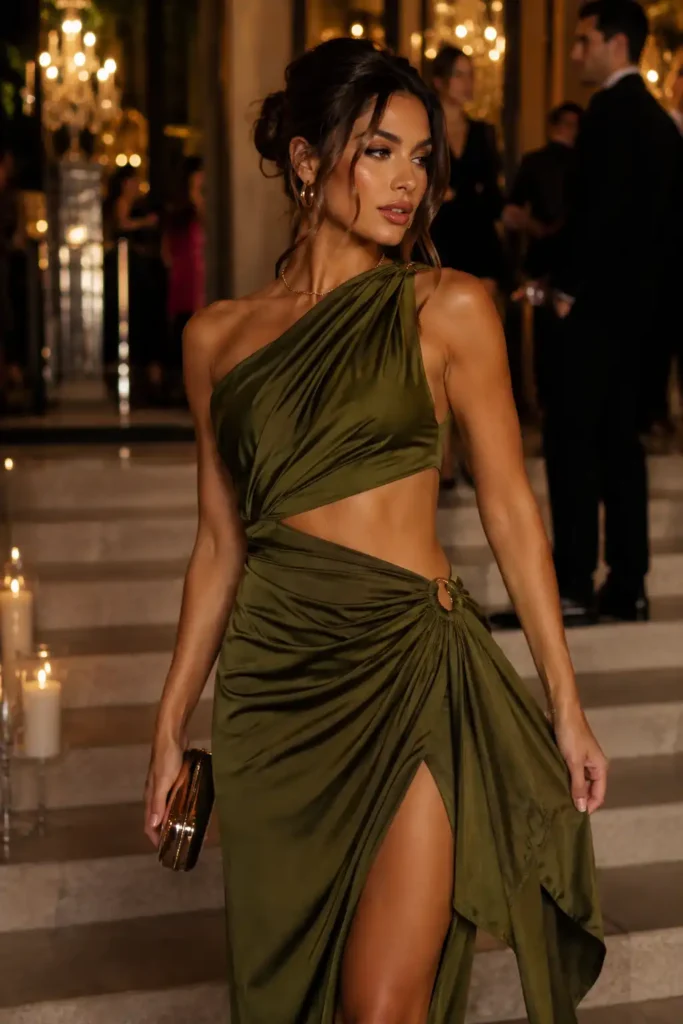
Party and Occasion
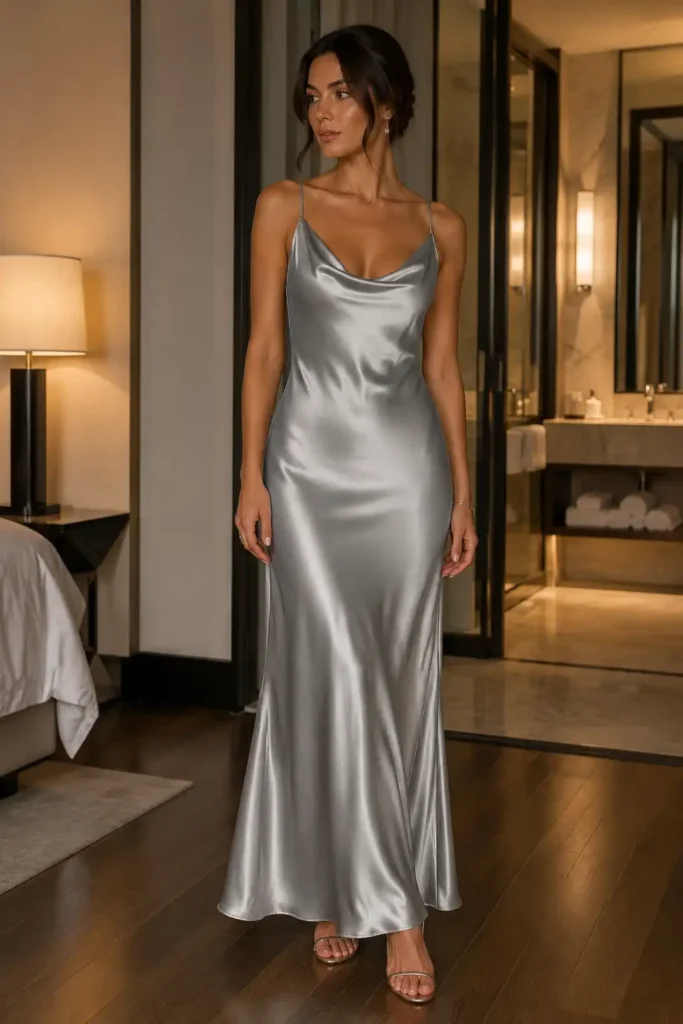
Satin and Slip

Mesh and Lace
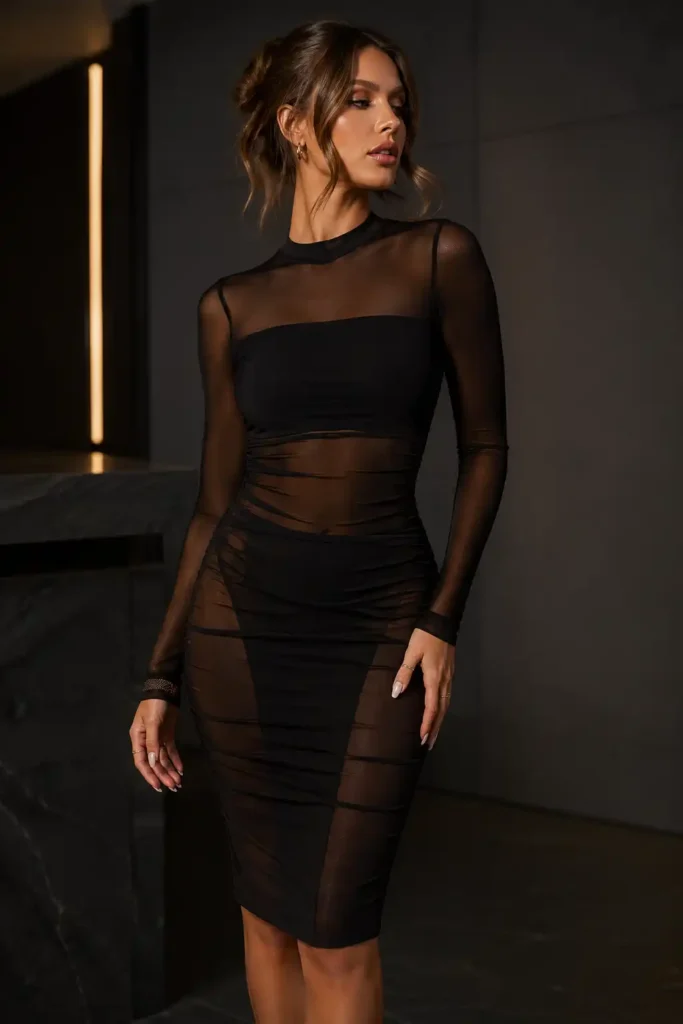
Bodycon and Corset

Mini Midi and Maxi
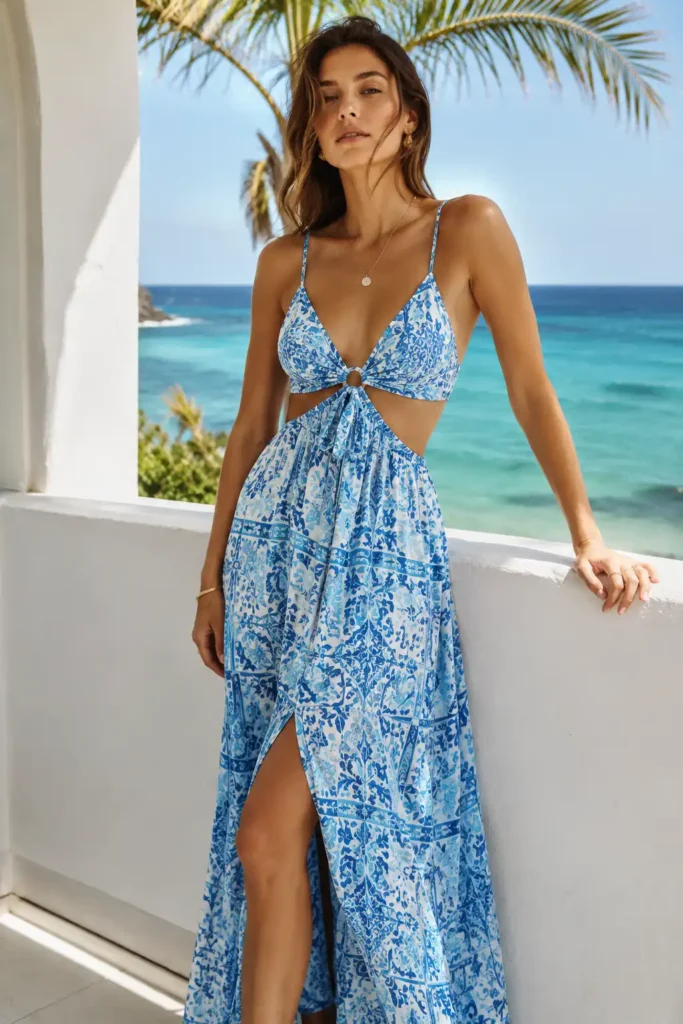
Resort and Vacation

Jumpsuits and Sets

Private Label Collections
Fabric Fit and Construction Control
Strong dress development links material behavior, body proportions and sewing structure. Decisions made in isolation often create fitting problems, visual defects or unstable bulk production.
Fabric Selection Based on Garment Behavior
Fabric approval begins with the way the garment must look, move and recover, not only fiber content or a swatch photo. Satin is reviewed for weight, face, drape, snag risk, shade behavior and pressing response. Mesh is reviewed for transparency, stretch direction, recovery and edge stability. Lace requires motif, width, hand feel, placement potential and lining compatibility. Jersey and ponte are evaluated for stretch, recovery, opacity, pilling risk and body support. Chiffon, rayon and viscose need shrinkage, drape and seam-performance review. Sequin materials need backing, surface protection, needle risk and abrasion control. Stock options can support standard MOQ, while custom dyeing, printing, special lace, certified fabrics and decorated materials may carry supplier-specific MOQ and longer approval cycles. When the original fabric route is too costly, unstable or unavailable, Jinfeng Apparel compares alternatives by appearance, hand feel, weight, stretch, opacity, drape, cost and production risk rather than replacing material by price alone.
- Material record: fabric name, composition, weight, width, stretch, color reference, supplier batch and approved use.
- Approval focus: surface, hand feel, drape, opacity, lining relation, pressing response and bulk availability.
- Cost control: stock materials, shared fabrics across a collection and reduced color fragmentation can protect appearance while improving purchasing efficiency.
Fit Development Around Real Body Proportions
Dress fit is controlled through connected measurements rather than isolated chest, waist and hip numbers. Neckline depth affects bust coverage and strap tension. Armhole shape affects side exposure and mobility. Waist position changes the full-body proportion. Hip ease influences side-seam balance, zipper stress and walking comfort. Mini, midi and maxi lengths need separate grading logic. Strapless and backless dresses require stability without visible support. Bodycon styles depend on fabric recovery and negative ease, while jumpsuits require torso and crotch balance across sizes. Pattern makers review reference images, tech packs, original samples and target size charts before creating the first pattern. Fit comments are converted into measurable changes, then reflected in revised patterns and updated size files. Extended sizes may require separate fit review because fabric consumption, support needs and proportion changes cannot always be solved through automatic grading.
- Core checkpoints: bust position, waist level, hip line, neckline, armhole, strap length, total length, slit height and closure behavior.
- Size consistency: grade rules, measurement tolerance, cutting control and finished-garment measurement are connected to the approved sample.
- Wear test: movement, sitting, walking, dressing access and support are reviewed according to the garment structure and end use.
Construction Details Engineered Before Bulk
Construction decisions influence appearance, cost, comfort and production repeatability. Lining can be full, partial or strategically placed according to opacity and structure. Invisible zippers require seam stability and flat installation. Corset styles may use cups, boning, reinforced seams and anti-slip tape, but the amount of support should match the intended silhouette rather than add unnecessary cost.
Ruching requires controlled placement and balanced gathering. Pleats need position marks and pressing standards. Lace and mesh applications need seam methods that protect delicate edges. Cut-outs require reinforcement so openings remain stable after wearing and cleaning. Decorative chains, rhinestones, beads and sequins need attachment rules, skin-contact review and packing protection. Each approved detail is transferred into the BOM, sewing instruction, operation notes and QC checklist. Production teams receive a defined method instead of relying on a sample alone, reducing interpretation differences between the sample room and sewing line.
- Support structure: cups, boning, elastic, anti-slip tape and reinforcement according to fit needs.
- Surface details: ruching, pleating, lace placement, sequins, rhinestones, chains and applique with placement and security checks.
- Closures and finishing: zippers, hooks, buttons, hems, pressing and edge finishing aligned with fabric behavior.
Bulk Reproducibility Tested at Sample Stage
A sample can look convincing while depending on hand correction, exceptional fabric pieces or sewing methods that cannot be repeated across thousands of units. Development therefore includes a production-feasibility review. Pattern complexity, operation sequence, seam tolerance, material wastage, motif matching, decoration handling, pressing and packaging are assessed before PP approval. High-risk details can be simplified, reinforced or converted into clearer operation standards without weakening the intended appearance. The PP sample uses final or approved production materials wherever possible, and the Golden sample becomes the visual and technical reference for bulk, inspection and repeat orders. During production, fabric batches, trim lots, pattern versions and measurements are controlled against the approved records. Reproducibility is especially important in sourcing-company programs because several brand contacts may review the same style at different stages. A documented standard prevents a verbal approval from becoming a production assumption.
- Before PP approval: confirm materials, construction, measurements, labels, packing and QC requirements.
- During bulk: control incoming materials, cutting, sewing, measurements, pressing, appearance and packing.
- For repeat orders: retain patterns, measurement files, fabric and trim records, QC notes and packing requirements.
Project Intake and Risk Assessment
Accurate development starts by separating confirmed information from assumptions. The review identifies technical, commercial and timing risks before sampling resources are committed.
Files Required for a Reliable Review
The most efficient RFQ includes a tech pack or clear reference image, style list, target quantity by style and color, fabric direction, size range, label and packing requirements, target delivery date and destination. A BOM, original sample, measurement chart, construction sketch or approved color standard improves accuracy further. Jinfeng Apparel can begin from different levels of information, but every missing point is identified rather than silently assumed. Reference images are assessed for visible structure, while hidden elements such as lining, support, closure and internal finishing are confirmed separately. A line sheet helps prioritize styles and shared materials across a program. Quantity data is reviewed at style and color level because total order volume does not replace production MOQ. Clear input allows the quotation, sample plan and material route to develop together, reducing repeated clarification after cost expectations have already been presented to the brand side.
- Tech pack, line sheet, sketch, reference image or original sample photographs
- Quantity per style/color and proposed size ratio
- Fabric, color, trim, label and packing direction
- Sample purpose, approval contact and intended delivery window
Technical Risk Marked Before Sampling
A product review identifies where appearance and manufacturability may conflict. Satin may show seam tension or zipper rippling. Mesh may lose shape at necklines or expose lining edges. Lace may require motif placement and additional consumption. Corset structures may need cups, boning and reinforcement that are not visible in a front image. Backless and strapless designs may require support changes to remain wearable. Jumpsuits may fit the bust and hip while failing at torso length or crotch depth. Risk notes identify the affected area, likely cause, proposed sample test and possible cost or timing effect. Sourcing teams can then present informed options instead of sending a style into development with unresolved expectations. High-risk details are validated through the sample rather than promised through email.
- Fit risk: proportions, support, movement and size grading
- Material risk: availability, MOQ, shade, stretch, opacity and shrinkage
- Construction risk: difficult operations, decoration security and repeatability
- Delivery risk: supplier lead time, approval timing, inspection and logistics window
Commercial Review Without Hidden Assumptions
Costing is prepared from the selected material and construction route. Fabric consumption, lining, trims, pattern work, sample development, cutting, sewing time, pressing, QC, packing, expected wastage, testing and logistics are considered according to the RFQ. Where information is incomplete, the quote identifies exclusions or provisional items. A visually similar fabric may create a different MOQ, hand feel or lead time, so alternatives are compared with clear trade-offs. Special zippers, hardware, labels, hangtags and printed packaging may have supplier MOQ above garment MOQ. Urgent delivery may require material expediting, production rescheduling or air freight, and those effects are reviewed before commitment. Jinfeng Apparel focuses on cost control without weakening brand-level appearance, using fabric substitution, construction simplification, trim adjustment, shared materials and packaging tiers where appropriate.
- Confirmed price elements are separated from pending supplier checks
- Material and trim alternatives include appearance and risk notes
- Quote validity and exclusions are stated for later comparison
- Schedule is issued after sample, material and order requirements are confirmed

Quotation Built from Real Production Inputs
Reliable costing explains what drives the unit price and what still requires confirmation. Each input below influences materials, labor, risk, MOQ or delivery planning.
| RFQ Input | What Is Reviewed | Commercial Effect |
|---|---|---|
| Style reference / tech pack | Silhouette, construction, support, decoration, finishing | Pattern work, sample fee, sewing time, production risk |
| Fabric and lining | Composition, weight, width, drape, stretch, opacity, supplier route | Material cost, consumption, MOQ, shade control, lead time |
| Trims and hardware | Zippers, buttons, cups, boning, elastic, lace, chains, rhinestones | Supplier MOQ, development fee, assembly time, QC |
| Quantity plan | Pieces by style and color | Production efficiency, material purchasing, unit cost |
| Color plan | Stock colors, custom dyeing, printing, color count | Lab dip, supplier MOQ, separation, packing complexity |
| Size range | Base size, grade rules, extended sizes, size ratio | Pattern grading, consumption, cutting, measurement QC |
| Labels and packing | Main label, care label, hangtag, barcode, polybag, inserts, carton marks | Supplier MOQ, artwork setup, packing labor, warehouse compliance |
| Inspection | Internal QC, AQL, nominated third-party inspection, reports | Inspection time, preparation, recheck allowance |
| Delivery | EXW, FOB, CIF, DAP or DDP by project; express, air or sea | Freight, documents, booking, delivery risk |
| Schedule | Sample deadline, PP date, bulk release and required shipment date | Material expediting, line allocation, overtime or air freight where approved |
Documented Project Management Across Every Style
Multi-style programs need a controlled information trail. Quotations, approvals, production files, QC records and shipment details are organized by style rather than left inside informal message threads.
Quotation and Development Records
The first record set connects the commercial RFQ with the technical development route. It can include the style list, quotation sheet, tech pack comments, missing-information list, fabric and trim proposal, sample fee, MOQ, sample timing and provisional bulk assumptions. Each style retains its own style number, color plan, size range, product category and version status. When the sourcing team changes a material, construction detail or order quantity, the commercial effect is linked to the updated specification. This prevents an early quote from being applied to a later, more complex design. Email, Excel, PDF tech packs, annotated images, photographs and video can all support communication, but approvals are summarized into controlled files before the next stage begins. The objective is not paperwork for its own sake; the record allows brand-side account managers, Jinfeng development teams and production teams to work from the same confirmed scope.
- Style and quotation register
- Tech pack comments and missing-information list
- Fabric, trim, MOQ and sample-cost confirmation
- Sample priority and target approval date
Sample Comments and Revision History
Sample feedback often arrives from design, merchandising, fitting and sourcing contacts. Without one revision history, comments can conflict or disappear. Jinfeng Apparel records the sample version, fitting issue, requested change, pattern action, measurement change, fabric or trim change, construction update, cost impact, timing effect and approval status. Photographs can be marked to show exact locations, while measurements are transferred into the current size chart instead of remaining in a message. A revised sample is released from the updated pattern and files. Once the PP sample is approved, the final information set is marked for bulk use and earlier versions are removed from active production documents. The process is especially important for 10-30 style programs, where a small version error repeated across several factories can become a large commercial loss.
- First, fit, revised, photo, salesman, PP and Golden sample status
- Pattern version and size-chart version
- Material, trim and construction change log
- Approval name, date and remaining open points
Production and Quality Files
Bulk production requires more than a visual sample. Each released style should have a production order, final BOM, fabric approval, trim approval, size chart, grade rule, sewing instruction, label placement, packing instruction and QC checklist. The PP or Golden sample provides the physical reference, while files define measurements, tolerances, materials, placements and repeatable operations. The production schedule records material arrival, cutting, sewing, inline inspection, finishing, packing and planned shipment. QC findings are linked to the style and production stage, allowing corrective action before final inspection. When several factories participate in one program, the same document structure is used across the allocated units, while product-specific details remain separate. Sourcing teams can therefore review progress without translating different factory formats for every style.
- Production order and operation notes
- BOM, fabric, trim and color approvals
- Measurement tolerance and QC checklist
- Packing method, label placement and carton plan
Packing Shipping and Finance Documents
Shipment accuracy depends on matching physical cartons to the approved style, color, size and quantity breakdown. Packing teams work from controlled label files, barcode or SKU lists, size-ratio instructions, polybag requirements, carton marks and packing rules. The packing list records carton count, style, color, size, pieces, net weight, gross weight and carton dimensions as required. Commercial invoice information is prepared from the released shipment, while bill of lading, air waybill, certificate of origin by request and other logistics records are coordinated with the selected freight route. A nominated forwarder can receive booking, pickup and document information directly through the agreed contact chain. Clear shipment files reduce warehouse discrepancies, customs delays and invoice questions after goods have left the factory.
- Label, barcode, SKU and carton-mark files
- Packing list and commercial invoice
- Booking, pickup, bill of lading or air waybill coordination
- Shipment tracking and post-shipment document support
Sampling and Approval Built for Traceability
Different samples answer different questions. A first sample explores the product, while a PP sample locks the standard used for bulk production and quality control.

First Sample Tests the Product Direction
The first sample translates the available design information into a physical garment and reveals issues that a flat image cannot show. Pattern makers examine silhouette, seam lines, neckline, waist level, bust and hip proportion, garment length, closure and support structure. Fabric and trim choices are tested for drape, stretch, transparency, recovery, surface sensitivity and sewing response. Normal dress first samples generally require around 10-15 days. Simple styles may take around 7-10 days, while medium-complexity dresses, sets and jumpsuits often require around 12-18 days. Corset, strapless, lace, mesh, sequin and other complex styles commonly require around 15-25 days. Custom fabric or special trims can extend timing according to supplier development. The first sample is not treated as the final bulk standard; its role is to identify the right direction and create measurable next actions.
- Structure and silhouette review
- Fabric and trim behavior
- Initial measurements and fit balance
- Construction feasibility and likely bulk risks

Fit and Revised Samples Convert Comments
Fit feedback is converted into pattern, measurement and construction changes rather than summarized as general requests such as tighter, longer or more flattering. Bust level, neckline, armhole, waist placement, hip ease, skirt length, slit height, strap length, torso length and crotch depth are measured and linked to the relevant pattern area. Fabric or trim changes are recorded because a new stretch level, weight or support material can change the fit. Revised samples commonly require around 7-15 days, subject to the change scope and material availability. Simple styles may close after one revised sample, while corset, strapless, mesh, lace, sequin and evening styles may require one or two additional rounds. Every round has a named version and updated files, allowing the sourcing team to show a clear approval trail to the brand.
- Comment sheet with measurable actions
- Updated pattern and size chart
- Cost and timing effect where materials or structure change
- Open points listed before the next sample is released

PP Sample Locks the Bulk Standard
The pre-production sample is approved only after final fabric, color, lining, trims, measurements, construction, labels, packing and QC requirements are ready for bulk. It should reflect the production route rather than a temporary sample-room substitute. Surface appearance, fit, support, seam method, decoration, pressing and packing presentation are reviewed together. The PP stage also confirms whether a photo sample or salesman sample used earlier matches the final bulk specification; those samples can serve different commercial purposes and should not automatically become the production standard. Major changes after PP approval require new assessment because they can affect patterns, material orders, production files, unit cost and delivery. A clear PP lock protects sourcing teams from late-stage brand comments being introduced informally during cutting or sewing.
- Final material and color approval
- Final measurements and construction
- Label, barcode, packing and carton requirements
- QC standard and production release authorization

Golden Sample and Bulk Handover
The Golden sample acts as the physical reference for production, QC, repeat orders and dispute review. It is connected to the final pattern, size chart, BOM, fabric and trim approvals, sewing instruction, label placement, packing instruction and QC checklist. Production management checks that the factory receives the same files and approved materials used for the sealed standard. Any planned difference must be documented and approved before bulk begins. During production, QC teams compare workmanship, measurements, color, trim placement, pressing and packing with the Golden sample and written tolerances. After shipment, retained records make repeat orders faster because the pattern, measurement history, material route, construction method, packing rules and previous quality notes do not need to be rebuilt from memory.
- Sealed visual standard for production and QC
- Linked production files and version control
- Reference for corrective action and final inspection
- Record base for replenishment and seasonal extensions
Factory Allocation Based on Product Requirements
Woven Dress Programs
Stretch Bodycon Styles
Occasion and Corset Dresses
Mesh Lace Sequin Styles
Multi-Style Collections
Repeat and Replenishment
Bulk Production Managed as a Connected System
Production begins after PP approval and material confirmation. Merchandising, factory management, QC, finishing, packing and logistics teams follow the same released style information.

Material Booking and Pre-Production Control
Bulk preparation starts by confirming the PP sample, final quantities, color and size breakdown, fabric, lining, trims, labels, packing, QC standard, delivery terms and payment conditions. Fabric orders are matched to approved composition, weight, width, stretch, color and hand feel. Custom dyeing or printing follows the approved color route and supplier timing. Incoming materials are checked for shade, width, visible defects, stretch, shrinkage and batch consistency according to the product. Trims are checked for specification, color and quantity. Fabric is relaxed where required before cutting. The production order, BOM, final pattern, size chart, sewing instruction and packing instruction are reviewed before line release. Unresolved items remain open and are not hidden inside the production schedule. A clear pre-production gate prevents sewing capacity from being booked against materials or approvals that are not ready.
- PP sample and Golden sample release
- Bulk fabric, lining and trim confirmation
- Final style-color-size quantity breakdown
- Production, QC, label and packing files
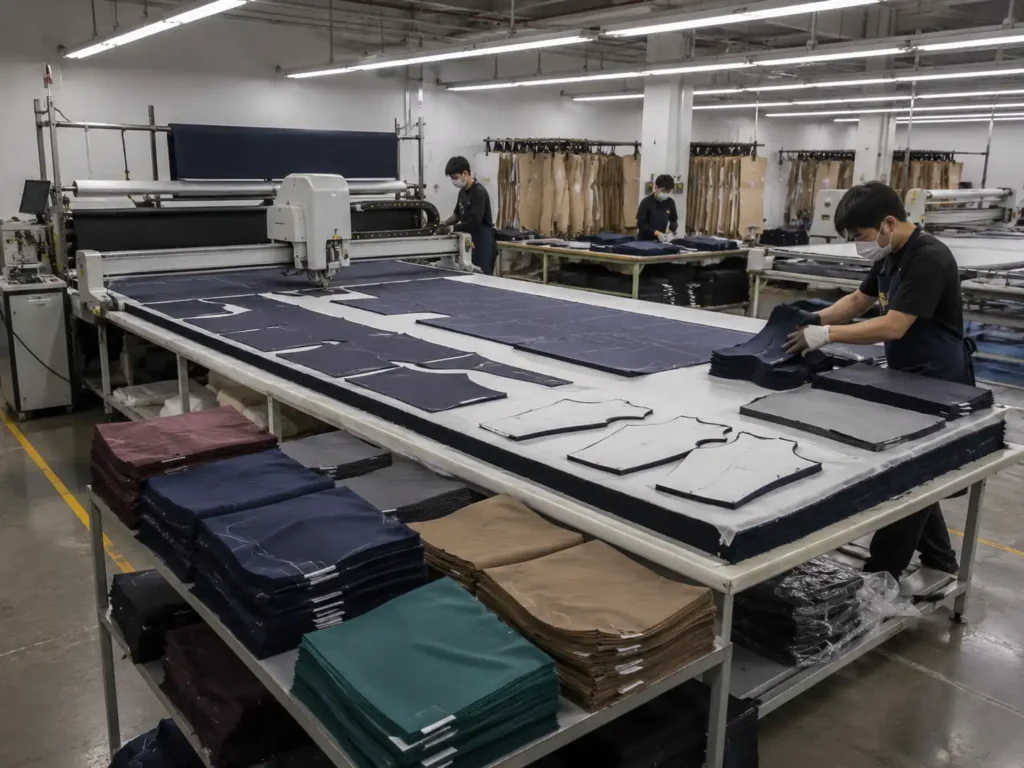
Cutting and Sewing with Style-Level Tracking
Cutting plans are prepared from final patterns, fabric width, size ratios, color separation, motif placement and expected wastage. Delicate or printed materials may require additional direction and placement control. Cut components are checked for size, color, defects, pair matching and key notches before sewing. Sewing lines receive the approved operation method and measurement points. Merchandisers track material readiness, cutting, line input, inline findings and output by style. Complex styles may use smaller production batches at the start so construction issues can be corrected before full output. Pattern or sewing changes discovered during bulk are documented and approved; line teams do not change the garment based only on verbal instruction. The system supports multi-factory programs while keeping each style tied to its approved files and sample standard.
- Marker and cutting control by fabric and size ratio
- Cut-panel inspection before line input
- Controlled first output and inline review
- Recorded corrective action where deviation is found

Finishing Pressing and Garment Presentation
Finishing affects how a dress appears in photography, retail display and final delivery. Loose threads, seam impressions, shine marks, uneven hems, distorted ruching or poor hanger presentation can reduce perceived value even when the garment is structurally complete. Pressing temperatures and methods are selected according to satin, chiffon, lace, mesh, sequin, jersey or structured woven surfaces. Measurements can change after pressing or relaxation, so final checks are completed at the appropriate stage. Delicate garments receive protective handling between inspection and packing. Embellishments, zippers, hooks, straps and support structures are checked for function and comfort. Garments are then folded, hung or protected according to the approved packing method. Appearance standards are linked to the Golden sample and product-specific QC checklist rather than a generic finish standard for every category.
- Thread and surface clean-up
- Product-specific pressing method
- Final measurement and appearance review
- Protection for delicate surfaces and embellishments

Production Schedule and Escalation
Bulk timing is confirmed after order details, PP sample, materials, labels and packing are locked. The schedule identifies material arrival, cutting, sewing, inline inspection, finishing, packing, final inspection and shipment release. Sourcing programs with several styles can be grouped by launch priority or material readiness.
When a delay or quality issue appears, the responsible team identifies the affected styles, root cause, corrective action, recheck point and possible delivery effect. Options may include reallocation, phased shipment, approved overtime, air freight for selected units or revised launch sequencing.
Jinfeng Apparel does not protect a deadline by skipping PP approval, material inspection or packing QC. Transparent escalation allows the sourcing team to communicate a controlled recovery plan rather than discovering the delay at the booking stage.
- Style-level production milestones
- Issue owner and corrective-action deadline
- Reinspection before release
- Shipment alternatives assessed by quantity and launch priority
Quality Control from Materials to Packed Cartons
Incoming Material QC
Cutting QC
Sewing and Inline QC
Measurement Review
Garment and Pressing QC
Packing and AQL Support
Private Label Packing Ready for Distribution

Main and Size Labels
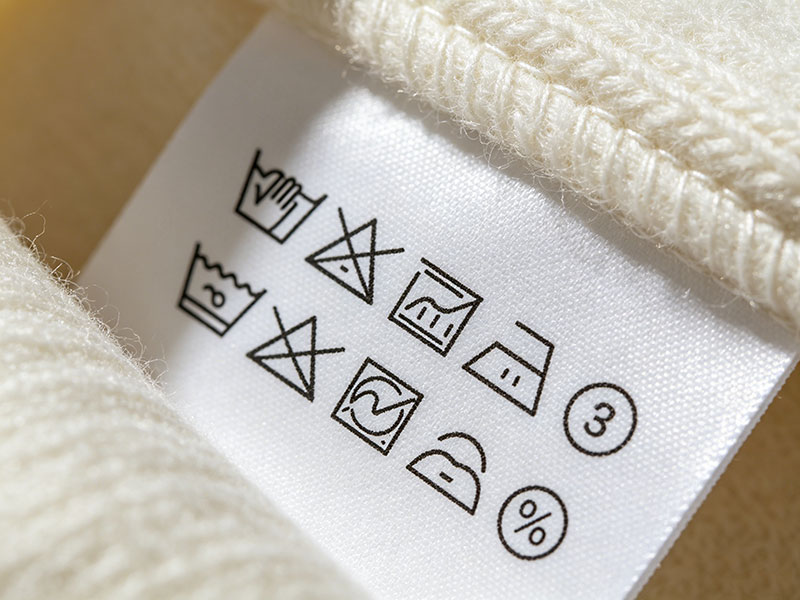
Care and Content Labels
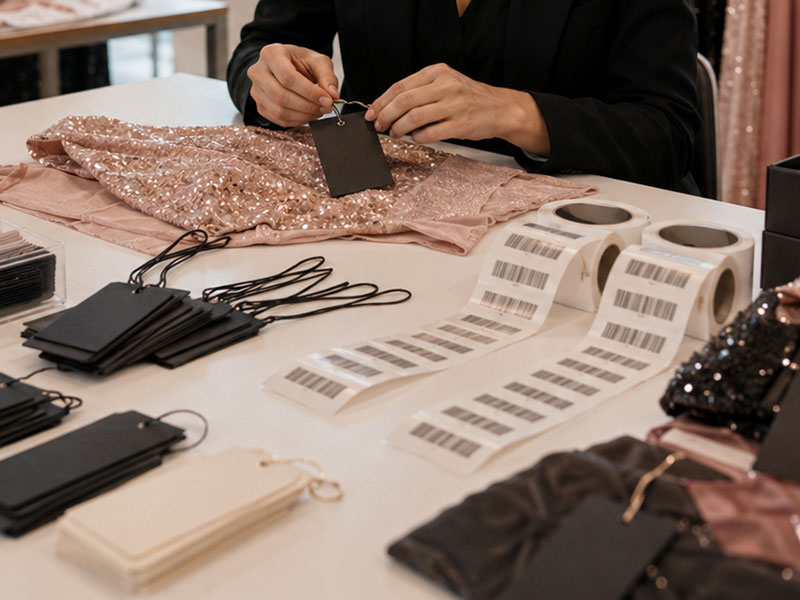
Hangtags and Strings
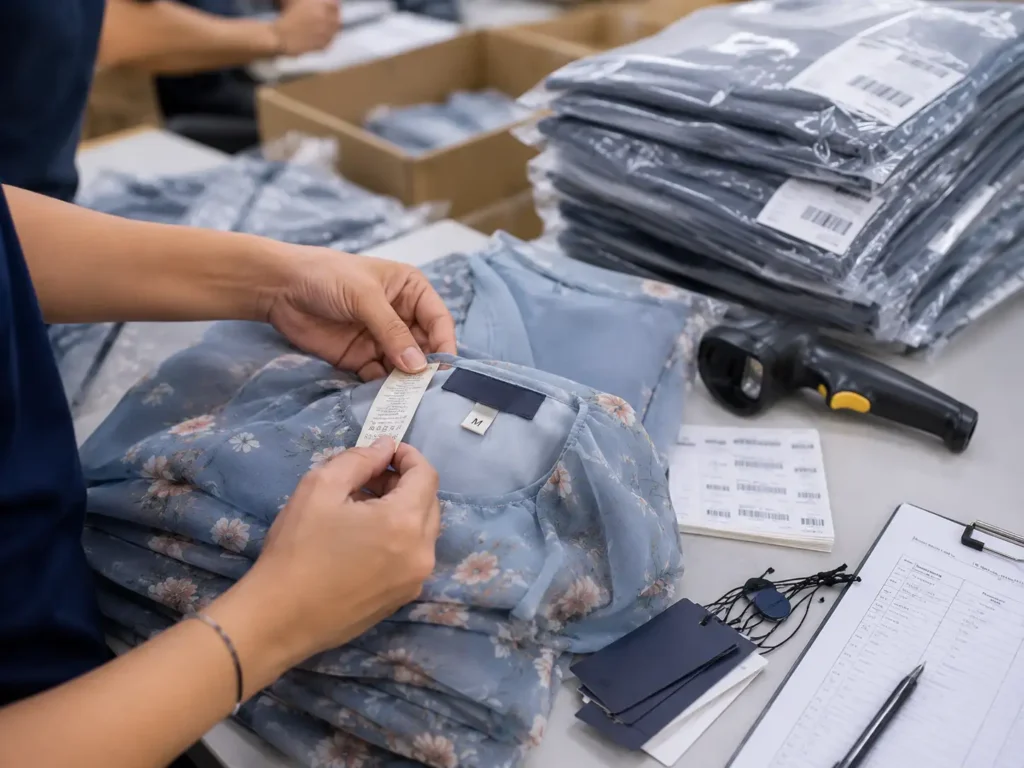
Barcode and SKU Labels

Polybags and Inserts
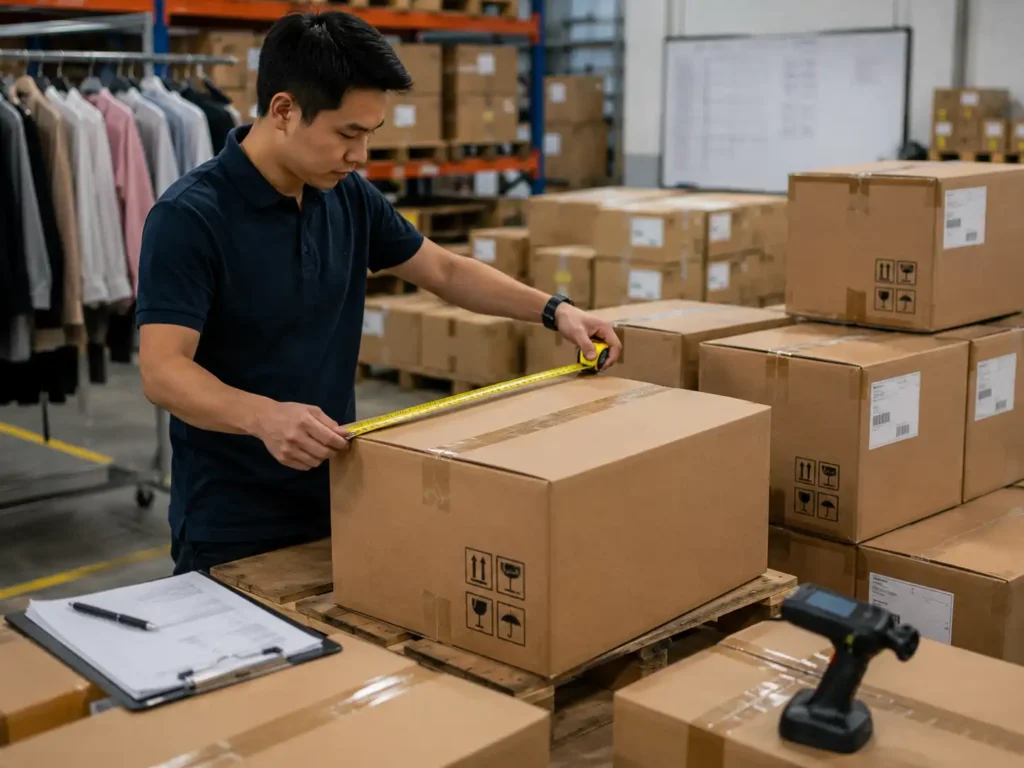
Cartons and Marks
Protect Brand Files and Commercial Relationships
NDA-Based Cooperation
Controlled Internal Access
Anonymous Case Policy
Support Vendor Onboarding and Audit Review
Factory Profile Review
Audit Coordination
Material and Test Documents
Logistics Coordination Beyond Factory Completion
Express Samples
Air Freight
Sea Freight
Split Shipment
Nominated Forwarder
Shipment Documents
Apparel Sourcing Company Dress Manufacturing Case Studies
Apparel sourcing companies need more than production capacity. They require accurate costing, controlled sampling, factory allocation, quality management and reliable delivery across multiple client programs. Jinfeng Apparel supports sourcing organizations with structured development and manufacturing systems.

Case Study 1: Global Apparel Sourcing Company Managing Multi-Brand Dress Programs
Client Background
A global apparel sourcing company managed womenswear programs for several fashion brands across North America and Europe.
The sourcing team was responsible for:
- Supplier coordination
- Product development
- Cost evaluation
- Quality management
- Shipment planning
The program included:
- 28 dress styles
- 75,000 pieces
- Multiple brand accounts
- XS-XL size range
- Private-label packaging requirements
Product categories included:
- Satin dresses
- Party dresses
- Mesh styles
- Bodycon dresses
- Resort collections
- Matching sets
Development Challenge
The sourcing company needed one manufacturing partner that could support multiple client programs while keeping each brand independent.
Main challenges:
Different Brand Requirements
Each brand required different:
- Fit standards
- Price targets
- Labels
- Packaging
- Quality expectations
Multiple Development Stages
The sourcing team needed visibility across:
- RFQ review
- Sampling
- Approval
- Production
- QC
- Shipment
Result
The sourcing company achieved:
- 28 styles developed
- 75,000 pieces delivered
- Multiple client programs managed simultaneously
- Clear production reporting
The relationship expanded into continuous seasonal sourcing support.

Case Study 2: Independent Sourcing Agent Building a Reliable China Manufacturing Network
Client Background
An independent apparel sourcing agent worked with overseas fashion brands requiring flexible product development and reliable manufacturing support.
The agent managed:
- Client communication
- Product selection
- Cost negotiation
- Production coordination
The product focus included:
- Fashion dresses
- Jumpsuits
- Matching sets
- Seasonal womenswear collections
Development Challenge
Before cooperation, the sourcing agent faced several supplier issues:
- Different factories used different standards
- Sample comments were difficult to track
- Production progress was unclear
- Quality issues appeared late
- Repeat orders required restarting development
Jinfeng Solution
Jinfeng provided a complete manufacturing support system.
Product Development Support
Handled:
- Tech pack review
- Fabric recommendations
- Pattern development
- Sample revisions
Production Management
Controlled:
- Material approval
- Factory allocation
- Bulk production
- QC inspection
Communication Protection
Maintained:
- Agent as the main contact
- Confidential client information
- Private-label protection
Result
The sourcing agent gained:
- Stable manufacturing resources
- Faster quotation response
- Better production visibility
- Reduced supplier management pressure
The cooperation developed into a long-term manufacturing partnership.

Case Study 3: Private Label Fashion Brand Developing Seasonal Collections
Client Background
A private-label womenswear company wanted a manufacturing partner to develop seasonal collections instead of managing multiple suppliers.
The company focused on:
- Online retail
- Boutique distribution
- Seasonal fashion launches
The collection included:
- Mini dresses
- Midi dresses
- Occasion dresses
- Resort styles
Development Challenge
The brand needed support with:
- Turning ideas into production styles
- Controlling target costs
- Maintaining consistent sizing
- Managing packaging requirements
- Preparing repeat collections
Jinfeng Solution
Jinfeng supported the full product lifecycle.
Development Stage
Reviewed:
- Reference images
- Line sheets
- Fabric direction
- Construction requirements
Manufacturing Stage
Controlled:
- Pattern development
- Sampling
- PP approval
- Bulk production
Retail Preparation
Managed:
- Brand labels
- Care labels
- Hangtags
- Barcodes
- Polybags
- Carton packing
Result
The brand achieved:
- Complete seasonal collections
- Stable product quality
- Retail-ready packaging
- Faster repeat-order development
Approved records supported:
- New colors
- New seasons
- Bestseller replenishment
Build Repeat Orders from Controlled Records
Records Retained
Replenishment Planning
Seasonal Extensions
Frequently Asked Questions

Send a Sourcing Program for Review
Send the product files and commercial information available for the program. Kelly and the Jinfeng Apparel team will review the style mix, fabric direction, construction difficulty, quantity by style and color, size range, sample needs, label and packing requirements, inspection standard and intended delivery window.
A useful first submission can include a tech pack, line sheet, reference image, original-sample photographs, measurement chart, BOM, label artwork, barcode list, packaging guide or warehouse instruction. The review will identify missing information, development risks, suitable manufacturing routes, expected sample stages and the items needed for a dependable quotation. MOQ starts from 200 pcs per style/color, while custom fabric, printing, dyeing, trims and packaging can carry separate supplier requirements.
Files are used for project assessment, development, production, QC, packing and delivery coordination, and NDA-based cooperation is available for sensitive or unpublished programs.
- Company, market and sourcing contact
- Product category and number of styles
- Quantity per style/color and proposed size ratio
- Fabric, trim, label and packing direction
- Sample deadline, bulk delivery window and destination
- Inspection, audit or nominated-forwarder requirements
- Upload: tech pack, line sheet, BOM, reference images or packing files