...

Monochrome Dress Collection Manufacturer

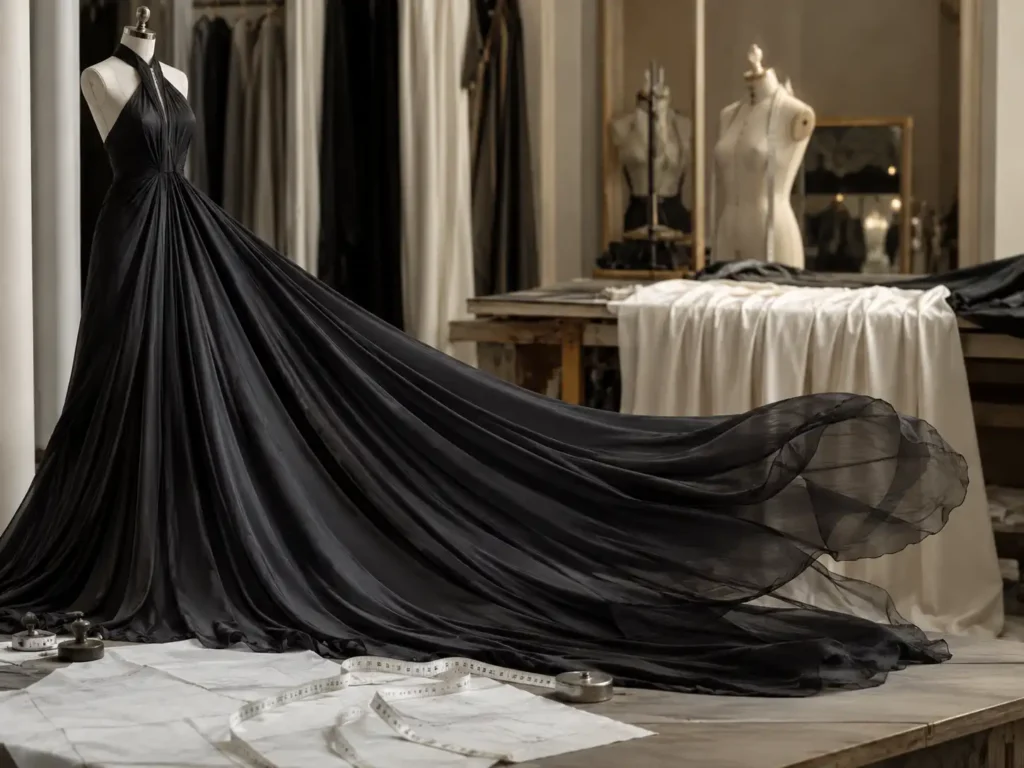
Coordinated black, white, grey and tonal dress collections developed for global fashion brands from concept review to retail-ready delivery.

  • 10-30 Styles Per Collection: Structured development for coordinated mini, midi, maxi, bodycon, corset, slip and occasion silhouettes.
  • 200 Pcs Per Style/Color: Production planning begins from confirmed style, color, fabric, trims, size range and launch schedule.
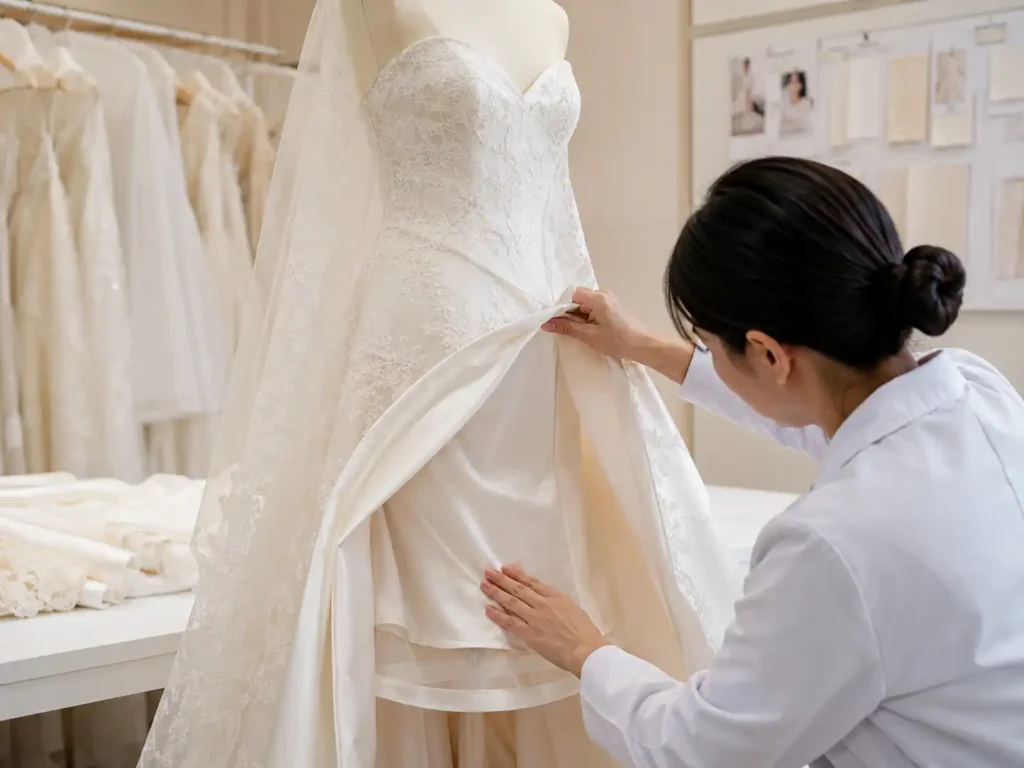
  • 2 Sample Rooms: Collection work is supported by 7+ senior pattern makers and 20+ sample machinists for parallel development.
  • Color-Controlled Execution: Black undertones, white transparency, tonal fabric differences, linings, trims and bulk dye lots are reviewed before production.

Manufacturing Capacity for Coordinated Dress Collections

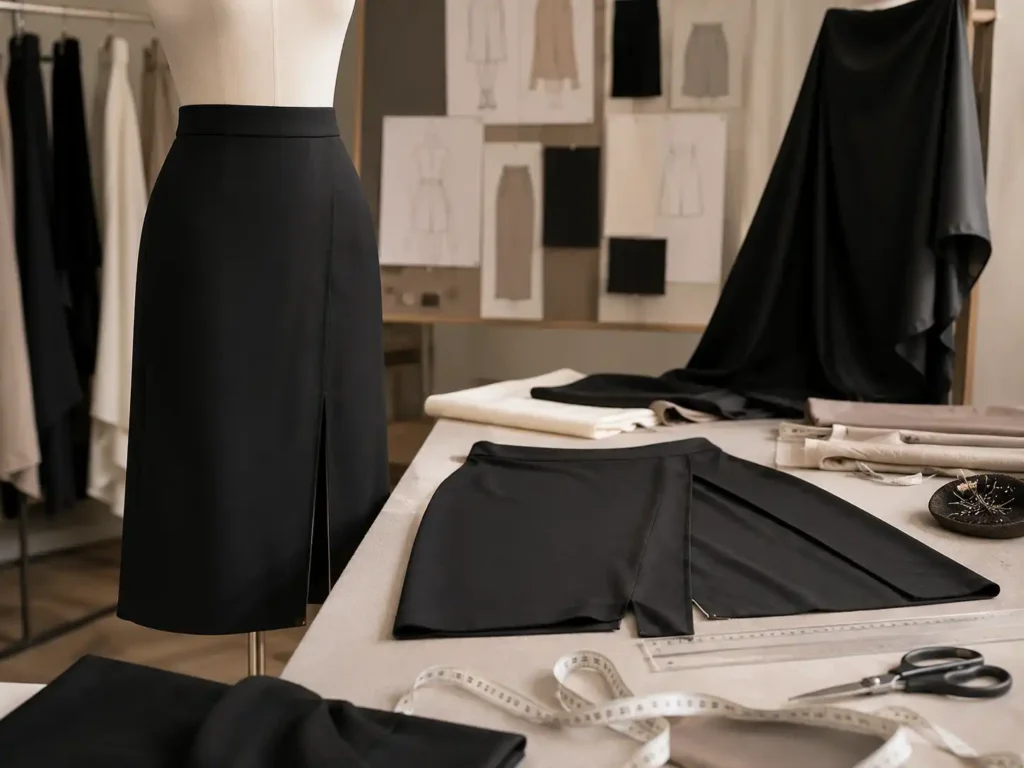
A collection program requires more than a single sewing source. Jinfeng Apparel combines product development, pattern work, sampling, production allocation, inspection and packing under one project structure.

Since 2008

Long-term experience developing and producing fashion dresses, skirts, jumpsuits, matching sets and private-label womenswear for overseas markets.

6 Owned Factories

Core production resources can be matched to woven dresses, stretch styles, occasionwear, sets and collection programs according to construction and fabric.

10+ Production Partners

Long-term satellite partners add capacity and specialized support when a collection contains several fabric families, finishes or delivery waves.

100,000+ Pcs Monthly

Regular monthly capacity supports multi-style bulk programs, seasonal launches, repeat orders and staged shipment planning after materials and PP standards are locked.

15+ QC Inspectors

Fabric, cutting, sewing, measurement, finishing, packing and pre-shipment checks are organized around approved references and project requirements.

30+ Packing Staff

Private labels, size stickers, color stickers, barcodes, polybags, carton ratios and shipping marks are checked before warehouse delivery.

Built for Brand-Level Collection Development

The service is structured for teams managing defined ranges, commercial quantities, launch dates and repeatable product standards across several dress styles.

Fashion Brand Teams

Suitable for established womenswear labels planning a monochrome capsule, seasonal drop or permanent black-and-white range. Development can begin from a line sheet, tech packs, original samples, sketches or reference images, followed by fabric direction, pattern work, sampling and bulk planning.

Sourcing and Development

Useful for sourcing managers, product developers, merchandisers and vendor teams that need one manufacturing partner to coordinate several silhouettes, fabrics, size ranges and private-label requirements without losing approval status between styles.

Retail and Ecommerce

Designed for programs requiring stable fit, photo-ready samples, accurate SKU identification, barcode control, size-color packing ratios and repeat-order records for retail stores, ecommerce warehouses or regional distribution.

Why Monochrome Collections Expose Manufacturing Weaknesses
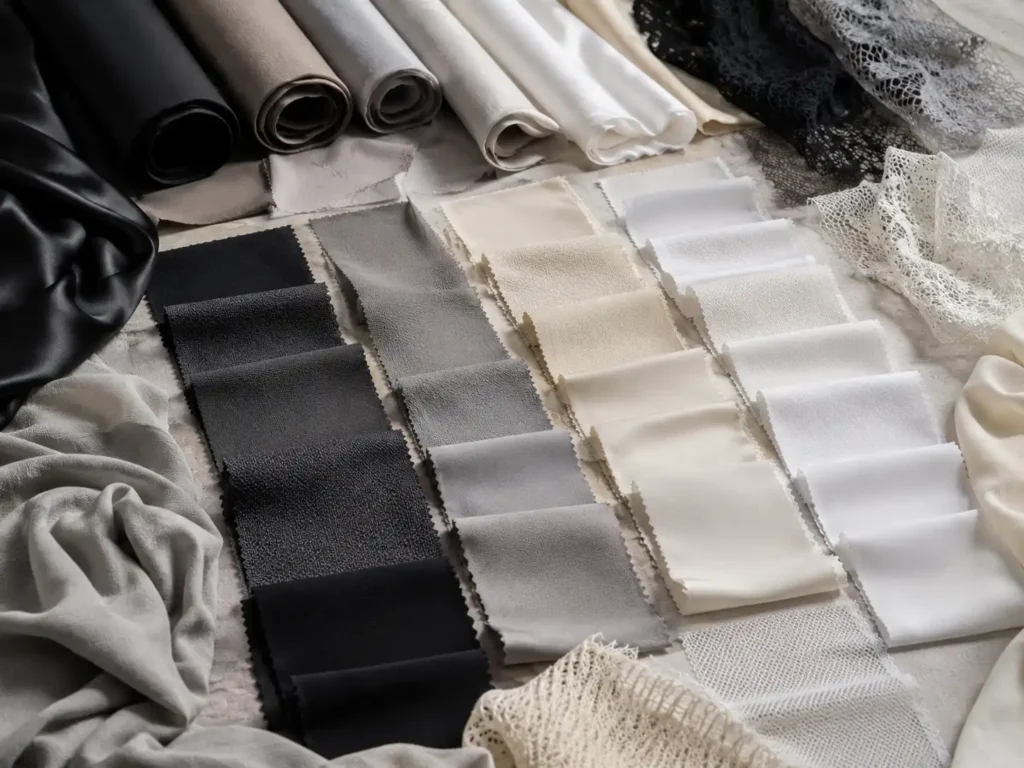
Restrained color makes fabric quality, proportion, seam control and finishing more visible. Minor inconsistencies that disappear inside prints can weaken an entire black, white, grey or tonal assortment.

Color Is Not One Value

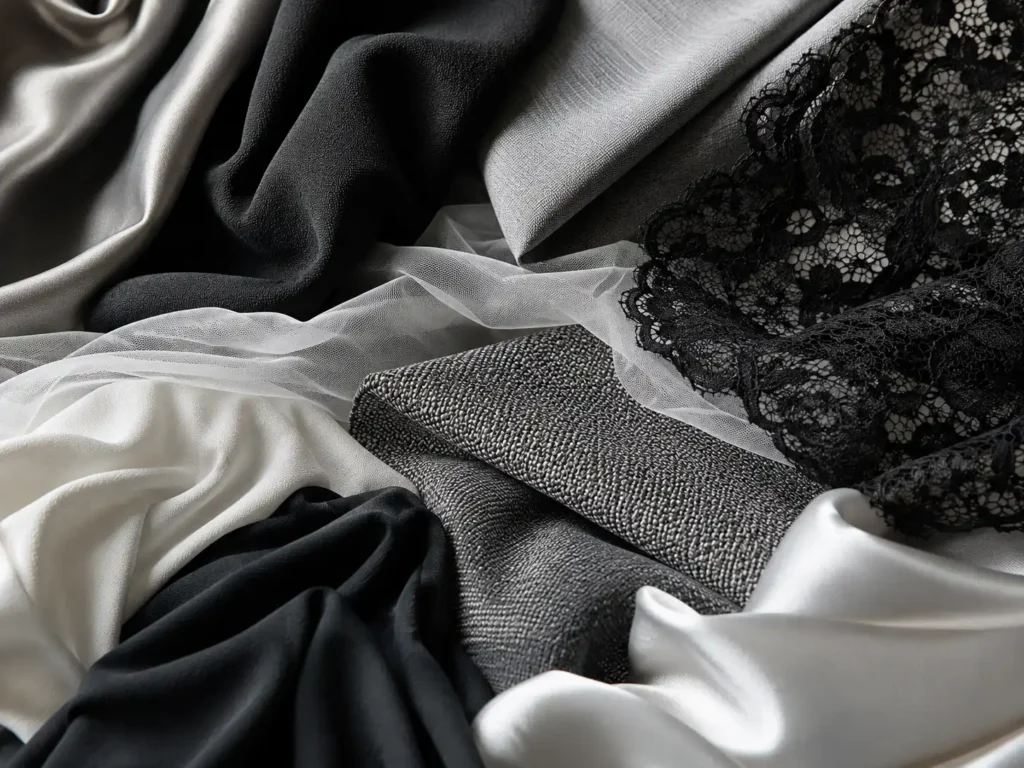
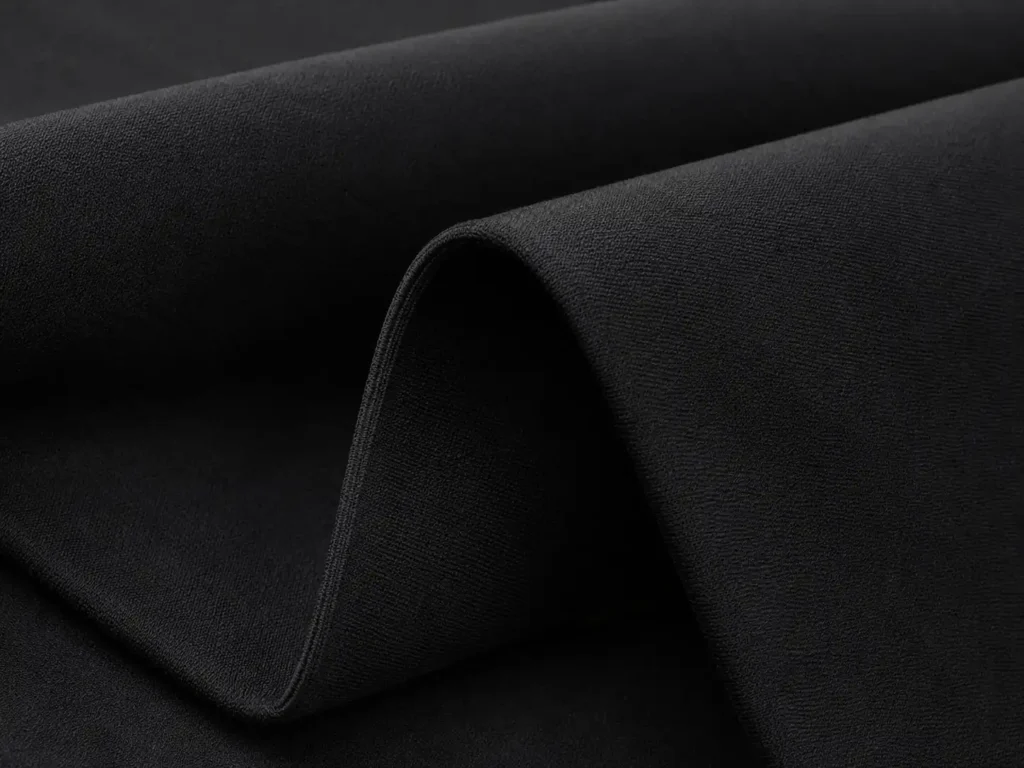
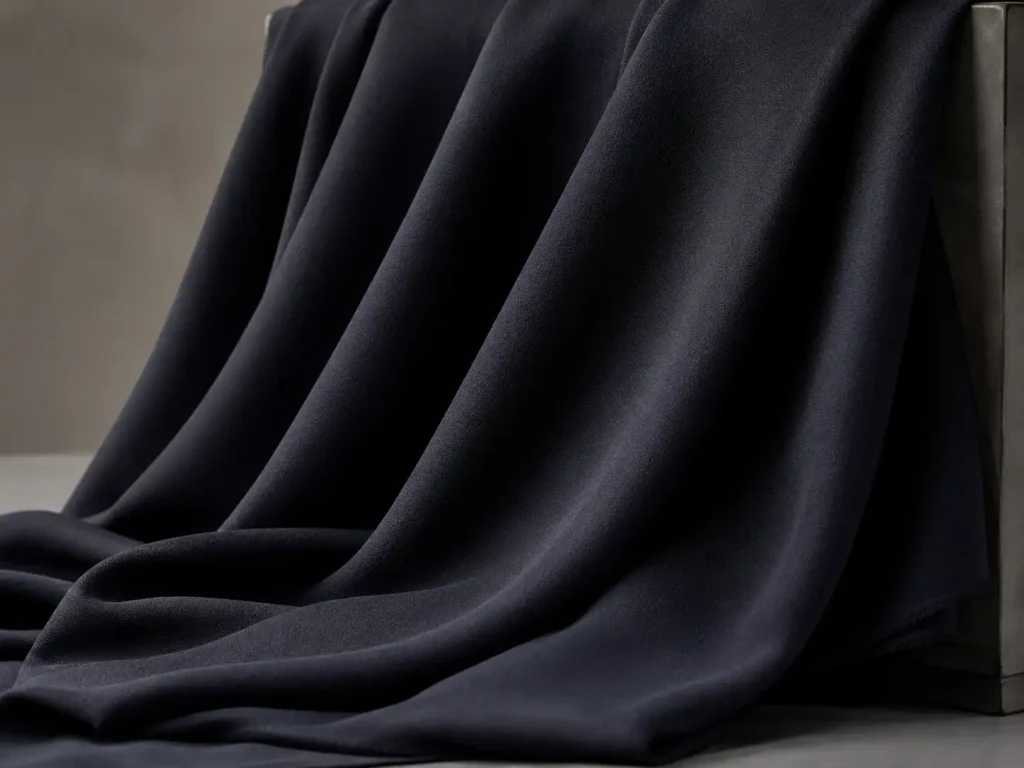
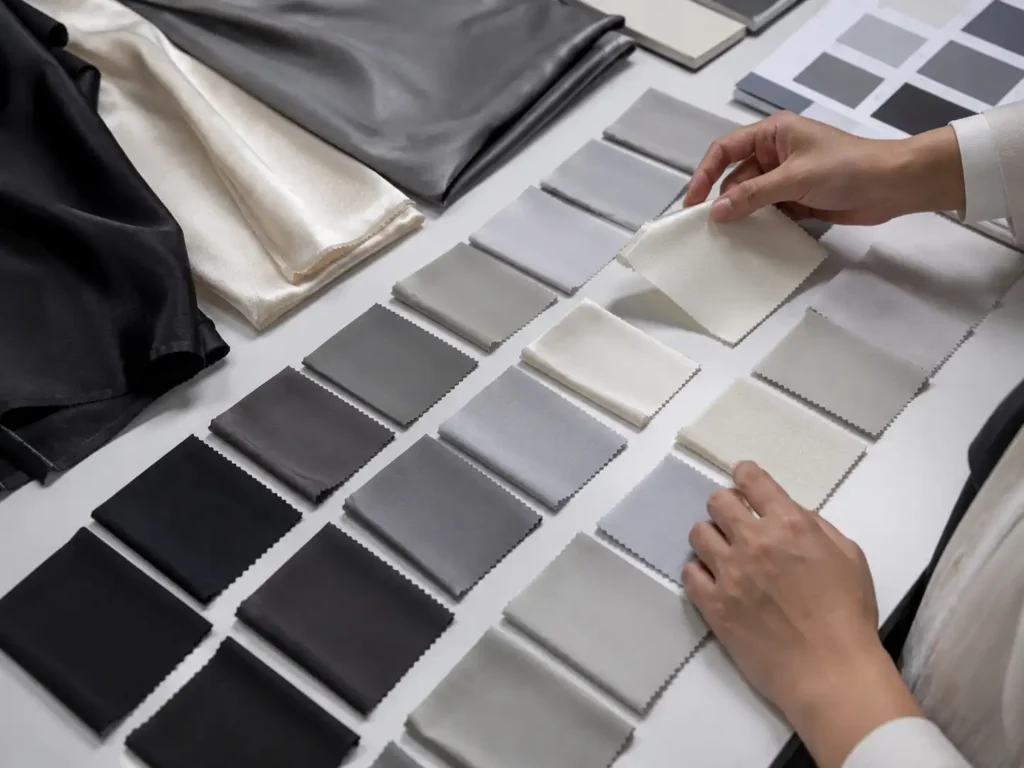
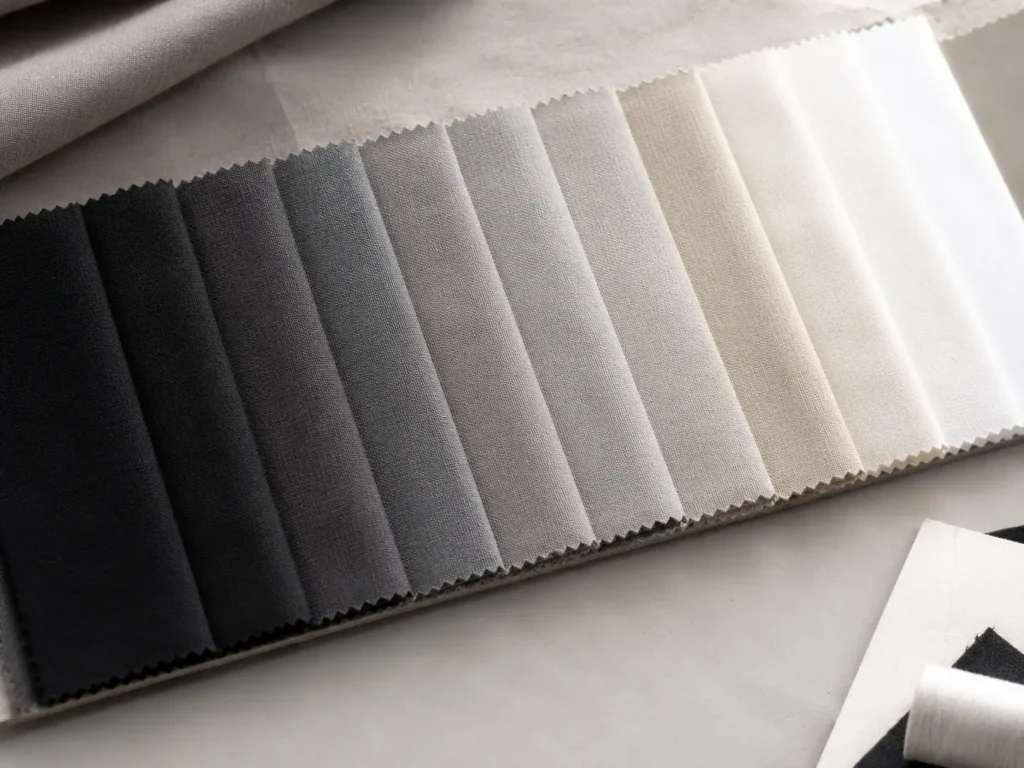
Black may read blue, red, brown or grey depending on fiber, dye route, finish and lighting. White may appear optical, warm, creamy or yellowed. When satin, mesh, lace, jersey and crepe sit together, visual alignment must be judged across physical fabric swatches rather than color codes alone.

Texture Carries the Story

With fewer colors, differentiation comes from matte and gloss surfaces, transparency, density, drape and structure. A weak fabric mix can make the range repetitive, while an uncontrolled mix can look fragmented. Each material needs a role inside the assortment and a compatible construction method.

Details Become Highly Visible

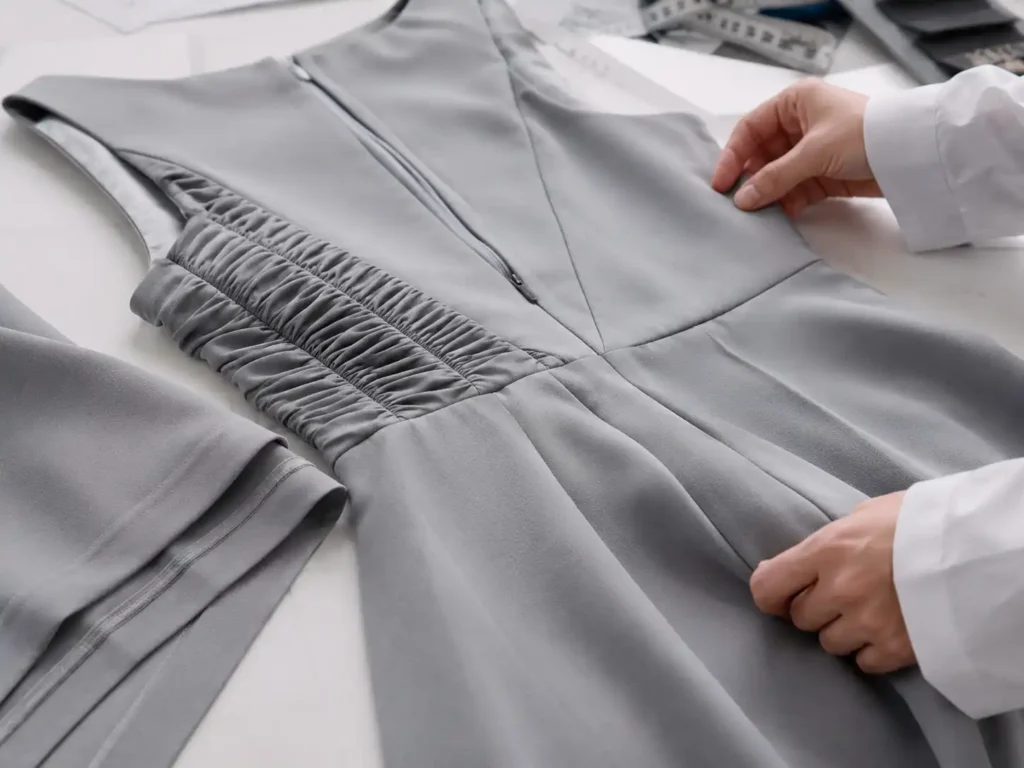
Uneven ruching, twisted straps, exposed lining, puckered zippers, wavy hems, inconsistent seam allowances and pressing marks stand out on minimal garments. Pattern balance, sewing execution, final pressing and packing protection become part of the visual design, not only production tasks.

Three Ways to Build a Monochrome Collection

Monochrome can mean strict black and white, an expanded neutral palette, or several depths of one color. The manufacturing route changes with the chosen color architecture.

Black and White

A high-contrast collection may combine black satin, white crepe, charcoal ponte and selective black-white blocking. Transparency, lining color, optical brightness and black undertone need separate approval because the same visual direction can involve several fabric technologies.

Neutral Tonal Range

Ivory, stone, taupe, chocolate, espresso, grey and charcoal can create a softer commercial story. Warm and cool undertones must be coordinated, especially when lace, mesh, lining, thread and zipper tape are sourced from different suppliers.

Single-Color Depth

A tonal capsule may stay within one hue while changing shade, gloss, transparency and weight. Depth can come from satin against matte crepe, double mesh over lining, rib knit beside ponte, or lace over a matched base fabric.

Dress Styles for a Commercial Monochrome Range
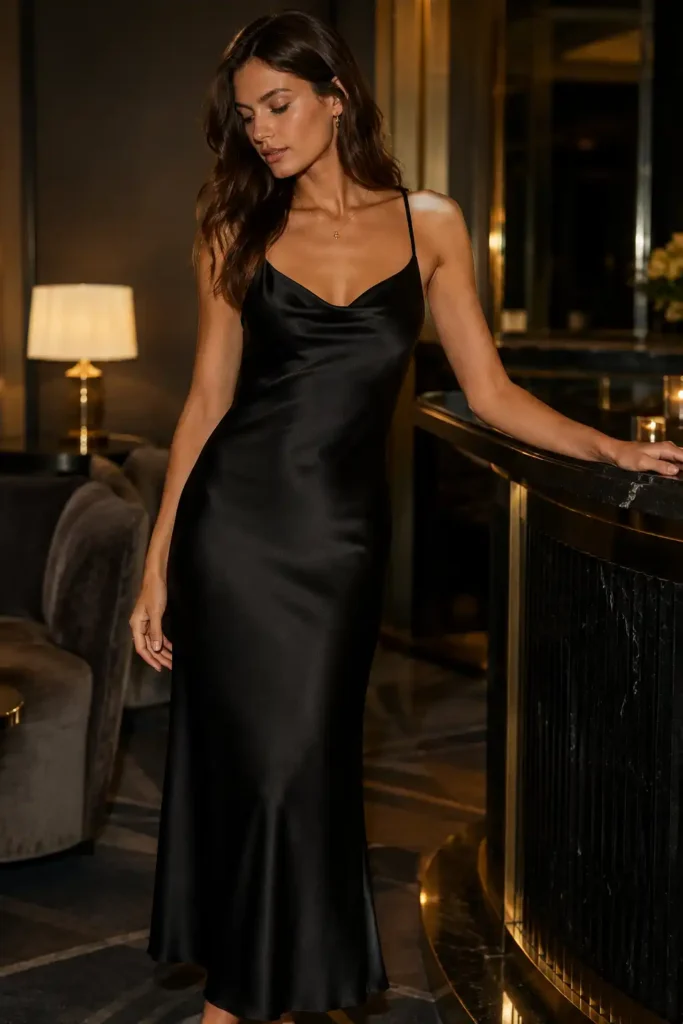
A balanced assortment combines different lengths, fits, structures and selling occasions. Each style below brings a distinct visual role and a specific production control point.

Satin Slip Dress

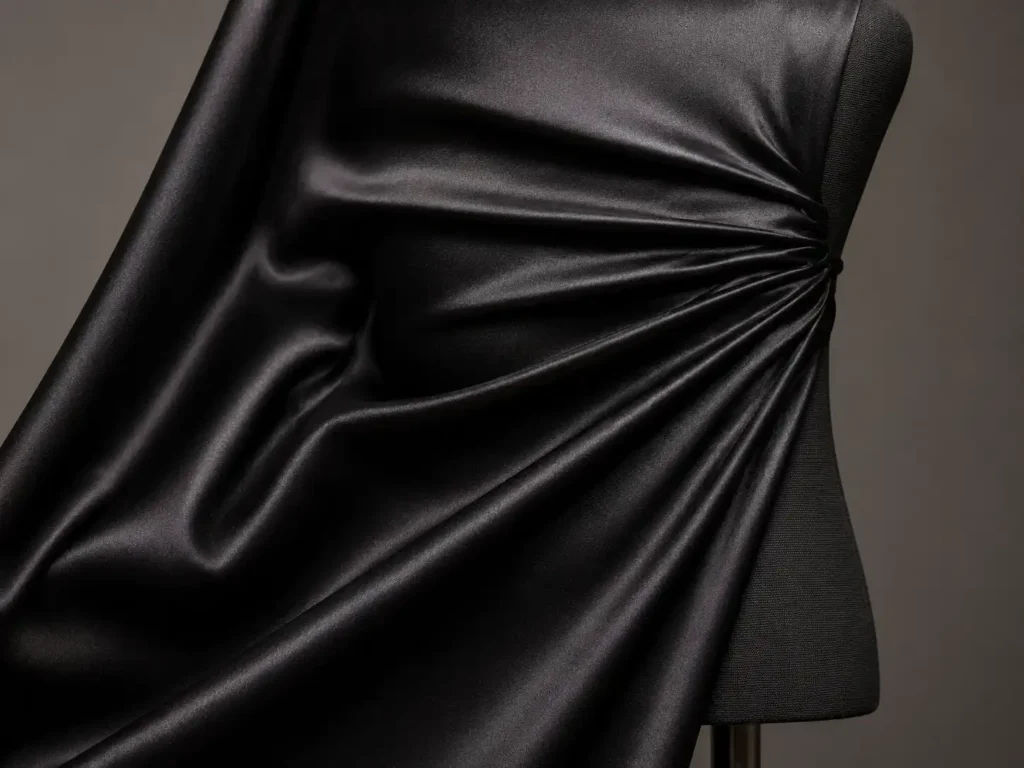
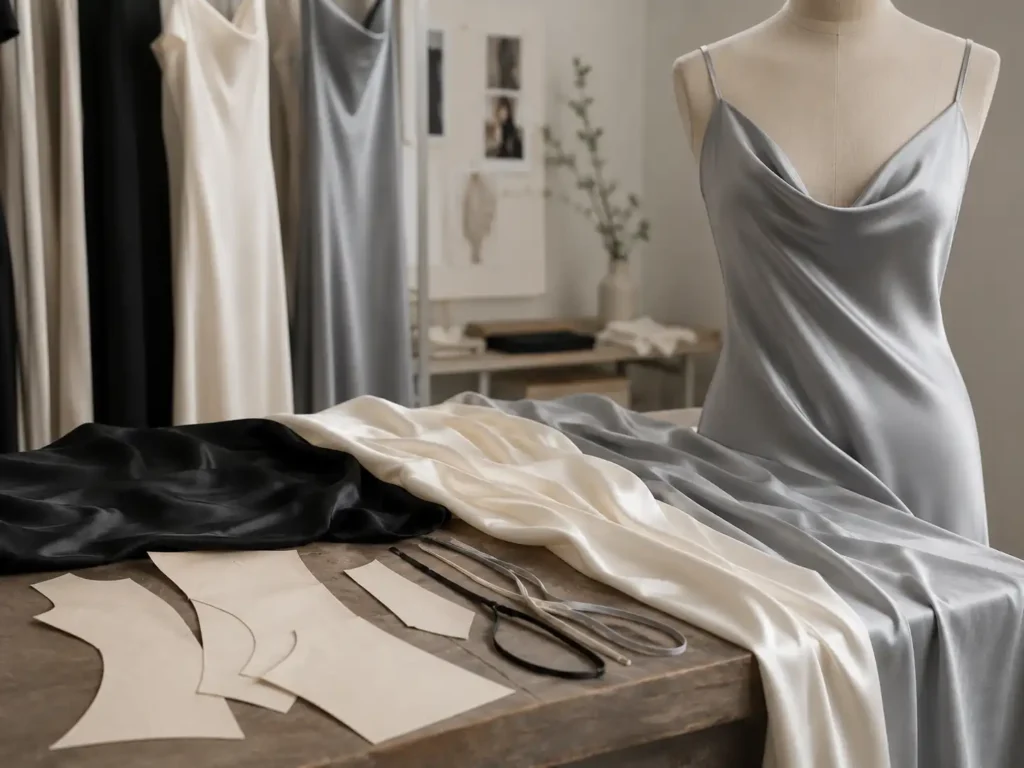
A slip dress provides fluid shine and a clean evening silhouette. Bias influence, strap length, neckline stability, lining choice, zipper flatness and pressing must be tested before approval. Black satin needs undertone and face-direction control; ivory satin needs opacity, stain prevention and protective packing. Suitable as a hero piece for cocktail, date-night or occasion collections.

Mesh Bodycon Dress

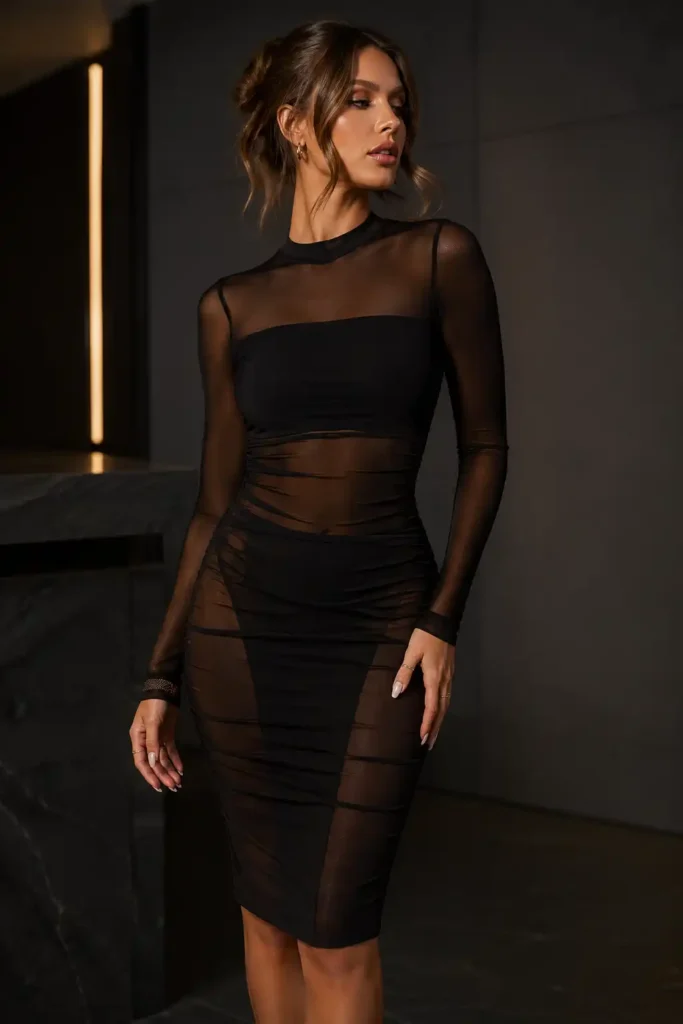
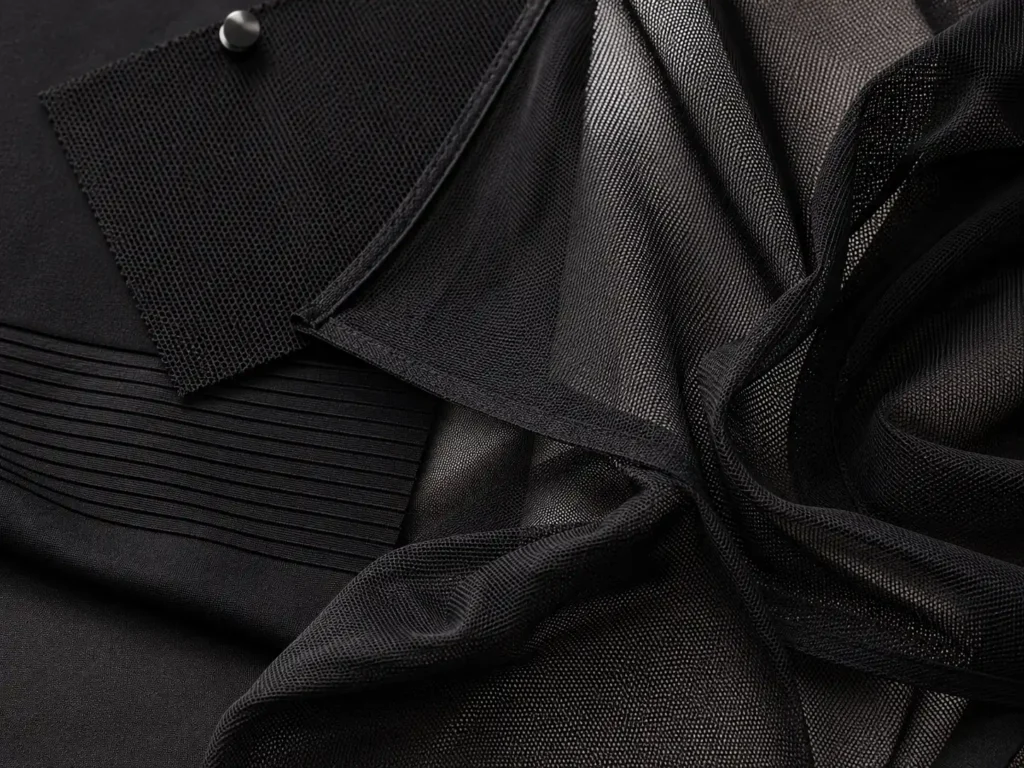
Mesh introduces transparency and layered depth without adding color. Stretch direction, recovery, double-layer tension, lining coverage, neckline reinforcement and seam stretch determine whether the dress remains smooth on the body. Black mesh can vary visibly by density; white or nude-backed mesh requires careful coverage tests under daylight and flash photography.

Corset Mini Dress

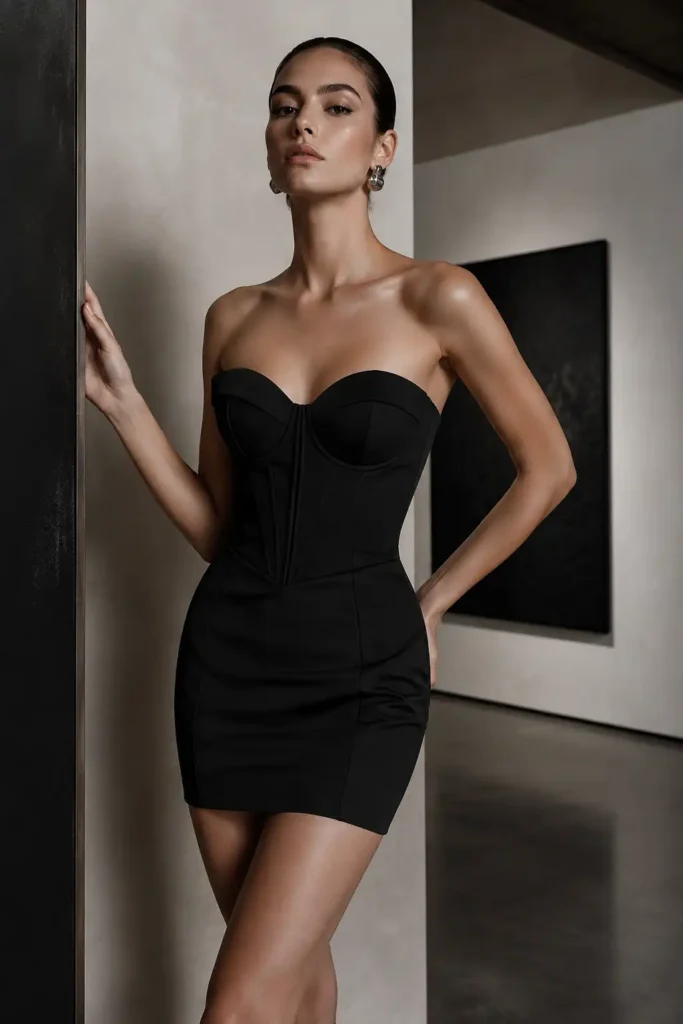
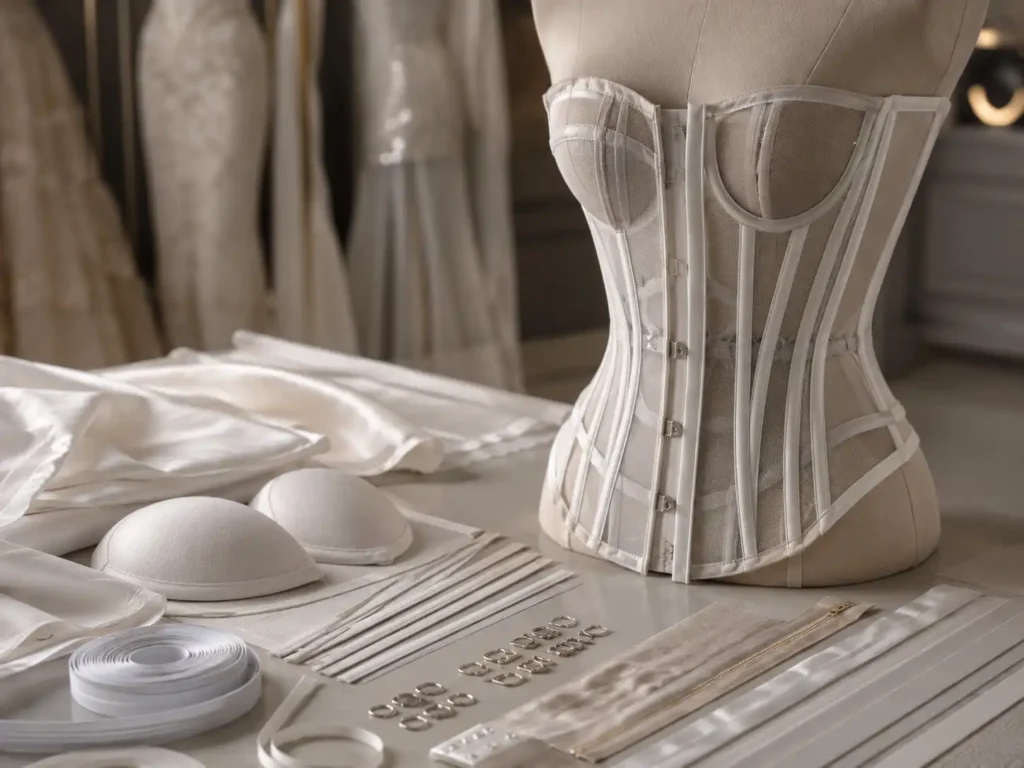
A corset mini creates strong structure inside a restrained palette. Cup shape, boning position, waist placement, zipper strength, upper-bust support, lining and hem length must work together. Minimal color makes uneven cups, twisted seams or exposed internal support easy to notice, so fit review and construction balance are essential.

Ponte Midi Dress

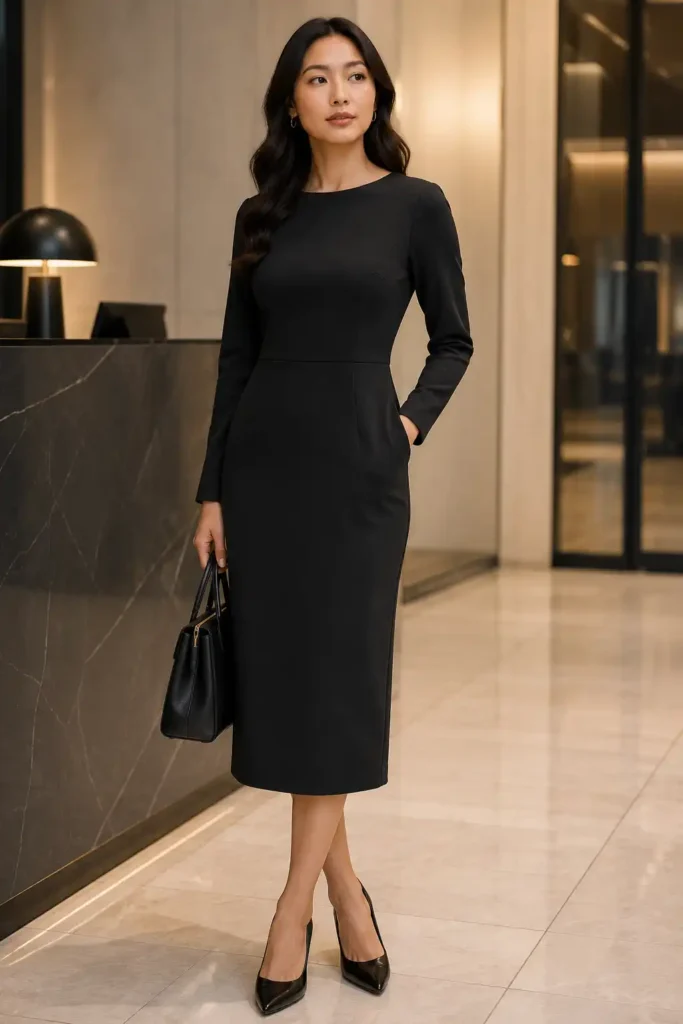
Ponte or Roma fabric offers matte structure, recovery and reliable body coverage. Fabric weight, stretch ratio, side-seam stability, waist-to-hip shaping and slit position determine the final result. The style can anchor office-to-evening or permanent-core ranges where repeated fit and size consistency matter more than decorative detail.

Crepe A-Line Dress

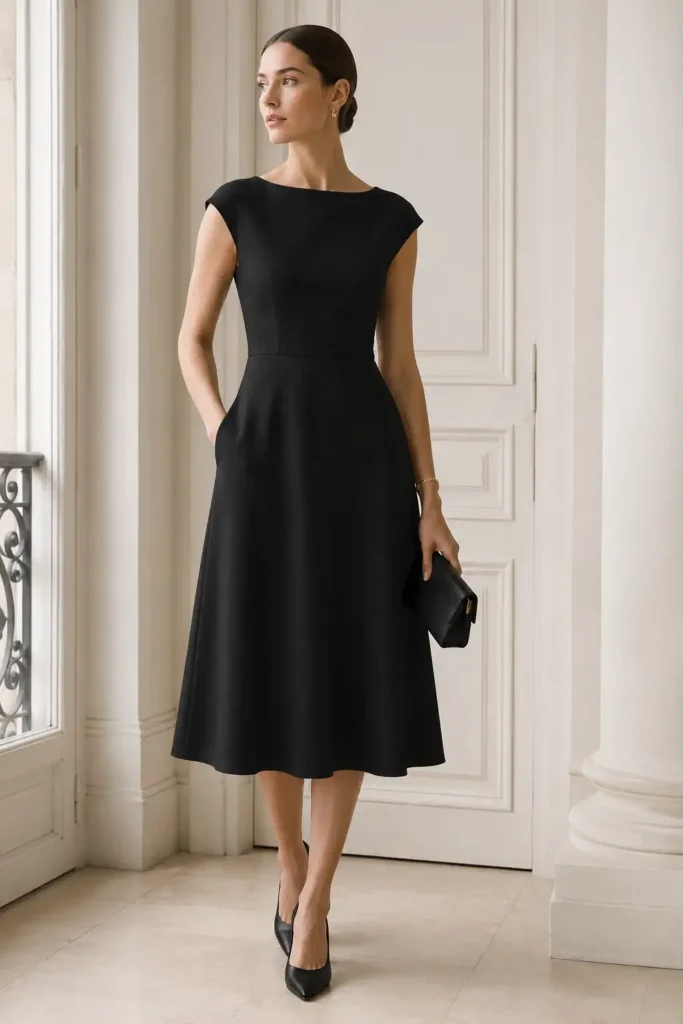
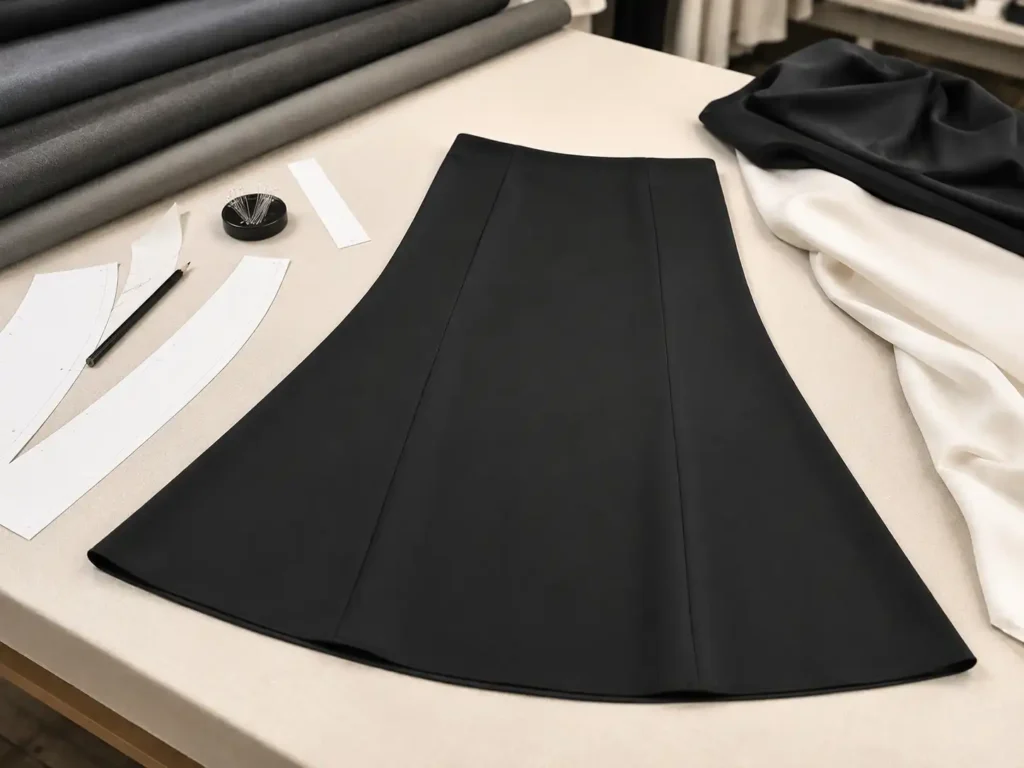
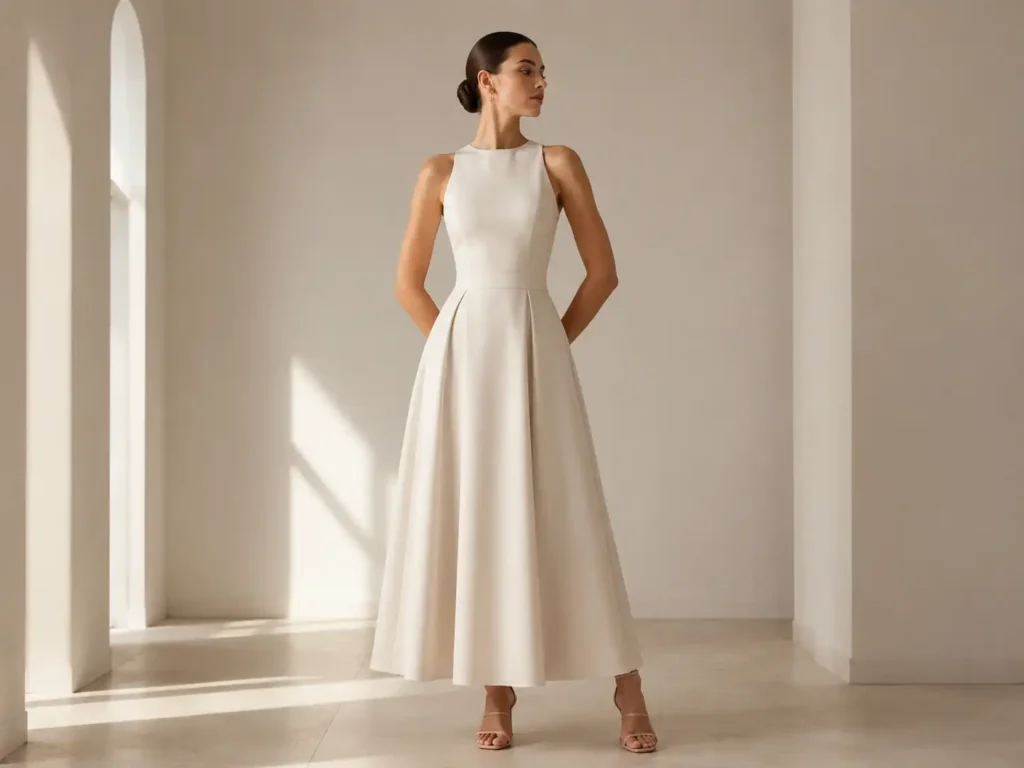
Crepe adds a controlled matte surface and clean drape for daywear, occasionwear or refined commercial ranges. Grain direction, shoulder balance, waist position, lining weight, hem fall and pressing should be evaluated in the sample. White crepe often needs a carefully matched lining to avoid transparency and color contamination.

Lace Occasion Dress

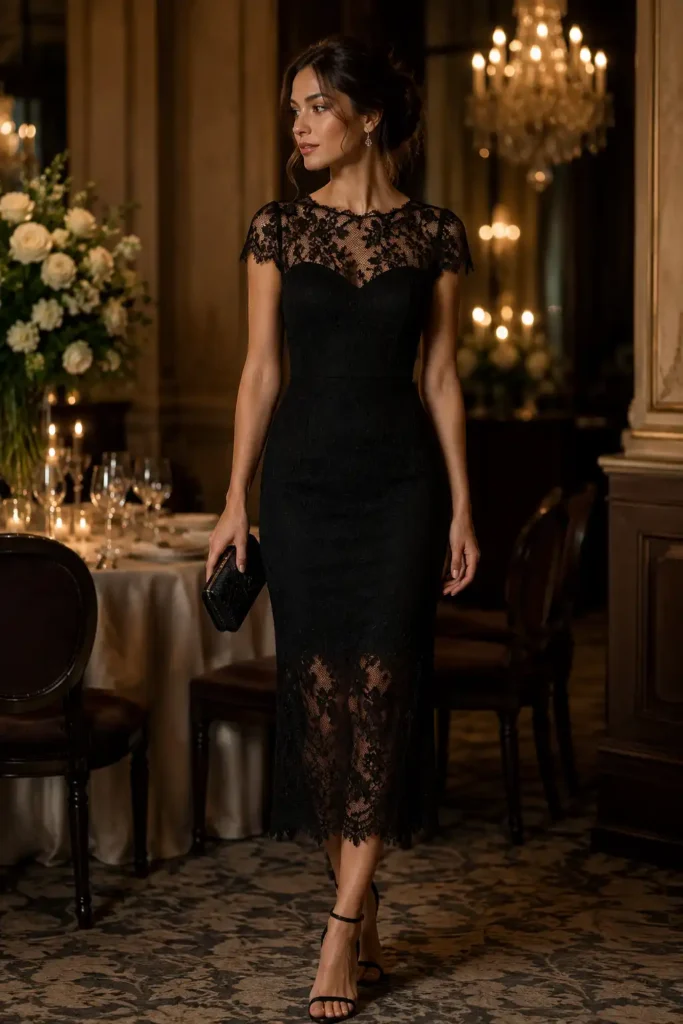
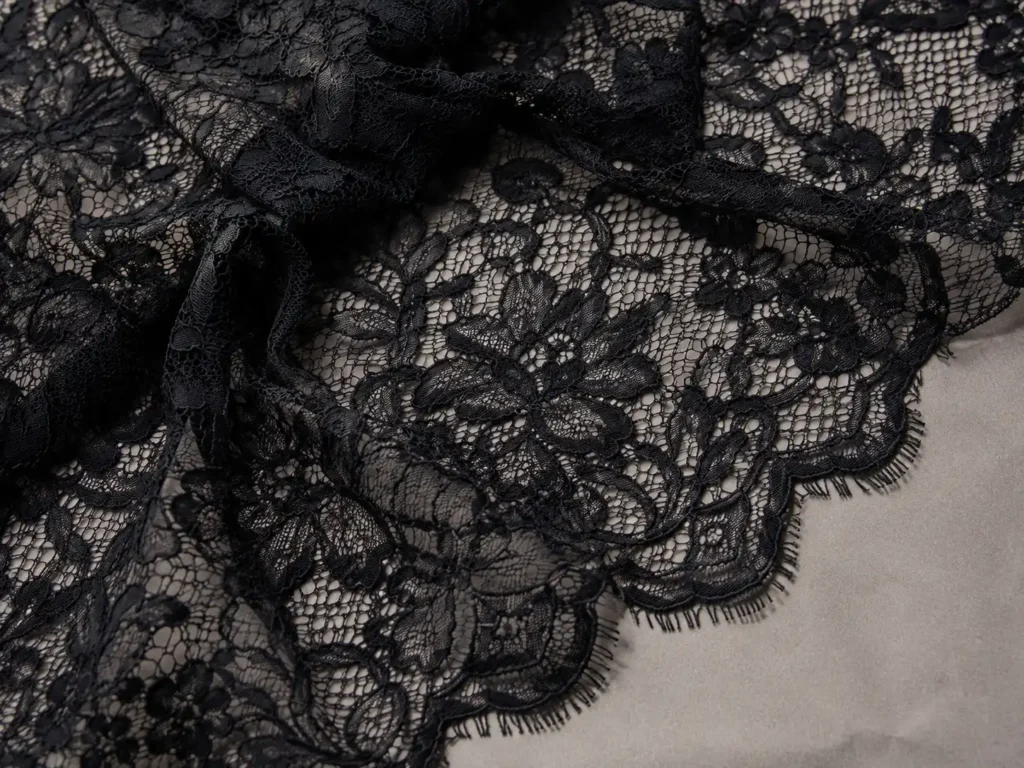
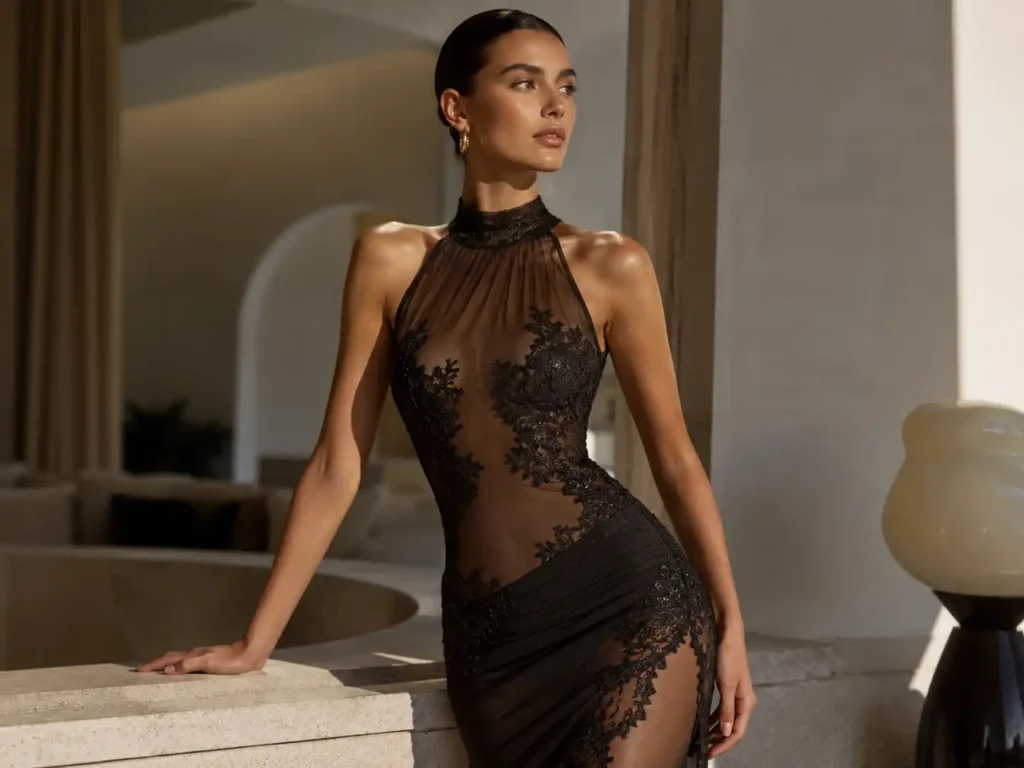
Lace creates pattern through surface rather than print. Motif placement, edge finishing, seam matching, transparency, lining tone and fragile-area reinforcement must be planned before cutting. Black lace may look heavy if the base is too dark; ivory lace may look mismatched when lining, thread and zipper tapes carry different warm or cool undertones.

Jersey Ruched Dress

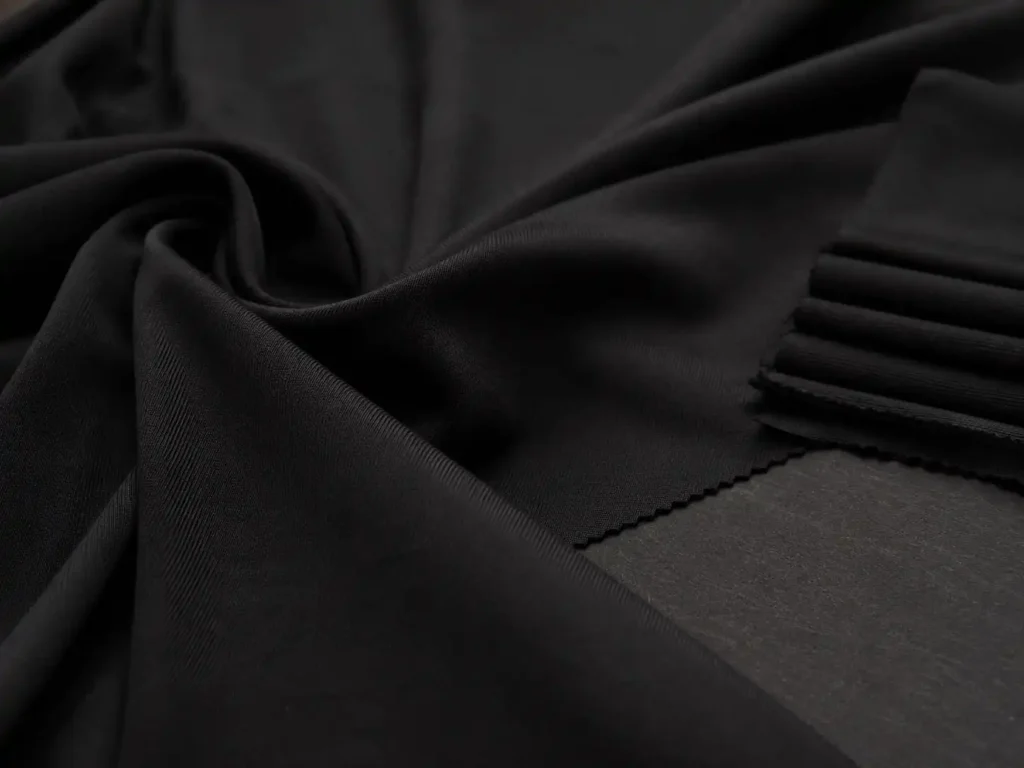
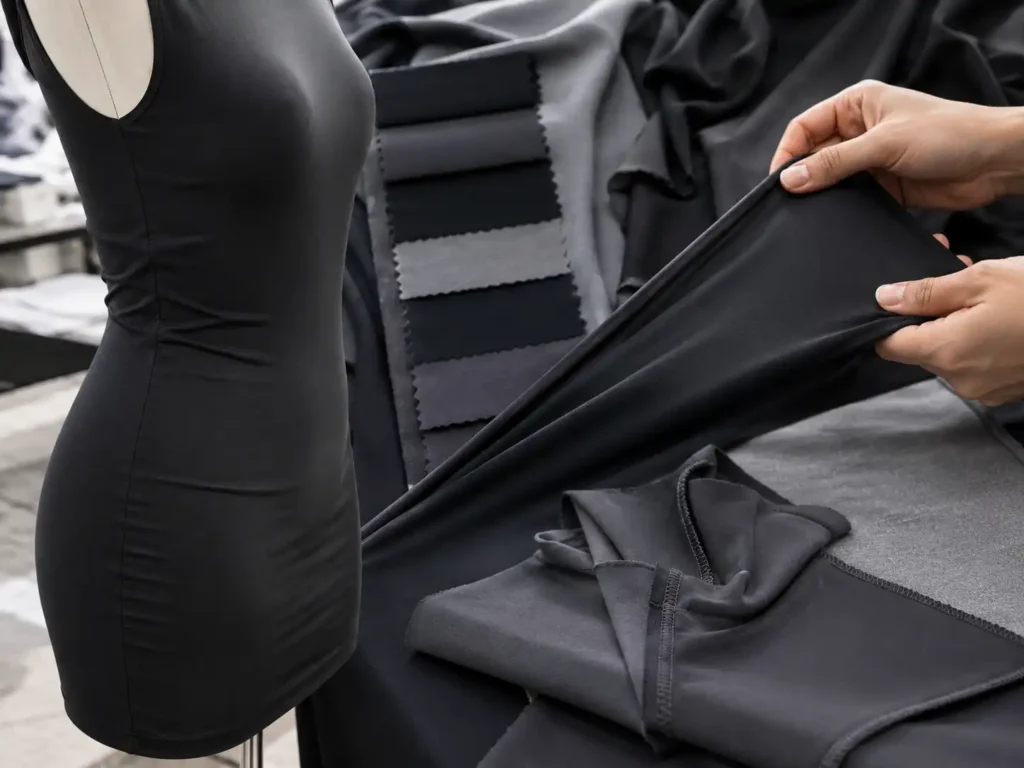
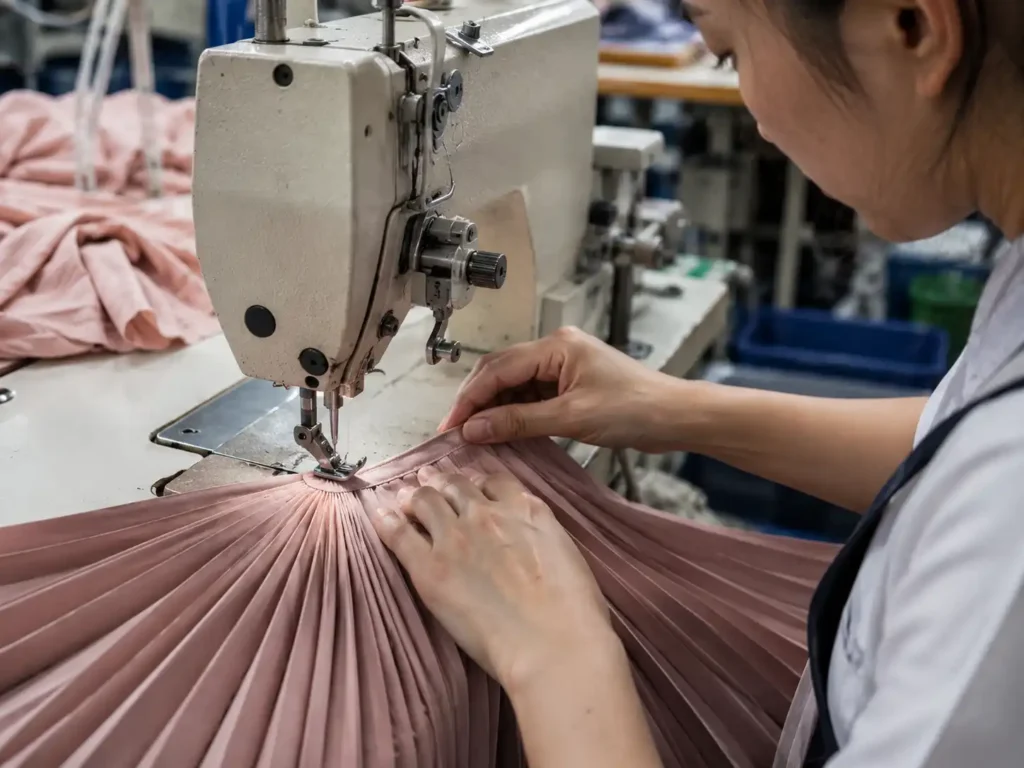
Jersey supports close fit, movement and controlled gathering. The team reviews weight, stretch, recovery, shrinkage, torque, ruching symmetry and finished measurements. A black jersey dress can become a strong repeat item when fabric records, final pattern, gathering ratio and size tolerances remain stable across production and reorders.

Chiffon Maxi Dress

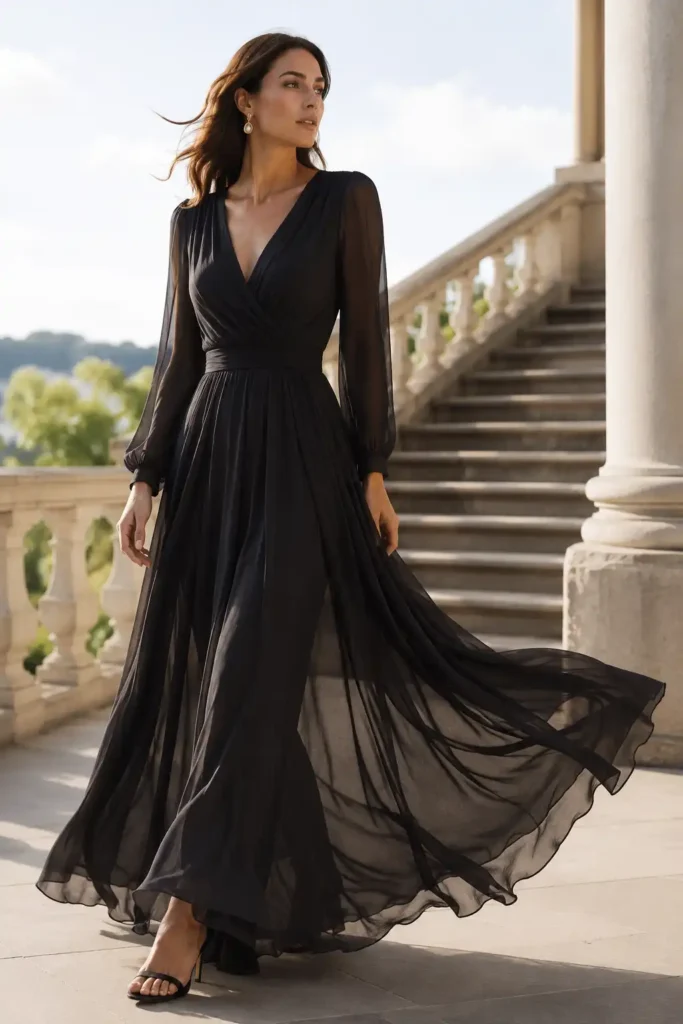
Chiffon brings movement and lightness to a tonal range. Transparency, lining length, seam slippage, grain stability, hem balance and pressing require careful handling. A monochrome chiffon maxi often depends on layered opacity and clean internal finishing; uneven hems or mismatched lining can weaken the entire presentation.

Color and Fabric Approval Matrix

Color approval must connect visual intent with physical fabric behavior. Pantone references can guide development, while fabric swatches, lab dips and bulk references provide the production standard.

Color DirectionBest-Suited MaterialsMain Approval PointsBulk Risk to Control
Neutral BlackSatin, jersey, ponte, crepe, lace, meshUndertone, face direction, gloss, lining, thread and zipper tapeBlue-black/red-black mismatch, dye-lot variation, pressing shine
Optical WhiteCrepe, ponte, structured woven, selected jerseyOpacity, optical brightness, lining coverage, stain handlingTransparency, yellow cast, visible seam allowance, handling marks
Ivory/CreamSatin, lace, chiffon, crepe, mesh overlayWarmth, lining tone, lace-base match, trim colorYellow variation, mismatched whites, dirty appearance under cool light
Grey/CharcoalPonte, jersey, suiting, crepe, satinWarm/cool balance, depth, surface finish, thread matchGreen or purple cast, cross-fabric tone separation
Chocolate/EspressoSatin, velvet, jersey, crepe, ponteRed/brown balance, gloss direction, lining and zipper colorsDeep-shade dye variation, surface shading, reorder mismatch
Single Tonal HueMixed matte, gloss, sheer and textured fabricsMaster swatch, depth hierarchy, fabric-specific acceptance rangeEvery fabric matching numerically but failing visually as a collection

Fabric Textures That Create Monochrome Depth
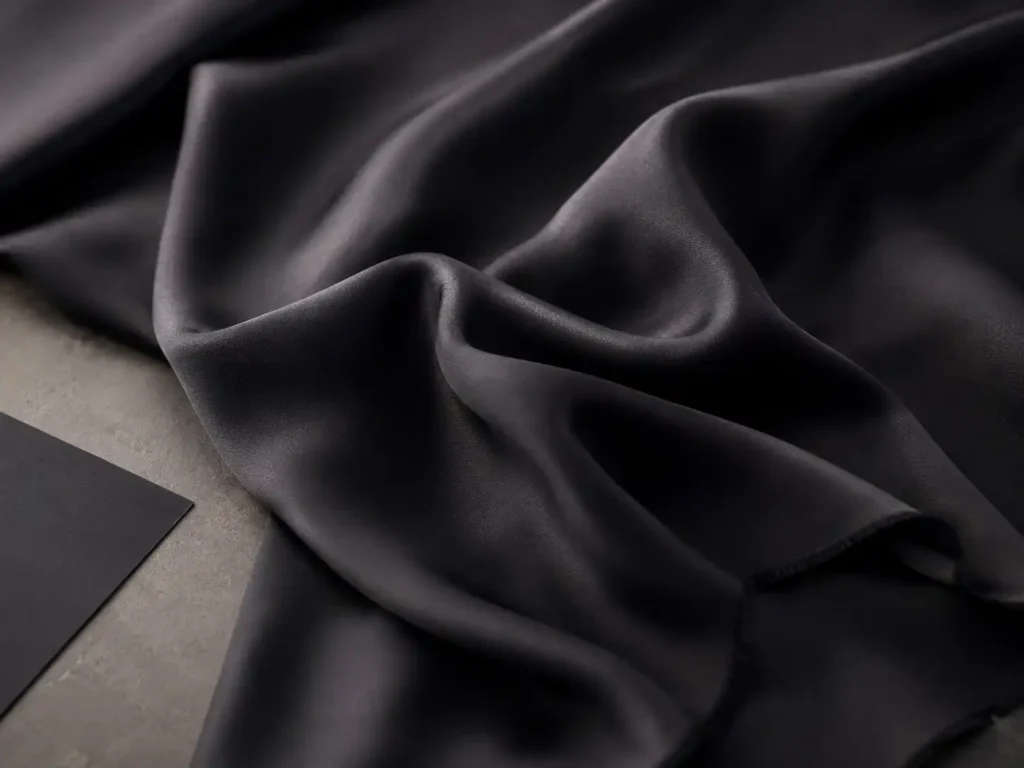
Material selection gives a restricted palette commercial range and visual movement. Each fabric must be judged for appearance, construction, wear, care and repeatability rather than selected by name alone.

Matte Satin

Matte satin reduces excessive shine while keeping fluid drape. It works well for slip, cowl, bias-inspired and occasion silhouettes. Development checks include face direction, snag sensitivity, seam impression, zipper behavior, pressing temperature, lining and carton pressure. Deep black and chocolate shades can show direction changes, so cutting orientation and bundle control are important.

Stretch Satin

Stretch satin supports fitted dresses that need sheen and movement. Stretch percentage, recovery, seam slippage, puckering, lining compatibility and body measurement tolerances require review. Excessive tension can distort side seams or zippers; weak recovery can make the garment grow after wear. Sample fitting should reflect the intended size range and construction.

Power Mesh

Power mesh provides compression, transparent layering and internal support. It can appear in bodycon dresses, corset panels, sleeves and overlays. Density, stretch direction, recovery, skin feel, edge finishing and lining placement affect comfort and visual clarity. Black power mesh must be checked under stretch because the color becomes lighter as the holes open.

Fashion Lace

Lace offers tonal pattern and surface value. Motif scale, repeat, scallop use, seam placement, edge shape, backing fabric and color compatibility need early planning. Some lace qualities require manual placement or higher cutting allowance. Fragile motifs can break during sewing and finishing, so sample construction should confirm reinforcement and handling methods.

Jersey Knit

Jersey brings close fit, drape and repeat potential. The fabric is reviewed for weight, opacity, four-way or two-way stretch, recovery, shrinkage and torque. Low recovery can cause knee, hip or neckline growth; poor relaxation can distort cutting. Black jersey also needs rubbing and colorfastness review according to the program requirement.

Ponte Roma

Ponte creates stable structure with moderate stretch and a smooth matte finish. Weight and compactness must suit the season and silhouette. Heavy ponte can feel rigid; light ponte may lose coverage. Pattern ease, side-seam alignment, hem method and pressing are adjusted to maintain a clean office, midi or bodycon shape.

Soft Crepe

Crepe provides a refined matte surface for A-line, draped, wrap and occasion dresses. Construction depends on weight, grain stability, seam slippage, opacity and wrinkle response. White and ivory versions often need full or partial lining. Deep colors can show shading after pressing if temperature and pressure are not controlled.

Chiffon Layering

Chiffon builds movement through layers, flounces and sheer sleeves. The manufacturing focus includes grain control, seam slippage, rolled hems, lining length, gathering balance and static behavior. Tonal chiffon works best when shell, lining and thread are approved as a group rather than sourced independently by color name.

Silhouette Architecture Across the Collection
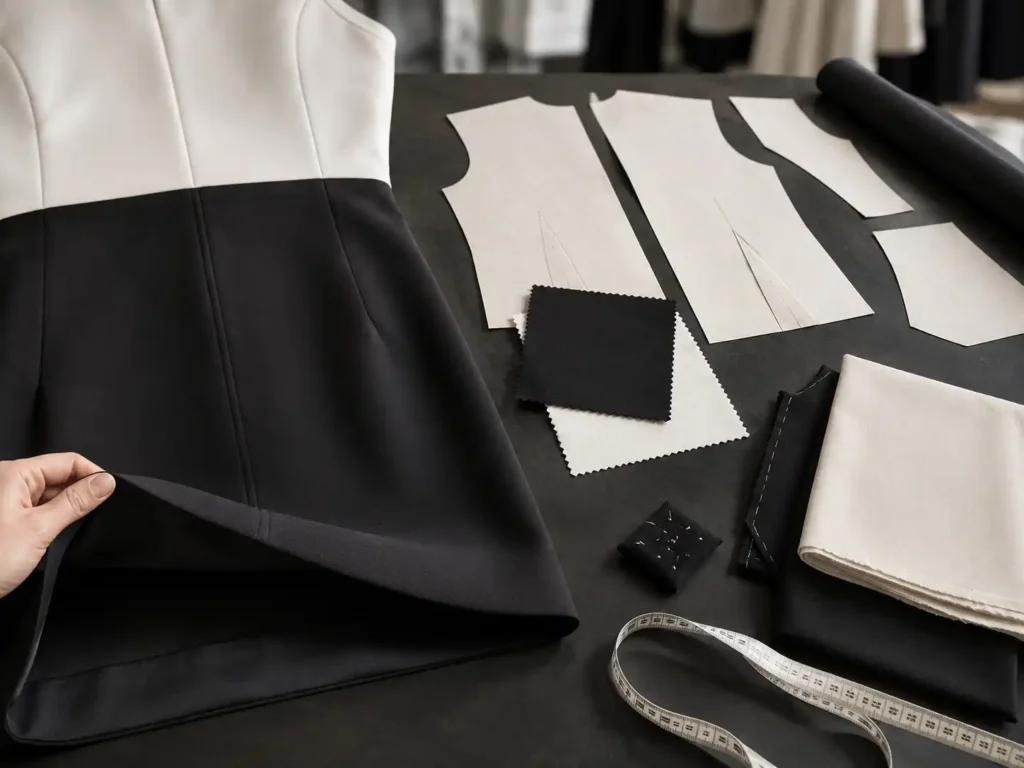
A cohesive range repeats selected design codes while varying length, volume, fit and structure. Pattern decisions keep the assortment related without making every style look identical.

Mini Proportion

Mini dresses need controlled total length, waist placement, hem opening and movement coverage. Strapless, corset and bodycon minis require different balance. A monochrome mini relies heavily on proportion because there is no print to distract from a high waist, tight hip or visually uneven hem.

Midi Balance

Midi length can look refined or heavy depending on waistline, skirt width, slit height and fabric drape. The sample is checked on-body for front and back balance. Stretch midi styles also need walk allowance and recovery so the skirt does not climb or twist during wear.

Maxi Movement

Maxi dresses require level hems, controlled sweep, lining length and packaging methods that reduce deep creases. Chiffon, satin and jersey each behave differently. The final pattern must consider footwear, intended occasion and size grading so larger sizes do not become disproportionately long or heavy.

Bodycon Fit

Bodycon development focuses on bust, waist, high hip, full hip, hem opening, fabric stretch and recovery. Negative ease must match the selected material. A black fitted dress can reveal side-seam torque, drag lines and uneven ruching, making accurate pattern and fabric testing essential.

A-Line Shape

A-line silhouettes need shoulder-to-waist balance, clean side seams, controlled flare and even hem fall. Matte crepe, suiting and ponte support different levels of structure. A-line styles can act as the commercial counterpoint to bodycon and corset pieces inside the same collection.

Slip Line

Slip dresses depend on neckline shape, strap position, bust coverage, back depth and fluid drape. Bias influence can change length and width after hanging. The sample may require rest time before final hem evaluation, especially in satin or lightweight woven fabrics.

Corset Structure

Corset silhouettes combine cups, boning, waist control, lining and closure strength. Cup volume and placement must follow the intended size range, not only the fitting sample. Internal structure should support the design while avoiding visible distortion through a minimal outer fabric.

Halter Strapless

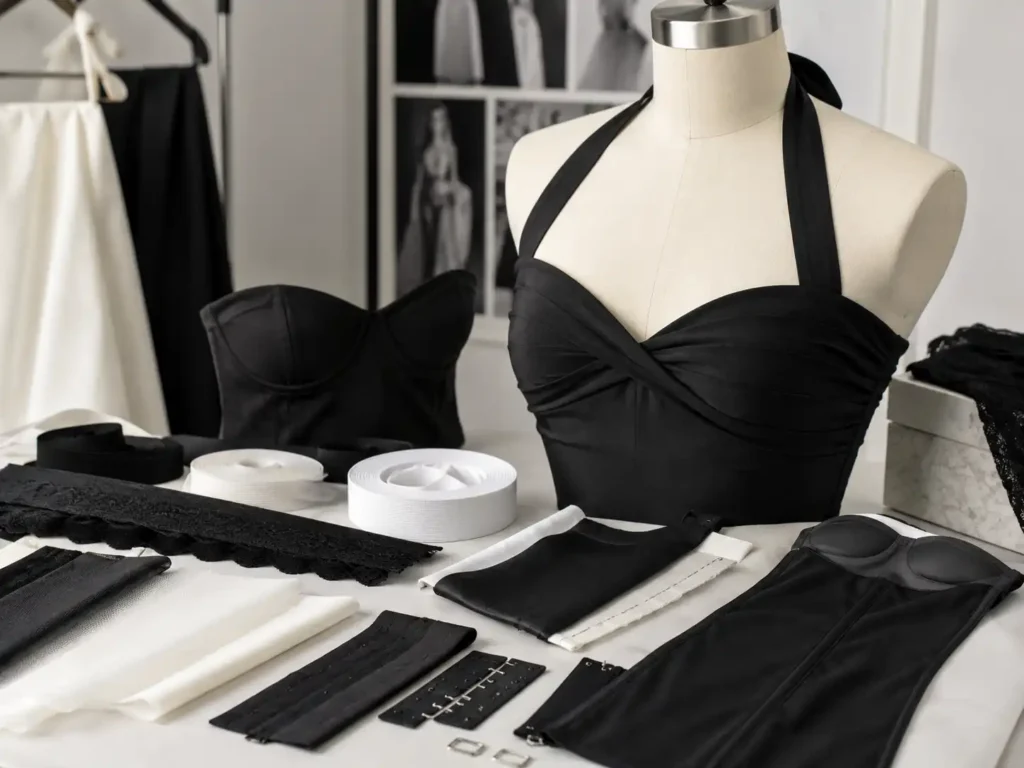
Halter and strapless styles need upper-body security, armhole control, neckline reinforcement and movement testing. A clean monochrome surface makes slipping, gaping, twisted straps or uneven neckline edges immediately visible. Construction and fit should be confirmed before bulk grading.

Design Details That Keep the Range Cohesive

Collection identity can be carried through repeated construction lines, controlled exposure, proportion and trim treatment. Each detail must remain manufacturable across several fabrics and sizes.

Neckline Language

Select a controlled family of square, cowl, halter, deep-V or strapless necklines rather than unrelated shapes. Coverage, stabilization, binding, facing and support methods differ by fabric. The team checks neckline depth, gaping, edge stretch and visual alignment across the range.

Waist Placement

High waist, natural waist and low waist create very different monochrome proportions. The waistline should connect across mini, midi and maxi silhouettes while respecting each style structure. Pattern review covers front and back waist balance, torso length, seam shape and size grading.

Controlled Transparency

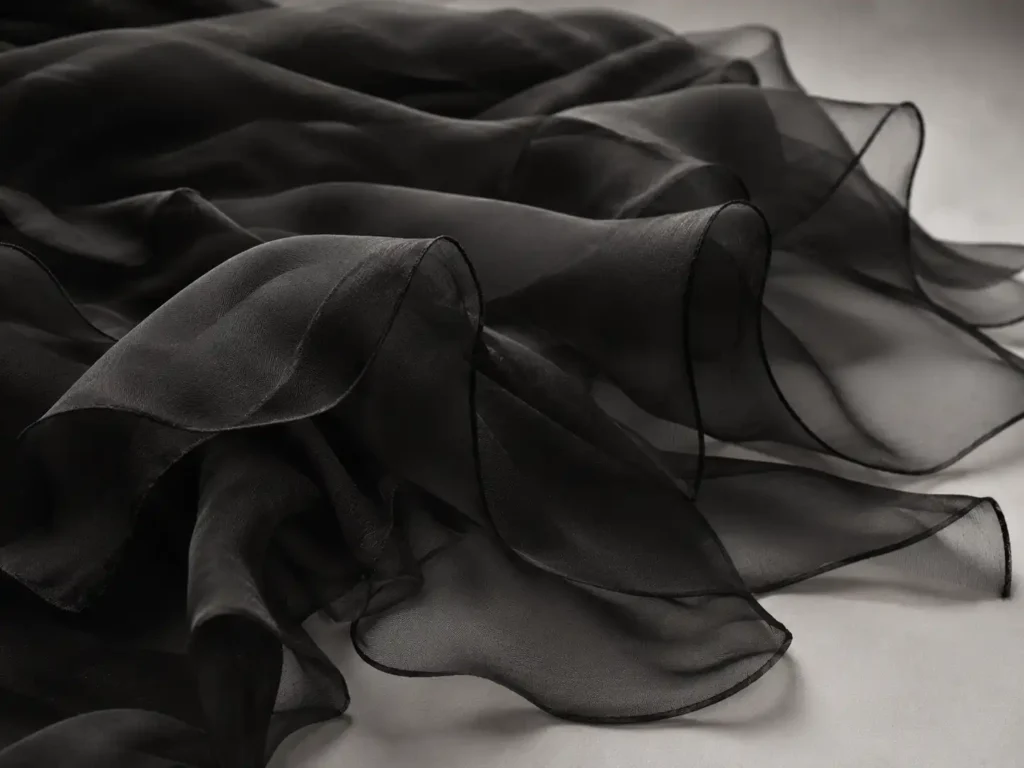
Mesh, lace and chiffon can create tonal layers, but transparency must be planned by area. Bust, waist, hip and upper-thigh coverage may require lining, double layers or opaque panels. Flash photography and movement tests help prevent unexpected exposure in white, ivory or light neutral styles.

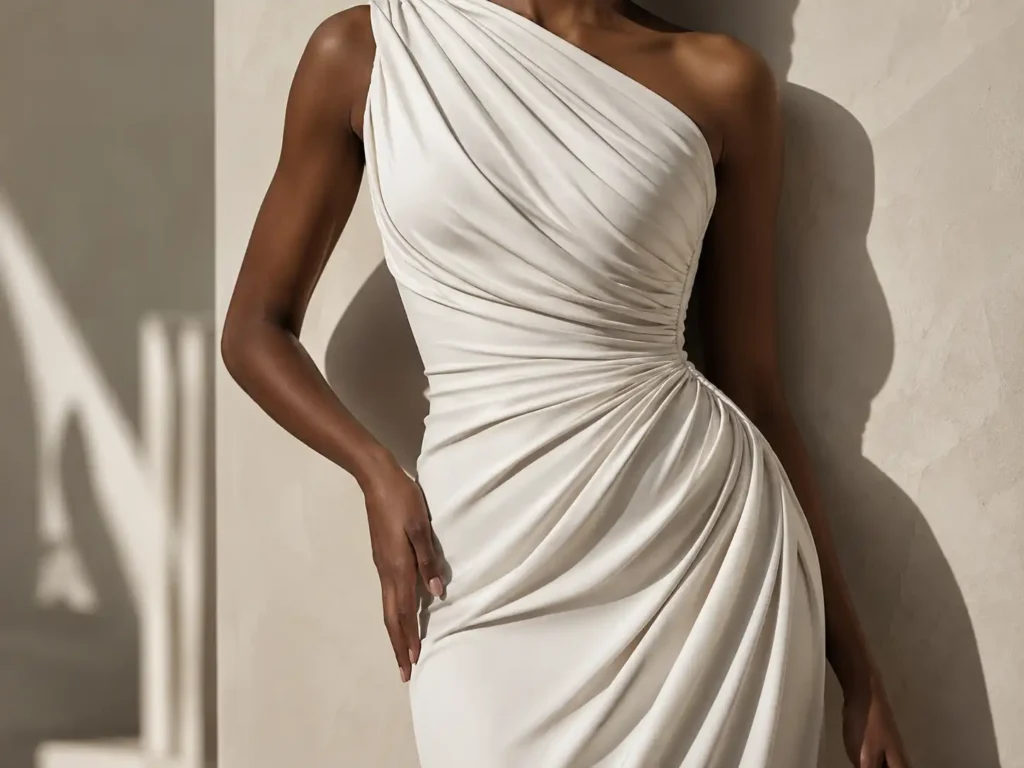
Ruching and Draping

Ruching creates shadow and depth without another color. Gathering ratio, elastic tension, seam placement and left-right symmetry need measurable instructions. Draped satin and jersey also require grain awareness and stable anchor points so the approved shape can be repeated in bulk.

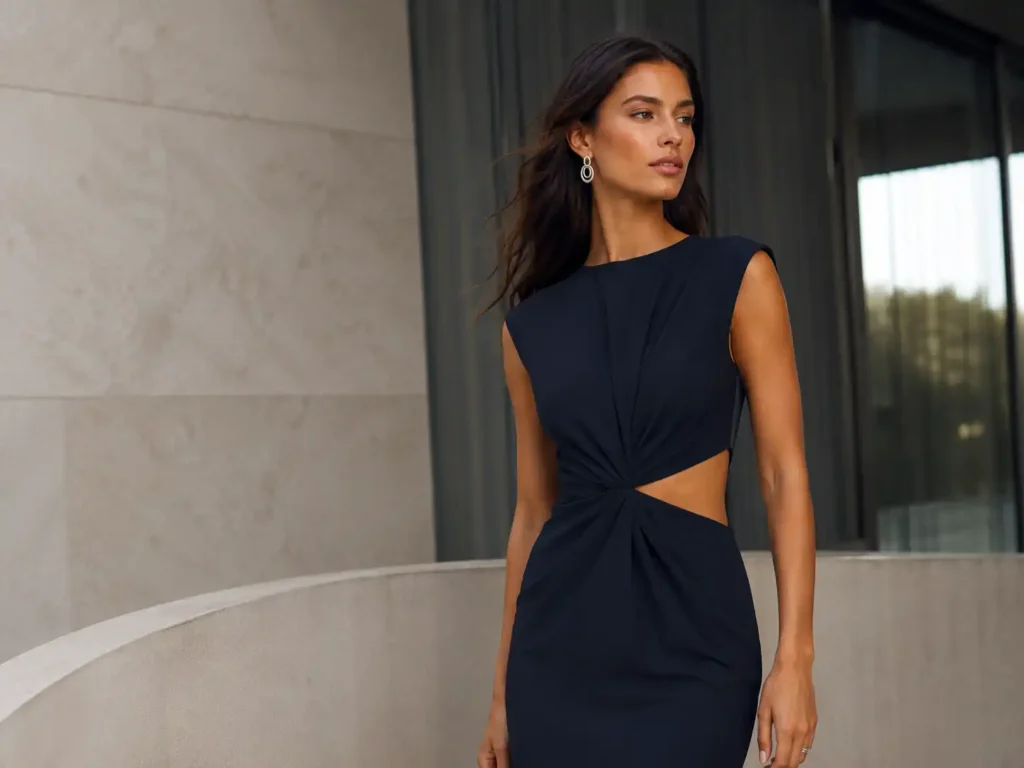
Cut-Out Stability

Cut-outs should retain shape during movement and across sizes. Edge reinforcement, seam allowance, lining, elastic or binding may be needed depending on fabric. Placement is reviewed against bust, waist and hip landmarks so the opening remains intentional rather than shifting after grading.

Trim Integration

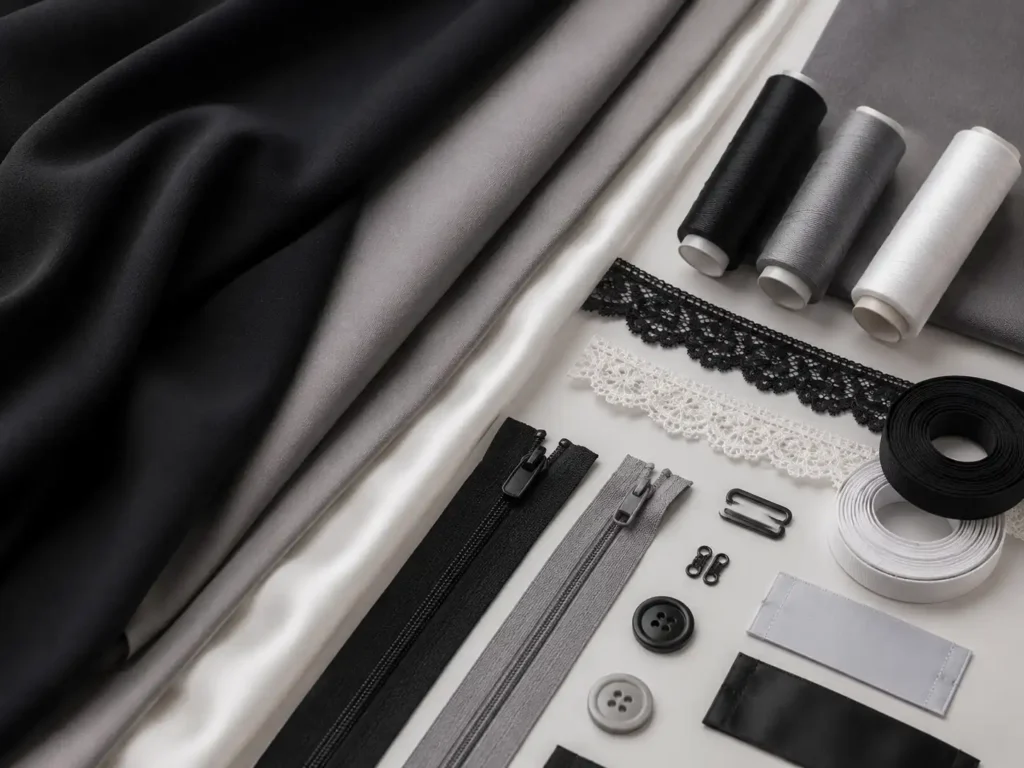
Zippers, sliders, hooks, bra cups, boning, thread, elastic, lace edging and labels should support the color story. A slightly different black zipper tape or bright white thread can disrupt a minimal garment. Trim cards and placement instructions reduce variation before production.

From Collection Brief to Bulk Production

Every approval narrows production risk. Jinfeng Apparel moves the range through defined development, sample and manufacturing stages rather than treating all styles as one undifferentiated order.

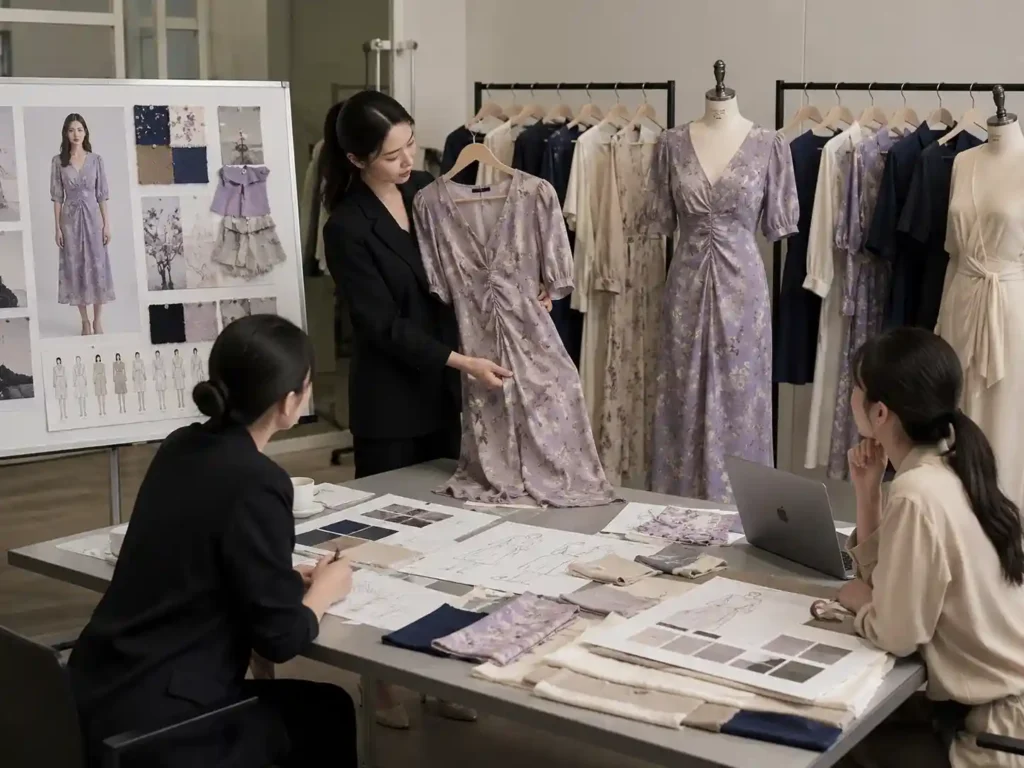
Collection Review

Review line sheet, reference images, tech packs, target quantities, launch date, size range, pricing direction and intended sales channels. Styles are grouped by complexity, fabric and priority.

Color Architecture

Confirm black, white, grey, ivory, neutral or tonal direction. Identify stock colors, custom-dye needs, Pantone references, lining relationships and fabric-specific acceptance points.

Fabric and Trims

Shortlist shell fabrics, linings, mesh, lace, zippers, thread, boning, cups, elastics, labels and packaging materials. Availability, minimums and lead times are reviewed before sampling.

Pattern Development

Create or correct patterns according to silhouette, fabric behavior, measurements and construction. Key risks such as neckline security, waist balance, hip fit, length and lining coverage are recorded.

First Samples

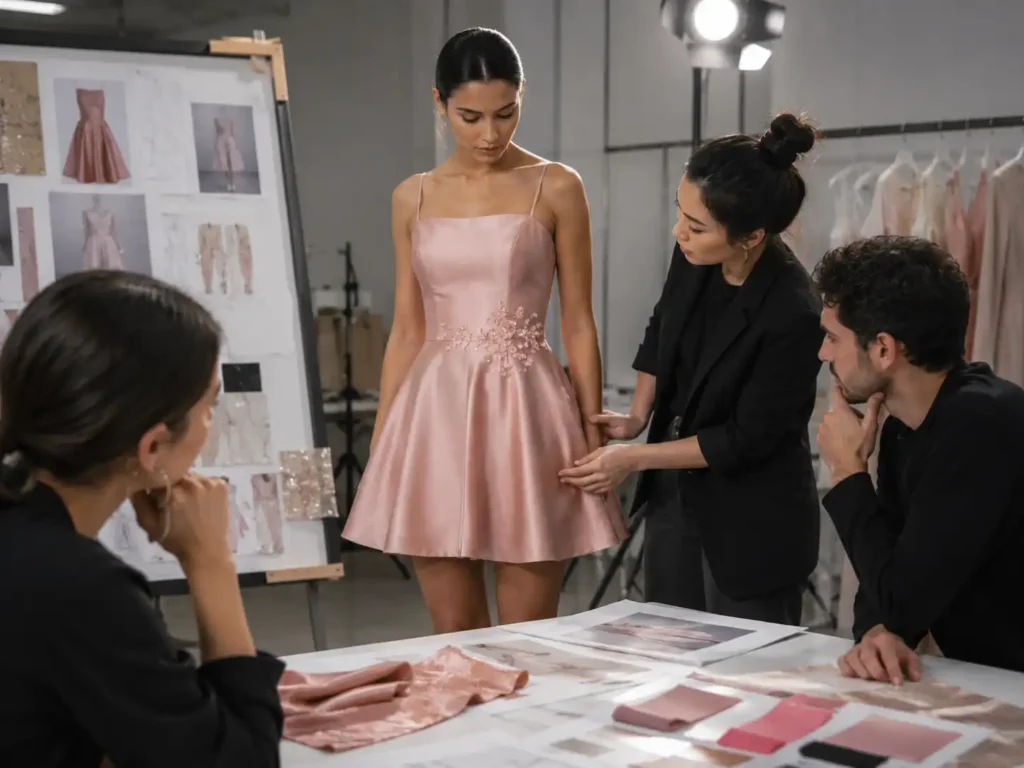
Produce first samples for proportion, construction, fabric response and visual direction. Standard styles generally require about 7-10 working days after complete information and material direction are confirmed; complex styles commonly require 10-15 working days or longer.

Revision Control

Classify comments by fit, pattern, fabric, construction, color, trim and finishing. Updated patterns, measurements and BOM records follow approved changes rather than relying on informal messages.

PP and Handover

Lock the production standard through PP approval, final pattern, size chart, fabric reference, trim card, sewing instruction, label placement, packing method and QC checklist.

Bulk and Delivery

Prepare materials, cut, sew, inspect, finish, pack and coordinate shipment. Multi-style production is allocated by product structure, fabric family, quantity and required delivery wave.

Multi-Style Sampling Without Version Confusion

Collections of 10-30 styles need priority rules, grouped development and visible approval status. Sample speed matters, but sequencing the right styles first protects launch timing more effectively than pushing every style at once.

Hero Style Priority

Key campaign pieces, fit-critical silhouettes and styles linked to photography deadlines are identified first. Their fabric and trim decisions can establish standards used by related styles.

Fabric Grouping

Satin styles, stretch styles, mesh-lace styles and structured woven styles are grouped so fabric approvals, pattern decisions and construction comments can be reused where technically appropriate.

Pattern Complexity

Simple silhouettes and complex corset, drape, cut-out or layered designs follow different sample routes. The schedule reflects pattern work, material readiness and fitting risk instead of one identical deadline.

Revision Tracker

Every style keeps a current pattern version, measurement file, comment list, fabric selection, trim selection and approval status. Superseded instructions are separated from the active standard.

Photo Sample Planning

Photo-ready samples are prioritized according to campaign dates and model fittings. A photo sample is reviewed for visual presentation, while PP approval remains the production gate when bulk standards need separate confirmation.

Approval Dashboard

Styles are classified as awaiting material, in pattern, first sample, revision, fit approved, PP pending or production ready. The structure helps merchandising and development teams focus decisions where delay would affect the collection calendar.

Sample Approval Must Create a Production Standard

A visually acceptable sample is not enough. The approved garment must be translated into controlled production files so pattern, material, construction, labels and inspection remain aligned across factories and batches.

Fit and Pattern Lock

The final pattern version, base-size measurements, grading rules, seam allowances, neckline depth, waist placement, hip shape, hem length and construction balance are documented before cutting. Changes made during fitting are transferred into the pattern and measurement file rather than left only in comments. Stretch and non-stretch styles use different tolerance logic, and fabric behavior is considered before final approval.

  • Locked records: final pattern, size chart, grade rule, tolerance, fit notes and approved sample reference.
  • Critical checkpoints: bust stability, waist position, hip ease, strap length, slit safety, lining length and hem balance.

Material and Construction Lock

Shell fabric, lining, interlining, mesh, lace, zippers, thread, elastic, boning, cups and decorative trims are listed in the BOM or trim card. Fabric face, direction, shade reference, placement and handling instructions are confirmed. Sewing details include seam type, stitch behavior, ruching ratio, zipper method, lining attachment, hem finish, pressing and final appearance. Approved private-label and packing files are linked before production release.

  • Locked records: fabric reference, color standard, trim card, construction sheet, label placement and packing instruction.
  • Change control: post-approval changes require review of cost, material availability, sample need and production schedule before acceptance.

Black, White and Tonal Shade Control
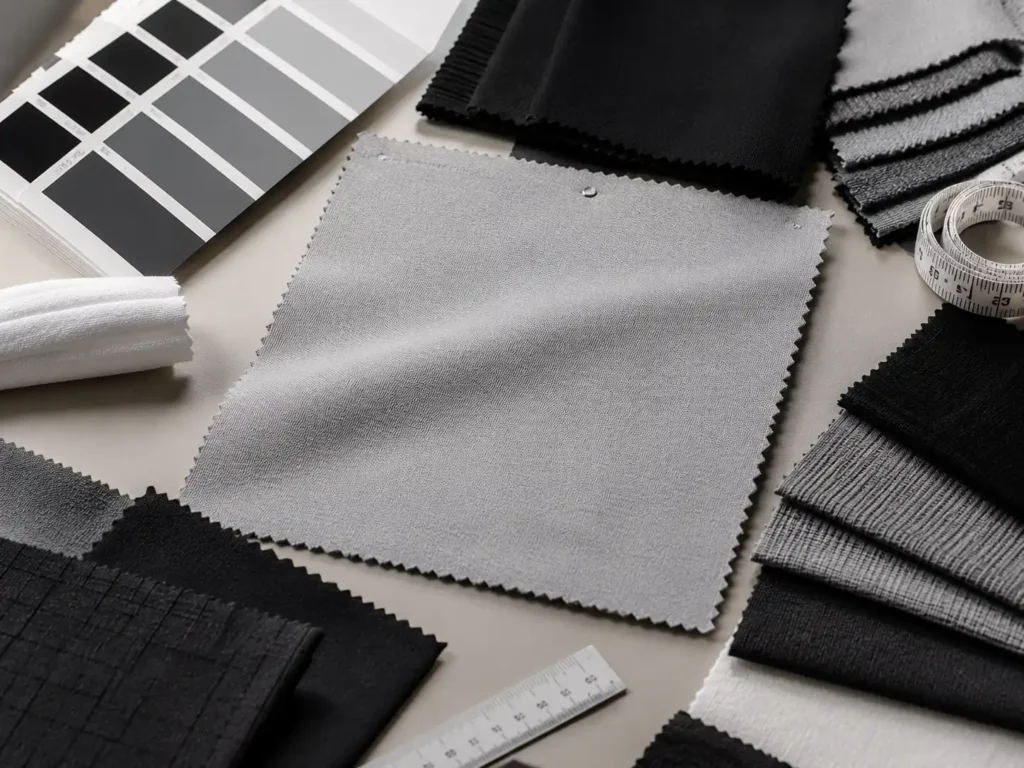
A coordinated range depends on controlled visual relationships, not a promise that every fabric will look identical. Approval methods are selected according to material source, dye route, finish and reorder risk.

Master Swatch

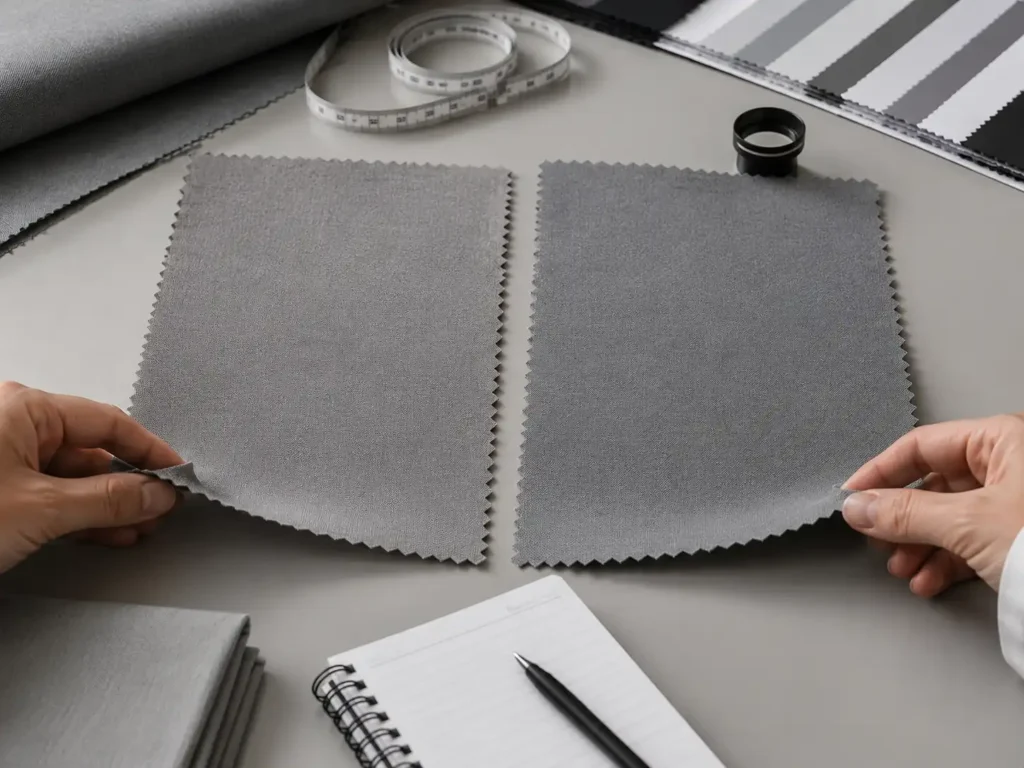
A physical master swatch creates a stronger visual reference than a screen image. Pantone can guide the target, while the approved fabric defines actual production appearance. The master should be viewed under agreed lighting and alongside related fabrics.

Lab Dip Review

Custom-dyed fabrics may require lab dips before bulk dyeing. Depth, undertone, saturation and finish are reviewed on the intended fabric because fiber content and surface can shift the result. Approval timing affects material booking and production schedule.

Shade Band

Bulk shade bands show allowable variation within a dye lot or across rolls. The range can be assessed against the approved standard, and visibly different rolls can be separated by style or production batch when needed.

Dye-Lot Separation

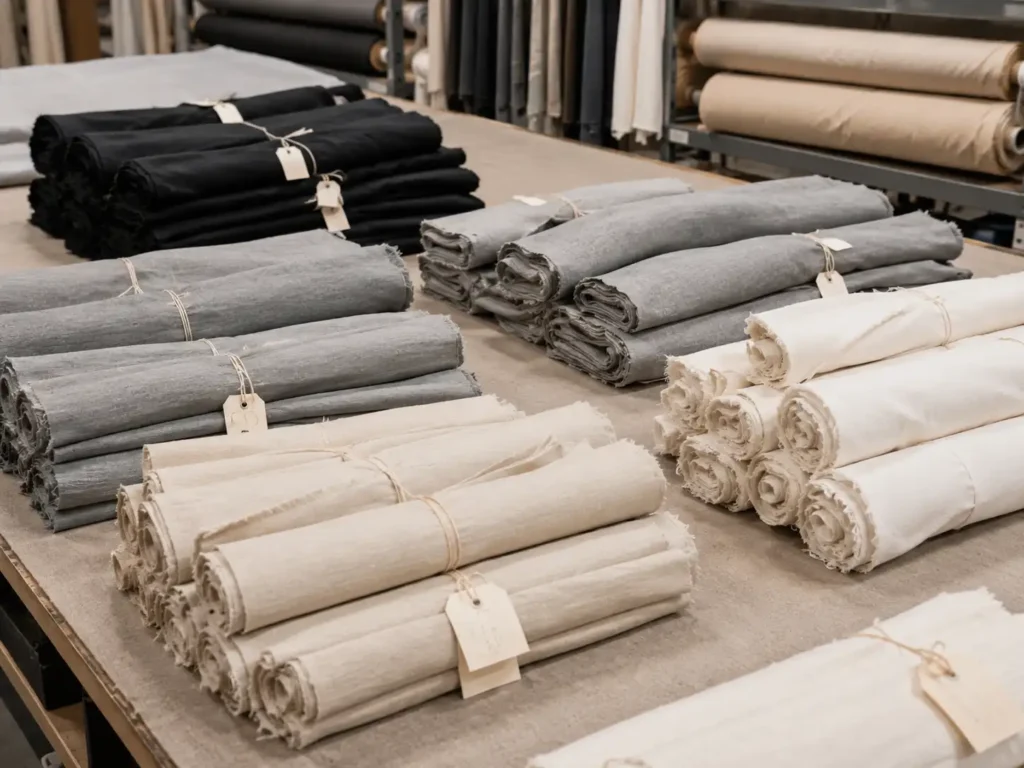
Fabric rolls from different lots should not be mixed casually inside one style or garment. Roll identification, spreading records and bundle control reduce panel-to-panel variation, especially in satin, jersey and deep neutral shades.

Lining and Trims

Lining, zipper tape, thread, elastic, lace base and labels are checked against the shell. A garment may use several suppliers, making a coordinated trim card essential for black, ivory and grey programs.

Reorder Comparison

Historical color records support repeat orders, but new fabric batches must still be reviewed. Material availability, dye route and finish can change over time, so a reorder color check protects continuity without assuming exact reproduction automatically.

Size and Fit Control Across XS-XL

A strong base-size sample does not guarantee a stable size run. Grading, fabric stretch, support structure, length and tolerance must be reviewed according to silhouette and material.

Control AreaWhat Is ReviewedTypical RiskProduction Check
Bust/Upper BustCup position, neckline, armhole, support, stretch or easeGaping, compression, exposure, strapless slippingPP measurement, on-body fit, inline measurement
Waist/TorsoWaist placement, torso length, seam shape, boning or elasticHigh/low waist mismatch, pulling, rollingPattern version, grade rule, bundle control
Hip/SeatHigh hip, full hip, negative ease, lining and movementDrag lines, tightness, side-seam shiftFabric relaxation, cutting check, garment measurement
Length/HemFront/back length, mini safety, midi balance, maxi sweepUneven hem, size-to-size length jumps, lining exposureHanging review, hem guide, final measurement
Straps/NecklineStrap length, attachment, reinforcement, depth and stabilityTwisting, gaping, neckline growth, asymmetryConstruction sample, inline visual check, pull check by requirement
Stretch/RecoveryStretch ratio, recovery, shrinkage, torque and negative easeGarment growth, side-seam twist, inconsistent fitFabric test records, relaxation, finished measurement
Size IdentificationSize label, sticker, barcode, bundle and carton ratioWrong size packed, mixed bundles, warehouse receiving errorPacking audit, carton count and document cross-check

Workmanship Details Visible in Minimal Dresses

Monochrome garments depend on disciplined sewing and finishing. Clean surfaces reveal tension, symmetry, seam balance and pressing quality immediately, particularly in satin, stretch fabrics and white garments.

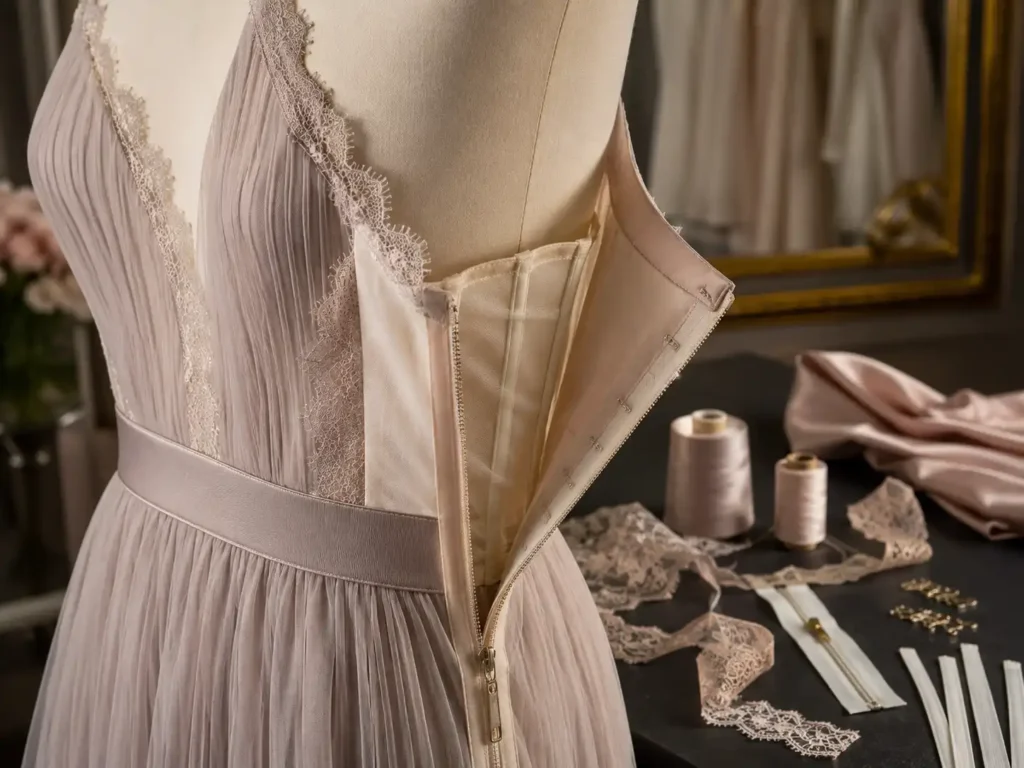
Zipper Flatness

Zipper length, tape color, seam allowance, stabilization and sewing tension affect whether the closure lies flat. Satin and close-fitting styles can pucker or arch when the zipper method does not match fabric behavior. Inline checks compare zipper alignment, top stop position, waist seam match and finished appearance.

Ruching Symmetry

Ruching needs a defined gathering area, ratio, direction and anchor points. Left and right panels are compared before assembly. Elastic or drawcord tension should be measurable where possible, preventing one side from appearing fuller or shorter across the size run.

Strap Alignment

Shoulder and halter straps are checked for length, width, twist, attachment position and reinforcement. Adjustable sliders must match strap width and color. Minimal silhouettes make a few millimeters of misalignment visible, especially on square-neck, slip and asymmetric dresses.

Lining Control

Lining should support opacity, comfort and internal cleanliness without showing at neckline, armhole, slit or hem. White and ivory styles need special attention to color and seam shadow. Stretch linings must move with the shell and should not pull the garment out of shape.

Hem Finish

Rolled, blind, coverstitched, bound or clean-finished hems are selected according to fabric and silhouette. Chiffon and satin need smooth curves and level balance; jersey needs stretch compatibility; ponte needs a flat, stable finish. Final inspection checks measurement and visual continuity.

Pressing and Packing

Pressing temperature, pressure and direction are adjusted to fabric. Satin can show shine, seam impressions or water marks; dark fabrics can reveal lint; white garments require clean handling. Folding boards, tissue, protective bags or hanging methods may be used according to the approved packing plan.

Production Planning for 10-30 Style Collections

Multi-style orders are allocated by fabric, construction, quantity, launch priority and delivery wave. The purpose is controlled flow, not simply placing every style into production at the same time.

Factory Allocation

Woven dresses, stretch bodycon styles, corset occasion pieces, lace overlays, jumpsuits and matching sets can require different production strengths. Style allocation is based on product structure, fabric handling, order quantity and approved workmanship standard.

Material Booking

Fabric, linings, zippers, thread, cups, boning, elastic, labels and packaging are tracked by readiness. Custom-dyed or special materials enter the schedule only after required approvals, reducing idle lines and rushed substitution.

Line Balancing

Production sequence considers sewing time, operator skill, bottleneck operations and style changeover. Related styles can share preparation or workmanship standards, while complex pieces receive sufficient handling and inspection time.

Launch Priority

Hero SKUs, campaign pieces, confirmed wholesale orders and time-sensitive delivery groups can be prioritized. A collection may ship in planned waves when the commercial calendar requires selected styles earlier than the full range.

Progress Tracking

Merchandising, production and QC teams follow material status, cutting, sewing, inspection, finishing, packing and shipment readiness. Risks are escalated when approvals, trims or production results could affect the agreed window.

Capacity Structure

Jinfeng Apparel uses 6 owned factories, 10+ long-term production partners, 18+ sewing lines and 6+ flexible production lines to organize multi-style womenswear programs. Final allocation depends on confirmed specifications, quantities and schedule rather than capacity numbers alone.

Quality Control for Color, Fit and Presentation

Inspection standards follow the approved product, fabric, size and packing requirements. A monochrome collection needs visual comparison across styles as well as normal garment quality checks.

Incoming Fabric

Roll identity, shade, width, defects, hand feel, stretch, recovery and visible surface issues are checked according to the project. Satin direction, mesh holes, lace damage and white-fabric cleanliness receive fabric-specific attention.

Cutting Control

Pattern version, grain or stretch direction, marker, size ratio, roll grouping and bundle identification are verified before sewing. Deep shades and directional surfaces are kept controlled to reduce panel variation.

Inline Sewing

Measurement, seam quality, zipper flatness, ruching symmetry, strap alignment, lining exposure and construction details are checked while correction remains possible. Complex or high-risk operations receive additional attention.

Finished Measurement

Garments are measured against the approved chart and tolerance. Critical points depend on style: bust, waist, hip, length, neckline, strap, slit, sleeve or jumpsuit rise. Results are reviewed across sizes rather than only the base size.

Visual Collection Check

Finished pieces are compared for black undertone, white cleanliness, tonal balance, gloss direction, fabric role and overall presentation. The goal is a coherent range, while accepting technically appropriate differences between material surfaces.

Packing Audit

Labels, care labels, hangtags, size stickers, color stickers, barcodes, polybags, folding, carton ratios and marks are cross-checked with the packing list. Inspection scope and AQL requirements can be aligned to the program and nominated third-party arrangements when required.

Private-Label Packing and Warehouse Readiness
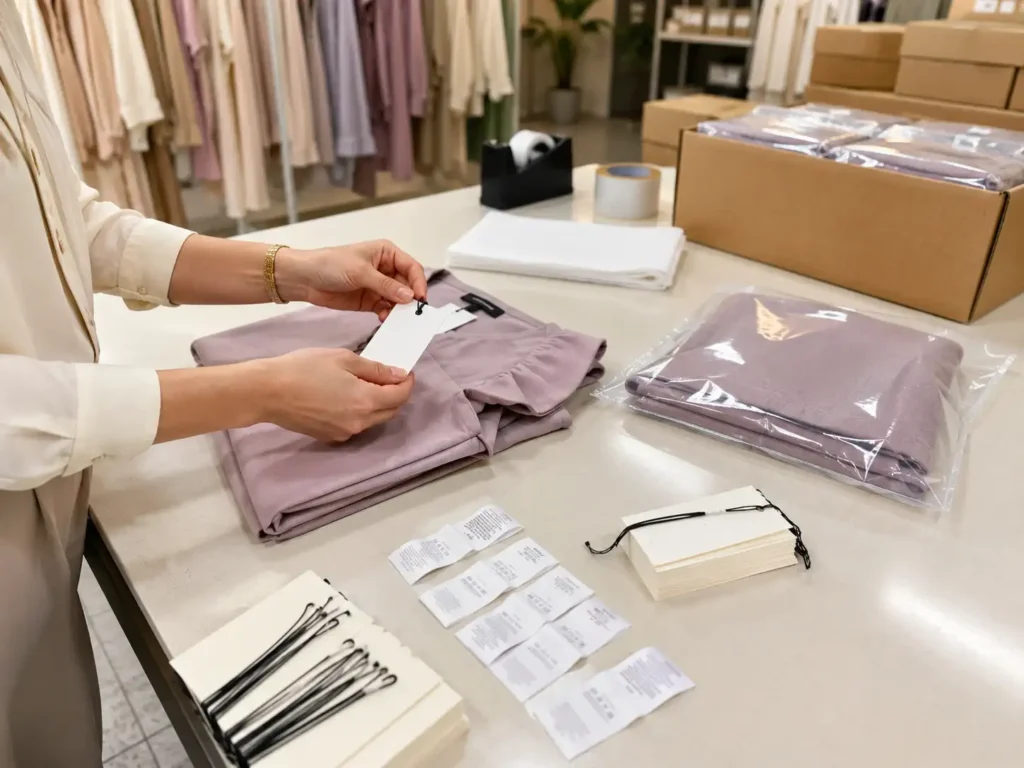
A finished dress is not ready for sale until identity, care information, SKU data, packing ratios and shipping documents match the receiving requirement.

Brand Labels

Woven labels, printed labels, care labels, size labels and hangtags are positioned according to approved artwork and placement instructions. Color, material, fold type, language and care content should be confirmed before bulk production.

SKU Identification

Style number, color code, size, barcode and sticker information must stay consistent across garment, polybag, carton and packing list. Monochrome collections need clear internal color naming to distinguish black, off-black, charcoal, ivory and related tonal shades.

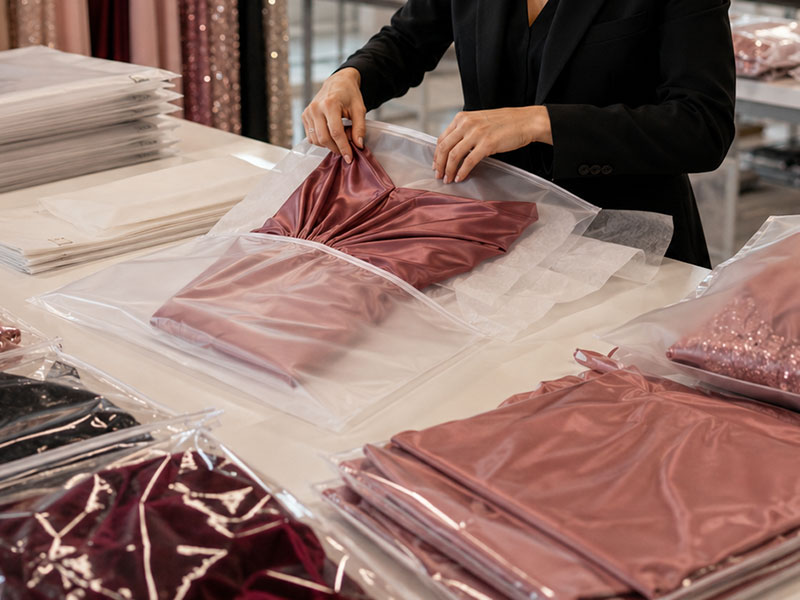
Garment Protection

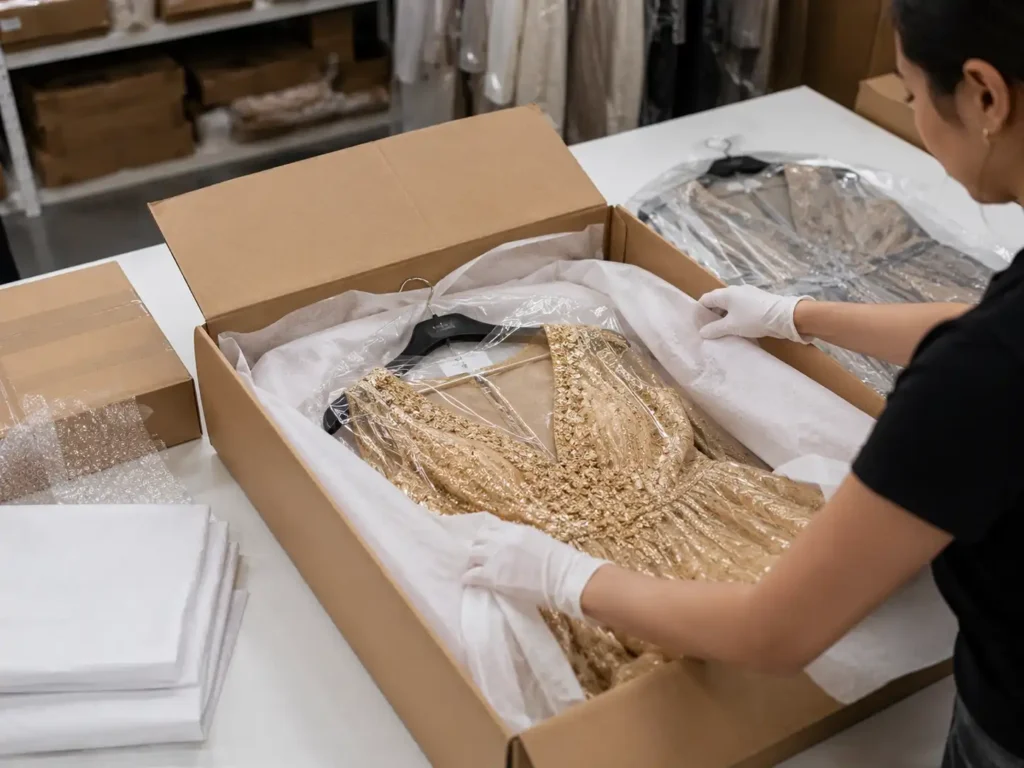
White garments may need individual clean handling, tissue or protective separation. Satin, embellished lace and structured corset pieces may require folding support, tissue, hanger packing or reduced carton pressure according to product and freight method.

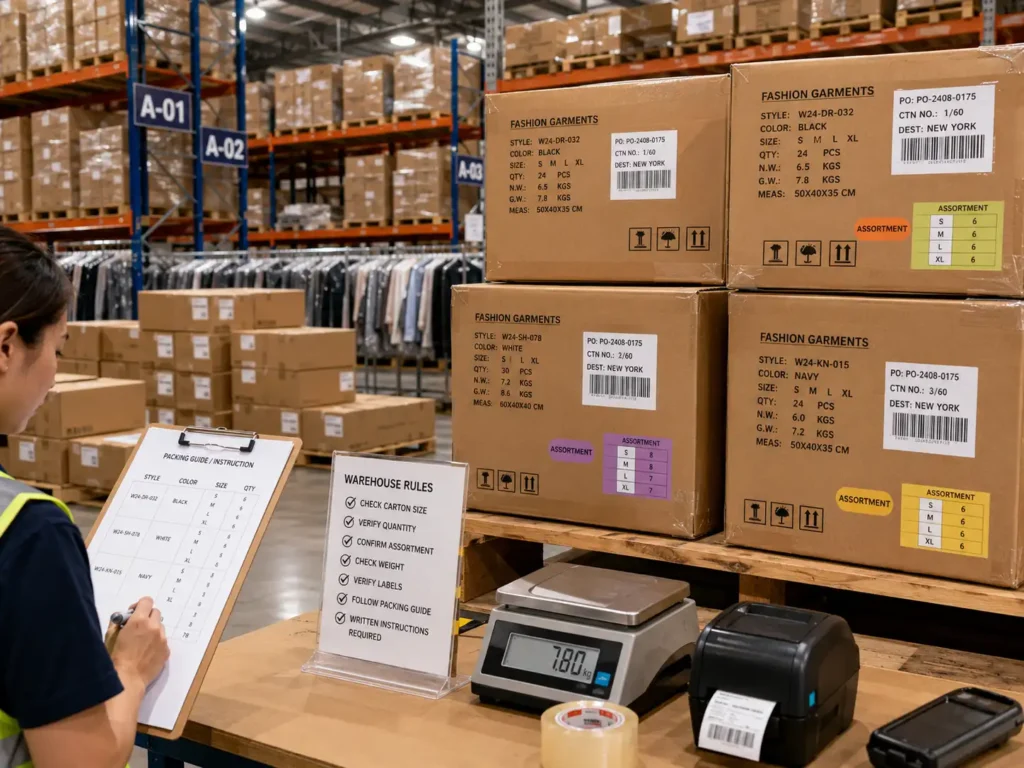
Carton Planning

Size-color ratios, solid or mixed cartons, carton marks, dimensions and weight are confirmed for warehouse receiving. Packing teams use approved instructions to reduce relabeling, shortage and carton-distribution errors.

Shipping Documents

Commercial invoice, packing list, carton marks, shipping data and forwarder coordination are prepared according to the selected trade and logistics arrangement. Warehouse labels or nominated forwarder requirements can be reviewed by project.

Delivery Options

Samples can move by express courier. Bulk goods may move by air, sea or planned split shipment according to launch timing, volume and cost. Delivery terms and destination requirements are confirmed before booking rather than assumed across all markets.

Collection Records, Reorders and Design Protection

Long-term manufacturing becomes faster and more stable when approved product records are retained and confidential development files are controlled.

Repeat-Order Records

Jinfeng Apparel keeps final pattern references, size charts, fabric records, color references, trim details, construction instructions, label placements, packing methods and QC notes for future production. Historical records reduce repeated setup, but each reorder still requires fabric availability, dye lot, trim stock, packaging materials, production slot and delivery schedule to be reconfirmed. The same system supports a bestselling style in a new color, a new fabric version or a seasonal extension with controlled updates.

NDA-Based Cooperation

Tech packs, line sheets, patterns, samples, labels, packaging, unreleased designs, quantities and commercial information can be managed under NDA-based cooperation. Public case material should remain anonymous unless written approval allows brand disclosure. Development images, factory photos and production proof can be prepared with sensitive logos, barcodes, order numbers and unreleased style information protected.

Monochrome Dress Collection Case Studies

Monochrome collections require different manufacturing strategies depending on brand positioning, product complexity and commercial goals. Jinfeng Apparel supports fashion brands from initial concept review to sampling, bulk production, quality control and repeat-order development.

Case Study 1: US Ecommerce Brand Expanding a Multi-Style Monochrome Collection

Brand Background

A US ecommerce womenswear brand planned a monochrome collection for a seasonal launch, focusing on high-selling silhouettes across partywear, occasionwear and everyday fashion categories.

The collection included:

  • Satin slip dresses
  • Mesh bodycon dresses
  • Corset mini dresses
  • Ponte midi dresses
  • Lace occasion dresses
  • Chiffon maxi dresses

Color direction:

  • Black
  • Ivory
  • Charcoal

The final program included:

  • 18 styles
  • XS-XL size range
  • 42,600 pieces total production quantity

Development Challenge

The brand needed multiple fabrics to create visual depth while maintaining a consistent monochrome identity.

The main challenges included:

  • Different black shades between satin, mesh and jersey
  • Ivory transparency issues
  • Lining color differences
  • Fabric-specific fitting changes
  • Multiple launch deadlines

A black satin dress and a black mesh dress could not simply share one color standard because surface reflection and fabric density changed the visual effect.

Jinfeng Solution

Jinfeng organized the collection through separate development groups:

Satin Group

Controlled:

  • Surface shine
  • Dye-lot consistency
  • Pressing quality
  • Zipper flatness

Result

The collection achieved:

  • 18 coordinated dress styles completed
  • 42,600 pieces produced
  • Three planned shipment waves
  • Production standards archived for future color extensions

The brand continued using the approved patterns and production records for later seasonal drops.

Case Study 2: European Premium Occasionwear Brand Developing Luxury Monochrome Dresses

Brand Background

A European premium occasionwear label wanted to create a refined monochrome collection focused on elegant silhouettes and luxury finishing.

The collection included:

  • Satin evening dresses
  • Structured corset dresses
  • Lace overlay dresses
  • Draped midi dresses
  • Asymmetric occasion dresses

Main colors:

  • Deep Black
  • Soft Ivory
  • Warm Grey

Development Challenge

The brand’s positioning required extremely clean workmanship because minimal colors expose every production detail.

Key concerns:

  • Satin pressing marks
  • Uneven seams
  • Visible lining edges
  • Corset structure balance
  • Trim color differences

Unlike printed dresses, monochrome designs cannot hide construction imperfections.

Jinfeng Solution

The development focused on three areas:

Fabric Control

Materials were reviewed for:

  • Weight
  • Surface finish
  • Drape
  • Transparency
  • Recovery

Pattern Engineering

Senior pattern makers adjusted:

  • Bust shaping
  • Waist position
  • Skirt balance
  • Corset support
  • Size grading

Result

The brand received:

  • Production-ready patterns
  • Approved fabric standards
  • Consistent luxury finishing
  • Repeat-order development foundation

The monochrome system became the base for future seasonal collections.

Case Study 3: Emerging Fashion Brand Building Its First Monochrome Collection

Brand Background

A growing womenswear brand wanted to launch its first monochrome dress collection but needed professional manufacturing support from concept to production.

The initial direction included:

  • Minimal dresses
  • Resort silhouettes
  • Feminine fitted styles
  • Black and neutral color stories

The brand provided:

  • Reference images
  • Mood boards
  • Design inspiration

Development Challenge

The brand had strong creative ideas but lacked technical production experience.

Main challenges:

  • Choosing suitable fabrics
  • Converting images into patterns
  • Controlling production cost
  • Selecting commercial silhouettes
  • Creating private-label standards

Jinfeng Solution

Jinfeng supported the complete ODM development process.

Design Evaluation

Reviewed:

  • Construction feasibility
  • Fabric suitability
  • Production risks
  • Commercial potential

Sample Development

Created:

  • First samples
  • Fit samples
  • Revised samples
  • PP samples

Production Optimization

Adjusted:

  • Fabric alternatives
  • Construction methods
  • Trim selection
  • Packaging requirements

Result

The brand successfully launched its first monochrome collection with:

  • Complete production files
  • Approved samples
  • Private-label packaging
  • Repeat-order capability

The first collection became the foundation for future seasonal product expansion.

Frequently Asked Questions

The standard MOQ starts from 200 pieces per style and color. MOQ is calculated by style and color rather than by the combined collection total. Custom-dyed fabrics, special lace, trims, packaging or supplier-specific materials may carry separate minimums that are confirmed during project review.

Yes. Collection programs are grouped by launch priority, fabric family, pattern complexity, trim readiness and approval status. Hero styles can move first, while related styles follow controlled workstreams. A line sheet, target quantity, size range and calendar help the team build a realistic sample and production plan.

Standard dress samples generally require about 7-10 working days after complete specifications, measurements and fabric direction are confirmed. Corset, layered mesh, lace placement, sequin, cut-out or complex occasion styles commonly require 10-15 working days or longer depending on material sourcing and construction.

Yes. Satin, mesh, lace, jersey, ponte and crepe can work together, but exact numeric color matching is not the only goal. Physical swatches are reviewed for undertone, depth, gloss, transparency and collection harmony. Dye lots, lining and trims are controlled during bulk production.

Opacity is managed through fabric density, lining color, lining coverage, double layers, seam placement and fitting review. White and ivory garments are checked under daylight and strong photography lighting where relevant. Internal seam allowances and labels are also considered because they can show through lightweight fabrics.

PP approval is recommended as the production gate, especially for new styles, complex construction, custom-dyed materials, new labels or new packaging. The required sample route depends on program risk. First samples and photo samples do not automatically replace a production-approved standard.

A base pattern can provide a starting point, but a fabric change requires review of stretch, recovery, weight, drape, thickness, shrinkage, transparency, lining and seam method. Satin, crepe, jersey and ponte will not produce the same fit from an unchanged pattern.

The process uses confirmed size charts, grade rules, pattern version control, fabric relaxation, cutting checks, inline measurements, finished garment measurements, tolerance review and comparison with the approved reference. Fit-critical points vary by silhouette and fabric.

Yes. Woven labels, care labels, size labels, hangtags, barcode stickers, color stickers, polybags, carton marks and packing ratios can be produced or packed according to approved files. Artwork, quantities and placement must be confirmed before bulk preparation.

Yes, staged delivery can be planned for hero SKUs, campaign dates, wholesale commitments or warehouse schedules. Air, sea or split shipment options are reviewed according to quantity, timing, destination and freight cost. Materials and PP approvals still need to be completed before dispatch planning.

Yes. NDA-based cooperation can cover tech packs, line sheets, patterns, samples, labels, packaging, unreleased designs and commercial information. Anonymous case descriptions can demonstrate manufacturing experience without exposing confidential brand details.

Provide the line sheet or reference images, tech packs where available, target quantities by style and color, size range, fabric direction, trim requirements, label and packaging files, required testing, destination and launch date. A quotation becomes more accurate when structure, materials and delivery expectations are defined.

Send Your Monochrome Collection for Review

Share your line sheet, tech packs, reference images or original samples with Jinfeng Apparel. Kelly and the development team will review the style count, product mix, fabric and color direction, construction complexity, size range, target quantities, private-label requirements and launch schedule.

The first response can identify missing information, material risks, likely sample routes and the data needed for an accurate quotation. Mature collection planning begins with clear files and a realistic approval calendar, especially when several fabrics must work inside one black, white, grey or tonal story.

  • Style information: line sheet, tech pack, sketch, reference image or original sample.
  • Commercial plan: quantity by style and color, size range, launch date and destination market.
  • Material direction: preferred fabrics, Pantone references, physical swatches, lining and trim requirements.
  • Private-label files: labels, hangtags, barcode data, polybag, carton ratio and warehouse instructions.
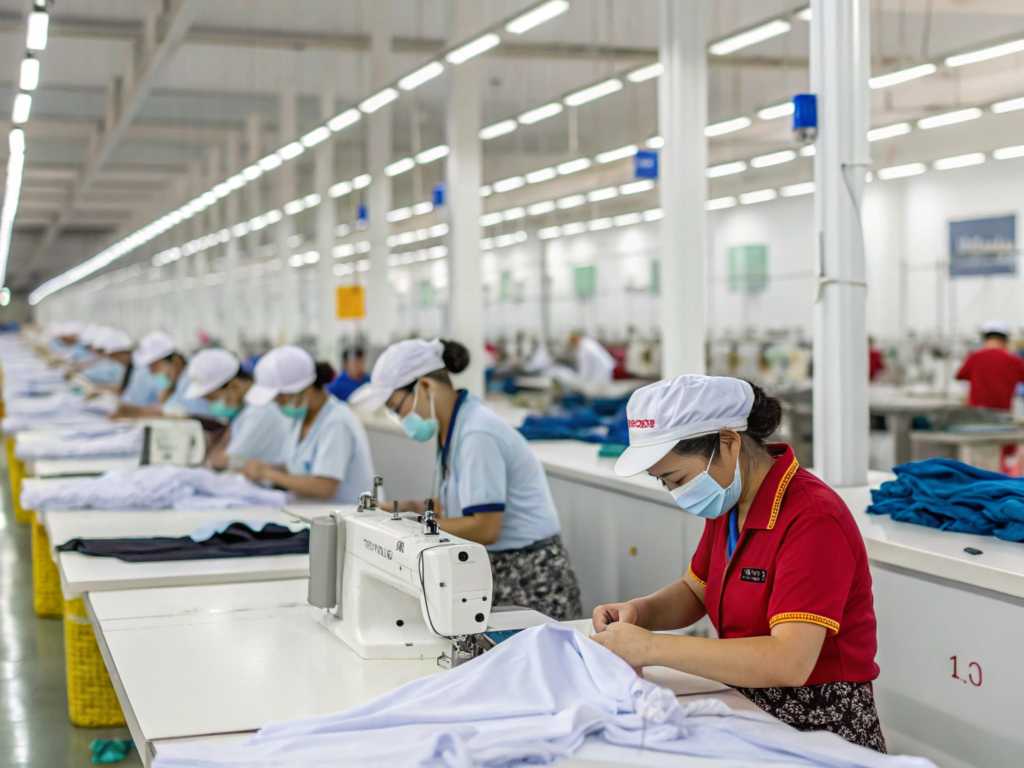
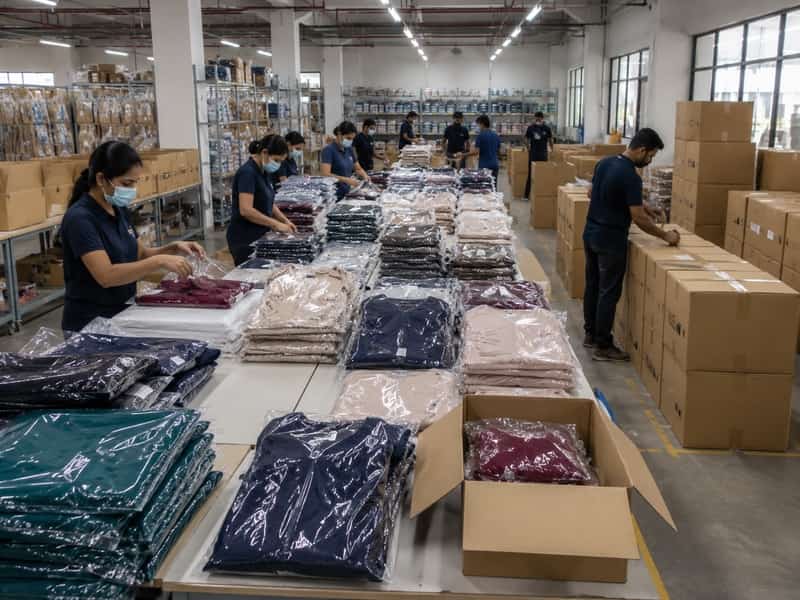
Factory workers wearing masks and uniforms sewing garments in a bright production line.

Tell Us About Your Dress Project

Share your product details, estimated quantity and development requirements. Our team will review your project and provide practical OEM/ODM production feedback.

Premium Women’s Apparel Production for Fashion Brands

From dress sample development to bulk production, JF Apparel supports fashion brands with confidential OEM/ODM manufacturing, reliable quality control and scalable production support.

START YOUR DRESS PROJECT

Ready to Develop Your Next Dress Collection?

Share your design concept, product requirements or sourcing plans with our team. We’ll review your project and provide practical feedback on development, materials, MOQ and production.

7-10 Days

Sample Development

200 PCS

Starting MOQ

Fast Response

Professional Follow-Up