Skip to content
Pastel Dress Manufacturer
Custom soft-color dress development for fashion brands building coordinated seasonal, occasionwear, resort and event-led collections.
- Pastel color programs can cover blush pink, lavender, baby blue, mint, butter yellow, peach, champagne and brand-specific shades.
- Development support spans mini, midi and maxi dresses in satin, chiffon, crepe, mesh, lace, jersey and selected woven fabrics.
- Ordinary dress first samples are usually planned in 10-15 days; complex corset, lace, mesh and structured styles are normally reviewed on a 15-25 day basis.
- Production planning starts from 200 pcs per style/color, with custom-dyed shades, special fabrics and exclusive trims assessed separately.
- Pastel-specific controls cover lab dips, opacity, lining color, dye-lot separation, stain prevention, trim matching and bulk shade approval.
Manufacturing Scale Behind Pastel Dress Programs
Since 2008
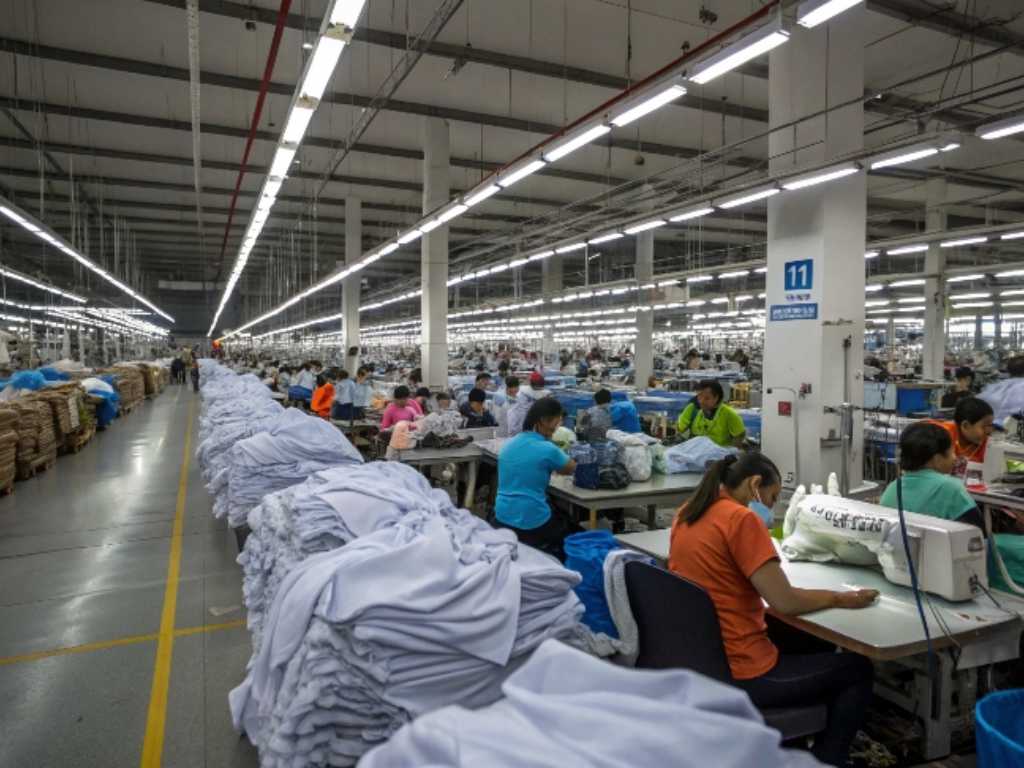
6 Owned Factories
10+ Production Partners
100,000+ Monthly Capacity
2 Sample Rooms
15+ QC Inspectors
Built for Fashion Brands with Seasonal Color Direction
Occasionwear Labels
Fast Fashion Programs
Premium Ecommerce
Retail Collections
Why Pastel Dress Production Needs Tighter Control
Shade Drift
Visible Transparency
Surface Marks
Trim Mismatch
Fabric Color Behavior
Repeat-Order Variation
Pastel Dress Styles for Complete Fashion Collections
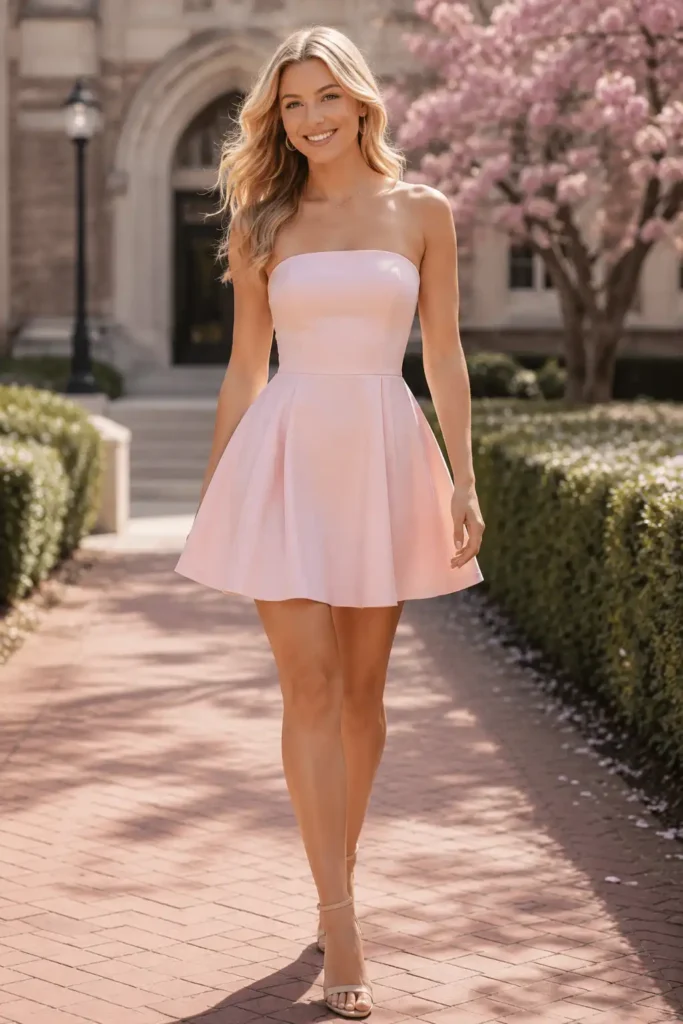
Pastel Mini Dresses
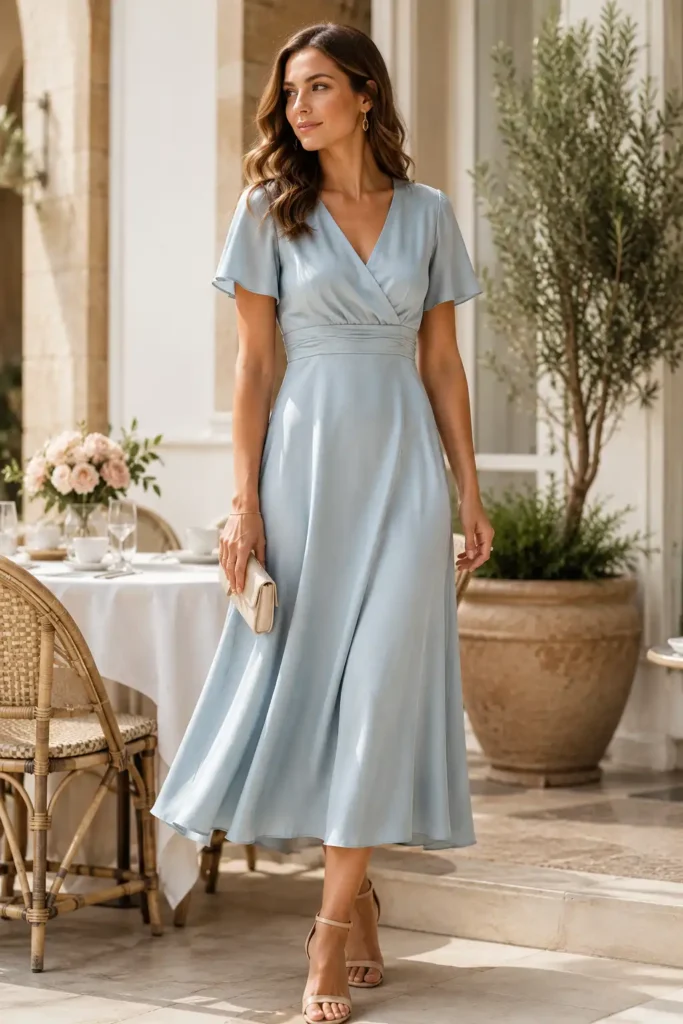
Pastel Midi Dresses
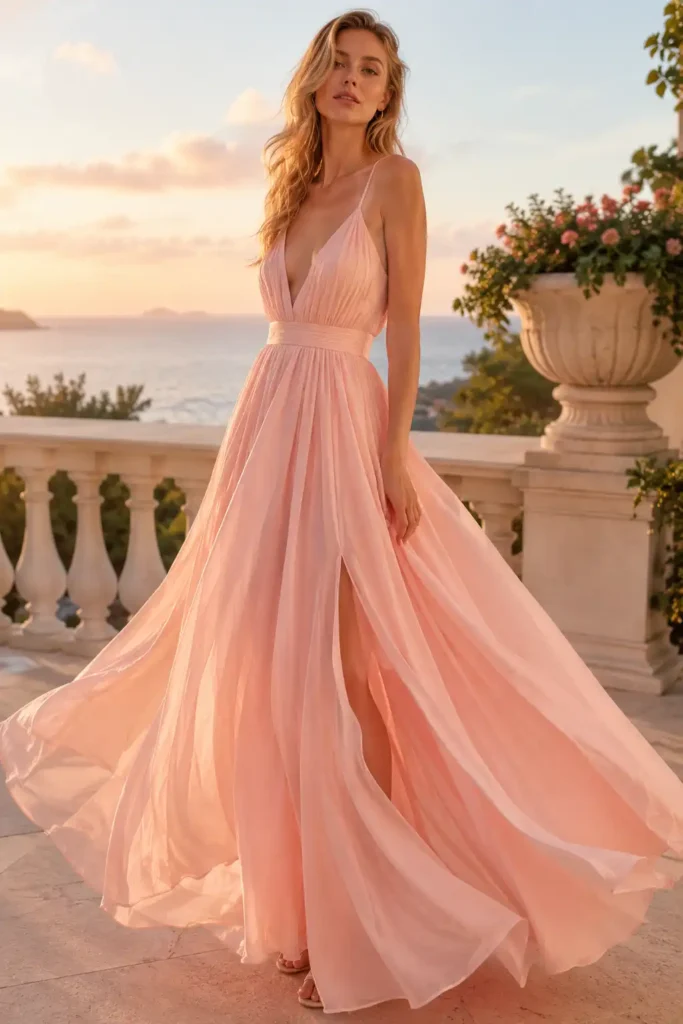
Pastel Maxi Dresses

Pastel Slip Dresses
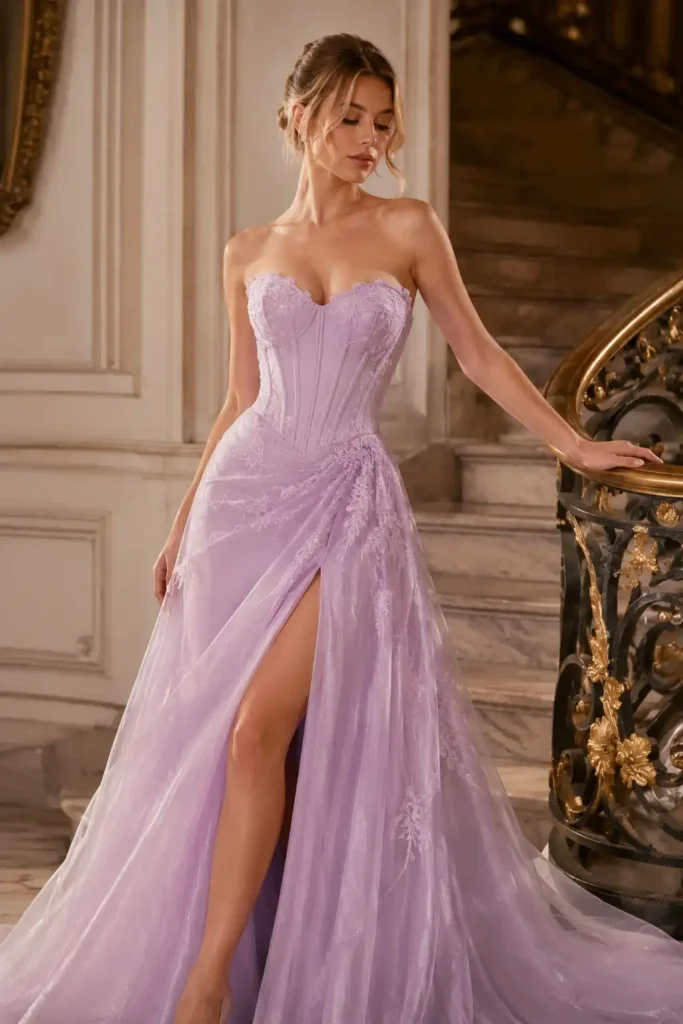
Pastel Corset Dresses
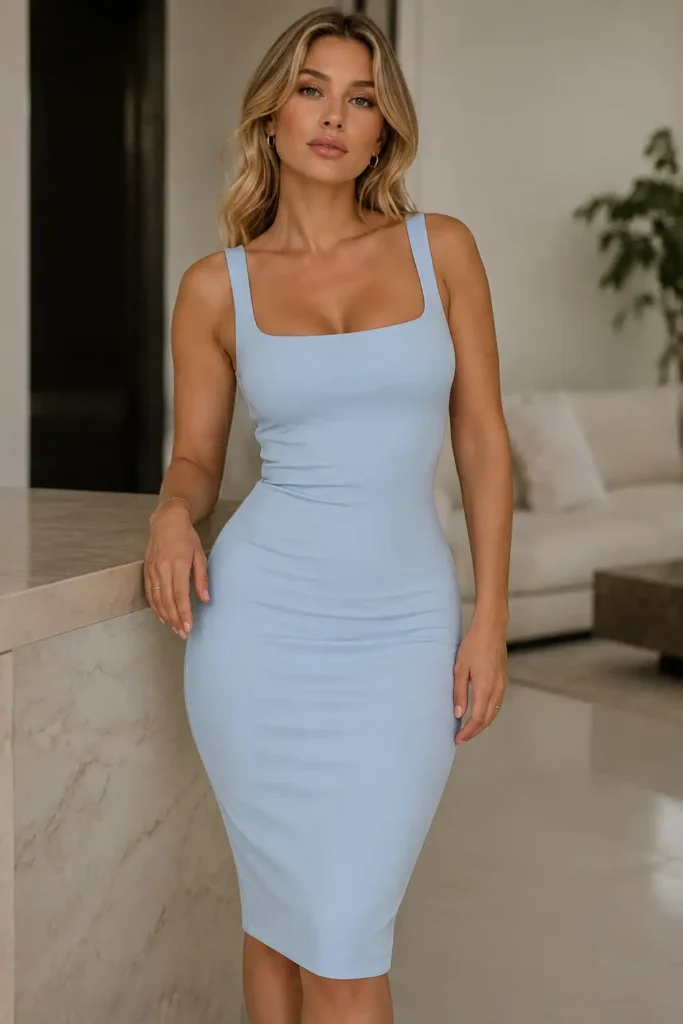
Pastel Bodycon Dresses
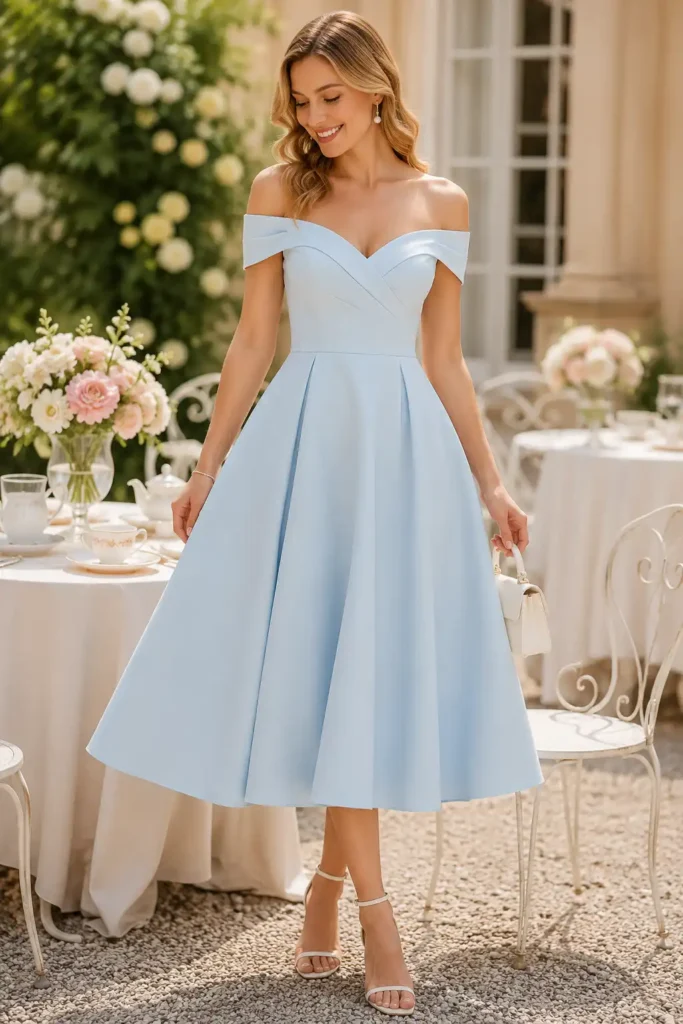
Pastel A-Line Dresses
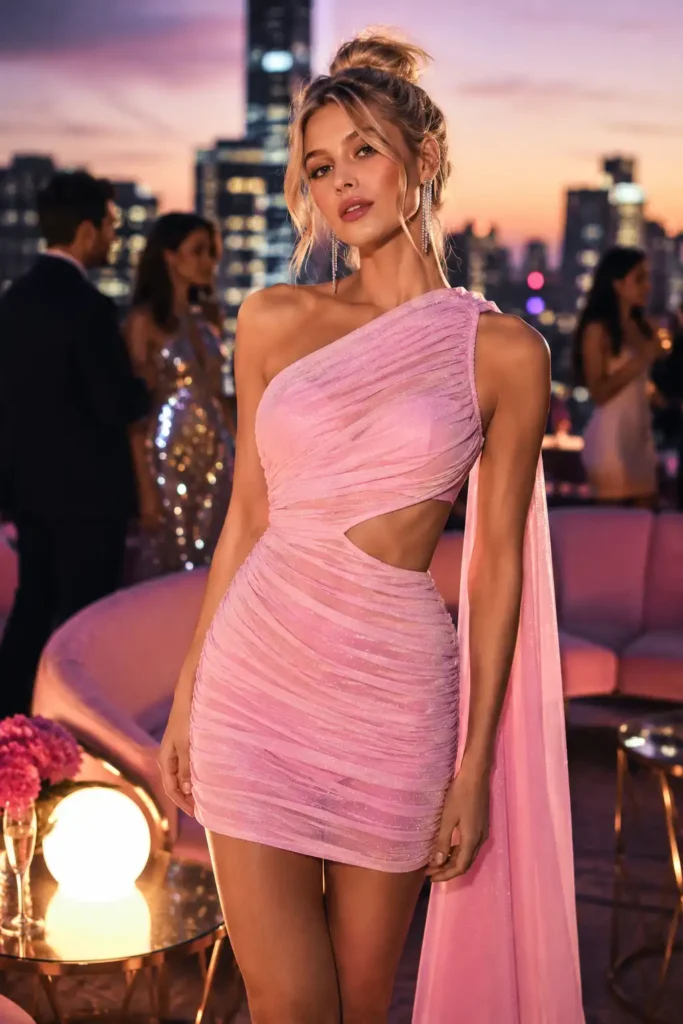
Pastel Party Dresses
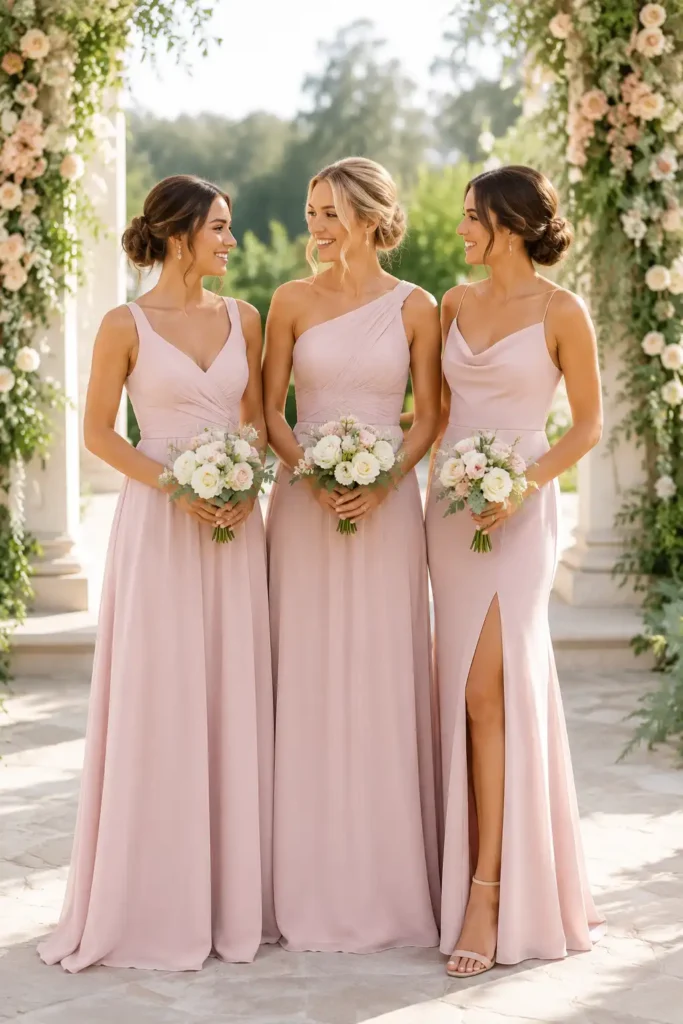
Pastel Bridesmaid Dresses
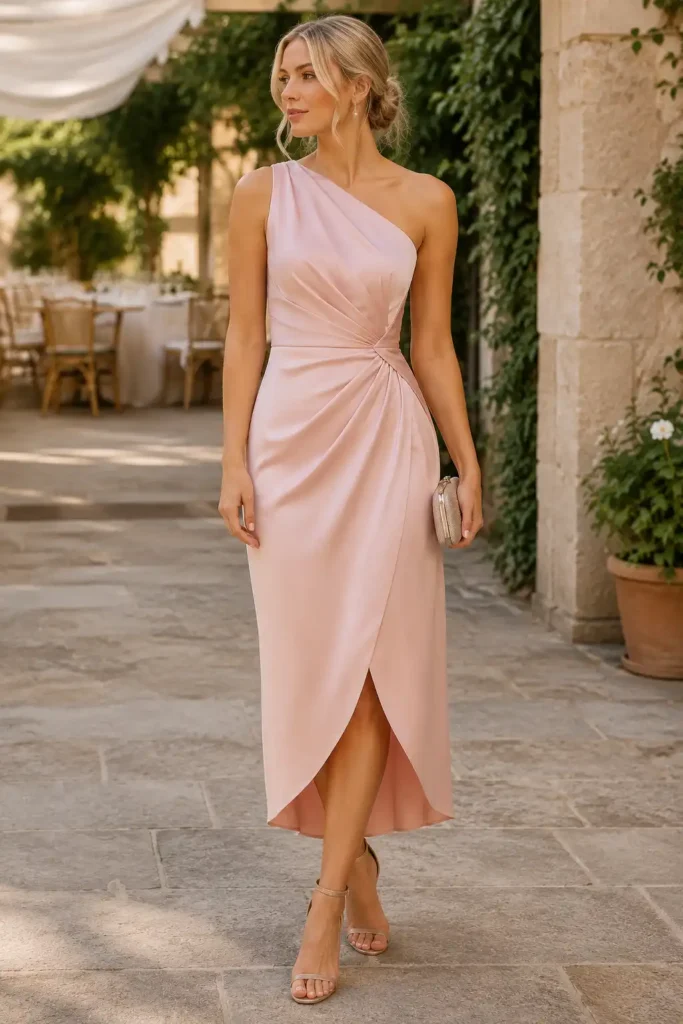
Wedding Guest Dresses
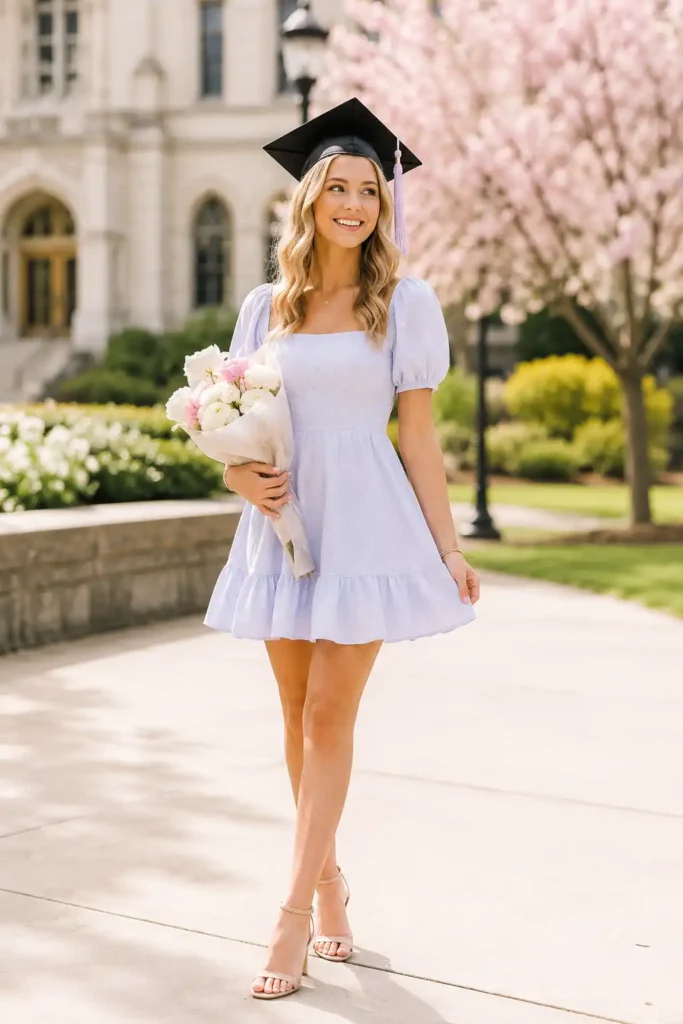
Graduation Dresses
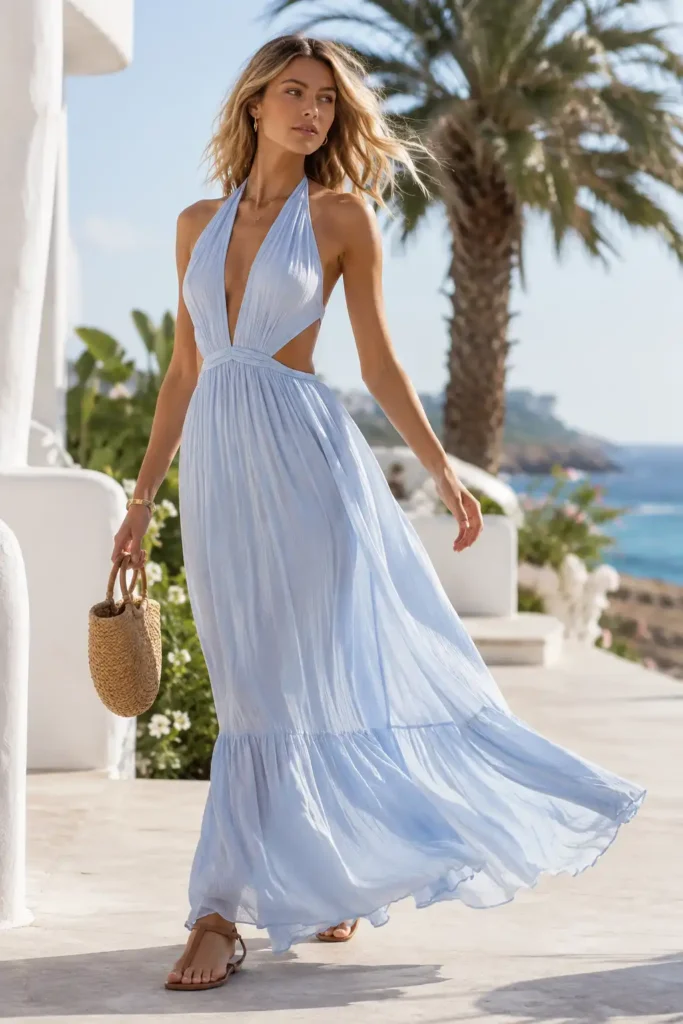
Pastel Resort Dresses
Developing a Commercial Pastel Color Story
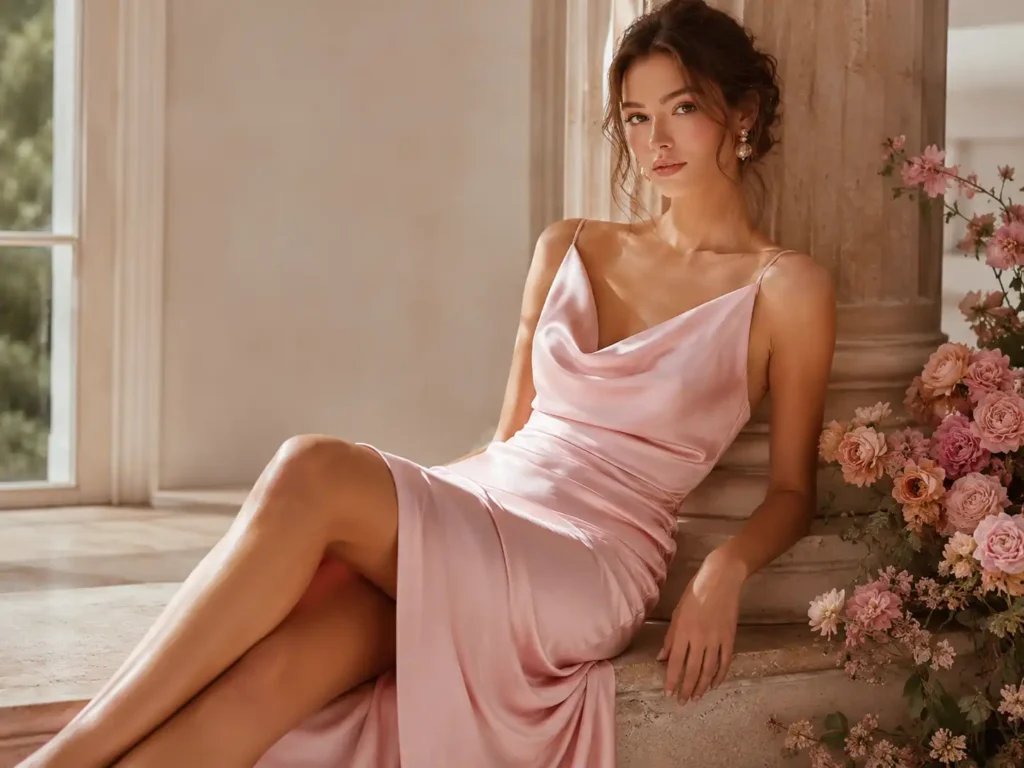
Blush Pink
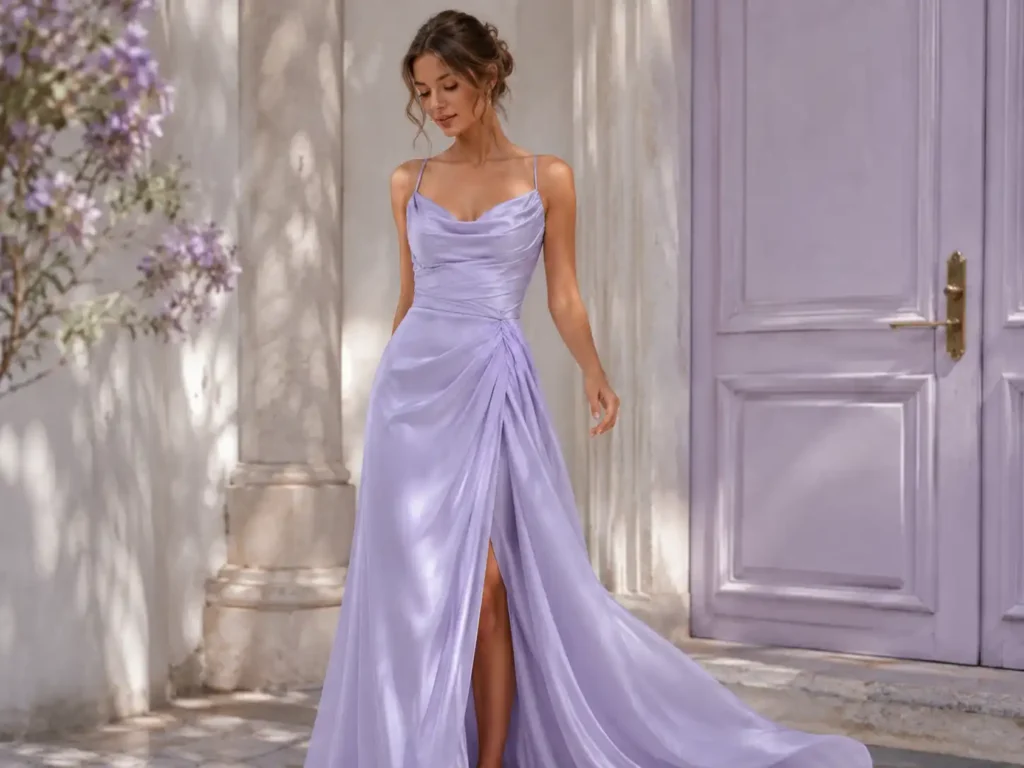
Lavender
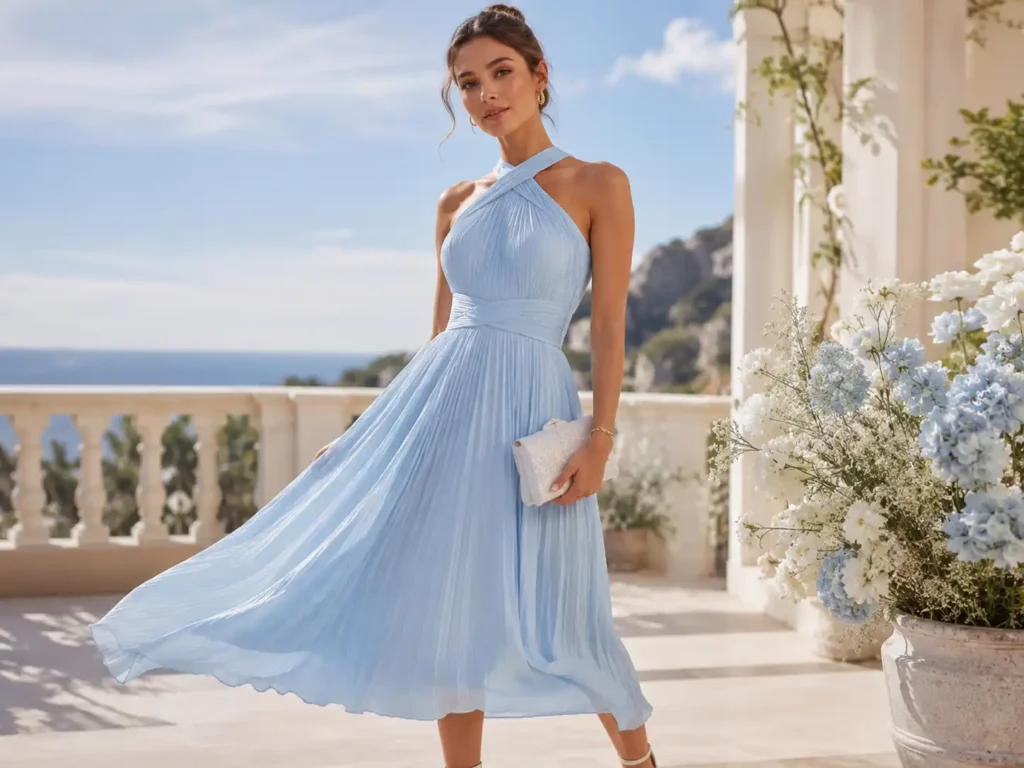
Baby Blue
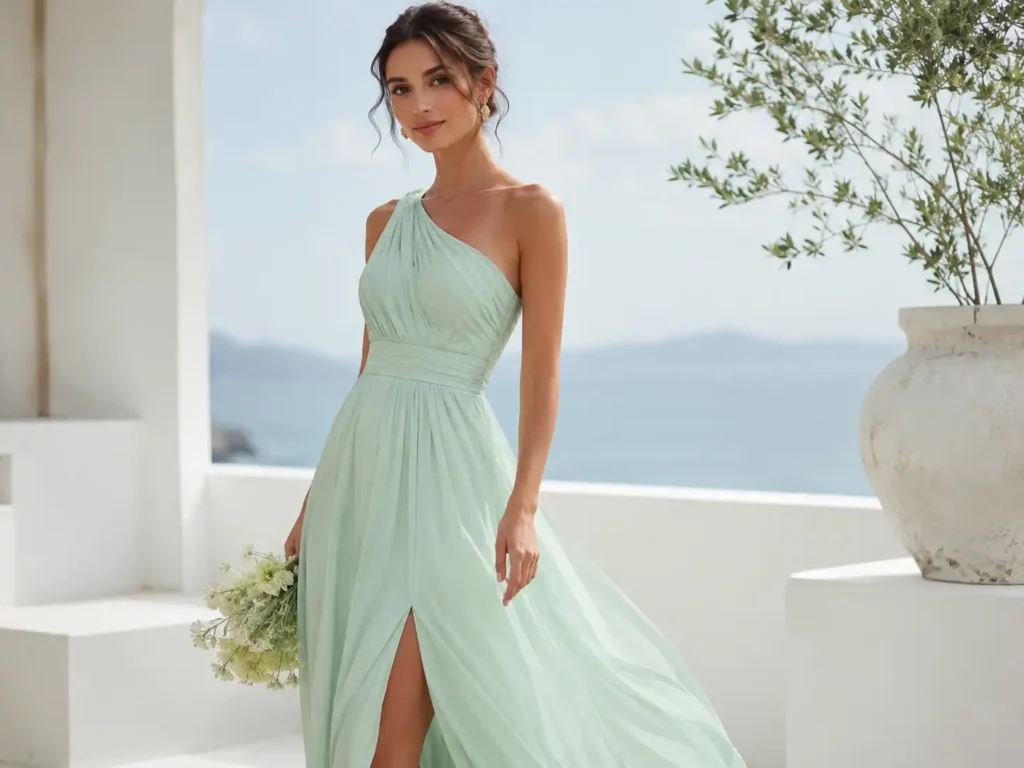
Mint Green

Butter Yellow
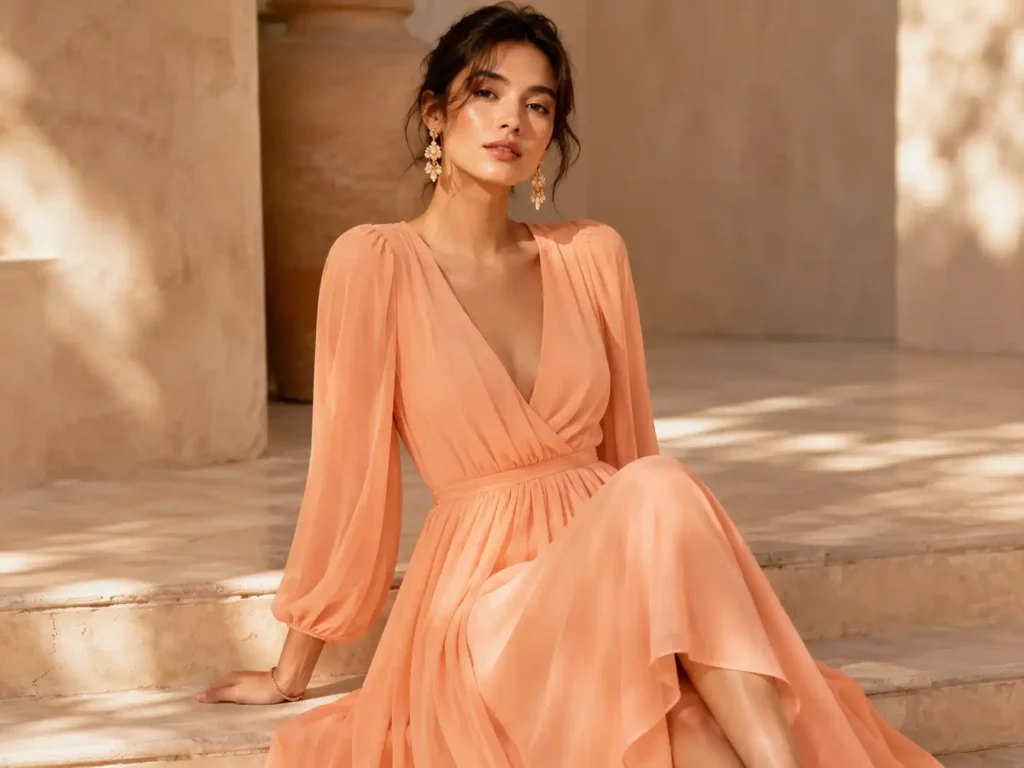
Soft Peach
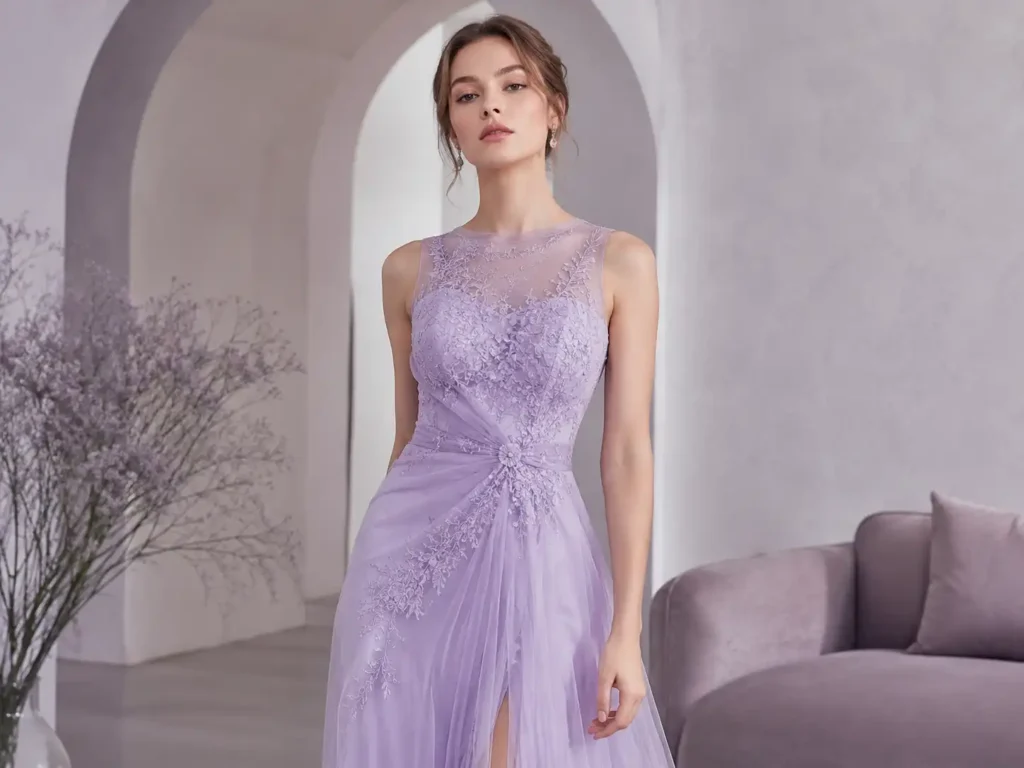
Powder Lilac
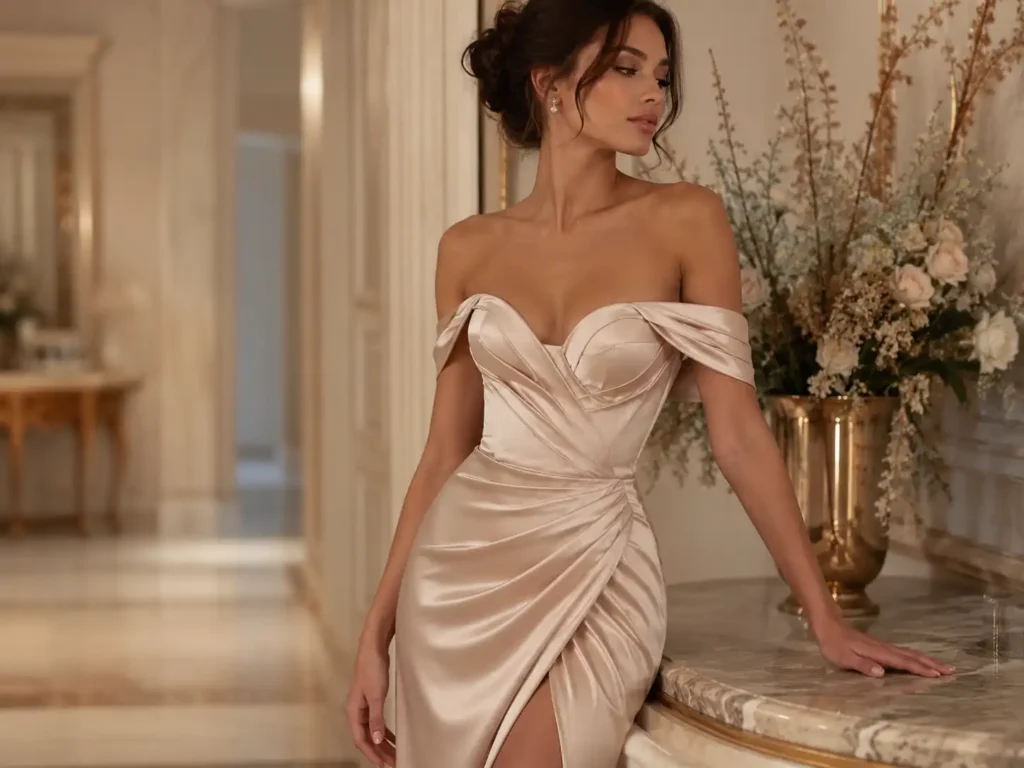
Champagne Pastel
Matching Fabrics with Pastel Dress Categories
Fabric choice changes how a pastel shade reads, drapes and performs. The matrix below links common dress directions with color behavior and production controls.
| Fabric | Best Pastel Dress Uses | Color Behavior | Key Manufacturing Controls |
|---|---|---|---|
| Satin | Slip, cocktail, bridesmaid, corset and evening dresses | High shine can make shades appear lighter, darker or more saturated by angle. | Confirm weight, shine direction, snagging risk, lining color, seam flatness and bulk shade. |
| Chiffon | Maxi, bridesmaid, ruffle, layered and resort dresses | Transparency and multiple layers change apparent depth. | Review layer count, lining coverage, hem finish, shrinkage, shade grouping and handling. |
| Crepe | Midi, A-line, office-to-event and structured dresses | Matte surfaces give stable color but can look dull if the shade is too grey. | Control weight, drape, pressing, seam appearance, lining and finished measurements. |
| Mesh | Ruched, bodycon, cut-out and party dresses | Stretch and layering can make color uneven across the body. | Check stretch recovery, opacity under tension, lining, gathering density and snag protection. |
| Lace | Wedding guest, occasion, corset and romantic dresses | Motif depth and backing color create a two-tone visual result. | Approve motif, placement, lining tone, seam matching, edge finish and shade variation. |
| Jersey | Bodycon, draped, casual and travel dresses | Color may lighten when stretched and reveal construction lines. | Test recovery, opacity, shrinkage, seam type, measurements and pressing temperature. |
| Ponte | Bodycon, fitted midi and structured day dresses | Dense surfaces hold color evenly and support clean shapes. | Confirm weight, compression, recovery, panel balance and size grading. |
| Rayon Woven | Resort, printed, wrap and relaxed maxi dresses | Soft color appears rich but shrinkage and wrinkles can affect presentation. | Review shrinkage, color fastness, seam slippage, print direction and packing. |
| Organza | Layered, sleeve, ruffle and formal dresses | Transparency and sheen create a luminous but variable shade. | Control layer overlap, seam visibility, edge finish, static and pressing. |
| Sequin Fabric | Party, birthday, holiday and statement dresses | Sequin finish may shift the base color under light. | Inspect sequin security, backing tone, scratch risk, seam thickness and protective packing. |
A Controlled Pastel Color Approval Process
Color approval moves through physical standards and recorded decisions. Each stage reduces the chance of a beautiful sample becoming an inconsistent bulk order.
Define the Physical Color Standard
Development begins with a Pantone reference, approved fabric swatch, original garment, lab dip target or another physical color standard. Digital images can support discussion, but screen settings and photography conditions are not reliable enough to become the only bulk reference.
The project record should identify the shade name, reference number, fabric type, expected surface, intended lining and the lighting used for approval. A blush shade approved on matte crepe cannot be assumed to look identical on satin or chiffon. Each fabric direction needs its own visual review.
- Record shade name and Pantone number when supplied.
- Attach the standard to a specific fabric and finish.
- Clarify acceptable undertone: warmer, cooler, greyer or brighter.
- Confirm whether the collection needs exact matching or coordinated tonal variation
Review Lab Dips and Fabric Swatches
Custom-dyed fabric normally moves through lab dip approval before bulk dyeing. Comments should be directional and measurable: slightly less red, cleaner blue undertone, lower saturation or closer to the physical standard. Repeated comments such as “not right” slow development and increase the risk of misinterpretation.
Stock fabrics can move faster, but the actual available roll still needs review for weight, hand feel, transparency and shade. A stock lavender satin may be commercially suitable even when it does not match a reference exactly; the brand team should decide whether speed, exact color or cost has priority.
- Compare swatches under natural and indoor light.
- Photograph swatches beside the standard, not alone.
- Review hand feel, weight and drape at the same time as color.
- Confirm dyeing MOQ and material lead time before approval.
Match Lining, Zippers and Thread
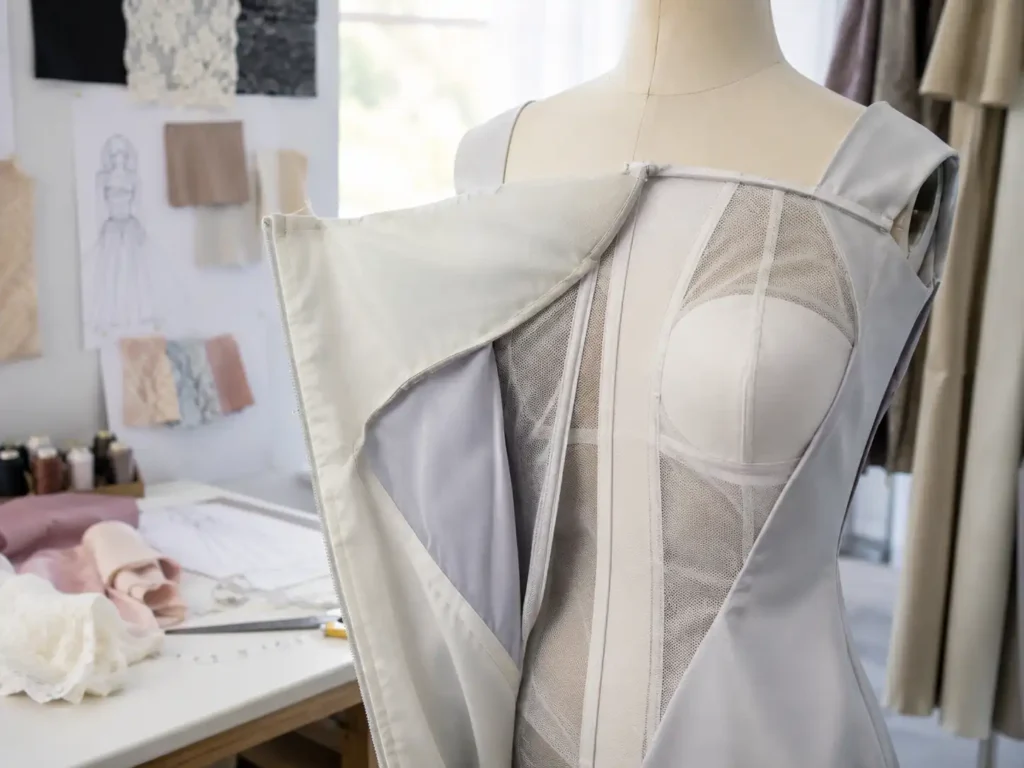
Pastel dresses often contain several visible color components. Lining can make the shell appear warmer, cooler or darker. Invisible zippers may show at the seam edge. Thread becomes noticeable at hems, topstitching, lace joins and repairs. Bra cups, elastic, boning channels and mesh power layers can cast shadows through the outer fabric.
A trim approval card links every visible component to the garment shade. Exact matching is not always possible across different materials, but coordinated matching avoids random color breaks. When a supplier changes a trim batch, the replacement should be compared before production continues.
- Approve shell, lining and underlayers together.
- Check zipper tape, slider, thread and elastic against the garment.
- Review cup and boning visibility on light-colored corset styles.
- Record approved trim references for repeat orders.
Approve Bulk Shade Before Cutting
Bulk fabric approval checks actual production material after dyeing or final sourcing. The review covers dye lot, roll-to-roll variation, edge-to-center shade and the relationship between shell and lining.
Rolls with visible variation should be separated and planned so one garment does not combine mismatched panels.
Repeat orders require a new comparison even when the shade name is unchanged. Retained approved swatches, bulk color photos and dye-lot records make the process more efficient, while the new fabric still needs acceptance before cutting. Color continuity is managed through records, not assumptions.
- Compare bulk fabric with the approved standard.
- Separate dye lots and record roll allocation.
- Do not mix visibly different lots within one garment.
- Retain a bulk swatch for QC and future repeats.
Opacity, Lining and Wearability in Light Shades

Light Transmission
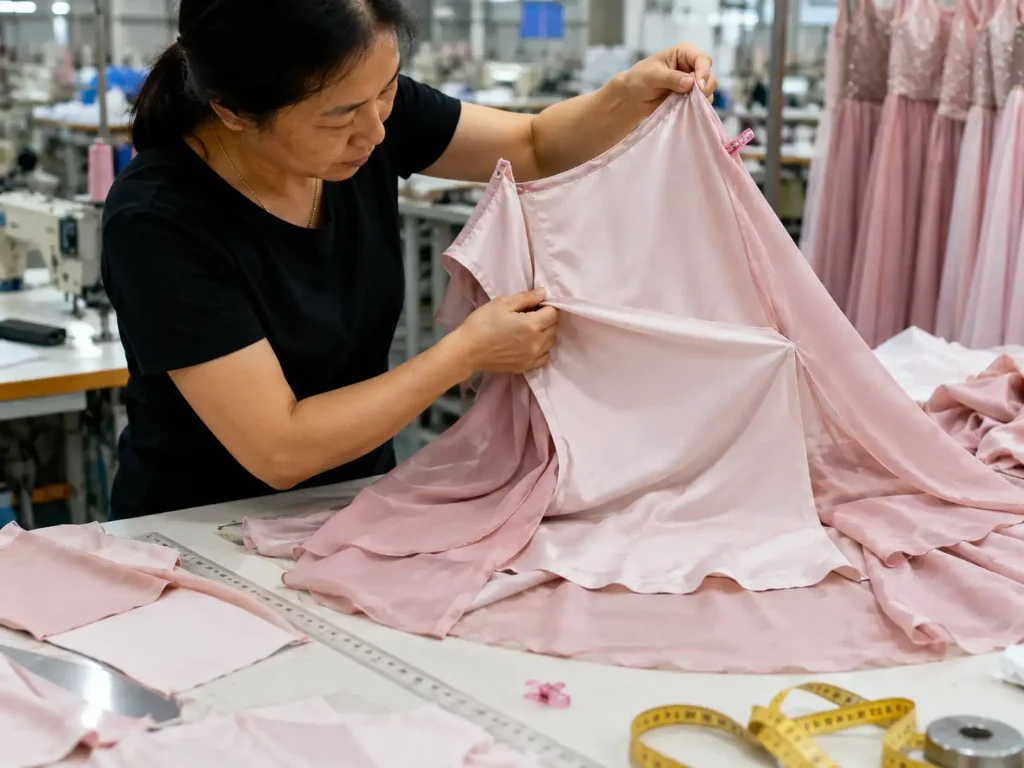
Lining Coverage
Internal Shadows

Movement Security
Pattern and Fit Control by Dress Silhouette
Pastel color may attract attention first, but fit determines whether the garment sells, photographs well and earns repeat orders. Pattern work is adjusted to the fabric and silhouette rather than reused without review. Common production size direction is XS-XL, with extended size ranges developed from the brand’s size chart, fit model and grade rules. Final grading is confirmed by project rather than presented as a universal one-size system.
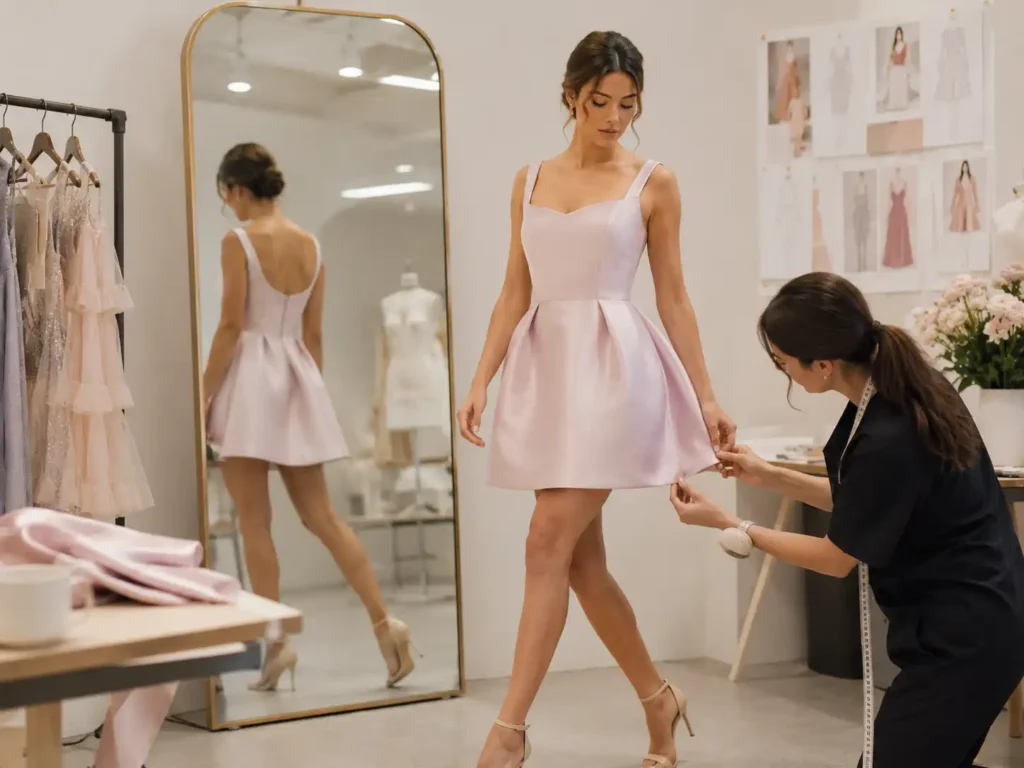
Mini Dress Balance
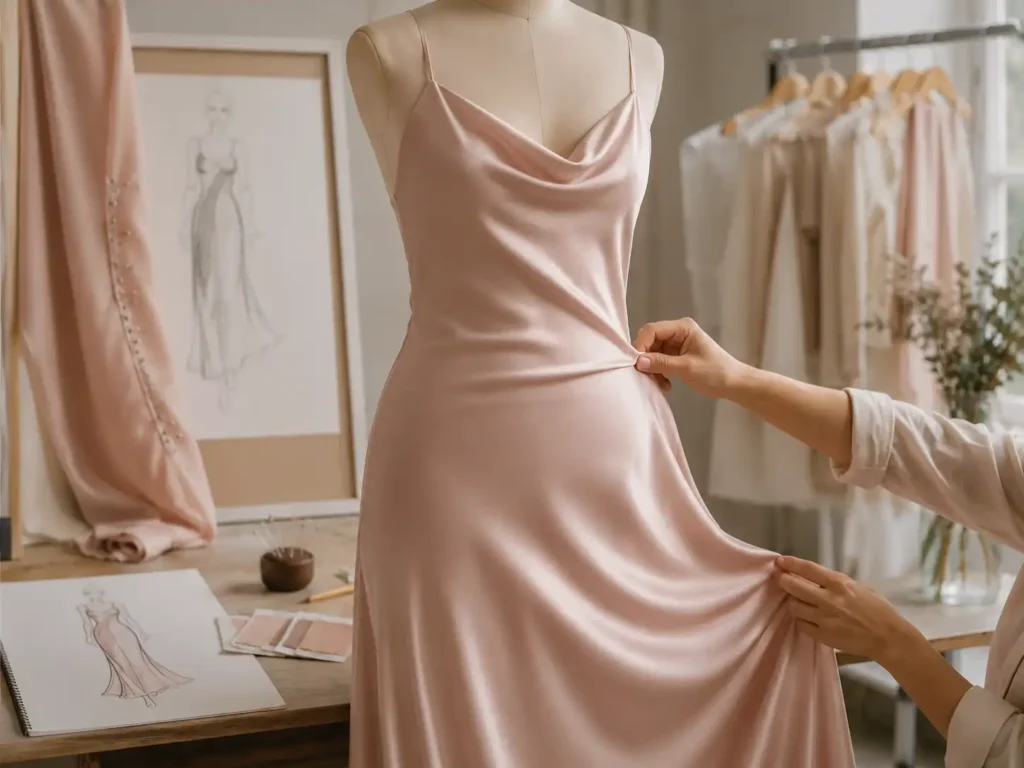
Slip Dress Drape
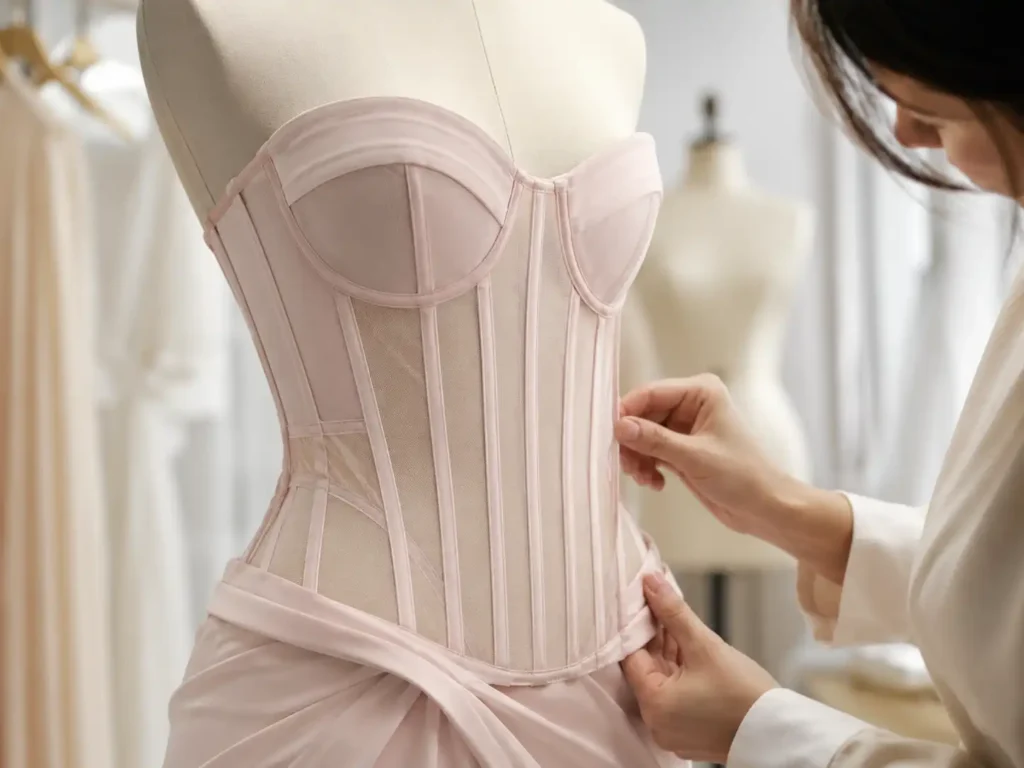
Corset Structure
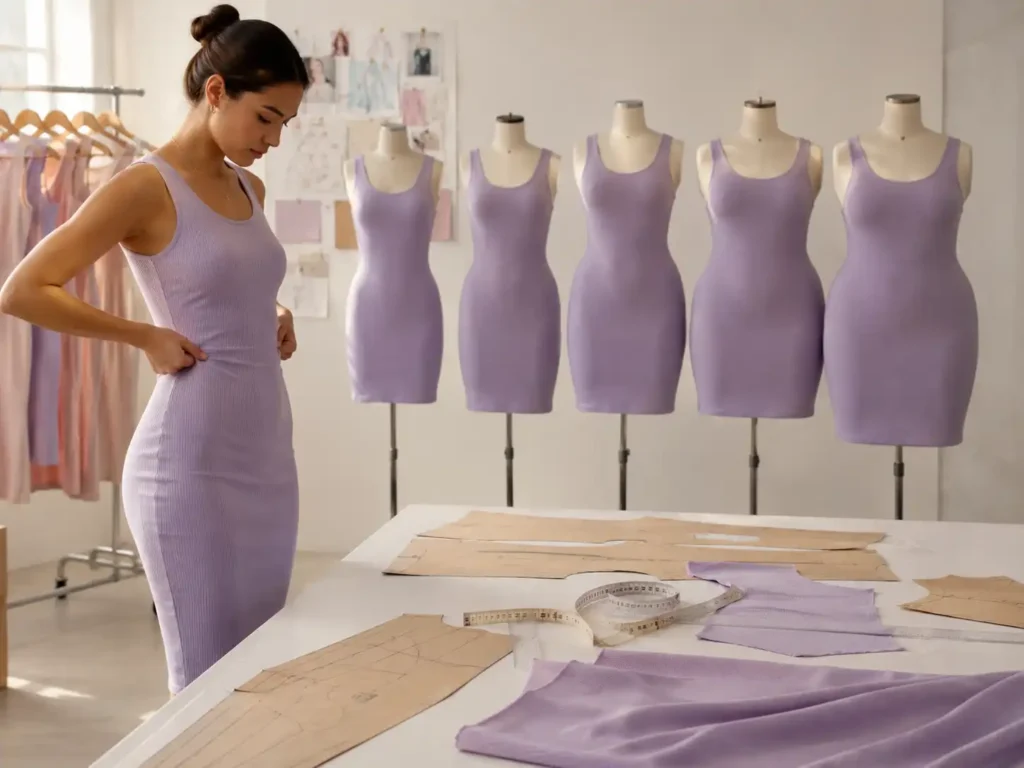
Bodycon Grading
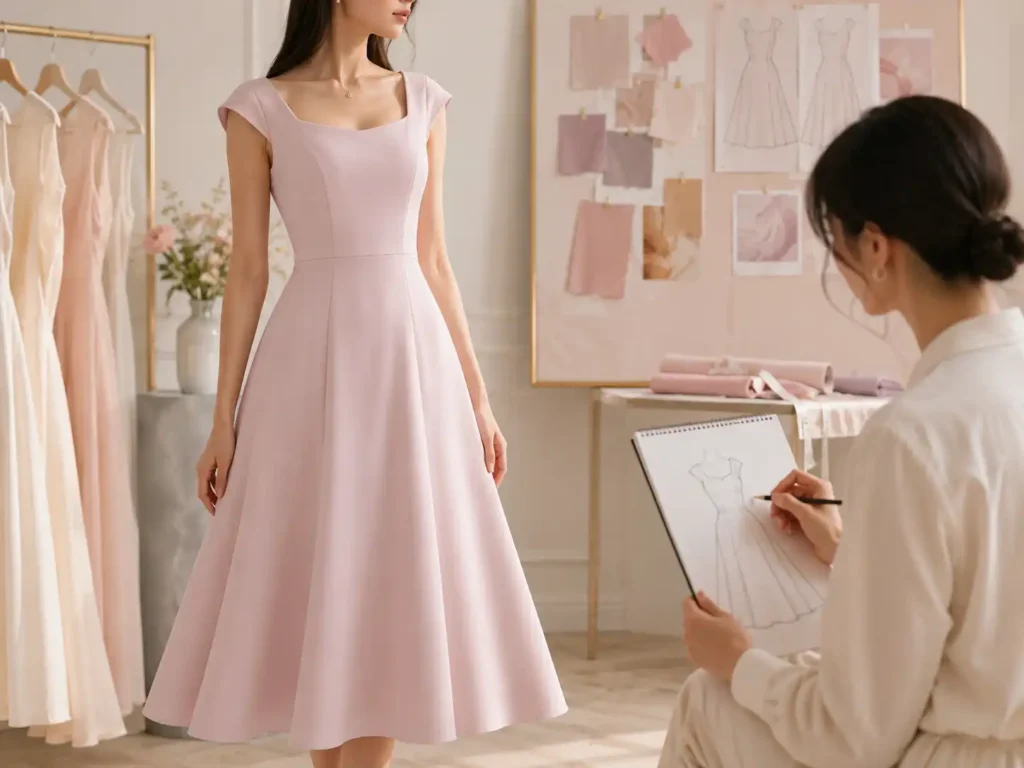
A-Line Proportion
Maxi Length Control
Pastel Dress Design Details Available for Customization

Neckline Development

Straps and Sleeves

Ruching Placement

Pleats and Draping
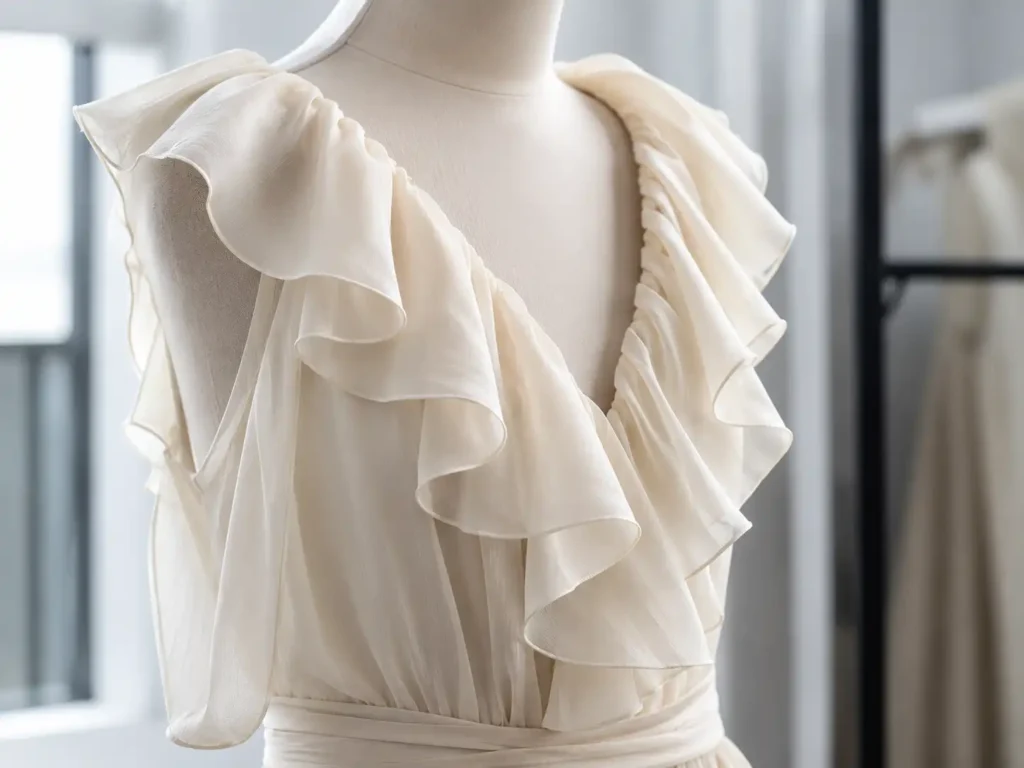
Ruffles and Flounces

Cut-Out Structures
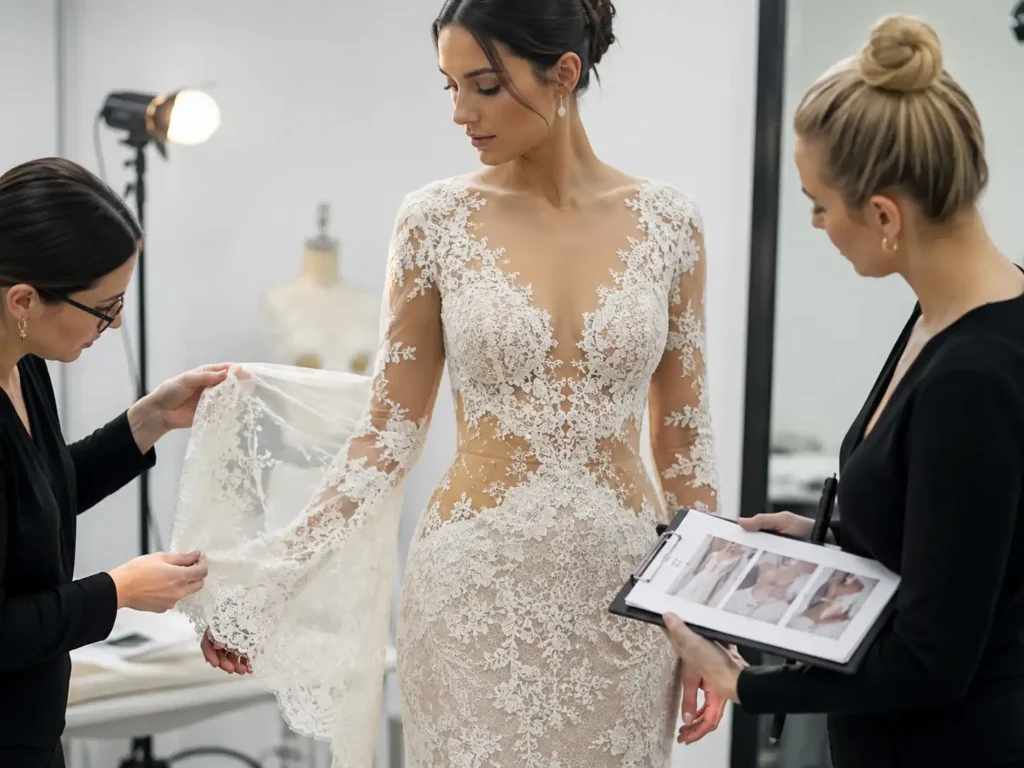
Lace and Mesh Inserts

Corset and Boning
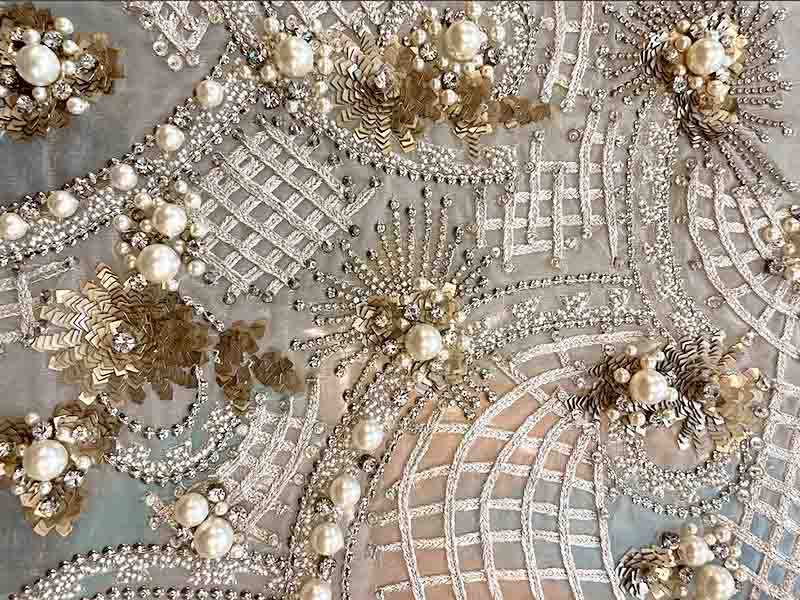
Embellishment Details
Workmanship Standards for Delicate Pastel Dresses
Pastel garments show every line, join and handling mark. Construction standards focus on clean surfaces, controlled tension and repeatable details from sample to bulk.
Clean Satin and Chiffon Sewing
Satin requires stable feed, suitable seam construction and controlled pressing. Excessive tension can create puckering, while needle damage and rough handling can leave visible marks. Seam allowance, stitch density and pressing temperature are established during sampling and transferred into sewing instructions.
Chiffon needs accurate cutting, secure but light seams and balanced hems. Multiple layers are grouped carefully so color depth remains consistent. Fine rolled hems, baby hems or lined finishes are selected according to design, fabric weight and target price. Long panels are checked for twisting and uneven drop before final inspection.
- Control seam puckering and zipper rippling.
- Protect fabric from snagging and oil marks.
- Keep hem width and edge finish consistent.
- Separate shade lots before panel assembly.
Precise Lace and Mesh Assembly
Lace placement influences both color and perceived quality. Motifs may need centering at the bodice, matching across seams or balanced placement at the neckline. Cutting plans account for motif direction and material wastage. Mesh inserts are checked for holes, pulls and tension distortion before entering sewing.
Visible joins should remain smooth without thick seam ridges. Soft lining or mesh backing can reduce skin irritation and improve coverage. On ruched styles, gathering ratios and anchor points are defined so transparency and texture stay consistent across garments and sizes.
- Review lace motif direction and symmetry.
- Check mesh stretch recovery and opacity.
- Protect cut edges from runs and holes.
- Define gathering ratios and attachment points.
Structured Corset and Bust Support
Corset workmanship begins with pattern accuracy. Cups, underbust seams, boning channels, waist seams and closures must align with the approved fit. Boning ends are protected to avoid pressure points, while cup and lining materials are selected to support the silhouette without becoming visible through the pastel shell.
Strapless styles may include anti-slip tape, internal elastic or additional support. Each element is evaluated for comfort and repeatability. Sewing lines follow the Golden sample and construction file, and in-line checks focus on cup symmetry, neckline balance, boning position and zipper closure.
- Match cup size and bust-point placement.
- Protect boning ends and internal seams.
- Check neckline security and left-right symmetry.
- Review support on the intended fit model.
Finishing and Light-Color Handling
Finishing teams inspect loose threads, seam impressions, pressing marks, stains, dust and uneven hems before packing. Light garments are handled separately from dark fabrics where color transfer may occur. Work surfaces, pressing covers and packing areas need regular cleaning because small contamination is highly visible on pale shades.
Garments are pressed according to fabric behavior. Excess heat can create shine, water marks or distortion. Finished pieces are allowed to cool before folding. Tissue, protective bags or garment-specific folding may be used when embellishments, long hems or high-shine surfaces require extra protection.
- Inspect under natural and indoor light.
- Use clean handling and protected transfer.
- Control pressing temperature and surface shine.
- Pack only after garment appearance is approved.
Sampling Stages, Timing and Approval Standards
Sampling is used to build a production standard, not merely to make one attractive garment. Timing varies with structure, materials, trims and the speed of brand feedback.
| Sample Stage | Typical Application | Reference Timing | Main Approval Focus |
| Simple first sample | Basic woven or knit dress with available materials | 7-10 days | Silhouette, measurements, fabric response and initial workmanship |
| Ordinary dress first sample | Commercial mini, midi or maxi dress | 10-15 days | Fit, proportion, fabric, lining, construction and color direction |
| Medium-complex sample | Jumpsuit, set, layered or detailed dress | 12-18 days | Pattern balance, combined materials, trims and assembly sequence |
| Complex first sample | Corset, strapless, lace, mesh, sequin or evening style | 15-25 days | Support, detailed construction, transparency, embellishment and fit |
| Special-material sample | Custom-dyed fabric, exclusive trim or certified material | 20-35 days or supplier-based | Material approval, MOQ, lead time and production feasibility |
| Revised sample | Changes after first or fit sample review | Usually 7-15 days | Documented corrections to pattern, measurements, fabric, trim or construction |
| PP sample | Final pre-production standard with approved materials | Usually 7-15 days | Color, fit, BOM, labels, packing, workmanship and bulk production requirements |
| Photo-ready sample | Lookbook, campaign, showroom or sales presentation | Planned by quantity and standard | Camera-facing appearance, pressing and visual finish; not automatically the PP standard |
From Sample Comments to a Locked Bulk Standard
Structured Revision
PP Sample Approval

Bulk Production from Approval to Branded Packing
Order Handover
Material Preparation
Pre-Production Meeting
Fabric Relaxing and Cutting
In-Line Sewing Checks
Pressing and Finishing
Final Inspection
Packing and Shipment
Quality Control Designed for Light-Colored Dresses

Incoming Fabric QC
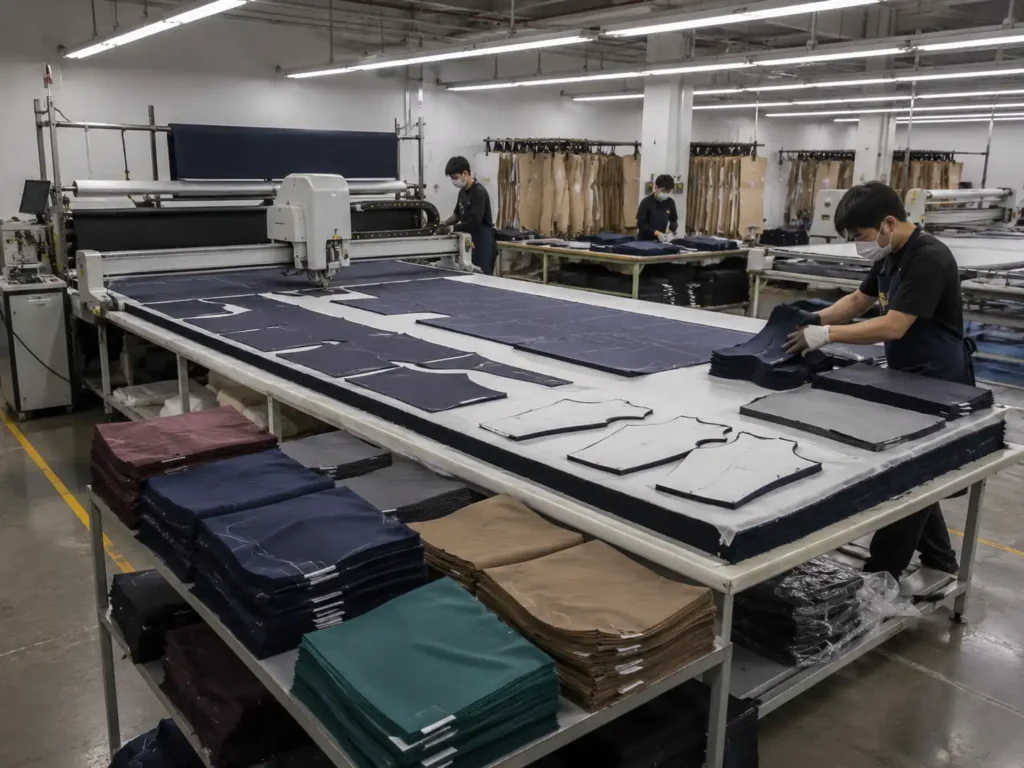
Cut Panel Inspection
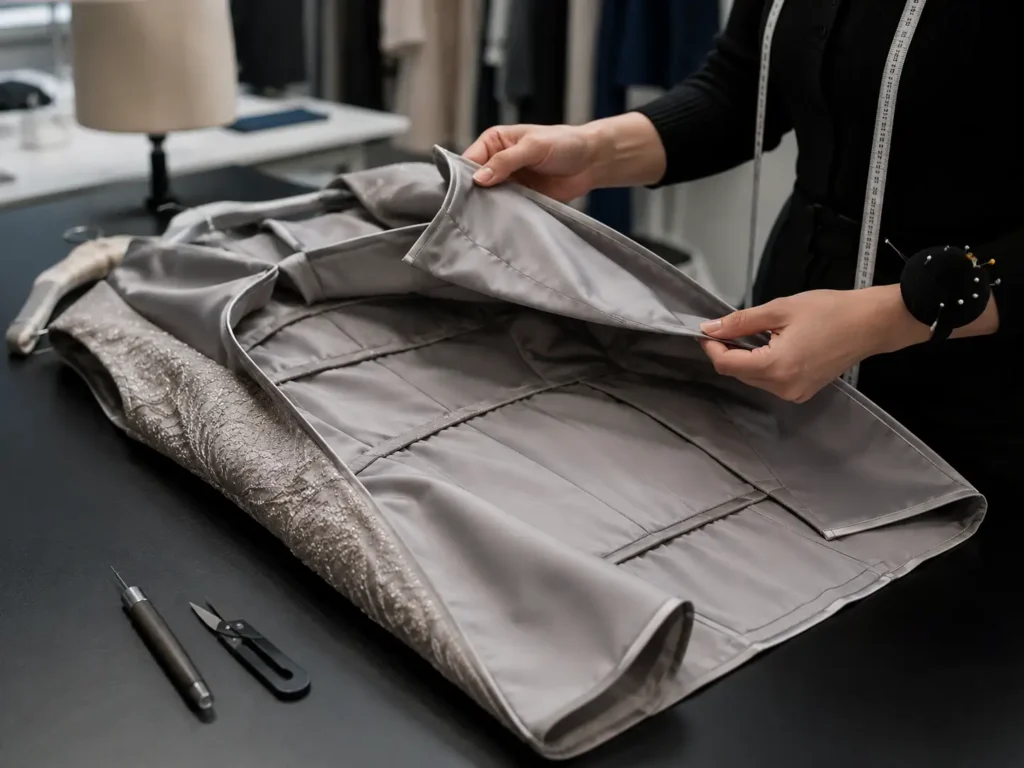
In-Line Construction QC

Measurement Control
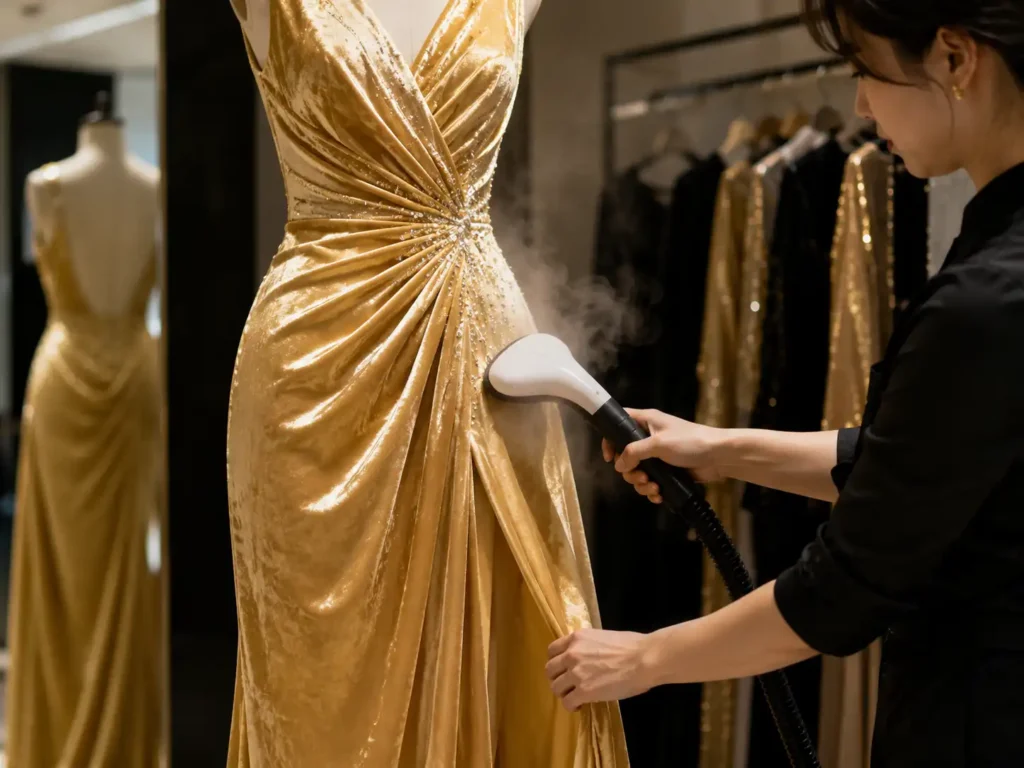
Appearance Inspection
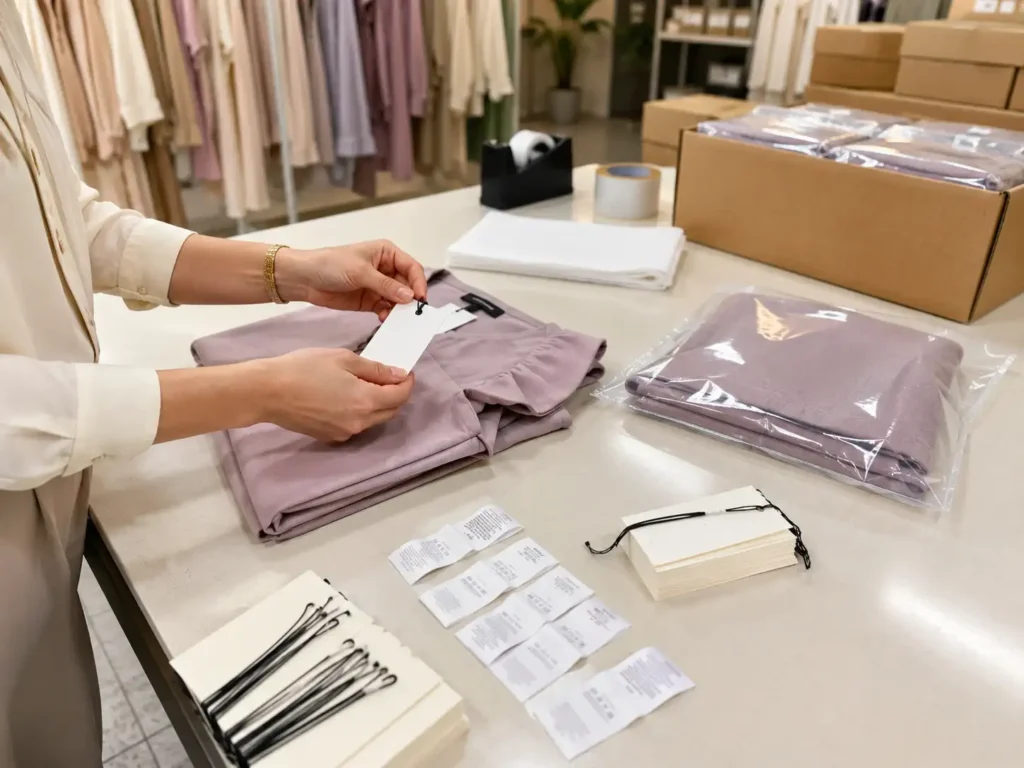
Packing Verification
Private Label and Retail-Ready Pastel Dresses
Brand Labels

Care and Size Labels

Hangtags and Strings
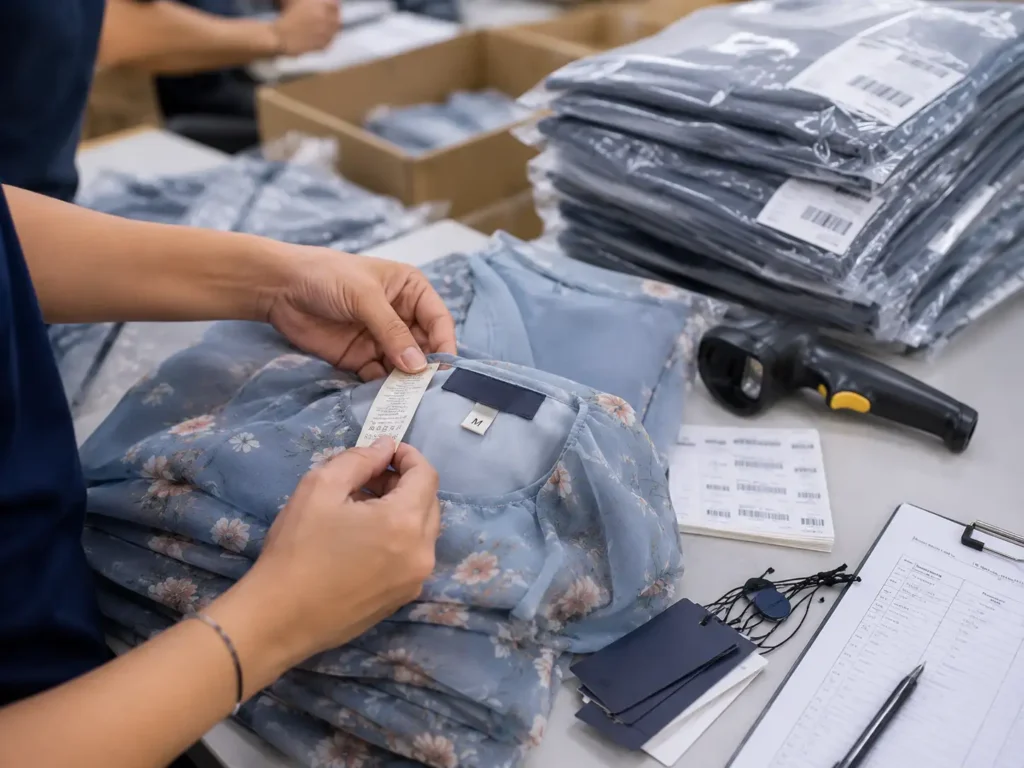
Barcode and SKU
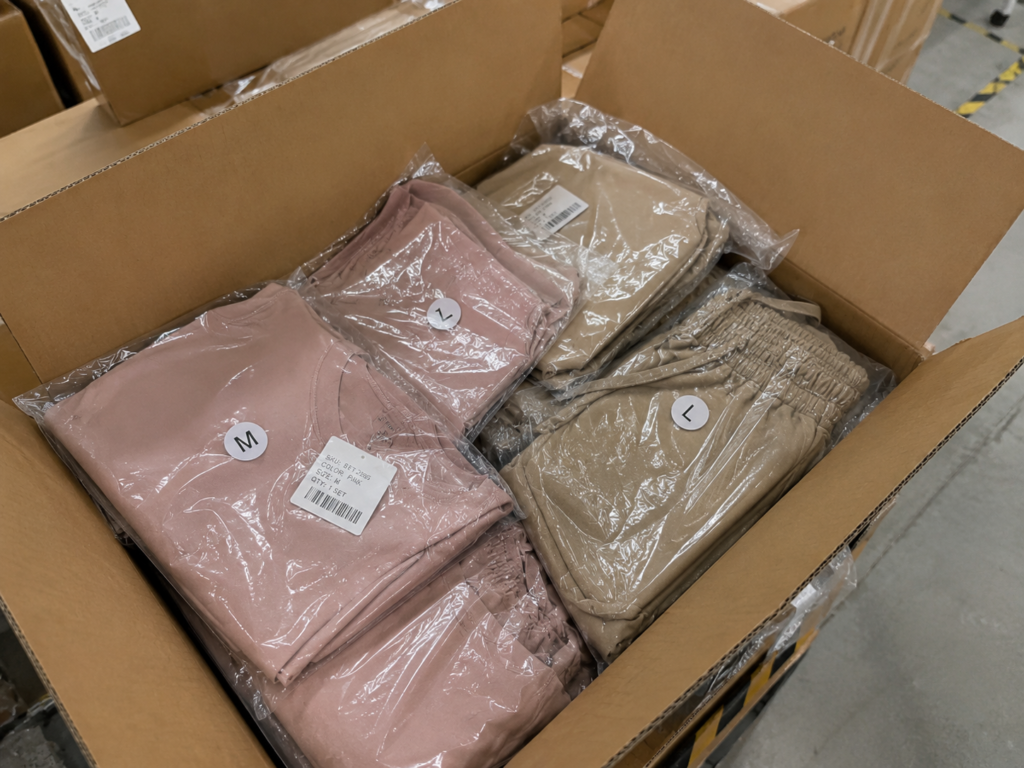
Individual Packing
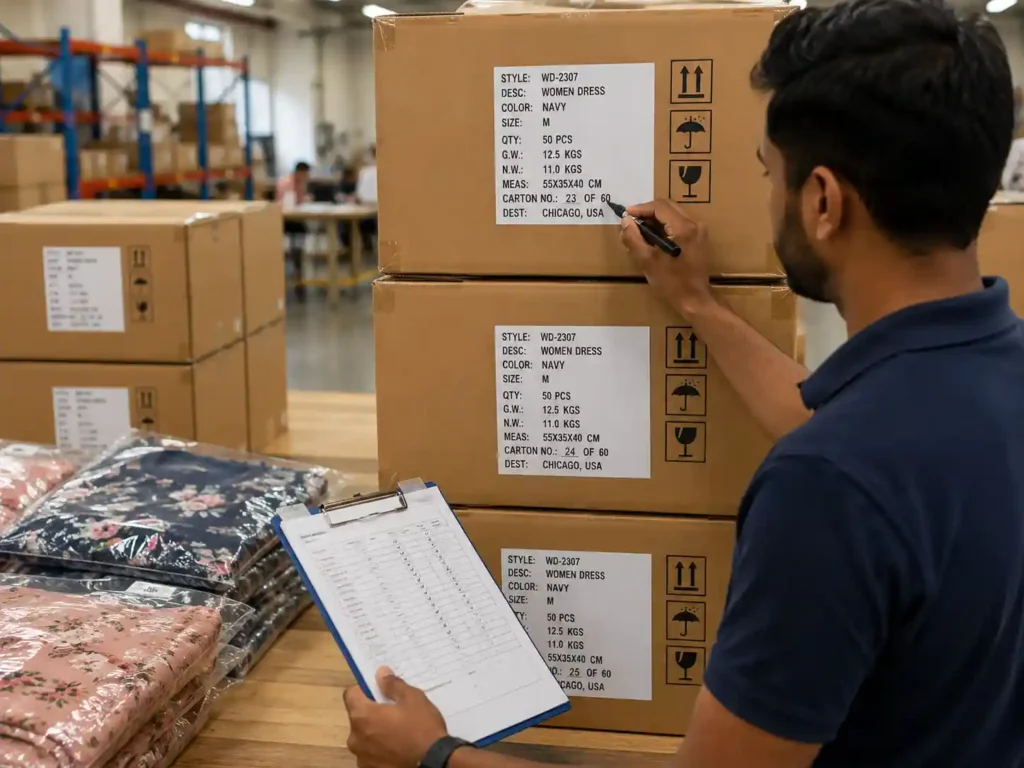
Carton and Warehouse Rules
Managing Multi-Style Pastel Dress Programs
Style-Level Tracking
Sample Priority Plan
Material Grouping
Merchandising Coordination
Production Allocation
Record Retention
Pastel Dress Manufacturing Case Studies
The following anonymized cases represent different pastel dress development programs, covering bridesmaid collections, seasonal fashion ranges and large private-label production programs. Brand identities, original designs and commercial details remain confidential.
Case 1: Pastel Bridesmaid and Occasionwear Collection
Project Scope
A premium occasionwear brand developed a pastel dress collection for bridesmaid, wedding guest, graduation and romantic event markets.
- Collection size: 18 dress styles
- Product categories: blush pink bridesmaid dresses, lavender chiffon dresses, champagne satin dresses, mint crepe dresses and lace occasion styles
- Materials: satin, chiffon, crepe, lace, mesh and lightweight lining systems
- Construction details: A-line dresses, slip dresses, halter styles, draped silhouettes and soft corset structures
- Requirement: consistent pastel color direction across different fabrics and silhouettes
Development Challenges
Pastel occasionwear requires strict control because light colors easily change visually between materials.
Key challenges included:
- Blush pink shifting toward peach or mauve
- Lavender appearing colder or greyer under lighting
- Champagne changing with satin reflection
- Lace and mesh creating different depth effects
- Maintaining consistent color across multiple sizes
Manufacturing Approach
The development team created a pastel color and construction approval system.
Key controls included:
- Physical color reference approval
- Fabric-specific shade review
- Lab dip comparison when required
- Shell and lining coordination
- PP sample approval before bulk production
Additional attention was given to:
- Bust coverage
- Waist placement
- Hem balance
- Strap adjustment
- Size grading
Manufacturing Value
The collection achieved a coordinated pastel occasionwear story while maintaining consistent color, comfortable fit and repeatable bulk production quality.
Case 2: Pastel Resort and Seasonal Fashion Collection
Project Scope
A contemporary fashion brand developed a pastel collection focused on spring, summer, resort and vacation markets.
- Collection size: 16 dress styles
- Product categories: mint resort dresses, baby blue maxi dresses, butter yellow summer dresses, peach wrap dresses and lightweight pastel midis
- Materials: chiffon, rayon woven, linen blends, crepe, jersey and lightweight fabrics
- Construction details: flowing maxi dresses, wrap styles, ruffle dresses, halter dresses and relaxed silhouettes
- Requirement: soft seasonal colors with comfortable travel-friendly construction
Development Challenges
The main challenge was maintaining pastel freshness while ensuring commercial wearability.
Key risks included:
- Lightweight fabrics becoming transparent
- Color changing under natural sunlight
- Wrinkles after transportation
- Shrinkage affecting garment shape
- Lining reducing fabric movement
Manufacturing Approach
The project focused on lightweight material control and resort-ready construction.
Key controls included:
- Selecting fabrics according to season and silhouette
- Reviewing pastel colors under daylight
- Testing opacity and lining options
- Checking shrinkage behavior
- Confirming travel-friendly packing methods
Additional attention was given to:
- Hem balance
- Relaxed fit proportions
- Fabric drape
- Wrinkle control
- Final appearance inspection
Manufacturing Value
The collection maintained a soft seasonal aesthetic while achieving stable coverage, comfortable wearability and export-ready presentation.
Case 3: Large Private Label Pastel Dress Collection Program
Project Scope
An established fashion brand required a complete pastel seasonal collection covering multiple colors, fabrics and retail categories.
- Collection size: 30 dress styles
- Production scale: 80,000+ pieces
- Product categories: pastel mini dresses, midi dresses, maxi dresses, bridesmaid dresses, party dresses and ecommerce styles
- Materials: satin, chiffon, lace, mesh, jersey, ponte, crepe and woven fabrics
- Requirement: consistent quality across multiple pastel shades, SKUs and delivery batches
Development Challenges
The program required coordination across different pastel color systems.
Major challenges included:
- Managing blush, lavender, mint, baby blue, butter yellow, peach and champagne tones
- Maintaining shade relationships between different fabrics
- Controlling lining and transparency requirements
- Managing multiple size ranges
- Coordinating private-label packing
Manufacturing Approach
The collection was divided according to product structure and material risk.
Soft Pastel Occasion Group
Focused on:
- Satin dresses
- Chiffon bridesmaid styles
- Lace occasionwear
- Color consistency
Lightweight Resort Group
Focused on:
- Rayon and linen blends
- Maxi dresses
- Relaxed silhouettes
- Travel-friendly finishing
Manufacturing Value
The program demonstrated that large pastel collections require both production capacity and detailed control of shade, fabric behavior, fit, quality and retail delivery.
MOQ, Costing and Commercial Planning
Production MOQ
Main Cost Drivers
Cost Optimization
Repeat Orders and Seasonal Color Extensions
Same Style Reorder
Same Style New Color
Same Pattern New Fabric
Seasonal Collection Growth
Shipping and Delivery Coordination for Global Programs
Samples and Urgent Units
Bulk Freight Planning
Documents and Forwarders
Why Brands Shortlist Jinfeng Apparel
Dress Specialization
Color Discipline
Development Team
Scalable Production
Process-Based QC
Brand Protection
Pastel Dress Manufacturer Frequently Asked Questions
- Satin supports slip and occasionwear
- chiffon works for layered and flowing styles
- crepe suits structured and matte silhouettes
- mesh supports ruched and bodycon looks
- lace creates tonal detail
- jersey and ponte work for stretch-led products

Start Your Pastel Dress Manufacturing Program
Send the collection information available now, even when several technical decisions are still open. Kelly and the development team will review the style structure, color direction, fabric options, size range, quantity plan, private-label requirements and launch window before suggesting the next step.
A useful first submission normally includes reference images or tech packs, the number of styles, target quantity per style and color, preferred pastel shades, fabric direction, size chart, packaging requirements and destination market. Projects involving custom dyeing, lace, mesh, corset construction, embellishment or special testing should identify those requirements early because they affect sample timing, material minimums, cost and bulk planning.
After review, the response can cover project fit, missing information, color approval route, sampling plan, quotation requirements and a realistic production path.
- Name and company
- Email address
- Tel / WhatsApp (optional)
- Reference images, tech pack or line sheet
- Target quantity per style and color
- Pastel color or Pantone direction
- Fabric and size requirements
- Private-label and packing instructions
- Launch date and delivery destination