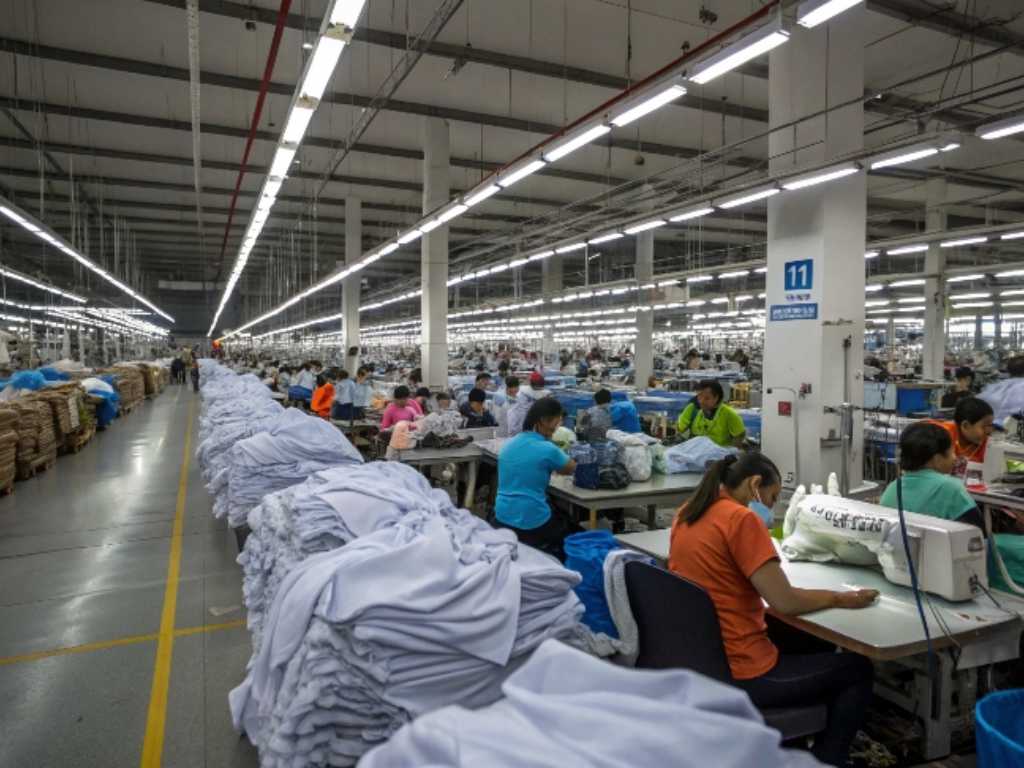
Gold Dress Manufacturer
Custom gold dress development and production for fashion brands, occasionwear collections, partywear programs and private-label retail launches.
- 8 gold-effect directions covering satin, sequin, metallic, foil, glitter, lace, embroidery and rhinestone finishes.
- 2 sample rooms, 7+ senior pattern makers and 20+ sample machinists supporting fit-sensitive dress development.
- 15+ QC inspectors checking gold shade, surface damage, decoration security, garment measurements and packing condition.
- Custom production starts from 200 pieces per style and color, subject to material, construction and production review.
Manufacturing Capacity Behind Every Gold Dress Program
Since 2008
6 Owned Factories
10+ Production Partners
18+ Sewing Lines
2 Sample Rooms
100,000+ Pieces Monthly
Regular monthly capacity exceeds 100,000 pieces across the production system. Actual allocation for a gold dress program is confirmed after reviewing style count, fabric availability, embellishment work, size range, QC standard and delivery schedule.
Built for Established Fashion and Occasionwear Programs
Fashion Brand Groups
Occasionwear Labels
Premium Ecommerce Brands
Partywear Collections
Retail and Boutique Chains
Retail programs require consistent sizing, labels, barcodes, polybags, SKU breakdowns, carton marks and warehouse documents. Gold dress production must remain visually consistent across colors, sizes, stores and delivery batches.
Sourcing and Product Teams
Gold Dress Styles Developed for Commercial Collections

Gold Mini Dresses
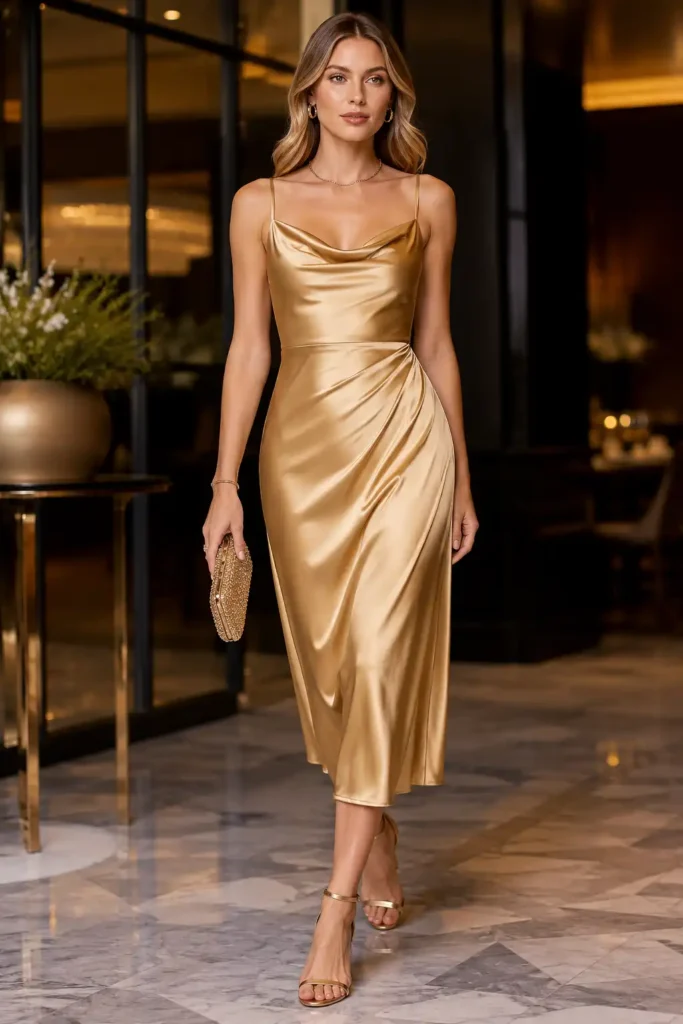
Gold Midi Dresses
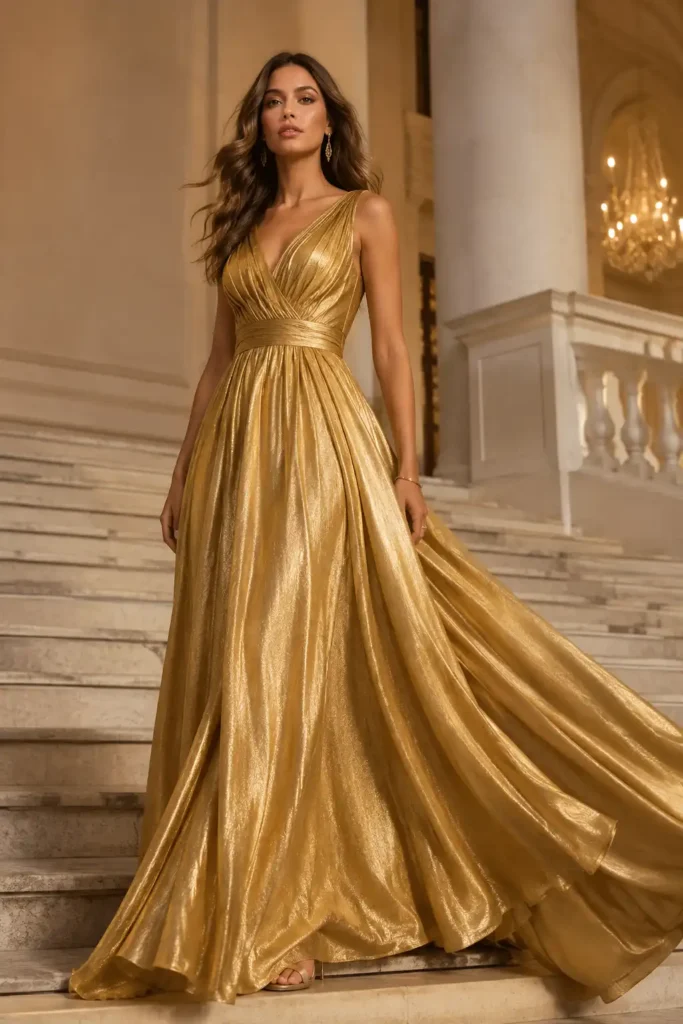
Gold Maxi Dresses
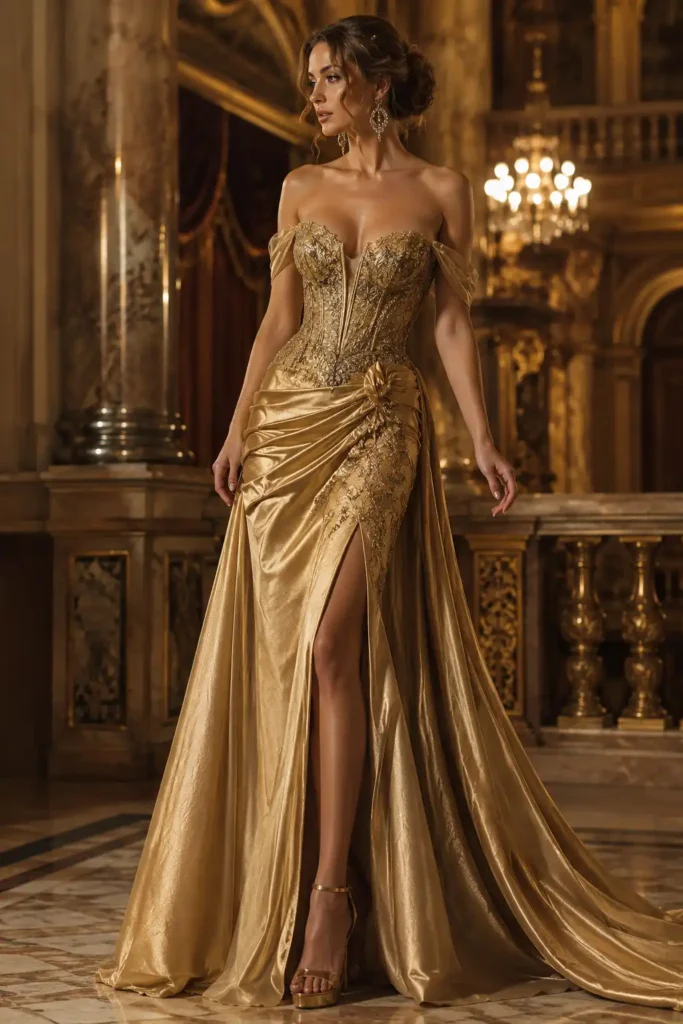
Gold Evening Gowns

Gold Party Dresses

Gold Cocktail Dresses
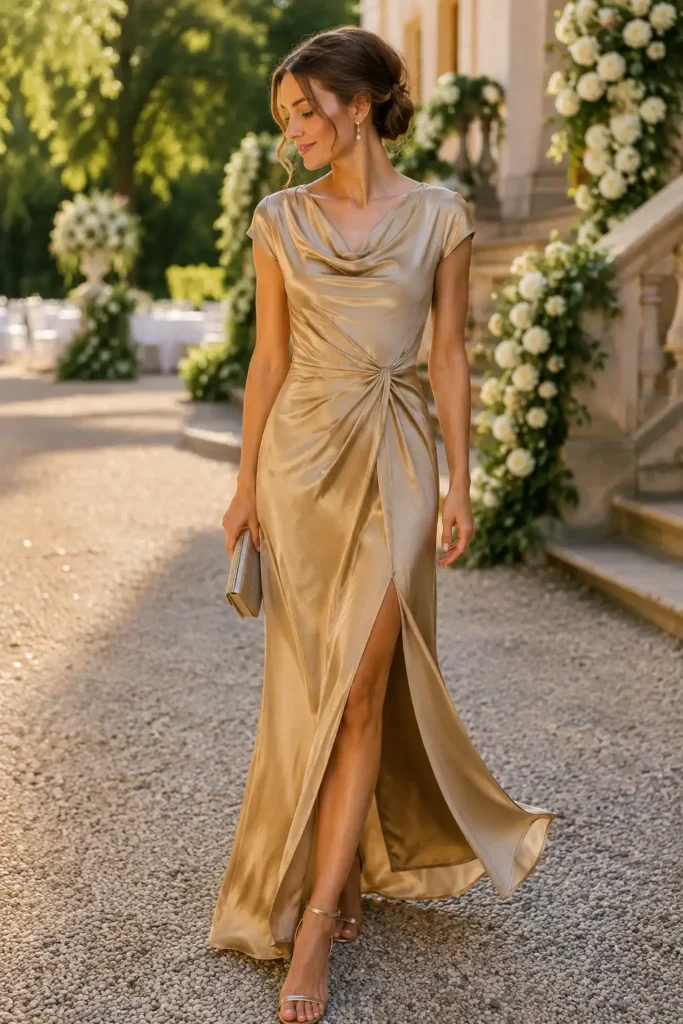
Gold Wedding Guest Dresses
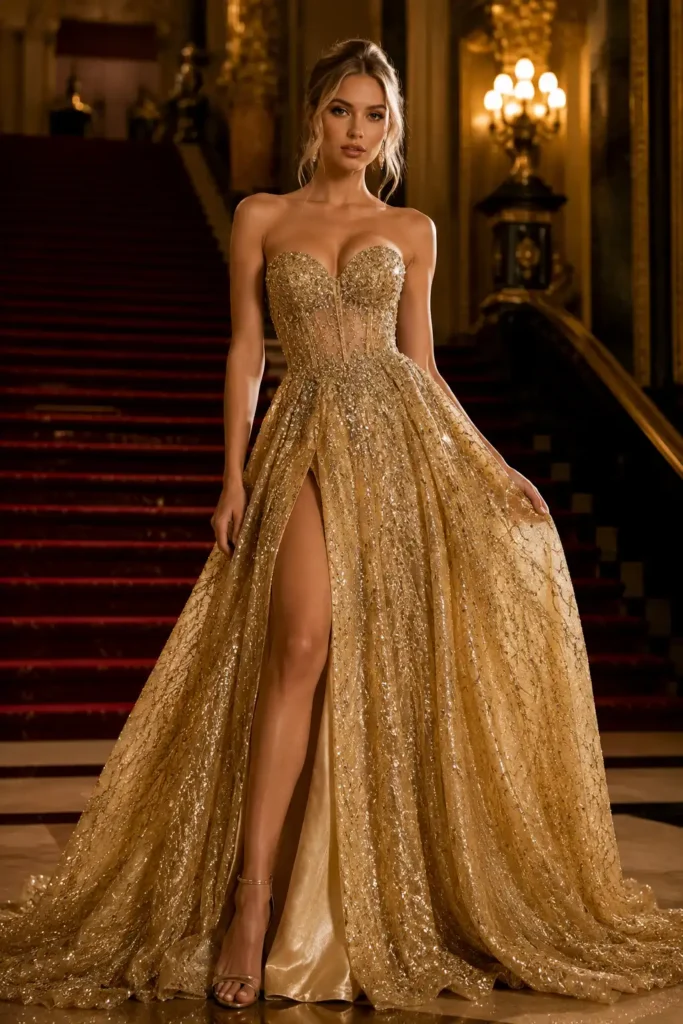
Gold Prom and Gala Dresses
Engineering the Right Gold Color and Surface Effect

Champagne Gold

Yellow Gold
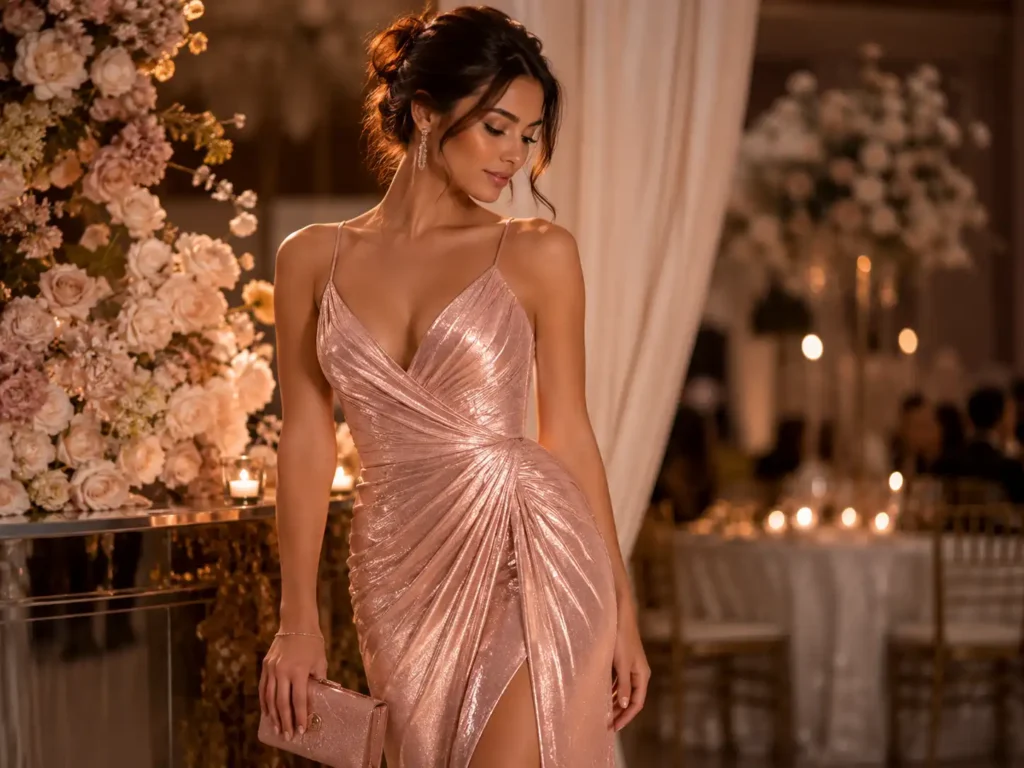
Rose Gold
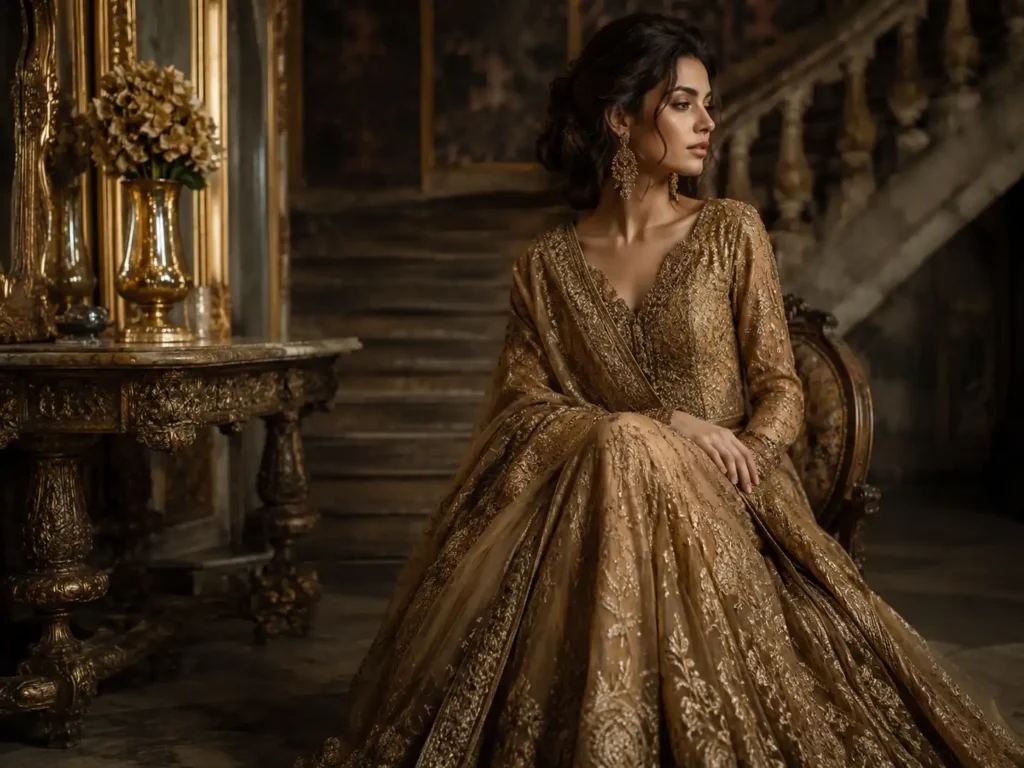
Antique Gold

Bright Metallic Gold
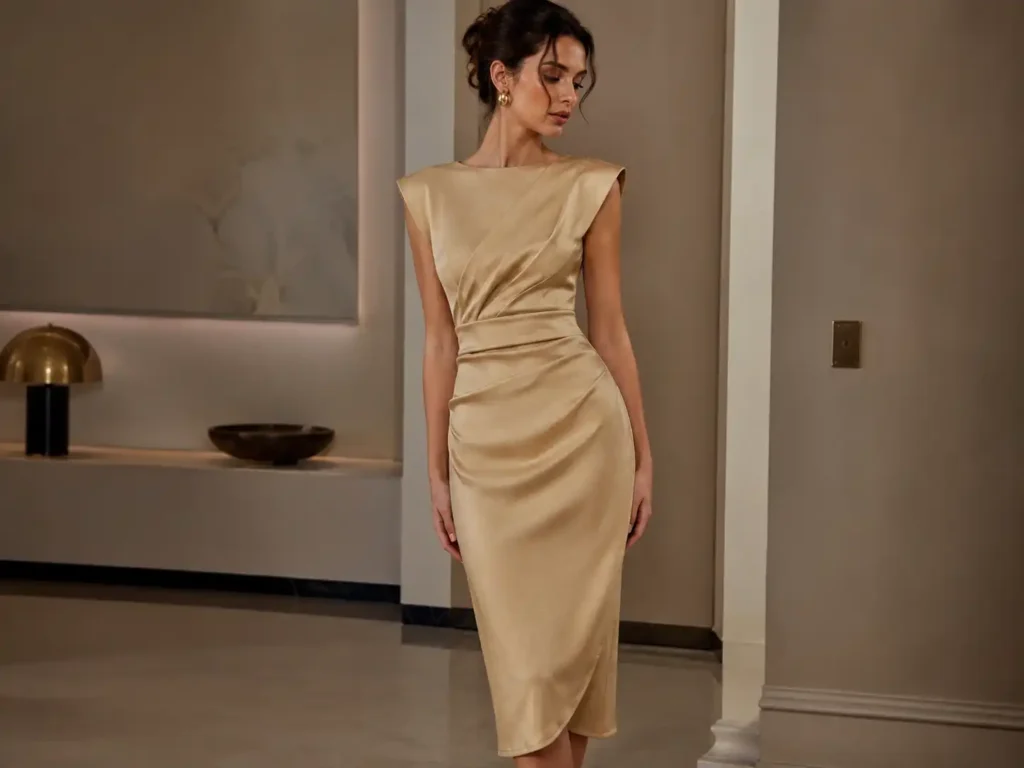
Soft Matte Gold
Gold Fabric Selection by Style and Market Position
Fabric selection determines whether a gold dress appears refined, fluid, dramatic, structured or visibly inexpensive. Jinfeng Apparel reviews shine, handfeel, drape, stretch, opacity, abrasion risk, sewing behavior and bulk availability before recommending a production route.
| Gold Material Direction | Best-Suited Products | Main Production Risks | Key Approval and QC Points |
|---|---|---|---|
| Matte Satin | Slip, midi, cocktail, bridesmaid | Snagging, shade difference, pressing marks | Shine direction, color approval, zipper flatness, crease recovery |
| Stretch Satin | Bodycon, corset, mini, party | Recovery loss, seam tension, zipper bulging | Stretch direction, bust-waist-hip fit, wash stability |
| Heavy Satin | Evening gown, structured midi, formal dress | Weight, needle marks, difficult pressing | Drape, seam finish, hem balance, packing method |
| Full Sequin Fabric | Party, holiday, gala, mini | Missing sequins, skin irritation, seam thickness | Sequin direction, lining, edge protection, decoration security |
| Sequin Mesh | Fitted party, evening, cut-out styles | Holes, stretch distortion, sequin loss | Base-mesh recovery, lining coverage, seam handling |
| Metallic Knit | Bodycon, clubwear, mini | Stretch variation, surface abrasion, curling edges | Recovery, seam tension, size stability, folding protection |
| Metallic Foil Fabric | Statement mini, holiday capsule | Cracking, peeling, heat sensitivity | Surface test, needle marks, pressing temperature, packing pressure |
| Gold Lace | Cocktail, wedding guest, evening | Motif mismatch, holes, fraying | Motif placement, lining color, seam position, edge finish |
| Gold Chiffon | Draped maxi, layered evening dress | Transparency, seam slippage, uneven hem | Layer count, lining, grain direction, hanging recovery |
| Gold Velvet | Winter party, evening, holiday dress | Nap direction, pressure marks, visual shade change | Nap consistency, pressing, surface protection, carton pressure |
Silhouette Development for Gold Dress Collections
A gold surface attracts attention to every proportion, seam and construction line. Pattern development must therefore create a controlled silhouette before reflective fabric or decoration is allowed to dominate the garment.
Bodycon and Sculpted Mini Silhouettes
Bodycon gold dresses require accurate control of bust, waist, hip and hem measurements. Stretch direction and recovery influence whether the dress shapes the body or loses support after wear. Sequin and metallic fabrics can add weight, so the pattern cannot simply copy a lightweight jersey dress.
Key development controls include:
- Negative ease suited to fabric stretch and recovery.
- Stable side seams without twisting or pulling forward.
- Secure mini length during walking and sitting.
- Controlled neckline and armhole to prevent gaping.
- Lining with compatible stretch and recovery.
- Flat zipper installation without back-seam bulging.
- Balanced ruching where additional shape is required.
Slip and Draped Silhouettes
Gold slip dresses rely on clean drape, controlled bias behavior and a smooth neckline.
Satin exposes puckering, distorted seams and uneven hems more clearly than matte woven fabric. Strap length, bust coverage, back depth and lining attachment should be checked on the body.
For bias-cut or draped styles, samples may need hanging recovery before final hem correction.
Fabric weight also influences whether the dress falls close to the body or appears stiff.
Thin satin may need suitable lining, while heavy satin may require adjusted seam allowance and pressing methods.
Corset and Structured Silhouettes
Corset gold dresses combine visual impact with internal engineering. Bra cups, boning, lining, waist shaping, neckline support and back closure must work as one system. A metallic or sequin shell can conceal poor internal construction during flat inspection but reveal instability during wear.
Development should confirm:
- Upper-bust and under-bust measurements.
- Cup size, placement and coverage.
- Boning position and hardness.
- Anti-slip support for strapless styles.
- Zipper and hook-and-eye security.
- Waist compression without discomfort.
- Shell-to-lining compatibility.
- Decoration placement around seam lines.
Maxi and Formal Silhouettes
Long gold dresses require accurate total length, skirt balance, slit placement, train control and movement testing.
Heavy sequins may pull the garment downward, while chiffon and satin can change length after hanging.
Lining must move with the shell without showing below the hem.
Formal styles should be reviewed from front, side and back, including walking, sitting and turning.
Packaging trials are also valuable because floor-length satin, velvet and sequin gowns can develop pressure marks, crushed decoration or severe creasing during transport.
Fit and Construction Controls That Protect Sell-Through
A visually impressive gold dress still fails commercially when the neckline gaps, the zipper bulges, the lining shows, or the hem becomes uneven. Each structural area is checked during pattern development, fitting, PP approval and bulk inspection.

Bust and Neckline Stability
Strapless, corset, deep-V, halter and slip dresses require different support strategies. Jinfeng Apparel reviews upper bust, full bust, under bust, cup position, neckline depth, strap angle and armhole shape. Bra cups, boning, anti-slip tape, power mesh and lining may be introduced according to the desired support level.
A neckline can look balanced on a mannequin but become unstable during movement. Fit review should therefore include standing, sitting, arm lifting and turning. Any gaping, compression, visible lining or asymmetry must be corrected before PP approval.

Waist, Hip and Side-Seam Balance
Gold bodycon and corset dresses attract visual attention to waist and hip proportions. Side seams should remain vertical, ruching should follow the intended direction, and waist seams should sit at the approved level across the size range.
Fabric stretch must be reflected in the pattern. A low-recovery metallic knit cannot use the same negative ease as a stable stretch jersey. For woven satin and sequin styles, darts, princess seams, panels or internal support may be needed to create shape without excessive pulling.

Lining and Opacity Management
Lining affects comfort, opacity, color depth, movement and seam appearance. A nude lining can soften the gold effect, while a matching gold lining can strengthen color saturation. Black or contrast lining may be suitable for deliberate fashion effects but requires physical approval.
Sequin edges, metallic yarn and rhinestone backs can irritate the skin. Armholes, necklines, side seams and slits may need lining, binding or protective finishing. Stretch shells require linings with compatible elasticity to prevent restriction or distortion.
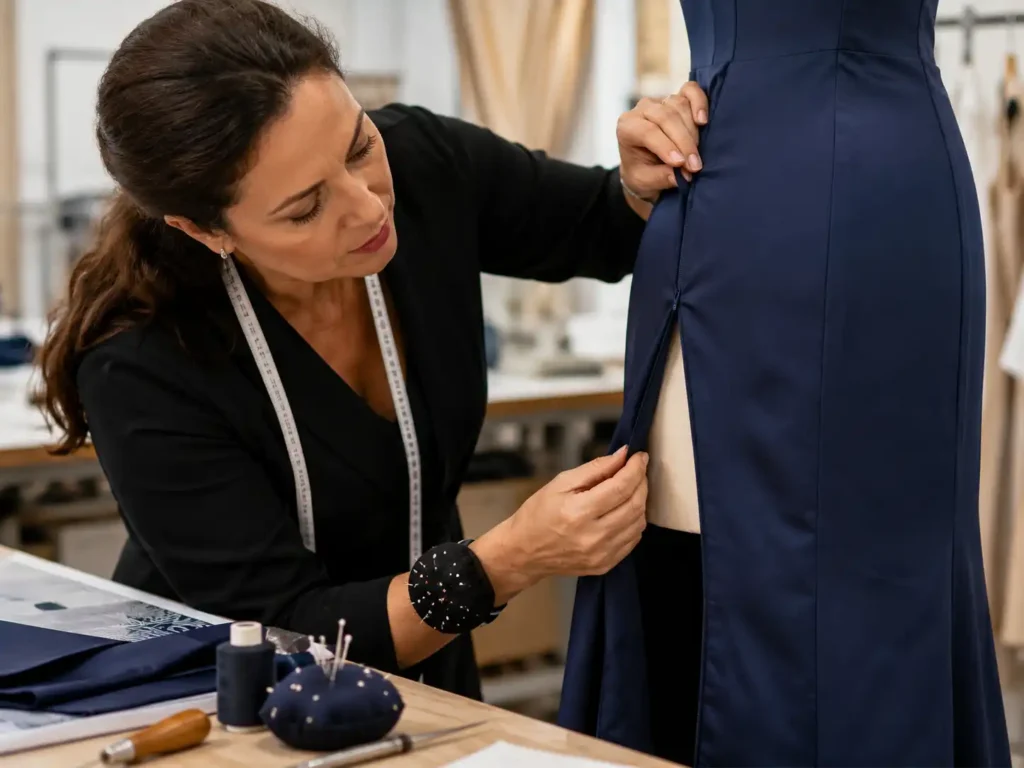
Zipper, Slit and Hem Control
Invisible zippers must match fabric weight and remain flat through the waist and hip. Sequin fabric may need decoration removed from the zipper seam to avoid thickness and jamming. Hooks and eyes can reduce stress at the zipper top.
Slit height should balance visual effect with movement and wearing security. Mini, midi and maxi hems require different tolerance controls. Chiffon and bias satin may need hanging time before final leveling, while sequin hems need clean edge treatment and decoration protection.
Decorative Techniques for Premium Gold Dress Effects
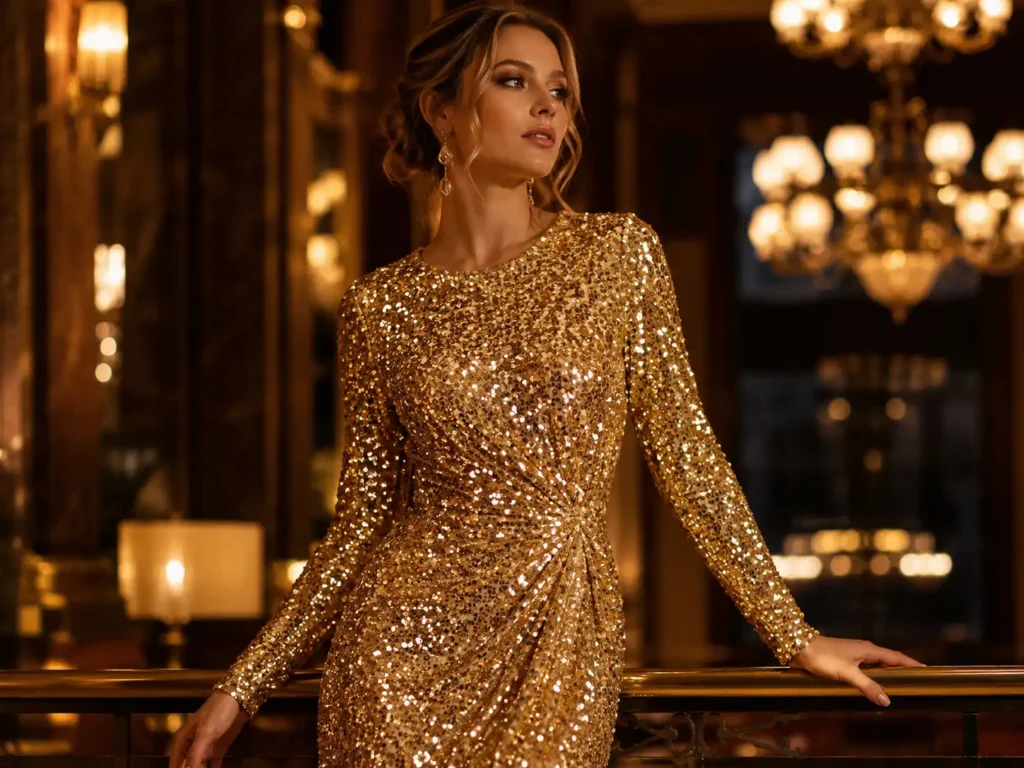
Full Sequin Coverage
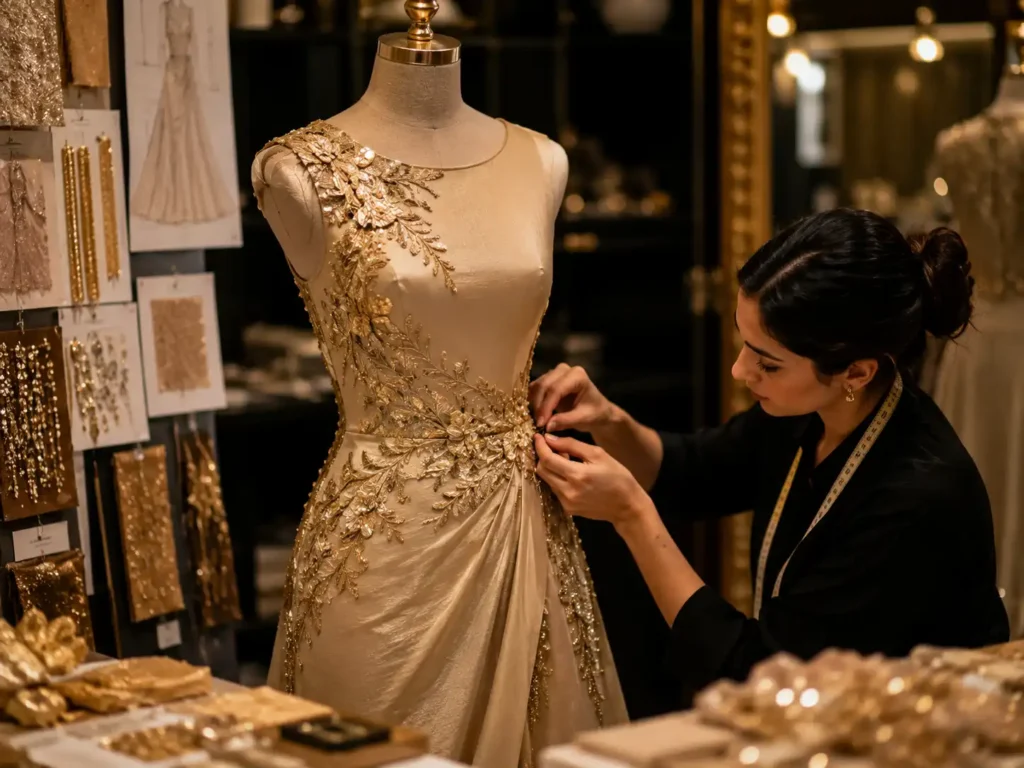
Sequin Embroidery
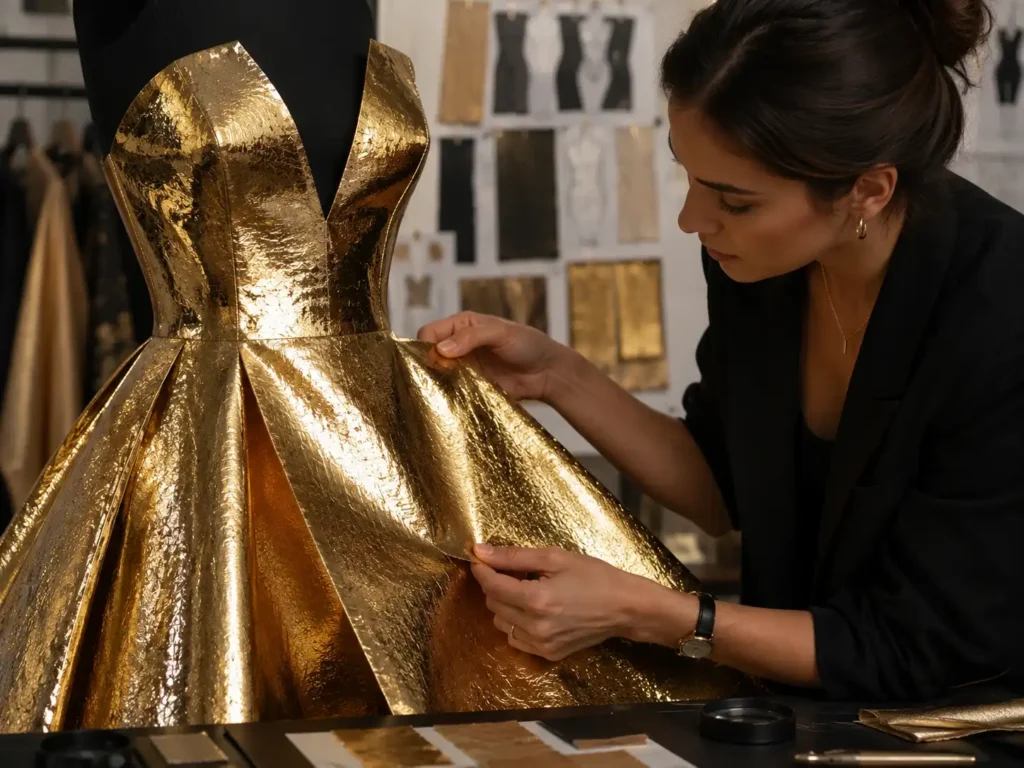
Gold Foil Finishing
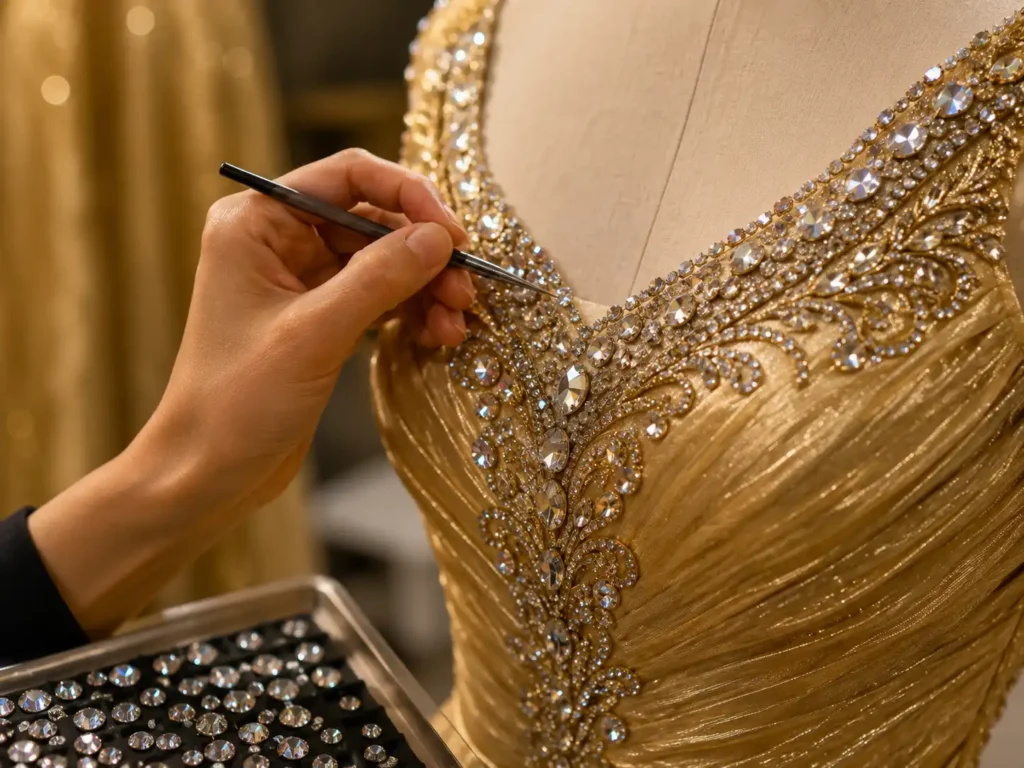
Rhinestone Application
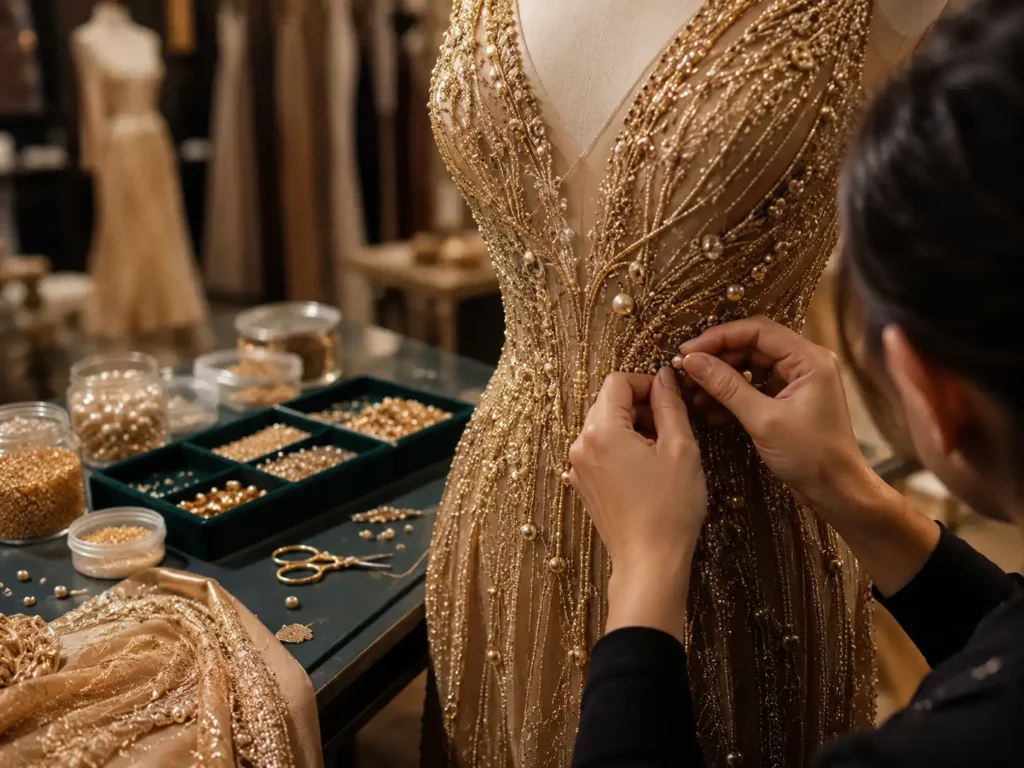
Beading and Handwork
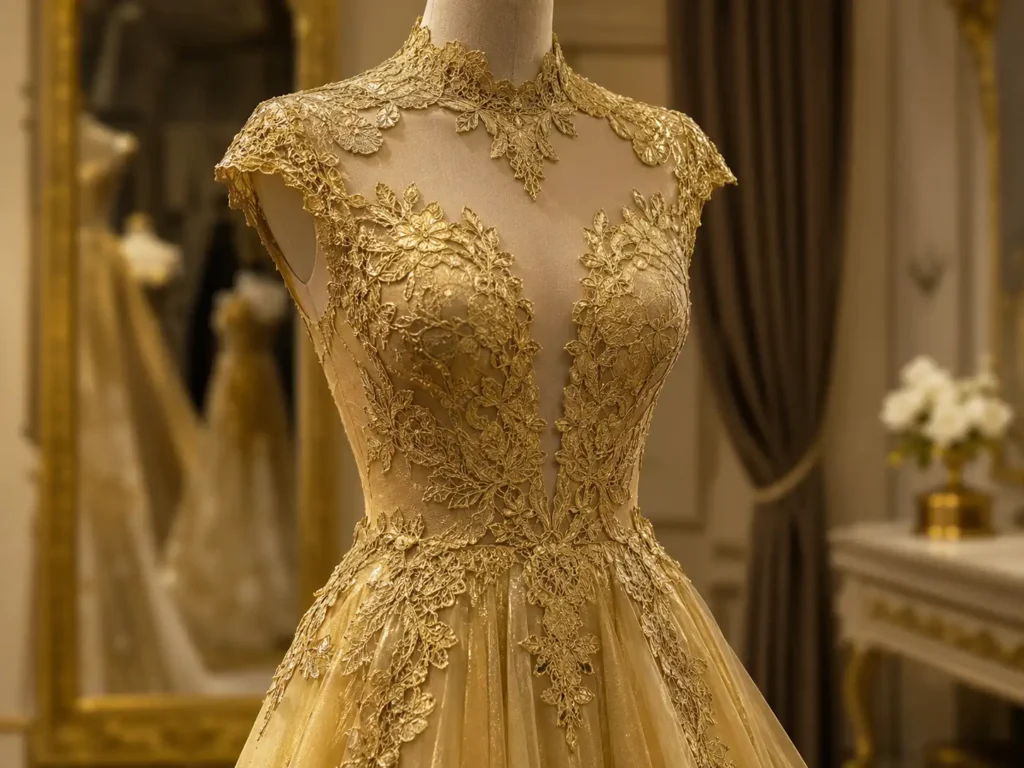
Gold Lace and Appliqué
Small Components That Determine the Final Quality

Invisible Zippers

Bra Cups and Boning
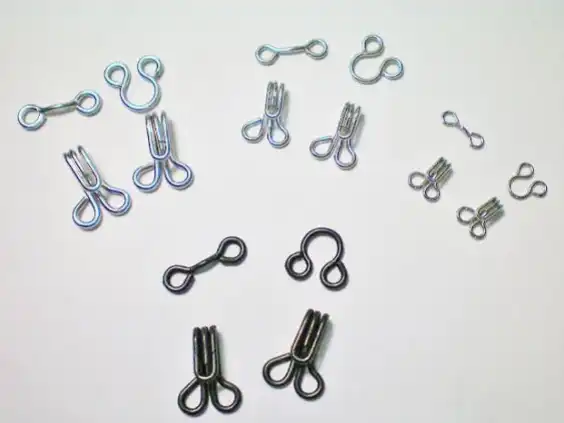
Hooks and Eyes

Strap Sliders and Hardware
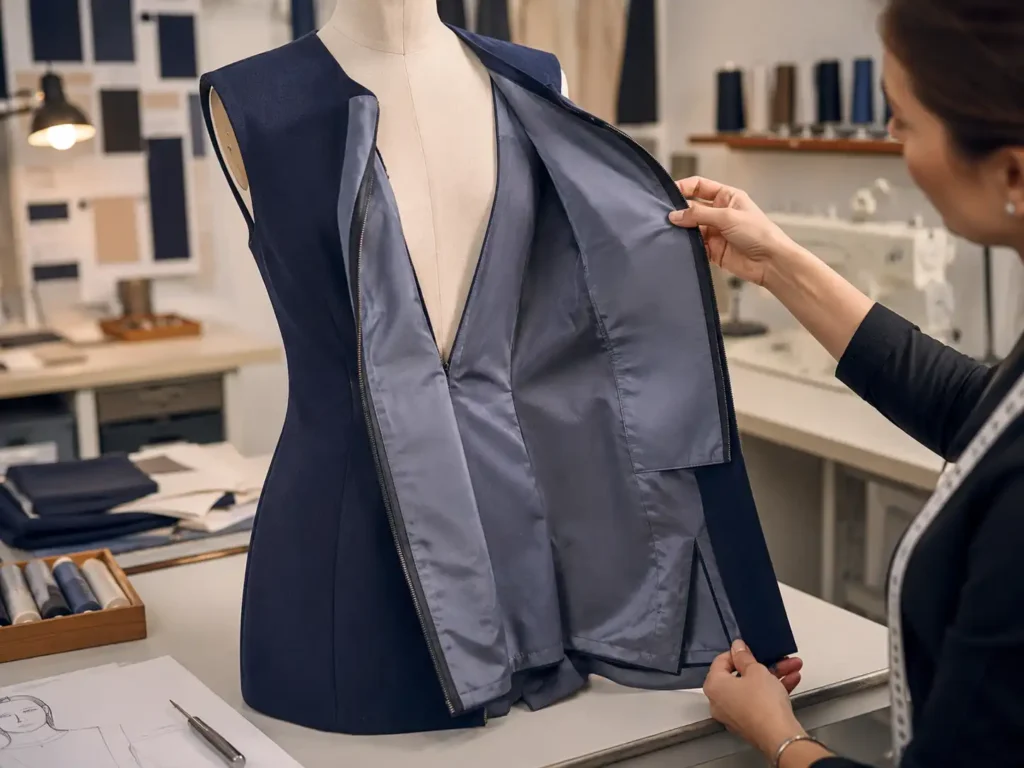
Lining and Binding
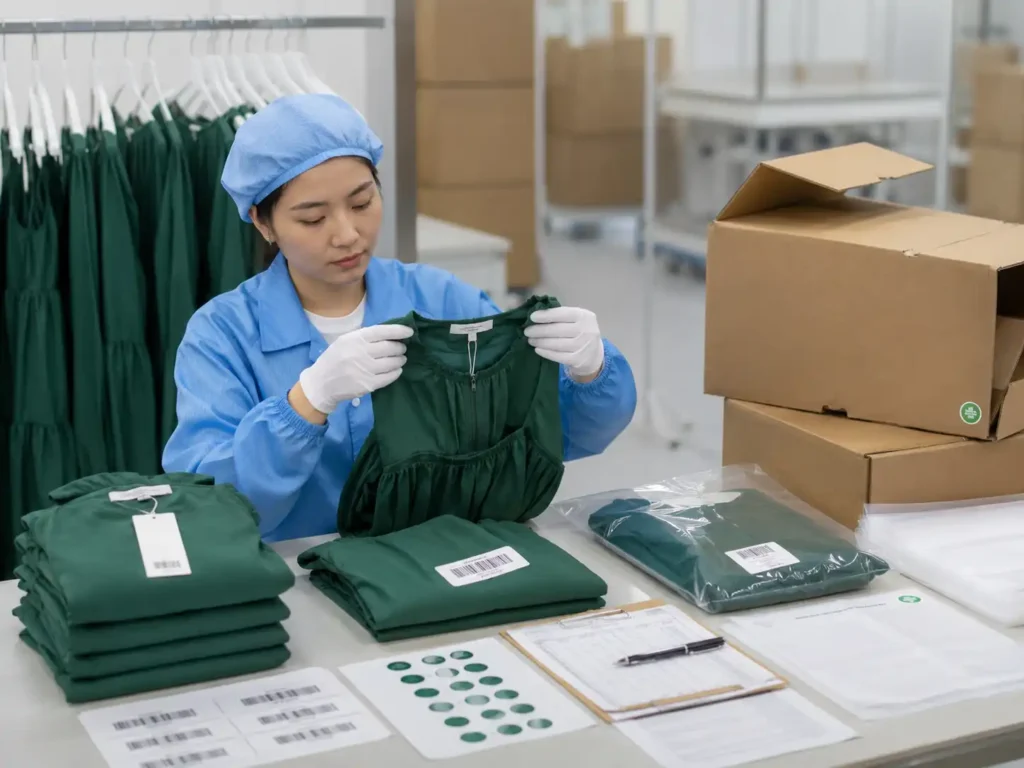
Labels and Brand Trims
From Gold Dress Concept to First Sample
Project Review
Fabric and Trim Direction
Pattern Development
First Sample
Fit Review
Revision Record
Sample Stages Before Gold Dress Bulk Production
Different samples answer different commercial and technical questions. Mature product teams distinguish fit approval, photography preparation, sales presentation and production approval rather than expecting one sample to serve every purpose.
Fit and Revised Samples
Fit samples focus on silhouette, proportion, support, movement and measurements. Revised samples confirm whether recorded changes have corrected the identified problems. Gold fabric may also be changed if the first option appears overly bright, too stiff, too transparent or unstable during sewing.
Feedback should be linked to measurable areas such as bust, waist, hip, strap, neckline, slit and total length. Material comments should address shade, shine, surface texture, lining, decoration density and comfort. Each approved revision is recorded before the next stage.
Photo-Ready and Salesman Samples
Photo-ready samples prioritize model fit, fabric reflection, drape, surface condition, pressing, detail finish and how the dress performs under studio lighting. Salesman samples support showrooms, wholesale appointments and range presentations while remaining close to production-feasible materials and construction.
Gold dresses may photograph warmer, cooler, brighter or darker than they appear in person. Natural light, studio light and evening light comparisons can help a brand confirm whether a fabric supports its campaign direction before placing a larger material order.
PP Sample Approval
The PP sample is the principal production approval reference. Shell fabric, lining, gold color, trims, measurements, construction, decoration placement, labels, hangtags and packing direction should be confirmed before bulk cutting.
Late design changes after PP approval can affect pattern files, material requirements, production schedule, quotation and delivery. For multi-style collections, each style should have a clear approval status rather than relying on one general collection approval.
Golden Sample Control
A sealed Golden sample supports production, quality inspection, packing review and repeat-order comparison. It links the approved physical garment with the final pattern, size chart, BOM, trim card, sewing instruction and packaging file.
For repeat orders or new gold color extensions, the Golden sample helps teams compare silhouette, workmanship, construction and branded details. New material batches must still be reviewed because shade and surface behavior can change between production lots.
Indicative Development and Production Planning Ranges
Timing depends on style count, fabric availability, gold-color development, decoration work, sample revisions, testing, PP approval, order quantity and packaging readiness. The ranges below support preliminary planning and are confirmed after project review.
| Project Stage | Indicative Planning Range | Main Factors Affecting Timing |
|---|---|---|
| Initial project and material review | 2–5 working days | File completeness, fabric direction, trim requirements |
| First sample development | 7–15 working days | Pattern complexity, fabric availability, embellishment work |
| Revised sample | 5–10 working days | Number of corrections, replacement materials, fit changes |
| Photo or salesman sample | 7–15 working days | Final fabric, sample size, label and visual requirements |
| PP sample | 7–12 working days | Approved materials, trims, measurements and packing direction |
| Bulk production | 30–45 working days | Quantity, style count, fabric supply, construction and QC |
| Finishing, final inspection and packing | 3–7 working days | Garment type, packing standard, inspection requirements |
| International transport | Confirmed by route | Express, air, sea, destination, customs and peak season |
Managing Gold Collections with Ten to Thirty Styles
Style Grouping
Sample Priority
Version and Approval Control
Controlled Bulk Production for Gold Dress Orders

Production File Confirmation
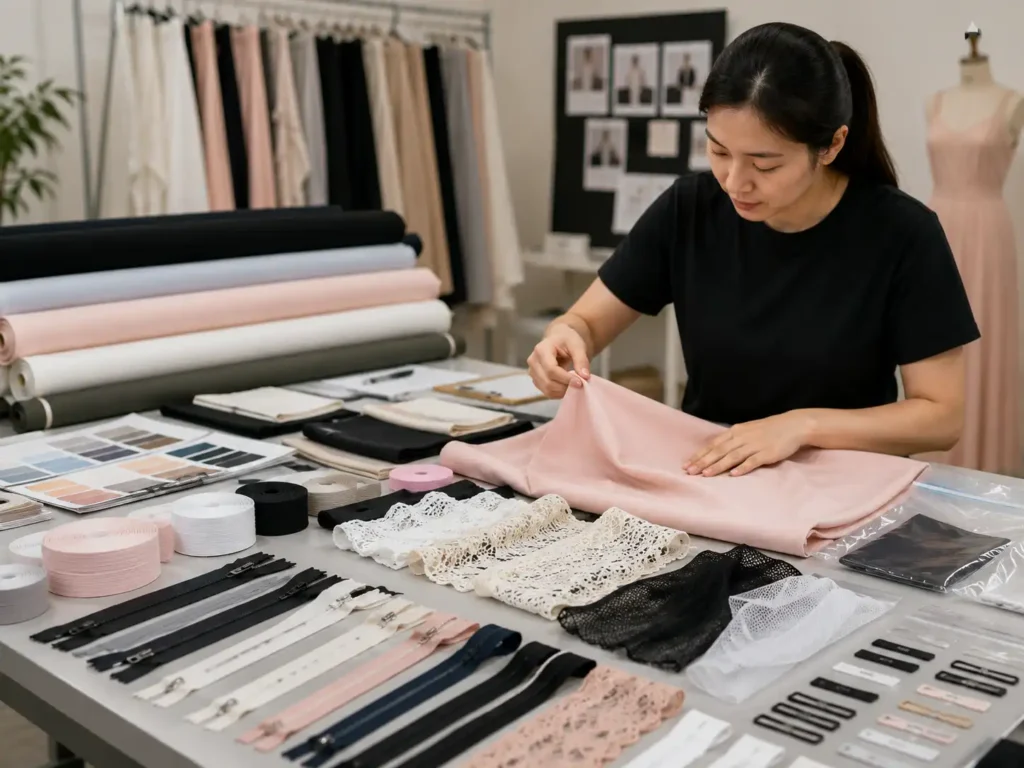
Material Procurement

Incoming Inspection

Cutting and Bundle Control

Sewing and In-Line Review

Finishing and Packing Release
Gold Dress Quality Control at Every Risk Point
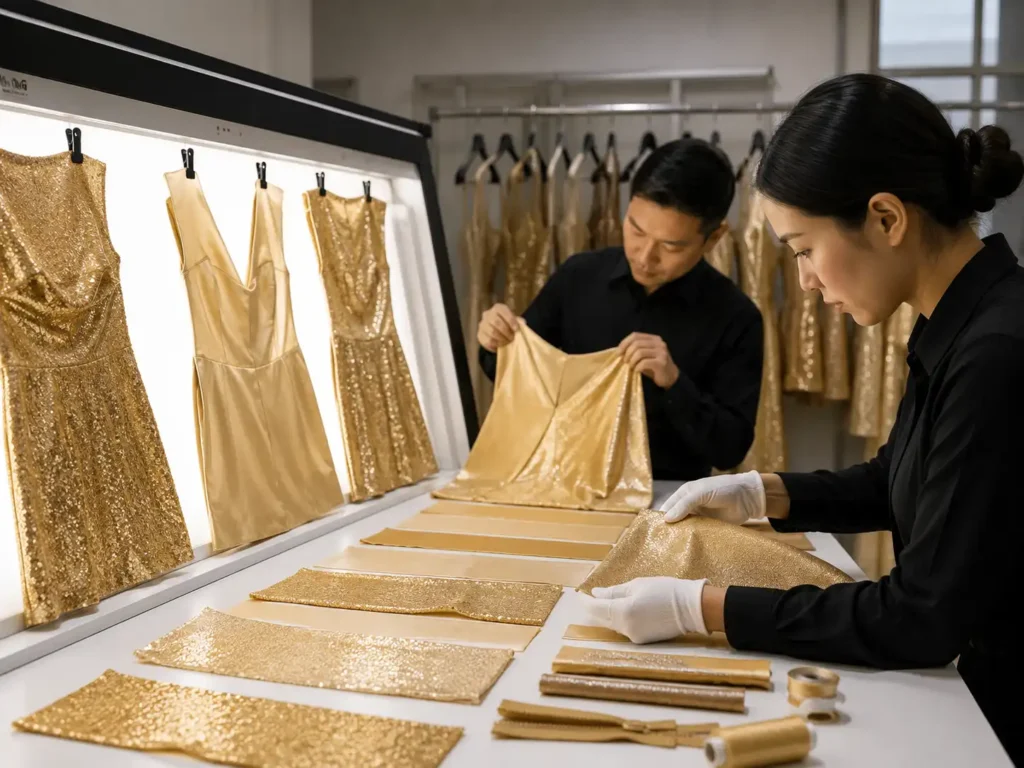
Gold Shade Consistency
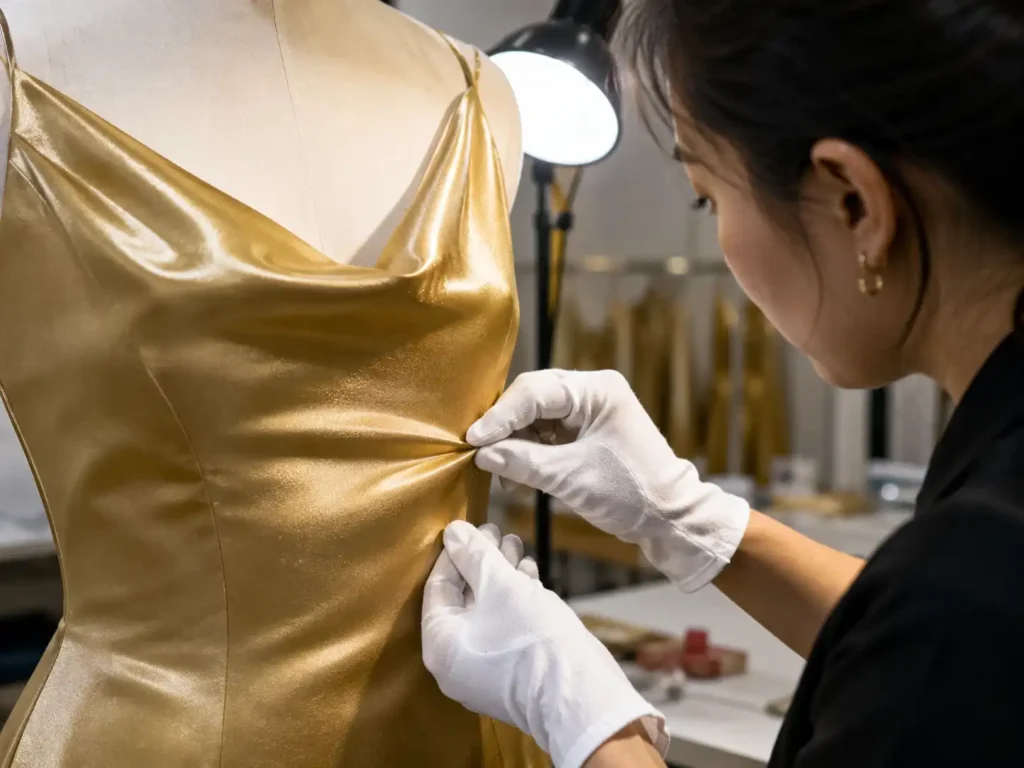
Surface Snagging
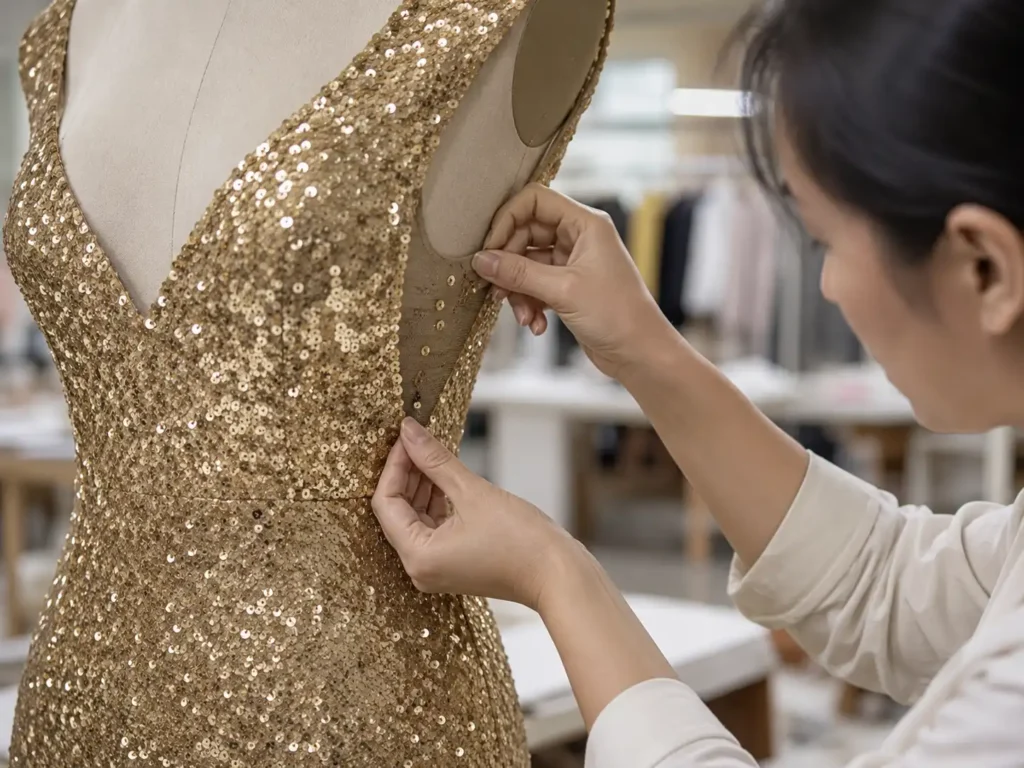
Sequin Security
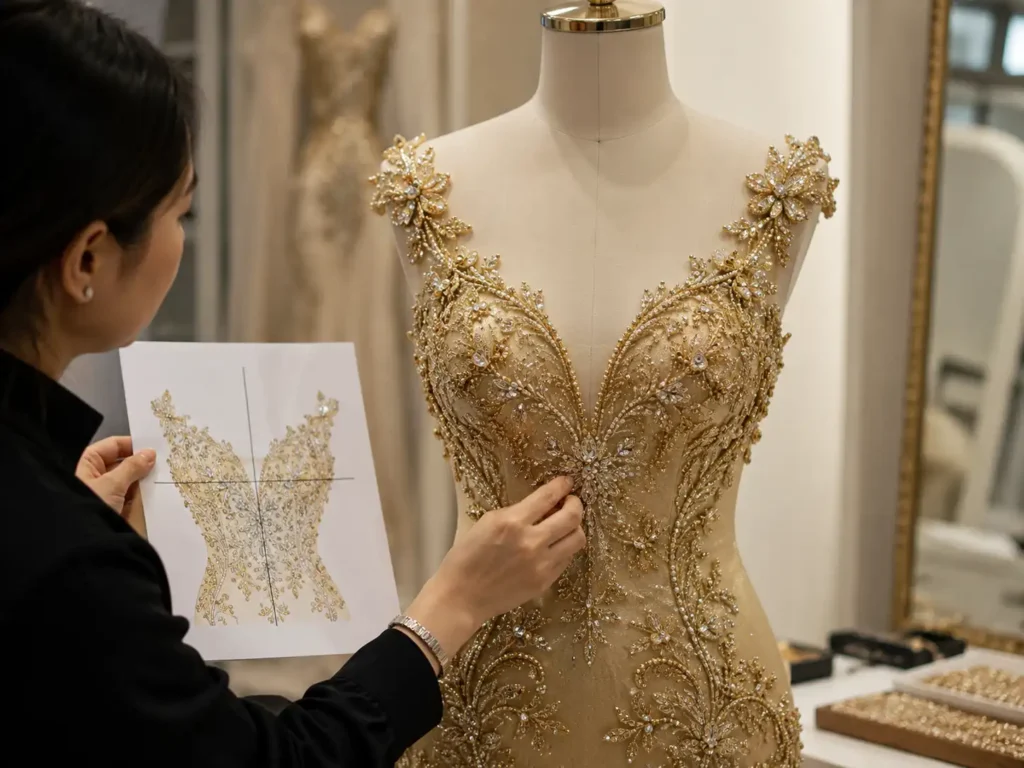
Decoration Placement
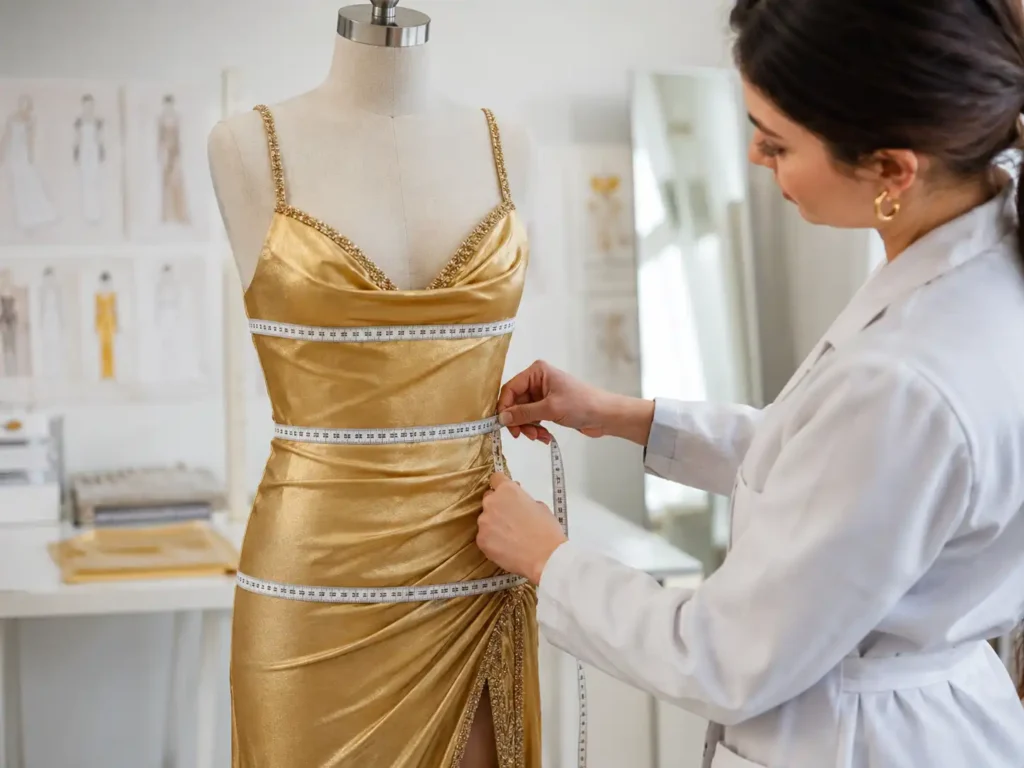
Measurement Control
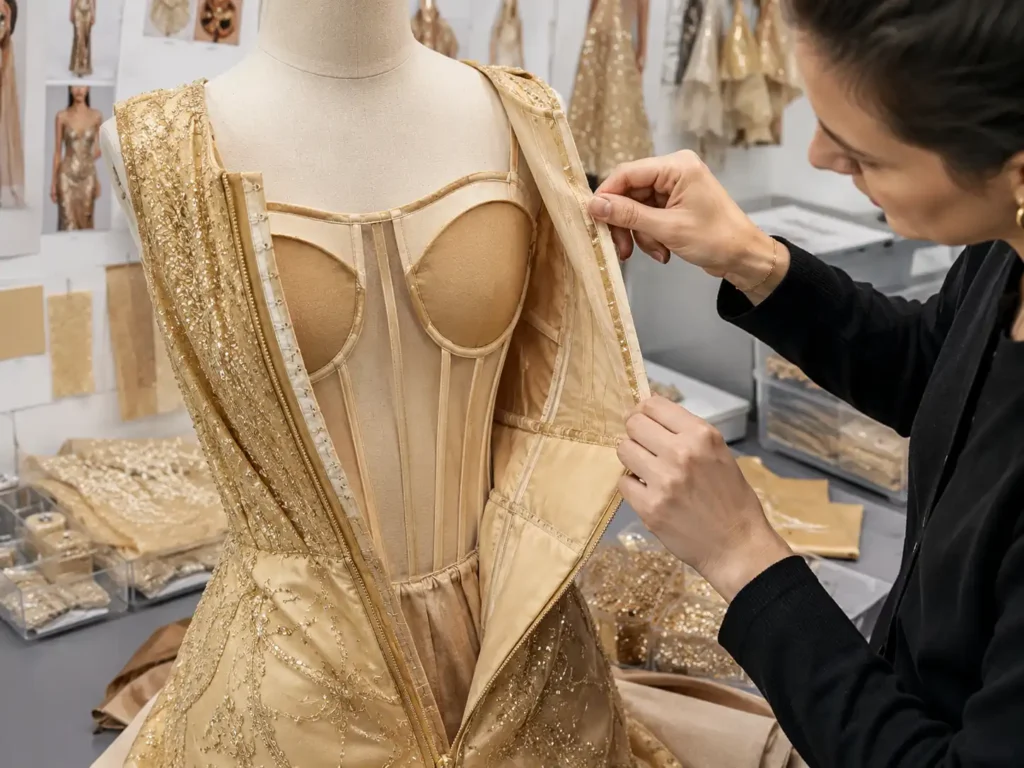
Construction Review
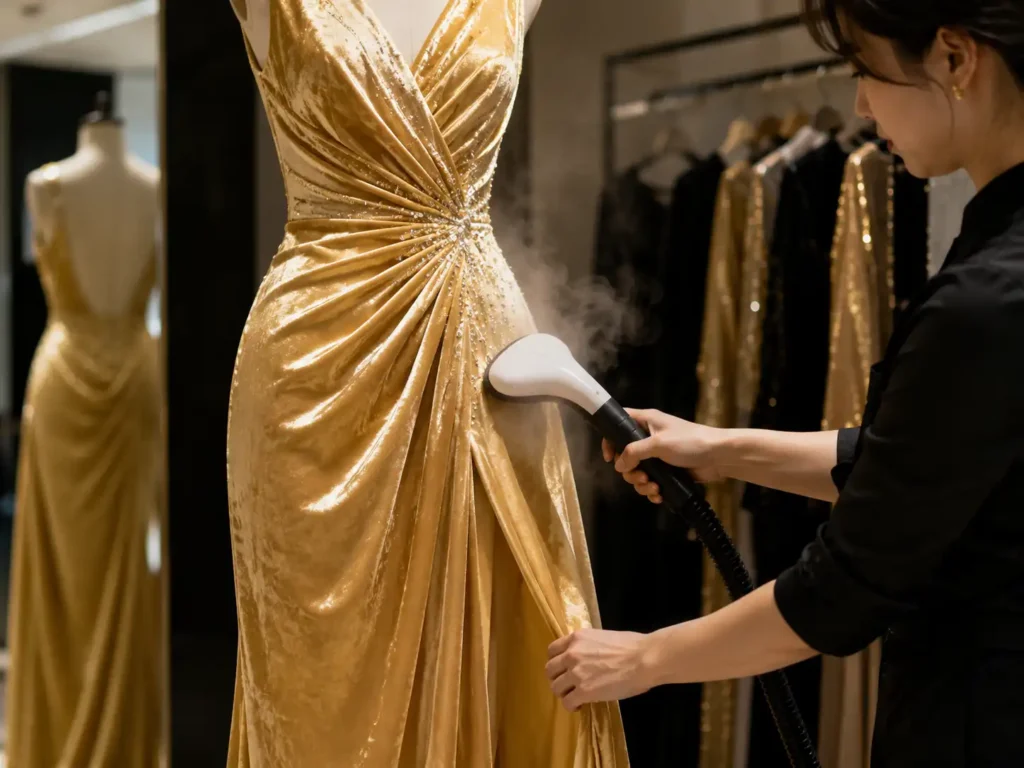
Pressing and Appearance
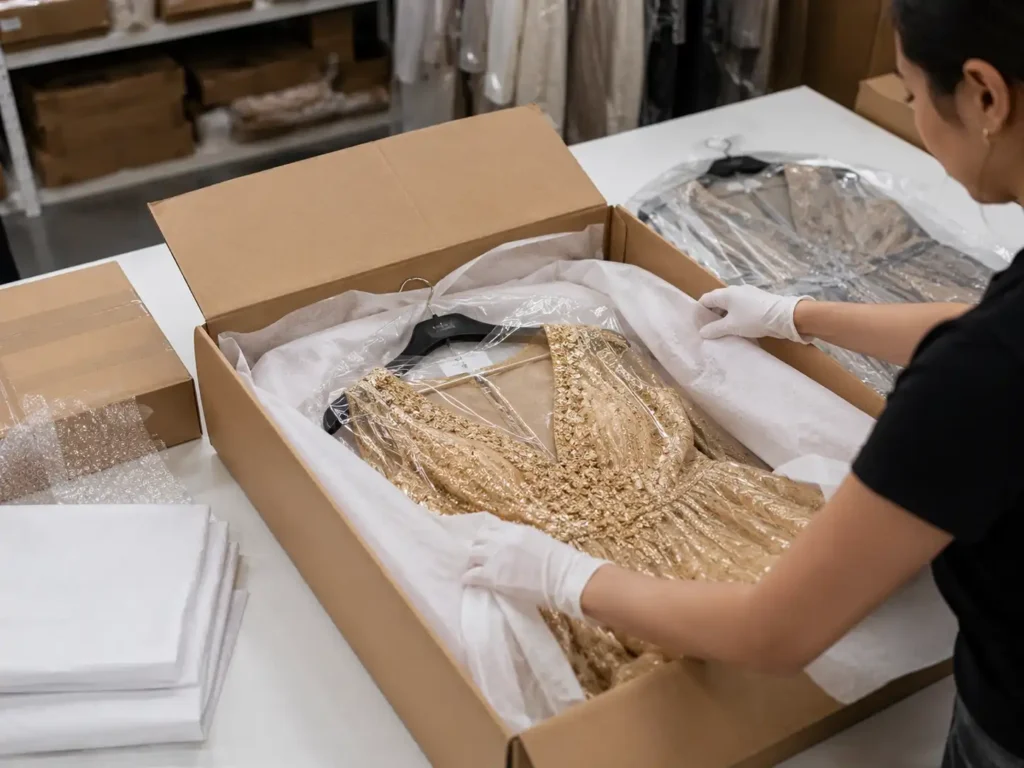
Packing Protection
Gold Dress Cost and MOQ Planning
Fabric and Gold Effect
Construction and Workmanship

Private-Label Gold Dresses Ready for Brand Delivery

Woven Brand Labels
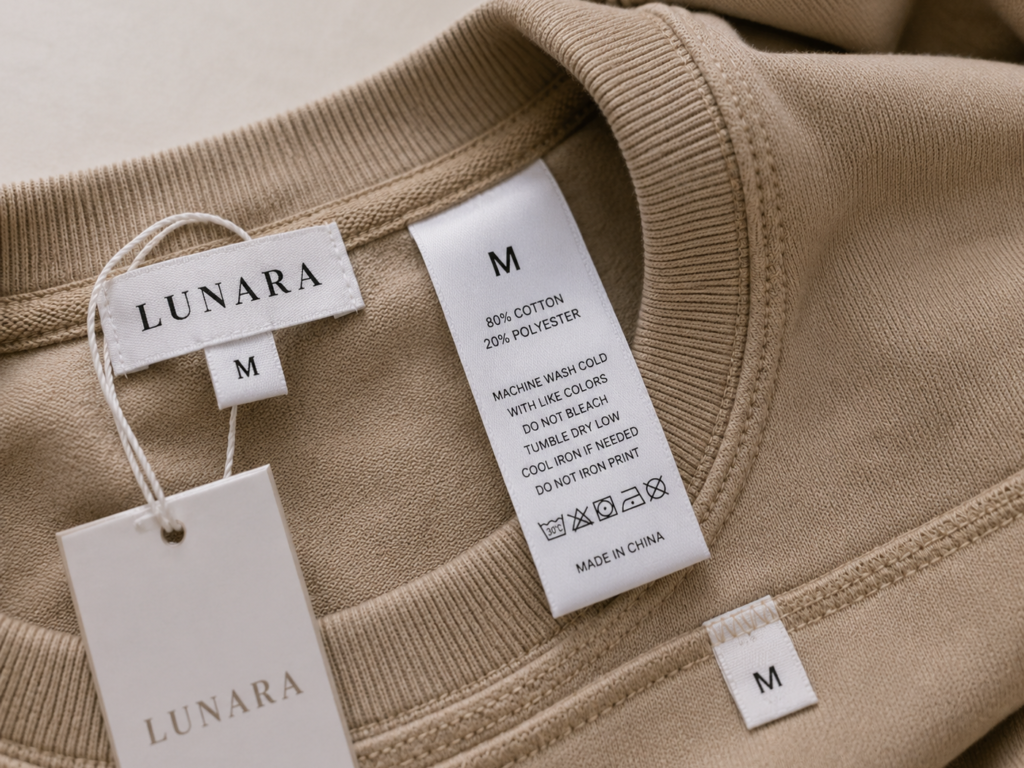
Care and Size Labels

Hangtags
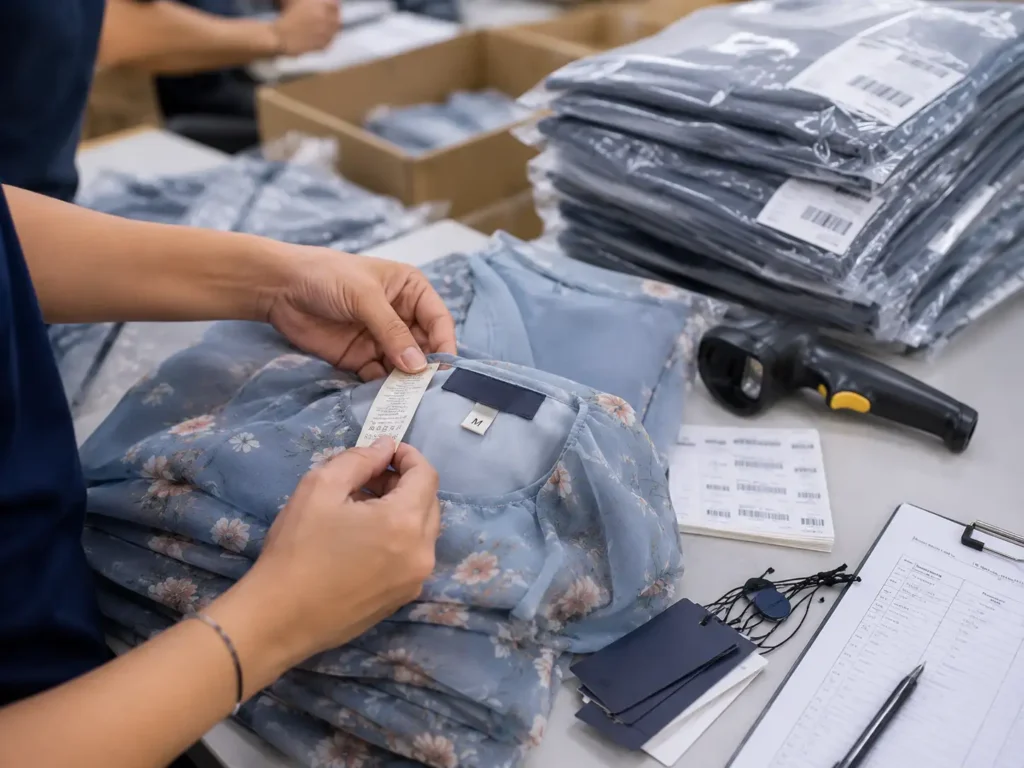
Barcode and SKU Labels
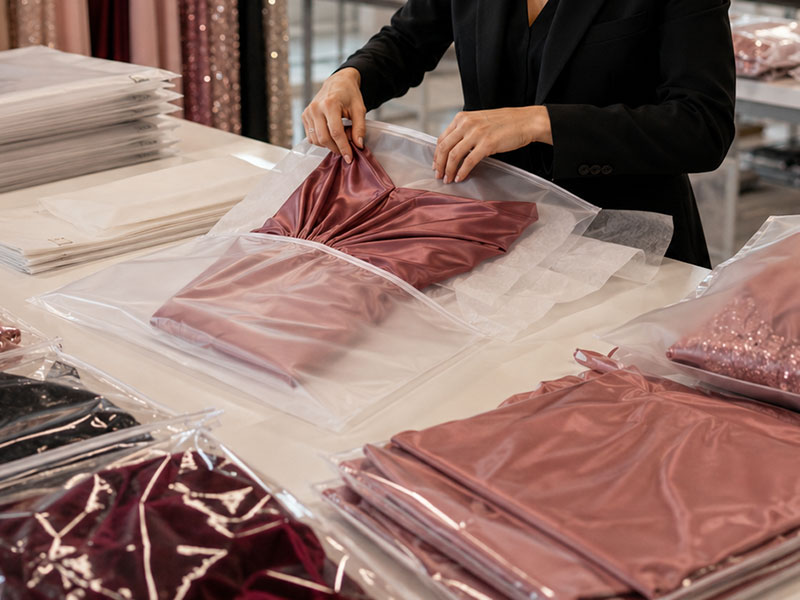
Polybags and Protective Packing

Cartons and Warehouse Marks
Testing, Inspection and Design Protection Support
Testing Coordination
Third-Party Inspection
NDA and Unreleased Designs
Gold Dress Manufacturing Case Studies
The following anonymized cases represent different gold dress development programs, covering luxury eveningwear, fashion partywear and large private-label seasonal collections. Brand identities, original designs and commercial information remain confidential.
Case 1: Gold Sequin and Luxury Eveningwear Collection
Project Scope
A premium occasionwear brand developed a gold collection for gala events, holiday parties, prom seasons and luxury evening markets.
- Collection size: 20 dress styles
- Product categories: gold sequin gowns, rhinestone dresses, satin evening dresses, embellished cocktail dresses and structured formal styles
- Materials: full sequin fabric, rhinestone mesh, satin, tulle, lace and structured lining
- Construction details: corset bodices, fitted waists, layered skirts, decorative panels and statement silhouettes
- Requirement: strong luxury appearance with stable production consistency
Development Challenges
The collection required strict control because reflective surfaces reveal small differences easily.
Key challenges included:
- Gold tone variation between sequins, satin and metallic trims
- Decoration placement inconsistency
- Sequin thickness affecting seams
- Rhinestone weight influencing garment balance
- Pressing and packing risks on reflective surfaces
Manufacturing Approach
The development team created a surface-effect control process.
Key controls included:
- Physical gold-effect reference approval
- Material comparison under different lighting
- Sequin density and direction review
- Rhinestone placement mapping
- Shell and lining coordination
Additional attention was given to:
- Corset support
- Cup and boning placement
- Decoration reinforcement
- Zipper protection
- Surface-safe packing
Manufacturing Value
The collection achieved a premium gold eveningwear identity through coordinated control of material effect, garment structure, decoration and finishing quality.
Case 2: Gold Metallic Bodycon and Partywear Collection
Project Scope
A fashion ecommerce brand developed a gold partywear collection focused on fitted silhouettes and high-impact social styles.
- Collection size: 18 dress styles
- Product categories: metallic bodycon dresses, gold corset minis, cut-out dresses, ruched party dresses and stretch metallic styles
- Materials: metallic stretch fabric, power mesh, stretch satin, jersey and lining systems
- Construction details: body shaping, cut-outs, fitted waistlines, ruching and structured panels
- Requirement: strong visual performance with comfortable wearing experience
Development Challenges
The main challenge was balancing dramatic appearance with commercial fit.
Key risks included:
- Metallic surface changing under stretch
- Whitening in high-tension areas
- Poor recovery after wearing
- Cut-out edge instability
- Lining affecting movement
Manufacturing Approach
The project focused on fit engineering and fabric performance.
Key controls included:
- Testing stretch direction and recovery
- Adjusting negative ease according to fabric behavior
- Reviewing bust-waist-hip balance
- Testing cut-out reinforcement
- Confirming lining compatibility
Production controls included:
- On-body fitting review
- Seam recovery inspection
- Zipper stability checks
- Neckline security checks
- Final appearance inspection
Manufacturing Value
The collection delivered a modern gold partywear direction while maintaining stable fit, repeatable quality and ecommerce-ready presentation.
Case 3: Large Private Label Gold Dress Collection Program
Project Scope
An established fashion brand required a complete gold dress assortment covering different gold effects, silhouettes and retail occasions.
- Collection size: 30 dress styles
- Production scale: 80,000+ pieces
- Product categories: gold mini dresses, midi dresses, maxi gowns, satin slips, corset dresses, sequin dresses and evening styles
- Materials: satin, sequin, metallic knit, foil fabric, lace, mesh, velvet and decorative trims
- Requirement: consistent quality across multiple SKUs, sizes and delivery batches
Development Challenges
The program required coordination across different gold visual directions.
Major challenges included:
- Managing champagne gold, yellow gold, rose gold and antique gold effects
- Maintaining visual relationships between different fabrics
- Controlling decoration weight
- Managing different lining requirements
- Protecting garments during export transportation
Manufacturing Approach
The collection was divided according to material and production risk.
Gold Sequin Group
Focused on:
- Sequin direction
- Decoration density
- Seam protection
- Missing-decoration inspection
Gold Metallic Group
Focused on:
- Stretch recovery
- Surface stability
- Body fit
- Opening reinforcement
Manufacturing Value
The program demonstrated that large gold dress collections require both manufacturing capacity and detailed control of surface effect, color, fit, decoration, quality and retail delivery.
Launch Delivery and Repeat-Order Support
Launch-Oriented Delivery
Retail and Warehouse Documents
Repeat and Collection Expansion
Frequently Asked Questions About Gold Dress Manufacturing
Yes. Development can start from a reference image, sketch, original garment, line sheet or tech pack. Additional information such as fabric preference, neckline, length, lining, closure, size range, quantity and target launch date helps the team evaluate construction and prepare a more accurate sample plan.
Common options include matte satin, stretch satin, heavy satin, full sequin fabric, sequin mesh, metallic knit, metallic foil fabric, lace, chiffon and velvet. Selection depends on silhouette, wearing occasion, required stretch, target appearance, comfort, retail position and production quantity.
Pantone references, physical color standards, lab dips, fabric swatches and trim samples may be used. Reflective materials should also be reviewed under relevant lighting because satin shine, metallic yarn, velvet pile and sequin coatings can alter the visible color.
Yes. Champagne, rose, antique, yellow, pale and bright metallic gold directions can be evaluated according to fabric availability and the intended product. Custom dyeing or custom decoration colors may involve separate material minimums and additional approval time.
Satin is checked during incoming inspection, cutting, sewing, pressing and packing. Handling methods, needle condition, seam construction, pressing temperature, folding direction and carton pressure are adjusted according to the satin weight and finish.
Sequin placement near the underarm, neckline, side seam and slit is reviewed during sampling. Lining, binding, edge cleaning or local sequin removal may be used to improve comfort. Bulk QC checks sharp edges, loose sequins, seam thickness and lining coverage.
Standard MOQ starts from 200 pieces per style and color. It is calculated by style and color rather than total collection quantity. Special metallic fabrics, custom-dyed gold shades, exclusive sequins, rhinestones, lace, hardware or packaging may have separate supplier minimums.
A standard first-sample planning range is commonly 7–15 working days after material and construction direction are confirmed. Complex corset structures, handwork, custom gold colors, sequins, beading or special trims can require additional time. A confirmed schedule is issued after project review.
Not automatically. A first sample verifies initial fit, materials and construction. Revised, photo, salesman or fit samples may follow. Bulk production should begin after the PP sample, materials, measurements, trims, labels and packing requirements are approved.
Yes. Multi-style programs can be organized by fabric group, silhouette, decoration method, launch priority and production risk. Jinfeng Apparel is suited to structured programs containing approximately 10–30 styles with clear quantity, sampling and bulk-production plans.
Yes. Private-label support includes woven labels, size labels, care labels, hangtags, barcodes, stickers, polybags, carton marks, SKU information and packing instructions. Artwork and placement require approval before bulk production.
Jinfeng Apparel can support inspections by SGS, Intertek, Bureau Veritas, ITS or an appointed inspection company. Inspection scope, AQL standard, sampling level, report format, timing and fees are confirmed according to the project.
NDA-based cooperation is supported. Tech packs, patterns, samples, line sheets, labels, packaging files, launch dates and unreleased designs are used only for project development and delivery. Brand names and confidential materials are not publicly displayed without authorization.
Provide the style image or tech pack, required gold effect, shell and lining preference, quantity per style and color, size range, construction details, decoration requirements, labels, packaging, testing needs, delivery destination and target launch date.

Start Your Gold Dress Manufacturing Program
Send Jinfeng Apparel the product information needed to evaluate your collection accurately.
A useful project brief should explain the desired gold effect, garment structure, quantity plan and commercial delivery requirements rather than only asking for a general unit price.
Please include:
- Reference images, sketches, original samples or tech packs.
- Planned styles and quantity per style and color.
- Champagne, yellow, rose, antique or metallic gold direction.
- Preferred satin, sequin, mesh, lace, chiffon, velvet or metallic fabric.
- Required size range and base size chart.
- Bust support, lining, zipper, slit, boning or cup requirements.
- Sequin, rhinestone, bead, embroidery or foil details.
- Woven labels, care labels, hangtags, barcodes and packaging files.
- Testing or third-party inspection requirements.
- Target launch date, delivery destination and preferred shipping terms.