Fashion Dress Manufacturer for Scalable Brand Growth

A production partner for fashion brands expanding from single launches into multi-style, multi-season and repeat-order dress programs.

Jinfeng Apparel develops and manufactures premium fashion dresses, skirts, jumpsuits, matching sets and private-label womenswear for established fashion businesses planning sustained growth. Development, fit, materials, bulk production, quality control, packing and delivery are managed as one connected program rather than separate transactions.

  • Program scale: Project structures are designed for collection orders that commonly contain 10-30 styles and total 20,000-80,000 pieces across approved styles, colors and sizes.
  • Production base: 6 owned women’s fashion factories, 10+ long-term satellite production partners, 18+ sewing lines, 6+ flexible production lines and 100,000+ pieces of regular monthly capacity.
  • Development base: 2 sample rooms, 7+ senior pattern makers and 20+ sample machinists support first samples, fit revisions, photo samples, PP samples and Golden sample control.
  • Growth path: Style review, fabric sourcing, pattern development, sampling, PP approval, bulk production, private-label packing, phased delivery and repeat-order records support long-term expansion.

Capacity Built Around Brand Expansion

Scalable manufacturing depends on more than one large number. Capacity must be divided across development, specialized sewing, quality control, packing and replenishment without losing control of approved standards.

100,000+ Monthly Capacity

Regular monthly capacity provides room for multi-style programs, core volume and repeat orders. Capacity is evaluated by fabric readiness, construction complexity, color count, size range, quality requirements and launch calendar. A simple woven dress and a corset dress do not consume production resources in the same way, so volume is assigned by product risk rather than by a single headline figure.

6 Owned Fashion Factories

Owned production units provide a stable base for dress development and bulk execution. Product allocation can be matched to woven dresses, stretch silhouettes, occasionwear, sets, jumpsuits and repeat orders. Ownership alone does not remove risk; each project still requires PP approval, production instructions, quality checkpoints and a clearly assigned management team.

10+ Long-Term Partners

Long-term satellite production partners expand category and scheduling flexibility without relying on uncontrolled spot outsourcing. Styles are matched by fabric behavior, construction method, labor content, production quantity and delivery window. Jinfeng keeps project management, approval records, quality standards, packing requirements and shipment coordination connected across the production network.

18+ Sewing Lines

Multiple sewing lines allow different garment structures to run under appropriate line conditions. Stretch bodycon styles, lightweight woven dresses, structured occasion pieces and coordinated sets require different handling. Line assignment follows approved construction, critical operations, operator capability, expected output and inspection points rather than placing every style into one generalized line.

6+ Flexible Lines

Flexible production lines support collections with several styles, fabrics, colors and size assortments. Flexibility refers to production organization, line balancing and changeover planning, not reduced manufacturing standards. Material booking, cut planning, sewing sequence, in-line inspection and packing separation must still be confirmed before each style enters bulk production.

Dedicated Project Teams

The production system includes 12+ merchandisers and order follow-up specialists, 15+ QC inspectors and 30+ finishing and packing workers. Their value comes from clear responsibility: sample status, material tracking, production progress, measurement control, finishing, barcode checks, carton preparation and shipment documents are assigned rather than left in disconnected messages.

Built for Brands Entering Their Next Production Stage

Growth creates different manufacturing pressures depending on sales model, collection rhythm and internal team structure. The strongest fit is a brand with clear product direction, professional development needs and a forward production plan.

Seasonal Fashion Brands

Brands releasing several dress stories each season need more than isolated sampling. Line sheets, hero-style priorities, fabric groups, color architecture, size plans, PP approvals and launch dates must move together. Jinfeng supports mini, midi, maxi, party, occasion, resort and fashion dress collections through a structured path from product review to repeat-order records.

Premium Ecommerce Teams

Online fashion businesses need photo-ready samples, strong on-body fit, controlled size grading, accurate SKU information and packing that arrives ready for warehouse processing. Scaling also requires fast interpretation of sales feedback, bestseller replenishment, new color development and repeat production without losing the approved look of the original launch.

Brand Groups and Sourcing Offices

Larger organizations need one manufacturing partner to communicate with development, merchandising, sourcing, quality, logistics and warehouse teams. Jinfeng supports tech pack review, sample tracking, production allocation, client inspection, private-label specifications, commercial documents, nominated forwarders and multi-batch delivery within a coordinated project structure.

Growth Exposes Problems a Small Production Setup Can Hide

A process that works for one style can fail when style count, order volume, color range and shipment requirements multiply. Early control prevents development issues from becoming commercial losses at scale.

Variant Overload

Ten styles can quickly become dozens of SKU paths once colors, sizes, labels and packing rules are added. Without a line sheet, style code, color code, size ratio and approval status, samples and bulk details can cross between styles. Jinfeng organizes the program before materials and production are released.

Sample-Bulk Drift

A strong sample does not protect the order unless fabric, trims, measurements, construction, seam methods, pressing and packing are transferred into bulk instructions. PP and Golden sample control create a reference point for production, inspection and later repeat orders.

Capacity Bottlenecks

Volume growth can overload a single factory or force unsuitable line assignments. The result may be delayed cutting, mixed operator skill, rushed finishing or unstable measurements. Factory allocation is made by product structure, fabric, volume, complexity and calendar rather than by whichever line becomes available first.

Fabric Variation

Satin shade, mesh stretch, lace placement, jersey recovery and printed-fabric direction can shift between sample and bulk lots. Material booking, swatch approval, bulk-lot review, shrinkage or stretch testing where relevant, and clear cutting instructions protect garment appearance across larger quantities.

Packing Errors

More styles create more label files, barcodes, SKU stickers, polybags, carton marks and warehouse rules. A correct garment can still become a failed delivery when the wrong barcode or size sticker is packed. Packing standards must be treated as production data, not a final-hour task.

Lost Product Memory

Repeat orders become slow and inconsistent when patterns, size charts, fabric references, trim cards, sewing notes and packing details are not preserved. Organized records allow the next order to begin from an approved base while still checking new fabric lots, prices and delivery conditions.

Fashion Dress Categories Ready for Scalable Collection Planning

Scalable growth does not require every style to be produced in the same way. Each product group needs its own fabric direction, fit logic, construction control, quality focus and repeat-order plan.

Mini and Bodycon Dresses

Mini and bodycon programs depend on accurate bust-waist-hip balance, controlled stretch direction, recovery and hem stability. Scaling often begins with one approved fit block, then extends into neckline, sleeve, cut-out or fabric variations. Bulk control focuses on measurement tolerance, side-seam balance, zipper flatness, lining coverage and consistent garment length across color and size assortments.

Midi and Cocktail Dresses

Midi and cocktail collections require proportion rather than simple length extension. Waist position, slit height, skirt volume, lining length and movement determine whether the garment feels commercial and refined. Satin, crepe, lace, velvet and structured knits can support different price points. An approved block can extend into event, dinner, wedding guest and office-to-evening capsules.

Maxi and Resort Dresses

Maxi and resort styles depend on drape, print direction, hem balance, transparency and travel-friendly packing. Chiffon, rayon, viscose, linen blends and printed woven fabrics require early checks for shrinkage, skew, color continuity and lining. Scale can come through coordinated prints, core solids, new neckline options and matching resort sets rather than repeating one silhouette without product logic.

Party and Club Dresses

Party and club styles combine visual impact with high construction risk. Mesh transparency, sequin abrasion, stretch recovery, cut-out stability, bust support and secure closures must be checked on body. Growth is stronger when hero styles are converted into controlled fabric, color and detail extensions while critical fit measurements remain protected.

Satin Dress Programs

Satin needs controlled cutting direction, shade review, snag protection, seam handling and pressing. Lightweight satin behaves differently from stretch satin or heavier satin, so one generic construction standard is not enough. Scalable satin programs work best when fabric groups, color lots, linings, zipper methods and finishing standards are approved before bulk allocation.

Mesh and Lace Programs

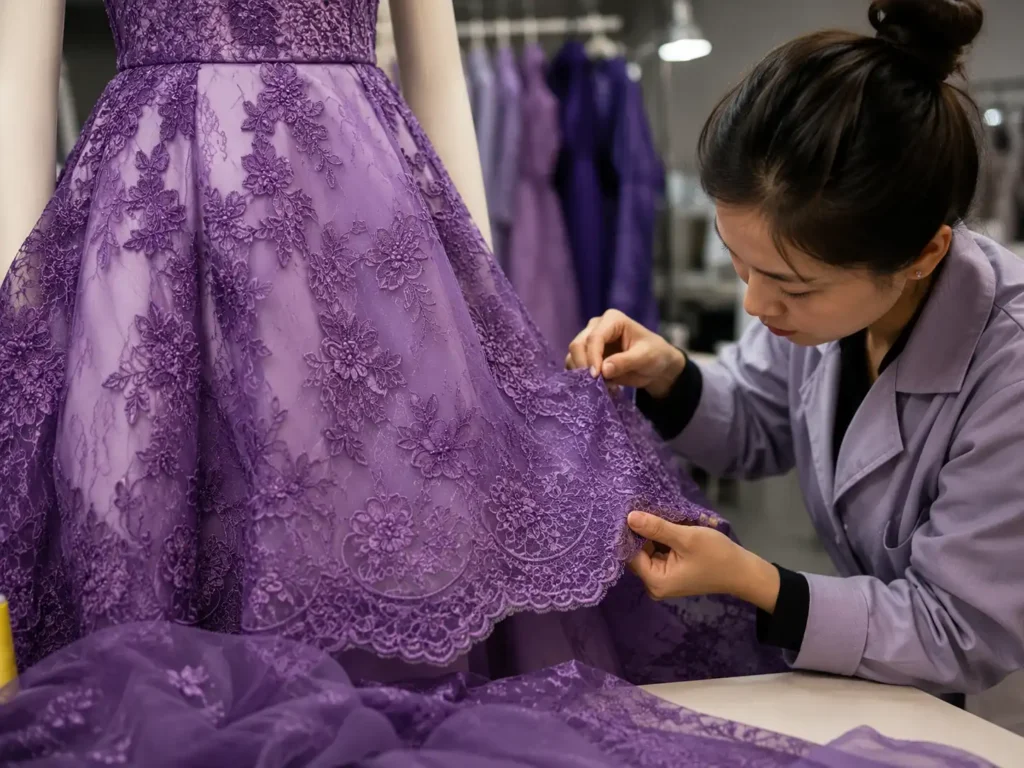
Mesh and lace create transparency, placement and comfort risks. Power mesh may support bodycon structures, while soft mesh works for overlays and draping. Lace requires motif placement, joining, edge treatment and lining decisions. Scaling requires approved placement maps, coverage standards, stretch direction and protection against distortion during sewing and pressing.

Sequin and Corset Styles

Sequin and corset dresses carry higher labor and control demands. Sequin loss, scratch points, seam bulk, broken embellishment and pressing damage must be anticipated. Corset styles require cup position, boning channels, end protection, waist shaping and closure stability. Volume should be released only after the sample proves both visual effect and repeatable construction.

Sets and Jumpsuits

Matching sets and jumpsuits extend a dress collection without weakening brand identity. Sets need color-batch consistency, top-to-bottom proportion, size pairing and coordinated packing. Jumpsuits require torso length, rise, waist position and movement allowance. Both categories can support higher basket value and seasonal expansion when they share fabrics, colors and trims with the main dress line.

Turn Individual Styles into a Coherent Commercial Collection

A scalable collection balances creative variety with shared materials, repeatable fit blocks and clear volume priorities. Product architecture helps the factory protect launch dates without flattening the brand’s design direction.

Hero SKU and Volume Layers

A collection does not need equal volume across every style. A working structure may contain 4 hero styles, 8 core commercial styles and 6 supporting styles within an 18-style program. Hero styles receive early fit attention, photo-sample priority and deeper material booking. Core styles provide reliable volume, while supporting styles complete the visual story. The exact mix follows sales history, launch channel and inventory strategy. Production planning becomes more accurate when each style has a role, target quantity, priority level and replenishment expectation.

Shared Fabric Groups

Using controlled fabric families can reduce sourcing fragmentation while preserving visible variety. Satin styles may share one base quality across different colors and constructions; mesh styles may use one approved power mesh with varied lining; resort pieces may share a printed woven group. Fabric grouping does not mean forcing unsuitable materials onto every design. Each group still requires compatibility with drape, stretch, transparency, pattern shape and target cost. The benefit is stronger shade control, more efficient material booking and cleaner production allocation.

Color Architecture

Growth becomes harder when every style is split into too many colors. Core colors, seasonal colors and limited statement colors should be planned separately. A mature first release may place hero styles in two or three core colors, then extend new colors after sales feedback. Color decisions affect fabric MOQ, cutting, labels, barcode creation, packing, inspection and inventory. Jinfeng reviews quantity by style and color before quotation so the collection can scale without creating unworkable material or SKU fragmentation.

Category Extensions

One approved design language can extend beyond dresses into skirts, fashion tops, matching sets and jumpsuits. A satin mini may support a coordinated cami and skirt; a resort print may extend into a maxi dress and two-piece set; a corset block may support a dress and top. Category extensions work when fit blocks, fabrics, trims and price architecture are planned together. Random additions create extra development cost, while connected extensions increase assortment depth and reuse proven product knowledge.

Fabric Decisions Must Survive Both Sampling and Volume
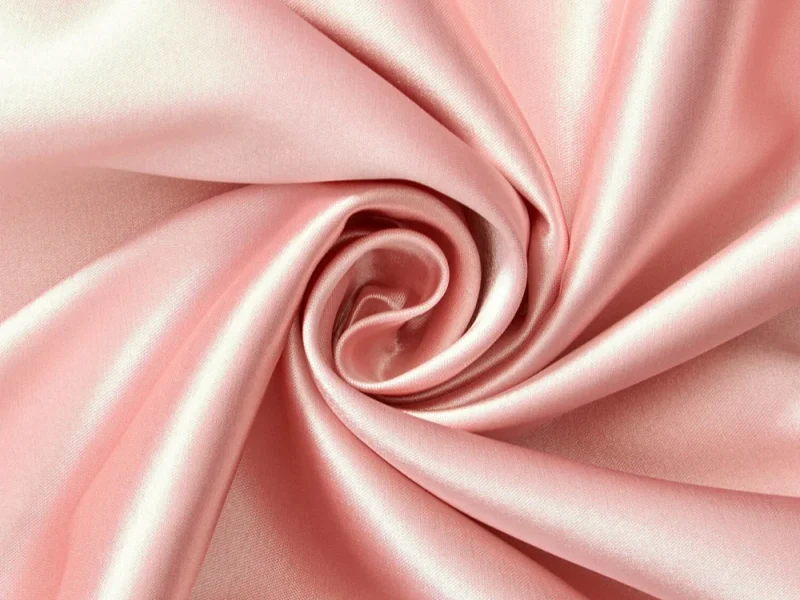
Material selection controls appearance, fit, cost, sewing behavior and repeatability. Fabric approval must consider garment use and bulk-production risk, not only the hand feel of one sample swatch.

Satin

Satin programs require control of face direction, shade, snagging, seam impression and pressing. Stretch satin may support fitted silhouettes, while heavier satin can hold occasionwear structure. Lightweight satin needs lining and seam choices that prevent transparency or puckering. Before bulk release, fabric lot, color, weight, surface quality and garment construction must be reviewed together. A substitute can be evaluated, but swatch and sample approval are required because shine, drape and recovery may change.

Chiffon, Rayon and Viscose

Soft woven materials support resort, maxi and event dresses, yet their movement creates production risks. Shrinkage, skew, print direction, transparency, seam slippage and hem balance require attention. Rayon and viscose may change after pressing or moisture exposure; chiffon layers can shift during cutting. Scalable programs benefit from controlled fabric lots, tested cutting methods, defined lining coverage and packing that protects long garments without crushing the drape.

Mesh and Power Mesh

Mesh must be selected by stretch, recovery, transparency and skin comfort. Power mesh can add support to bodycon structures; soft mesh suits overlays, ruching and draped sleeves. Cutting direction and tension affect size, while inconsistent lining can change the visual result. Sample approval should define layer count, coverage, seam type, edge finish and stress points so larger quantities do not become looser, more transparent or less stable than the approved garment.

Lace

Lace production is controlled through motif size, placement direction, repeat, stretch, edge finish and lining. Placement may be engineered at neckline, waist, sleeve or hem, while all-over lace needs seam alignment and comfort checks. Scaling requires an approved placement standard and sufficient fabric allowance for matching. Alternative lace can reduce sourcing pressure, but motif scale, softness, color and stretch may change the final garment and therefore require new approval.

Sequin and Velvet

Sequin and velvet both create surface-management risks. Sequins can break, shed, scratch skin or build excessive seam bulk; velvet can show nap direction, pressure marks and shade differences. Construction, pressing and packing methods must protect the surface. Volume planning should include realistic labor content and inspection time. Style allocation also matters because highly embellished or pile-sensitive garments cannot be scheduled like standard woven dresses.

Jersey, Ponte and Crepe

Jersey and ponte support fitted, commercial silhouettes when stretch direction, recovery and fabric weight are matched to the pattern. Crepe provides drape, texture and a more structured appearance for cocktail or office-to-evening styles. Sampling must confirm waist recovery, neckline stability, zipper behavior, seam stretch and finished garment balance. Approved fabric specifications help protect fit across larger size and color assortments.

Design Engineering Protects Fit Before Volume Multiplies Risk

A visually strong concept must be translated into measurements, construction, material behavior and repeatable operations. Pattern and fit decisions carry greater financial weight as quantity and SKU count increase.

Structure Review Before Pattern Work

Development begins by reading the garment as a structure rather than copying its surface appearance. The team reviews neckline depth, bust shaping, waist position, hip space, strap direction, back opening, slit height, sleeve mobility, closure position, lining, layer count and expected fabric behavior. A reference image may hide internal support or unrealistic drape, while a tech pack may contain dimensions that conflict with the selected material. Early review identifies where a design needs clarification, reinforcement, alternative construction or a different fabric direction before pattern work consumes time. For multi-style programs, styles are grouped by related blocks and construction families so development knowledge can be reused without forcing every design onto one pattern.

Bust, Waist, Hip and Length Control

Fashion dresses fail commercially when bust-waist-hip proportions do not match the intended silhouette. Bodycon garments need controlled negative ease and recovery; corset styles need support without restricting breathing; midi and maxi styles need waist and hem positions that remain balanced across sizes.

Fit review examines front and back length, side seam, shoulder or strap position, neckline security, waist suppression, hip allowance, slit opening and movement. Sample comments should specify measurable changes rather than broad notes such as “make it fit better.” Locked measurements then become part of the PP standard and quality checklist.

Lining, Support and Closure Engineering

Lining, cups, boning, elastic, zippers and hooks are structural components, not hidden accessories. A lining may control transparency, improve comfort or stabilize a dress, yet an unsuitable lining can restrict stretch or pull the outer fabric. Cup shape and position influence neckline height and bust appearance. Boning requires protected ends and secure channels. Zipper length, tape weight and installation affect flatness along side or center-back seams. Sample development must verify how these elements work together on body before bulk production, because small placement errors multiply across every garment.

Size Grading for Multi-SKU Programs

Scaling fit requires more than adding the same amount to every measurement. Bust, waist, hip, armhole, strap, neckline, rise and length may grade at different rates depending on the silhouette and fabric. A 20-style program produced in 6 sizes creates 120 style-size combinations before colors and packing variants are added. Risk-based checking therefore focuses on critical points, base-size approval, grade rules and selected size-set verification. Extended sizing or different market blocks should be reviewed by project rather than assumed to follow one universal chart. Clear size charts and tolerance rules support production, inspection and future replenishment.

Multi-Style Sampling Needs Priorities, Versions and Locked Approvals

Sampling becomes a management system when several styles move at once. Clear priorities, named sample stages and revision records protect photo dates, PP release and bulk planning.

Group Samples by Fabric and Structure

A 10-30 style collection should not enter the sample room as an unranked list. Styles are grouped by fabric family, pattern block, construction complexity, trim dependency and launch priority. Satin styles can share material review; mesh styles can share transparency and lining decisions; corset styles can share cup and boning development. Grouping reduces repeated sourcing and helps the team compare related fit issues. Jinfeng’s 2 sample rooms, 7+ senior pattern makers and 20+ sample machinists support parallel work, but each program still needs a confirmed order of development and complete inputs.

Prioritize Hero Styles and Photo Samples

Key styles should reach fit and photo readiness before supporting styles when launch content or sales meetings depend on them. Priority can be determined by launch date, expected volume, fabric availability, pattern risk, campaign importance and bulk lead requirements.
A hero dress may require an early photo sample while a related color extension waits for fit approval. Prioritization does not mean ignoring other styles; it creates a sequence that protects the commercial calendar. The brand should identify hero SKUs, required sample type and decision deadline in the line sheet.

Separate Fit, Salesman, PP and Golden Samples

Different samples answer different questions. A first sample tests design interpretation; a fit sample confirms measurements and body balance; a revised sample closes comments; a photo sample supports imagery; a salesman sample supports presentation; a PP sample confirms bulk materials and construction; a Golden sample becomes the physical production reference. Treating one early sample as every approval stage creates risk. Sample timing is therefore issued after style complexity, material readiness, trim sourcing and revision requirements are reviewed rather than through one fixed promise for every dress.

Track Every Revision and Approval

Revision records should capture pattern changes, measurements, fabric replacement, trim adjustment, sewing method, client comments and approval status.

Version names and dates prevent an old comment from re-entering the program. Before PP approval, open points must be visible: fit, color, fabric, labels, packaging and production quantity. After approval, changes are controlled because a late alteration can affect cost, material booking, pattern, production instructions and delivery. Strong recordkeeping also prepares the style for future repeat orders.

Production Capacity Is Allocated by Product Risk, Not Guesswork

Scalable production requires the right factory and line for each style. Allocation follows garment structure, fabric behavior, quantity, labor content, approval status and calendar instead of treating every dress as interchangeable.

Product GroupAllocation LogicCritical ControlsScaling Value
Woven fashion dressesFactory and line experienced with lightweight or structured woven constructionFabric direction, seam quality, zipper, lining, pressingSupports mini, midi, maxi, cocktail and resort volume
Stretch and bodycon stylesLine suited to stretch handling and recovery controlStretch direction, measurements, seam elasticity, hem stabilityProtects approved fit across sizes and repeat colors
Occasion and corset stylesSpecialized unit with higher construction and inspection timeCup, boning, lace, sequin, lining, closure and surface protectionAllows complex hero styles to scale without using basic-dress assumptions
Multi-style capsulesFlexible line plan grouped by fabric and operation familyStyle codes, priorities, changeovers, material kits and approval statusReduces confusion across several styles and colors
Repeat and replenishmentFactory matched to retained pattern, construction and quality recordsNew fabric lot, color, price, quantity, packing and shipping reviewShortens redevelopment while protecting approved product memory
Private-label programsProduction and packing plan linked from the beginningLabels, barcodes, polybags, carton marks, SKU breakdown and documentsPrevents finished garments from waiting on late packing decisions

Approved Samples Become a Controlled Bulk Production Standard

The transition from sample room to bulk line is where many growing brands lose consistency. A controlled handover converts approvals into materials, measurements, methods and inspection points that production teams can follow.

  • PP Lock for Materials and Measurements

    PP approval should lock the fabric quality, color, lining, trims, measurement chart, construction, label placement and packing direction intended for bulk. The approved garment is reviewed together with written records because a physical sample alone cannot show every tolerance, material code or packing rule. Open issues are closed before cutting. If a new fabric lot, color or trim is introduced after approval, the effect on fit, appearance, cost and delivery is reviewed before release.

  • BOM, Trim Card and Sewing Notes

    A bill of materials connects every approved component to the style code: outer fabric, lining, zipper, elastic, cups, boning, lace, labels, hangtags, polybag and carton details. Trim cards provide visual confirmation, while sewing notes define operations that affect appearance or strength. Critical points may include ruching direction, lace placement, strap attachment, slit reinforcement, zipper method or sequin clearing at seams. Clear documents reduce interpretation differences between sampling, bulk sewing, QC and repeat production.

  • Factory Handover and Pilot Review

    Before full production, the factory receives the approved pattern, measurement chart, BOM, trim references, PP or Golden sample, sewing instructions, packing requirements and quality checklist. Early output is reviewed for line understanding, fabric handling, measurements and finishing. A pilot review is especially valuable for stretch styles, corset structures, lace placement, sequins and unfamiliar materials. Problems corrected at the first production stage are less expensive than defects discovered after thousands of garments are completed.

  • Change Control After Approval

    Late changes must be recorded and assessed rather than passed through informal messages. A neckline adjustment may alter pattern pieces, lining and grading; a zipper change may affect seam allowance and price; a new polybag may carry a separate supplier minimum; a color addition may require a new fabric booking and barcode set. Change control protects both sides by showing what changed, why it changed, who approved it and how the change affects cost, schedule and quality.

Quality Control Follows the Garment Through Every Stage

Quality is built through material, cutting, sewing, measurement, finishing and packing controls. Final inspection alone cannot repair a wrong fabric lot, unstable pattern or repeated operation error.
A professional fashion design team discussing custom dress development with fabric swatches, sketches, mood boards, and a dress sample on a mannequin.

Incoming Material Review

Fabric and trim review checks the approved quality, color, hand feel, visible faults and suitability for the style before bulk use. Relevant risks may include satin shade and snagging, mesh stretch, lace motif, sequin condition, printed direction, lining color or zipper mismatch. Material concerns are raised before cutting, because once defective or incorrect material enters production the problem spreads across every garment.

Cutting Control

Cutting affects symmetry, grain, print direction, stretch direction, nap and garment balance. Markers, layer condition, piece count and critical placement are checked according to the product. Lace, stripes, placement prints, velvet and directional satin require additional attention. Accurate bundling by style, color and size prevents mixing and supports later sewing and packing traceability.

In-Line Sewing Inspection

In-line control identifies repeated operation problems while the line can still correct them. Inspectors review critical construction, seam quality, measurements, reinforcement, zipper installation, strap position, lining, ruching, lace placement or embellishment protection according to the style. Jinfeng has 15+ QC inspectors supporting production checks, garment inspection and packing review across projects.

Measurement and Fit Points

Measurement control follows the approved chart and agreed tolerance. High-risk points vary by product: bust, waist and hip for bodycon styles; torso and rise for jumpsuits; neckline and cup position for corsets; length and slit for maxi or cocktail dresses. Selected checks across sizes help confirm grading and production consistency. Measurement results are linked to corrective action rather than collected only for reporting.

Pressing and Finishing

Pressing can improve a garment or permanently damage it. Satin may show shine or seam impression, velvet may crush, sequins may deform and mesh may stretch under heat. Finishing also covers loose threads, surface cleaning, shape, closure function, label position and overall appearance. The 30+ finishing and packing workers operate within approved finishing and packing requirements rather than applying one method to every fabric.

Packing and Final Review

Final review checks garment appearance, measurements as required, labels, hangtags, barcode stickers, polybags, size-color assortment, carton marks and shipment quantity. Client inspection or AQL inspection support can be arranged by project. Packing data is cross-checked against the order and warehouse rules so correct garments do not become receiving errors after production is complete.

Private Label Systems Must Scale With Every New SKU

Brand presentation and warehouse accuracy become more complex as style count grows. Labels, barcodes, packing and shipping records need the same control as fabric and sewing.

Main and Care Labels

Main labels, size labels and care labels are reviewed for artwork, text, placement and market requirements. Fiber content, care instructions, country of origin and importer information follow the approved specification. Label supplier minimums may differ from garment MOQ, so artwork and quantity planning should begin before bulk production rather than after garments are ready.

Hangtags and Barcodes

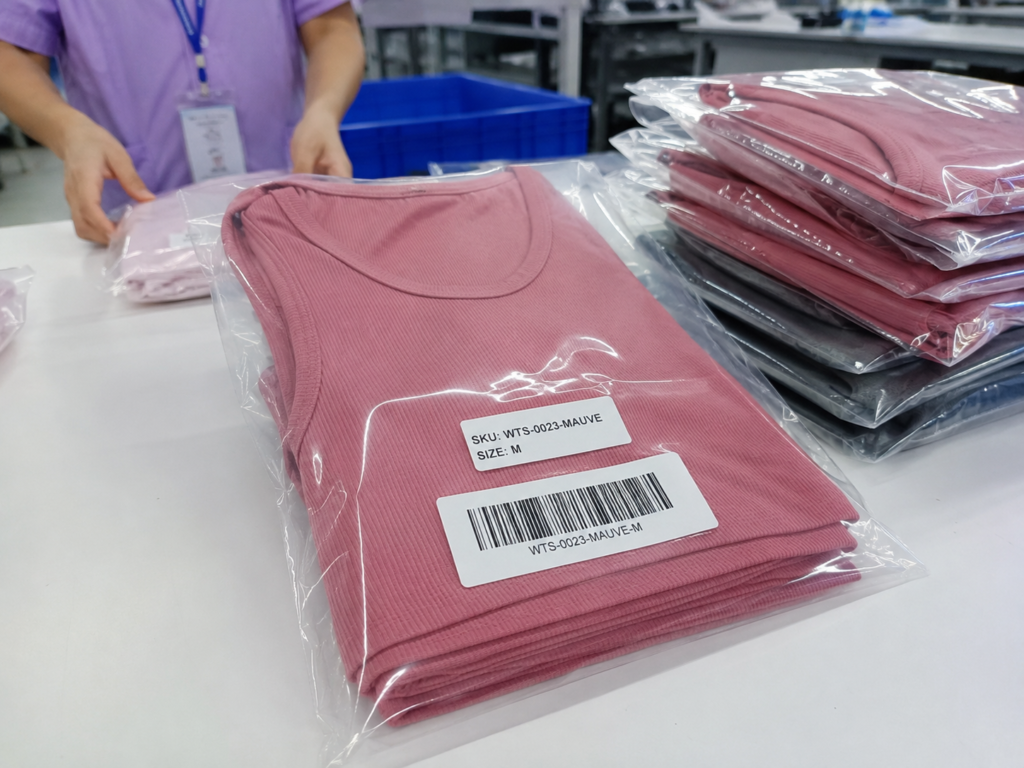
Hangtags and barcode stickers connect the garment to retail and warehouse systems. Style, color, size, price or SKU fields must match the order matrix. One wrong barcode can create receiving, inventory and sales problems even when the garment is correct. Files, proof approval and application position are checked before packing release.

SKU Mapping

A multi-style program needs a controlled SKU list linking style code, color, size, barcode, label file and pack method. For example, 20 styles across 3 colors and 6 sizes can create up to 360 style-color-size combinations before regional or channel variations. Clean mapping prevents mixed stickers, wrong size labels and incorrect carton assortments.

Polybags and Folding

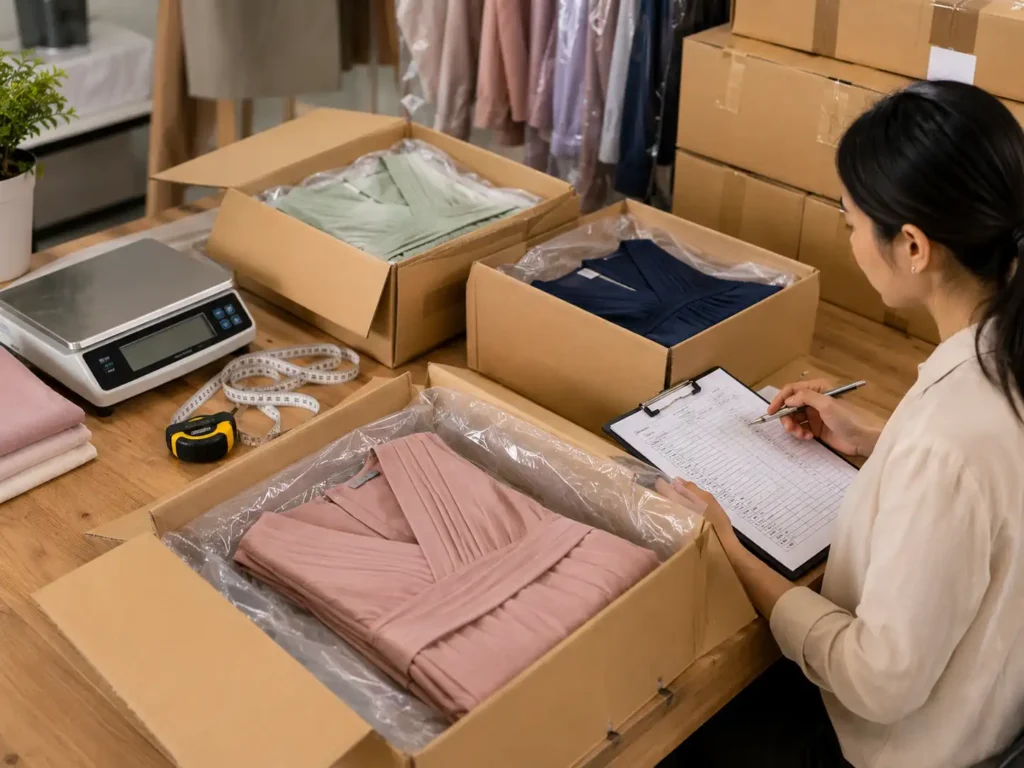
Polybags, warning text, ventilation holes, sealing and folding methods are selected by product and destination. Long dresses, sequins, corset structures and delicate surfaces may need different folding or protection. Printed polybags and special packaging may carry separate supplier minimums. Packing trials help confirm appearance and carton efficiency before full packing starts.

Carton Marks and Assortments

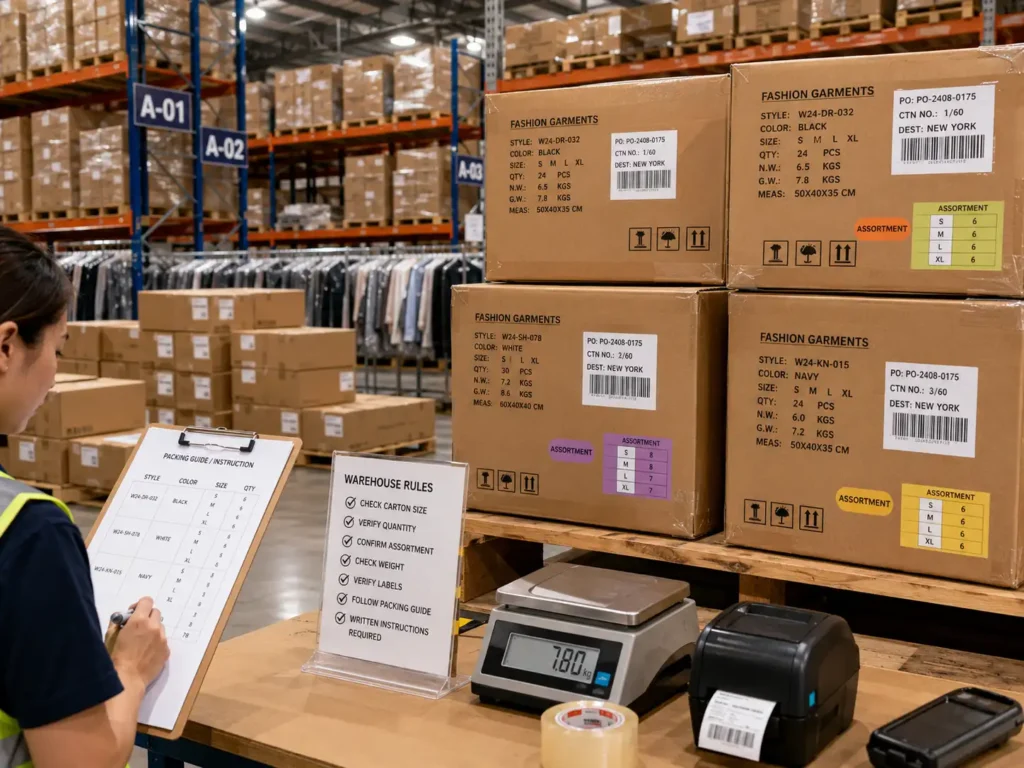
Carton marks should match the packing list and warehouse instruction. Style, color, size, quantity, carton number, gross weight, net weight and dimensions may be required. Solid-size, ratio-pack or mixed-SKU cartons must be clearly defined. Packing teams follow the approved assortment rather than making last-minute decisions on the floor.

Export and Warehouse Documents

Jinfeng can support commercial invoices, packing lists, carton details, shipment photos, label information and coordination with nominated forwarders. Air freight, sea freight, split shipment and DDP by project can be evaluated according to launch timing and destination. Documentation is prepared around the actual SKU and carton structure to reduce customs and receiving risk.

Build Production Around Launch Dates, Not Finished-Goods Panic

A scalable launch calendar uses defined decision gates. Material booking, sample priority, PP approval, production release, packing and shipment planning must connect to the commercial date from the beginning.

Decision GateRequired ConfirmationCommercial Purpose
1. Collection briefLine sheet, hero styles, target quantities, size range, launch windowConfirms program scope and priority
2. Material directionFabric groups, color plan, trims, substitutions and supplier minimumsPrevents late material changes
3. Sample approvalFit comments, photo samples, revision status, PP and Golden sample planProtects imagery and bulk release
4. Bulk allocationFactory, sewing line, material arrival, production sequence and QC pointsBalances volume with product risk
5. Packing releaseLabels, barcodes, polybags, assortments, carton marks and warehouse rulesAvoids finished-garment delays
6. Shipment strategyAir, sea, air-sea split, nominated forwarder, documents and receiving dateConnects delivery cost with launch urgency

Repeat Orders Become Faster When Product Memory Is Preserved

Growth often comes from successful styles, not only constant newness. Organized technical, material and packing records reduce redevelopment while keeping necessary checks for every new order.

Technical Product Records

Patterns, size charts, measurement comments, grading rules, sewing instructions, BOM and Golden samples provide the approved technical base. A repeat order can begin from known construction, but any change in fabric, size range or design detail is assessed before release. Product memory reduces repeated explanation and helps production teams protect the fit and appearance already accepted by the market.

Material and Color Records

Fabric references, color standards, lining, zippers, elastic, lace and trim details are preserved for later review. A repeat color still requires a new bulk-lot check because dye lots and supplier conditions can change. New colors or same-pattern new fabrics are treated as controlled developments, not assumed to behave exactly like the original material.

Packing and Sales Feedback

Label files, barcode logic, polybag, folding, carton marks, warehouse rules and shipment documents are retained with the style record. After launch, sales feedback, size comments, return reasons and replenishment priorities can guide the next production. Jinfeng supports the progression from first bulk to bestseller restock, new color, fabric extension, seasonal collection and annual development planning.

Control Cost Without Weakening the Brand-Level Product

Cost control works best during development, before materials and construction are locked. The goal is to protect the selling image, fit and required performance while removing avoidable complexity or fragmentation.

Fabric Substitution by Swatch

A target fabric may carry high minimums, unstable availability or unnecessary cost for the intended garment. An alternative can be reviewed by composition, weight, width, drape, stretch, recovery, transparency, hand feel and color. The substitute is similar, not identical. Swatch approval and a garment sample are needed because even a small material change can alter pattern balance, lining, construction and finished appearance.

Construction Simplification

Some designs contain layers, seams, embellishments or internal details that add labor without improving the visible product. Construction can sometimes be simplified by adjusting lining, reducing unnecessary layers, controlling ruching volume, changing an internal finish or replacing a high-risk decoration. Any change should preserve the commercial silhouette and wearing function. Jinfeng explains the effect on appearance, cost, risk and production before the change is approved.

Color and Size Ratio Planning

Too many colors or scattered size quantities increase fabric purchasing, cutting, labels, barcodes, QC, packing and inventory complexity. MOQ begins at 200 pieces per style and color, with special materials or packaging subject to supplier conditions. A stronger plan concentrates first volume in core colors and a rational size ratio, then expands according to sales data. Quantity is reviewed by style and color rather than only as one total order number.

Freight and Packing Strategy

Cost can also be controlled after production planning. Efficient folding and carton use reduce volume without damaging the garment. Sea freight suits regular bulk and planned replenishment, while air freight can protect urgent launch quantities. An air-sea split can move hero styles or priority sizes first and place the main volume on a lower-cost route. Packing design, carton separation and documents must be agreed before the strategy can work.

Multi-Style Programs Show How Scalable Manufacturing Works

Anonymous program examples demonstrate the operating detail behind growth: multiple fabrics, sizes, labels, approvals and shipments must remain connected throughout development and bulk production.

18 Styles, 28,000 Pieces

An established US private-label fashion business developed an 18-style womenswear program of approximately 28,000 pieces across satin, mesh, jersey, lace and crepe dresses. The main pressure came from parallel sample versions, different fabric risks, SKU control, uniform private-label packing, client inspection and shipment documentation. Jinfeng created a program tracker by style, grouped fabric and trim approvals, recorded sample status, aligned hangtags, barcodes, polybags and carton marks, and coordinated phased shipment. The program illustrates how several product families can move together without using one generic standard for every style.

24 Styles, 62,000 Pieces

A US fashion brand prepared a 24-style seasonal dress program totaling approximately 62,000 pieces across six sizes, four color stories and five fabric families. Hero satin and occasion styles required early fit and photo-sample priority, while mesh, jersey and resort styles were grouped by material and line capability. Bulk production was divided across suitable units under one approval, QC and packing structure. Three shipment waves supported launch sequencing and later stock flow. The operating focus stayed on style-code control, PP lock, factory allocation, barcode mapping, measurement checks and consistent private-label presentation across the full assortment.

Growth Requires Stronger Protection for Unreleased Product Information

Larger collections contain more unpublished designs, pricing data, line sheets, packaging files and launch information. Protection must extend through development, production, inspection and repeat-order records.

NDA and File Control

Jinfeng supports NDA-based cooperation and protects tech packs, original samples, patterns, size charts, fabric directions, trim details, label artwork, packaging files, quantities and launch information. Files are used for project execution and are not presented publicly without authorization.

Clear naming and version control also reduce the risk of using the wrong document internally.

Anonymous Production Evidence

Production proof can be shown without exposing a brand identity. Fabric inspection, cutting, sewing, in-line checks, pressing, packing and shipment preparation can be photographed with logos, barcodes, order numbers and unreleased design details removed or obscured.

Anonymous case reporting explains the manufacturing challenge and solution without using a protected brand name.

Controlled Multi-Factory Coordination

When a program uses more than one production unit, only the information required for execution should move to the relevant team. Central project management keeps approval status, production allocation, quality requirements and packing rules aligned. Long-term satellite partners operate within the program structure rather than receiving an uncontrolled open file set or independent instructions.

Confirm Production Fit Before Starting a Development Program

A useful first review should establish product fit, material direction, quantity structure, sampling needs, production capacity and launch requirements before formal development begins.

Strong Program Fit

Jinfeng Apparel is structured for established fashion businesses, sourcing teams and private-label programs with defined products, professional sampling requirements and bulk production plans. Suitable projects include custom dresses, skirts, jumpsuits, matching sets and coordinated womenswear collections. MOQ starts from 200 pieces per style and color, subject to fabric, trims, construction, packaging and schedule. Multi-style programs are reviewed through a line sheet so each style, color and quantity can be assessed accurately.

Send for Project Review

A more useful review starts with reference images or tech packs, a line sheet, expected quantity by style and color, fabric direction, color plan, size range, private-label requirements and target launch date. Kelly coordinates the initial review with development and production teams, then explains feasibility, open questions, sample direction, MOQ fit and the information needed for a working quotation or sampling plan. CTA Button 1: Check Production Fit CTA Button 2: Send Project Brief

Frequently Asked Questions About Scalable Dress Production
Jinfeng focuses on premium custom womenswear, including mini, midi and maxi dresses; party, cocktail, evening, wedding guest, graduation and resort dresses; bodycon, corset, satin, mesh, lace and sequin styles; plus skirts, jumpsuits, matching sets and fashion tops. Production allocation depends on fabric, fit, construction, quantity and quality requirements.
MOQ starts from 200 pieces per style and color. It is not calculated only from the total pieces across the whole collection. Custom fabrics, dyeing, printing, special trims, woven labels, printed polybags or other packaging may carry separate supplier minimums. A line sheet allows each style and color to be reviewed correctly.
A large total quantity can contain many styles, but each style and color must still meet a workable production quantity. Jinfeng reviews fabric grouping, core colors, hero styles, complexity and production sequence to create a viable plan. A total of 200 pieces spread across several styles does not meet the standard production model.
Sample timing depends on material readiness, structure, trim sourcing, pattern work and revision needs. A simple style using available materials moves differently from corset, lace placement, custom color, sequin or complex jumpsuit development. Jinfeng reviews the inputs first, then provides a project timeline covering first sample, revision, photo sample, PP and Golden sample stages as required.
Bulk release follows fabric and trim confirmation, measurement approval, construction confirmation, PP approval and packing direction. The factory receives the approved pattern, size chart, BOM, trim references, sewing notes, quality points and PP or Golden sample. Late changes are assessed for cost, material, pattern and schedule impact before release.
Styles are assigned according to woven or stretch construction, occasionwear complexity, fabric behavior, labor content, quantity, calendar and inspection needs. Jinfeng uses 6 owned fashion factories and 10+ long-term satellite production partners within one project management, approval, QC, packing and shipment structure.
Size range is reviewed by product and market. Grading must consider silhouette, material stretch, body balance and critical measurements rather than applying one increase to every point. Base-size approval, grade rules, selected size-set checking and measurement tolerances are prepared according to the program. Extended ranges may require additional fit review.
Jinfeng retains patterns, size charts, BOM, fabric references, trim details, sewing instructions, packing requirements, QC notes and Golden sample records. A repeat order begins from the approved technical base, while new fabric lots, colors, quantities, prices and delivery conditions are confirmed again. New colors or new fabrics may require sample review.
Jinfeng supports main labels, size labels, care labels, hangtags, barcode stickers, SKU labels, polybags, carton marks, warehouse labels, packing lists and commercial invoices. Packing requirements should be confirmed early because packaging suppliers may have separate minimums and warehouse errors can delay receiving even when garments are correct.
Send reference images or tech packs, line sheet, quantity by style and color, fabric direction, color plan, size range, label and packing requirements, target launch date and any inspection or warehouse manual. Complete inputs allow the team to review structure, material risk, sample plan, MOQ, capacity and quotation requirements more accurately.

Build the Next Dress Program With a Scalable Production Plan

Send the collection information to Kelly for a structured project review. The first response will focus on product feasibility, material direction, pattern and sample needs, MOQ structure, production allocation, private-label requirements and launch timing. A line sheet is especially valuable for 10-30 style programs because it allows every style, color, size range and quantity to be assessed as part of one commercial plan rather than as disconnected quotations.

  • Reference images, tech packs, original samples or sketches
  • Line sheet with style codes and priority level
  • Quantity by style and color
  • Fabric preference, color direction and trim requirements
  • Size range and available measurement chart
  • Main label, care label, hangtag, barcode and packing requirements
  • Target launch date, delivery destination and forwarder arrangement
  • Inspection standard, warehouse manual or compliance documents when applicable

Tell Us About Your Dress Project

Share your product details, estimated quantity and development requirements. Our team will review your project and provide practical OEM/ODM production feedback.

Premium Women’s Apparel Production for Fashion Brands

From dress sample development to bulk production, JF Apparel supports fashion brands with confidential OEM/ODM manufacturing, reliable quality control and scalable production support.

START YOUR DRESS PROJECT

Ready to Develop Your Next Dress Collection?

Share your design concept, product requirements or sourcing plans with our team. We’ll review your project and provide practical feedback on development, materials, MOQ and production.

7-10 Days

Sample Development

200 PCS

Starting MOQ

Fast Response

Professional Follow-Up