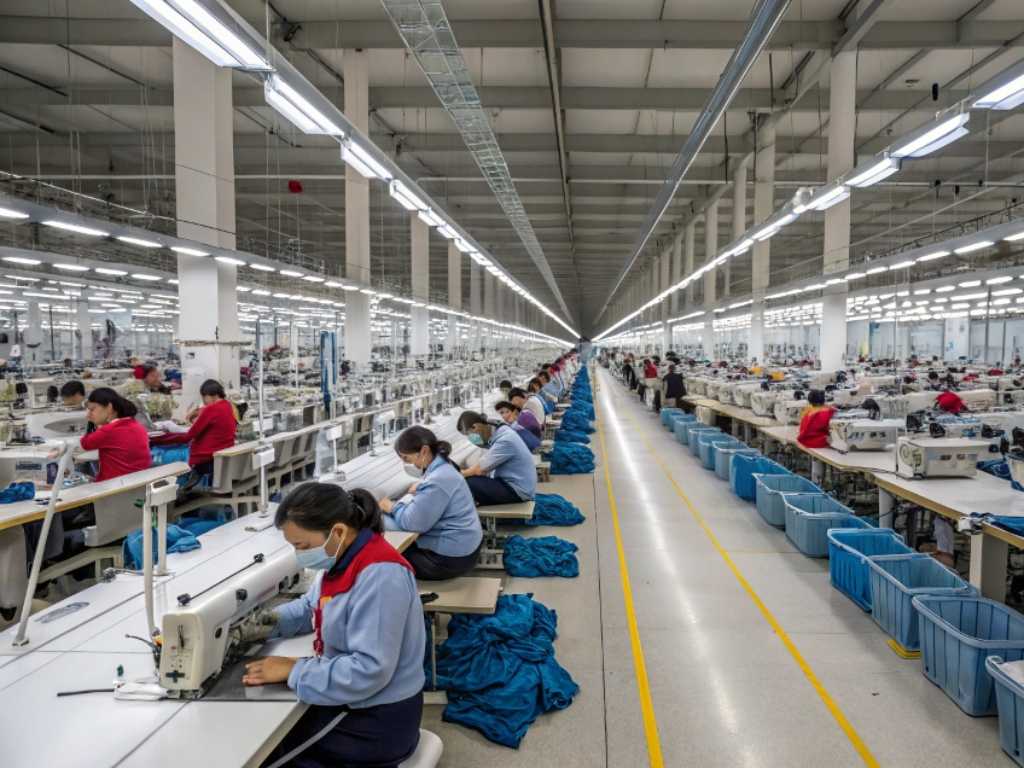
Brown Dress Manufacturer
Custom brown dress development for fashion brands requiring controlled color, fabric, fit, bulk consistency, and private-label delivery.
- Chocolate, espresso, mocha, cocoa, coffee, camel, cinnamon, and taupe color directions developed across satin, stretch satin, jersey, mesh, lace, crepe, chiffon, velvet, and sequin fabrics.
- 6 owned women’s fashion factories, 10+ long-term production partners, 18+ sewing lines, and 100,000+ pieces of regular monthly capacity support multi-style brown dress programs.
- 2 sample rooms, 7+ senior pattern makers, 20+ sample machinists, and 15+ QC inspectors connect color approval, fit development, sampling, bulk control, and branded delivery.
- MOQ starts from 200 pieces per style/color, subject to fabric availability, custom dyeing, trims, construction complexity, packaging, and production schedule.
Brown Dress Manufacturing Capacity at a Glance
Since 2008
6 Owned Factories
18+ Sewing Lines
2 Sample Rooms
15+ QC Inspectors
MOQ From 200
Built for Structured Brown Dress Programs
Fashion Brand Programs
Project-Ready Briefs
A useful brief includes style references, target brown shades, quantity per style/color, fabric direction, size range, target market, required delivery window, label artwork, and packing rules. Complete information allows the team to review fabric availability, custom dyeing requirements, pattern risk, sample sequence, MOQ, production allocation, QC focus, and delivery planning before formal development begins.
Risks That Can Weaken a Brown Dress Collection
Shade Drift
Fabric Reflection
Trim Mismatch
Fit Distortion
Bulk Replication
Packing Pressure
Brown Dress Styles Developed for Fashion Collections
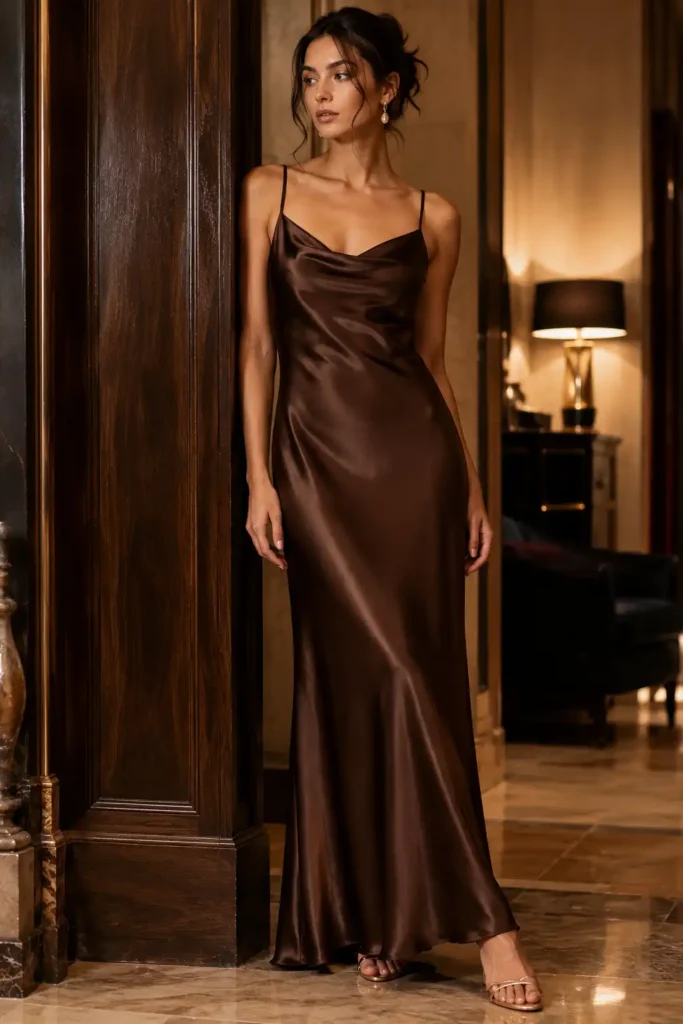
Chocolate Satin Slip
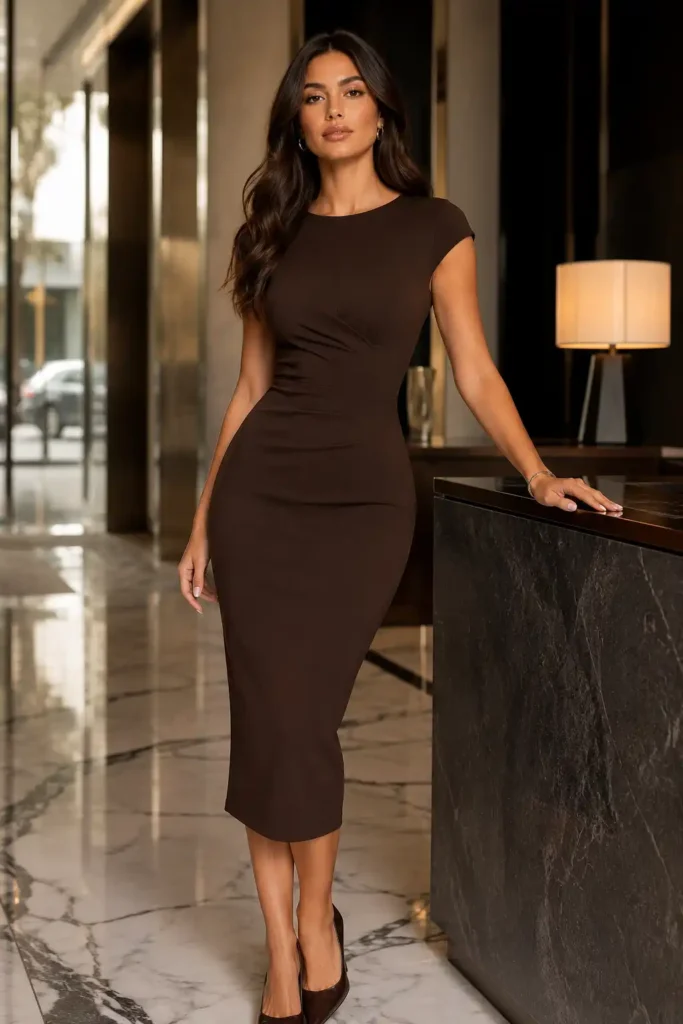
Espresso Bodycon Midi
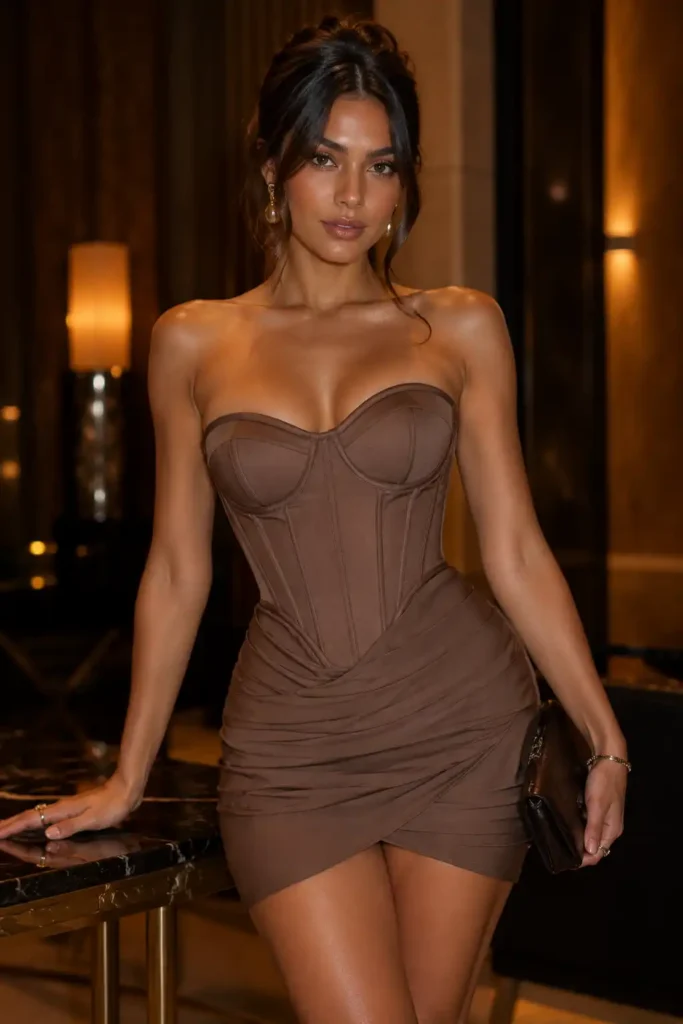
Mocha Corset Mini
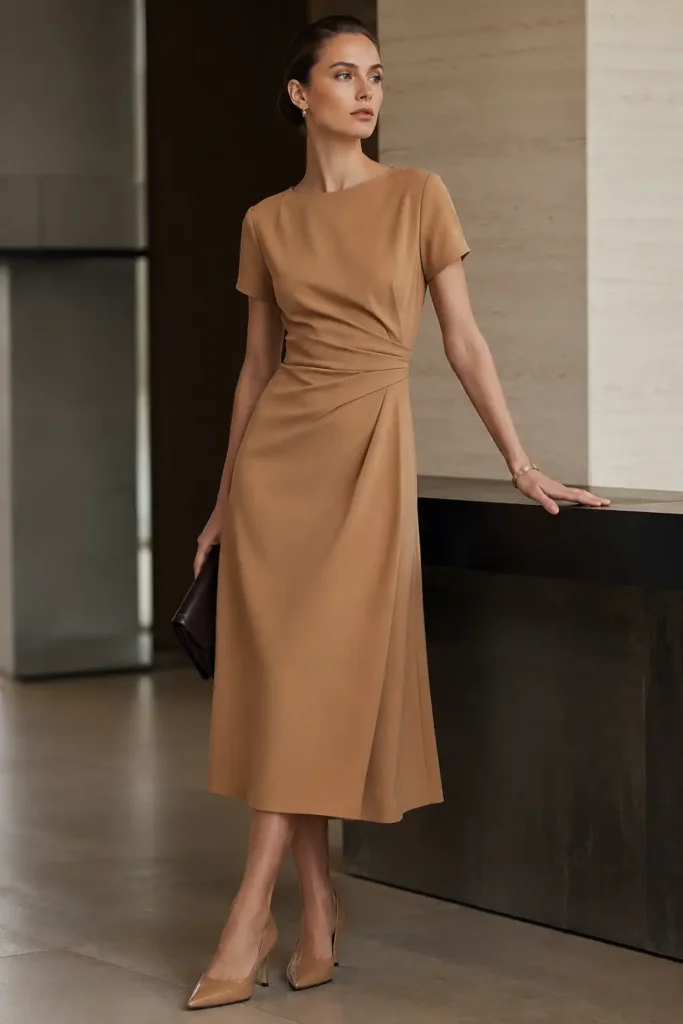
Cocoa Ruched Mesh

Camel Crepe Midi
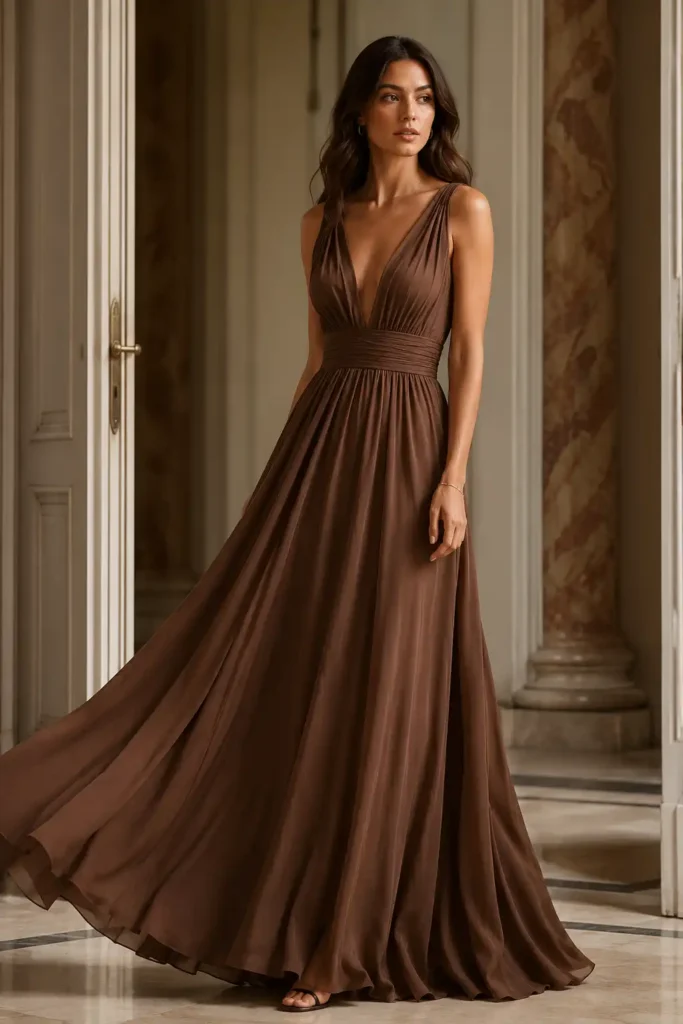
Coffee Maxi Dress
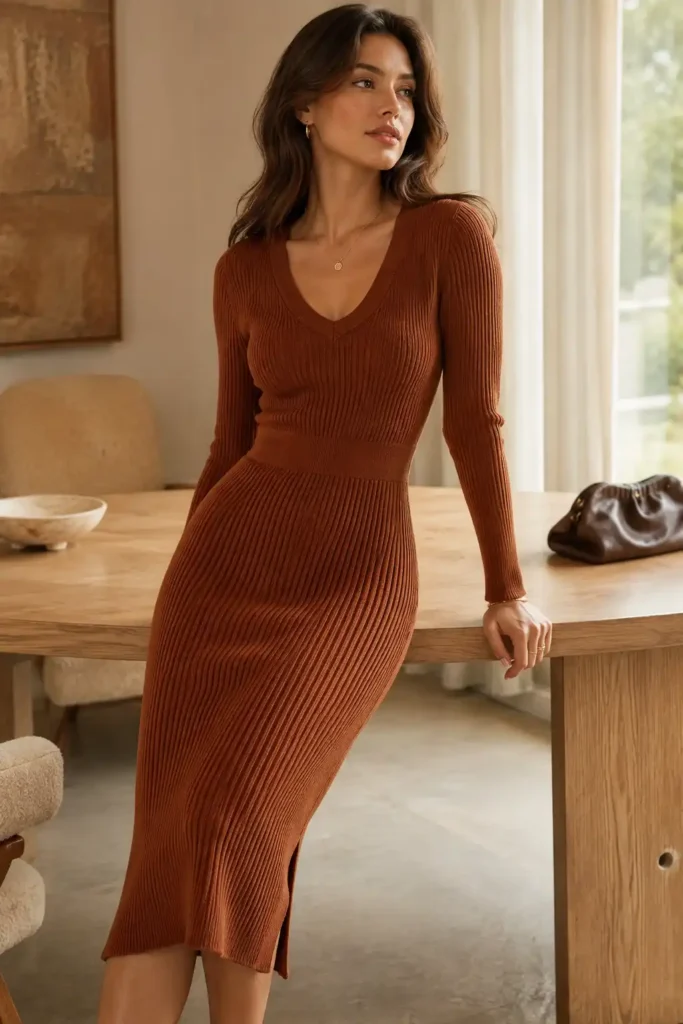
Cinnamon Knit Dress
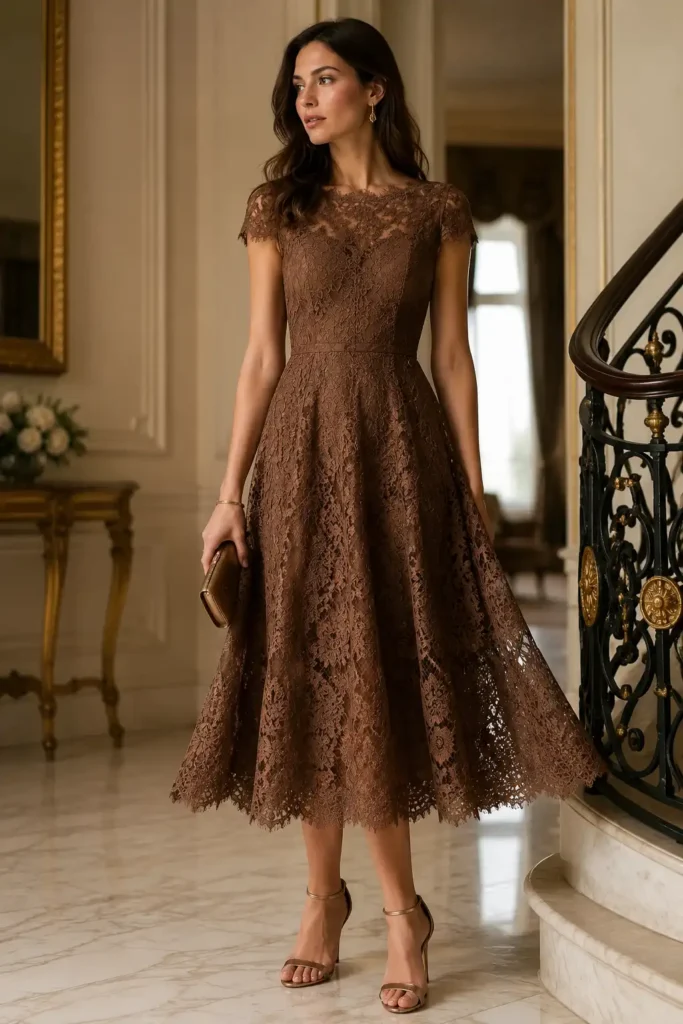
Walnut Lace Dress
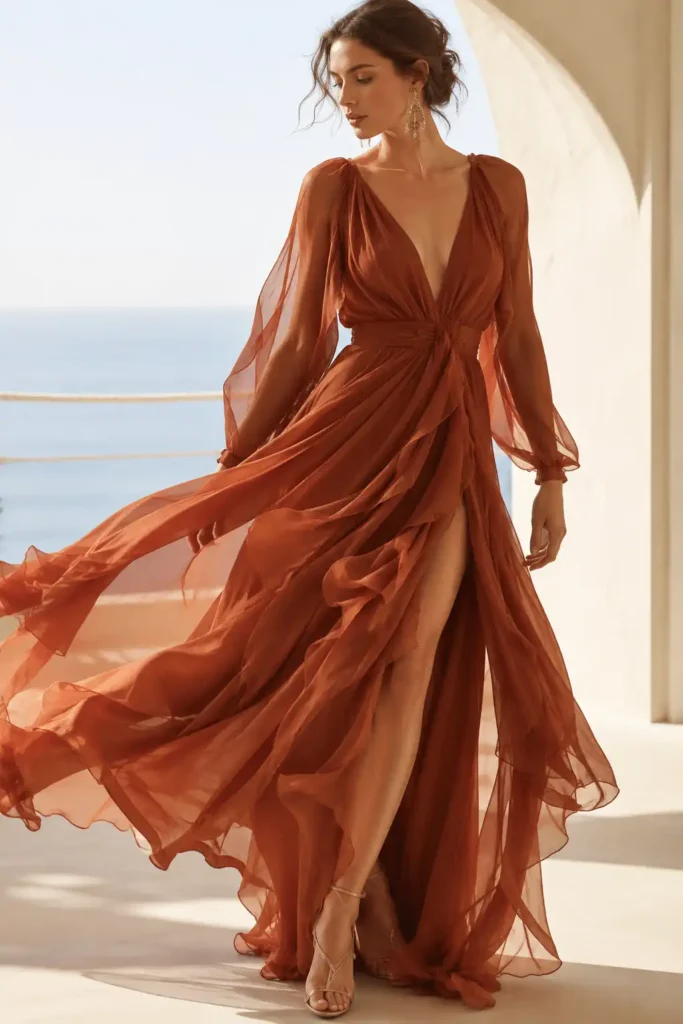
Rust Chiffon Dress

Taupe Office Dress
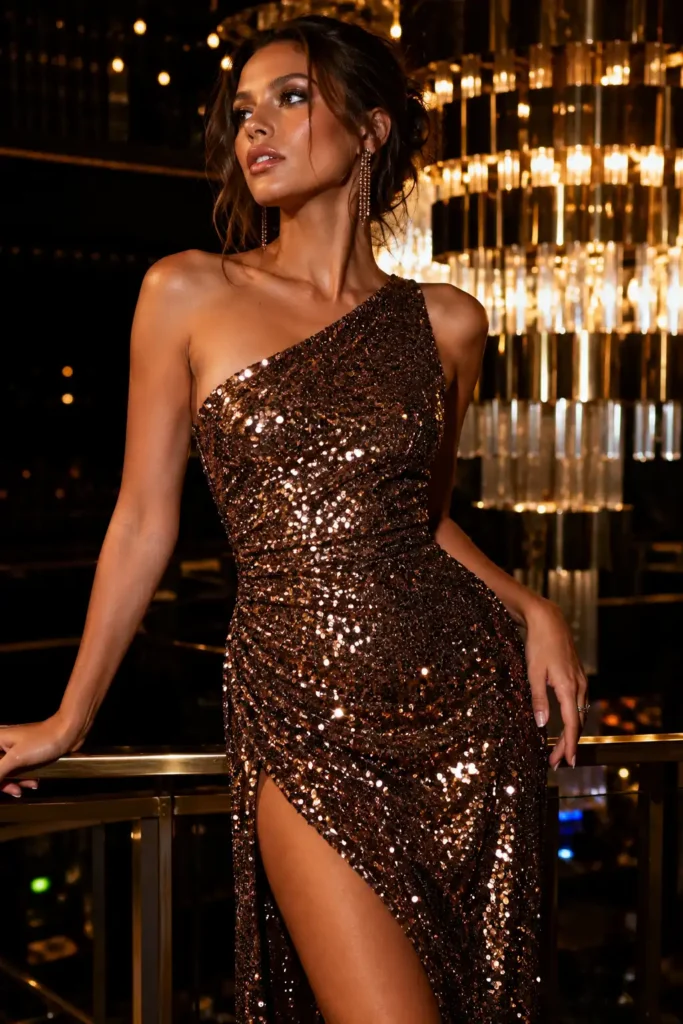
Bronze Sequin Party
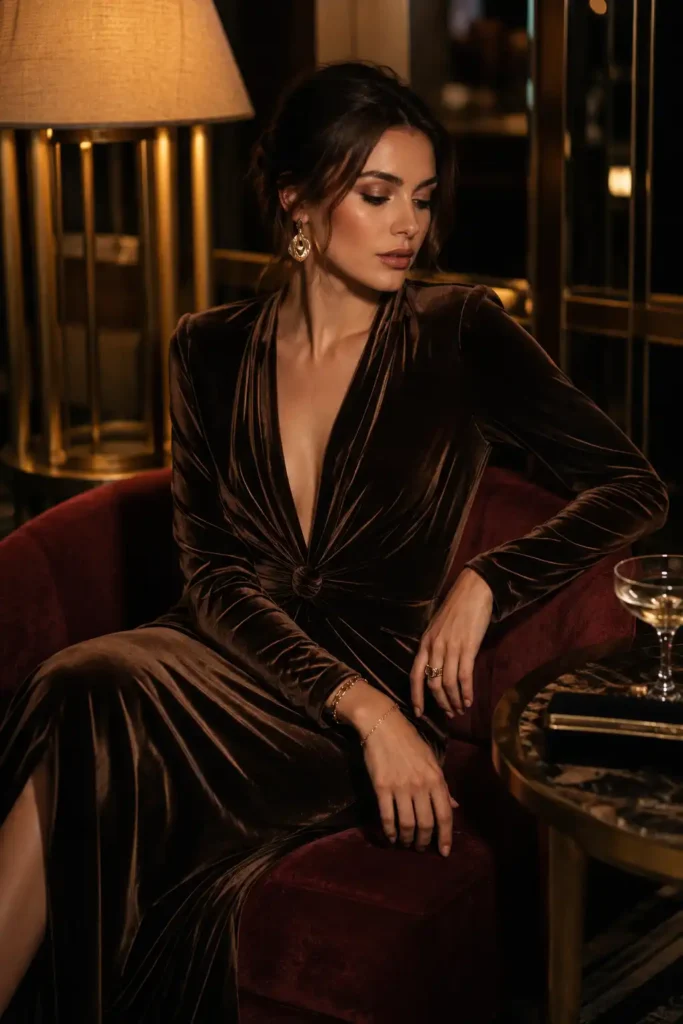
Dark Brown Velvet
Brown Shade Directions for Coordinated Collections
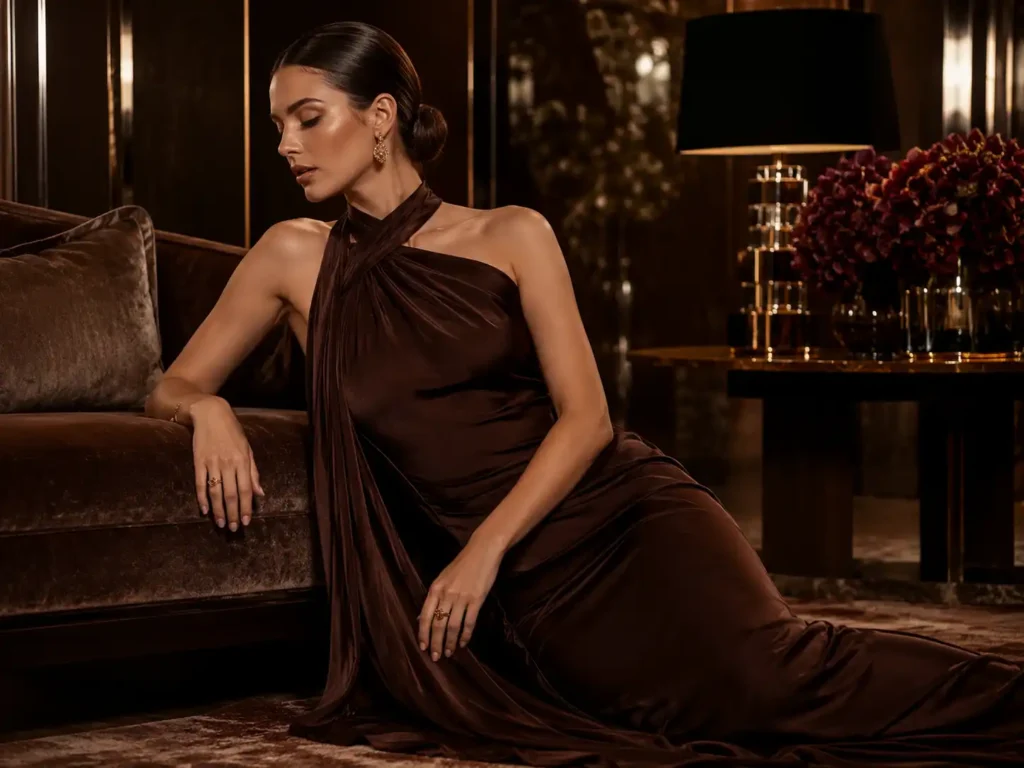
Chocolate Brown
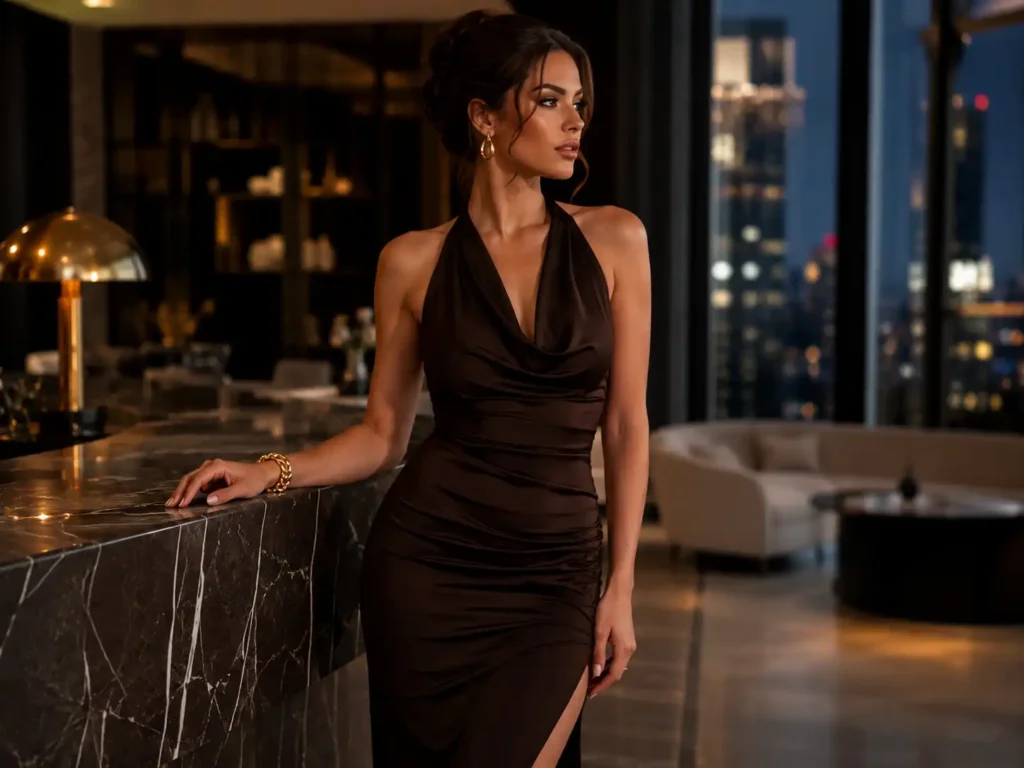
Espresso Brown
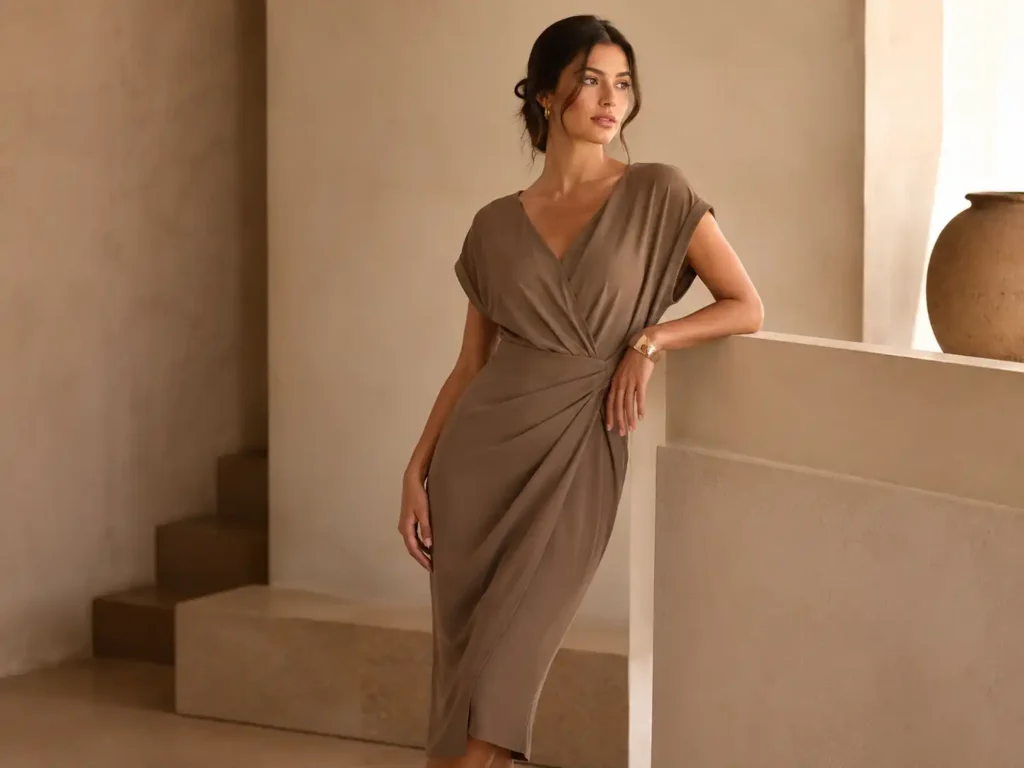
Mocha Brown
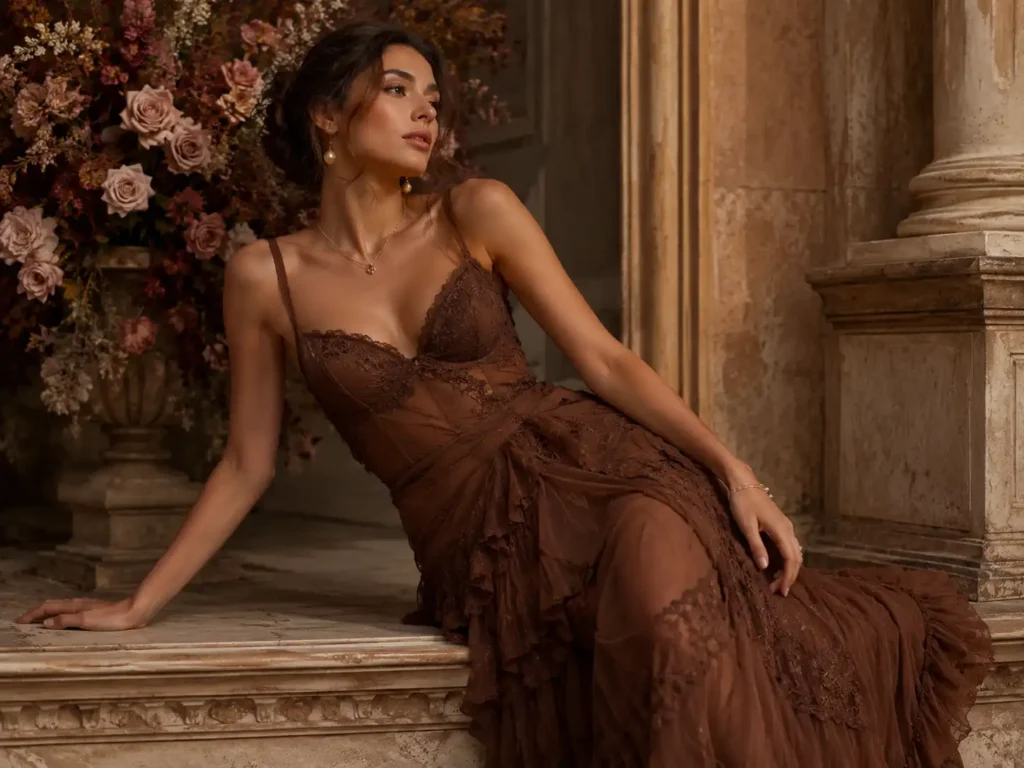
Cocoa Brown
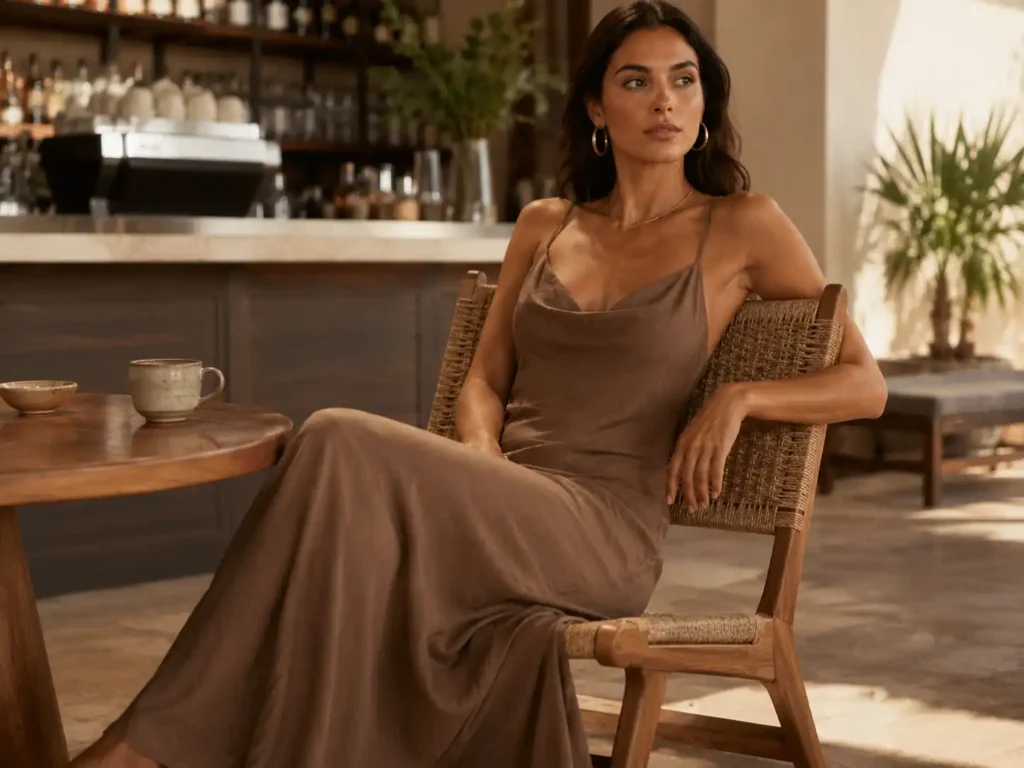
Coffee Brown
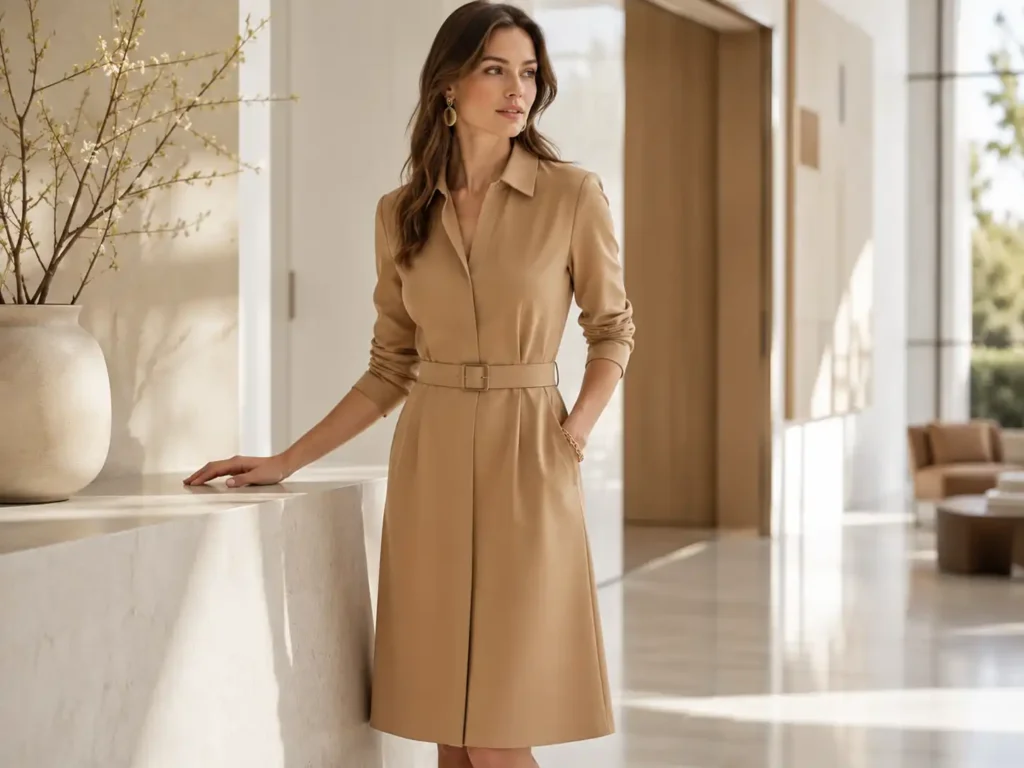
Camel Brown

Cinnamon Brown
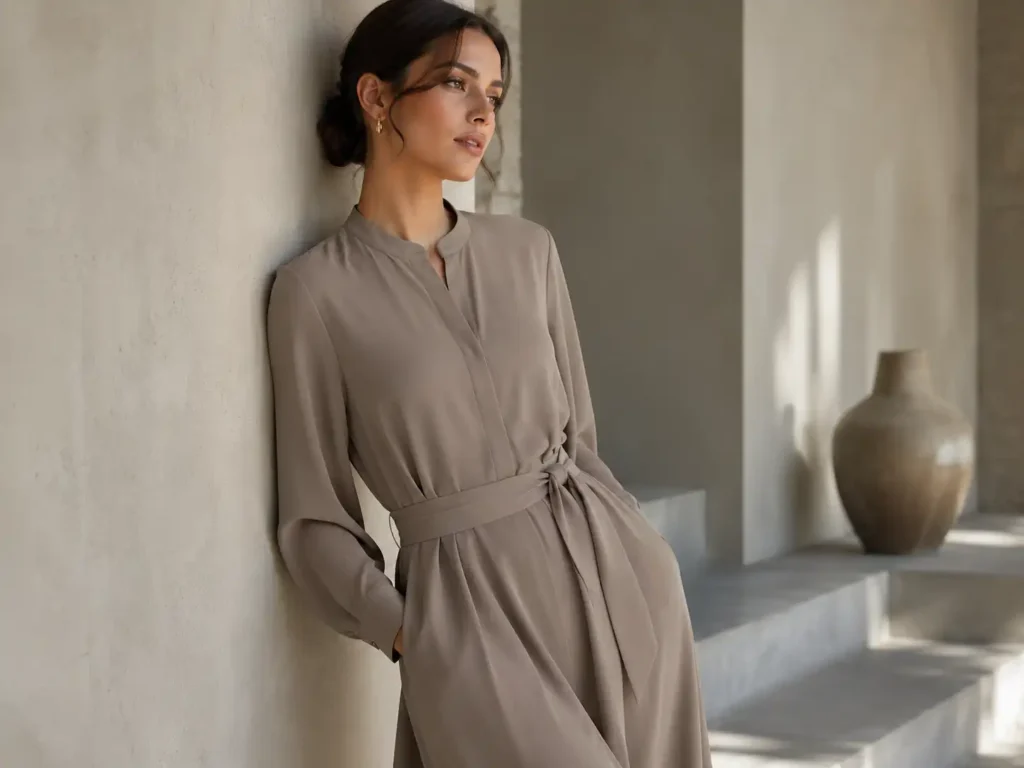
Taupe Brown
Fabric Selection for Brown Dress Development
| Fabric Direction | Best Brown Dress Uses | Visual Behavior | Primary Control Points |
|---|---|---|---|
| Satin / Stretch Satin | Slip, corset, party, cocktail, maxi, one-shoulder | Gloss can make one shade appear lighter or darker by direction and lighting. | Shade approval, grain direction, snag risk, seam puckering, lining, pressing, protective packing. |
| Mesh / Power Mesh | Ruched, layered, bodycon, cut-out, illusion details | Transparency and layer count change the apparent brown depth. | Stretch, recovery, holes, neckline stability, lining shade, ruching balance, edge finish. |
| Lace | Occasion, cocktail, romantic mini, sleeve or panel details | Motif density and backing fabric strongly influence shade and texture. | Motif placement, joining, damage, edge handling, lining color, zipper, skin comfort. |
| Jersey / Ponte | Bodycon, midi, knit-inspired, office-to-evening | Matte surfaces show fit and seam tension more than gloss. | Stretch direction, recovery, opacity, side seams, necklines, wash-related measurement change. |
| Crepe / Suiting | Midi, office, structured daywear, sheath, A-line | Stable surfaces create refined neutral browns with lower shine. | Weight, drape, seam appearance, pressing, lining, waist and hem balance. |
| Chiffon / Organza | Layered maxi, ruffle, resort, wedding guest, event | Sheerness lightens brown and makes lining part of the color system. | Transparency, lining, gathering, narrow hem, seam slippage, static, fabric direction. |
| Rayon / Viscose / Linen Blend | Resort, casual maxi, day dress, soft midi | Natural drape can create rich warm browns but may shift after finishing or washing. | Shrinkage, colorfastness, drape, seam stability, wrinkle behavior, pre-production testing. |
| Velvet / Sequin | Evening, holiday, party, premium winter collection | Pile or reflective surfaces create directional shade movement and strong light response. | Pile or sequin direction, missing areas, seam bulk, skin comfort, pressing, packing protection. |
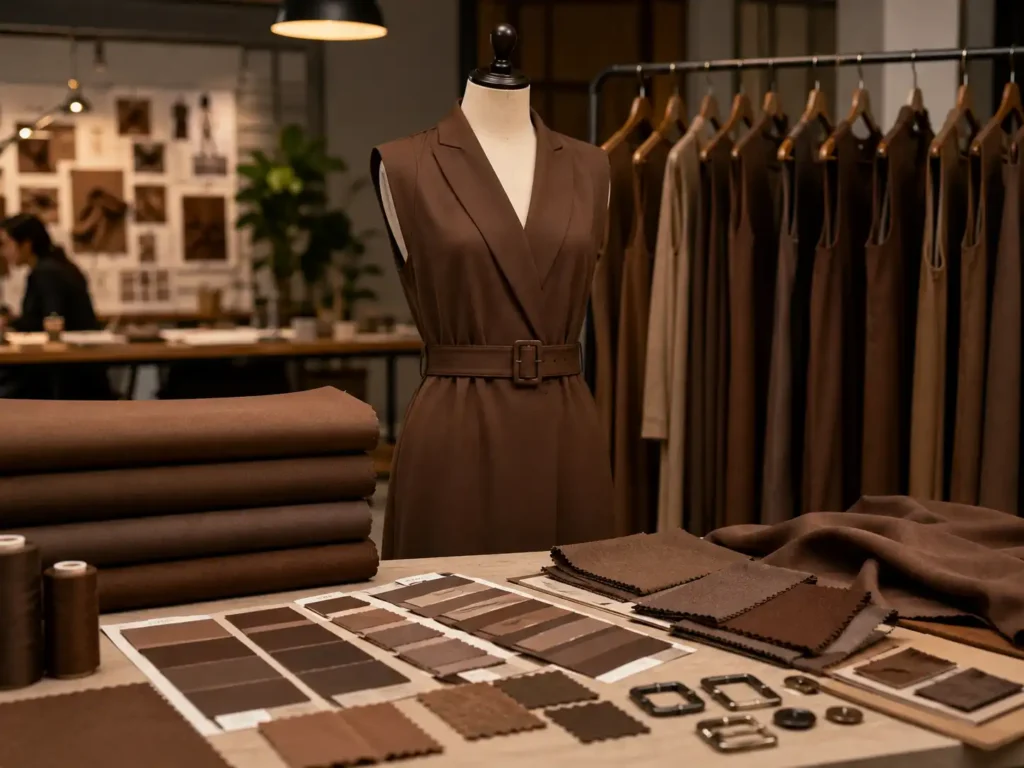
Brown Color Control from Reference to Bulk
A stable brown dress program needs one approved color language carried through fabric, lining, trims, samples, bulk lots, QC, and repeat-order records. Color is treated as a measurable production standard, not a descriptive word.
- Reference, Swatch, and Lab Dip Approval
Development begins by identifying the controlling reference: Pantone, physical swatch, original garment, approved fabric cutting, or another agreed color standard. Digital screens alone are not sufficient for final bulk approval because brightness, white balance, and device settings can change the apparent brown. The team records the target undertone and reviews how the chosen fabric affects the result. Satin may read brighter, mesh may lighten over skin or lining, velvet may change with pile direction, and jersey may appear flatter. When stock color is unsuitable, custom dyeing can be evaluated. Custom-dyed fabric normally brings a separate mill MOQ, lab dip approval step, fabric production time, and dye-lot risk. A shade is released only after the agreed approval method is completed. - Bulk Lot and Shade Band Management
Bulk fabric is checked against the approved standard before cutting. Where shade variation exists, lots should not be mixed casually across panels or garments. A shade band or lot separation approach may be used according to fabric type and mill output. Dark chocolate and espresso require attention because small undertone changes can become visible under store lighting or flash photography. Satin and velvet need directional viewing; mesh and lace should be assessed with the approved lining. QC records connect the accepted bulk color to the style, fabric, lot, and production batch. Repeat orders return to retained color and material records, while acknowledging that a new dye lot still requires confirmation rather than assuming an exact result from a previous name. - Lining, Zipper, Thread, and Trim Coordination
Color approval extends beyond the shell fabric. Lining can deepen or dilute mesh, lace, chiffon, and light satin. Invisible zippers may be concealed yet still show at the top stop, seam opening, or under strong light. Sewing thread influences visible topstitching, hems, gathers, and repairs. Elastic, bra cups, boning channels, strap sliders, hooks, lace trims, sequins, rhinestones, labels, and packaging color stickers also affect the finished presentation. Jinfeng Apparel reviews whether the project needs tonal matching, deliberate contrast, or a coordinated neutral. Brand teams receive clearer decisions when the line sheet specifies the main color, lining direction, trim finish, hardware tone, and SKU naming before PP approval.
Fabric-Specific Production Controls for Brown Dresses
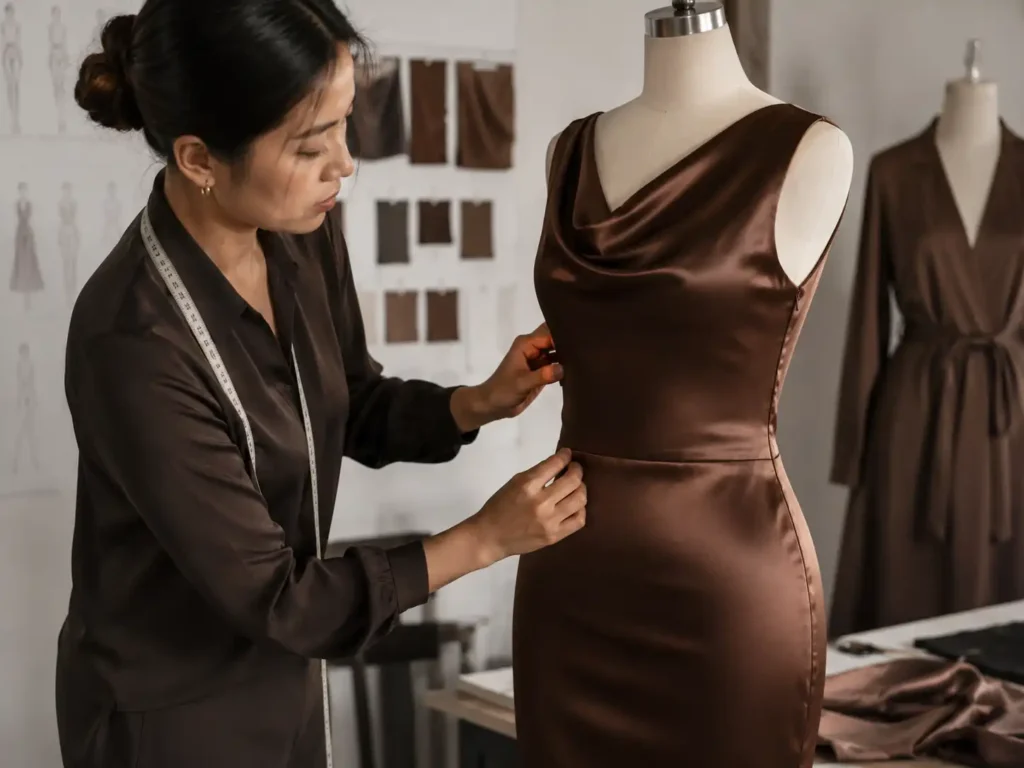
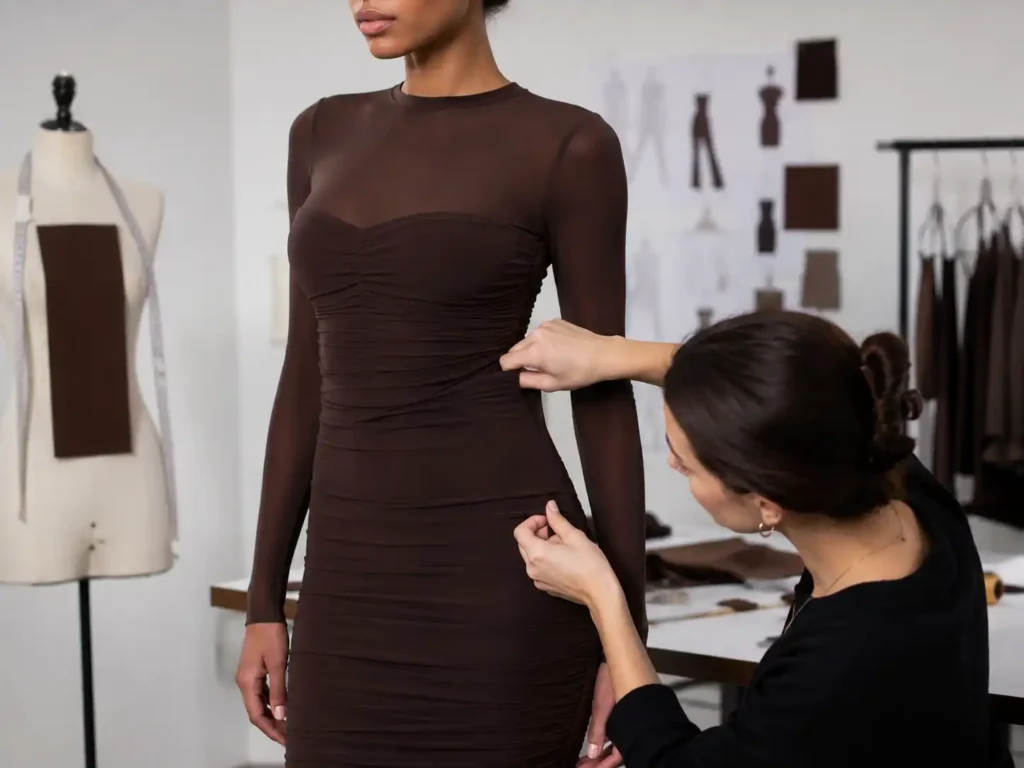
Satin Direction Control
Stretch Recovery Control
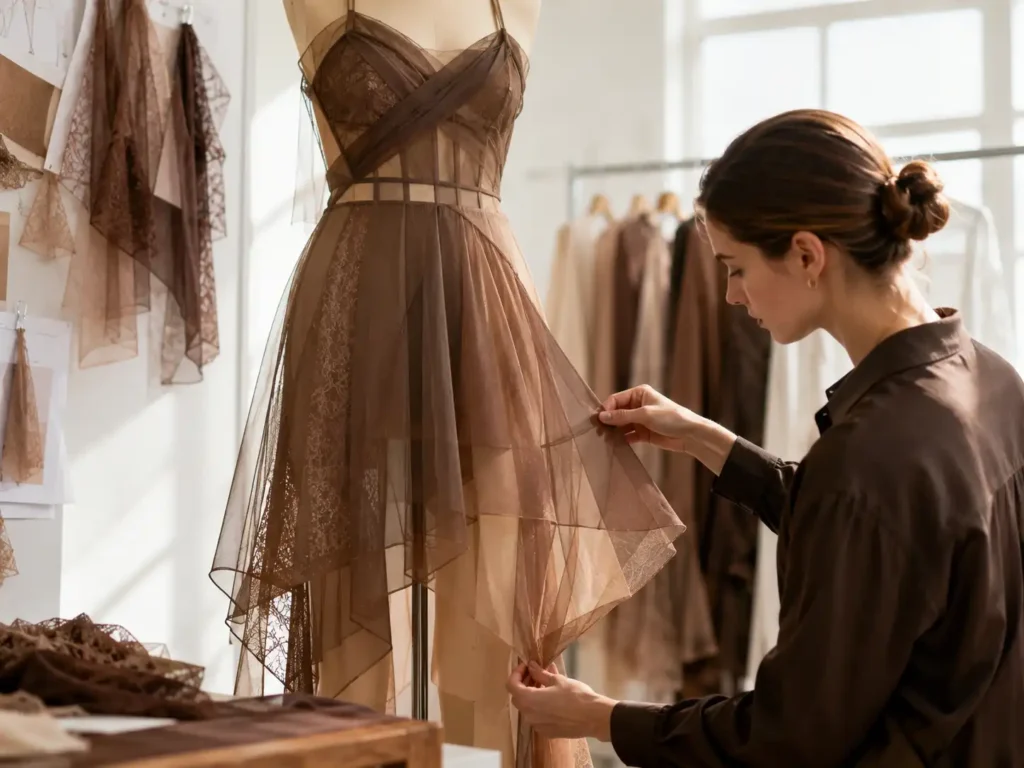
Sheer Layer Control
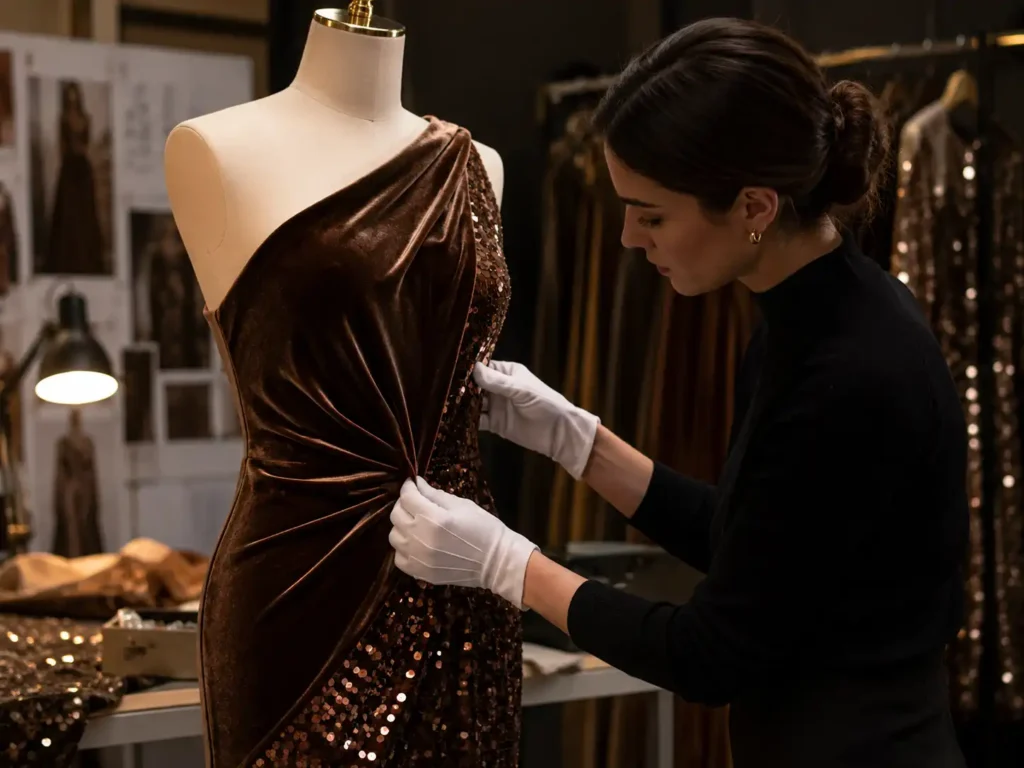
Pile and Sequin Control
Pattern Engineering for Brown Dress Fit and Proportion
Brown often acts as a strong visual block, making proportion, seam placement, waist definition, and garment balance easy to judge. Pattern development connects the design image with target-market fit and production stability.
Upper-Body Fit, Necklines, and Support
Pattern review covers bust, upper bust, under bust, neckline depth, armhole, shoulder angle, strap length, back width, and closure position. Slip, halter, strapless, corset, deep-V, one-shoulder, and backless dresses require different support logic.
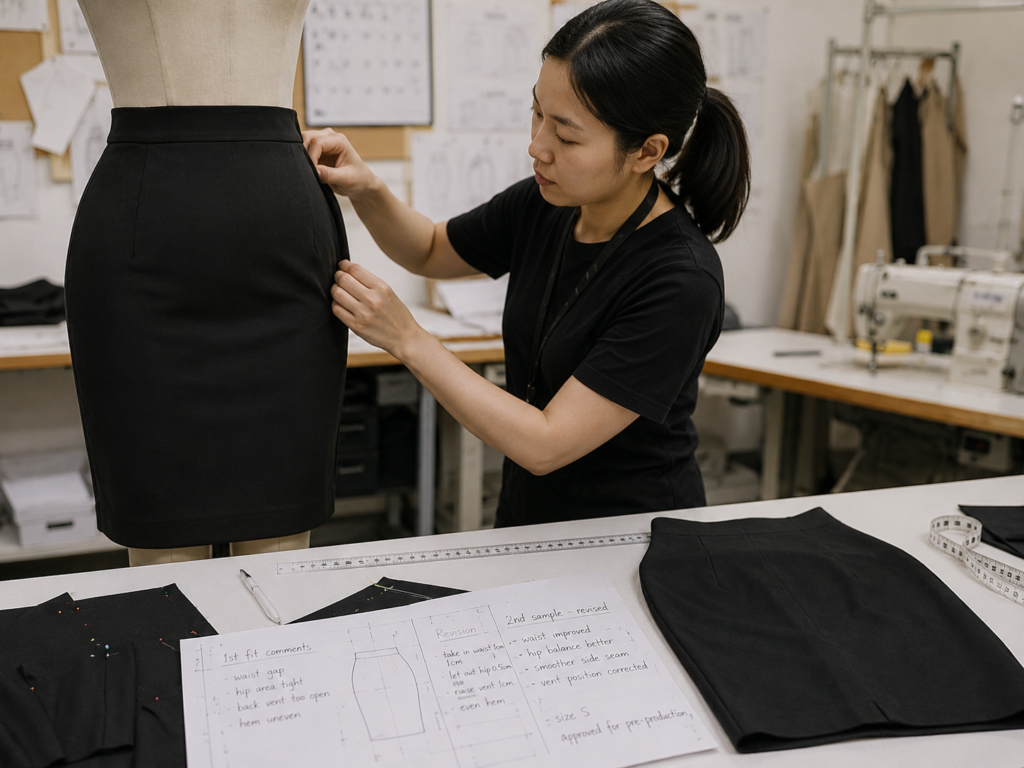
Cups, boning, underwire, elastic, anti-slip tape, adjustable sliders, interfacing, lining, and seam placement are considered together rather than added after fit problems appear. A first sample establishes the design in physical form; fit feedback then identifies exposure, gaping, compression, slipping, or balance issues. All accepted corrections are transferred into the updated pattern and measurement file before PP release.
Waist, Hip, Length, and Movement Balance
Bodycon, sheath, low-waist, A-line, ruched, slit, mini, midi, and maxi dresses each need a different relationship between waist position, hip ease, hem circumference, and movement. Dark fitted browns show excessive tension and seam distortion clearly. Mini lengths need wearing safety; midi proportions need a deliberate visual break; maxi styles need front-back balance and a controlled sweep. Slits are reviewed for height, overlap, reinforcement, and movement. Stretch garments require recovery and negative-ease decisions, while woven dresses require enough wearing ease without losing the intended line. Fit comments should identify body point, direction, and amount of adjustment instead of using vague language.
Size Range, Grading, and Measurement Control
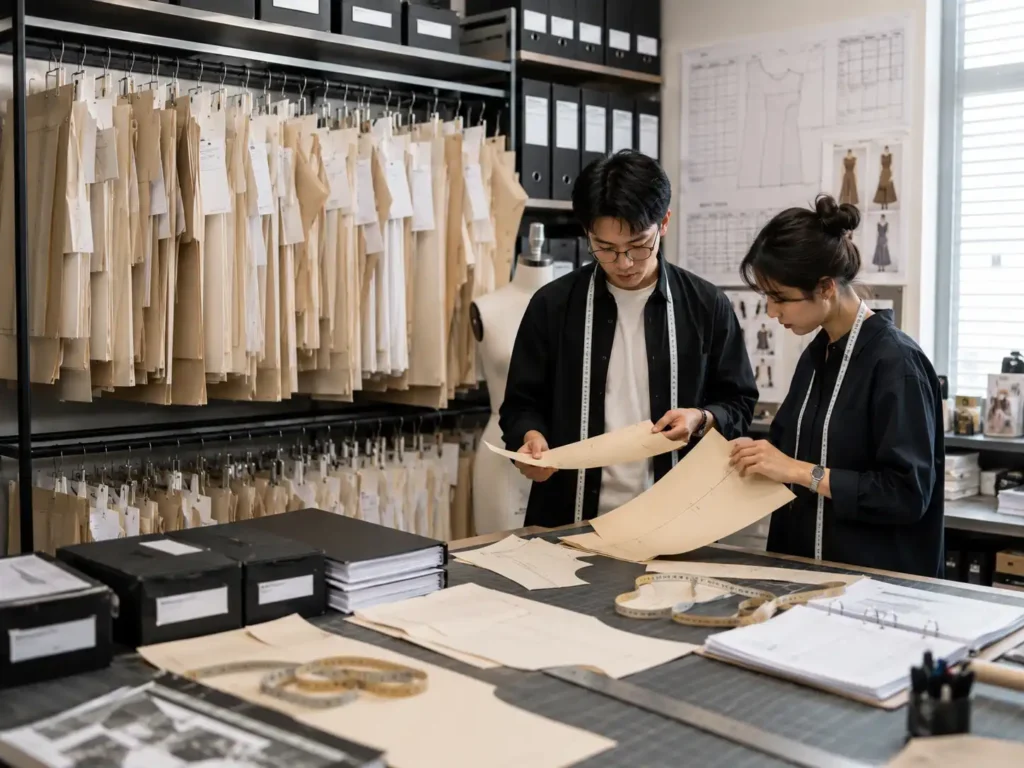
A common commercial range such as XS–XL can be planned within the style/color MOQ when the size ratio remains workable. Extended size, petite, tall, or highly divided size programs are evaluated separately because grade rules, length, cup proportion, armhole, strap, neckline, slit, and packing allocation may need additional work. Jinfeng Apparel checks bust, waist, hip, dress length, strap length, armhole, neckline depth, slit height, and hem width against the approved size chart. Grading is based on brand fit direction and style structure rather than applying one generic increase to every measurement. Measurement standards are then built into the bulk QC checklist.
Design Details Engineered for Stable Bulk Production
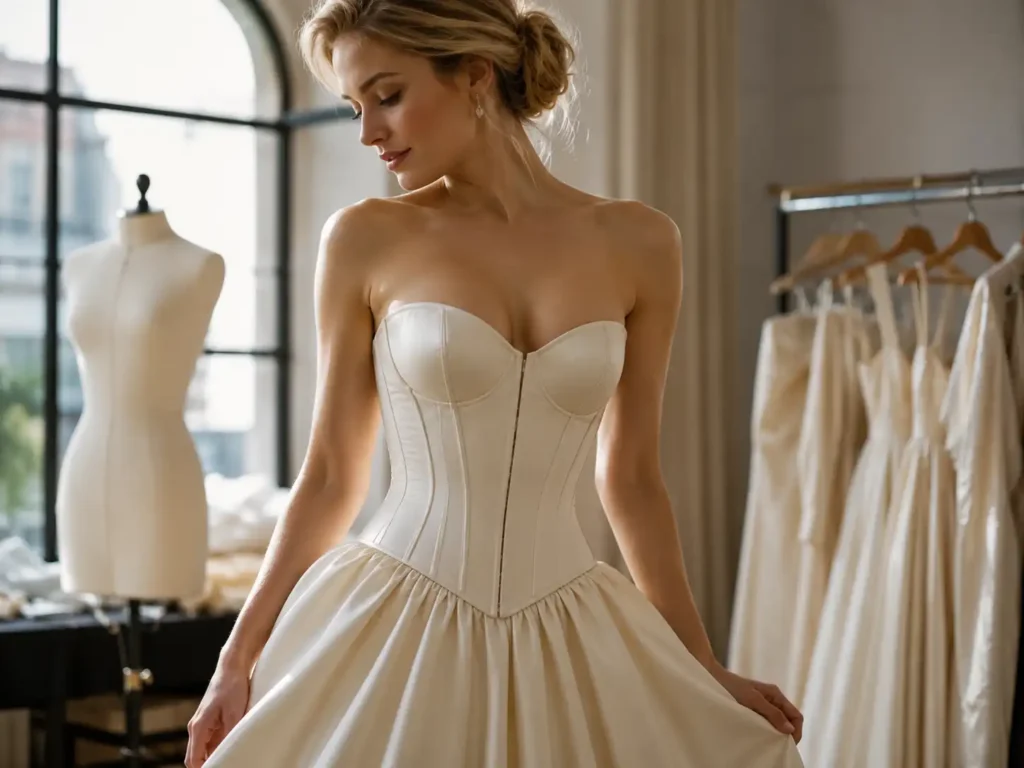
Corset Structure
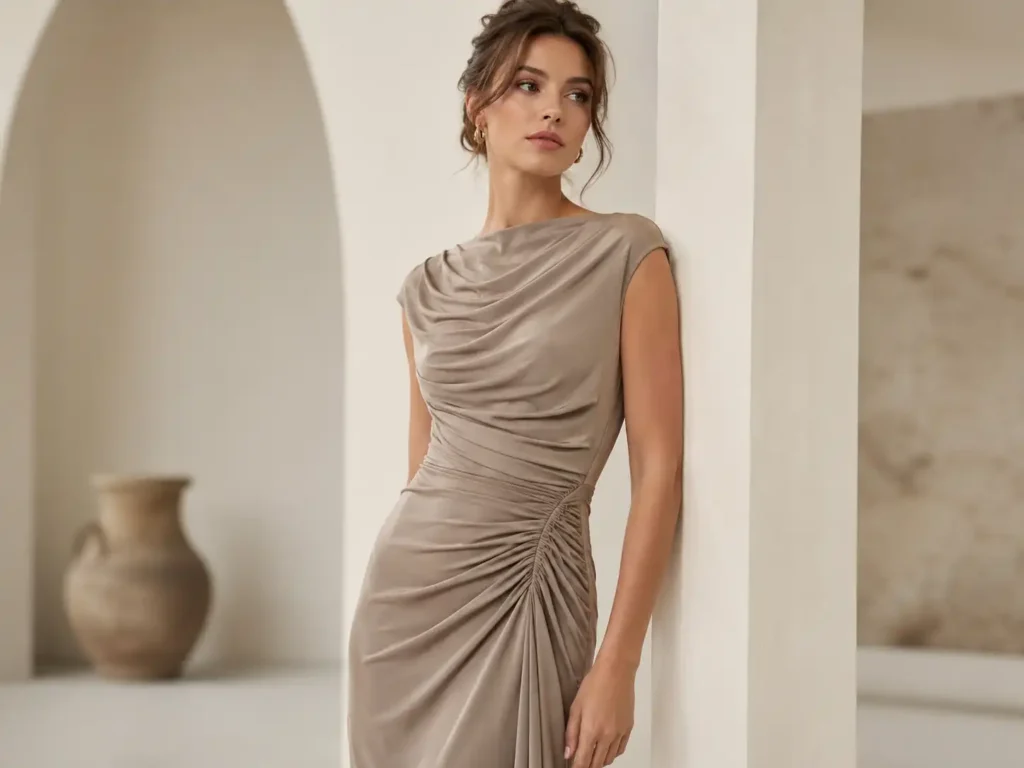
Controlled Ruching
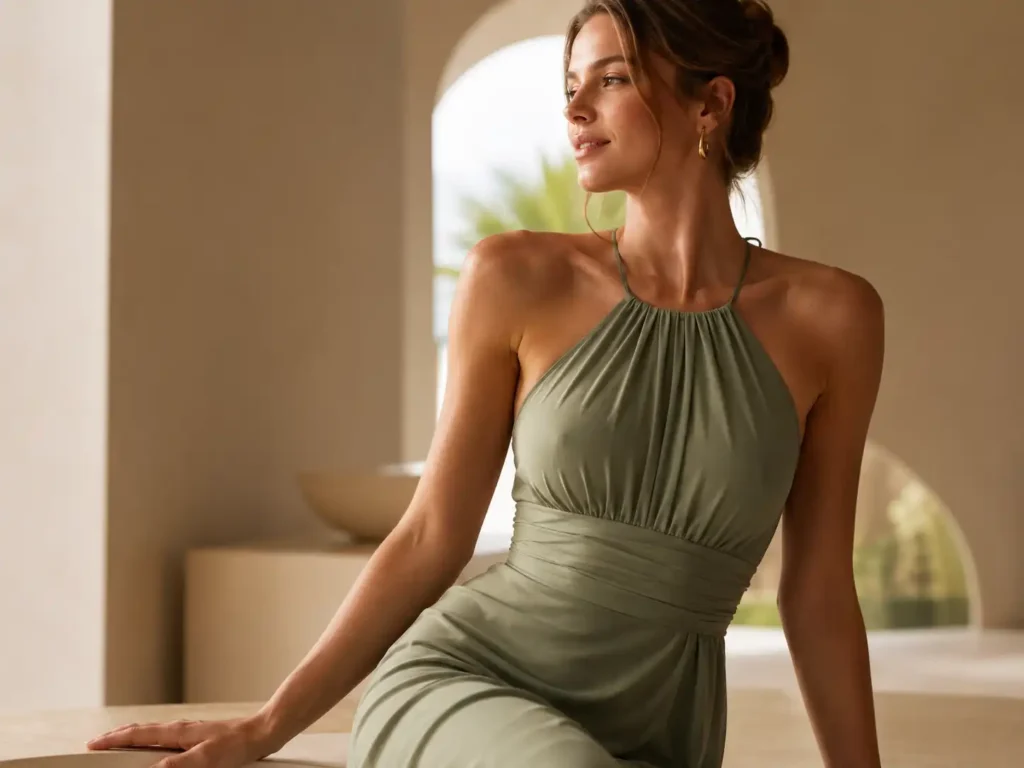
Halter and Straps
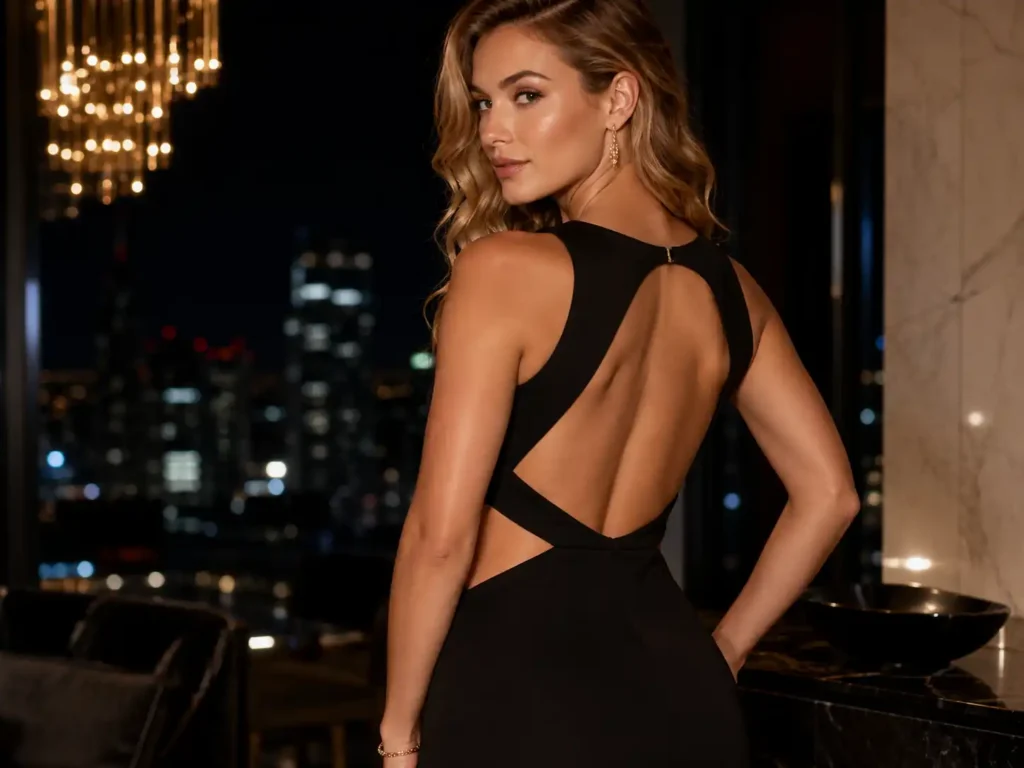
Backless and Cut-Out
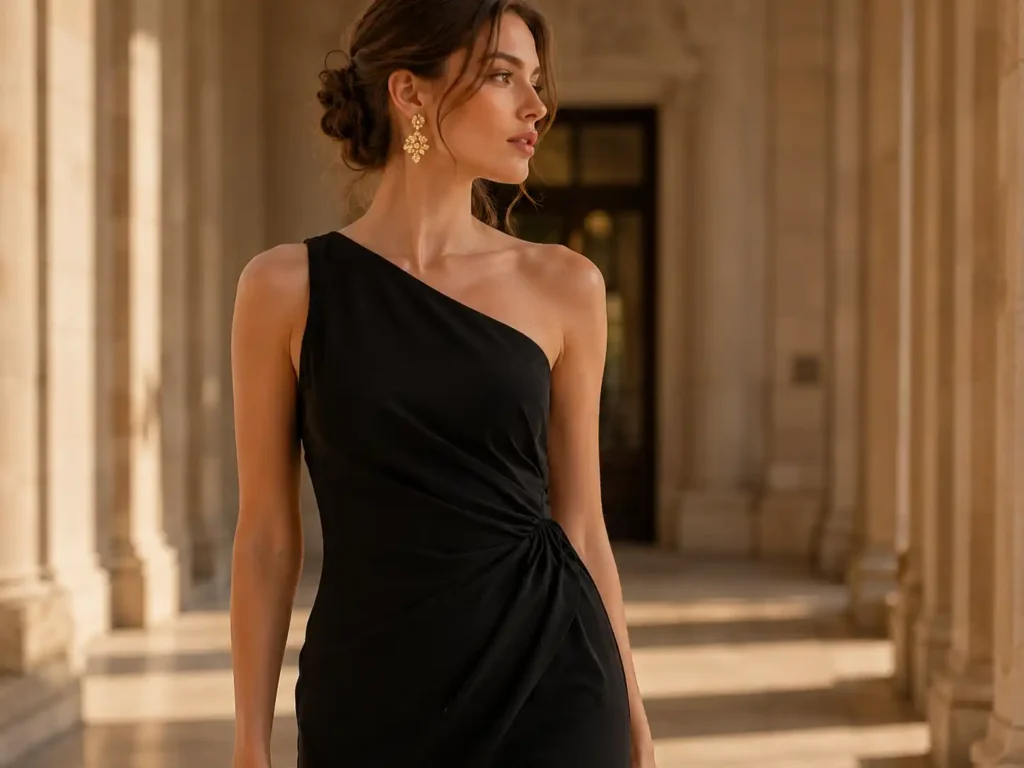
One-Shoulder Balance
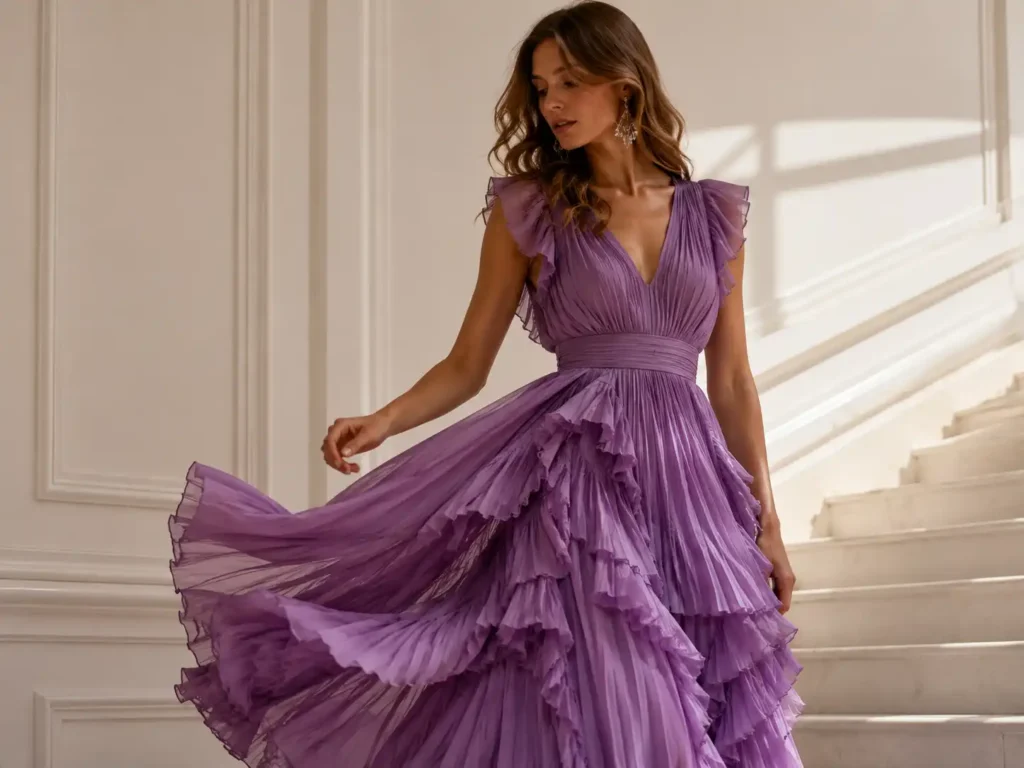
Pleats and Ruffles
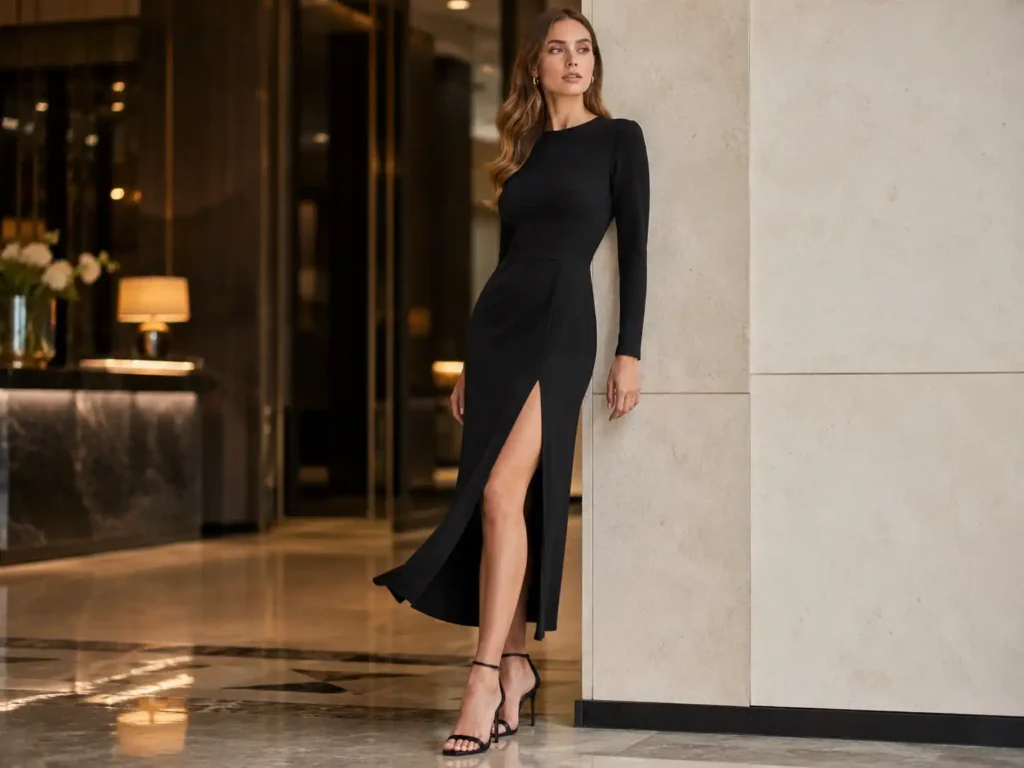
Slits and Openings
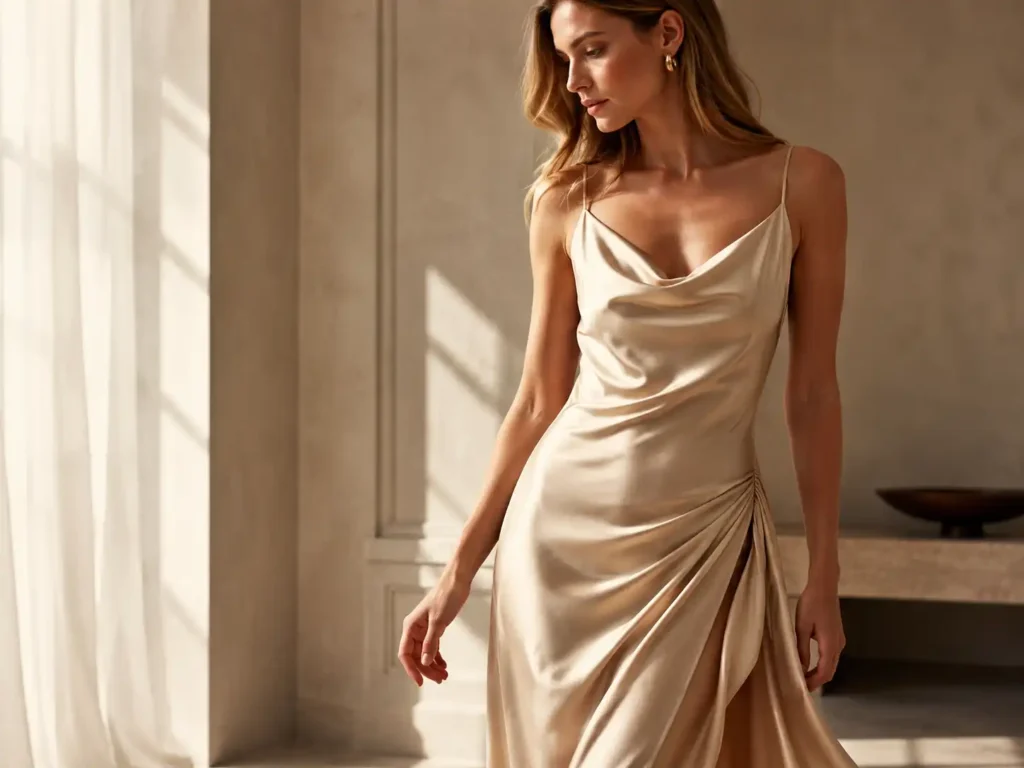
Drape and Bias
Workmanship Standards Behind Premium Brown Dresses
Clean Zipper Setting
Stable Seam Construction
Lining Integration
Hem and Edge Finish
Thread and Topstitch
Pressing and Packing
Sampling Workflow for Brown Dress Development

Project Review
Reference images, tech packs, original samples, sketches, line sheets, size charts, fabric swatches, quantity plans, and target market information are reviewed. The team identifies structure, brown color direction, fabric requirements, trim risk, MOQ, sample needs, and questions requiring clarification before pattern work begins.

Fabric Direction

Pattern Development

First Sample

Fit Review
Revised Sample

PP Sample

Golden Sample
Sample and Delivery Planning Without False Promises
| Planning Stage | Typical Inputs | Timing Drivers | Release Condition |
|---|---|---|---|
| Project assessment | Tech pack or references, style list, quantity, colors, sizes, target date | Completeness of specifications, design clarity, number of styles, missing measurements | Open questions listed; feasibility, sample route, and quotation basis confirmed. |
| Fabric and trim readiness | Brown standard, fabric direction, lining, zipper, trims, label files | Stock availability, custom dyeing, special lace or sequin sourcing, mill and trim MOQ | Selected materials approved for sampling or clearly marked as temporary substitutes. |
| Trim sourcing reference | Standard or special zipper, metal trim, labels, hangtags, packaging | Standard zippers often need about 3–10 working days; special zippers or metal developments can require roughly 7–25 days, subject to supplier confirmation | Required trim sample, specification, color, and quantity basis confirmed. |
| First or revised sample | Approved pattern direction, sample fabric, trims, size chart | Style complexity, corset structure, lace placement, sequin handling, pattern changes, material readiness | Internal measurement and appearance review completed before photos, video, or shipment. |
| PP and production booking | Approved fit, fabric, color, trims, labels, packaging, quantity and size ratio | Client approval speed, bulk fabric arrival, line availability, color count, style count, inspection window | PP approval recorded; final pattern, BOM, sewing instruction, and QC checklist released. |
| Bulk and delivery plan | Confirmed PO, packing guide, carton marks, warehouse rules, forwarder information | Order quantity, production complexity, batch plan, QC time, packing, air or sea route, warehouse appointment | Inspection and packing completed; shipment documents and pickup plan confirmed. |
How Approved Samples Become Repeatable Bulk Standards
Bulk consistency comes from disciplined transfer, not memory. Every approved visual and technical decision must reach production, inspection, finishing, packing, and future repeat-order records.
Final Pattern, BOM, and Color Records
After fit and construction approval, bulk-relevant changes are transferred into the final pattern, grade rule, size chart, BOM, fabric record, trim record, color approval, and sample revision history. Brown programs also record the controlling shade reference, lining direction, zipper and thread selection, surface direction, and any approved tonal difference between components. These files reduce dependence on informal chat messages and give merchandising, production, and QC teams one aligned standard. When one base style is extended into a new brown shade or another fabric, the original records are reviewed, but the new material still receives its own color, fit, and production assessment.
Sewing Instruction and Line Handover
The approved PP or Golden sample is paired with sewing instructions covering seam type, allowance, stitch density, thread, zipper position, lining method, ruching, boning, cups, slit, label placement, finishing, and packing. Production allocation considers which owned factory or long-term production partner is most suitable for the fabric and construction.
Complex first-time styles remain with experienced units; stable repeat styles or planned batches can be distributed within the controlled network. Inline inspectors compare early output with the sealed standard so corrections occur before a problem spreads across the order.
Change Control After PP Approval
PP approval creates a production lock. Later changes to brown shade, fabric, lining, trims, measurements, construction, labels, hangtags, polybags, carton marks, or packing method can affect material orders, labor, price, and delivery. Requested changes are therefore reviewed for feasibility and documented before action. A significant change may require a revised sample, updated PP approval, new material confirmation, or a schedule adjustment.
Formal change control protects both the brand and factory from assuming that a late request is visually simple when it alters pattern, sourcing, or production planning.

Production Allocation for Multi-Style Brown Dress Orders
6 Owned Factories
10+ Long-Term Partners
18+ Sewing Lines
6+ Flexible Lines
100,000+ Monthly Capacity
Structured Teams
Quality Control Built Around Brown Dress Risks
Incoming Fabric Check
Shade and Direction
Cutting Inspection
Inline Sewing Check
Measurement Review
Appearance Inspection
Finishing and Label Check
Packing and Shipment Check
Private-Label Finishing for Retail-Ready Brown Dresses
Brand and Size Labels

Care Content

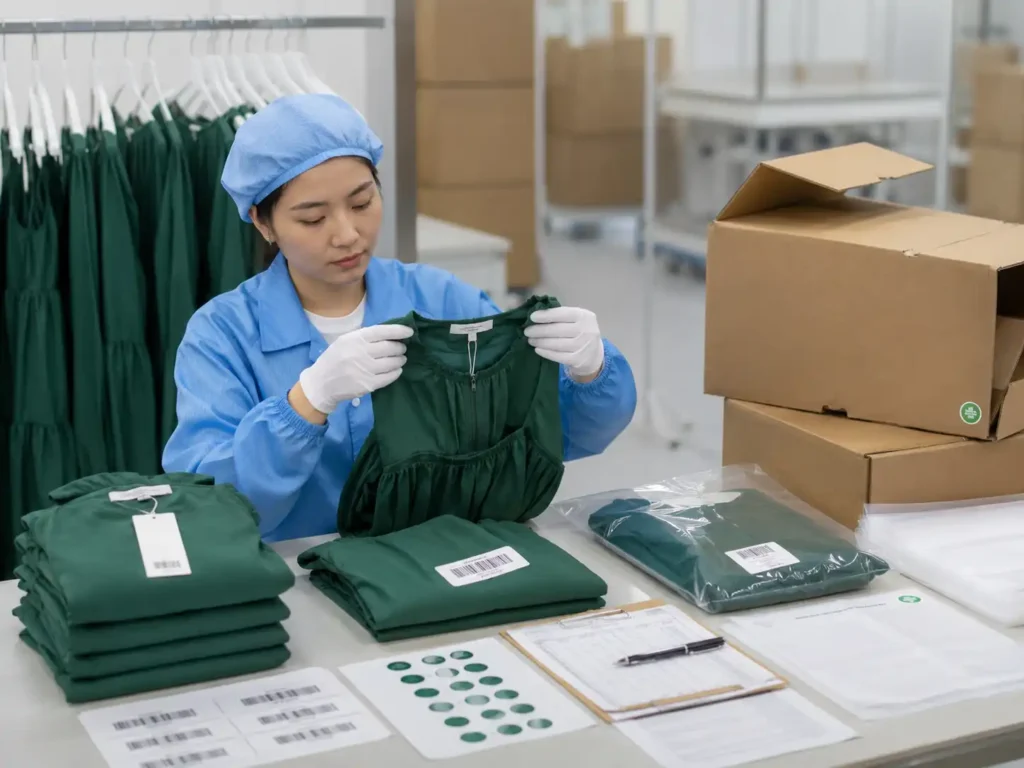
Hangtags and Barcodes
Polybags and Folding
Cartons and Marks
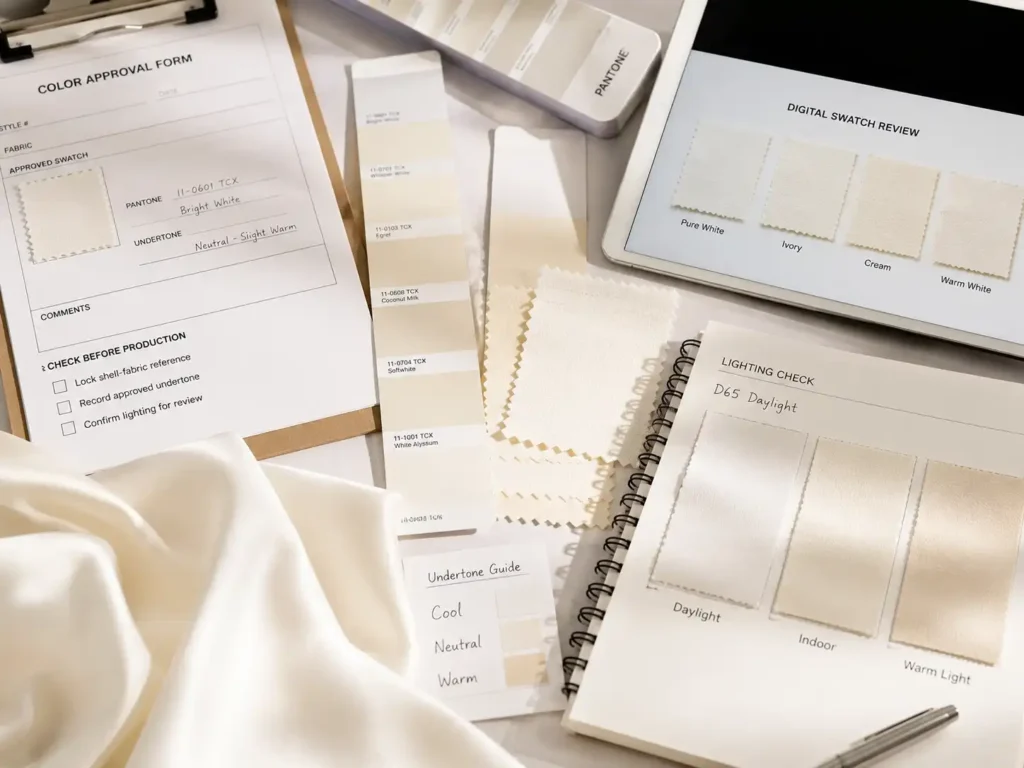
Repeat-Order Records
MOQ and Order Planning for Brown Dress Collections
Per Style and Color
Multiple Brown Shades
Special Trims and Packaging
Multi-Style Collections
Cost Control Without Weakening Brown Dress Design
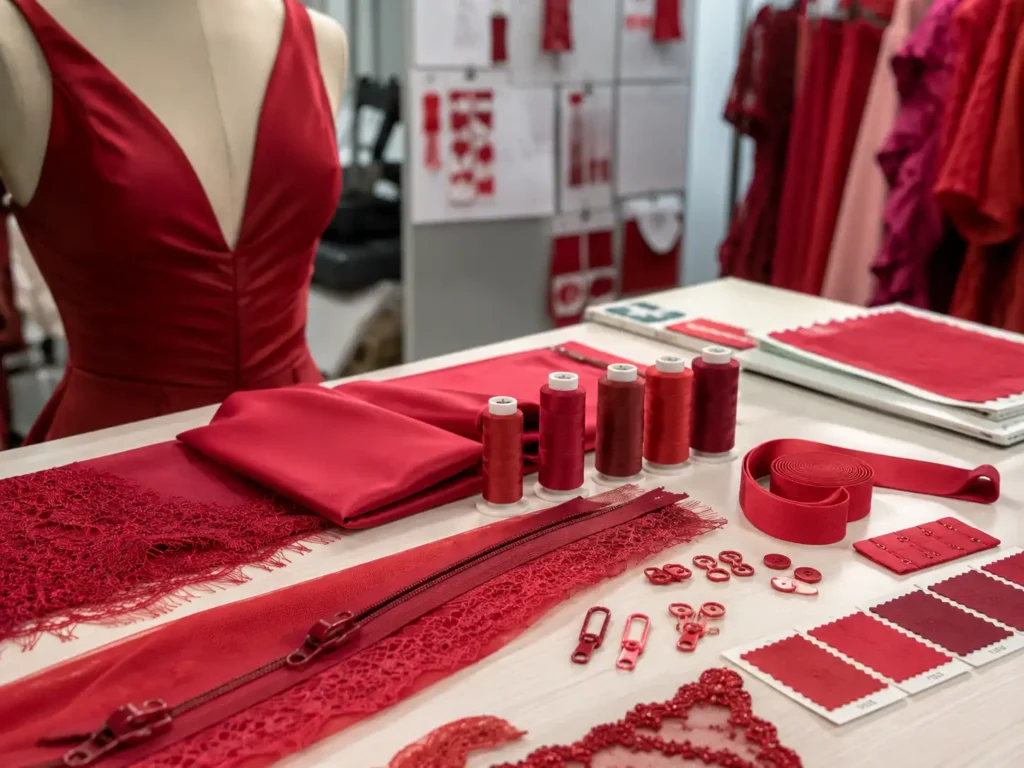
Fabric and Lining Options
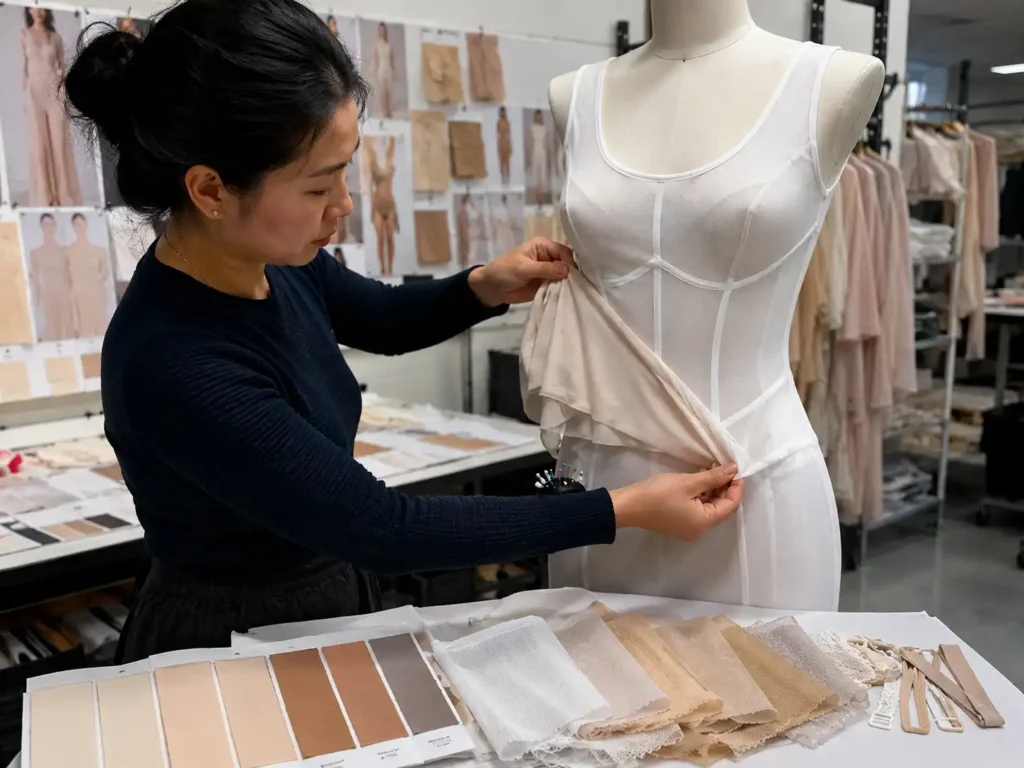
Construction Optimization
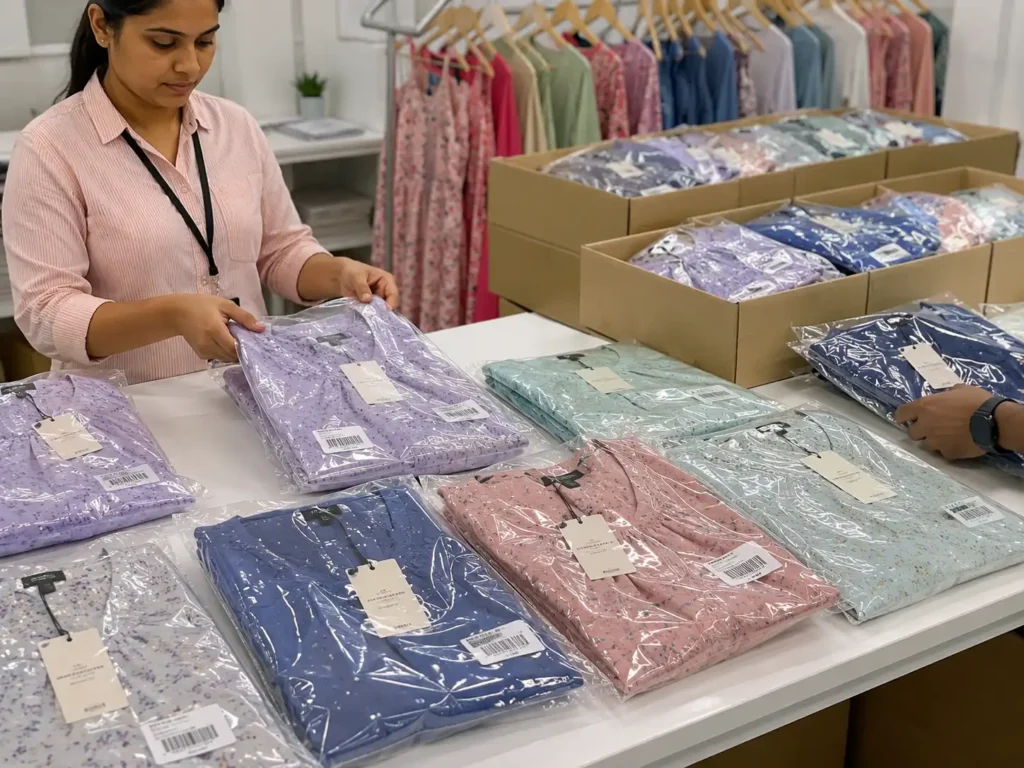
Order and Packing Planning
Brown Dress Manufacturing Case Studies
The following anonymized cases represent different brown dress development programs, covering premium occasionwear, contemporary resort collections and large private-label seasonal productions. Brand identities, original designs and commercial information remain confidential.

Case 1: Brown Occasionwear and Evening Dress Collection
Project Scope
A premium occasionwear brand developed a brown dress collection for wedding guest, cocktail, evening and seasonal event markets.
- Collection size: 20 dress styles
- Product categories: chocolate satin dresses, espresso evening dresses, mocha corset dresses, lace occasion dresses and velvet formal styles
- Materials: satin, stretch satin, lace, velvet, crepe, mesh and structured lining systems
- Construction details: fitted bodices, corset structures, elegant necklines and flowing evening silhouettes
- Requirement: luxury brown tones with consistent fabric appearance and premium finishing
Development Challenges
Brown occasionwear requires careful control because different surfaces create different visual depth.
Key challenges included:
- Maintaining chocolate and espresso tones across fabrics
- Controlling satin shine direction
- Preventing velvet pile from changing perceived shade
- Matching lining and trim colors
- Maintaining structured fit and support
Manufacturing Approach
The development team created a fabric-specific brown approval process.
Key controls included:
- Physical brown shade reference approval
- Fabric swatch comparison across materials
- Shell and lining coordination
- Corset and support structure review
- PP sample confirmation before bulk production
Additional attention was given to:
- Cup and boning position
- Zipper stability
- Lace placement
- Velvet handling
- Pressing and protective packing
Manufacturing Value
The collection achieved a premium brown occasionwear appearance through coordinated control of color, fabric behavior, structure and finishing.
Case 2: Brown Resort and Contemporary Fashion Collection
Project Scope
A contemporary fashion brand developed a brown collection focused on resort, elevated casual and modern daywear markets.
- Collection size: 15 dress styles
- Product categories: camel crepe dresses, coffee maxi dresses, taupe office dresses, cinnamon knit dresses and relaxed midi styles
- Materials: crepe, chiffon, rayon, viscose, jersey, ponte and linen blends
- Construction details: relaxed silhouettes, flowing skirts, soft tailoring and comfortable fitted styles
- Requirement: natural brown tones with commercial wearability
Development Challenges
The collection needed to balance natural texture, comfort and retail consistency.
Main challenges included:
- Maintaining warm brown undertones across natural fabrics
- Controlling shrinkage and fabric movement
- Protecting soft drape after lining
- Managing wrinkle behavior during transportation
- Keeping different brown shades visually connected
Manufacturing Approach
The project focused on fabric behavior and commercial fit.
Key controls included:
- Selecting fabric according to silhouette and season
- Reviewing brown shades under natural lighting
- Testing drape and garment movement
- Adjusting lining based on opacity and comfort
- Confirming travel-friendly packing methods
Additional production controls:
- Fabric batch inspection
- Shrinkage review
- Seam stability checks
- Hem balance inspection
- Clean finishing standards
Manufacturing Value
The collection maintained a refined contemporary style while achieving comfortable wearing performance and export-ready presentation.
Case 3: Large Private Label Brown Dress Collection Program
Project Scope
An established fashion brand required a seasonal brown dress assortment covering multiple shades, fabrics and retail categories.
- Collection size: 30 dress styles
- Production scale: 70,000+ pieces
- Product categories: brown mini dresses, midi dresses, maxi dresses, bodycon dresses, corset dresses and evening styles
- Materials: satin, mesh, lace, jersey, chiffon, velvet, crepe and sequin fabrics
- Requirement: consistent quality across multiple SKUs, colors and delivery batches
Development Challenges
The program required coordination across different brown shades and product structures.
Major challenges included:
- Managing chocolate, espresso, mocha, camel and taupe directions
- Maintaining shade consistency across different fabrics
- Controlling different lining requirements
- Managing size grading across silhouettes
- Preventing SKU and packing errors
Manufacturing Approach
The collection was divided according to product structure and production risk.
Premium Brown Evening Group
Focused on:
- Chocolate and espresso shades
- Satin and velvet surface control
- Corset construction
- Internal support systems
Soft Brown Resort Group
Focused on:
- Camel and coffee tones
- Chiffon, viscose and linen blends
- Drape control
- Travel-friendly packing
Manufacturing Value
The program demonstrated that large brown dress collections require both manufacturing capacity and detailed control of color, fabric, fit, quality and retail delivery.
Brown Dress Manufacturer Frequently Asked Questions
MOQ starts from 200 pieces per style/color. Fabric availability, custom dyeing, special trims, construction complexity, packaging, and production schedule may raise the required commitment. A quantity breakdown by style, color, and size allows a precise review.
Yes, the team can work from Pantone, a physical swatch, original garment, approved cutting, or another agreed reference. Final approval depends on the selected fabric because satin, mesh, lace, jersey, velvet, and crepe display brown differently.
Usually yes. Custom dyeing depends on fabric type, dye mill requirements, lab dip approval, fabric consumption, color standard, and schedule. Stock colors are often easier to plan at 200 pieces per style/color, while custom dyeing is evaluated separately.
Suitable options include satin, stretch satin, mesh, power mesh, lace, jersey, ponte, crepe, chiffon, rayon, viscose, velvet, sequin fabric, suiting, cotton blends, and linen blends. Selection follows silhouette, opacity, stretch, drape, occasion, cost, and QC risk.
Common commercial programs such as XS–XL can be planned with a workable size ratio. Extended size, petite, tall, or special cup and length programs are reviewed separately because grading, fit points, material consumption, packing, and measurement QC may change.
A fixed time is not quoted before project review. Timing depends on material readiness, style complexity, number of styles, pattern changes, special trims, custom dyeing, approval speed, and whether revised, PP, or Golden samples are required. A working schedule is issued after assessment.
Production booking follows PP approval, bulk fabric readiness, confirmed quantities, size ratios, labels, packing files, and line availability. The delivery plan also includes QC, finishing, carton preparation, freight method, forwarder coordination, and warehouse receiving requirements.
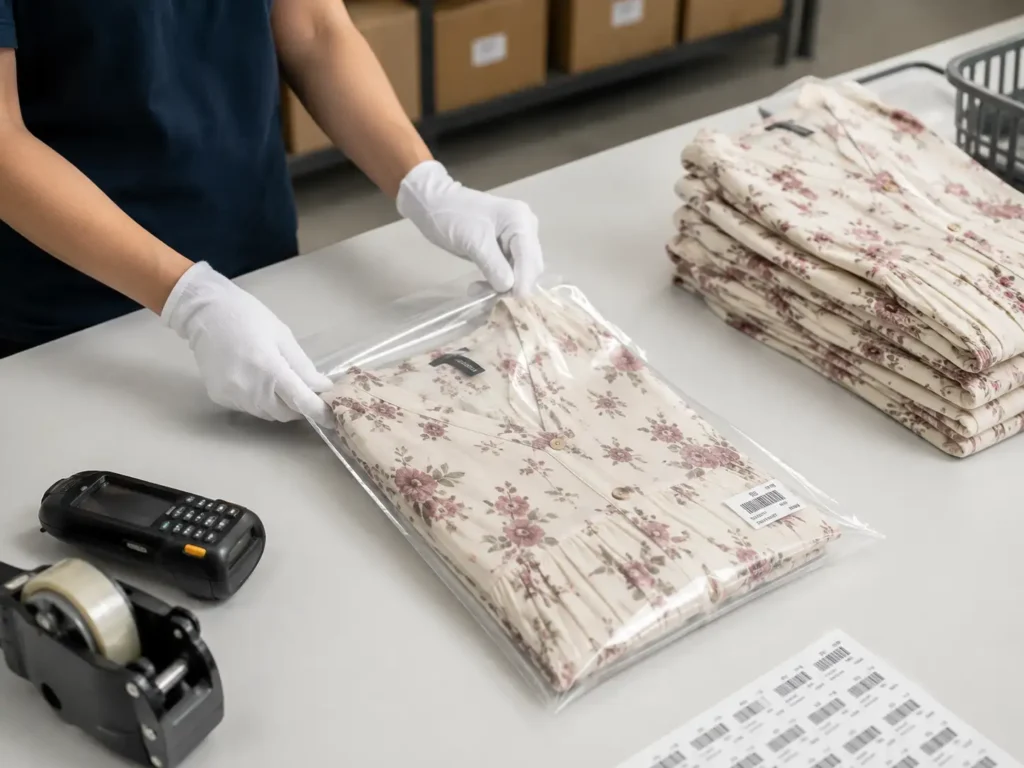
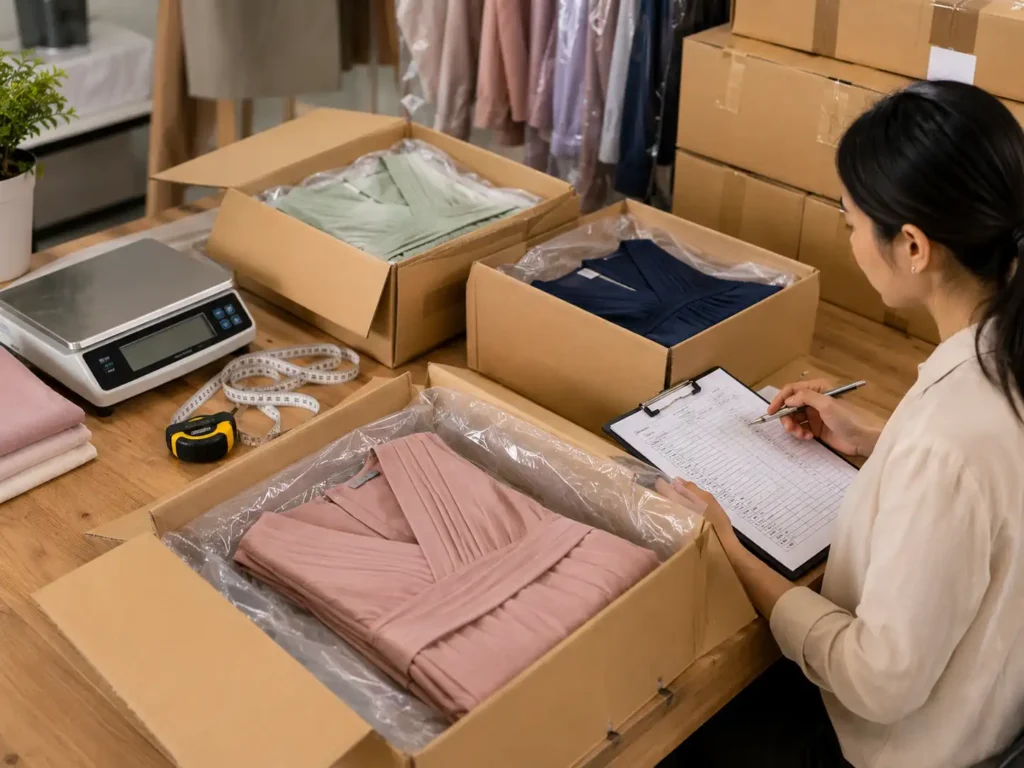
Yes. Services can include brand labels, size labels, care labels, hangtags, barcodes, SKU stickers, polybags, folding, carton marks, and warehouse labels. Custom packaging materials may have their own supplier MOQ and development time.
The approved reference is connected to lab dip or stock swatch approval, bulk lot review, shade separation where needed, fabric direction, lining, zippers, thread, trims, and QC records. Repeat orders use retained records but still require confirmation for a new dye lot.
Send reference images or a tech pack, style list, target brown shades, quantity per style/color, size range, fabric direction, trims, private-label needs, destination, and target delivery window. More complete files produce a more accurate feasibility and cost review.

Start Your Brown Dress Manufacturing Project
Jinfeng Apparel supports global fashion brands and mid-to-large apparel programs from brown shade development and fabric selection through pattern work, sampling, PP approval, bulk production, QC, branded packing, and export coordination.
Kelly will organize the initial review and route the files to the relevant development, merchandising, sourcing, pattern, production, or QC team. A complete brief helps identify material risk, expected sample stages, order suitability, and missing information before quotation. NDA-based cooperation is available for tech packs, samples, patterns, labels, packaging, unpublished designs, order quantities, and launch plans.
- Company name, contact name, email, WhatsApp, and destination market
- Tech pack, reference image, original sample photos, sketch, or line sheet
- Target brown shade, Pantone or swatch reference, and preferred fabric direction
- Quantity per style/color, size range, and size breakdown
- Label, hangtag, barcode, polybag, carton, and warehouse requirements
- Target sample milestone, launch date, and required delivery window