Purple Dress Manufacturer

Custom purple dress development for fashion brands that need controlled shade approval, fabric-specific sampling, stable fit, scalable production and retail-ready delivery.

  • 8 core purple shade directions can be developed across satin, chiffon, mesh, lace, jersey, velvet, crepe and sequin surfaces, with each fabric reviewed for visual color, transparency, shine and bulk risk.
  • A standard production program begins from 200 pcs per style/color; fabric dyeing, special lace, sequin materials, trims and printed packaging may carry separate supplier requirements.
  • Ordinary dress first samples commonly require 10-15 days after material direction is confirmed; corset, lace, mesh and sequin styles commonly require 15-25 days, while custom-dyed materials follow mill lead time.
  • Jinfeng Apparel supports 10-30 style seasonal programs through 6 owned factories, 10+ long-term production partners, 2 sample rooms, 7+ senior pattern makers, 20+ sample machinists and 15+ QC inspectors.

Manufacturing Scale for Purple Dress Programs

Purple collections need more than fabric availability. A workable supplier structure must support color review, parallel sampling, multi-style production, QC separation and repeat-order records without losing control between departments.

Since 2008

Long-term womenswear manufacturing experience covering dresses, skirts, jumpsuits, matching sets and private-label fashion programs.

6 Owned Factories

Production allocation can be matched to woven dresses, stretch dresses, occasionwear structures and multi-style seasonal orders.

10+ Production Partners

Long-term satellite resources add capacity flexibility when style groups, fabric groups or delivery batches require separate allocation.

100,000+ Pcs Monthly

Regular monthly capacity supports established programs with multiple colors, sizes and shipment batches after PP approval and material readiness.

2 Sample Rooms

Pattern, fabric and construction decisions can be tested through first, revised, photo-ready, PP and Golden sample stages.

15+ QC Inspectors

Quality control covers incoming materials, cutting, sewing, measurements, finishing, packing and pre-shipment checks according to project requirements.

Built for Structured Fashion Development Programs

Jinfeng Apparel works best when a brand team has a clear assortment direction, measurable product requirements and a real route from sample approval into production. The operating model is designed around development discipline rather than open-stock purchasing.

Best-Fit Programs

The strongest fit includes global fashion labels, occasionwear and partywear collections, premium ecommerce programs, sourcing offices, design teams and private-label dress lines planning multiple styles, colors and sizes. A clear launch calendar, quantity plan and approval structure allow pattern, fabric, color and production teams to work from the same commercial objective.

  • Seasonal lines: 10-30 coordinated styles with clear priorities.
  • Volume planning: Quantity defined per style and per color.
  • Development input: Tech pack, original sample, sketch, line sheet or reference image.
  • Approval route: Fabric, color, fit, trims, PP sample, packing and QC standards.

Project Readiness

A productive inquiry includes enough information to evaluate fabric route, shade development, pattern risk, sample cost and production capacity. Reference images alone can start an assessment, but quotation accuracy improves when measurements, fabric preferences, color standards, size ratios, packaging needs and delivery windows are also available.

  • Core files: Tech pack, measurement chart or original sample whenever available.
  • Color input: Pantone reference, physical swatch or approved garment.
  • Quantity input: Planned units per style/color and size breakdown.
  • Commercial input: Target market, launch date, packing route and inspection needs.

What Strong Purple Dress Manufacturing Requires

Purple is not a single production instruction. A reliable program connects dress engineering with color science, fabric behavior, sample approval, production records and retail handling. Six capability areas determine whether a shade concept can become a repeatable collection.

Dress Development

Pattern makers need to interpret bust, waist, hip, neckline, strap, slit and hem requirements as a complete silhouette. A color-led program still fails when fit, lining coverage or movement is unresolved. Jinfeng Apparel reviews garment structure before sampling and updates pattern files when fabric stretch, weight or drape changes.

Defined Color Approval

Pantone references are useful starting points, yet fabric swatches and lab dips remain the working standards for production. Shade decisions are reviewed under relevant lighting and against the selected surface. Approval records should identify fabric type, supplier, dye lot, lining, zipper and thread rather than relying on a digital screen color.

Multi-Fabric Control

Satin reflects light, chiffon appears lighter through transparency, mesh changes over skin or lining, velvet shifts with pile direction and sequins add metallic reflection. A manufacturer must evaluate each surface separately while protecting the overall purple story across a collection.

Fit and Pattern Control

Bodycon, corset, strapless, slip, halter and maxi styles need different grade rules and tolerance priorities. Size development should follow the brand chart, with fitting feedback translated into measurable pattern corrections such as bust +1 cm, waist -2 cm or strap length -1.5 cm.

Scalable Production

Approved samples must transfer into final patterns, BOMs, trim cards, sewing instructions, color standards, measurement charts and packing requirements. Multi-style orders are grouped by fabric, construction and delivery priority so one delay does not automatically block the full assortment.

Retail-Ready Delivery

Brand labels, care labels, hangtags, barcodes, SKU stickers, polybags and carton marks must match the correct purple shade, size and style. Packing methods also need to protect satin from pressure marks, sequins from abrasion, velvet from pile damage and long dresses from heavy fold lines.

Purple Dress Styles We Develop

Each dress type below is managed through its own fabric direction, fit checkpoints, sewing risks and packing needs. Purple becomes commercially effective when color supports the silhouette and end-use rather than acting as a generic color option.

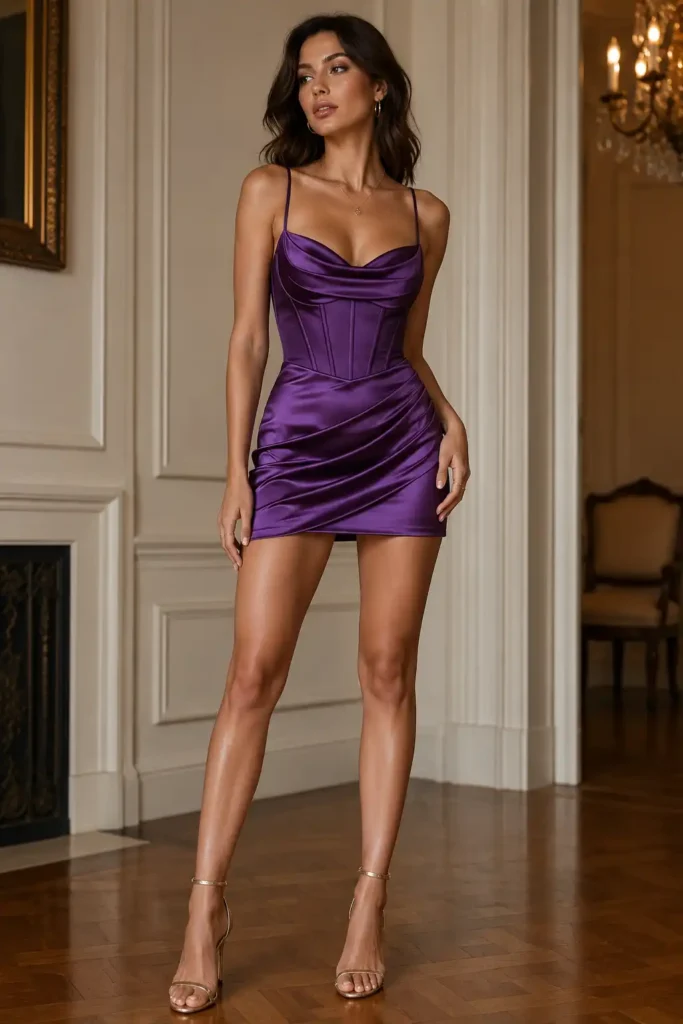
Purple Satin Mini

A satin mini dress depends on controlled shine, balanced hem length and clean zipper installation. Common structures include cowl neck, halter, corset, ruched and slip shapes. The selected satin is reviewed for weight, drape, snagging, opacity and crease recovery. Cutting direction is kept consistent because reversed panels can look like different colors under studio lighting. QC covers surface pulls, seam puckering, zipper waves, lining exposure, hem balance and pressing marks.

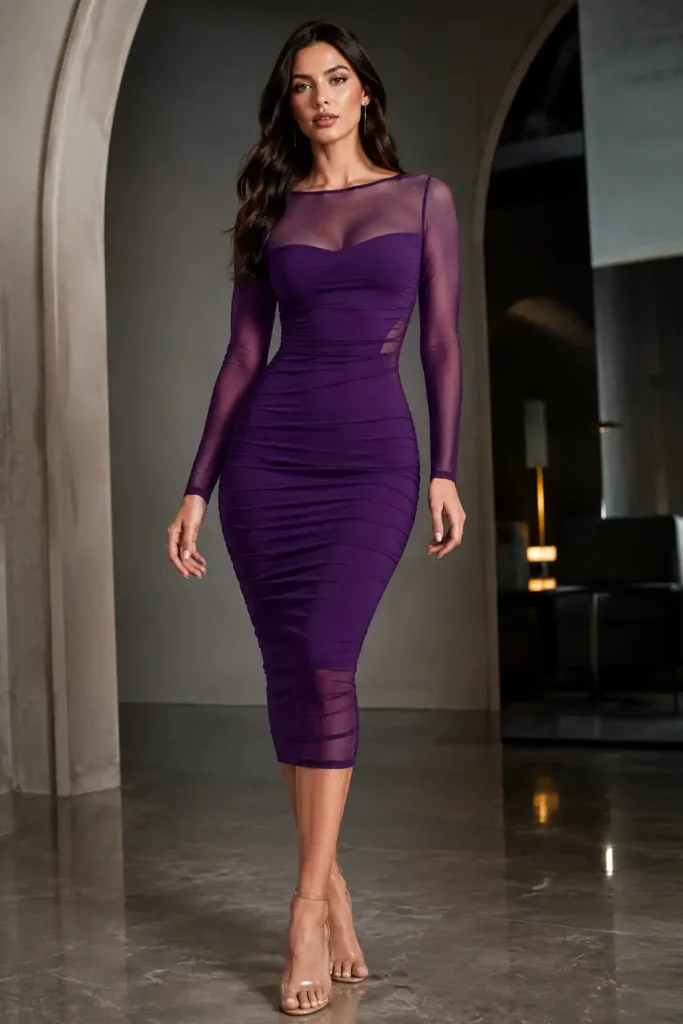
Mesh Bodycon Midi

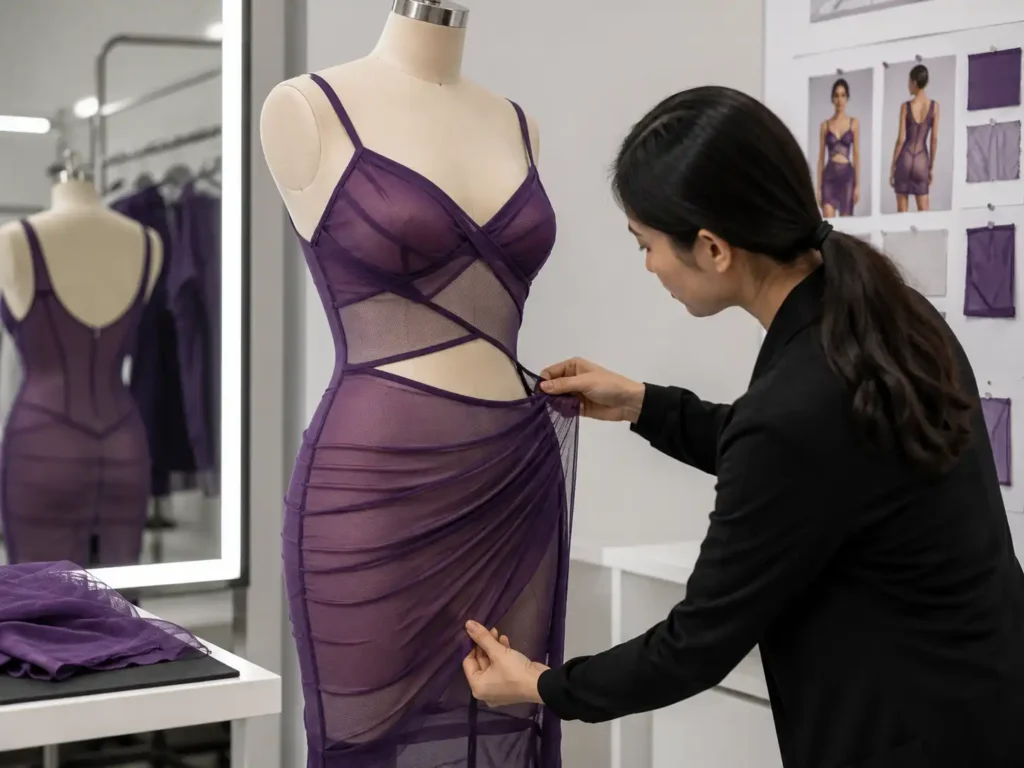
A mesh bodycon midi requires stretch mapping before pattern work. Outer mesh, power mesh, lining and elastic need compatible recovery so the garment follows the body without twisting or becoming transparent at stress points. Purple tone is judged over the intended lining and skin exposure. Sampling verifies bust security, waist placement, hip ease, neckline stability, slit height and sleeve comfort. Bulk checks focus on holes, skipped stitches, elastic tension, transparency and side-seam alignment.

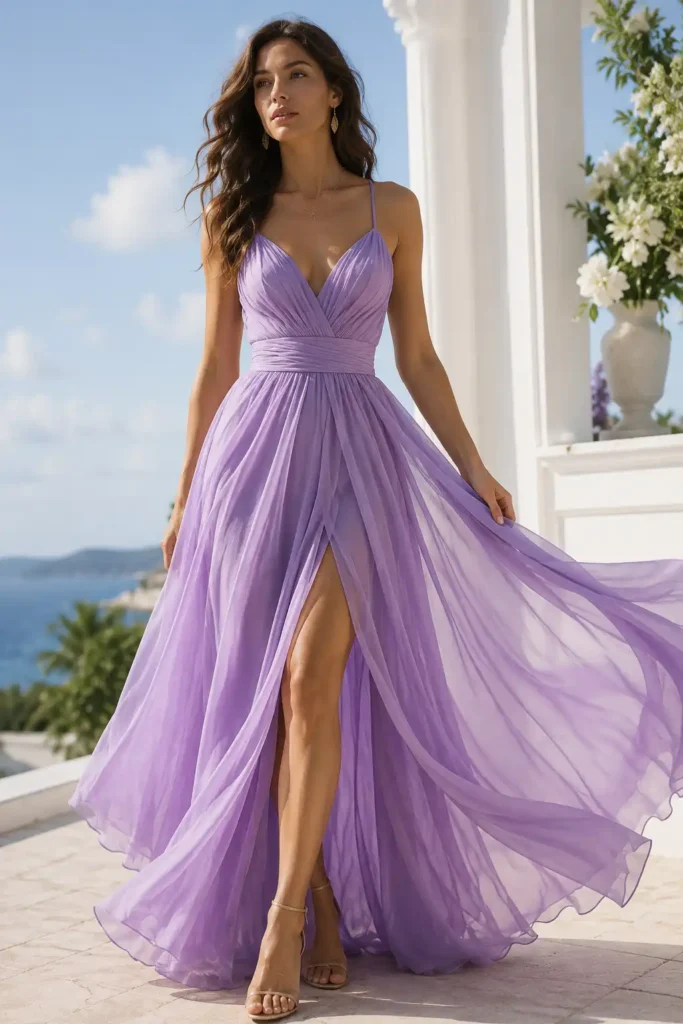
Chiffon Purple Maxi

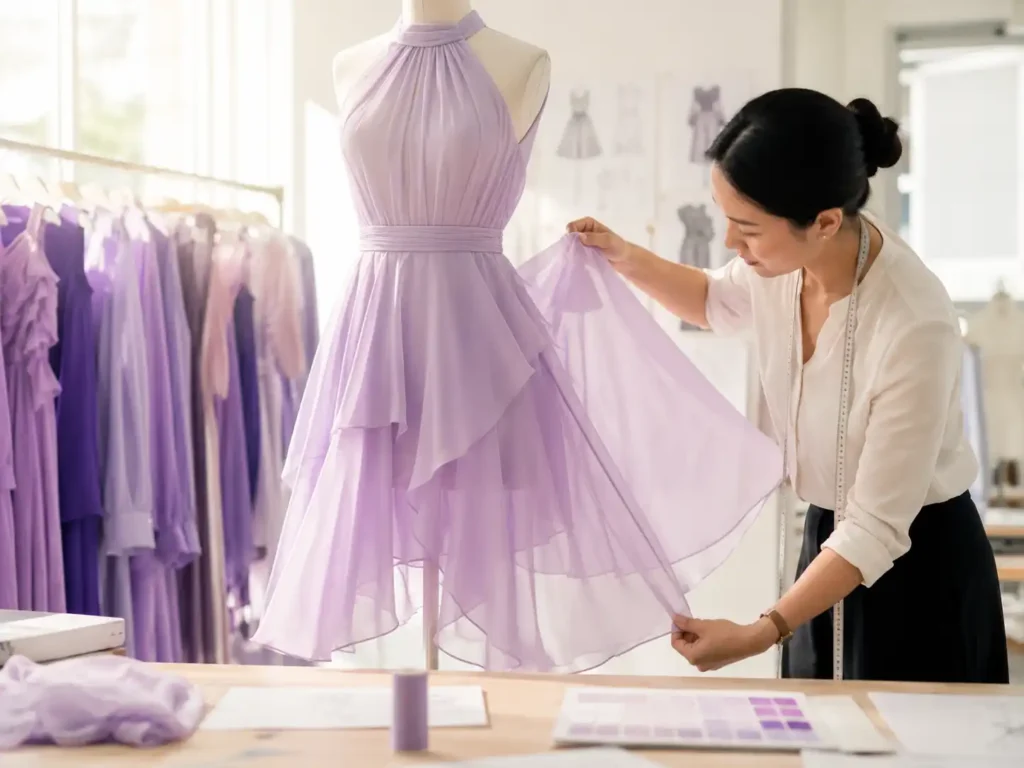
Chiffon produces a lighter, softer purple than opaque fabrics and often needs a coordinated lining. Maxi development considers shoulder stability, bust coverage, waist position, lining length, hem sweep and movement. Fabric slippage during cutting can distort panels, while uneven feeding can affect long seams and hems. Production control includes layer handling, grain direction, lining shade, snag prevention, narrow-hem quality, skirt-length measurement and final pressing with minimal shine or crushing.

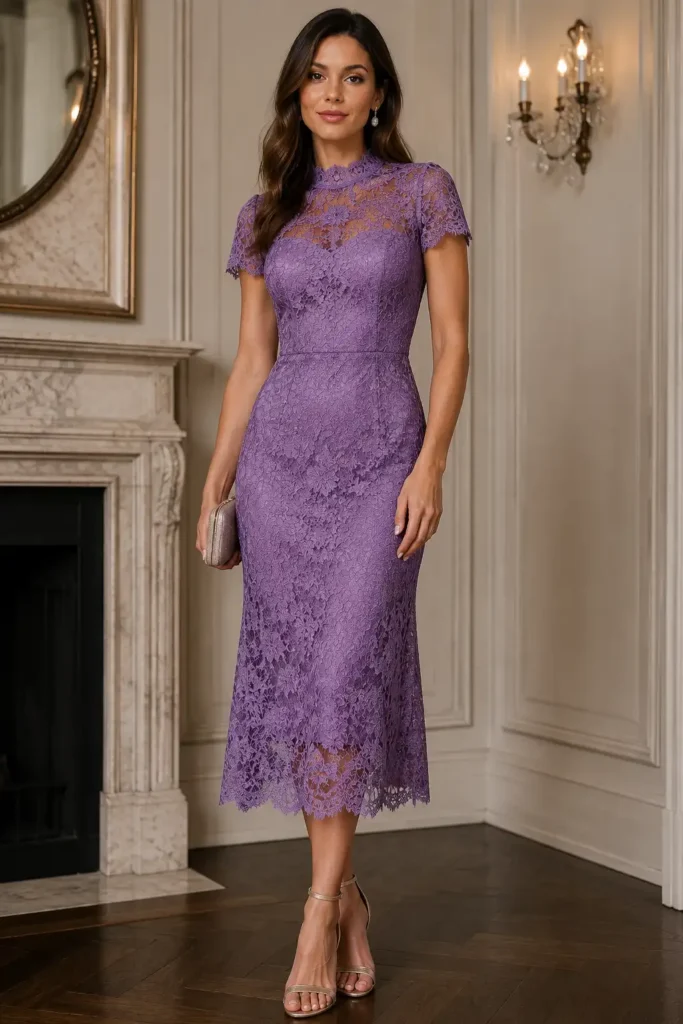
Lace Purple Midi

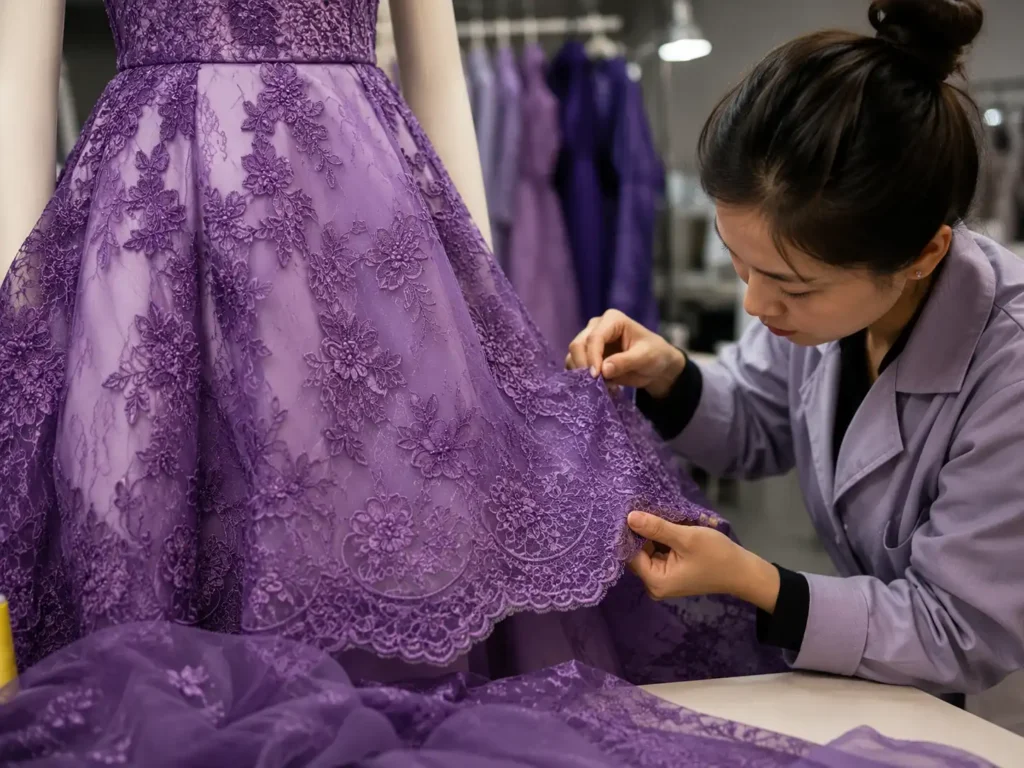
Purple lace is evaluated as a combination of motif, base net, thread color and lining rather than a flat shade. Development may involve all-over lace, lace panels, scalloped edges or tonal appliqué. Pattern placement matters around the bust, waist, center front and side seams. Cutting consumption rises when motifs require matching. QC covers motif balance, broken threads, uneven scallops, lining exposure, edge comfort, appliqué security and shade coordination between lace, lining, zipper and sewing thread.

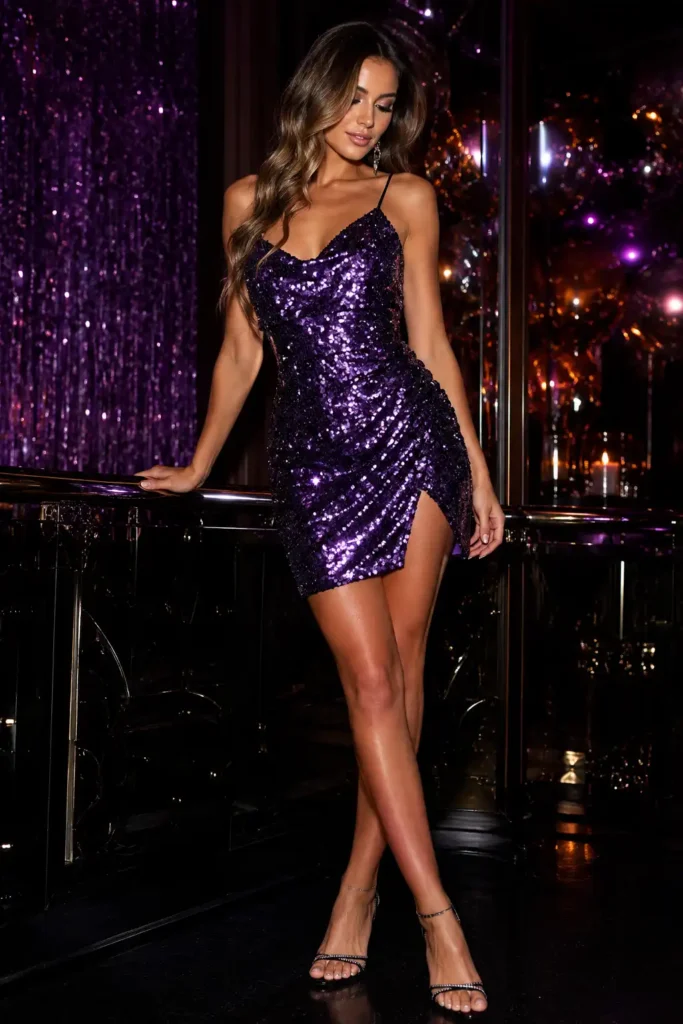
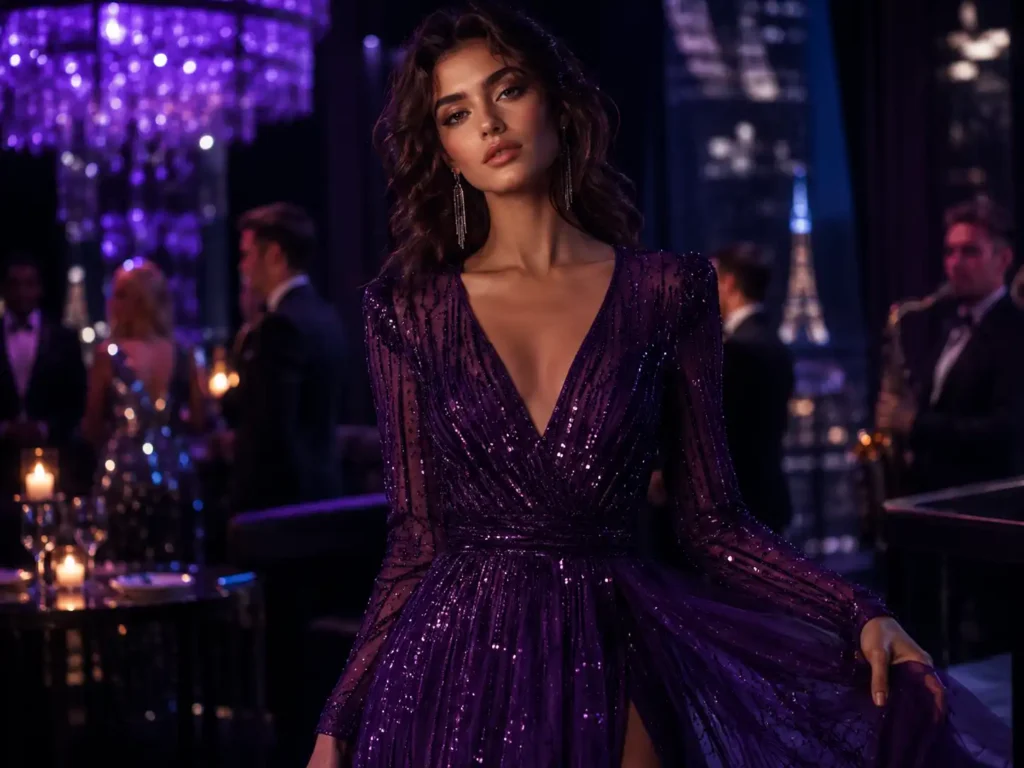
Sequin Party Dress

Purple sequin dresses create strong visual impact but introduce direction, weight and abrasion risks. Sequin size, backing fabric, density and reflection determine how the color appears under flash and event lighting. Construction planning protects seam areas from excessive thickness and skin contact. Sample review checks stretch, dress weight, neckline security and lining comfort. Bulk control covers sequin direction, missing pieces, broken stitches, sharp edges, seam allowance cleaning, pressing limitations and individual packing protection.

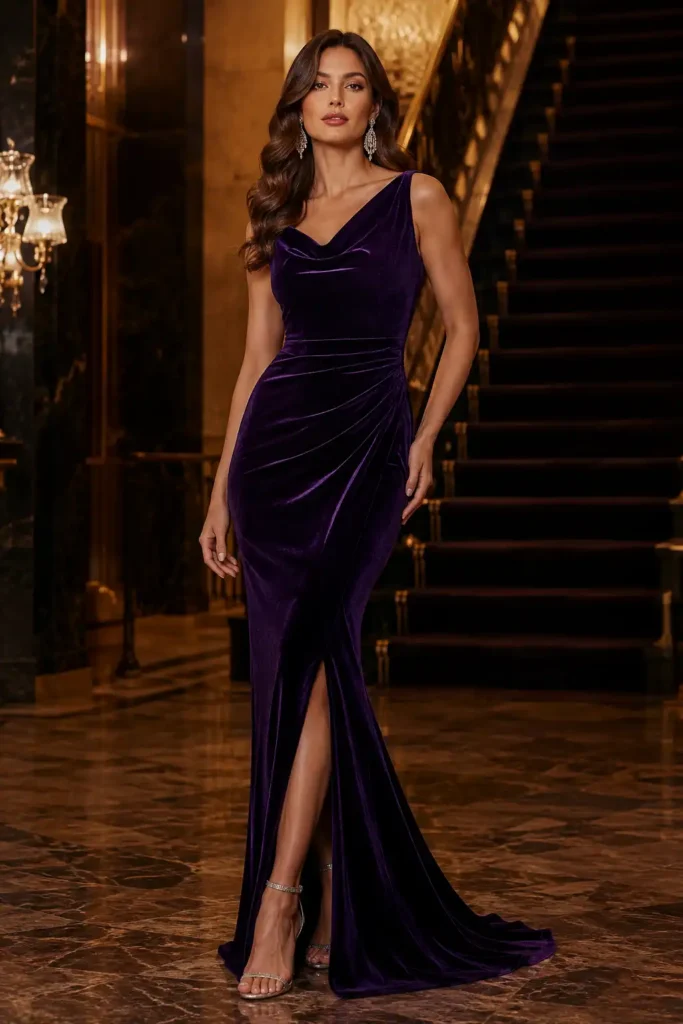
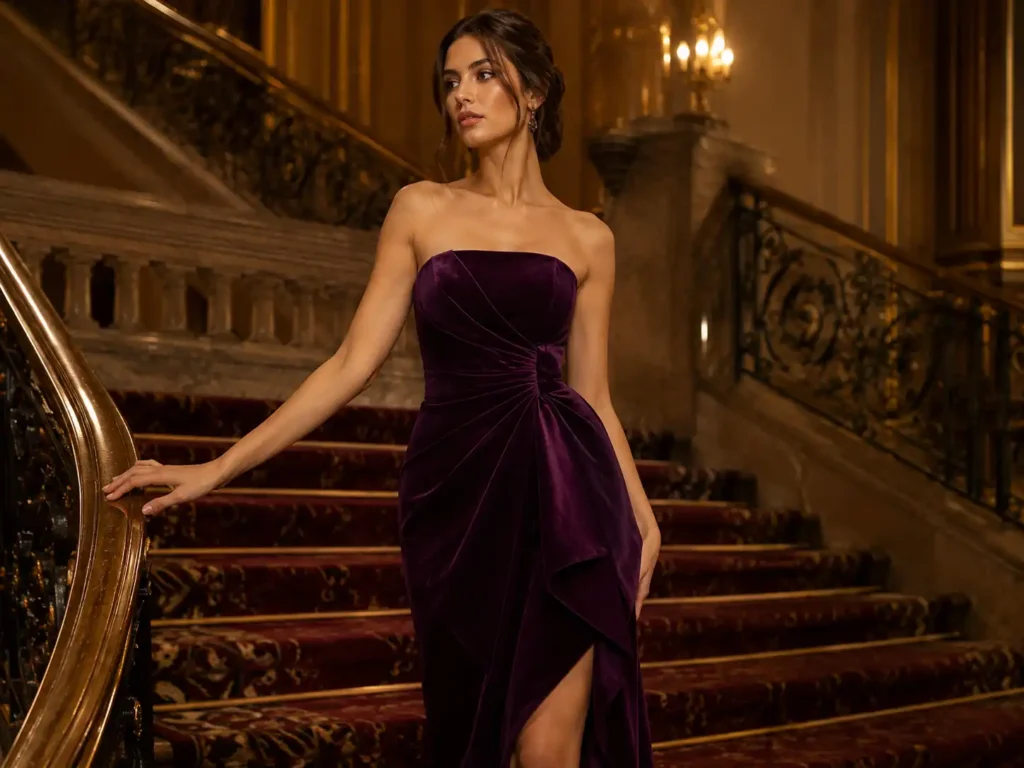
Velvet Evening Dress

Velvet can make aubergine, plum and deep purple appear highly dimensional. Pile direction must remain consistent across all visible panels; opposite directions create an apparent shade mismatch. Pattern work accounts for fabric weight, movement and pressure marks around darts, seams and closures. Sewing and finishing require low-friction handling. QC reviews pile direction, crushing, needle marks, seam impressions, zipper flatness, lining movement and packaging support so the garment arrives without permanent fold lines.

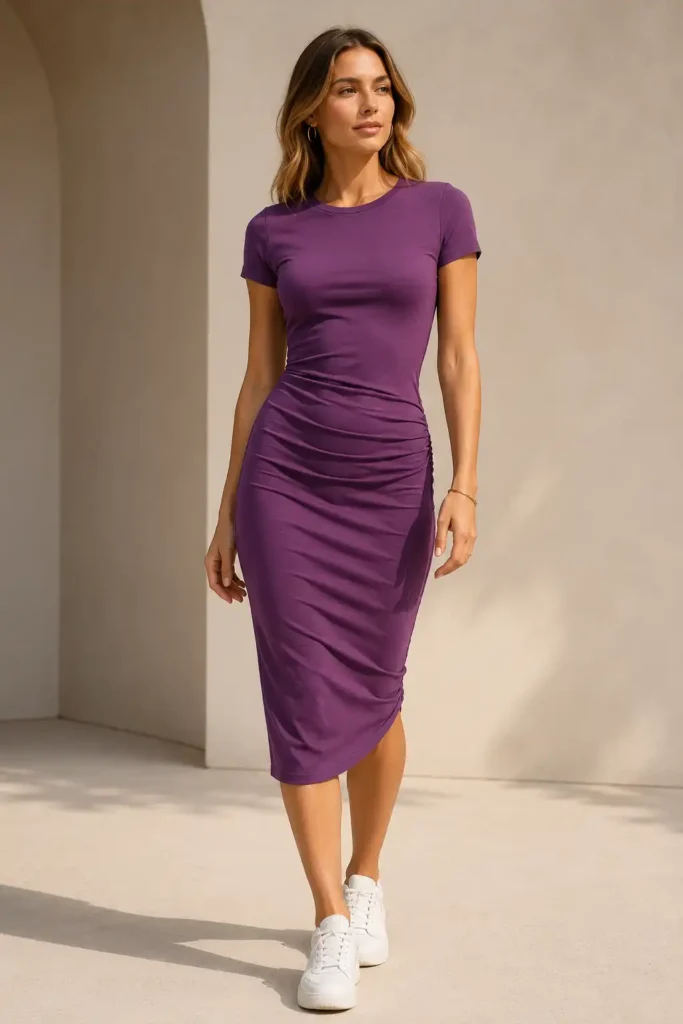
Jersey Fitted Dress

Jersey and rib structures produce a more matte purple with strong reliance on stretch recovery. Suitable products include ruched minis, fitted midis, cut-out dresses and long-sleeve bodycon shapes. Fabric weight, four-way or two-way stretch, recovery and opacity determine pattern reduction and seam choice. Size development needs controlled negative ease rather than simple measurement reduction. QC covers twisting, side-seam movement, neckline growth, skipped stitches, shrinkage, colorfastness and post-stretch appearance.

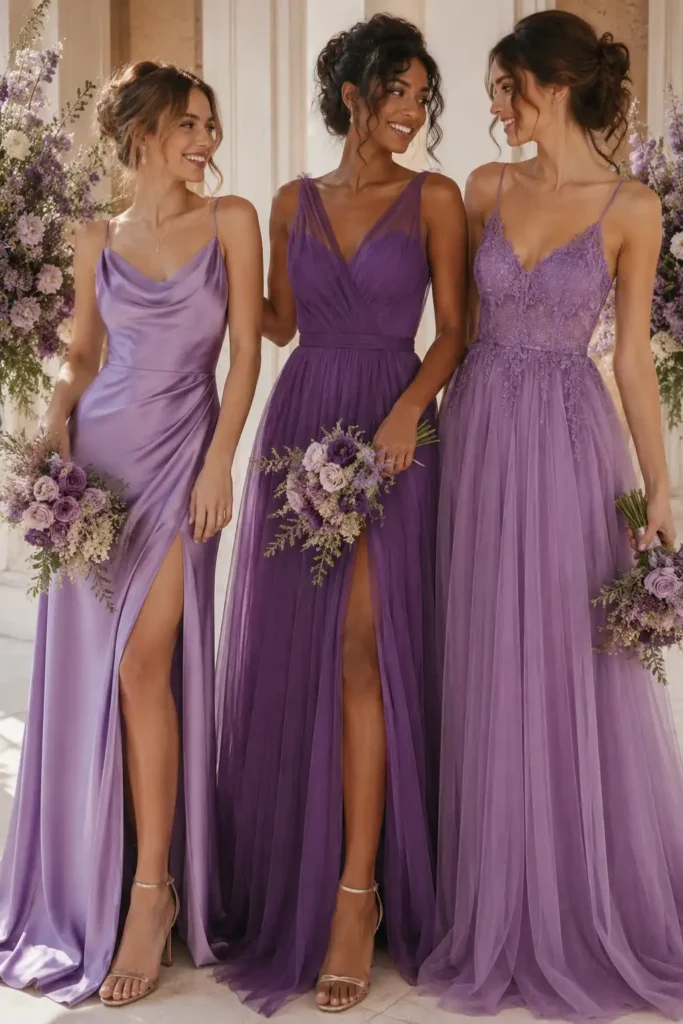
Prom and Bridesmaid

Prom and bridesmaid programs often need one purple story across several silhouettes, sizes and fabric layers. Satin, chiffon, tulle, lace and mesh may all appear in the same assortment, so matching focuses on visual harmony rather than claiming identical reflection. Development covers corset support, cup position, waist shaping, skirt volume, slit safety and long-length balance. Dye-lot separation, shade bands, size ratios, packing order and reorder records become especially important for coordinated event programs.

Purple Shade Directions for Fashion Collections
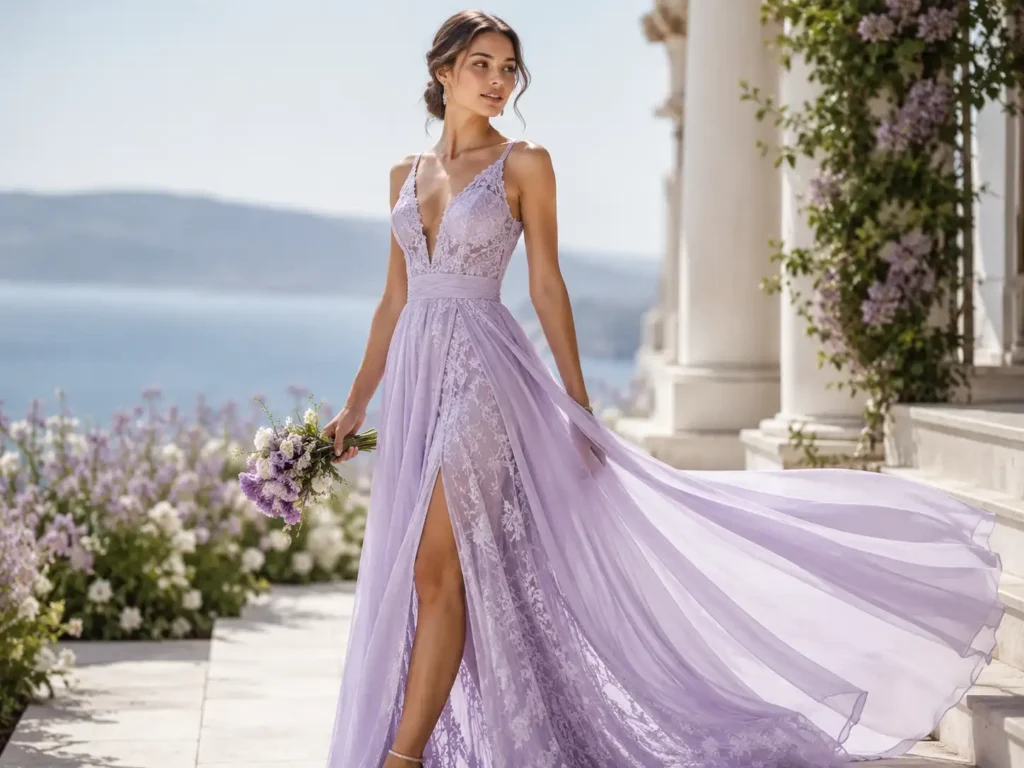
Shade names help communicate a mood, but production begins with a physical standard. Each direction below can shift according to fabric fiber, surface texture, light source, lining and dye route, so final approval must be tied to the selected material.

Lavender

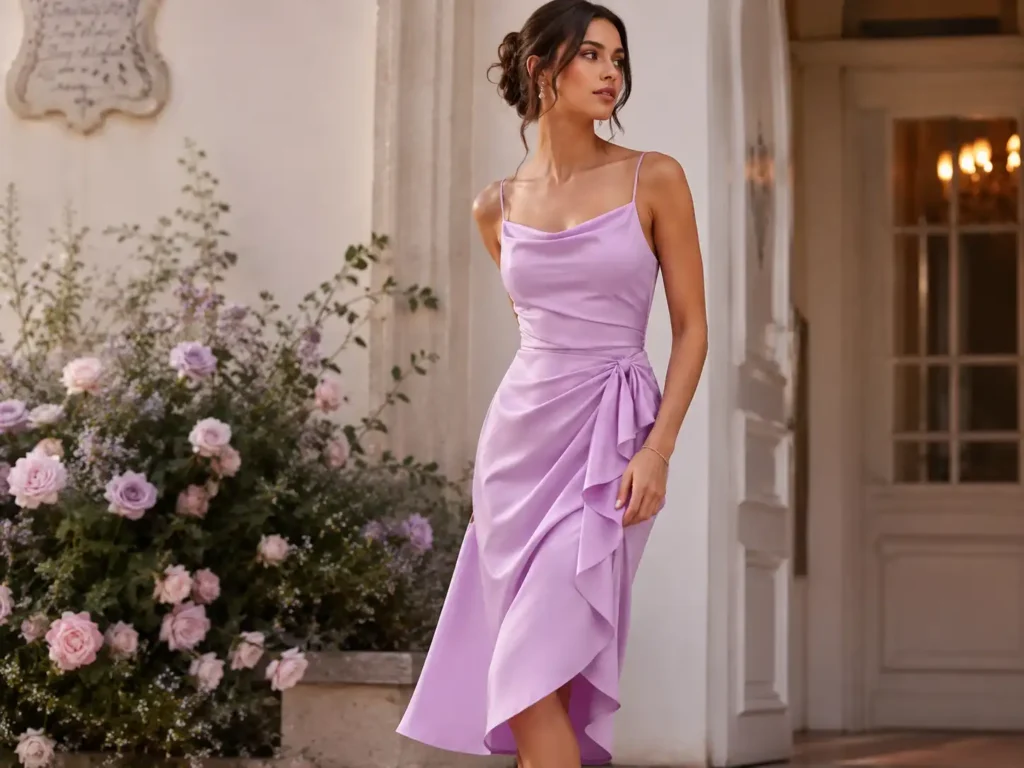
A pale, cool purple suited to spring, graduation, bridesmaid and resort collections. Lavender works well on chiffon, lace, tulle, lightweight satin and soft jersey. Light shades expose fabric transparency, lining mismatch and yellow or gray undertones more easily than dark colors. Review should include face-side fabric, lining combination and photography lighting before bulk approval.

Lilac

Lilac sits between soft purple and pink-violet, making it useful for romantic minis, midi occasion dresses and feminine capsule lines. The tone can appear warmer on satin and cooler on matte chiffon. Lab dips should compare red-blue balance, gray level and brightness. Tonal thread and zipper selection need care because a slightly warm trim can look visibly separate on a cool lilac fabric.

Orchid

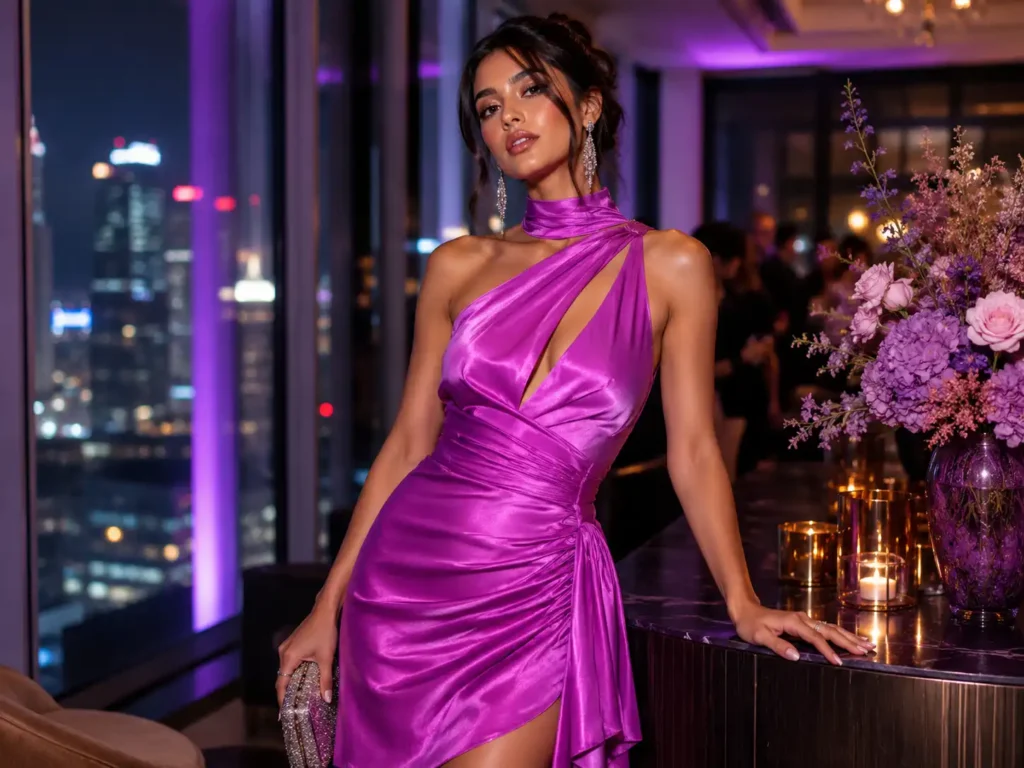
Orchid carries stronger saturation and a clearer pink influence. It suits partywear, wedding guest dresses, homecoming and statement ecommerce drops. Shiny surfaces amplify the color, while mesh or lace can soften it. Fabric approval should consider studio flash, retail lighting and skin exposure. Bright orchid shades also need colorfastness review where perspiration, rubbing or dark linings may create transfer risk.

Violet

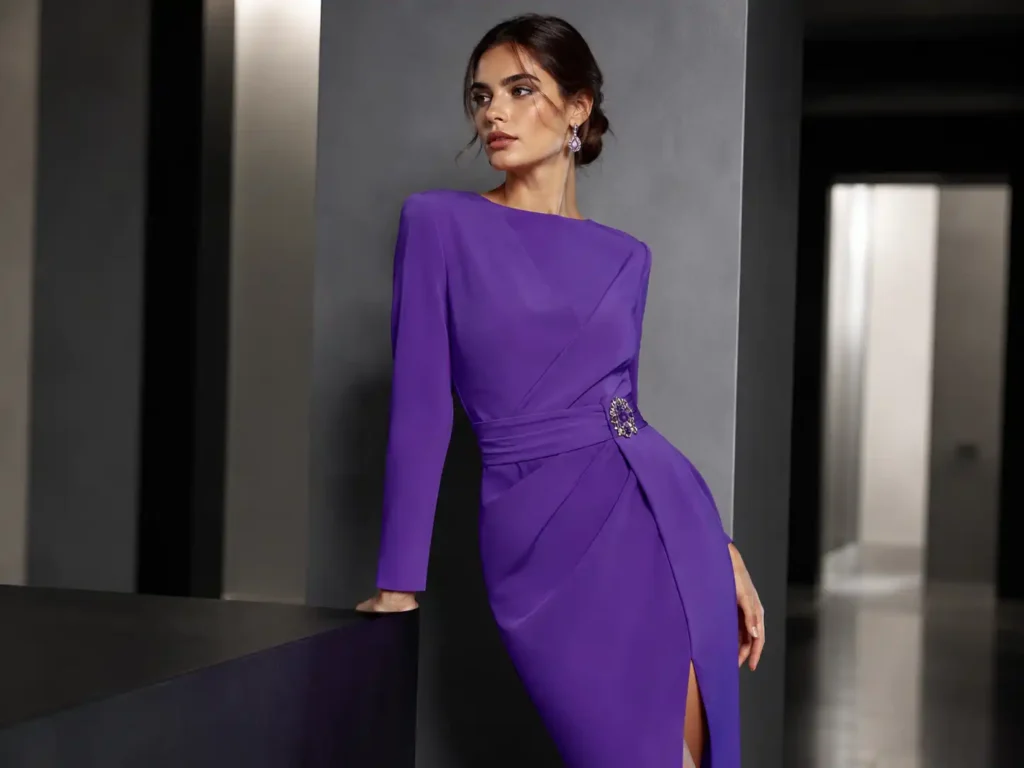
Violet is a more balanced blue-purple with strong fashion visibility. It performs well on satin, crepe, jersey, mesh and structured occasion fabrics. A precise standard is important because small shifts can move the shade toward royal blue or magenta. Bulk inspection should compare panels from the same dye lot and keep shade separation clear before cutting, sewing and packing.

Mauve Purple

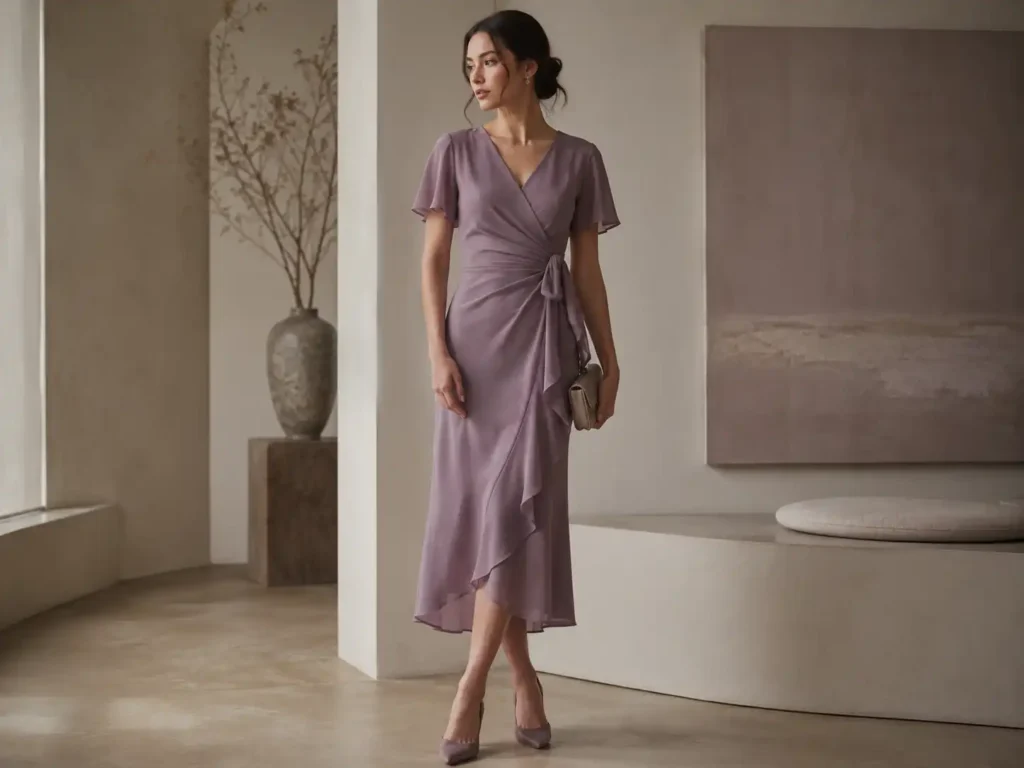
Mauve introduces gray and muted rose undertones, making it suitable for contemporary midi dresses, wedding guest programs and understated eveningwear. The shade can become dull if fabric surface or lighting is not considered. Matte crepe, lace and chiffon usually support the mood, while high-gloss satin may increase pink reflection. Approval should compare mood, depth and lining coordination rather than only hue.

Plum

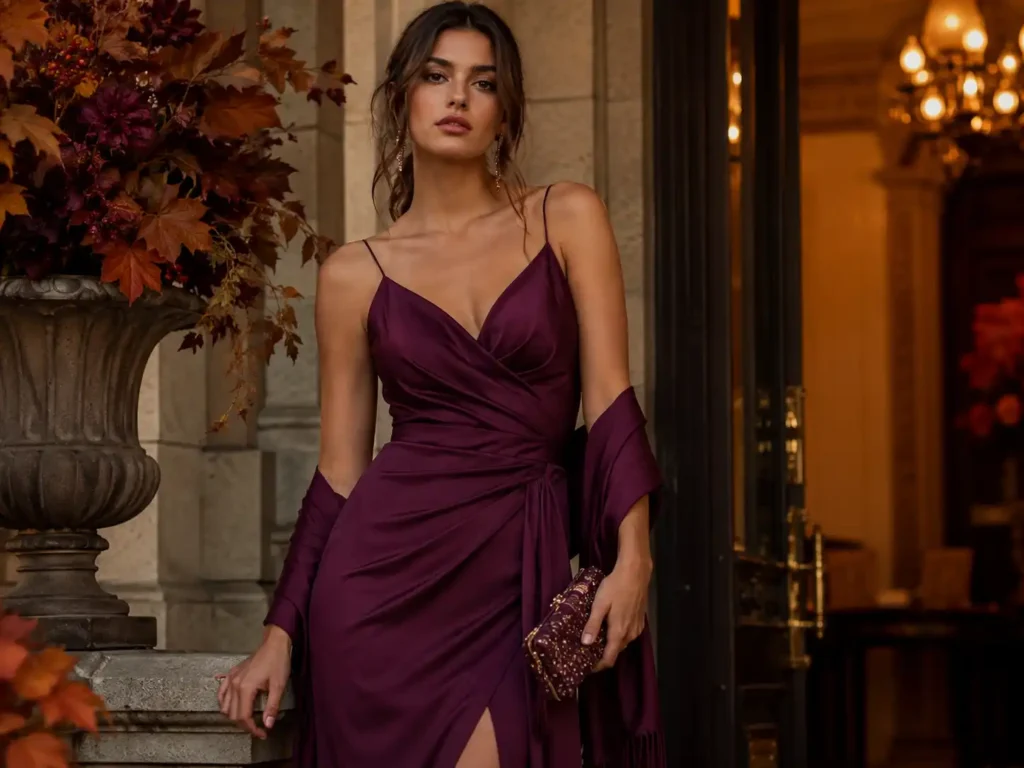
Plum is a rich red-purple direction suited to autumn partywear, evening dresses, velvet, satin and crepe. Darker shades can hide minor transparency but reveal pressure marks, seam shine and pile variation. A stable plum program requires clear shade tolerance, careful lot separation and attention to trim color. Black trims can harden the look, while tonal trims preserve a more premium finish.

Aubergine

Aubergine approaches deep eggplant purple with brown or wine undertones. The color is often selected for formal, winter and premium occasionwear. Velvet, heavy satin, lace and structured crepe produce different depth, so fabric approval should be completed on the final surface. Dark pile fabrics require direction control, while satin requires careful inspection for shine, rub marks and visible panel differences.

Deep Purple

Deep purple is visually strong for evening, party and holiday assortments. The main production risk is assuming all dark fabric pieces look identical. Surface shine, pile, sequin direction and dye-lot variation can create obvious differences under direct light. Shade bands, roll identification, cutting separation and finished-garment comparison help maintain a coherent result across style groups and shipment batches.

How Purple Changes Across Dress Fabrics

A single digital purple reference cannot predict the final garment across every surface. Fiber content, yarn structure, gloss, pile, transparency, stretch and lining all change perceived color. Approval must be fabric-specific and linked to the final dress construction.

FabricPurple AppearanceMain Production RiskApproval and QC Route
SatinHigh shine; light and dark zones change with direction.Panel direction, snagging, pressure marks, dye-lot difference.Lab dip or swatch, directional panel review, bulk shade approval.
ChiffonLight and airy; shade appears softer through transparency.Lining influence, layer count, snagging and uneven hem.Outer-and-lining combination, double-layer review, finished sample.
MeshColor changes over skin, lining and stretched areas.Transparency, recovery, holes, neckline growth.Stretched swatch, lining test, mannequin or fit review.
LaceMotif thread, base net and lining create a combined shade.Motif variation, broken threads, lining mismatch.Lace-and-lining board, motif placement sample, bulk roll check.
JerseyUsually matte; shade can lighten when stretched.Recovery, shrinkage, twisting and opacity loss.Relaxed and stretched view, wash test where required, fit sample.
VelvetDeep dimensional color with major pile-direction effect.Crushing, apparent shade change, needle marks.Pile-direction map, panel comparison, protected packing review.
SequinReflection shifts according to sequin material and direction.Missing pieces, sharp edges, backing color and lot variation.Material board, flash-light review, finished-garment inspection.
CrepeStable matte appearance with controlled depth.Drape, batch difference, seam impressions and shade flatness.Fabric swatch, drape review, lot record and garment comparison.

Purple Dresses for Distinct Fashion Markets
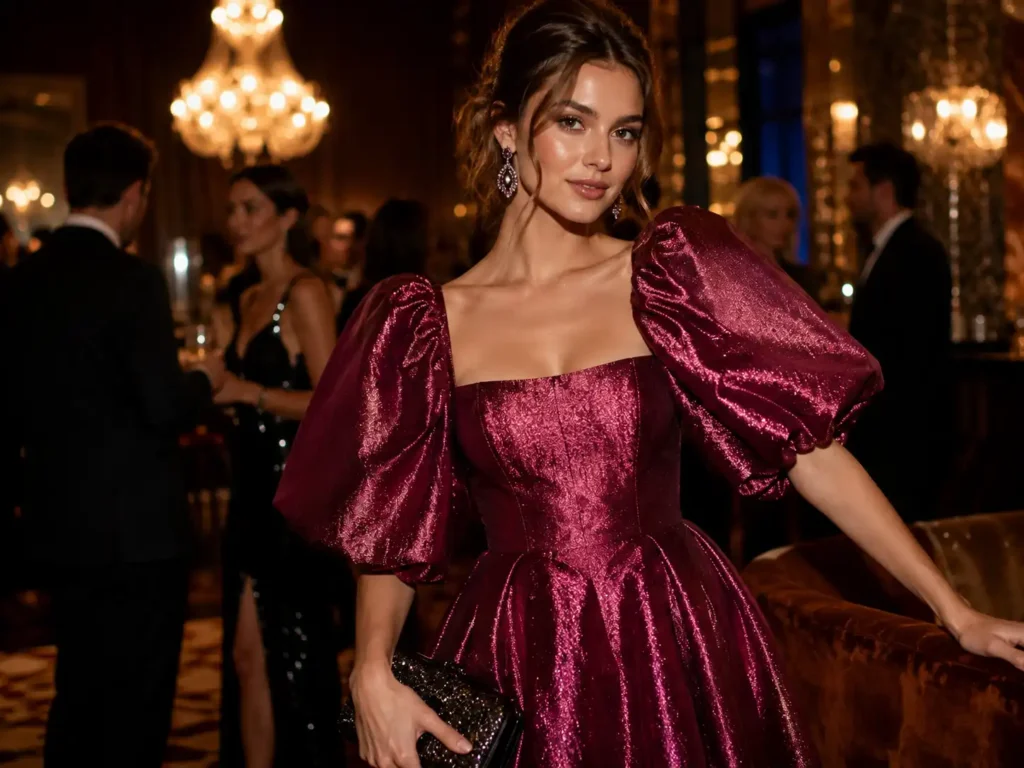
Commercial purpose changes product engineering. A prom gown, club mini and bridesmaid maxi may share a purple family, yet their support, coverage, movement, size plan and replenishment needs are different. Development begins from the selling occasion.

Party and Clubwear

Bodycon, ruched, cut-out, halter and backless silhouettes work with stretch satin, mesh, jersey and sequin. Development focuses on bust security, transparency, hip fit, seam recovery and movement under event conditions. Purple shade selection often favors violet, orchid, plum and deep purple for stronger photography and nightlife impact.

Wedding Guest

Midi and maxi silhouettes in satin, chiffon, lace and crepe need polished drape, lining comfort and refined finishing. Lavender, mauve, orchid and plum can support different seasonal palettes. Key controls include neckline coverage, waist position, slit height, hem balance and packing that protects long lengths from severe folding.

Bridesmaid Programs

A coordinated line may include several necklines and body shapes in one shade family. Dye-lot control, multi-size grading and consistent lining are central because garments are compared side by side. Reorder planning also matters when additional units are requested after the original fabric lot has changed.

Prom and Homecoming

Corset, strapless, fit-and-flare, tulle, sequin and satin constructions create strong fit and support requirements. Samples verify cup placement, boning, waist compression, skirt volume, slit safety and movement. Purple directions range from lavender and lilac to violet, plum and deep purple according to season and visual positioning.

Evening and Formal

Long satin, velvet, lace and crepe dresses rely on controlled structure, internal support, clean seams and disciplined pressing. Dark purple shades reveal pile direction and surface marks, while pale purple shades reveal lining and seam allowance. Final inspection includes length, symmetry, zipper, hem, shade and packing support.

Seasonal Capsules

A capsule can combine purple mini, midi and maxi dresses with matching tops, skirts or jumpsuits. Shared fabric and trim groups can improve visual consistency and production planning, but each style still needs its own pattern, measurement chart and approval record. The strongest programs define hero shades, commercial sizes and shipment priority early.

Fit and Construction Behind Purple Dress Designs

Color earns attention, while construction determines whether the dress is wearable, repeatable and commercially viable. Pattern, support, lining and finishing decisions are reviewed according to silhouette and material behavior before bulk production.

Bodycon and Stretch Fit

Bodycon development begins with fabric stretch and recovery rather than a fixed size reduction. A mesh, rib, jersey or stretch-satin bodycon dress can use different negative ease even when the visual reference looks similar. Pattern review separates horizontal and vertical stretch, lining stretch and elastic support. Bust, waist and hip proportions are tested together because over-reducing one area can pull the side seam, raise the hem or distort cut-outs.

Measurement feedback is recorded at defined points instead of broad comments. Examples include bust +1 cm, waist -2 cm, hip +2 cm, dress length +3 cm, neckline raise 1 cm and slit height lower 4 cm. Revised values are transferred to the pattern and size chart. Bulk control includes fabric relaxation, cutting direction, grade rule, measurement tolerance, side-seam balance, neckline recovery and post-stretch appearance.

  • Fit checkpoints: Bust security, waist placement, hip ease, hem rise and movement.
  • Material checkpoints: Stretch percentage, recovery, opacity, lining compatibility and shrinkage.
  • QC checkpoints: Twisting, skipped stitches, elastic tension, seam waviness and measurement tolerance.

Corset and Occasion Structure

Corset and strapless dresses depend on internal engineering that cannot be judged from an exterior image alone.

Cup shape, chest coverage, boning position, waist support, anti-slip treatment, lining and zipper all influence wearability. A strong sample should remain secure without creating sharp pressure points, distorted cups or visible internal components. Pattern and support decisions also need to work across the planned size range.

Sampling separates visual approval from structural approval. The exterior purple satin, lace or mesh is reviewed for shade and surface, while internal components are checked for position, symmetry and comfort. Any change to cup type, boning, wire, anti-slip tape or zipper can affect sample cost, lead time and bulk BOM. PP approval locks the accepted combination before production documents are released.

  • Support checkpoints: Cup placement, boning length, top-edge security and waist shaping.
  • Comfort checkpoints: Skin contact, lining seams, wire coverage and movement.
  • Bulk checkpoints: Left-right symmetry, component placement, zipper flatness and internal finishing.

Slip, Halter and Backless Details

Minimal-looking dresses often require the most precise balance. Slip and bias-influenced shapes depend on drape, grain direction, neckline stability and strap placement. Halter and backless styles require secure chest coverage, side-body control and a considered relationship with bras or internal support. A small change in strap length or back height can alter the full silhouette.

Purple satin or chiffon highlights construction faults because light moves across the surface. Seams, darts, zippers and pressing marks must remain clean. Sample review covers neck drop, armhole, strap length, bust coverage, side opening, back height, slit position and lining length. Bulk production keeps panel direction and fabric lots separated, then checks hanging balance before final pressing and packing.

  • Pattern checkpoints: Grain, bias behavior, strap angle, back height and side coverage.
  • Visual checkpoints: Surface reflection, seam smoothness, dart shape and hem balance.
  • Wear checkpoints: Movement, neckline security, slit safety and lining control.

Fabric Sourcing Routes for Purple Programs

Fabric route affects shade control, MOQ, cost, sampling speed and repeatability. Jinfeng Apparel reviews stock options, custom-dye requirements and commercially suitable substitutions before a sample schedule is confirmed.

Stock Purple Fabrics

Stock fabric can shorten the material-search stage when a suitable shade, weight and surface are available in enough quantity. Availability still needs verification by roll, lot, width, composition, stretch, hand feel and reorder potential. A stock shade may be useful for a first sample, but production should not proceed until bulk quantity and lot consistency are secured. Shade differences between sample fabric and later production fabric must be disclosed and re-approved.

Custom-Dyed Fabrics

Custom dyeing is appropriate when the brand needs a defined purple standard unavailable in stock. The route commonly includes a Pantone or physical reference, lab dips, selected fabric base, shade approval and bulk dyeing. Mill MOQ, fiber content, color depth and finishing process influence lead time and price. Dark plum, aubergine and deep purple can require additional attention to colorfastness, while pale lavender may reveal undertone and contamination more easily.

Fabric Substitution

Substitution is used when the original fabric is unavailable, commercially unsuitable or misaligned with the target price. Comparison covers composition, weight, width, stretch, transparency, hand feel, drape, shine, shrinkage risk, shade behavior, MOQ and delivery. A substitution can affect pattern measurements and sample appearance, so new material should be reviewed before production. Cost control is pursued without weakening brand-level appearance or the required fit.

From Purple Reference to Bulk Color Approval

A controlled color route replaces subjective comments such as “slightly warmer” with physical references, recorded decisions and production checkpoints. Six stages keep fabric, lining and trims aligned from concept through bulk.

Color Brief Review

The project team reviews the intended market, season, style group, fabric family and visual mood. A lavender bridesmaid program, violet club line and aubergine evening capsule require different surface choices and shade tolerance. The brief also identifies whether several purple shades must coordinate within one collection.

Physical Standard

A Pantone TCX code, fabric swatch, approved garment or other physical reference is selected as the working direction. Digital images are treated as supporting material because screens, compression and lighting can shift hue. The approved reference should be named and dated so later feedback remains tied to the same standard.

Fabric Swatch Selection

Available satin, chiffon, mesh, lace, jersey, velvet, crepe or sequin options are compared for color, weight, drape, stretch, transparency, hand feel and commercial availability. When several materials appear in one style, outer fabric, lining, lace, mesh and trim colors are reviewed together rather than separately.

Lab Dip Approval

Custom-dyed programs use lab dips or mill strike-offs according to fabric process. Evaluation considers hue, depth, undertone and performance under relevant light sources. Approval comments should identify the chosen option clearly. A new lab dip may be required when the fiber, base cloth, finish or supplier changes.

Sample Color Review

The first physical dress shows how shade interacts with folds, stretch, lining, seams and body shape. A swatch that looked correct flat can appear lighter on gathered chiffon, darker on double-layer mesh or more reflective on satin. Sample feedback records whether the color standard remains approved or requires adjustment before PP.

Bulk Shade Approval

Bulk material is checked against the approved standard before cutting. Rolls and dye lots are identified, and unacceptable variation is isolated. Shade bands or representative roll samples may be used for review. Approved lot information is linked to cutting, sewing and packing records so visibly different groups are not mixed unintentionally.

Purple Dress Sampling and Revision Process

Sampling converts the color and design brief into measurable production information. Timelines begin after fabric, trim and structure direction are sufficiently clear, because repeated material changes can reset pattern work and sample scheduling.

Tech Pack Review

Reference images, tech packs, measurement charts, original samples and line sheets are reviewed for silhouette, construction, materials, color standard, labels and packaging. Missing details are listed before quotation or sampling so critical assumptions do not remain hidden.

Fabric and Color

Stock swatches, alternatives or custom-dye routes are compared. Ordinary dress samples commonly require 10-15 days once materials are ready. Corset, lace, mesh and sequin styles commonly require 15-25 days; custom fabrics and special trims follow supplier lead time.

Pattern Development

The pattern team translates bust, waist, hip, neckline, strap, sleeve, slit, lining and hem requirements into a working pattern. Fabric stretch, drape and transparency are considered before cutting. A changed fabric may require pattern reassessment rather than simple substitution.

First Sample

The first sample tests silhouette, fabric direction, color appearance, construction and key details. Internal review covers measurements, workmanship and obvious risks before photos, video or shipment. The first sample is a development stage, not automatically the final bulk standard.

Fit and Revision

Comments are recorded by location, reason, exact change and affected file. Revised samples commonly require 7-15 days depending on modification depth and material readiness. Pattern, size chart, BOM, trim card and sewing instructions are updated when approved changes affect production.

PP and Golden Sample

The PP sample confirms final fabric, color, trims, measurements, construction, label placement and packing direction before bulk. A Golden sample can serve as the physical standard for production, QC, repeat orders and issue review. Major changes after PP approval require a formal impact assessment.

Purple Dress MOQ and Quotation Factors

The standard garment MOQ starts from 200 pcs per style/color. Material, trim and packaging suppliers may apply separate requirements, especially when colors are custom dyed or styles use special lace, sequin, hardware or printed packaging.

Project ConditionMOQ DirectionMain Cost DriversRequired Confirmation
Stock purple fabricFrom 200 pcs/style/colorFabric, lining, construction, trims, wastageConfirm bulk stock and dye lot before sample-to-bulk transfer.
Custom purple dyeProject-based above garment MOQLab dips, mill MOQ, dyeing, testing, lead timePantone or physical standard and final base fabric required.
Lace or sequin dressSupplier material MOQ appliesMotif matching, loss, handwork, lining, protectionCheck color, width, direction, supplier stock and cutting loss.
Several purple shadesEvaluated per colorColor splitting, separate lots, SKU and packing setupOne style in two colors normally requires 200 pcs per color.
Private-label packPackaging MOQ separateLabels, hangtags, barcodes, printed bags, cartonsArtwork, dimensions, language, warning text and quantity required.
Repeat productionReconfirmed per current materialFabric price, lot, trims, packing and logisticsOriginal records are reused, but availability and color are re-approved.

Scalable Production for Multi-Style Dress Programs

Large purple assortments require controlled allocation rather than simply adding sewing capacity. Jinfeng Apparel groups styles by fabric behavior, structure, sample status, order priority and delivery plan so each team works from a defined production route.

Product-Based Allocation

Satin minis, mesh bodycon styles, chiffon maxis and structured corset dresses do not share identical production risks. Orders are assessed by woven or stretch construction, fabric handling, trim complexity, lining method and finishing needs. Style groups can be assigned across 6 owned women’s fashion factories and more than 10 long-term production partners according to confirmed capacity and project fit.

Allocation decisions are made after PP approval, material status and delivery priority are clear. Each assigned production route receives the final pattern, size chart, BOM, trim reference, color standard, sewing instructions, label placement, packing instruction and QC checklist. Production cannot rely on sample-room memory alone.

Multi-Style Management

A 10-30 style program is separated by style code, color, size, fabric, trim, sample version, BOM and shipment plan. Shared fabrics may be grouped to improve material control, while high-risk styles receive earlier sample and PP priority. Twelve-plus merchandisers support order follow-up, document alignment and production status across the confirmed project structure.

Key updates can include material arrival, cutting, sewing, inline inspection, finishing, packing and shipment preparation. Progress reporting is organized around meaningful milestones rather than sending volume without decisions. Any issue affecting color, fit, material or delivery is linked to the relevant style and action owner.

Capacity and Delivery Planning

Regular monthly capacity is above 100,000 pieces across the manufacturing network, supported by 18+ sewing lines and 6+ flexible production lines. Capacity is confirmed against active orders, fabric arrival, sample approval, style complexity and packing requirements rather than treated as unlimited availability.

Bulk production time is issued after PP sample, materials, quantities, size ratios, packaging and QC expectations are confirmed. Launch planning should also reserve time for final inspection, packing, forwarder booking and transport. Air, sea or split shipment can be evaluated according to delivery priority and landed-cost strategy.
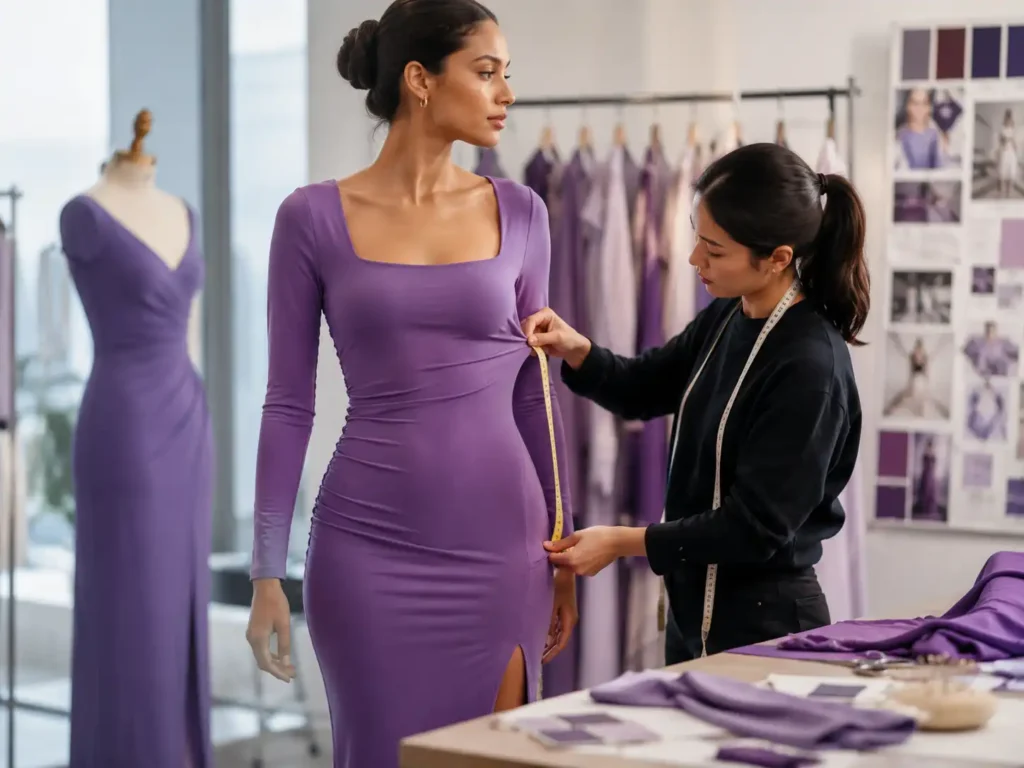
Controlling Purple Color Through Bulk Production

Color consistency is protected through standards, lot identification and physical comparison at several production stages. The process aims to keep approved variation within the agreed project expectation while recognizing that fabric surfaces do not reflect light identically.

Before Cutting

Bulk fabric is checked against the approved lab dip, swatch or garment standard. The review identifies fabric name, supplier, composition, weight, width, stretch, surface, color and dye lot. Rolls are visually compared, and shade differences are recorded before any mixed cutting occurs. Lining, zipper, thread, lace and other visible components are reviewed against the same style specification.

Cutting instructions include grain or pile direction, face direction, print or sequin orientation and lot separation. Satin panels are kept in the same directional layout to avoid apparent color shifts. Velvet uses a defined pile direction. Lace and sequin materials may require motif or direction maps. Any rejected or uncertain roll is isolated until a decision is made.

  • Approval standard: Physical reference, date, fabric and shade status.
  • Lot control: Roll identity, dye lot, shade grouping and cutting allocation.
  • Component control: Lining, zipper, thread, elastic, lace and visible trims.

During Sewing

Cut bundles remain identified by style, color, size and fabric lot. Production does not mix visibly different shade groups without authorization. Inline inspection compares panel direction, seam appearance, lining exposure and component color. Purple satin is checked for reversed sheen and pressure marks; mesh is reviewed over lining; lace is checked for motif and color balance; velvet is checked for pile direction.

When a problem is found, correction occurs before the error spreads through the full quantity. The issue record identifies affected bundles, cause, corrective action and reinspection. Shade management must remain connected to workmanship because seam tension, pressing temperature, stretching and layer thickness can also change the finished visual result.

  • Inline checks: Panel direction, shade group, visible trims and surface damage.
  • Corrective action: Stop, isolate, review, repair or replace before scaling.
  • Document link: Style code, lot, quantity, cause and follow-up inspection.

Before Shipment

Finished garments are compared by style and color under consistent conditions. Inspection covers overall shade, panel harmony, lining and trim match, surface damage, pressing and packing. Size and SKU labels must correspond to the correct color to prevent warehouse mixing. Shade groups requiring separate packing are identified on inner packs, cartons or records according to the approved plan.

Repeat-order files retain fabric references, color records, supplier information, dye-lot notes, sample approvals and bulk issues. Historical records improve speed, but a later order still requires current availability and shade review because mills, base cloths, finishes and dye lots can change. A new bulk approval protects the brand from assuming an old record guarantees an identical future batch.

  • Final checks: Garment shade, trims, surface, labels, SKU and carton separation.
  • Packing checks: Satin pressure, sequin abrasion, velvet pile and long-length folding.
  • Reorder records: Fabric, supplier, lot, color, PP, Golden sample and QC notes.
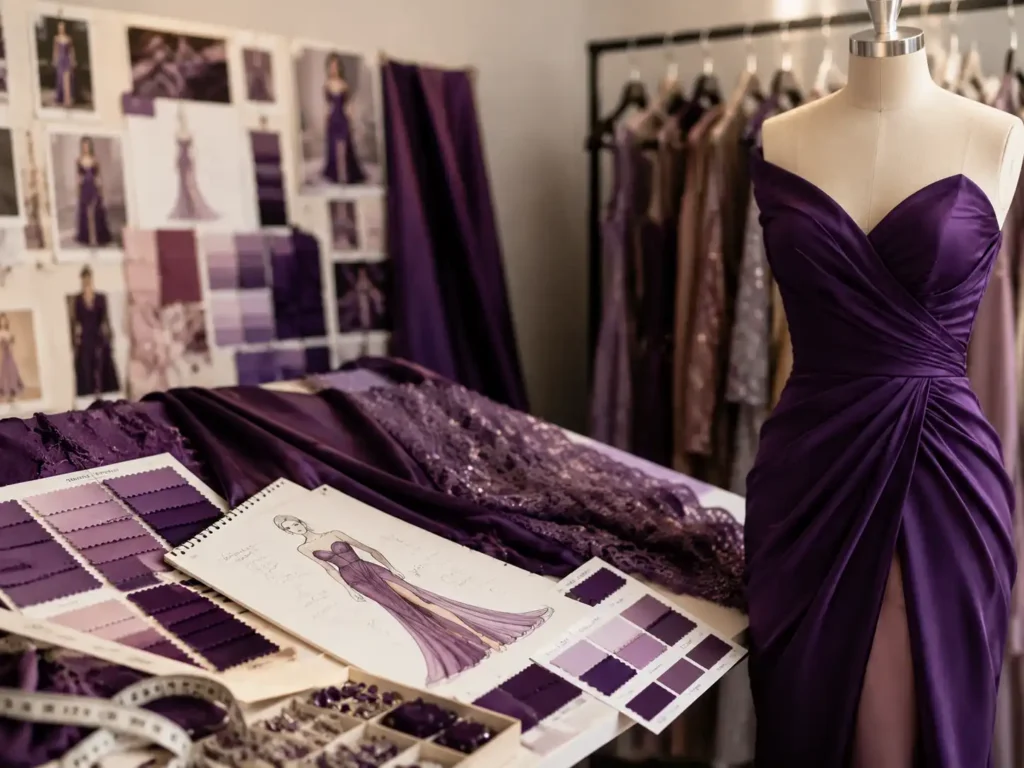
Fabric-Specific Quality Control for Purple Dresses
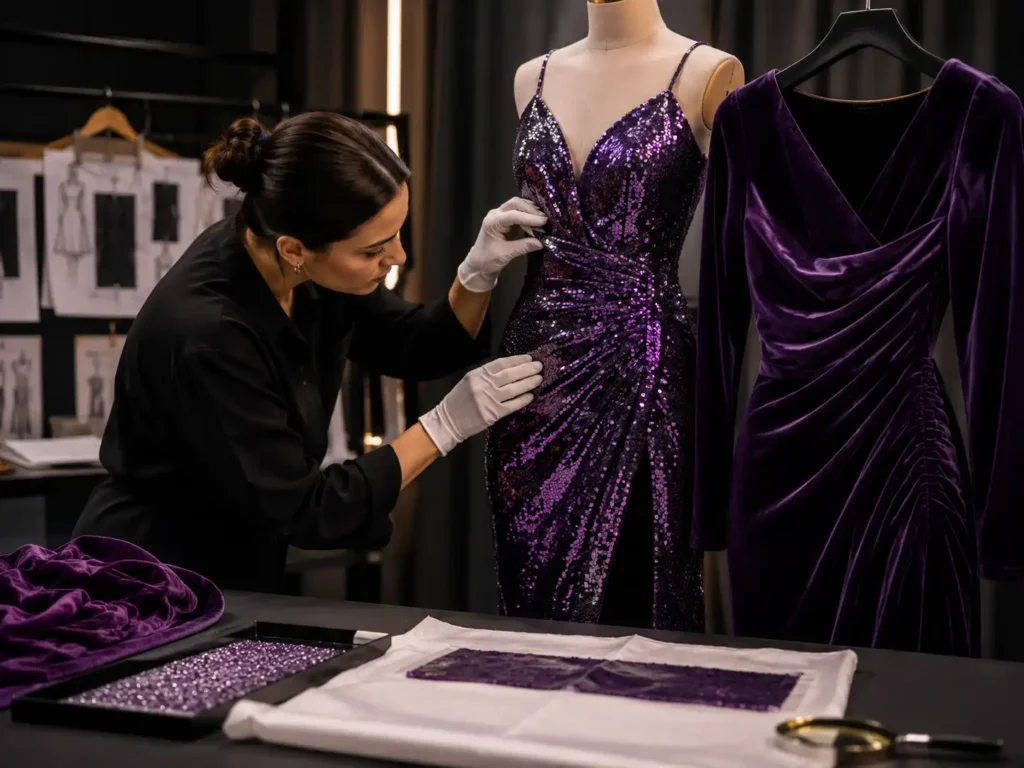
A generic final inspection cannot replace fabric-specific control. Each surface below has a different failure pattern, so inspection points are built around actual material behavior and the approved dress construction.

Satin QC

Inspect shine direction, color lot, snagging, pulled yarns, seam puckering, zipper waves, dart impressions, lining show-through, hem balance and pressing marks. Panels should be compared under direct and angled light because reversed grain or local pressure can create an apparent shade change. Packing uses clean folding, suitable inserts where required and controlled carton compression.

Chiffon QC

Check transparency, lining coverage, pulled threads, holes, slipped seams, uneven gathers, narrow hems, skirt length and pressing. Long chiffon styles are hung or measured according to the agreed method because bias and lightweight panels can settle. Outer and lining shades are reviewed together, especially for lavender and lilac colors where a warm lining can change the total appearance.

Mesh QC

Inspect hole damage, skipped stitches, stretch recovery, neckline growth, seam tension, elastic distortion, cut-out stability, lining coverage and transparency under movement. Purple mesh should be reviewed relaxed and stretched. Layer alignment is important around bust, waist and hip areas because overlapping mesh can create visibly darker zones that were not intended in the design.

Lace QC

Review motif direction, matching at visible seams, scalloped edges, broken embroidery, loose threads, appliqué security, lining shade and skin comfort. Purple lace may combine several thread tones, so bulk material is compared with the approved lace-and-lining board. Cutting loss and motif placement are also checked against the planned consumption to avoid inconsistent panel selection.

Jersey QC

Measure stretch, recovery, shrinkage where required, twisting, side-seam movement, neckline stability, skipped stitches, seam waviness, opacity and finished measurements. Fitted purple jersey can appear lighter when stretched; inspection confirms the expected visual effect at wear tension. Fabric relaxation and controlled cutting reduce measurement drift before sewing begins.

Sequin and Velvet

For sequin, inspect direction, density, missing pieces, sharp edges, backing damage, seam cleaning and lining protection. For velvet, inspect pile direction, crushing, pressure marks, needle holes, seam impressions and zipper flatness. Both materials require protective packing because abrasion or compression can change the visual purple surface even after sewing has passed inspection.

Private Label and Retail-Ready Purple Dresses

Private-label delivery connects the approved garment to the brand’s warehouse, store and ecommerce system. Every label and pack component must match the right style, purple shade, size and SKU, with artwork and supplier MOQ confirmed before production.

Woven Labels

Brand labels are confirmed for artwork, dimensions, base color, yarn color, fold type and placement. Purple garments may require tonal, contrast or neutral labels according to the brand standard. Sample placement should not create visible impressions on delicate satin or irritation on fitted necklines.

Size and Care Labels

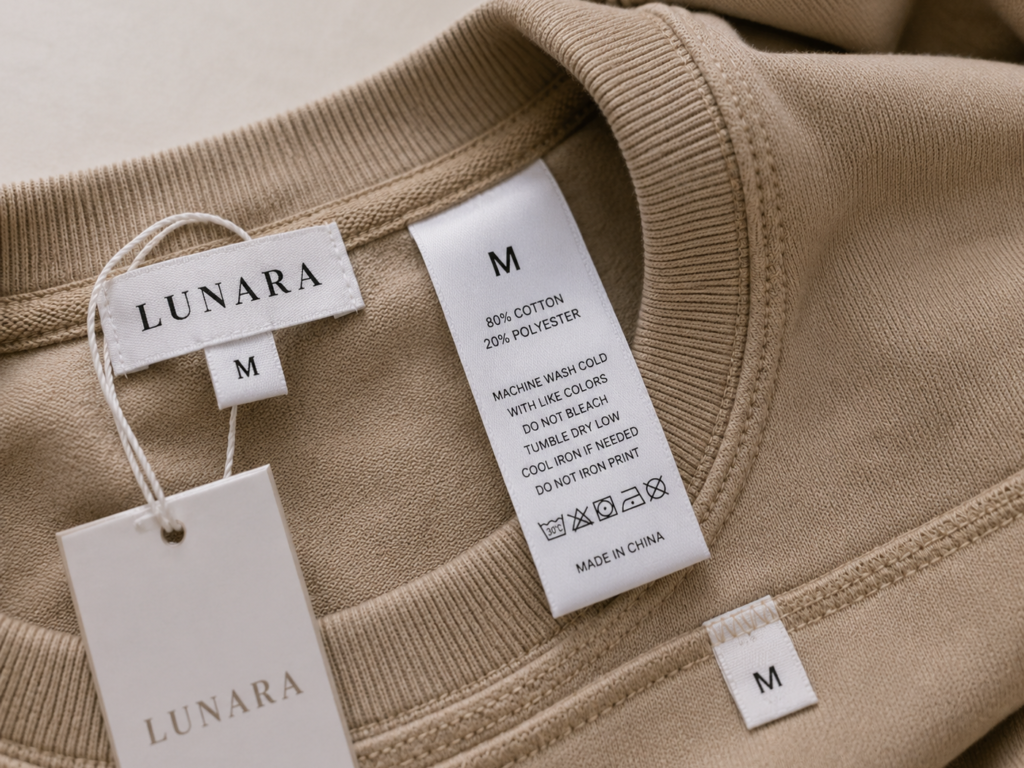
Size, fiber content, country information, care symbols and language are reviewed before printing. Size labels must follow the approved grading and packing plan. Care instructions need to match the actual fabric and construction, especially where sequins, velvet, lace or corset components restrict washing and pressing methods.

Hangtags

Hangtag design, paper, color, string, barcode area and attachment position are approved before bulk. Strong purple fabrics can visually clash with warm or inaccurate printed colors, so brand artwork should be reviewed physically when color matching is important. Attachment must avoid pulling delicate mesh, lace or satin.

Barcode and SKU

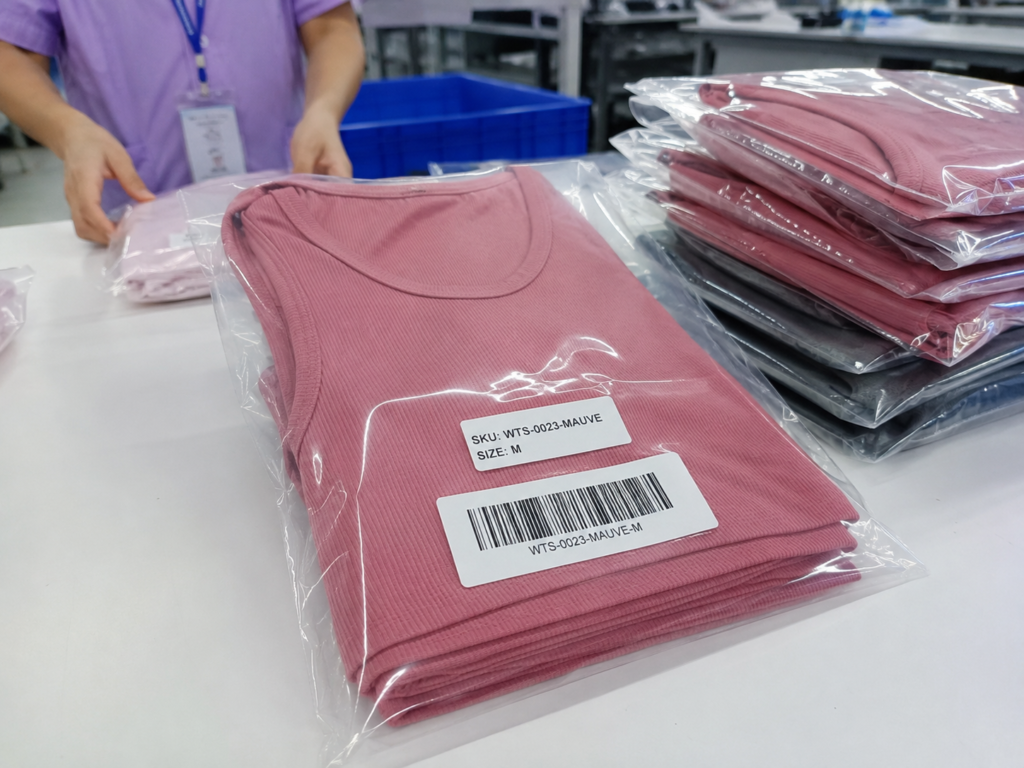
Barcode, SKU, style, color and size data are cross-checked against the order matrix. Lavender, lilac, violet, plum and deep purple need distinct color names or codes to prevent warehouse confusion. Scan verification, label placement and quantity reconciliation can be included according to the packing instruction.

Polybags and Inserts

Bag size, thickness, printed warning, adhesive placement, ventilation and garment fold are matched to the product. Satin may need tissue or controlled fold support; sequins may need abrasion protection; velvet needs pressure management; maxi dresses need a fold plan that limits severe creasing without creating excessive pack volume.

Cartons and Marks

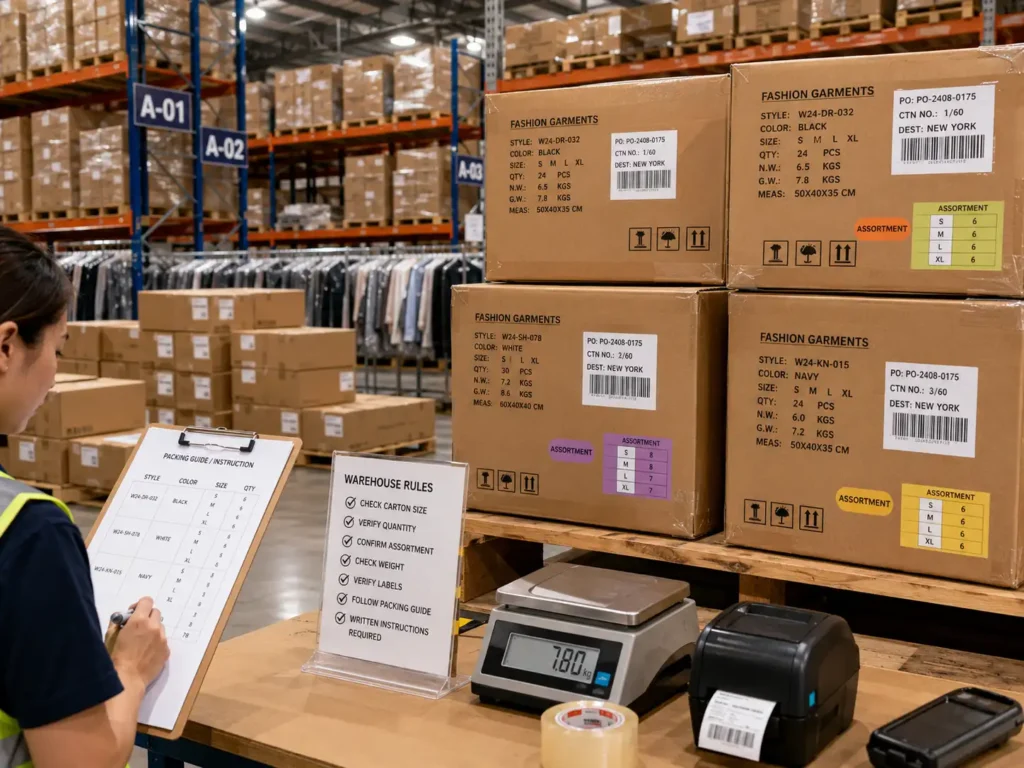
Carton dimensions, strength, assortment, gross and net weight, carton marks and warehouse labels are confirmed before packing. Color and size ratios must match the packing list. Separate lots or shipment priorities can be identified by carton records so receiving teams can manage hero styles, priority sizes or split shipments accurately.

Audit, Testing and Inspection Support

Compliance work is confirmed against the actual factory, fabric supplier, material batch, certificate scope, target market and project requirement. Jinfeng Apparel supports document coordination and inspection planning without treating every certificate as automatically applicable to every order.

Quality Management

Project QC can cover incoming fabric and trims, cutting, sewing, inline inspection, finished measurements, workmanship, pressing, labels, packing and shipment preparation. The 15+ QC team works with production and merchandising records rather than relying only on end-line visual review. AQL sampling, client checklists or style-specific inspection points can be incorporated when agreed before production.

Audit and Testing

SMETA, Sedex and BSCI-related documentation or audit coordination can be reviewed according to the production facility selected for the order. Fabric resources connected to OEKO-TEX, GOTS, GRS or other claims are checked by material type, supplier, color, batch, certificate validity and scope. Testing for composition, shrinkage, colorfastness, pH, formaldehyde, azo, pilling or strength can be arranged by project and target market.

Third-Party Inspection

Jinfeng Apparel can coordinate with client-appointed or agreed inspection organizations such as SGS, Intertek, Bureau Veritas, ITS or another nominated party. Inspection timing, sample level, defect criteria, measurement tolerance, packing status and report route should be defined before booking. Goods, documents and access need to be ready for the agreed inspection window to avoid shipment delay.

From Purple Concept to Export Delivery

Nine connected stages keep color, fit, materials, production and packing aligned. Each stage has a clear input and approval condition, allowing brand teams to see what is ready, what remains open and what can affect schedule or cost.

Project Review

Receive the design reference, tech pack, original sample or line sheet. Review style complexity, purple direction, fabric route, quantity, size range, labels, target market, inspection and delivery expectations. Open questions are listed before quotation or sampling.

Color and Fabric

Compare stock materials, substitutions or custom-dye options. Confirm Pantone or physical standard, surface, weight, stretch, transparency, lining and material MOQ. A sample timeline is issued after the selected route and material readiness are clear.

Pattern Development

Develop or adjust the pattern using the brand measurement chart and intended fabric behavior. Review bust, waist, hip, neckline, strap, sleeve, slit, lining and length. Grade rules are planned for the agreed size range.

Sample Making

Produce the first sample and conduct internal measurement and workmanship checks. Review color on the actual garment, not only on a swatch. Provide photos, video or shipment according to the development plan.

Sample Revision

Translate comments into exact pattern, measurement, material or construction changes. Record whether each change affects cost, lead time, BOM, labels or packing. Produce revised or fit samples as required before PP.

PP Approval

Lock final fabric, color, trims, pattern, measurements, construction, label placement and packing direction. Prepare Golden sample and production documents where required. Major later changes receive impact review before acceptance.

Bulk Production

Confirm materials, production allocation, cutting plan, lot separation, sewing instructions and timeline. Follow style-specific checkpoints through cutting, sewing, inline QC, finishing and measurement control.

QC and Packing

Inspect workmanship, measurements, color, labels, SKU, barcodes and packing. Apply AQL or third-party inspection arrangements where agreed. Protect delicate surfaces and verify carton marks, assortment and packing list.

Export Delivery

Prepare commercial invoice, packing list, carton details and shipment coordination. Support express, air, sea, customer-appointed forwarder or project-based trade terms. Delivery route is confirmed by destination, cost, timing and forwarder capability.

Purple Dress Manufacturing Case Studies

The following anonymized cases represent different purple dress development programs, covering occasionwear collections, statement partywear projects and large private-label seasonal productions. Brand identities, original designs and commercial information remain confidential.

Case 1: Purple Occasionwear and Bridesmaid Collection

Project Scope

A premium occasionwear brand developed a purple dress collection for bridesmaid, wedding guest, graduation and formal event markets.

  • Collection size: 18 dress styles
  • Product categories: lavender chiffon dresses, lilac satin dresses, mauve lace dresses, plum evening dresses and structured occasion styles
  • Materials: chiffon, satin, lace, crepe, mesh and soft lining systems
  • Construction details: flowing skirts, fitted waists, elegant necklines and occasion silhouettes
  • Requirement: coordinated purple shades with stable fit and premium finishing

Development Challenges

The collection required visual consistency across different purple fabrics.

Key challenges included:

  • Maintaining purple tone balance between warm and cool shades
  • Preventing chiffon and lace transparency issues
  • Matching lining color with outer fabric
  • Controlling long-dress hem balance
  • Maintaining consistent sizing across multiple silhouettes

Manufacturing Approach

The development team created a fabric-specific purple approval system.

Key controls included:

  • Physical purple shade reference approval
  • Fabric swatch comparison across materials
  • Shell and lining coordination
  • Fit review for bust, waist and hip balance
  • PP sample confirmation before bulk production

Additional attention was given to:

  • Lace motif placement
  • Chiffon layer control
  • Invisible zipper construction
  • Long-length pressing
  • Retail-ready packing

Manufacturing Value

The collection achieved a consistent purple occasionwear story by combining color control, fabric selection, fit development and controlled finishing.

Case 2: Purple Partywear and Statement Dress Collection

Project Scope

A fashion brand developed a statement purple collection focused on partywear, social occasions and high-impact silhouettes.

  • Collection size: 15 dress styles
  • Product categories: purple satin mini dresses, mesh bodycon dresses, sequin party dresses, ruched styles and fitted evening dresses
  • Materials: satin, stretch mesh, jersey, sequins and lining fabrics
  • Construction details: bodycon shapes, cut-outs, ruching, asymmetric designs and fitted structures
  • Requirement: strong visual impact with reliable bulk repeatability

Development Challenges

The collection needed to balance dramatic appearance with commercial production stability.

Key risks included:

  • Satin shade changing under different lighting
  • Mesh transparency after stretching
  • Sequin reflection differences
  • Uneven ruching
  • Fit inconsistency between sizes

Manufacturing Approach

The project focused on material behavior and silhouette control.

Key controls included:

  • Reviewing purple shade on actual production fabrics
  • Testing satin shine direction
  • Checking mesh transparency with lining
  • Developing stretch recovery standards
  • Recording ruching distribution and seam methods

Production controls included:

  • Surface inspection
  • Seam tension checks
  • Zipper flatness review
  • Measurement control
  • Embellishment protection during packing

Manufacturing Value

The collection maintained a strong fashion identity while achieving stable sizing, controlled workmanship and repeatable production quality.

Case 3: Large Private Label Purple Dress Collection Program

Project Scope

An established fashion brand required a seasonal purple dress assortment covering multiple shades, fabrics and retail occasions.

  • Collection size: 30 dress styles
  • Production scale: 60,000+ pieces
  • Product categories: purple mini dresses, midi dresses, maxi dresses, corset dresses, satin slips and evening dresses
  • Materials: satin, chiffon, lace, mesh, jersey, velvet and sequin fabrics
  • Requirement: consistent quality across multiple SKUs, colors and delivery batches

Development Challenges

The main challenge was managing a complete purple color story across different product structures.

Major challenges included:

  • Coordinating lavender, lilac, violet, plum and deep purple shades
  • Maintaining consistency across different fabrics
  • Controlling different lining requirements
  • Managing size grading across categories
  • Preventing SKU and packing errors

Manufacturing Approach

The collection was divided according to product structure and risk level.

Soft Purple Collection Group

Focused on:

  • Lavender and lilac shades
  • Chiffon and lace styles
  • Transparency control
  • Lining coordination

Statement Purple Collection Group

Focused on:

  • Violet and orchid directions
  • Satin and sequin surfaces
  • Partywear silhouettes
  • Surface protection

Manufacturing Value

The program demonstrated that large purple dress collections require both production capacity and detailed control of color, fabric, fit, quality and retail delivery.

Protected Development and Repeat Purple Programs

Long-term cooperation depends on protecting unpublished work and retaining accurate production records. Jinfeng Apparel supports NDA-based development and structured repeat-order review for approved styles, new colors and seasonal extensions.

NDA and Design Protection

Protected information can include brand identity, tech packs, line sheets, sketches, original samples, patterns, measurement charts, fabric and trim plans, private-label artwork, packaging files, order quantities, target prices and launch schedules. Unpublished garments, client logos and original technical files are not used as public marketing material without authorization.

Production Record Retention

Repeat-order files can retain first, revised, PP and bulk patterns; size grading; fabric name, supplier, composition, weight, stretch, color and dye lot; trim references; BOM; sewing instructions; label placement; packing requirements; Golden sample records and prior QC notes. The record reduces repeated communication and helps identify where a later order differs from the original.

Reorders and New Shades

A repeat order begins by confirming original style, quantity, current fabric availability, color, trims, labels, packing and delivery. A new purple shade or new fabric may require lab dips, revised sample, updated pattern or new PP approval. Historical records improve efficiency, yet no old file replaces current material and shade verification.

Purple Dress Manufacturer Frequently Asked Questions

Yes. Jinfeng Apparel can review a tech pack, original sample, sketch, line sheet or reference image and support fabric sourcing, pattern development, sampling, revisions, PP approval, bulk production, QC, private-label packing and export coordination. A complete tech pack improves quotation and development accuracy.

Pantone TCX or another physical color reference can guide development. Final approval is completed on the selected fabric through stock swatches, lab dips or another agreed physical standard. Satin, chiffon, mesh, lace, jersey and velvet may not look visually identical even when they target the same color family.

Satin reflects light and creates directional highlights, while chiffon is transparent and allows lining or layered fabric to influence the final appearance. Fiber, finish, weight, weave, light source and garment construction all affect perceived color. Each material therefore needs its own approval route.

Stock fabric swatches can be reviewed when available. Custom-dyed projects can use lab dips or mill strike-offs according to the material process. Swatch, courier and development arrangements are confirmed by project. Bulk fabric still requires approval before cutting.

The standard MOQ starts from 200 pcs per style/color. MOQ is calculated by style and color, not by combining several styles or colors. Custom dyeing, special lace, sequin fabrics, trims, labels and printed packaging may have separate supplier minimums.

Often yes. Mill MOQ, base fabric availability, fiber content, shade depth, finishing, lab dip approval and testing requirements can increase material quantity and timing. The exact route is reviewed with the selected fabric supplier before a production commitment is made.

Yes, subject to 200 pcs per style/color and material supplier requirements. Each shade requires its own fabric availability, color approval, SKU, labels, packing data and lot management. Several shades should be planned early so the sample and production schedule remains clear.

Yes. Jinfeng Apparel supports satin, chiffon, lace, mesh, tulle, sequin, corset, maxi and occasionwear development. Prom and bridesmaid programs require careful support, size grading, shade coordination, lining, long-length balance, dye-lot control and packing.

Bulk rolls are identified by supplier and dye lot, compared with the approved standard and separated when visual differences are present. Cutting, sewing and packing records keep lot groups traceable. Shade bands or representative samples may be used according to the project.

Yes. Lining, zipper, thread, lace, elastic and visible trims are reviewed against the approved garment direction. Tonal matching is assessed physically because different materials can reflect purple differently. Special trim colors may carry supplier MOQ and lead time.

Bulk orders can include multiple sizes according to the client size chart, grade rule and size ratio. MOQ is calculated per style/color, while sizes are distributed inside the confirmed quantity. Common US or international size labels can be used, but measurements follow the approved brand specification.

Ordinary dress first samples commonly require 10-15 days after material direction is ready. Corset, lace, mesh and sequin styles commonly require 15-25 days. Revised and PP samples commonly require 7-15 days, depending on modification scope and final material readiness. Custom fabrics or trims follow supplier timing.

Yes. Support can include woven labels, size labels, care labels, hangtags, barcodes, SKU stickers, polybags, inserts, carton marks and warehouse labels. Packaging components may have separate supplier MOQ. Artwork, dimensions, content, placement and packing method are approved before bulk.

Historical fabric, color, supplier, dye-lot, PP, Golden sample and QC records support repeat development. A later batch still requires current availability and color approval because fabric base, finish and dye lots can change. New-color or new-fabric orders may require a revised sample or new PP.

Start Your Purple Dress Development

Send Kelly the files and commercial details available for your purple dress program. A structured brief allows Jinfeng Apparel to review style complexity, fabric direction, color route, MOQ, sample type, private-label requirements, production capacity and delivery planning before a formal quotation is prepared.

Reference images can begin the discussion, while a tech pack, original sample or measurement chart gives the pattern and sampling team a stronger technical starting point. Pantone TCX, a physical swatch or an approved garment helps define the purple direction. Quantity should be listed per style and per color, with the intended size range and ratio whenever known.

Brand labels, hangtags, barcodes, packaging, inspection standards and launch timing should also be included because each item can affect cost, supplier MOQ and scheduling.

Kelly coordinates the first project review through email, WhatsApp or video meeting and identifies the next step: fabric search, color development, sample quotation, production assessment or a request for missing information.

  • Reference image, sketch, line sheet, tech pack or original sample details
  • Pantone TCX, physical purple swatch or approved color reference
  • Fabric preference, lining requirement, trims and construction notes
  • Target quantity per style/color and planned size range or size ratio
  • Private-label artwork, barcode, SKU, polybag and carton requirements
  • Target market, inspection standard, launch date and delivery destination
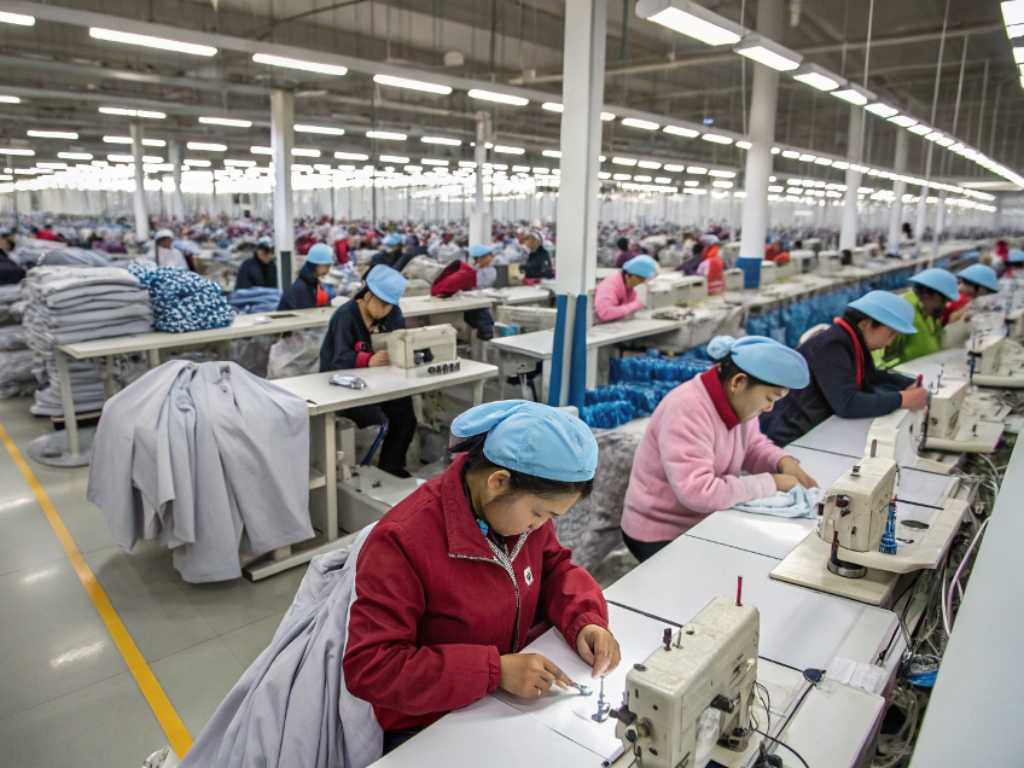
Workers sewing garments in a large textile factory production line.

Tell Us About Your Dress Project

Share your product details, estimated quantity and development requirements. Our team will review your project and provide practical OEM/ODM production feedback.

Premium Women’s Apparel Production for Fashion Brands

From dress sample development to bulk production, JF Apparel supports fashion brands with confidential OEM/ODM manufacturing, reliable quality control and scalable production support.

START YOUR DRESS PROJECT

Ready to Develop Your Next Dress Collection?

Share your design concept, product requirements or sourcing plans with our team. We’ll review your project and provide practical feedback on development, materials, MOQ and production.

7-10 Days

Sample Development

200 PCS

Starting MOQ

Fast Response

Professional Follow-Up