Yellow Dress Manufacturer
Custom yellow dress development for global fashion brands, from approved color direction and fit samples to controlled bulk production.
- MOQ starts from 200 pcs per style/color for suitable projects, subject to fabric availability, color development and construction requirements.
- Yellow color control can include Pantone references, lab dips, bulk shade approval, lining coordination and trim color matching.
- 2 sample rooms, 7+ senior pattern makers and 20+ sample machinists support fit, structure and sample revision work.
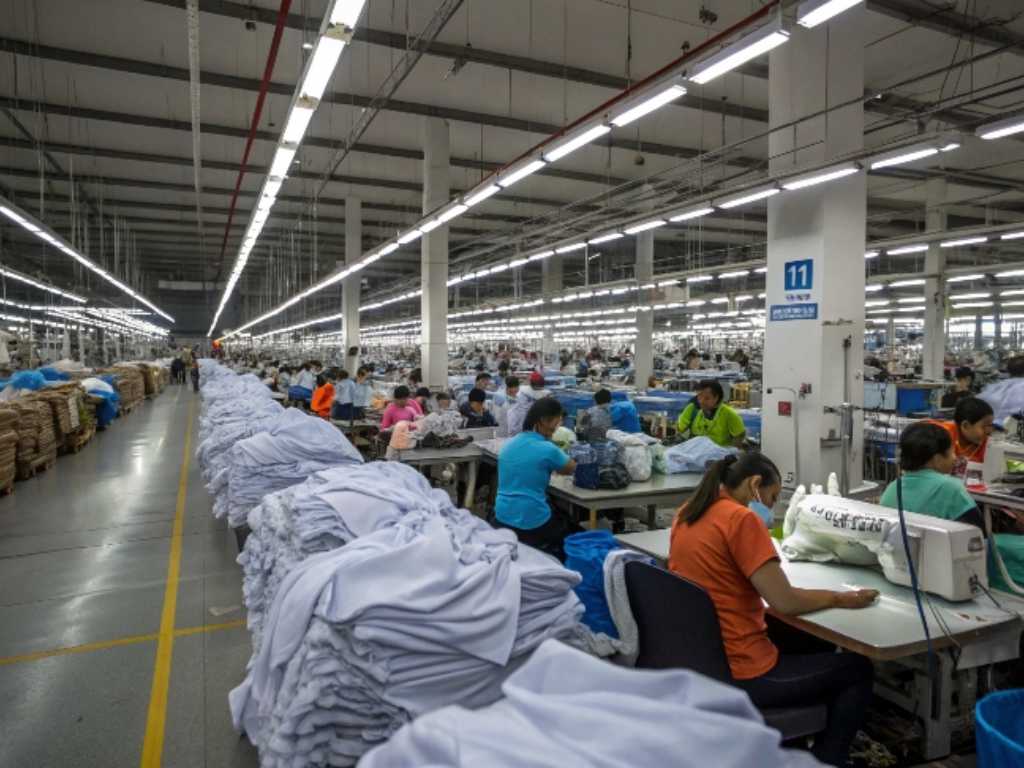
- 6 owned women’s fashion factories and 10+ long-term production partners support multi-style seasonal programs.
- 15+ QC inspectors review fabric, cutting, sewing, measurements, pressing, appearance and private-label packing.
Jinfeng Apparel develops yellow mini, midi, maxi, party, resort, wedding guest and occasion dresses in satin, chiffon, viscose, lace, mesh, jersey and other project-approved fabrics. Color, opacity, drape, fit and bulk repeatability are reviewed before production so a strong design can move into a reliable commercial program.
Manufacturing Capacity Behind Yellow Dress Programs
Since 2008
6 Owned Factories
10+ Production Partners
100,000+ Monthly Capacity
2 Sample Rooms
15+ QC Inspectors
Built for Structured Fashion Collection Programs
Global Fashion Brands
Premium Ecommerce Teams
Occasionwear Programs
Yellow Dress Risks Controlled Before Bulk Production
Shade Variation
- Pantone or physical reference
- Lab dip or swatch approval
- Bulk shade and dye-lot review
Fabric Transparency
- Main fabric opacity
- Lining color and coverage
- Lighting and movement review
Lining Mismatch
- Shell-to-lining color balance
- Coverage by garment area
- Drape after lining
Satin Direction
- Panel direction
- Snag and crease review
- Pressing and packing method
Trim Color Drift
- Zipper and thread color
- Lace or mesh coordination
- Label and packaging review
Repeat Order Color
- Previous color record
- New batch comparison
- Updated approval status
Start with a Clear Yellow Dress Brief
Design and Product Files
- Reference image or tech pack
- Target yellow and fabric direction
- Size range and fit standard
- Label and packing requirements
Quantity and Launch Plan
Provide the style count, quantity per style/color, size ratio, sample purpose and target delivery window. Production planning changes when a program contains 10-30 styles, several yellow shades, different fabric families or multiple shipment dates. Early quantity planning also helps assess fabric mill MOQ, custom dyeing, trims, packing and capacity allocation.
- Quantity by style and color
- Size ratio and market
- Sample and campaign dates
- Bulk delivery window

Yellow Dress Styles for Commercial Collections

Yellow Mini Dress
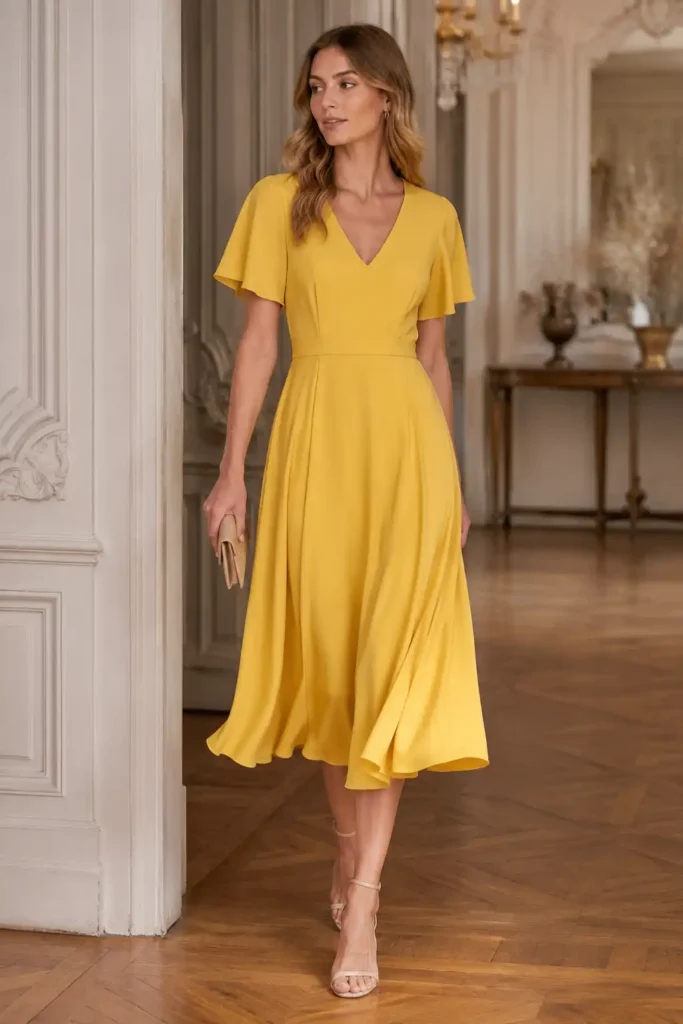
Yellow Midi Dress
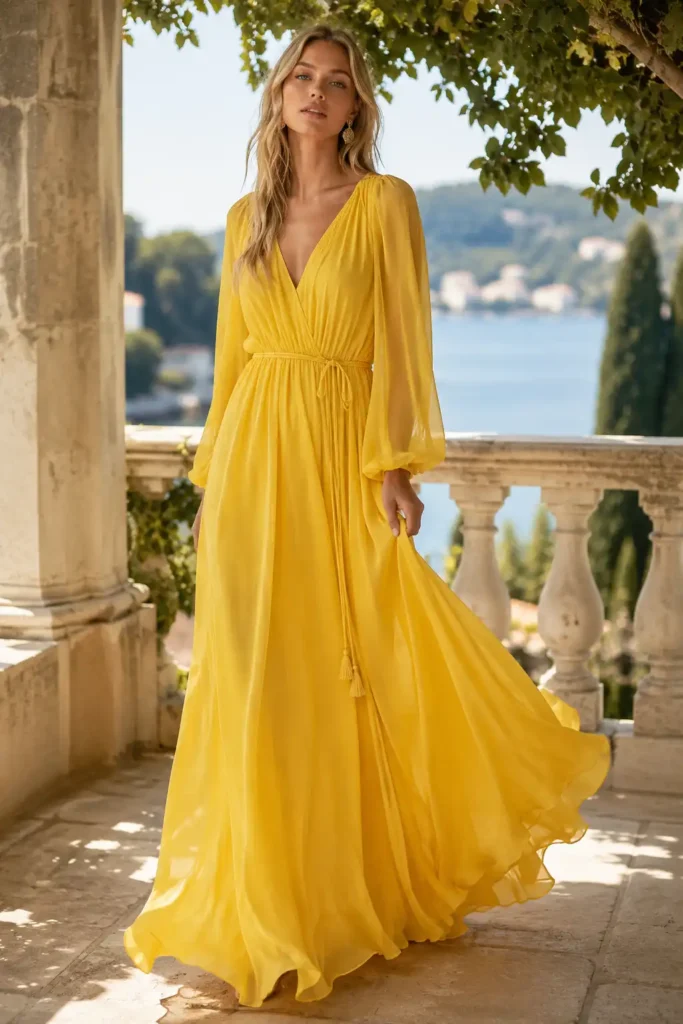
Yellow Maxi Dress
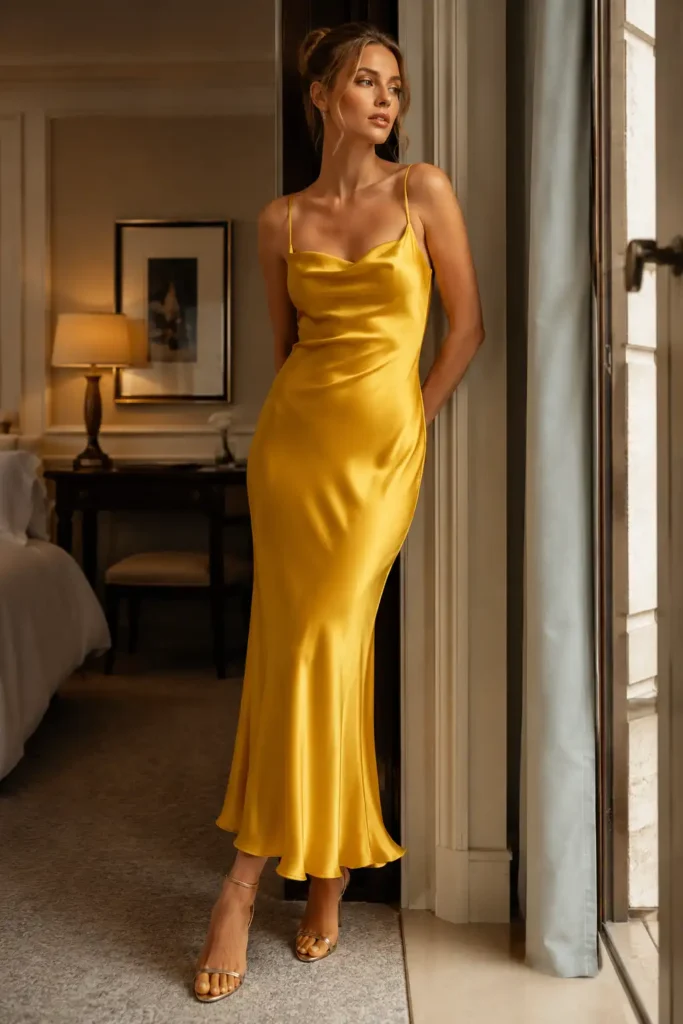
Yellow Satin Slip
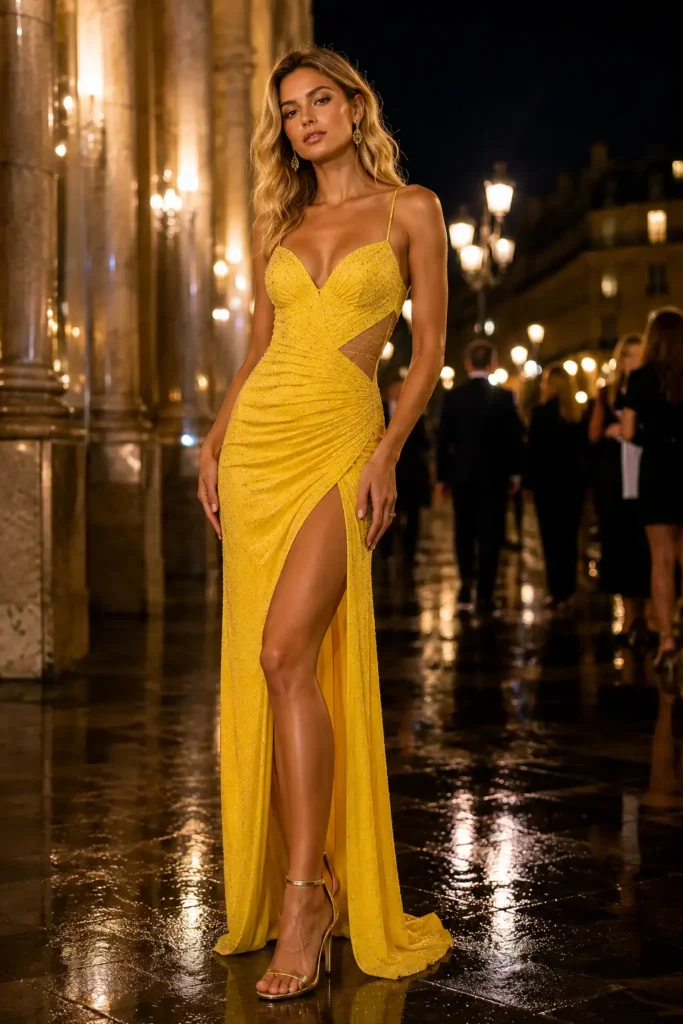
Yellow Party Dress
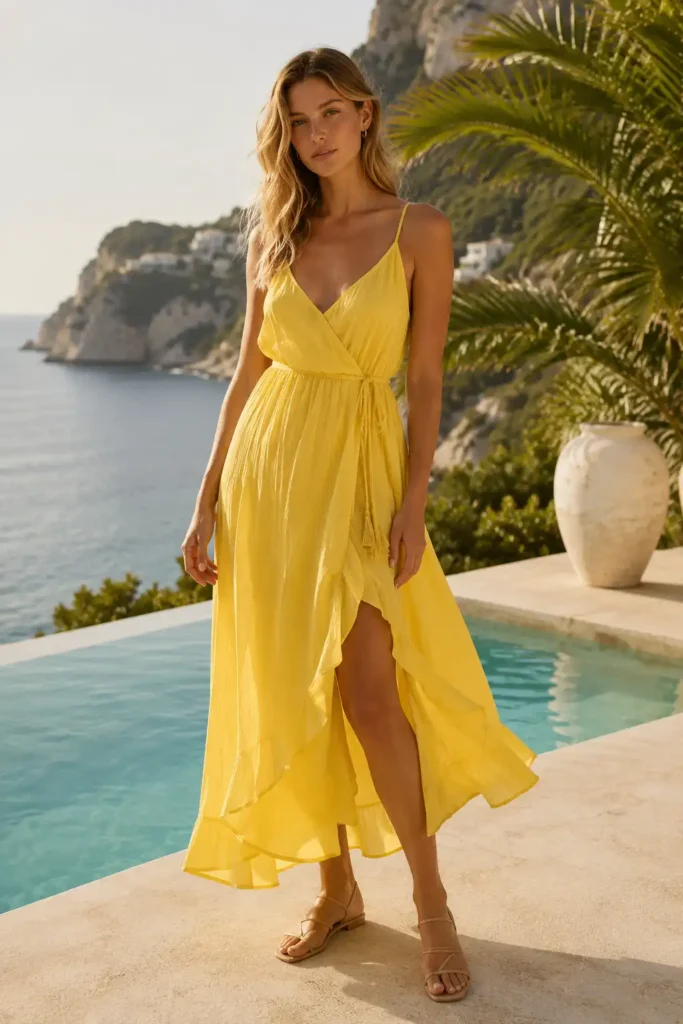
Yellow Resort Dress
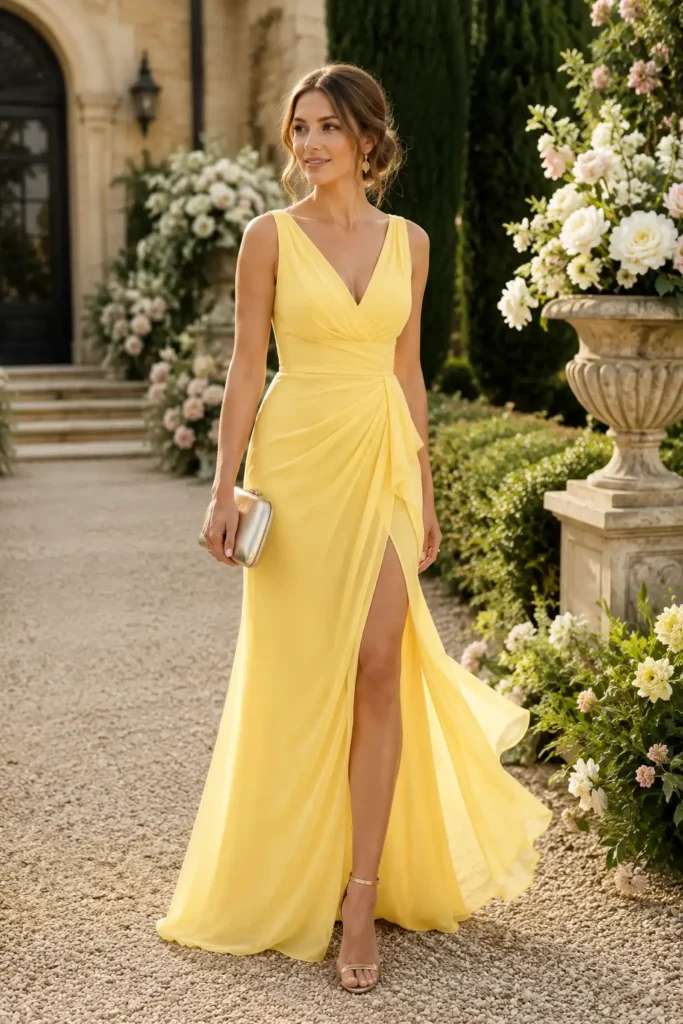
Yellow Wedding Guest
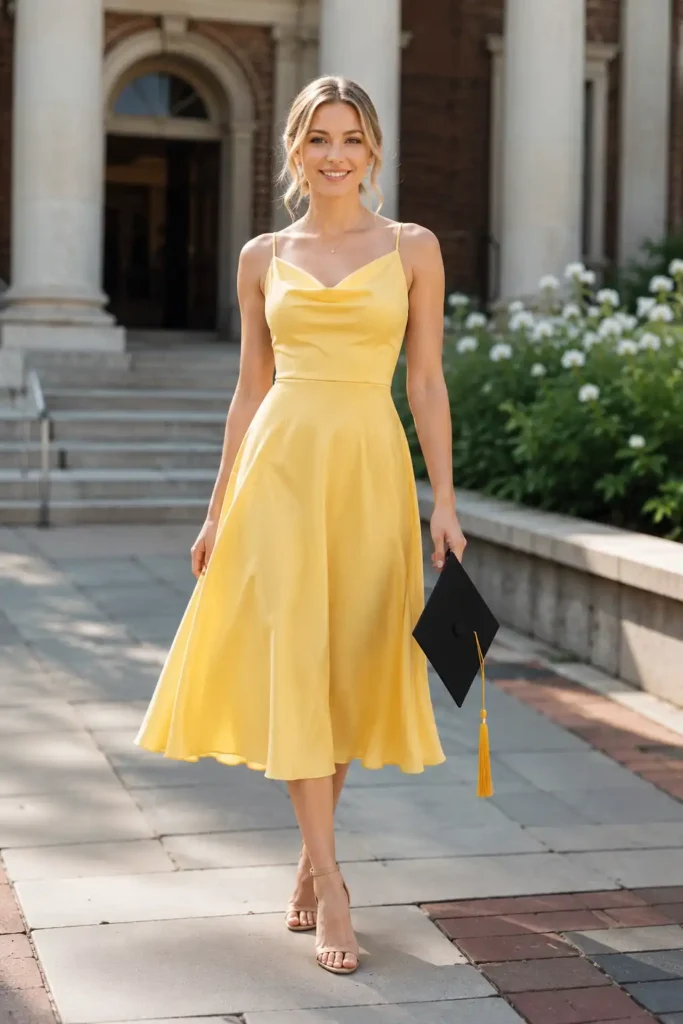
Yellow Graduation Dress
Develop the Right Yellow for Your Brand
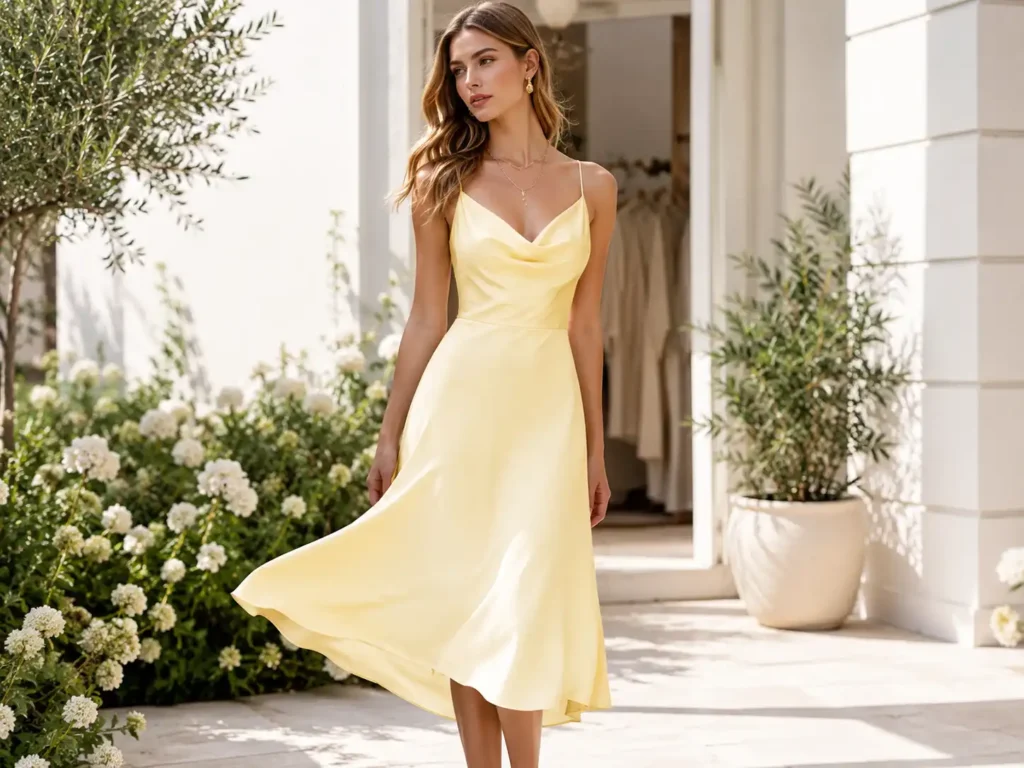
Butter Yellow
- Best with satin, crepe, viscose or knit
- Check opacity under daylight
- Avoid overly white lining
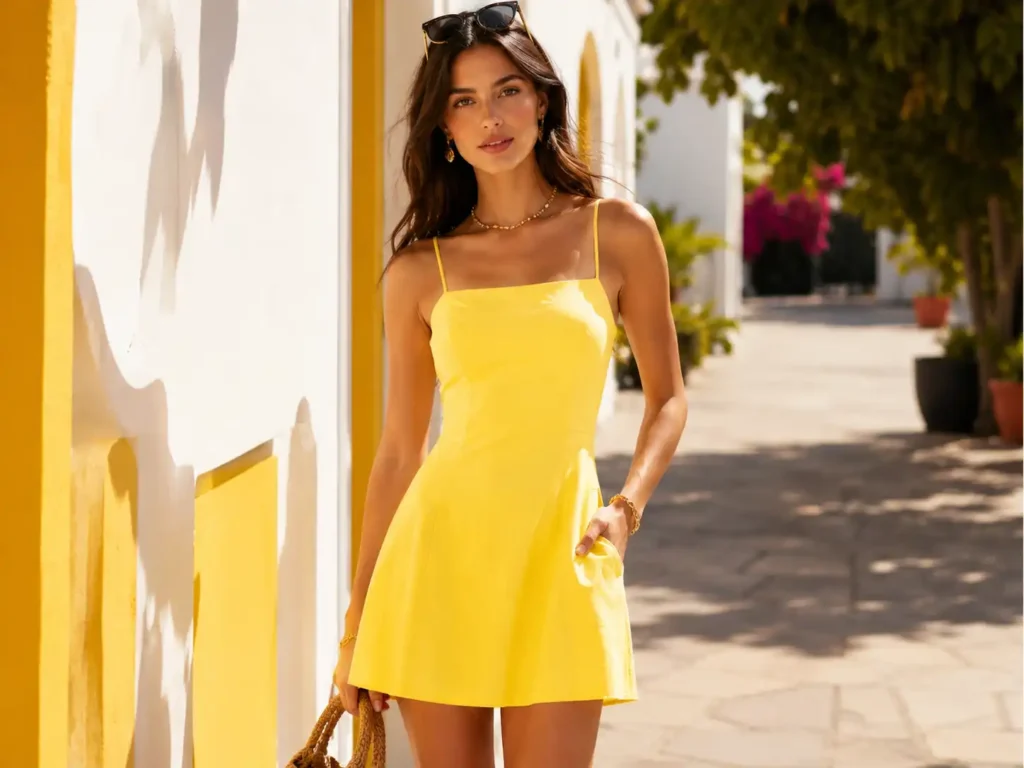
Lemon Yellow
- Confirm green-yellow balance
- Review studio-light appearance
- Coordinate trims carefully

Canary Yellow
- High-impact campaign color
- Control cross-material matching
- Review shade by dye lot

Mustard Yellow
- Suitable for crepe, woven and knit
- Check brown-orange undertone
- Match hardware and labels

Golden Yellow
- Strong for satin and occasionwear
- Review shine direction
- Protect against pressure marks
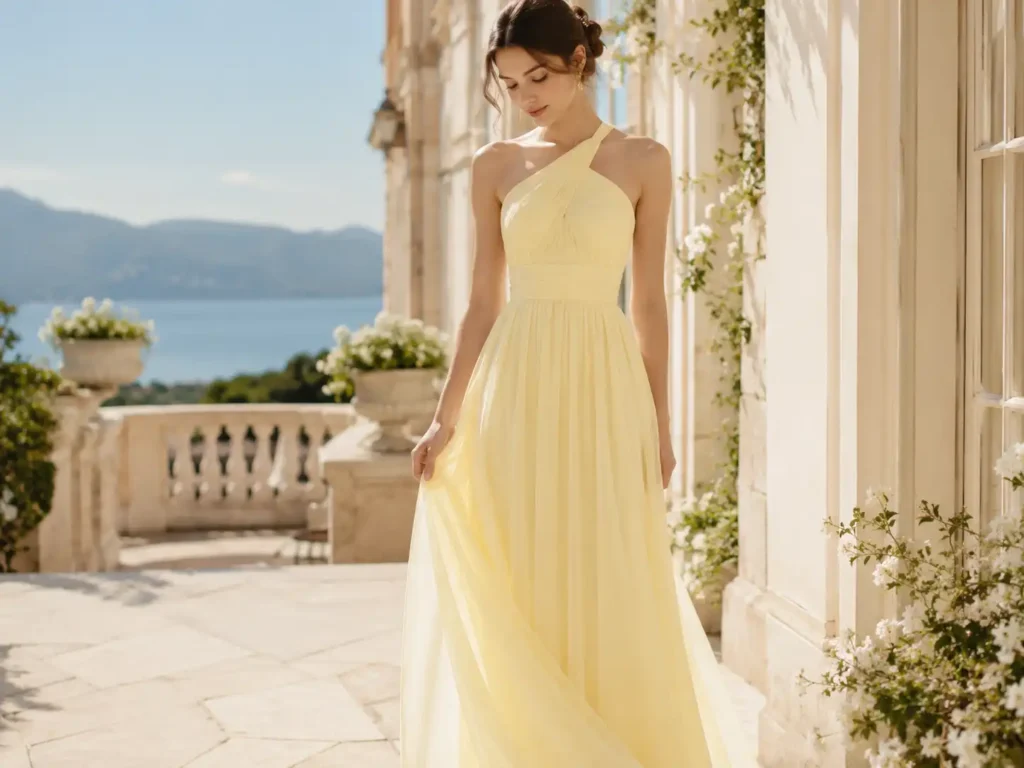
Pastel Yellow
- Prioritize opacity testing
- Use controlled lining coverage
- Check seams under bright light
How Fabric Changes Yellow Dress Appearance
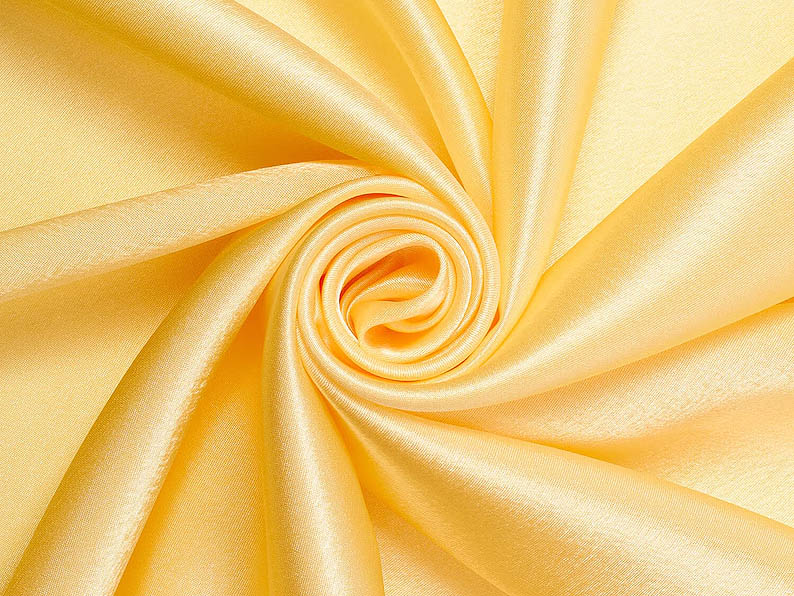
Satin
- Confirm weight and surface
- Cut panels in controlled direction
- Use protective finishing and packing
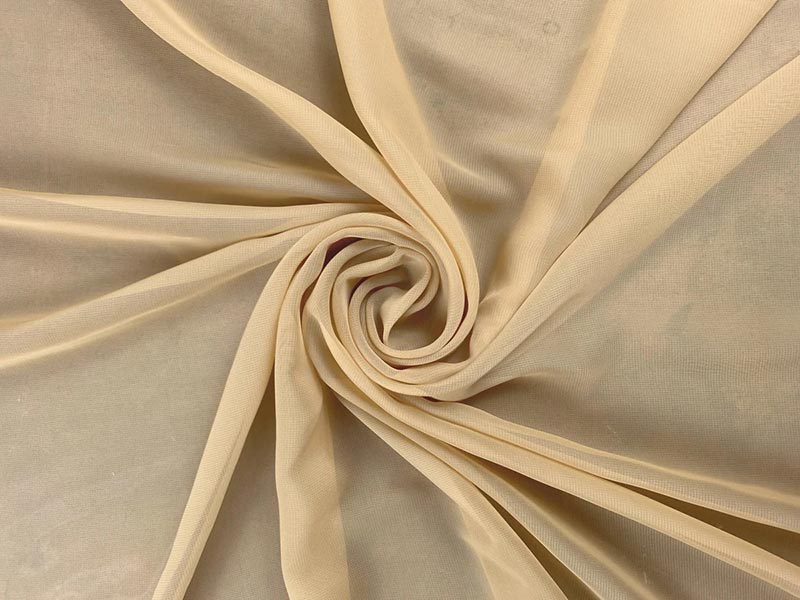
Chiffon
- Control fabric slipping
- Plan lining and layers
- Check hem after hanging

Viscose and Rayon
- Review shrinkage and drape
- Allow for fabric movement
- Confirm care-label information
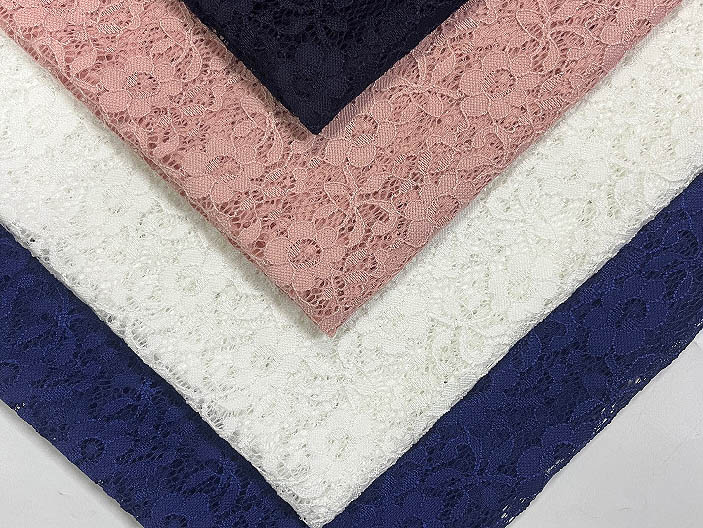
Lace
- Plan motif placement
- Coordinate lining undertone
- Inspect edges and damage
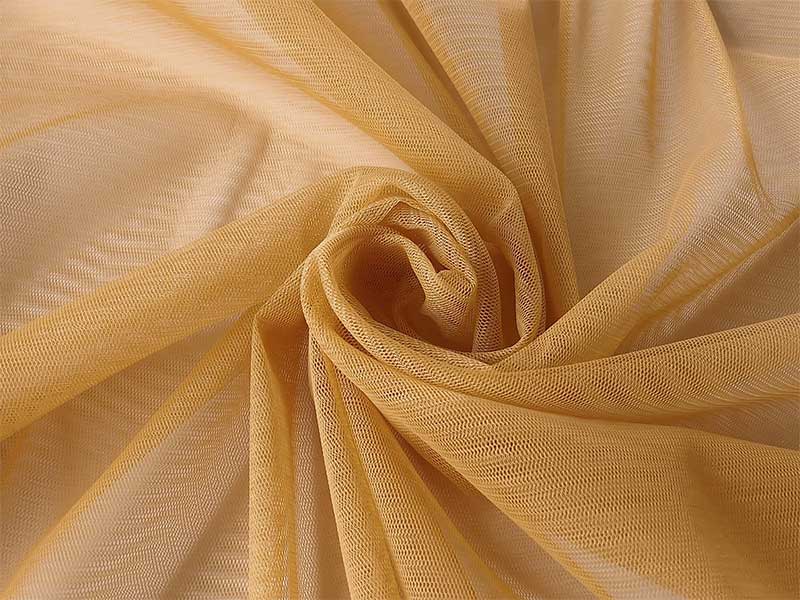
Mesh
- Confirm stretch direction
- Set coverage boundaries
- Check holes and recovery
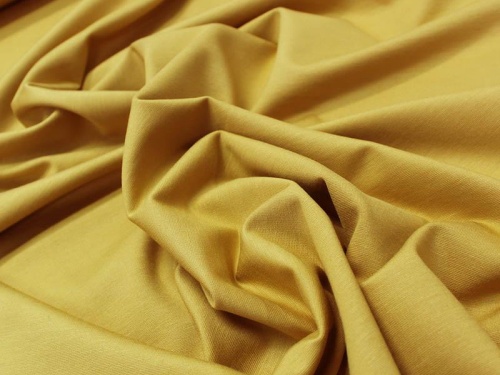
Jersey and Ponte
- Compare softness and structure
- Check stretch recovery
- Control size and seam stability
From Color Reference to Approved Bulk Shade
Color approval should connect the brand target with the real shell fabric, lining, trims and bulk dye lot. A documented sequence avoids decisions based on unrelated swatches or screen images.
Build a Measurable Yellow Approval Standard
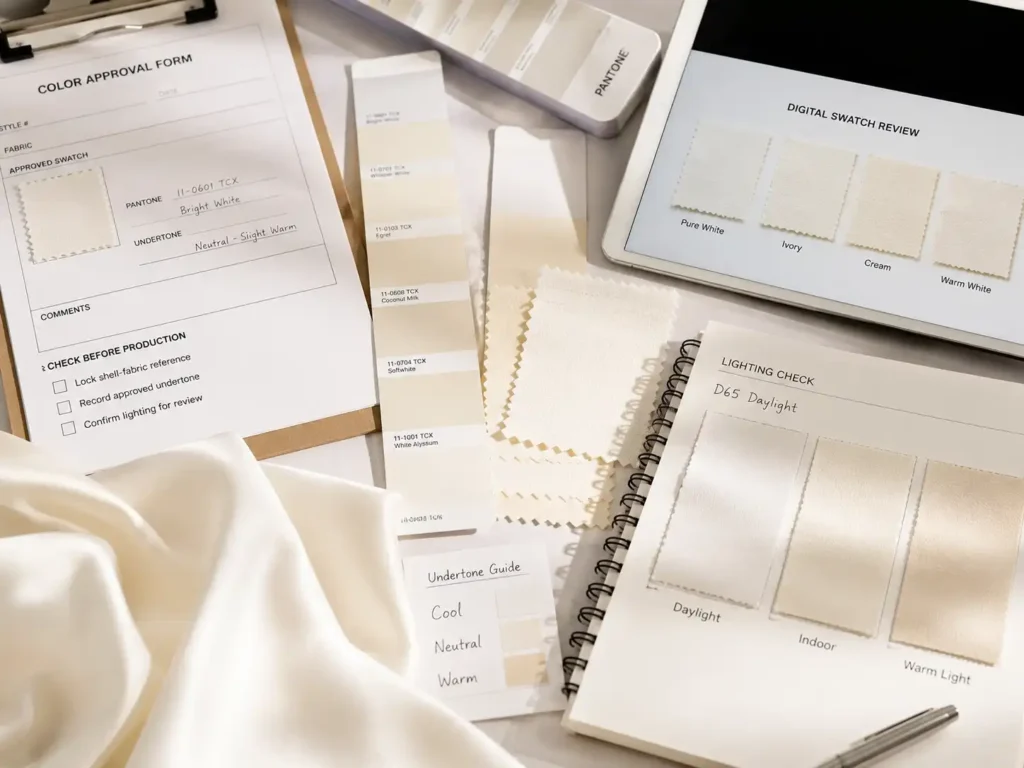
Reference intake: The process begins with a Pantone code, approved physical swatch, original garment or clearly identified brand reference. A digital image can guide initial sourcing, but monitor settings, camera exposure and compression do not provide a reliable bulk color standard. The team records the intended undertone, brightness and commercial use before fabric options are compared.
Material comparison: Yellow is reviewed on the selected fiber, weave and finish because a color that looks soft on matte crepe may appear brighter on satin and duller on textured viscose. When the collection combines shell, lace, mesh or lining, each component is compared as part of one garment system rather than approved in isolation.
Lab dip and swatch approval: Custom-dyed projects can require lab dips or supplier swatches. Approval should identify the selected option, fabric code, supplier, date and lighting conditions. For very pale or highly saturated yellow, visual review under daylight-equivalent and indoor light helps reveal green, orange or grey undertones.
Carry the Approved Shade into Production
Bulk fabric control: After the shade is approved, bulk fabric is checked against the approval reference. Dye-lot variation, fabric finish, width, surface appearance and direction are recorded before cutting.
When several rolls or dye lots are present, roll management and shade grouping reduce visible panel differences within one garment.
Component coordination: Lining, thread, zipper tape, hooks, elastic, lace edges and labels are compared with the approved shell. Exact matching is not always the best visual solution; a lining may need a controlled neutral or warm undertone to improve opacity without distorting the shell color.
Repeat-order review: Previous records support replenishment, but a new fabric batch still requires verification.
The project team compares the new batch with the retained color record, Golden sample and approved component list before confirming cutting and production release.
Control Transparency Without Losing Fabric Drape
Opacity must be solved without turning a light yellow dress into a heavy or stiff garment. Lining color, fabric weight, coverage and seam design work together.
Select Lining by Garment Function
Matching yellow lining can increase saturation and preserve a clean monochrome look, yet an overly strong lining may make the shell appear darker. Nude or skin-tone lining can improve visual coverage for pale chiffon, lace or mesh, but the undertone should be tested against the target market and shell fabric. White lining often makes warm yellow appear cooler and can become visible at seams or hems.
Coverage is planned by area. Bust and hip may need stronger coverage than sleeves, yokes or lower skirt panels. A fully lined dress offers consistent opacity, while partial lining can preserve movement and transparency as a design feature. For fitted silhouettes, lining stretch and recovery must follow the shell to avoid pulling, rolling or visible tension lines.
Test Opacity on the Actual Sample
Swatch inspection alone cannot show how seam allowances, darts, gathers, pleats and double layers change the visible color. The sample should be reviewed on a form or body under daylight, indoor light and campaign-style lighting. Front, side and back views help identify areas where underwear lines, seam shadows or lining edges remain visible.
Drape is checked after lining is installed. A light chiffon maxi may lose movement when paired with a heavy lining, while a satin mini can show every lining seam when the lining is too thin or poorly anchored. Hem method, side seams, zipper area and neckline finishing should be adjusted so the lining supports the design rather than becoming a visible second garment.
Fit and Structure Across Yellow Dress Silhouettes
A strong yellow color cannot rescue weak proportions. Pattern balance, support, movement and size grading must protect the intended silhouette from the base sample through bulk production.
Control the Core Fit Points
Bust, waist and hip are reviewed as a connected proportion rather than separate measurements. Bodycon styles need controlled negative ease based on fabric stretch and recovery. Woven mini and midi dresses need enough movement at hip and hem without losing a clean waistline. Slip dresses require secure neckline depth, stable strap placement and balanced side seams, especially when cut on the bias.
Dress length is checked against the wearing occasion and target market. Mini styles need sitting and movement review, midi styles need correct calf proportion and slit position, and maxi styles need total length, hem level and shoe allowance. Size grading must maintain the original design lines, not simply enlarge every point by the same amount.
Build Support into Complex Styles
Corset and strapless yellow dresses can require boning, cups, interfacing, elastic support, anti-slip tape, hook-and-eye reinforcement or structured lining. The support system must match fabric weight and neckline design. A soft shell with insufficient internal support may collapse, while an overly rigid structure can distort the waist or create uncomfortable pressure.
Ruching, cut-outs, asymmetric panels and layered mesh should be evaluated for symmetry, tension and coverage. Yellow makes uneven gathers, exposed seam allowances and misplaced lining easier to see. Approved pattern notes, construction details, measurement tolerances and sample photos are transferred into the production file before bulk sewing begins.
Sampling Before Yellow Dress Bulk Production
Sampling converts design, color and fabric decisions into a production standard. Timing varies by structure and material readiness, so each stage should have a clear purpose and approval status.
First Sample and Fit Revision
A simple first sample may take about 7-10 days, while a regular dress first sample usually requires about 10-15 days.
Corset, strapless, lace, mesh, sequin and other complex styles commonly require about 15-25 days. Custom-dyed fabric, special trims or supplier-developed materials can extend the schedule. All timing is confirmed after style files, fabric direction and construction are reviewed.
The first sample establishes silhouette, pattern balance, material behavior and construction direction. Review covers bust, waist, hip, length, strap, armhole, neckline, slit, zipper, lining, drape, opacity and visible workmanship. Comments are converted into pattern changes, measurement updates, material records, sewing notes and a revised sample plan when needed.
PP Sample and Golden Sample
A revised sample commonly needs about 7-15 days, depending on the change. A fabric replacement, structural correction or new trim can require additional sourcing and pattern work. Photo-ready samples may receive enhanced pressing and presentation for campaign use, but they do not replace the PP sample when final bulk materials or construction differ.
The PP sample confirms final shell fabric, yellow shade, lining, trims, measurements, construction, labels, packing and QC points before production. Golden sample sealing creates the reference for sewing, inspection, repeat orders and dispute review. Major structural changes after PP approval should trigger a formal cost and schedule reassessment rather than informal factory-floor adjustments.

Production Planning for Multi-Style Yellow Collections
Style Allocation
Material Readiness
Multi-Style Control
Size Ratio Planning
Quality Hold Points
Delivery Coordination
MOQ, Sampling and Color Development Planning
| Project Item | Planning Reference | Key Conditions |
|---|---|---|
| Stock-fabric yellow dress | From 200 pcs per style/color | Stock, batch and shade must be confirmed before sampling and bulk booking. |
| Custom-dyed yellow fabric | Mill-specific MOQ | Pantone reference, lab dip, bulk dyeing, shade band and fabric supplier lead time apply. |
| Regular dress first sample | About 10-15 days | Based on available fabric, standard trims and a complete design brief. |
| Complex dress first sample | About 15-25 days | Corset, strapless, lace, mesh, sequin or complex internal structure may need longer. |
| Revised or PP sample | Usually 7-15 days | Depends on pattern changes, fabric replacement, trims and final material readiness. |
| Bulk production schedule | Confirmed after PP approval | Quantity, style count, material arrival, size ratio, QC, packing and shipment plan are reviewed. |
Bulk Color and Garment Quality Control
Quality control starts before cutting and continues through packing. Yellow garments need additional attention to shade, surface cleanliness, opacity, pressing and component coordination.
Incoming Material and Cutting Control
Incoming inspection reviews fabric name, composition information, weight, width, color, hand feel, stretch, drape, opacity, surface defects and supplier batch. Yellow fabric is compared with the approved reference and grouped by dye lot when needed. Lining, zippers, thread, lace, mesh and labels are checked for specification and visible color compatibility.
Cutting control verifies the correct pattern version, size markers, grain or shine direction, panel orientation and shade grouping. Satin panels should follow the approved surface direction; chiffon and viscose need controlled spreading to reduce movement; lace and printed styles may require motif or placement review. Cut bundles are identified by style, color, size and batch before sewing.
Sewing, Finishing and Packing Control
In-line inspection focuses on seam quality, measurements, zipper flatness, neckline shape, strap position, lining stability, ruching, slit height, support components and visible symmetry. Defects are corrected while production is active rather than left for final inspection. The approved PP or Golden sample, size chart, sewing instructions and QC checklist guide decisions.
Finished garments are checked for appearance, shade consistency, transparency, stains, snags, needle damage, loose threads, pressing marks, water marks and hem balance. Private-label inspection covers woven labels, size labels, care labels, hangtags, barcodes, SKU stickers, polybags, size ratios, carton marks and packing lists. AQL or client inspection can be coordinated according to project requirements.
Private Label Packing and Export Delivery

Woven Labels
- Artwork approval
- Version and quantity check
- Packing record retained

Hangtags
- Artwork approval
- Version and quantity check
- Packing record retained
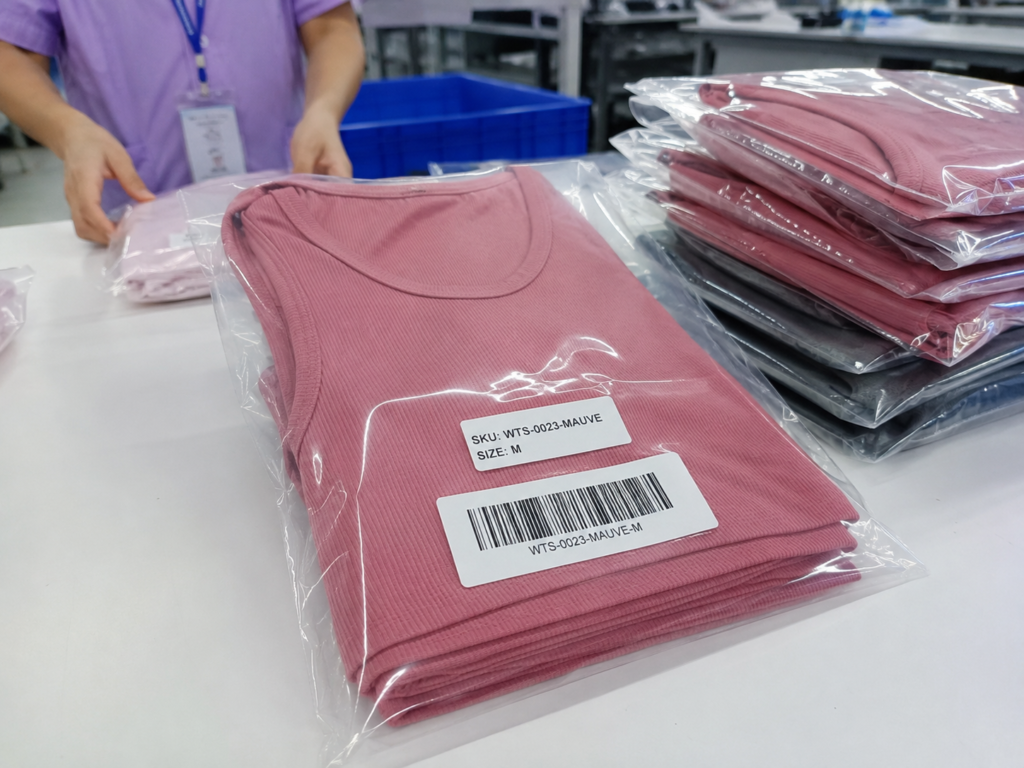
Barcode and SKU
- Artwork approval
- Version and quantity check
- Packing record retained
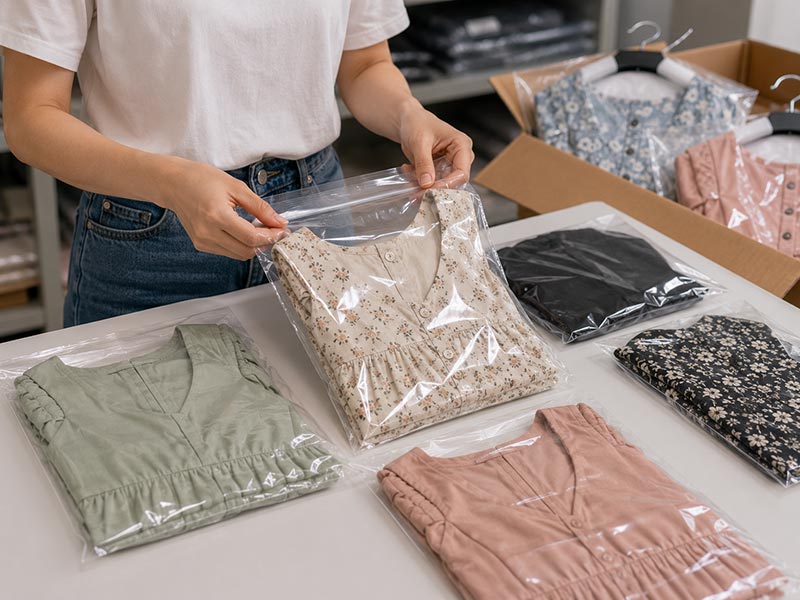
Polybag Packing
- Artwork approval
- Version and quantity check
- Packing record retained

Carton Planning
- Artwork approval
- Version and quantity check
- Packing record retained

Export Documents
- Artwork approval
- Version and quantity check
- Packing record retained
Plan Launches, Repeats and New Yellow Colorways
Seasonal timing and repeat-order readiness depend on preserved product records. The goal is faster, cleaner execution without assuming a new material batch will behave exactly like the previous one.
Connect Development to the Launch Calendar
A launch plan should identify the first sample deadline, fitting review, photo-ready sample date, PP approval, bulk material arrival, cutting release, sewing window, inspection, packing and shipment. Programs with several yellow shades or fabric families should not share one generic timeline because custom dyeing, lace, mesh, satin and private-label components can move at different speeds.
Campaign samples and salesman samples may be needed before bulk approval. Their fabric and construction status should be clearly marked so campaign teams know whether the sample matches final production. Late color, size or trim changes are assessed for impact on pattern files, material orders, labels, cartons and delivery rather than passed informally into production.
Build Repeat Orders from Controlled Records
Jinfeng Apparel retains approved patterns, size charts, BOM, fabric records, color records, trim specifications, sewing instructions, packing requirements, QC records and Golden sample references for repeat-order support.
These records reduce repeated clarification and help identify what must remain unchanged when a successful style returns.
A new yellow colorway or same-pattern fabric still requires review. Stretch, drape, opacity, shrinkage and surface direction can change fit and construction.
New dye lots, lining and trims are compared with the updated color target before bulk release, keeping repeat production controlled rather than copied blindly.
Compliance Support and Unreleased Design Protection
Project Compliance Support
- Confirm target market
- Define required test scope
- Verify current documents
Material Documentation
OEKO-TEX, GOTS, organic cotton, recycled or GRS-related fabric resources can be sourced when the project requires them, subject to supplier capability, color, MOQ, lead time and certificate scope. Garment-level claims should only be made after the relevant documents and testing route are reviewed.
- Supplier and batch verification
- Color and MOQ confirmation
- Care and fiber information support
NDA and Design Control
NDA-based cooperation can protect tech packs, original samples, patterns, unpublished styles, label files, packaging files, pricing, order information and brand materials. Anonymous case presentation is used unless written authorization allows names, logos or unreleased product images to be disclosed.
- Project-related access only
- No unauthorized brand disclosure
- Files retained for production use
Representative Yellow Dress Collection Program
The following anonymized project structure reflects the scale and coordination required for a mature fashion collection. Brand identity, proprietary files and unreleased designs remain protected.
Case 1: Yellow Occasionwear and Wedding Guest Collection
Project Scope
A premium occasionwear brand developed a yellow dress collection for wedding guest, graduation, cocktail and formal event markets.
- Collection size: 20 dress styles
- Product categories: butter yellow satin dresses, pastel yellow chiffon dresses, lace occasion dresses, crepe midi dresses and structured corset styles
- Materials: satin, chiffon, lace, crepe, mesh and structured lining systems
- Construction details: fitted bodices, flowing skirts, elegant necklines and occasion silhouettes
- Requirement: refined yellow tones with stable coverage and premium finishing
Development Challenges
Yellow occasionwear requires precise control because light colors expose material differences easily.
Key challenges included:
- Matching yellow shades across different fabrics
- Preventing pale yellow transparency
- Controlling lining influence on final color
- Maintaining satin surface consistency
- Protecting pressing quality on delicate materials
Manufacturing Approach
The development team created a material-specific yellow approval process.
Key controls included:
- Pantone and physical color reference review
- Fabric-based shade approval
- Lab dip confirmation when required
- Shell and lining matching
- PP sample approval before bulk production
Additional attention was given to:
- Bust and waist fitting
- Lace placement
- Invisible zipper construction
- Hem balance
- Final presentation quality
Manufacturing Value
The collection achieved a refined yellow occasionwear appearance by combining color management, fabric selection, pattern engineering and controlled finishing.
Case 2: Yellow Resort and Summer Dress Collection
Project Scope
A resortwear brand developed a lightweight yellow dress collection for spring, summer and vacation markets.
- Collection size: 15 dress styles
- Product categories: yellow maxi dresses, viscose resort dresses, chiffon dresses, linen-blend dresses and relaxed midi styles
- Materials: chiffon, viscose, rayon, linen blends and lightweight woven fabrics
- Construction details: flowing silhouettes, halter styles, relaxed fits and breathable designs
- Requirement: lightweight appearance with comfortable coverage and travel-friendly packing
Development Challenges
The collection needed to balance freshness, softness and commercial stability.
Main challenges included:
- Transparency control in pastel yellow fabrics
- Maintaining soft drape after lining
- Preventing wrinkles during transportation
- Controlling natural fabric variation
- Keeping yellow appearance consistent under outdoor lighting
Manufacturing Approach
The project focused on lightweight fabric and resort-specific construction.
Key controls included:
- Selecting lining based on fabric weight and opacity
- Reviewing yellow shades under natural light
- Adjusting shell and lining length
- Testing hem balance after hanging
- Confirming travel packing methods
Additional production controls:
- Shrinkage review
- Fabric batch inspection
- Clean handling standards
- Wrinkle protection during packing
Manufacturing Value
The collection maintained a relaxed resort aesthetic while achieving stable coverage, comfortable wearability and export-ready presentation.
Case 3: Large Private Label Yellow Dress Collection Program
Project Scope
An established fashion brand required a complete seasonal yellow dress assortment covering different silhouettes, fabrics and retail occasions.
- Collection size: 30 dress styles
- Production scale: 60,000+ pieces
- Product categories: yellow mini dresses, midi dresses, maxi dresses, satin slips, party dresses and graduation styles
- Materials: satin, chiffon, viscose, lace, mesh, jersey and ponte fabrics
- Requirement: consistent quality across multiple SKUs, colors and delivery batches
Development Challenges
The program required coordination across different yellow shades and garment structures.
Major challenges included:
- Managing butter yellow, lemon yellow and golden yellow directions
- Maintaining shade consistency between fabrics
- Controlling different lining requirements
- Keeping size grading consistent
- Coordinating private-label packing
Manufacturing Approach
The collection was divided according to product structure and production risk.
Light Yellow Collection Group
Focused on:
- Butter and pastel yellow shades
- Chiffon and viscose selection
- Transparency control
- Lining coordination
Statement Yellow Collection Group
Focused on:
- Lemon and golden yellow shades
- Satin surface control
- Partywear silhouettes
- Pressing protection
Manufacturing Value
The program demonstrated that large yellow dress collections require both production capacity and detailed control of color, fabric, fit, quality and retail delivery.
Yellow Dress Supplier Evaluation Checklist
| Evaluation Area | Evidence to Request | Jinfeng Apparel Approach |
|---|---|---|
| Color approval | Pantone/swatches, lab dip process, bulk shade review | Reference, material and bulk approval records by project |
| Fabric and opacity | Fabric data, lining options, sample under light | Drape, stretch, weight, opacity and lining review |
| Pattern and fit | Pattern team, size chart, fit comments, grading method | 7+ senior pattern makers and documented revisions |
| Sampling | Sample types, timing, PP and Golden sample process | First, fit, revised, photo-ready, PP and Golden sample support |
| Production scale | Factory allocation, monthly capacity, line planning | 6 owned factories, 10+ partners, 100,000+ regular monthly capacity |
| Bulk QC | Incoming, cutting, in-line, final and packing controls | 15+ QC inspectors and project-specific checklists |
| Private label | Label, barcode, SKU, polybag and carton controls | Retail-ready packing and export file coordination |
| Design protection | NDA, unpublished style policy, image permissions | NDA-based cooperation and anonymous case rules |
| Repeat orders | Pattern, BOM, color, trim and packing record retention | Records retained for replenishment and new color development |
Frequently Asked Questions About Yellow Dress Manufacturing
MOQ starts from 200 pcs per style/color. Final requirements depend on stock or custom-dyed fabric, color, trims, construction, packing and production schedule. Multiple styles combined to 200 pieces do not normally meet the per-style/color MOQ.
Yes, by project. Send a Pantone reference, physical swatch or approved garment. The selected fabric may require a lab dip or supplier swatch, followed by bulk shade confirmation. Fiber, weave and surface finish can change the visual result.
Color control can include approved swatches, lab dips, bulk fabric review, dye-lot records, shade grouping, lining coordination and trim matching. Repeat orders still require a new batch check because fabric suppliers and dye lots can change.
Common directions include satin, chiffon, viscose, rayon, crepe, lace, mesh, jersey and ponte. The best choice depends on silhouette, opacity, drape, stretch, season, target price and care requirements.
The team reviews shell weight, weave, lining color, coverage and seam construction. Opacity is checked on the actual sample under different lighting, especially around bust, hip, seam allowances and lower skirt panels.
A simple style may take about 7-10 days, a regular dress about 10-15 days, and complex corset, strapless, lace, mesh or sequin styles about 15-25 days. Custom materials can extend the schedule.
A reference image can start the review. Accurate development still needs decisions on fabric, measurements, lining, closures, support structure, quantity, color and target price. A final bulk quotation cannot rely on one image alone.
PP sample approval, Golden sample sealing, BOM, fabric and trim approvals, size chart, sewing instructions, measurement tolerances, QC checklist and packing instructions create the production standard.
Yes. Woven labels, size labels, care labels, hangtags, barcode stickers, SKU labels, polybags, carton marks and packing lists can be coordinated according to approved files and project requirements.
Yes. Patterns, size charts, BOM, fabric, color, trim, sewing, packing and QC records can be retained. New fabric batches and new yellow colorways still require material and shade confirmation before production.

Start Your Yellow Dress Manufacturing Project
The most useful inquiry includes reference images or a tech pack, target yellow shade or Pantone code, preferred fabric, quantity by style/color, size range, label and packing requirements, sample purpose and intended delivery window.
Jinfeng Apparel will review style structure, fabric suitability, opacity, color development, pattern requirements, sample route, MOQ, production allocation and documentation needs before outlining the next steps. Clear project files allow the team to identify risks early and avoid a vague quotation that changes after sampling.
For programs containing 10-30 styles or several fabric families, include a line sheet or style list so sample priorities, color approvals and production milestones can be organized by group.
- Reference images, tech pack, original sample or line sheet
- Target yellow, Pantone code or approved physical swatch
- Fabric direction, lining preference and visible trim details
- Quantity per style/color and size range or size ratio
- Woven labels, care labels, hangtags, barcodes and packing files
- Sample deadline, campaign date and bulk delivery window