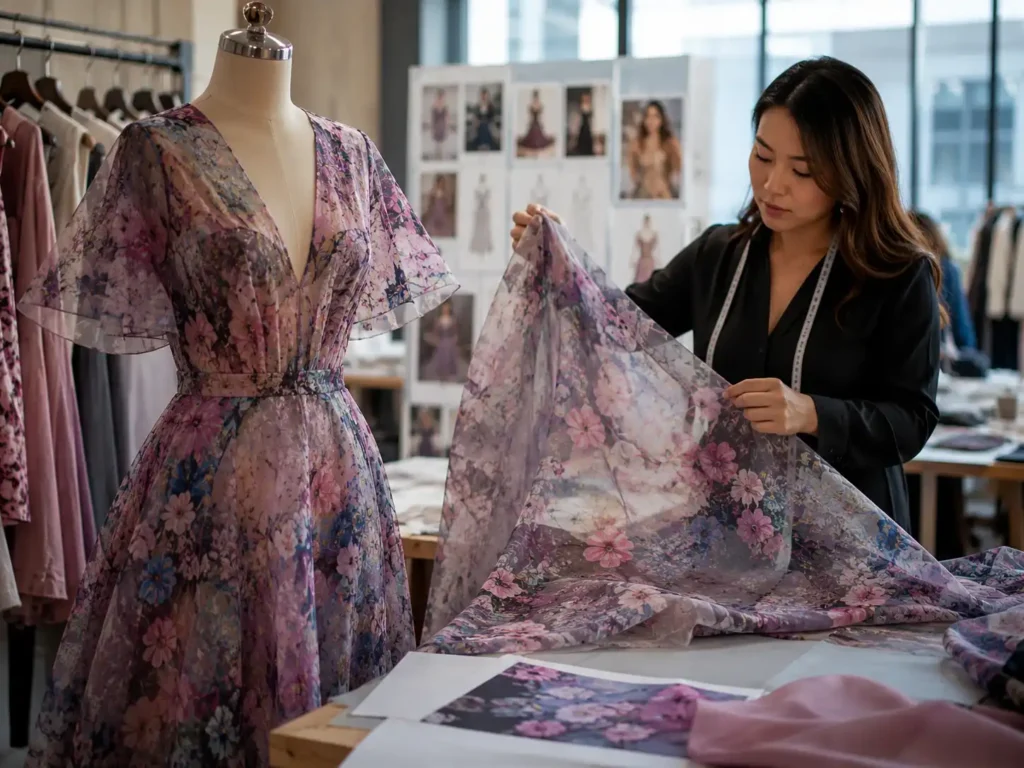
Printed Dress Manufacturer
Custom printed dresses developed for global fashion brands from original artwork and fabric direction through sampling, controlled bulk production, and private-label delivery.
- Since 2008, supported by 6 owned women’s fashion factories and 10+ long-term production partners.
- 7+ senior pattern makers, 2 sample rooms, and 20+ sample machinists for print-to-garment development.
- MOQ starts from 200 pcs per style/color; exclusive print, fabric, and packaging requirements may carry separate minimums.
- Print scale, direction, placement, color, fit, cutting, workmanship, and packing are reviewed as one connected production standard.
Printed Dress Manufacturing Capacity at a Glance
Since 2008
Six Owned Factories
Ten Plus Partners
Two Sample Rooms
Seven Pattern Makers
Fifteen QC Inspectors
Built for Structured Printed Dress Programs
Fashion Brand Programs
Sourcing and Development Teams
From Original Artwork to Delivered Printed Dresses
Artwork Review
Fabric Direction
Print Approval
Pattern Development
Sample Review
PP Standard
Bulk Production
Quality Control
Export Delivery
Six Risks Behind Printed Dress Production
Wrong Print Scale
Color Shift
Placement Errors
Seam Mismatch
Fabric Shrinkage
Bulk Variation
Review Feasibility Before Sampling Begins
Project Review
Feasibility Advice
Development Plan
Printed Dress Styles Developed for Fashion Collections
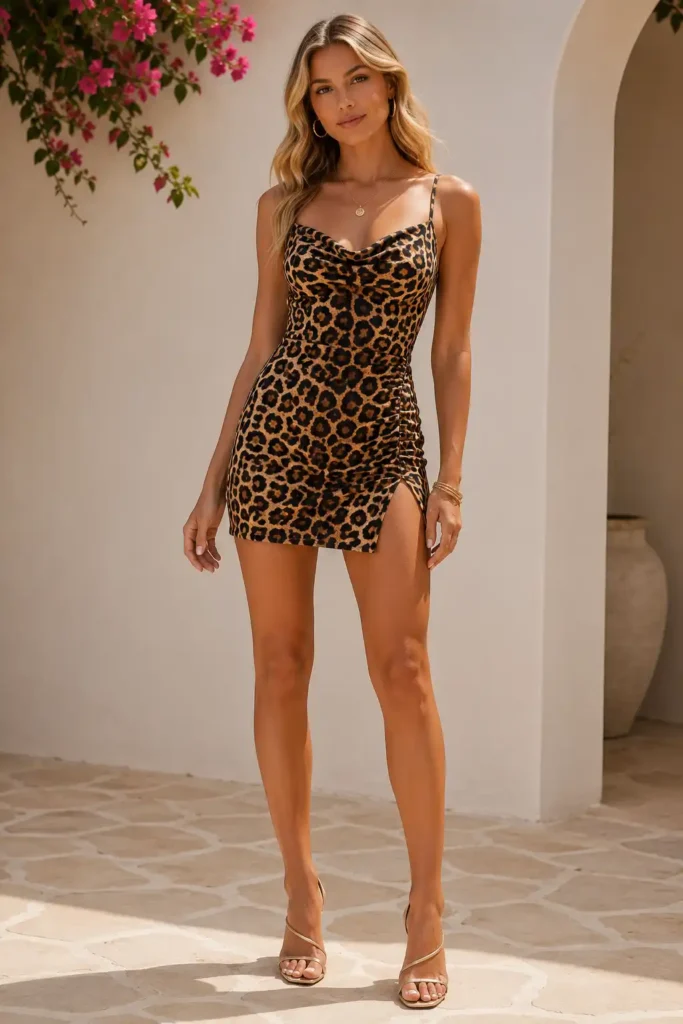
Printed Mini Dress

Printed Midi Dress

Printed Maxi Dress

Printed Wrap Dress

Printed Slip Dress

Printed Shirt Dress

Printed Bodycon Dress

Printed Resort Dress
Print Directions for Distinctive Dress Collections

Floral Print

Abstract Print

Geometric Print

Tropical Print

Animal Print

Stripe and Check

Border Print

Placement Print
Printed Dresses by Commercial Wearing Scenario

Resort Collection

Summer Collection
Summer programs favor breathable or lightweight bases, bright colorways, floral or abstract repeats, and silhouettes allowing movement. Construction should avoid unnecessary weight while maintaining opacity, seam strength, neckline stability, and consistent measurements.

Brunch and Daywear

Occasionwear

Party and Going-Out

Ecommerce Drops
Base Fabrics for Printed Dress Development
Base fabric changes color appearance, print sharpness, drape, stretch, transparency, shrinkage, handfeel, sewing behavior, and garment cost. Selection should begin with the intended silhouette and wearing scenario, not artwork alone.
| Base Fabric | Best-Suited Styles | Visual and Wearing Effect | Main Print Considerations | Bulk Control Focus |
| Chiffon | Maxi, tiered, resort, occasion | Lightweight, fluid, often transparent | Color penetration, print clarity, direction, lining shade | Transparency, seam slippage, hem balance, packing creases |
| Rayon | Wrap, midi, vacation, casual maxi | Soft handfeel and strong drape | Shrinkage, colorfastness, repeat direction | Relaxation, pre-production testing, length stability |
| Viscose | Midi, maxi, shirt dress, resort | Smooth drape and comfortable wear | Batch shade, shrinkage, print definition | Fabric lot control, cutting direction, care labeling |
| Cotton Blend | Day dress, shirt dress, fitted casual | Cleaner structure and breathable feel | Base color, shrinkage, pigment handfeel | Measurement stability, seam appearance, wash behavior |
| Linen Blend | Resort, shirt dress, relaxed midi | Natural texture and premium vacation look | Surface texture, color variation, crease behavior | Wrinkle standard, shrinkage, pressing and folding |
| Satin | Slip, party, occasion, bias dress | Lustrous surface and fluid movement | Reflection, shade perception, needle marks | Direction, snagging, seam tension, pressing protection |
| Jersey | Bodycon, ruched, fitted midi | Stretch, comfort, close-to-body fit | Print opening under stretch, recovery, twisting | Stretch direction, measurement, side seam stability |
| Mesh | Layered, party, printed overlay | Transparency and visual depth | Placement, overlap, lining color, stretch | Hole inspection, print position, edge finishing |
Select a Printing Route Around Fabric and Volume
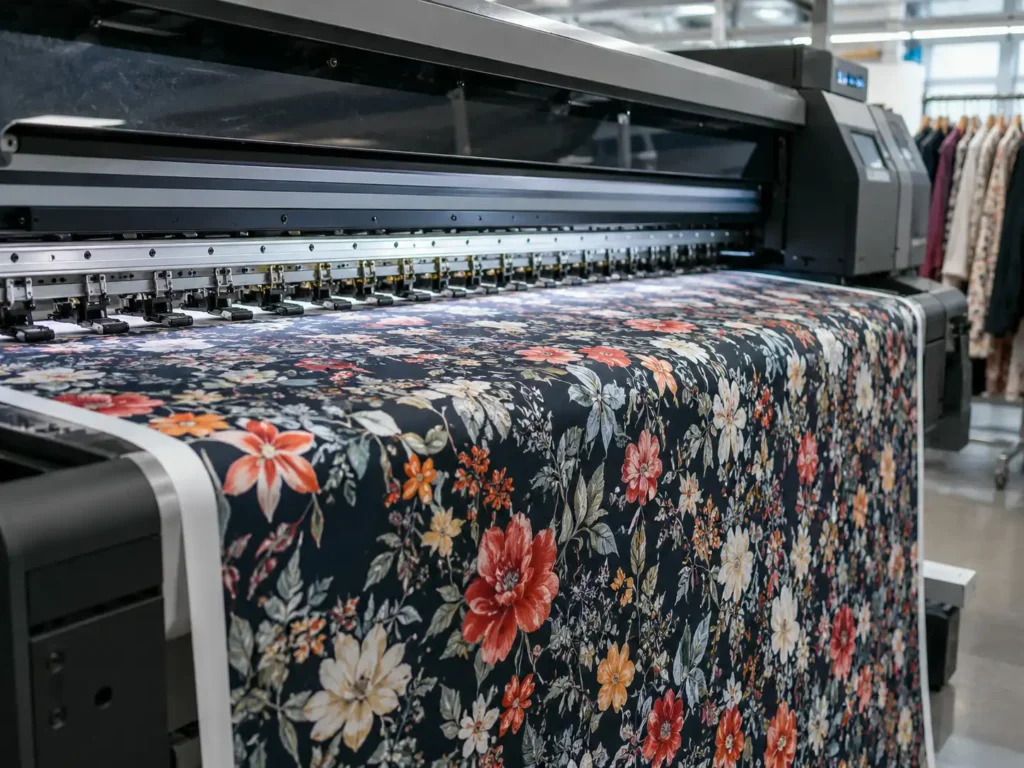
Digital Printing
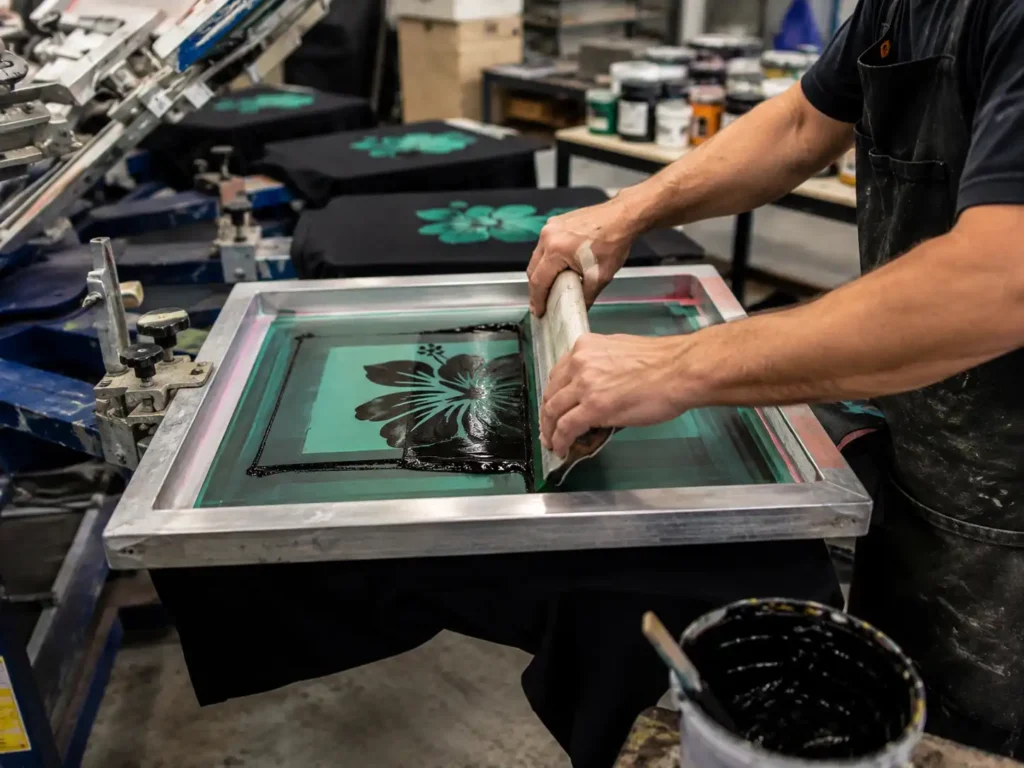
Screen Printing

Sublimation Printing

Reactive Printing

Pigment Printing

Placement and Border Printing
Artwork Files Needed for Reliable Print Development
Original Artwork
Repeat File
Color Reference
Scale Direction
Placement Map
Garment Reference
Base Fabric Direction
Colorway Plan

Control Print Repeat and Scale Before Cutting
Print scale changes how a dress reads from close range, photography distance, and across different body sizes. Approval should connect artwork dimensions with finished garment dimensions.
Scale Must Follow the Silhouette
- A 12 cm flower may feel balanced on a full maxi skirt but dominate a fitted mini dress. A small repeat may support ruched or tiered garments yet lose visual impact on a clean column silhouette. Jinfeng reviews motif size against front panel width, finished length, skirt volume, neckline shape, waist position, and photography requirements.
- For all-over prints, the repeat should be viewed on a full garment simulation or sample. Flat swatches often hide repeat bands, empty zones, abrupt color concentrations, and unintended vertical lines. Border or engineered prints need exact distances from finished edges.
Grading Changes Visual Relationships
- Size grading changes panel width, dart position, seam length, neckline, waist, and skirt sweep. A fixed placement may sit correctly on the base size but move too close to a seam or too far from the body center on larger or smaller sizes. Placement rules should define which distance remains fixed and which element follows graded pattern points.
- Gathering, ruffles, pleats, wrap panels, bias cutting, and stretch can compress or expand artwork. Samples should be reviewed in front, side, back, standing, and movement views. Approved print scale, repeat dimensions, and placement instructions then become part of PP and production files.
Approve Printed Colors Through Physical Standards
Build a Clear Color Approval Chain
Review Under More Than One Light
Separate and Record Production Lots

Make Print, Pattern, and Fit Work Together
A printed dress succeeds only when artwork supports the body, silhouette, movement, and graded size range. Pattern development should protect both fit and visual balance.
Body Landmarks Affect Artwork
Bust, upper bust, under bust, waist, high waist, low waist, hip, neckline, armhole, shoulder, strap, slit, and finished length determine where artwork appears on the body. Darts may remove part of a motif. Ruching compresses repeats. Pleats hide artwork. Bias cutting rotates direction. Wrap panels overlap. Stretch changes spacing.
Jinfeng’s 7+ senior pattern makers use size charts, reference samples, tech packs, fit comments, and garment measurements to develop production patterns. Printed panels are assessed in relation to seam positions and body points rather than treated as generic fabric pieces.
Size Grading Needs Visual Rules
Grade rules should follow the target market and approved base size. XS-to-S changes should not simply repeat the same increments across every point, and larger sizes need balanced bust, waist, hip, armhole, neckline, strap, and length changes. Placement prints may need separate coordinates or proportional rules across sizes.
Sample review combines fit, measurement, print position, movement, opacity, and appearance. Approved pattern versions, size charts, tolerance standards, and print instructions are then linked to PP and bulk QC records.
Design Details That Change Printed Dress Execution

Ruffle Construction

Ruched Panels

Waist Ties

Button Fronts

Slit Details

Lining Systems
Sample Types Used in Printed Dress Development
First Sample
Fit Sample
Revised Sample
Photo Sample
Salesman Sample
PP Sample
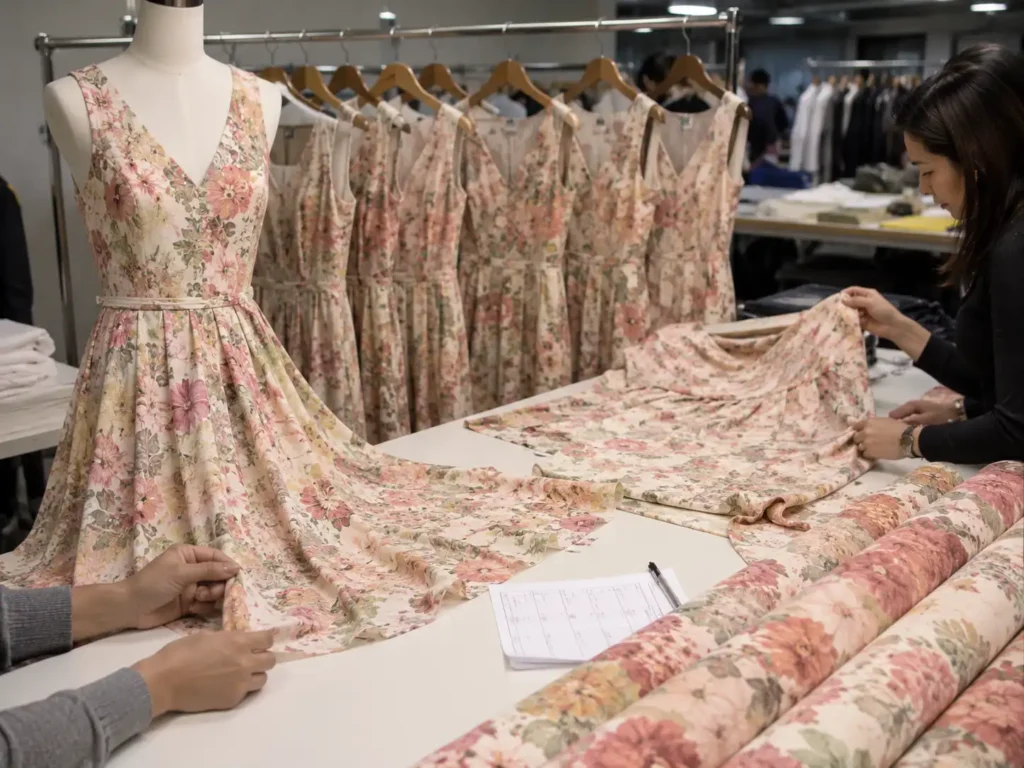
Review Printed Samples from Every Important Angle
A sample should be evaluated as a garment in use, not only as a flat product. Fit comments, measurements, visual placement, and movement photos make revision decisions more accurate across distance.
Front, Side, Back, and Movement Review
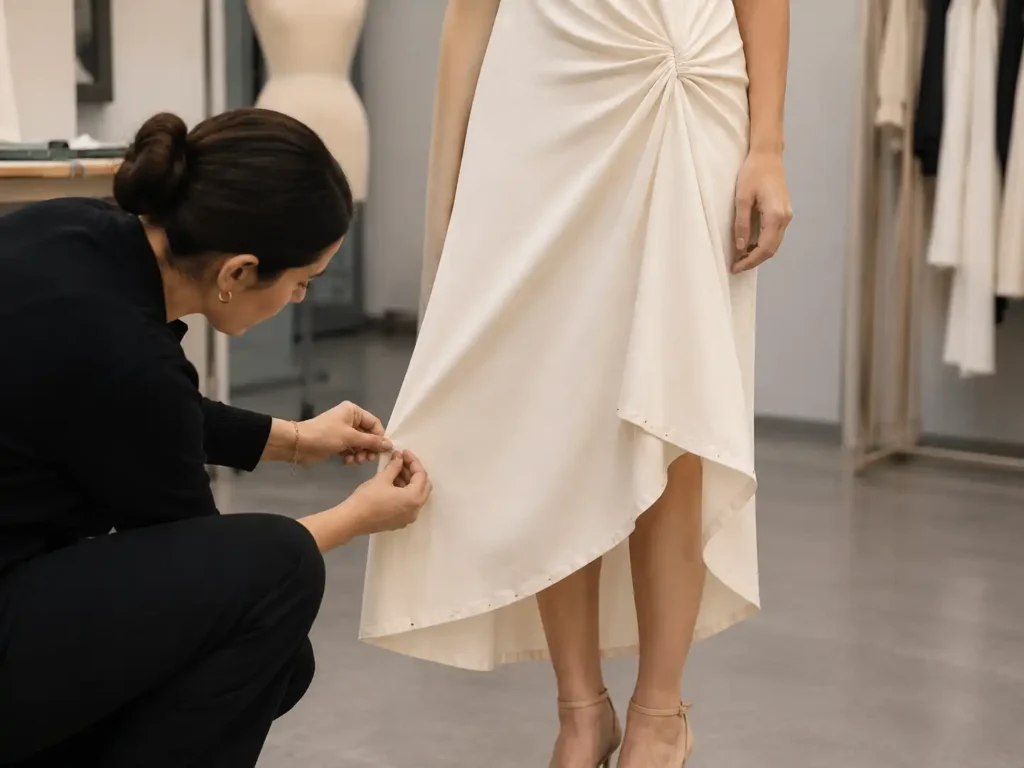
- Front views show center alignment, neckline, bust position, waistline, motif balance, slit, and hem.
- Side views reveal armhole exposure, bust shaping, waist depth, hip balance, side seam direction, and lining.
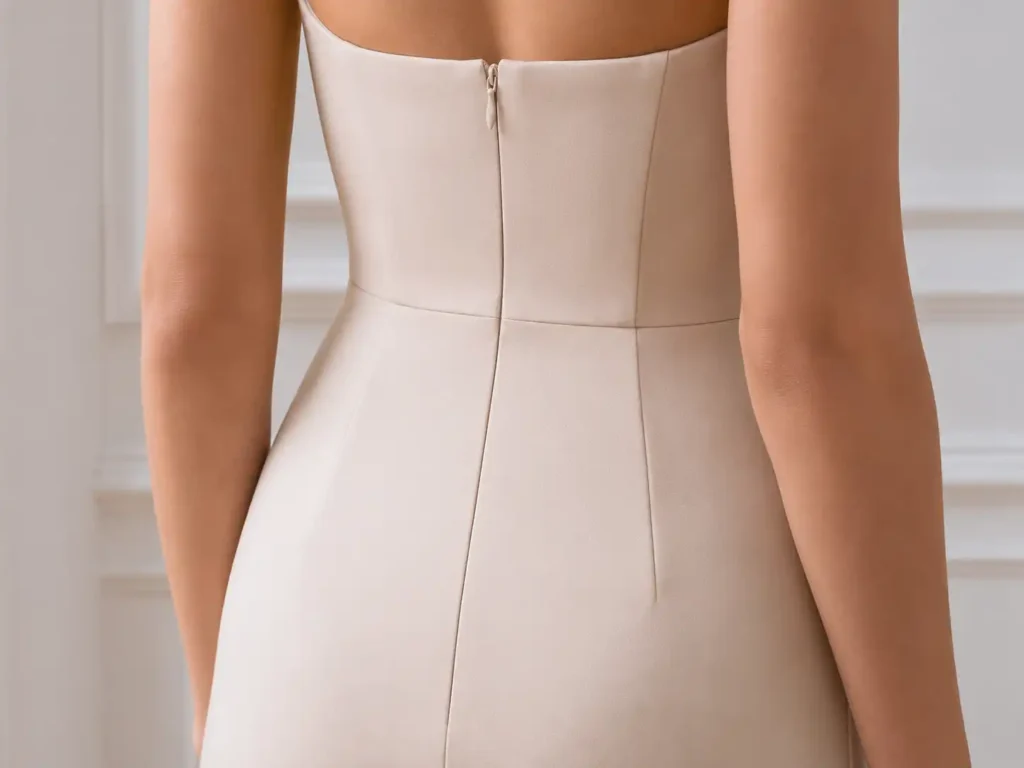
- Back views show zipper, back neckline, center placement, darts, and hem.
- Movement views reveal wrap opening, slit exposure, strap security, skirt flow, and lining behavior.
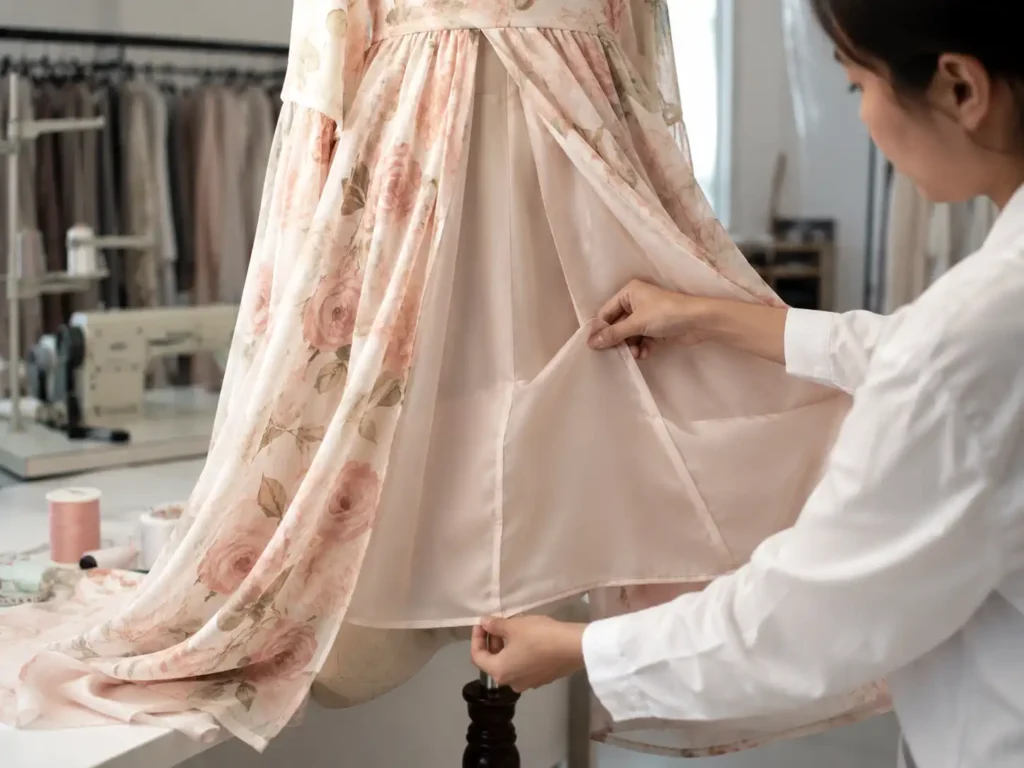
Printed garments need additional checks for motif position, visual weight, side-seam transitions, waist joins, ruffles, tie direction, sleeve orientation, and color under different light. Close-ups should cover zipper, neckline, armhole, lining, hem, buttons, seam quality, and any high-risk placement area.
Convert Comments into Production Records
Each revision should record requested change, responsible pattern or construction point, updated measurement, artwork or placement impact, fabric or trim change, confirmation status, and next action. Important changes move into pattern versions, size charts, BOM, print instructions, sewing instructions, PP records, and QC checklists rather than remaining only in messages.
Lock Every Bulk Standard at PP Approval
Garment Standards
Brand and Packing Standards
Production Control Standards
Workmanship Details Visible in Finished Printed Dresses

Seam and Print Alignment
Zipper Flatness

Waist and Shaping
Lining Attachment

Ruffle Distribution

Button and Placket Control
Hem Balance

Label Placement
Printed Dress Bulk Production Workflow
Material Approval
Incoming Inspection
Fabric Preparation
Marker Planning
Cutting and Bundling
Sewing Control
Inline Inspection
Finishing and Pressing
Final QC and Packing
Quality Control Built Around Printed Dress Risks
Base Fabric Inspection
Print Color Check
Print Defect Check
Cutting Direction Check
Inline Sewing Check
Measurement Check
Appearance Check
Final Inspection
Packing Check
Testing Support Based on Fabric and Market Needs
Washing Color Fastness
Rubbing Fastness
Perspiration Fastness
Print Color Fastness
Fabric Shrinkage
Seam and Dimensional Stability
Measurement Standards for Printed Dress Production
Garment tolerances are confirmed from the client tech pack, product structure, fabric stretch, target market, and approved sample. The values below are internal reference points, not universal promises; approved client standards take priority.
| Measurement Point | Regular Internal Reference | Printed Dress Risk |
|---|---|---|
| Bust | ±1 cm | Fit changes can move motifs, darts, and neckline balance |
| Waist | ±1 cm | Affects waist seam, placement, tie position, and silhouette |
| Hip | ±1.5 cm | Critical for fitted, slip, and bodycon printed dresses |
| Shoulder Width | ±0.8 cm | Influences neckline, sleeve, and upper-body print balance |
| Strap Length | ±0.5 cm | Changes neckline depth, bust position, and motif location |
| Dress Length | ±1 cm | Important for mini safety, midi proportion, and border position |
| Maxi Total Length | ±1.5 cm | Affects hem level, floor clearance, and border artwork |
| Sleeve Length | ±1 cm | Influences cuff and directional-print alignment |
| Slit Height | ±1 cm | Controls movement, coverage, and motif interruption |
| Hem Circumference | ±1.5 cm | Influences skirt volume, print rhythm, and drape |
Printed Dress MOQ and Quotation Logic
Jinfeng Apparel’s standard garment MOQ starts from 200 pcs per style/color. Custom printing introduces additional dependencies from base fabric, print route, artwork, colorways, and material suppliers.
Understand the MOQ Layers
A garment MOQ and a fabric-printing MOQ are not always identical. Stock printed fabric may support one route, while exclusive artwork, custom base fabric, custom color, border printing, placement panels, certified material, special trims, or custom packaging may require separate minimum quantities.
Order structure also matters. Ten colors at 200 pieces each create a different material plan from two colors at 1,000 pieces each. A multi-style collection using shared base fabric and coordinated colorways may create better purchasing and production efficiency than isolated styles with unrelated materials.
Build Quotations from Real Cost Drivers
Quotation inputs include base fabric, print development, strike-off or sample fabric, pattern work, sampling, lining, trims, construction, cutting, matching loss, sewing time, pressing, QC, labels, packing, testing, logistics, and reasonable factory margin.
Placement prints, large repeats, one-way artwork, border use, seam matching, wide skirts, ruffles, multi-layer construction, difficult lining, broad size ranges, many colorways, and compressed timing can increase cost. Jinfeng can review fabric alternatives, print scale, matching priority, construction, size ratio, color consolidation, marker efficiency, and split shipment to protect the intended brand look while improving commercial control.
Protect Original Artwork and Unreleased Collections
Protected Development Materials
Controlled External Presentation
Long-Term Record Management
Private Label and Retail-Ready Printed Dresses

Main Label

Size Label

Care Label

Hangtag
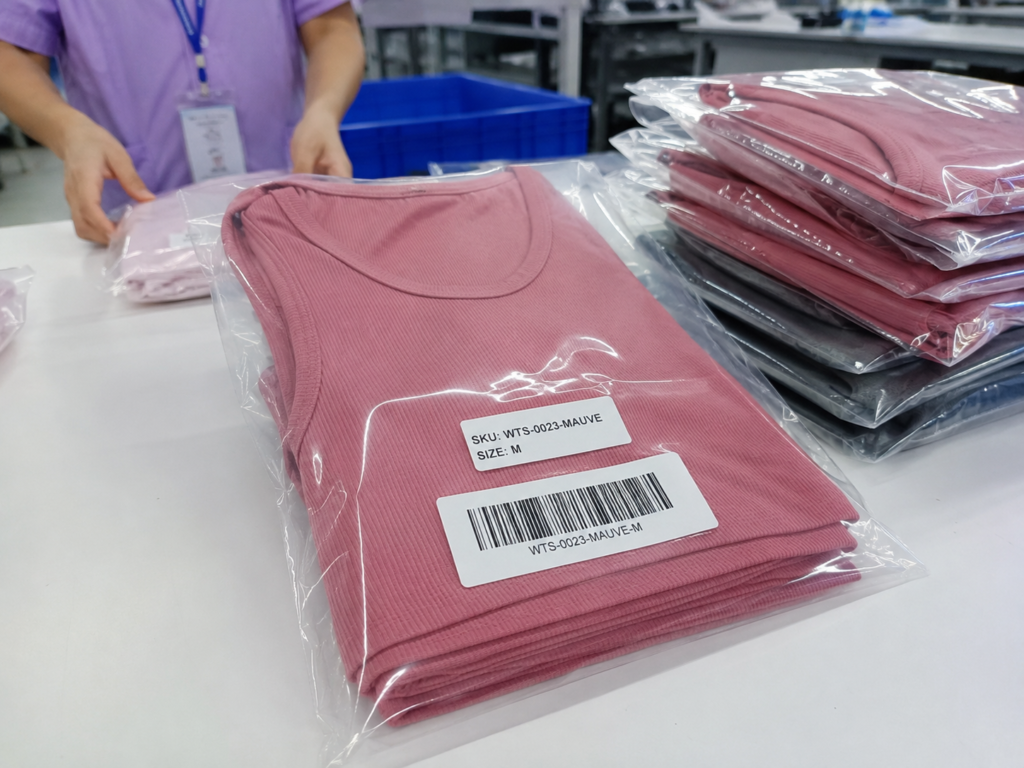
Barcode Sticker

Individual Polybag

Size and Color Sticker
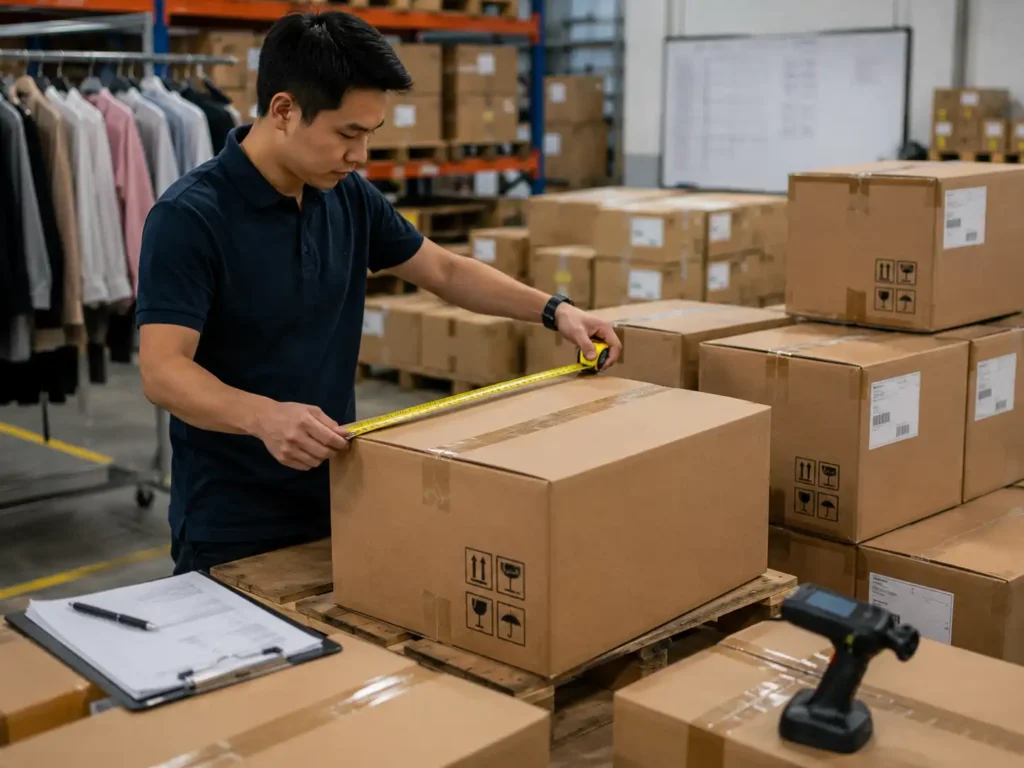
Carton Mark
Printed Dress Programs Managed at Collection Scale
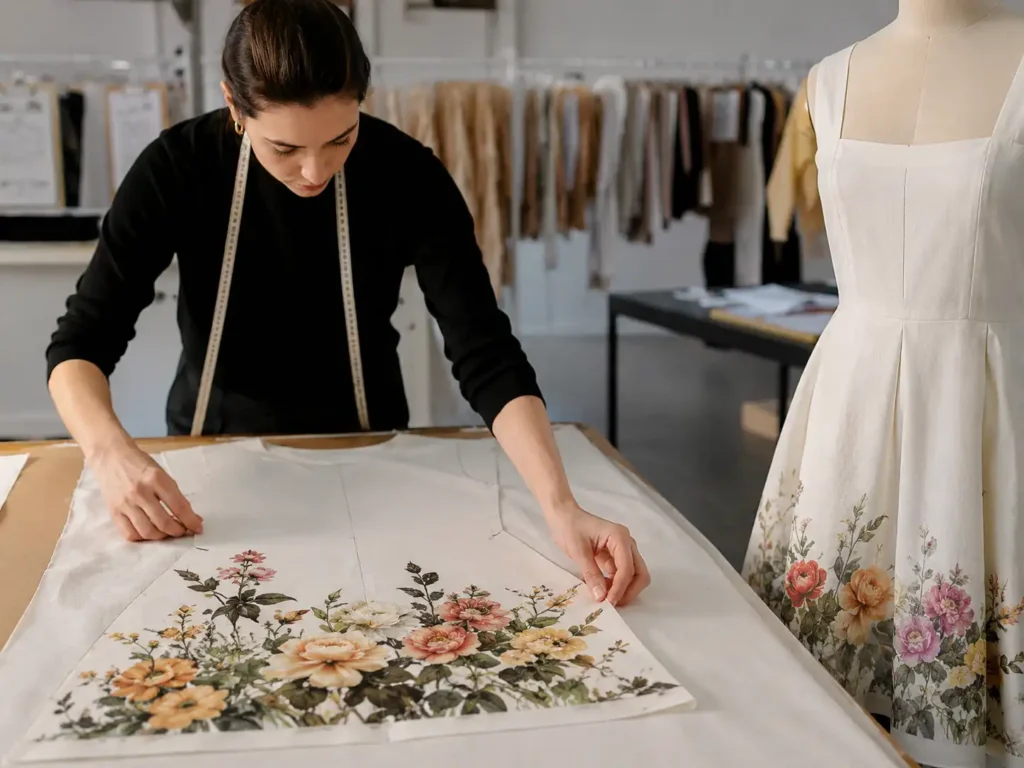
US Ecommerce Print Drop

Australian Resort Collection

European Multi-Market Program
Support Seasonal Extensions and Repeat Orders
Extend One Print Across Styles
Extend One Pattern Across Prints
Retain Production Records
Manage Bestseller Replenishment
Build Seasonal Color Stories
Coordinate Multi-Batch Delivery
Frequently Asked Questions About Printed Dress Manufacturing

Send Your Printed Dress Development Brief
Share enough information for Kelly and the development team to review fabric, print, pattern, MOQ, sampling, production, quality, packing, and delivery requirements as one connected project. A useful brief does not need to be perfect, but it should identify the commercial direction and any non-negotiable standards.
Please include:
- Reference images, tech pack, original sample, line sheet, or sketch.
- Original artwork, repeat file, placement map, color references, and intended print scale.
- Preferred fabric composition, weight, drape, stretch, opacity, and handfeel.
- Target quantity by style and colorway, planned size range, and size ratio.
- Required sample stage, campaign date, buying meeting, or launch deadline.
- Main labels, size labels, care labels, hangtags, barcodes, SKU labels, and packing instructions.
- Destination market, inspection standard, testing needs, shipment plan, or appointed forwarder details.