Skip to content
Cotton Blend Dress Manufacturer
Custom cotton blend dress development for global fashion brands requiring balanced comfort, fit stability and reliable bulk production
- 6 blend directions: cotton-polyester, cotton-viscose, cotton-linen, cotton-spandex, cotton-modal and cotton-lyocell options selected by silhouette and market position.
- Woven and knit capability: shirt dresses, A-line dresses, tiered styles, jersey dresses, ribbed bodycon dresses, resort dresses and coordinated seasonal collections.
- Development resources: 2 sample rooms, 7+ senior womenswear pattern makers and 20+ sample machinists supporting fit review, wash-risk assessment and PP approval.
- Commercial structure: MOQ starts from 200 pcs per style/color, with fabric, dyeing, printing, trims and packaging requirements reviewed before quotation.
.
Manufacturing Capacity for Cotton Blend Dress Programs
Since 2008
6 Owned Factories
10+ Production Partners
100,000+ Monthly Capacity
2 Sample Rooms
15+ QC Inspectors
Built for Established Fashion and Retail Programs
Global Fashion Brands
Premium Ecommerce Brands
Fashion Retailers
Sourcing Offices
Private Label Programs
Seasonal Dress Collections
Where Cotton Blend Dress Projects Commonly Fail
Wrong Blend Choice
Uncontrolled Shrinkage
Poor Stretch Recovery
Shade and Handfeel Drift
Sample-Bulk Mismatch
Incorrect Care Information
Confirm Project Fit Before Development Begins
Best Fit Programs
Recommended preparation:
- One or more dress references with construction details
- Target quantity per style and color
- Preferred blend, handfeel or performance goal
- Size chart and planned size ratio
- Color, print, label and packaging direction
- Target launch or delivery window
Production Boundaries
Quantity logic:
- One style in one color at 200 pcs can meet the standard structure
- One style in two colors normally requires 200 pcs per color
- Several styles totaling 200 pcs do not meet per-style production logic
- Size quantities are distributed within the confirmed style/color total
Cotton Blend Dresses We Manufacture

Mini Dresses

Midi Dresses

Maxi Dresses

Shirt Dresses

A-Line Dresses

Tiered Dresses

Smocked Dresses

Jersey Dresses

Ribbed Dresses

Bodycon Dresses

Resort Dresses

Printed Dresses
Match Fabric Performance to Dress Structure

Mini Length Control

Midi Proportion

Maxi Hem Balance

Fitted Silhouettes

Relaxed Silhouettes

Structured Silhouettes
Choose the Right Cotton Blend
Composition affects softness, drape, recovery, wrinkling, shrinkage and cost, yet percentage alone never tells the full story. Yarn, knit or weave structure, weight, finishing and color process also shape the finished dress.
| Blend Direction | Product Effect | Best Dress Uses | Control Focus |
| Cotton-Polyester | Cleaner shape, durability, reduced wrinkling | Shirt, A-line, casual, uniform-inspired dresses | Handfeel, pilling, breathability, heat response |
| Cotton-Spandex | Comfort stretch, closer fit, movement | Bodycon, ribbed, fitted mini and midi dresses | Recovery, opacity, negative ease, wash stability |
| Cotton-Viscose | Softness, fluid drape, lighter movement | Tiered, midi, maxi and summer dresses | Wet shrinkage, twisting, color fastness, seam stability |
| Cotton-Linen | Natural texture, breathability, dry handfeel | Resort, shirt, A-line and relaxed dresses | Wrinkle character, shrinkage, transparency, slub consistency |
| Cotton-Modal | Smooth handfeel, comfort, refined drape | Jersey, premium casual and relaxed fitted dresses | Pilling, spirality, shape retention, surface abrasion |
| Cotton-Lyocell | Soft flow, modern surface, moisture comfort | Midi, maxi and relaxed premium dresses | Wet handling, shrinkage, seam marking, finishing consistency |
| Cotton-Recycled Fiber | Material story with performance balance | Selected casual and sustainability-led capsules | Traceability, supplier scope, color, MOQ, batch consistency |
Woven and Knit Cotton Blend Options
Woven Cotton Blends
- Warp and weft shrinkage are reviewed separately where testing is required
- Grain direction controls hang, twisting and pattern balance
- Interfacing weight must match collars, plackets and waistbands
- Print direction and stripe matching are planned before cutting
- Seam puckering and pressing marks are checked during sewing
Knit Cotton Blends
- Stretch direction is marked and controlled during cutting
- Negative ease is adjusted by fabric extension and recovery
- Necklines and armholes receive stabilization where needed
- Seam type and thread performance support movement
- Twisting, pilling and wash stability are reviewed by fabric risk
Select Cotton Blends by Product Objective
Softer Handfeel
Better Shape Retention
Reduced Wrinkling
Comfortable Stretch
Natural Texture
Commercial Cost Balance
Control Weight, Coverage and Seasonal Wear
Fabric weight must be judged together with color, stretch, weave or knit density and garment construction. A light fabric can be fully wearable with correct lining, while a heavier fabric can still become transparent under stretch.
Lightweight Woven Dresses for Warm Seasons
Lightweight cotton-viscose and cotton-linen blends suit summer, resort, vacation and tiered silhouettes when airflow and movement matter. Main risks include transparency, seam slippage, uneven gathering, hem distortion and excessive shrinkage. Light colors often need additional opacity review. Lining may be full, partial or limited to the skirt depending on neckline, sleeve design and intended wear. Fabric weight alone should not decide coverage; the fabric needs assessment over the body, under strong light and after movement. Narrow seam allowances or heavy trims can distort soft fabrics, so construction details must remain proportional to the shell.
Medium-Weight Wovens for Everyday Structure
Medium-weight poplin, twill and stretch woven cotton blends support shirt dresses, A-line dresses, pocketed casual styles and office-adjacent silhouettes. The fabric should hold collars, plackets, waist seams and topstitching without feeling board-like. Pattern ease, interfacing and pressing determine comfort and shape. Dark colors may show surface rubbing or pressing shine; pale colors may still need pocketing or lining control. Medium weight does not remove shrinkage risk, especially when cotton content is high or the fabric receives washing and soft finishing. Final measurements and care instructions should follow the approved fabric process.
Stretch Knits for Fitted and Relaxed Dresses
Cotton-spandex jersey, rib and interlock fabrics can support bodycon, fitted midi and relaxed day dresses. A higher weight can improve coverage but may also increase garment pull and heat. A lighter knit can feel comfortable yet reveal seam lines or lose shape. Development reviews horizontal and vertical stretch, recovery, opacity under extension, spirality and neckline growth. Pattern negative ease is adjusted to the actual fabric rather than a standard percentage. Size grading must preserve fit while avoiding excessive compression in larger sizes or loose recovery in smaller sizes.
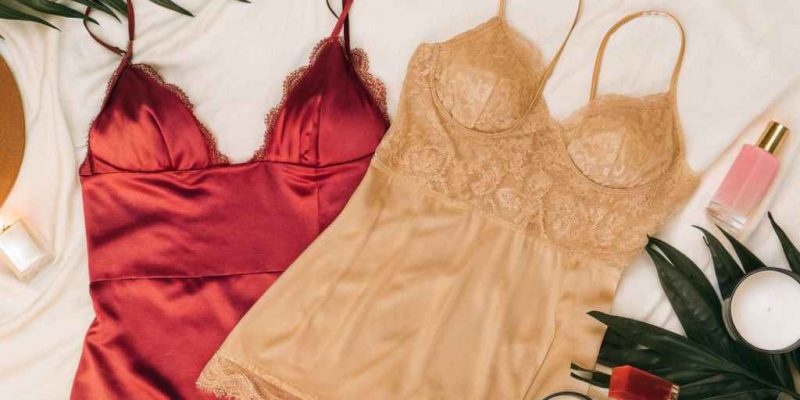
Develop Color, Print and Finishing with Control
Color and finishing change the performance of cotton blends. Dye method, print process, softening, washing and heat treatment can alter handfeel, dimensions, shade and sewing behavior.
Custom Colors and Shade Standards
Color development begins with an agreed reference such as a color code, physical swatch or approved lab dip. Cotton and blended fibers may absorb dye differently, creating tone variation or heather effects. The brand team should define acceptable shade range, lighting conditions and whether styles must match across different fabric constructions. Bulk lots need separation and incoming review before cutting. Deep colors may require additional attention to crocking and wash fastness, while pale shades need opacity and stain-control planning. Custom colors can affect fabric MOQ and lead time according to the mill and dyeing process.
Print Scale, Direction and Placemen
Printed cotton blend dresses need artwork control at fabric and pattern level. Repeat scale influences whether floral or geometric motifs appear balanced on mini, midi and maxi lengths.
Directional prints must follow the same orientation across bodice, sleeves, tiers and pockets. Placement prints require accurate panel mapping before cutting. Digital and screen printing can produce different color depth, handfeel and minimum quantities. Print approval should cover the artwork, base fabric, color, repeat, face direction and wash behavior rather than a screen image alone.
Washing and Soft Finishing
Garment wash, enzyme wash or soft finishing may improve touch and casual character, yet every treatment can change shrinkage, color, surface hairiness and seam appearance. A treatment approved on loose fabric may perform differently after the dress is sewn. Development should clarify whether the finish is applied at fabric stage or garment stage, which measurements are checked before and after treatment, and how care labels reflect the final process. Structured shirt dresses and relaxed resort dresses may need very different finishing decisions even when both use cotton-led blends.
Wrinkle and Surface Management
Wrinkling is not automatically a defect in cotton-linen or natural-texture programs. The required appearance should be defined: crisp, softly relaxed or visibly textured. Anti-wrinkle finishing, polyester content and pressing can improve recovery but may alter handfeel and breathability.
Surface hairiness, pilling and abrasion should be reviewed according to end use. Packaging method also matters; excessive compression can create fold marks that are difficult to remove before photography or retail display.
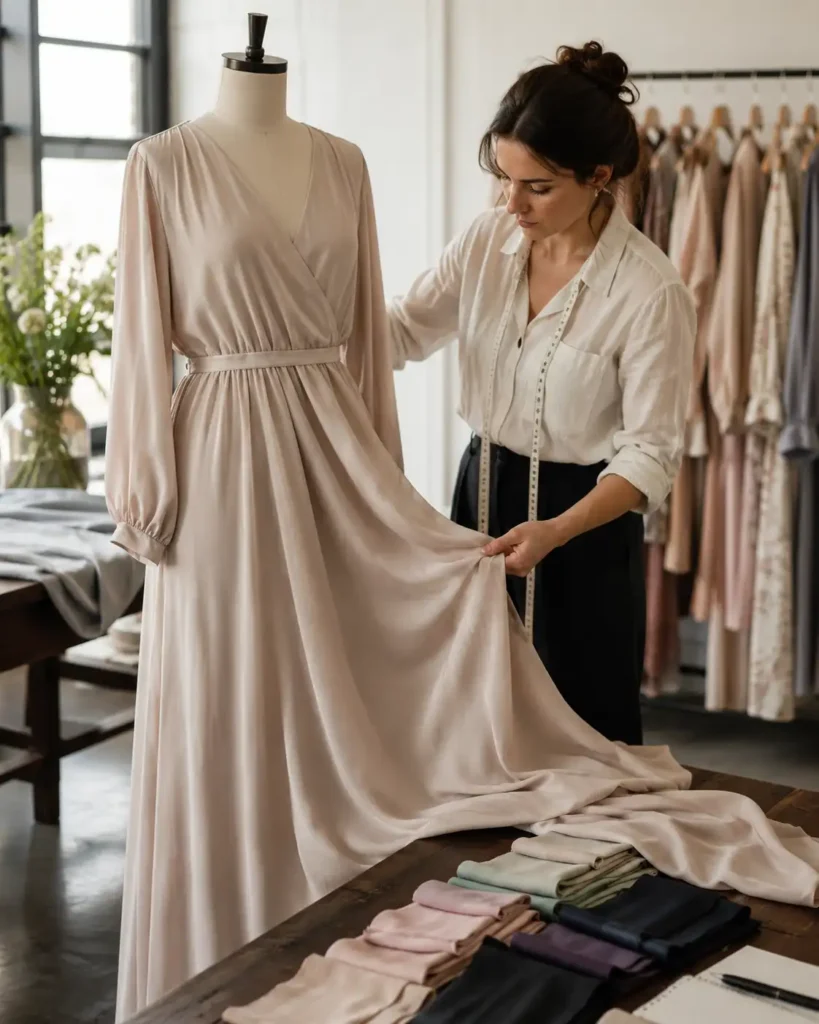
Move from Fabric Direction to Approved Bulk Reference
Reliable fabric selection follows a controlled approval path. Composition labels and supplier descriptions are useful, yet the final decision comes from physical swatches, sample garments and documented bulk standards.
Define the Required Product Result
Development starts with the intended silhouette, season, price position, stretch requirement, visual texture, opacity and care expectation. A request for “soft cotton blend” is not specific enough. The team needs to know whether softness must accompany fluid drape, body-hugging recovery, crisp shirt structure or natural resort texture. Defining the product result narrows sourcing options and reduces repeated sampling. Tech packs, reference garments, target retail positioning and existing fabric swatches provide the strongest direction.
Compare Physical Fabric Options
Candidate fabrics are compared by composition, construction, weight, width, stretch, recovery, handfeel, drape, transparency, color availability, MOQ and expected lead time. A close visual match may perform differently during cutting, sewing or washing. Jinfeng Apparel can present available swatches, photos, video or cuttings according to project needs. Brands should review the fabric under relevant light, against skin or lining, and with the expected silhouette rather than approving from composition data alone.
Validate Through Sample Construction
The first garment sample reveals whether the fabric supports the pattern. Fit, neckline stability, skirt movement, seam appearance, zipper flatness, gathering and lining behavior are reviewed in finished form. Fabric changes during sampling may require pattern adjustment, revised construction or another sample because drape and stretch directly affect fit. Where shrinkage or wash behavior is important, the assessment plan should be confirmed before the PP sample.
Lock the Bulk Fabric Standard
Bulk approval should identify the selected supplier, composition, construction, weight or agreed tolerance, color reference, handfeel, finishing direction and any testing or document requirements. An approved cutting or swatch becomes part of the production file. Incoming lots are compared with the standard before cutting. If a supplier changes the base fabric, finish or color process, the material should be reviewed again rather than treated as an automatic equivalent.
Control Cotton Blend Risks Before Bulk Production

Shrinkage Control

Spirality and Skew

Color Fastness

Pilling Resistance

Stretch Recovery

Shade Variation

Surface Hairiness

Transparency Control
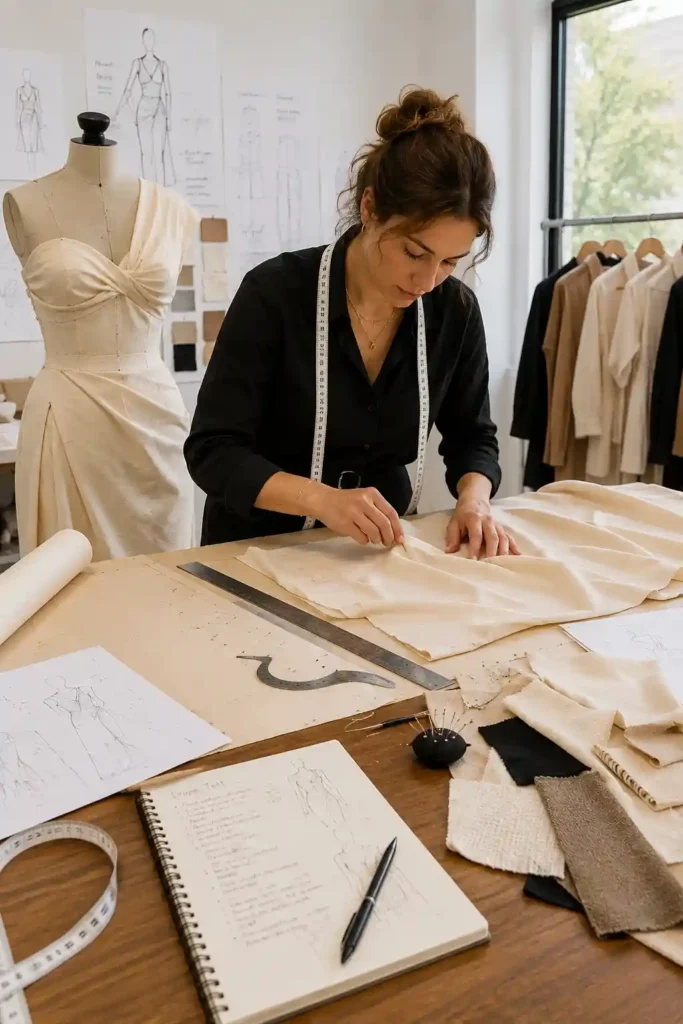
Develop Patterns Around Actual Fabric Behavior
A strong cotton blend dress pattern is built for the selected fabric, not copied from a visually similar style. Drape, stretch, recovery, weight and shrinkage affect every major measurement and construction decision.
- Woven Ease and Mobility
Woven cotton blend dresses need planned ease at the bust, armhole, waist and hip. Shirt dresses require shoulder movement and placket stability; A-line dresses need clean waist shaping without restricting sitting; fitted woven styles may use stretch content but still need structured ease. Pocket openings, sleeve width, zipper length and slit height influence movement. A reference image cannot provide these dimensions, so the pattern team interprets the silhouette against the brand size chart, intended fit and actual fabric. - Knit Negative Ease and Recovery
Knit patterns use negative ease only when the fabric can stretch and recover reliably. Cotton-spandex jersey, rib and interlock require different reductions. Excess negative ease can create transparency, seam strain and uncomfortable compression; insufficient reduction can cause waist looseness, side-seam movement and poor recovery. Fit approval examines bust, waist, hip, neckline, armhole, side seam and hem after movement. Larger sizes may need adjusted grading rather than a simple proportional increase. - Drape, Volume and Waist Placement
Cotton-viscose and cotton-modal blends can create more movement than crisp cotton-polyester or cotton-linen qualities. Tiered and gathered dresses need gathering ratios suited to the fabric weight. A soft fabric may collapse when volume is too low, while a heavy fabric can create bulk when volume is too high. Waistline placement, skirt sweep and tier depth are reviewed together. The goal is a balanced silhouette that looks correct on body and remains efficient to sew in bulk. - Structural Support and Internal Components
Collars, plackets, waistbands, pockets, smocked panels and lined bodices need support chosen for the shell fabric. Interfacing that is too heavy can create stiffness or visible bubbling; support that is too light may fail after wear or washing. Stabilizing tapes, elastic, lining and zipper construction are selected according to the dress design. Internal components become part of the approved trim card and cannot be changed casually during bulk production.

Develop Samples Before Bulk Commitment
Sampling converts a fabric idea and design reference into a measurable production standard. Cotton blend projects use different sample types according to fit, photography, selling, approval and bulk-production needs.
First Sample and Fabric Direction
The first sample evaluates silhouette, construction and initial fabric compatibility. It may use the proposed bulk fabric or a close development option depending on availability. Pattern balance, neckline, waist, hip, skirt movement, closures, lining and basic measurements are reviewed. A first sample is not automatically the final bulk standard. Brand comments should distinguish design changes, fit changes, fabric changes and workmanship changes so the next revision remains traceable.
Fit and Revised Samples
Fit samples focus on body measurements, proportion, comfort and movement. Revised samples apply approved changes to pattern, construction, fabric or trims. Cotton blend fabrics may require new review after a major material change because drape, stretch and shrinkage can alter the entire fit. Revision records identify each change, the reason, the responsible file and the approval status. Clear records prevent earlier comments from being lost during multiple sample rounds.
Photo and Salesman Samples
Photo-ready samples prioritize the approved visual appearance, correct color direction, balanced pressing and brand presentation needed for campaigns or ecommerce shoots. Salesman samples may support internal selling or range review. Neither sample type should replace PP approval when the fabric, trims, construction or packing standard is not yet locked. Sample purpose is identified at the beginning so timing, quantity and review criteria remain clear.
PP and Golden Samples
The PP sample is reviewed before bulk production and should represent the confirmed fabric, color, pattern, measurements, trims, construction, labels and packing direction as closely as the project requires. A golden sample can become the retained comparison standard for production and QC. Changes after PP approval may affect cost, material booking, production timing and quality risk, so late changes require formal review rather than informal chat instructions.
Lock Approved Standards Before Bulk Production
Approved Pattern
Measurement Chart
Fabric Reference
Trim and Construction File
PP or Golden Sample
QC and Packing Standard
Cotton Blend Dress Production Workflow
Fabric Receiving
Fabric Inspection
Relaxation and Preparation
Marker and Cutting
Bundling and Identification
Sewing and Assembly
Inline Inspection
Pressing and Finishing
Final QC and Packing
Construction Details That Protect Dress Performance

Neckline Stabilization

Armhole Finishing

Waist Seam Control

Smocking and Elastic

Zipper Flatness

Hem Construction
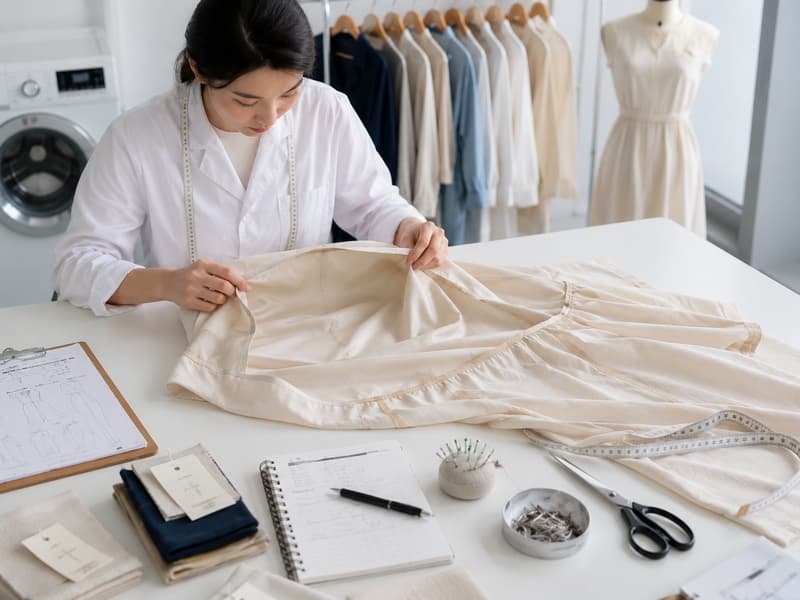
Lining Attachment

Stress Reinforcement
Quality Control for Cotton Blend Dresses
Quality control follows the garment from incoming fabric through cutting, sewing, measurements, finishing and packing. Product-specific checkpoints are more useful than a generic “strict QC” statement.
Incoming Fabric and Trim Control
Incoming review compares bulk material with approved references. Checks may include color, handfeel, visible defects, width, stretch, surface, print quality, transparency and lot identification according to the project. Relevant composition, supplier or test documents are collected when required. Zippers, buttons, elastic, labels and lining are checked for color, size, function and quantity. Material concerns are addressed before large quantities are cut, when replacement or reallocation remains possible.
Cutting and Sewing Control
Cutting inspection confirms grain direction, stretch direction, print orientation, size marker and panel accuracy. Bundles remain separated by size, color and lot. Sewing QC focuses on seam puckering, tension, skipped stitches, needle damage, gathering, zipper flatness, neckline shape, lining, elastic and reinforcement. Inline inspections identify recurring problems while production is active, allowing corrective action before the issue spreads across the order.
Measurement and Appearance Control
Critical measurements are checked against the approved size chart and tolerances. Cotton blend checkpoints commonly include bust, waist, hip, dress length, armhole, sleeve opening, strap, slit, hem and lining length. Appearance review covers color, shade, twisting, symmetry, seam balance, print placement, pressing and cleanliness. Fitted knit dresses also require attention to recovery and opacity; lightweight wovens require coverage and hem balance review.
Final Inspection and Packing Control
Finished garments are reviewed before packing and again through the agreed final inspection plan. Care labels must reflect confirmed composition and approved washing direction. Woven labels, size labels, hangtags, barcode stickers, polybags, carton ratios and marks are checked against brand instructions. AQL inspection or client-appointed inspection can be coordinated according to the order agreement. Quality records support repeat-order comparison and later production review.
Plan MOQ, Cost and Delivery with Clear Inputs
Commercial planning becomes reliable after fabric, construction, quantity, size ratio, color count, packing and quality requirements are known. Cotton blend programs are quoted by approved project conditions rather than one universal unit price or delivery promise.
| Planning Area | Standard Direction | Main Variables | Information Needed |
|---|---|---|---|
| Garment MOQ | From 200 pcs per style/color | Multiple colors, fabric supplier minimums, special trims | Quantity by style, color and size |
| Fabric MOQ | Available fabrics may support standard garment MOQ | Custom dye, print, weave, certified or special development | Blend, color, weight, finish and required documents |
| Sample Planning | First, fit, revised, photo, salesman and PP samples as required | Fabric sourcing, pattern complexity, trims, wash review, revision rounds | Tech pack, reference, size chart and sample purpose |
| Bulk Cost | Confirmed after material and construction review | Fabric yield, lining, trims, sewing time, testing, packing and loss | BOM, approved sample, size ratio and packing manual |
| Production Calendar | Starts after PP approval and material readiness | Fabric lead time, color count, style complexity, volume and factory allocation | Launch date, delivery window and shipment plan |
| Delivery Planning | Courier, air or sea coordination according to project | Destination, volume, carton size, customs and client forwarder | Shipping terms, warehouse guide and required documents |
Support Material Records and Supply Chain Review
Composition Records
Supplier Information
Batch References
Testing Support
Certified Fabrics
NDA and File Protection
Prepare Private Label Dresses for Brand Delivery

Woven Brand Labels

Size and Care Labels
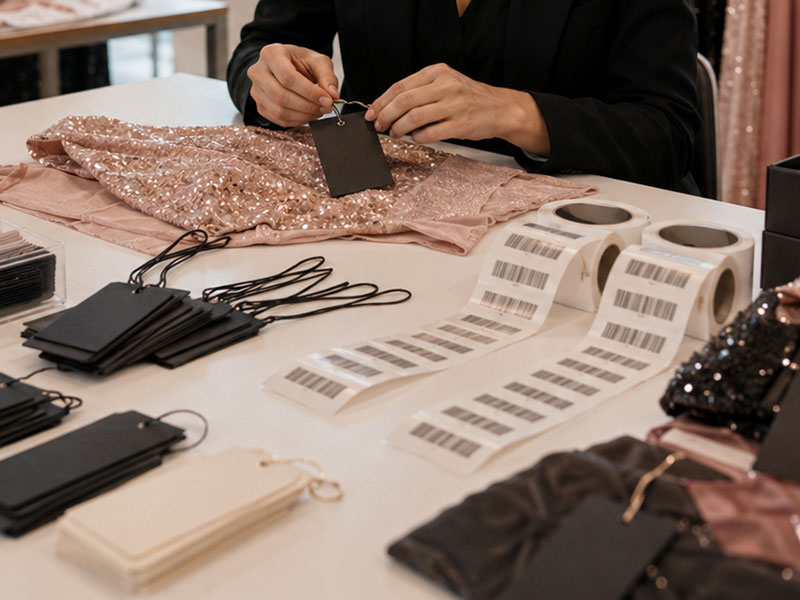
Hangtags and Barcodes

Polybags and Stickers
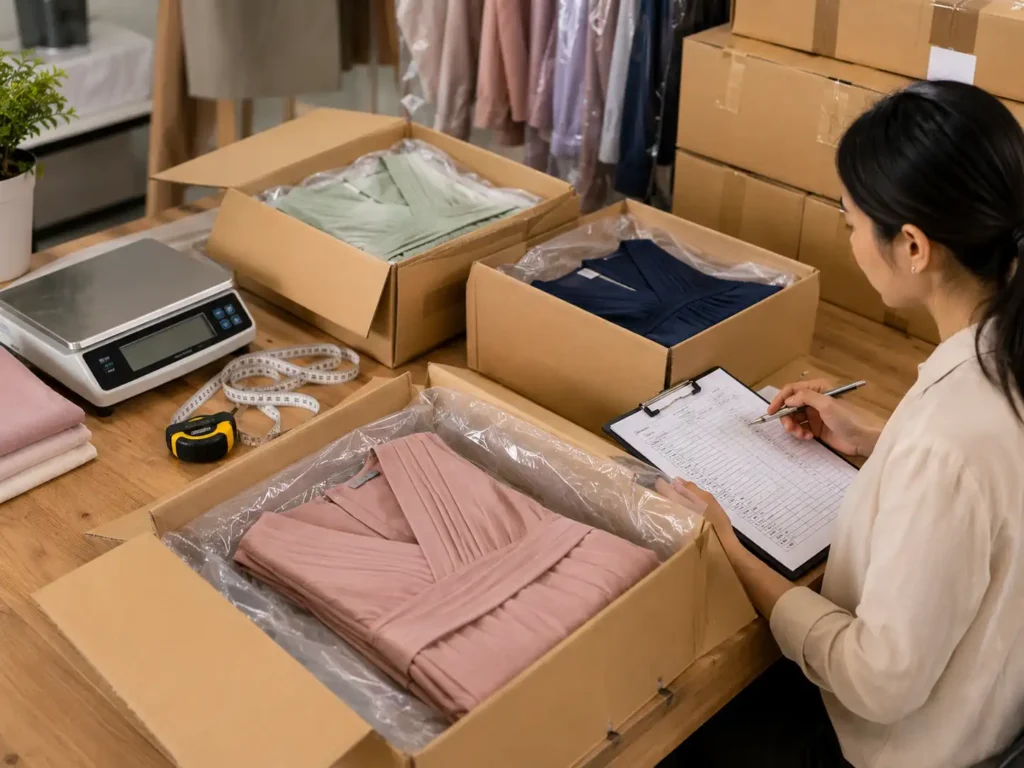
Cartons and Carton Marks
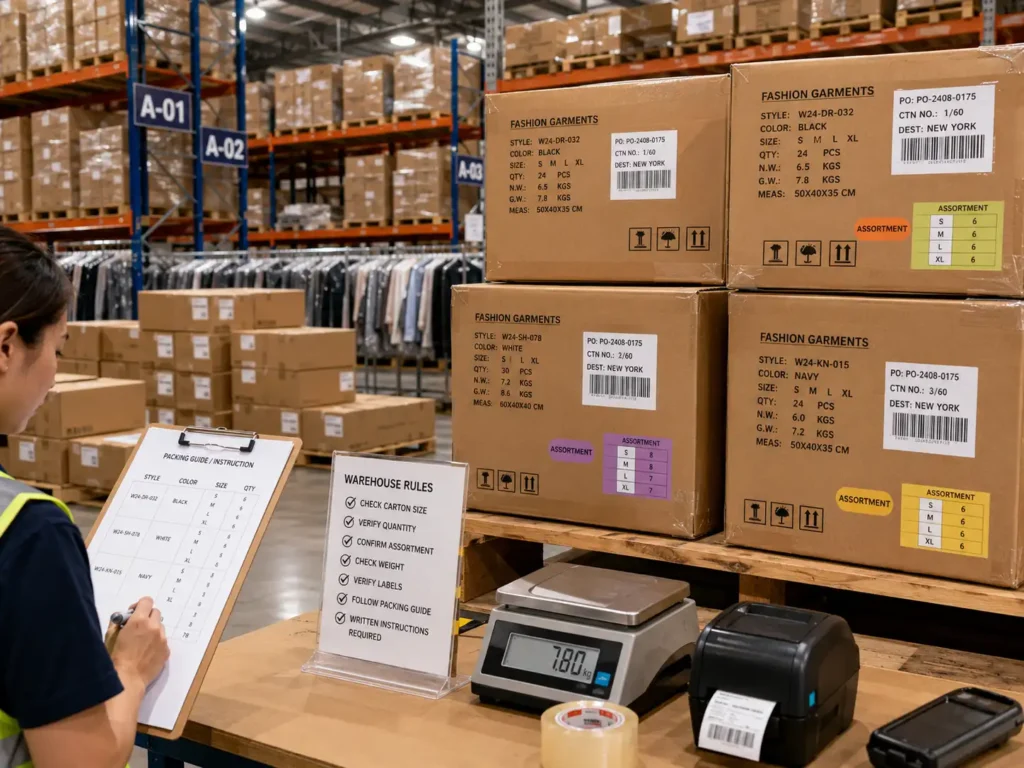
Warehouse Delivery Files
Cotton Blend Dress Projects in Production

United States Ecommerce Collection
Main challenge:
- Different fabric families created separate shrinkage and drape risks
- Dark colors required shade and care-label review
- Photography samples and production standards needed clear separation
- Fabric references were grouped by construction and finishing
- Patterns and critical measurements were approved by style family
- PP samples, trim cards and packing files were locked before bulk
- The order moved in two planned delivery groups by launch priority

Australian Resortwear Program
Main challenge:
- Pale colors needed stronger transparency control
- Maxi hems and tier proportions changed with fabric drape
- Natural wrinkle character had to look intentional, not unfinished
- Lining coverage was adjusted by style rather than applied uniformly
- Print direction and tier measurements were mapped before cutting
- Handfeel and shade references were retained by fabric lot
- SKU packing was organized for two regional warehouse destinations
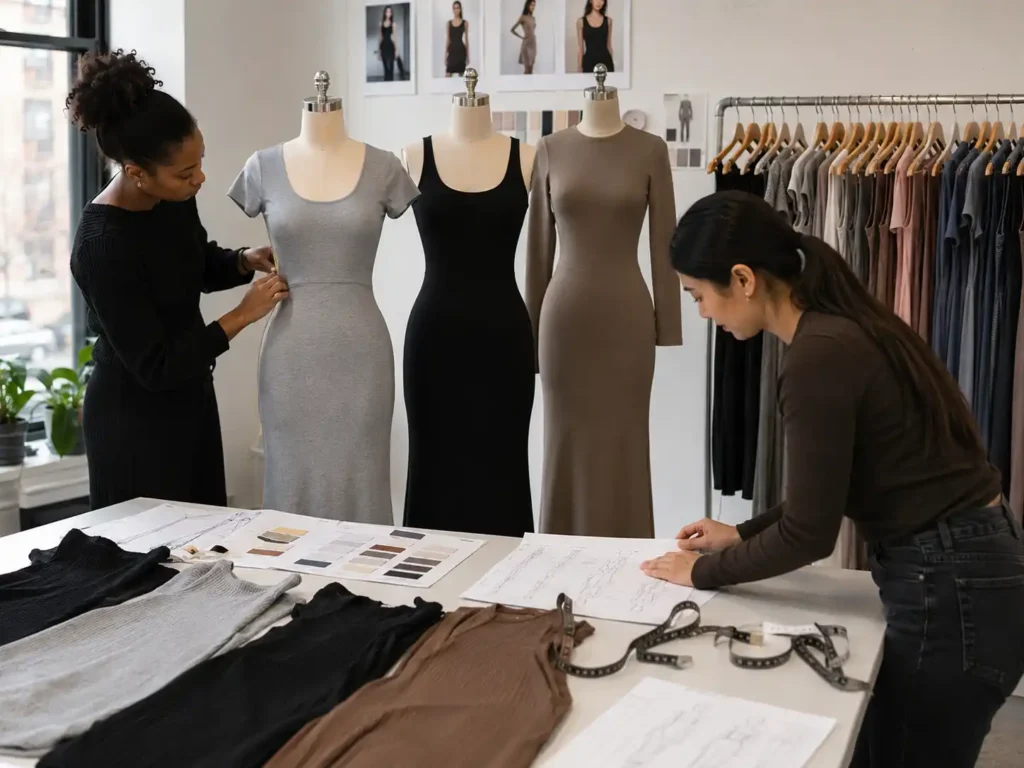
United Kingdom Online Fashion Range
Main challenge:
- Stretch and recovery differed between jersey and rib constructions
- Bust-waist-hip fit needed consistency across all sizes
- Several colors required controlled production and packing waves
- Negative ease was reviewed by actual fabric extension and recovery
- Neckline stabilization and seam stretch standards were set by fabric
- Critical measurements were checked during inline and final QC
- Production was divided into three waves with retained pattern and fabric records
Frequently Asked Questions
Jinfeng Apparel can review cotton-polyester, cotton-spandex, cotton-viscose, cotton-linen, cotton-modal, cotton-lyocell and selected recycled-fiber blends according to style, weight, handfeel, stretch, color, MOQ, cost and document requirements. Availability is confirmed by project and supplier.
Yes. Woven programs can include shirt, A-line, tiered, resort and structured casual dresses. Knit programs can include jersey, ribbed, bodycon and fitted midi dresses. Pattern, sewing and QC methods are adjusted by fabric construction.
Risk is reviewed through fabric information, sample measurements and the agreed care or testing plan. Critical points can include bust, waist, hip, dress length, sleeve opening and hem shape. Pattern, tolerance and care labeling follow the approved material process.
Yes. A physical swatch gives strong direction for composition, weight, handfeel, stretch, color and surface. An exact commercial match depends on supplier availability, MOQ, finishing and color. Alternative options can be compared when the original source is unavailable.
Standard MOQ starts from 200 pcs per style/color. MOQ is calculated by style and color, not total pieces across several styles. Custom dyeing, printing, certified fabrics, special trims and custom packaging may carry separate supplier minimums.
Normally no. One style in two colors usually requires 200 pcs per color. Color splitting below the standard structure may only be reviewed when fabric availability, production conditions and the full program support a workable arrangement.
Yes. Sizes are distributed within the confirmed style/color quantity according to the approved size ratio. The brand should provide size charts, grading rules and packing ratios. Wider ranges may require additional fit and measurement review.
Yes. Sample charges cover pattern making, fabric and trim preparation, sewing, measurement review, checking and communication. When an approved style moves into a qualifying bulk order, sample charges may be deducted according to the confirmed project arrangement.
The schedule is issued after style, fabric, trims, sample purpose, revision scope, quantity and approval stages are reviewed. In-stock fabric and standard construction follow a different calendar from custom dyeing, printing, washing, certification or complex structure.
Yes. Color references, lab dips, print artwork, repeat scale, direction and base fabric are reviewed before approval. Custom development may affect fabric MOQ, sample timing, bulk lead time and cost according to supplier conditions.
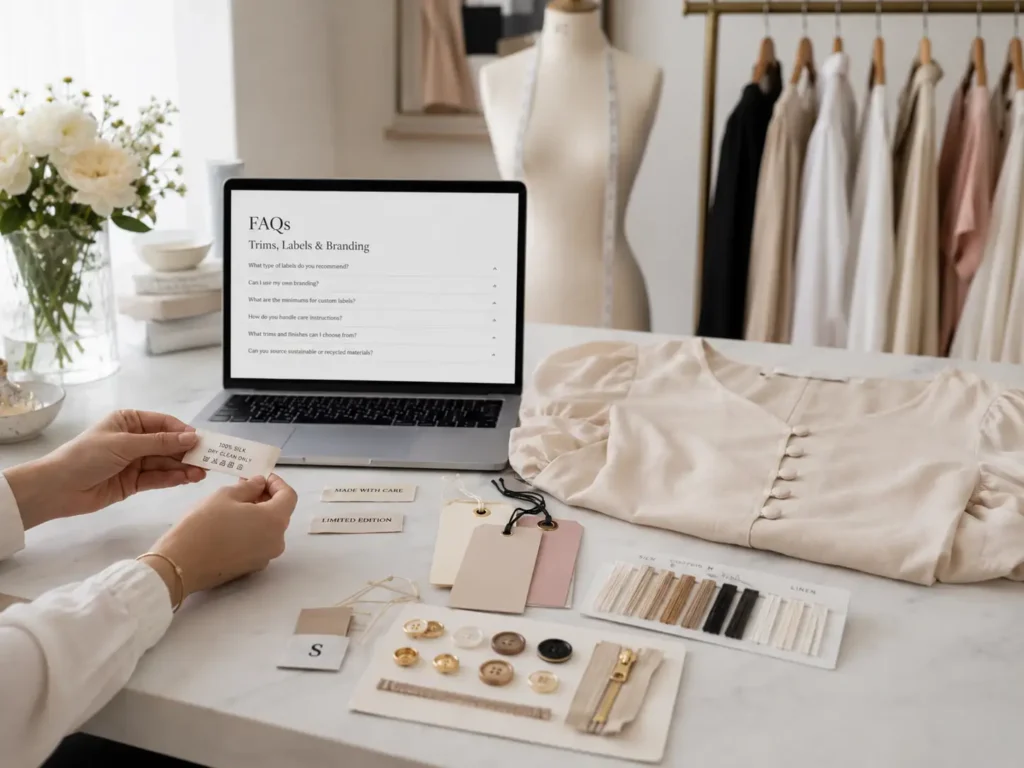
Yes. Support can include woven labels, size labels, care labels, hangtags, barcode stickers, SKU labels, polybags, stickers, cartons, carton marks and warehouse labels. Each material follows approved artwork, placement and supplier minimums.
Certified or traceable resources can be sourced by project. Certificate scope, supplier, fabric type, color, batch, validity, MOQ and lead time must be verified. No single certificate is treated as automatic coverage for all materials or orders.
Approved patterns, measurement charts, fabric references, trim cards, construction notes, PP or golden samples, QC checklists and packing instructions are transferred together into production. Incoming, inline, final and packing checks compare the order with those standards.
Yes. Patterns, measurements, fabric references, trims, construction, packaging and QC records can be retained. Repeat orders still require confirmation of fabric lot, color, trim availability, quantity, price and delivery window.
Yes. Jinfeng Apparel supports NDA-based cooperation and protects tech packs, original samples, patterns, unpublished designs, label files, packaging files, pricing, order information and brand materials throughout development and production.
Start Your Cotton Blend Dress Project
Send Kelly a tech pack, reference image, original sample photo or line sheet together with the planned quantity per style/color. Include the preferred cotton blend, fabric weight or handfeel, color plan, size range, label and packaging requirements, target market and delivery window. Jinfeng Apparel will review dress construction, fabric direction, pattern risk, MOQ structure, sample scope, bulk-production feasibility and the information needed for a formal quotation. When the blend is not yet decided, describe the required product result – softer drape, stronger shape retention, reduced wrinkling, comfortable stretch, natural texture or a specific price position. All shared files are used for project evaluation, sampling, production, QC, packing and delivery coordination, with NDA-based cooperation available for protected collections.
- Reference image, tech pack, line sheet or original sample photos
- Target quantity for every style and color
- Preferred composition, fabric character or approved swatch
- Color, print and finishing direction
- Size chart, size range and planned size ratio
- Private label, barcode and packaging requirements
- Target approval, launch and delivery milestones