Skip to content
Chiffon and Lining Dress Manufacturer
Custom chiffon dresses with lining structure, fit correction, sampling, bulk production and private-label delivery.
Jinfeng Apparel helps fashion brands develop chiffon dresses where the outer shell, lining, fit and finishing are reviewed together before production. Chiffon is light, sheer and sensitive to cutting, seam tension and pressing, so every lined chiffon style needs more than a fabric match. It needs a controlled development path from first reference to PP sample and bulk delivery.
- Since 2008, focused on custom womenswear manufacturing.
- 6 owned women’s fashion factories and 10+ long-term satellite production partners.
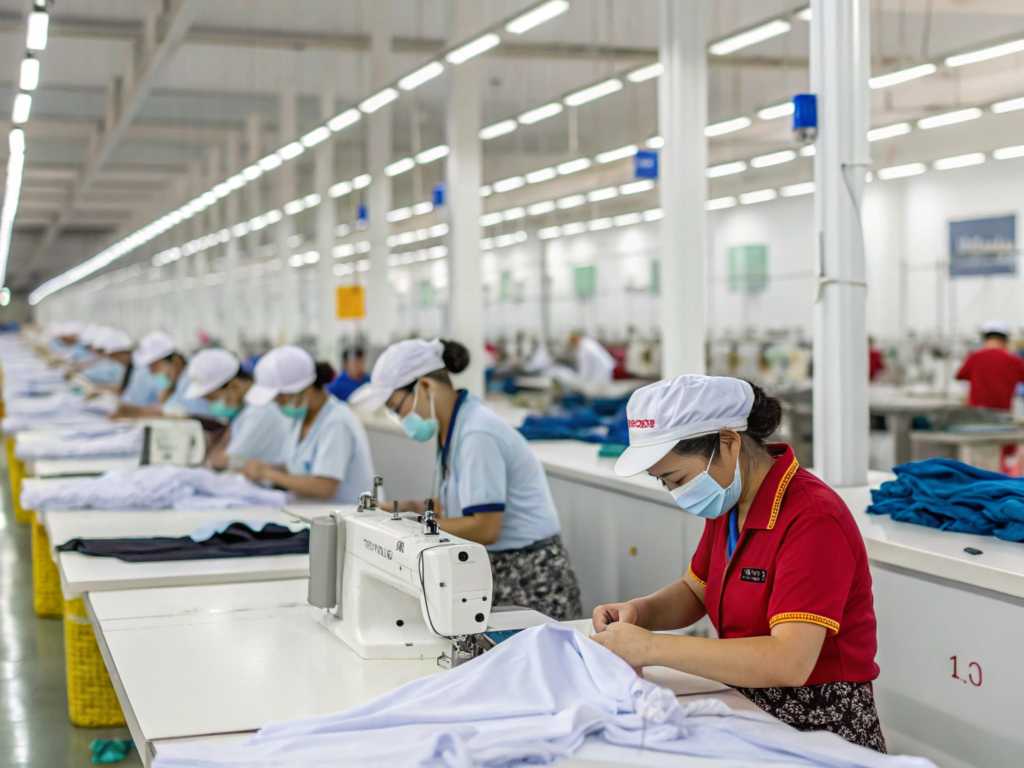
- 2 sample rooms, 7+ senior pattern makers, 20+ sample machinists and 15+ QC inspectors support fit, lining and bulk control.
- Seasonal brand programs commonly involve 10-30 styles and 20,000-80,000 pcs across chiffon dresses, resortwear, occasionwear and private-label collections.
- MOQ starts from 200 pcs per style/color, depending on fabric, lining, color, trims, construction and production schedule.
Brand-Level Chiffon Dress Development Facts
Chiffon and lining dresses need a supplier with fabric judgment, pattern ability, sample discipline and production coordination. Jinfeng Apparel combines development, sampling, bulk sewing, QC and private-label packing for multi-style womenswear programs.
Since 2008
6 Owned Factories
10+ Satellite Partners
2 Sample Rooms
7+ Pattern Makers
20+ Sample Machinists
15+ QC Inspectors
200 pcs/style/color
Chiffon Dresses With Lining for Fashion Programs
Development Input
Technical Review
Production Handoff
Built for Mature Womenswear Teams
Fashion Brands
Occasionwear Labels
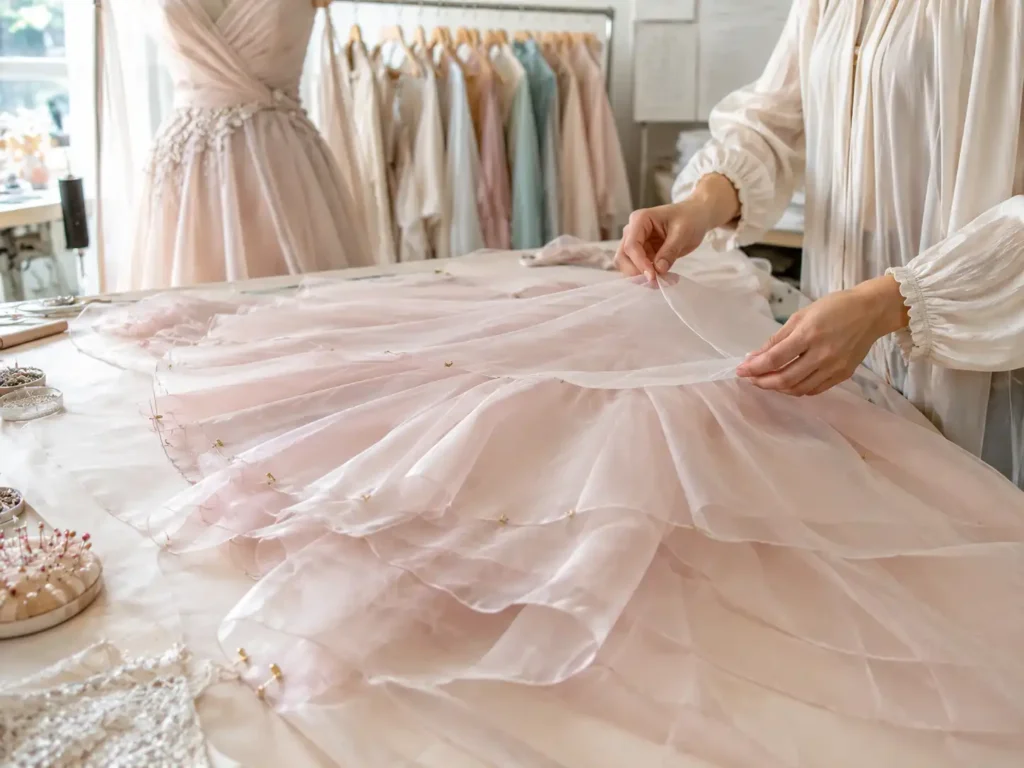
Occasionwear labels often use chiffon for wedding guest, bridesmaid, graduation, cocktail and formal event dresses. These styles need controlled coverage, soft movement, stable zipper placement and clean hem finishing because eventwear is judged closely in photos, reviews and returns.
Resortwear Lines
Ecommerce Teams
Sourcing Offices
Private Label Programs
Private-label programs need garments, labels, hangtags, barcodes, polybags, carton marks and packing instructions aligned before shipment. Jinfeng supports woven labels, size labels, care labels, hangtags, barcode stickers, SKU labels, polybags and carton marks for lined chiffon dress orders.
Why Chiffon and Lining Dresses Often Go Wrong
Too Sheer
Heavy Lining
Short Lining
Uneven Hem
Rough Seams
Bulk Drift
Chiffon Dress Styles We Develop
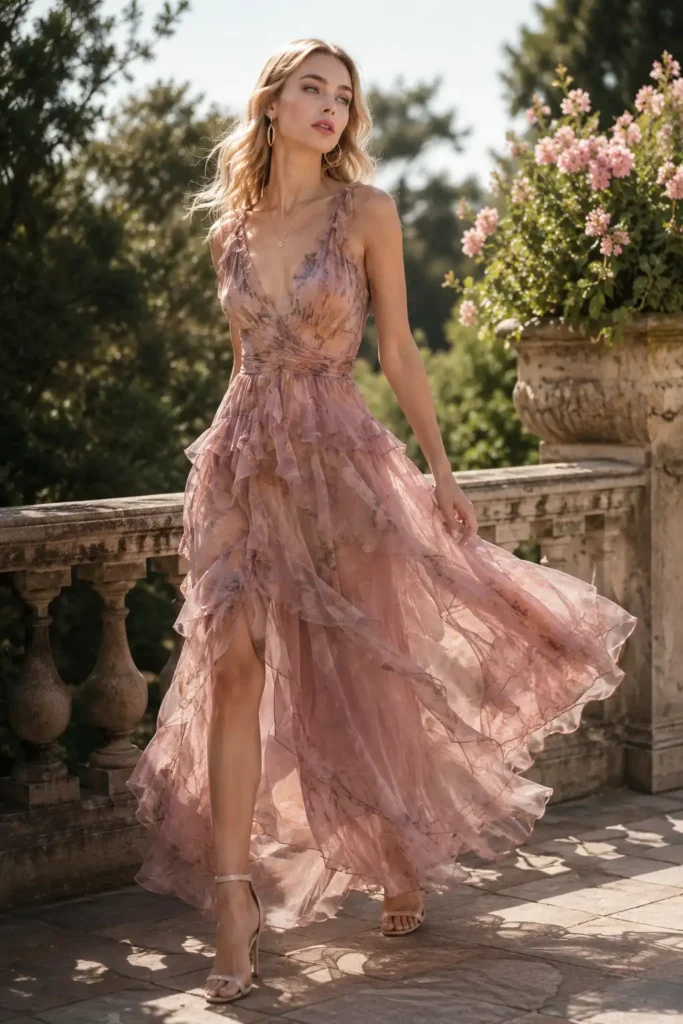
Chiffon Maxi Dress
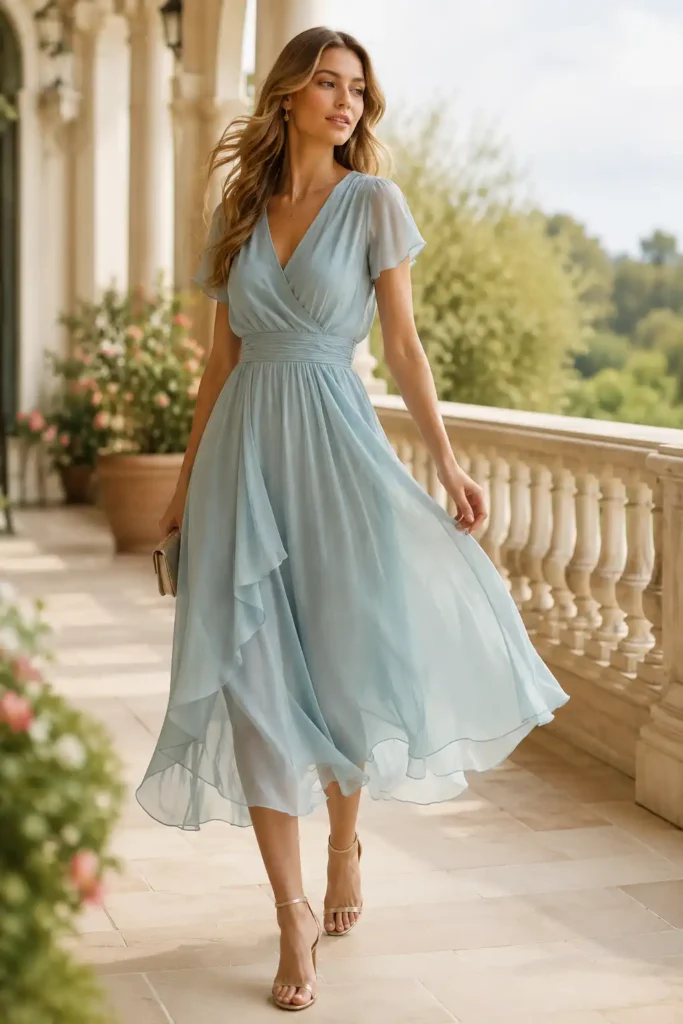
Chiffon Midi Dress

Chiffon Mini Dress
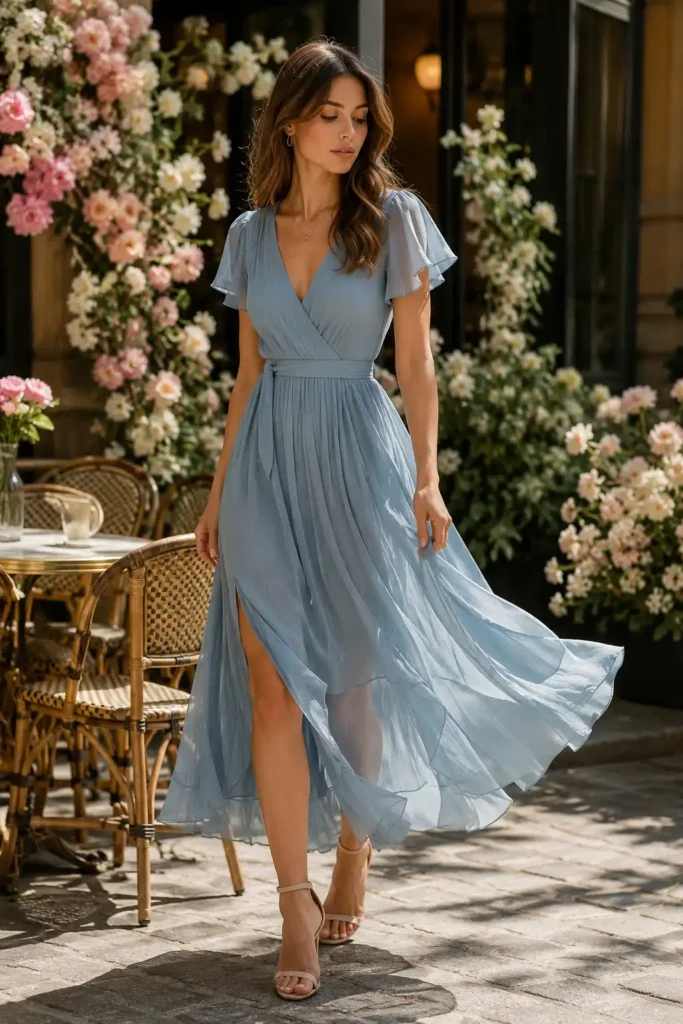
Chiffon Wrap Dress

Chiffon Tiered Dress
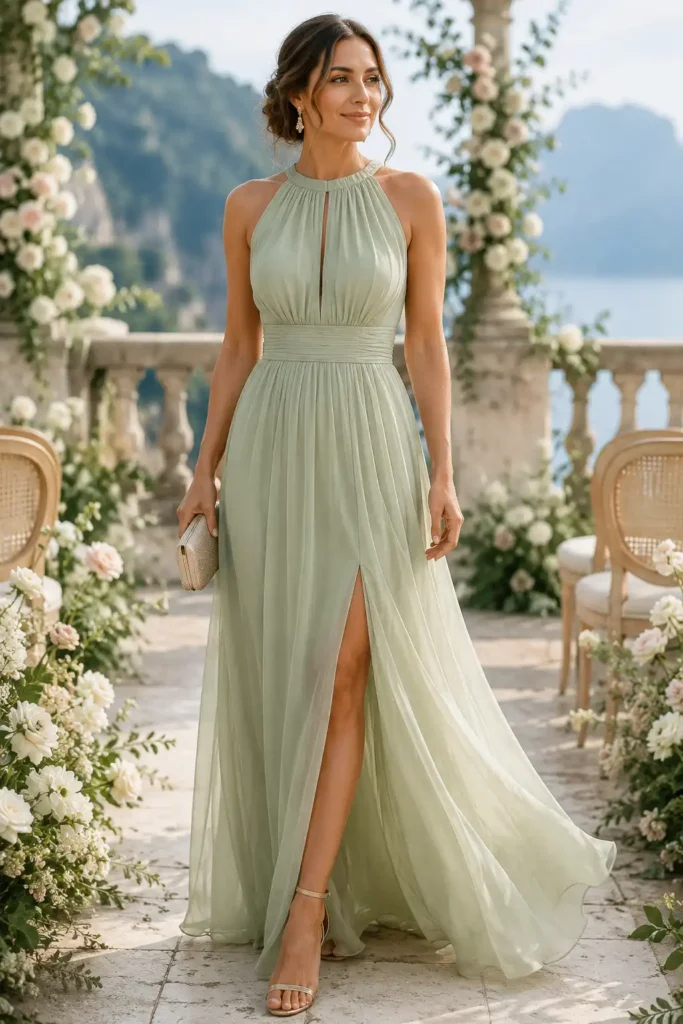
Chiffon Bridesmaid Dress
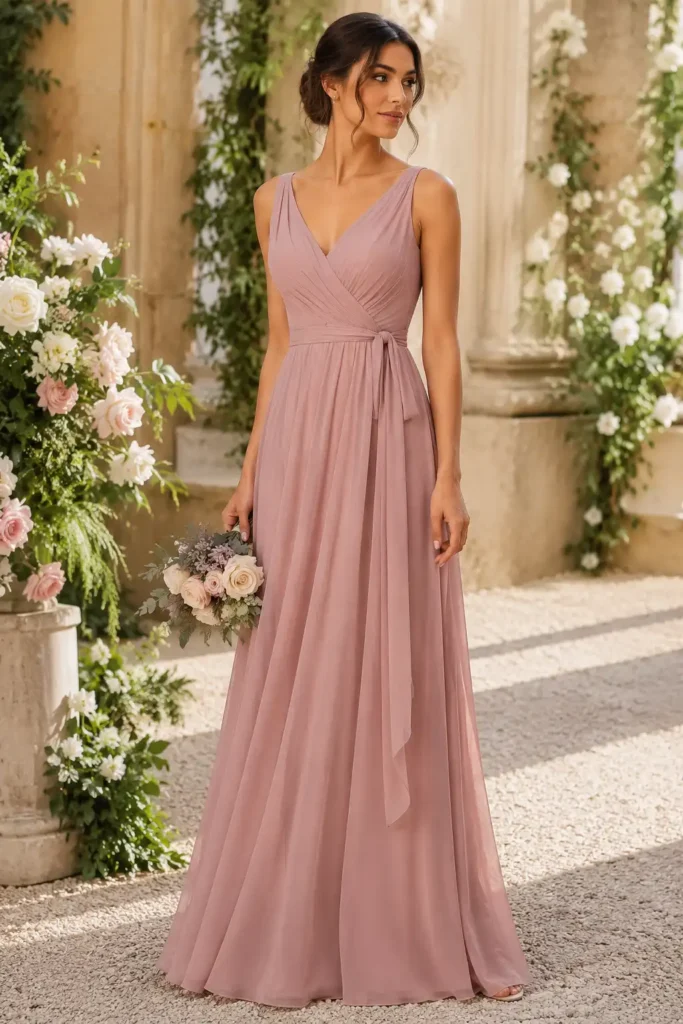
Wedding Guest Dress
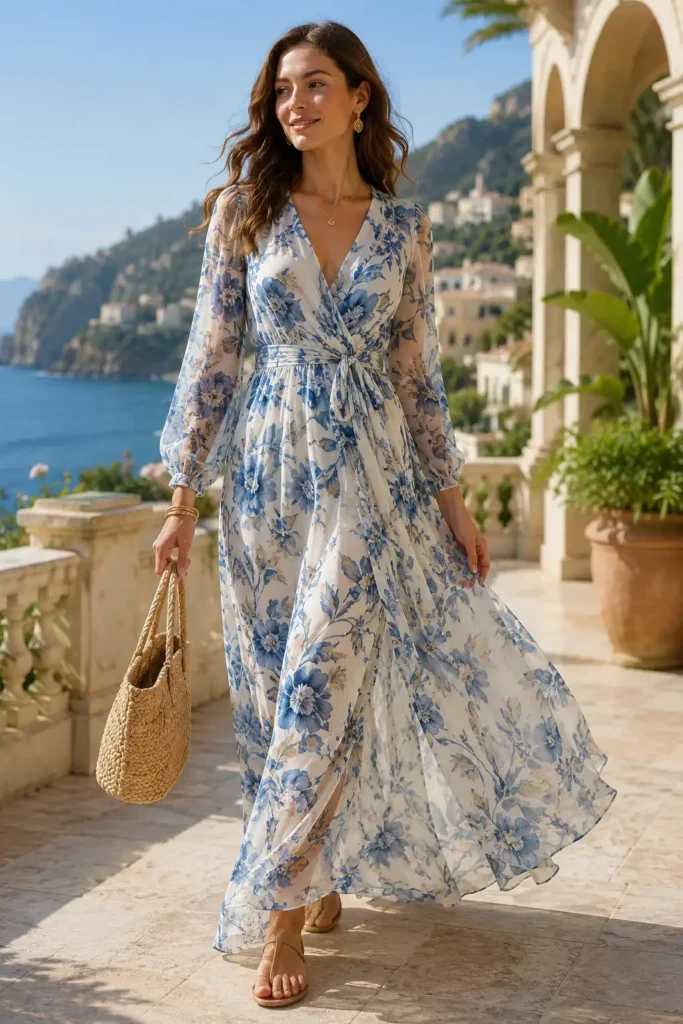
Resort Chiffon Dress

Party Chiffon Dress
Chiffon Fabric Risks Reviewed Before Sampling
Chiffon is not selected only by color. Weight, transparency, handfeel, drape, print direction, shrinkage and static behavior all affect how the dress fits, moves and appears after lining is added.
Transparency, Coverage and Light Testing
Light chiffon needs coverage review before a sample is approved. A white, blush, pastel, floral or ivory chiffon can look acceptable on a cutting table but appear more transparent under daylight, studio light or flash photography. Jinfeng checks whether a style needs full lining, bodice lining, skirt lining, short lining, double shell layers or a tone-matched inner layer. Deep V dresses, wrap dresses, mini dresses, side slits and sheer sleeves need separate review because coverage risk differs by body zone.
For brand programs, the goal is not to remove every sheer effect. The goal is to control where sheerness is intentional and where coverage must remain secure. A sheer sleeve can be attractive, while an overly transparent skirt or bodice can cause fit rejection, return risk and product photo issues. Early fabric and lining review helps avoid late-stage changes after pattern and sample time have already been used.
Drape, Weight and Movement Control
Chiffon is valued for soft movement, but lining can change the garment completely. If the lining is too heavy, the dress loses float. If the lining is too stiff, the shell may look disconnected. If the lining is too light, coverage and durability may be weak. Jinfeng reviews shell-to-lining balance by style length, silhouette and wearing occasion.
A maxi chiffon dress needs a lining that moves cleanly without dragging the shell. A wrap chiffon dress needs inner coverage without adding thick edges at the front overlap. A tiered dress needs lining that supports coverage while leaving the outer tiers light. These decisions are made before sampling so the first sample can already test a realistic production direction rather than a temporary fabric pairing.
Color, Print and Batch Stability
Color behaves differently when chiffon is placed over lining. A beige lining under ivory chiffon may warm the final shade; a white lining under pastel chiffon can make the shell look brighter; a dark lining under printed chiffon may reduce softness. For printed chiffon, direction, repeat, cutting position and inner shade all affect final appearance. Jinfeng reviews color pairing during fabric sourcing and sample stage, especially for occasionwear, bridesmaid, resort and ecommerce collections.
For bulk production, fabric and lining batches should be confirmed before cutting. Chiffon shade, print clarity, lining shade and trim color need to work as one garment story. PP sample approval should record shell fabric, lining fabric, color, construction and packing standard so production teams do not rely only on memory or loose comments.
Lining Options for Chiffon Dress Development
Lining is a structural decision, not an afterthought. The right lining improves coverage, comfort, movement, shape and product confidence. The wrong lining can make a chiffon dress heavy, stiff, visible or uncomfortable.
| Lining Type | Suitable Styles | Main Purpose | Control Point |
| Full lining | Maxi, midi, bridesmaid, occasion dresses | Full coverage and smoother wearing comfort | Avoid excess weight and shell distortion |
| Bodice lining | V-neck, wrap, halter, fitted upper body | Bust and torso coverage | Control neckline bulk and armhole comfort |
| Skirt lining | Midi, maxi, tiered, A-line dresses | Lower-body opacity | Match lining length with shell movement |
| Short lining | Resort, vacation, beach-inspired dresses | Lightweight coverage | Prevent visible short inner layer |
| Stretch lining | Body-skimming chiffon, ruched styles | Movement and closer fit | Match recovery with shell construction |
| Tone-matched lining | Light, pastel, white or printed chiffon | Clean visual shade | Prevent color cast through shell fabric |
| Contrast lining | Selected fashion or party styles | Intentional visual layer | Keep contrast controlled and repeatable |
| Partial lining | Sheer sleeve or overlay designs | Planned transparency | Separate decorative sheerness from required coverage |
Pattern Development for Lightweight Chiffon Dresses
A chiffon dress pattern must control both outer shell and inner layer. Jinfeng Apparel reviews fit, movement, exposure, lining length and final grade rules before moving a lined chiffon style into bulk production.
Outer Shell and Inner Pattern Balance
The outer chiffon shell and the lining should not always use identical patterns.
Chiffon may need more ease, softer movement or extra drape, while the lining may need shorter length, different seam allowances or adjusted coverage. Wrap styles, tiered dresses, halter styles, backless dresses and deep V dresses especially need shell and lining patterns reviewed separately.
Jinfeng’s pattern team reviews bust, upper bust, waist, high waist, low waist, hip, shoulder width, strap length, armhole, neckline depth, slit height, shell length and lining length. These points help reduce low neckline exposure, underarm exposure, uneven maxi hems, tight hip fit and visible lining movement.
Fit Areas That Need Early Review
Chiffon dresses often appear forgiving because the fabric is soft, yet fit errors still show in photos and wear. A neckline can gape, a waist seam can twist, a lining can ride up, a sleeve can pull or a long hem can become uneven. Jinfeng reviews key points during sample development, including bust coverage, waist placement, hip ease, sleeve comfort, skirt volume and sitting or walking movement.
The first sample should test more than appearance. Fit notes should be converted into pattern revisions, lining adjustments, seam changes and PP sample standards. For ecommerce teams, front, side and back photos are useful for checking whether the style keeps its intended shape across model movement and product photography.
Size Grading and PP Standard
Bulk success depends on how sample measurements become size grading rules. A chiffon dress may look balanced in size S but lose coverage or proportion in larger sizes if grade rules are not reviewed. Jinfeng checks size chart, grade rule, strap length, neckline depth, waist placement, hip ease, sleeve opening, shell length and lining length before production handoff.
After PP sample approval, changes should be controlled. Fabric, lining, trims, measurement, label position, sewing method, packing method and carton instruction should be locked before bulk cutting. Later revisions can affect cost, schedule and consistency, so mature projects need a clear PP standard rather than informal approval.

Design Details That Need Factory Review
Neckline Depth
Sleeve Sheerness
Wrap Overlap
Waist Seam
Tier Placement
Slit and Hem
Sewing Details for Chiffon and Lined Dresses
Chiffon sewing quality is easy to see because the fabric is thin and mobile. Seams, hems, zipper areas and lining attachment must be clean enough for close product photos and repeat bulk production.
Narrow Seams and Rolled Hems
Chiffon edges need controlled handling to avoid fraying, twisting, puckering or heavy seam appearance. Depending on style and transparency, narrow seams, French seams or rolled hems may be reviewed during sample development. A resort chiffon dress may need a lighter rolled hem, while a more formal chiffon dress may need a cleaner internal seam finish.
The sewing standard should match the product type. A tiered chiffon dress with visible layers cannot use rough inner finishing. A light maxi dress needs a hem that moves softly rather than pulling down the shell. A sheer sleeve may require a seam finish that looks clean from the outside because the seam may be visible through the fabric.
Zipper, Lining and Stress Points
Invisible zippers, side zippers, back zippers, hook closures and waist seams can create tension on chiffon. If the zipper tape, lining and shell are not balanced, the area may wave, bulge or pull. Jinfeng reviews zipper position, stitch tension, seam allowance, lining attachment points and pressing method during sample development.
Stress points also include strap attachment, side seams, waist seam, slit opening, sleeve seams and neckline corners. These areas should be checked during inline production, not only at final inspection. Early correction prevents the same issue from spreading across a full batch.
Finishing Before Packing
Chiffon garments need careful finishing because wrinkles, rough pressing, exposed threads or crushed ruffles affect product photos and unboxing. Final finishing should check thread trimming, seam appearance, hem shape, lining placement, label position, ironing temperature, folding method and polybag presentation.
Packing should respect garment structure. Long chiffon dresses, ruffled styles and tiered skirts may need folding guidance to reduce deep creases. Private-label packing should align hangtag, barcode, SKU label, size ratio and carton mark requirements before shipment.
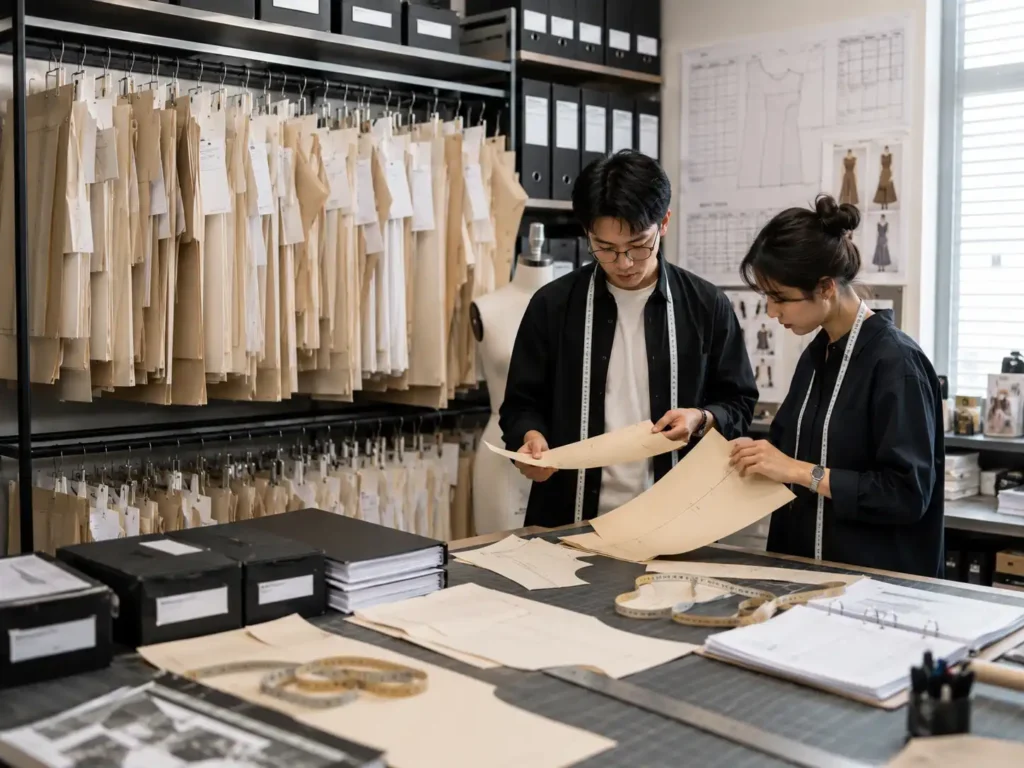
From Reference Image to Production Sample
Reference Review
Fabric Direction
Pattern Development
First Sample
Fit Review
Revised Sample
PP Approval
Bulk Handoff
Sample Approval Checklist for Lined Chiffon Dresses
Shell Handfeel
Lining Coverage
Bust Fit
Waist Balance
Hip Ease
Hem Shape
Closure Finish
Packing Test
MOQ, Samples and Quotation Information
| Item | Jinfeng Apparel Information | What to Prepare |
|---|---|---|
| MOQ | From 200 pcs per style/color | Style list, color plan and quantity per color |
| Style input | Tech pack, reference photo, sketch, original sample or line sheet | Front/back images, measurement file and construction notes |
| Fabric | Stock chiffon, printed chiffon, custom color or special fabric by project | Composition, GSM if known, color target and handfeel direction |
| Lining | Full, bodice, skirt, short, stretch, tone-matched or partial lining | Coverage expectation, lining color and wearing scenario |
| Size range | Standard or custom size chart by project | Size breakdown, grade rule, model sample size and fit comments |
| Sample plan | Confirmed after style, fabric, lining and trim review | Target sample purpose: fit, photo, salesman or PP sample |
| Bulk timing | Confirmed after PP approval, material readiness and order plan | Launch date, warehouse date, shipping method and packing needs |
| Private label | Labels, hangtags, barcodes, polybags, carton marks and documents | Brand files, label artwork, SKU data and packing instruction |
Bulk Production Control for Chiffon and Lining Dresses
Bulk control is where many chiffon dresses succeed or fail. Jinfeng uses fabric confirmation, cutting checks, sewing instructions, inline review, final inspection and packing checks to keep approved sample details repeatable.
Fabric and Lining Batch Lock
Before bulk cutting, shell chiffon and lining should be checked for shade, handfeel, transparency, width, visible defects and pairing effect. For light colors and printed chiffon, lining shade can change the final appearance. Jinfeng reviews fabric and lining together so the approved sample standard does not drift when material batches enter production.
Bulk programs should not rely on a single fabric label alone. Chiffon and lining references, trim details, color notes and PP sample comments should be available to production and QC teams. When multiple colors or styles are produced in one program, grouping by fabric and lining direction helps reduce mixed instructions and wrong material use.
Cutting and Sewing Control
Chiffon can shift during spreading and cutting, which creates uneven garment lengths, twisted seams or mismatched panels. Jinfeng checks fabric direction, front/back side, cut quantity, bundle by size and visible defects before pieces move into sewing. Cutting inspection is especially important for maxi, tiered, printed and asymmetric chiffon dresses.
Sewing instructions should include stitch type, seam allowance, thread color, zipper position, lining method, label placement and hem finish. Inline checks focus on neckline, shoulder, zipper, waist, lining, slit, left-right symmetry, seam tension and fabric damage. These checks help identify issues before a full batch repeats the same mistake.
Final QC and Packing Control
Final inspection reviews measurements, shell appearance, lining position, seam cleanliness, zipper function, loose threads, pressing, labels, hangtags, barcodes, polybags, carton marks and packing ratio. Lined chiffon dresses require both outside and inside inspection because inner layer errors can become wearing complaints even when the shell looks fine.
Packing control matters because chiffon wrinkles, crushes and shows fold lines easily. Jinfeng checks finishing and folding based on style structure, especially for long skirts, tiered designs, ruffles and eventwear pieces. For export orders, packing lists, carton information and shipment photos can be coordinated with the requested logistics plan.

Private Label Packing for Chiffon Dress Orders

Woven Label
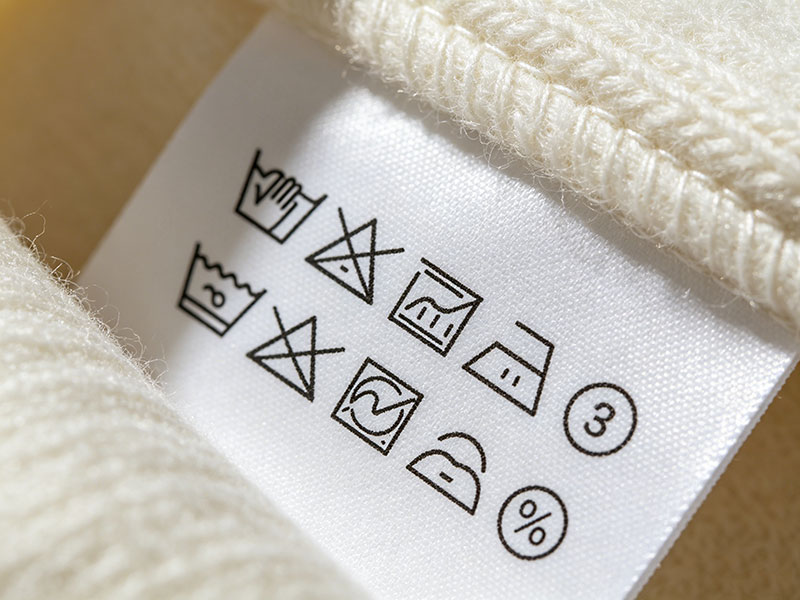
Care Label

Hangtag and String
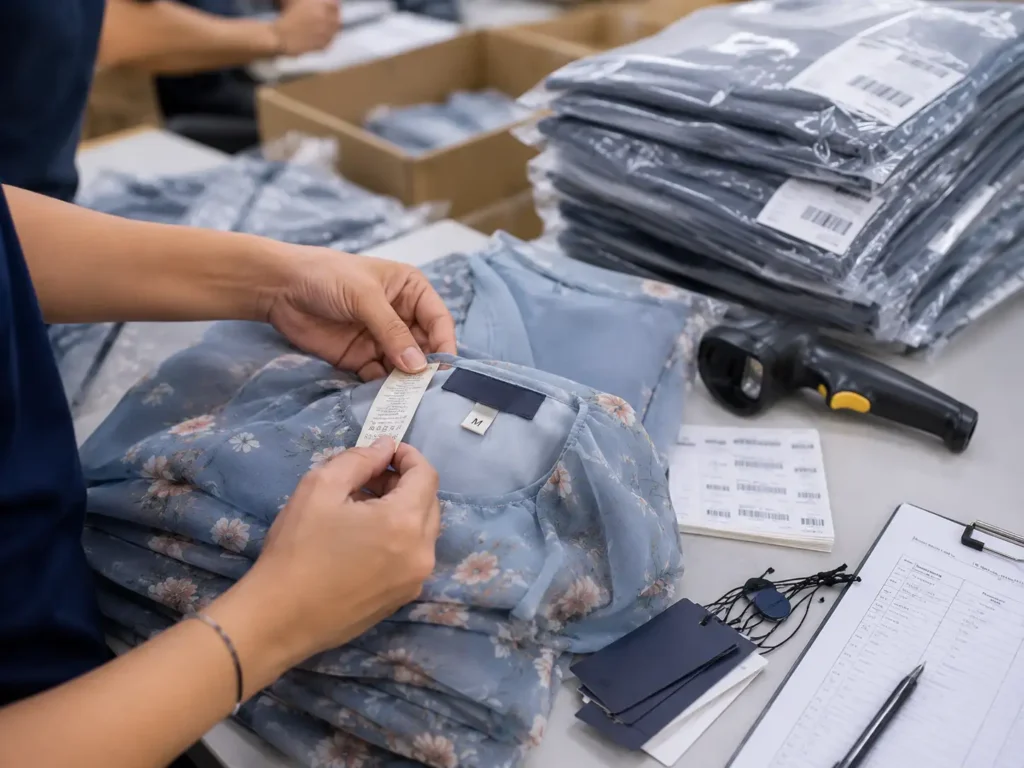
Barcode and SKU

Polybag Packing
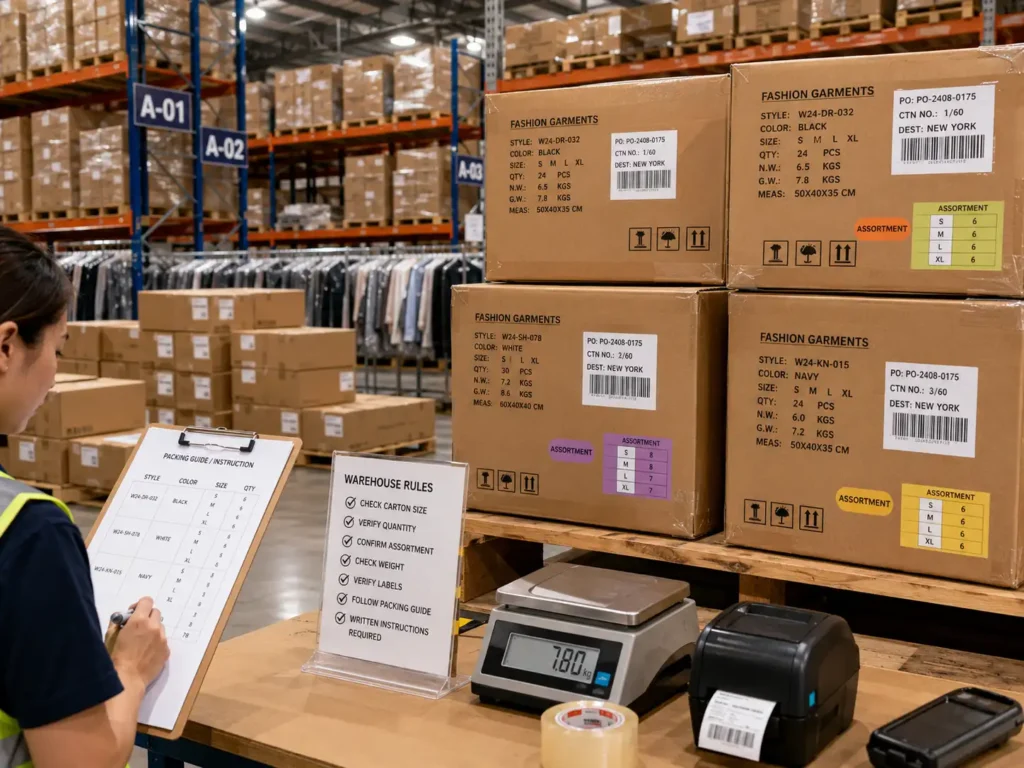
Carton Marks
Production Management for Multi-Style Programs
Many brand orders involve 10-30 styles across chiffon dresses, sets, jumpsuits or seasonal womenswear. Jinfeng manages these programs by grouping styles, materials, samples, revisions, production allocation and packing instructions.
Multi-Style Development Control
A seasonal chiffon program can include maxi dresses, midi dresses, wrap dresses, resort prints, occasionwear solids and private-label packaging. Without grouping, style notes, lining decisions, color approvals and sample comments can become confused. Jinfeng organizes development by style group, fabric group, lining group, complexity and launch priority.
For teams preparing 20,000-80,000 pcs across a seasonal order, development discipline is more important than speed claims. Key styles may need earlier sample priority for photo shoots, while simpler styles can follow once fabric and lining are confirmed. Revision records help keep pattern changes, fabric decisions and approval status clear across the full range.
Team Roles and Handoff
Jinfeng’s production system includes 12+ merchandisers, 15+ QC inspectors and 30+ finishing and packing workers, supported by 6 owned factories and 10+ satellite partners. Merchandisers coordinate project files, materials, sample comments and production updates. QC inspectors check fabric, cutting, sewing, measurements, finished garments and packing. Packing teams follow label, barcode, polybag and carton mark instructions.
This team structure helps reduce information loss between development and bulk. Chiffon and lining styles are sensitive to small instruction changes, so production handoff should include PP sample, final pattern, size chart, sewing method, lining method, label placement and packing standard.
Repeat and Multi-Batch Support
Repeat production can fail if pattern records, fabric references, lining details, trim notes and packing requirements are not preserved. Jinfeng supports long-term cooperation by keeping pattern records, measurement files, fabric references, trim details, packing requirements and QC notes for future orders.
For repeat chiffon dress orders, each new batch still needs confirmation of fabric availability, lining shade, color batch and production schedule. The benefit of records is not to skip review, but to make repeat development faster, clearer and easier to control.

Production Management for Multi-Style Programs
Many brand orders involve 10-30 styles across chiffon dresses, sets, jumpsuits or seasonal womenswear. Jinfeng manages these programs by grouping styles, materials, samples, revisions, production allocation and packing instructions.
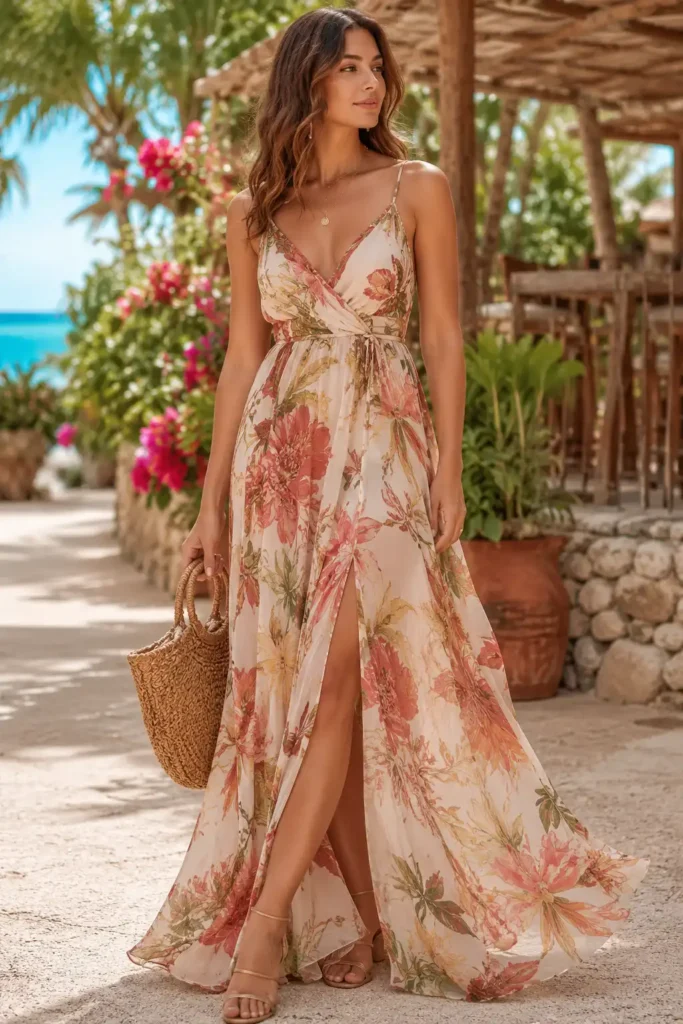
Case 1: Resort Chiffon Dress Collection Development
Project Scope
A resortwear brand developed a lightweight chiffon dress collection designed for vacation, summer and destination markets.
- Collection size: 14 dress styles
- Product categories: chiffon maxi dresses, wrap dresses, tiered dresses and printed resort styles
- Materials: soft chiffon, printed chiffon, lightweight lining and adjustable trims
- Construction details: flowing skirts, ruffles, wrap fronts, soft sleeves and relaxed silhouettes
- Requirement: lightweight appearance with comfortable coverage and easy travel packing
Development Challenges
The collection focused on maintaining chiffon’s soft movement while controlling production risks.
Key challenges included:
- Preventing excessive transparency in light colors
- Selecting lining without reducing fabric movement
- Maintaining balanced hems on long dresses
- Controlling wrinkles after transportation
- Keeping print and color appearance consistent
Manufacturing Approach
The development team reviewed shell and lining as one garment system.
Key controls included:
- Chiffon and lining compatibility review
- Transparency evaluation under different lighting
- Lining length adjustment based on silhouette
- Hem balance checking after sample hanging
- Packing simulation before bulk approval
Additional production controls:
- Print direction confirmation
- Seam finishing standards
- Fabric batch inspection
- Final appearance inspection
Manufacturing Value
The collection maintained the lightweight resort feeling while achieving stable coverage, clean finishing and repeatable production quality.
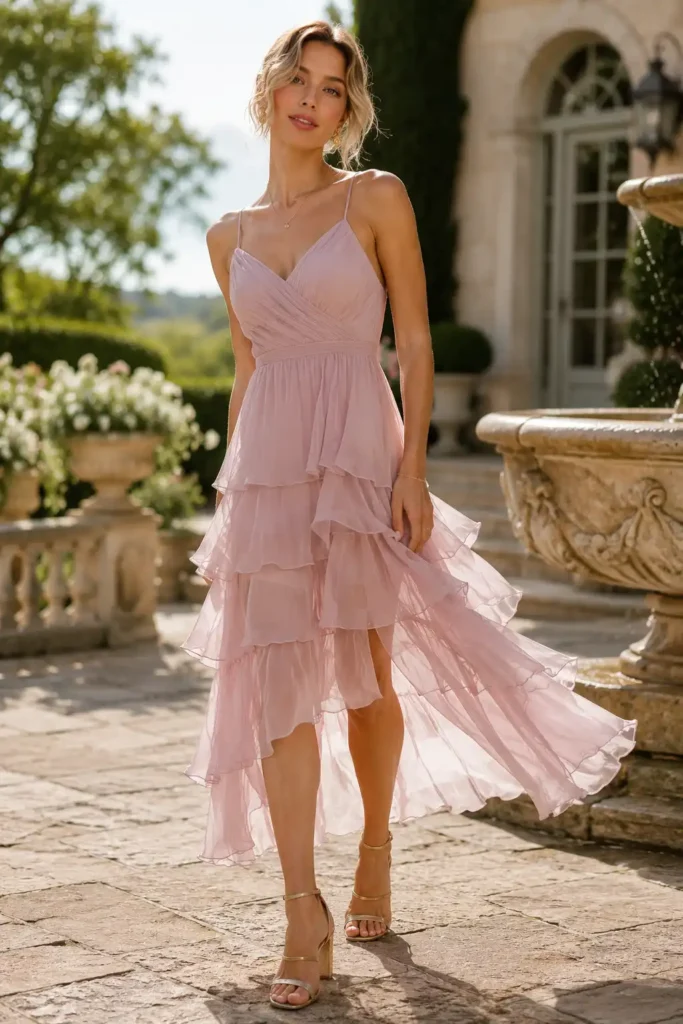
Case 2: Occasionwear Chiffon Dress Development Program
Project Scope
A formalwear brand developed chiffon dresses for wedding guest, bridesmaid and special event collections.
- Collection size: 18 dress styles
- Product categories: chiffon bridesmaid dresses, chiffon midi dresses, formal maxi dresses and wrap occasion styles
- Materials: chiffon shell, tone-matched lining, invisible zippers and soft support components
- Construction details: deep V necklines, waist shaping, flowing skirts and layered chiffon
- Requirement: elegant appearance with secure fit and premium finishing
Development Challenges
The project required precise control of coverage and fit.
Main challenges included:
- Avoiding excessive transparency around bust areas
- Maintaining neckline security
- Preventing visible lining edges
- Balancing shell and lining movement
- Keeping long hems even after production
Manufacturing Approach
The development process focused on pattern and lining engineering.
Key controls included:
- Separate shell and lining pattern review
- Bust and waist fitting correction
- Neckline and armhole stability checks
- Lining length adjustment
- Invisible zipper construction testing
Sample approval included:
- First sample review
- Fit correction
- Revised sample confirmation
- PP sample approval
Manufacturing Value
The program achieved a refined occasionwear appearance by controlling transparency, fit, lining structure and finishing details before bulk production.
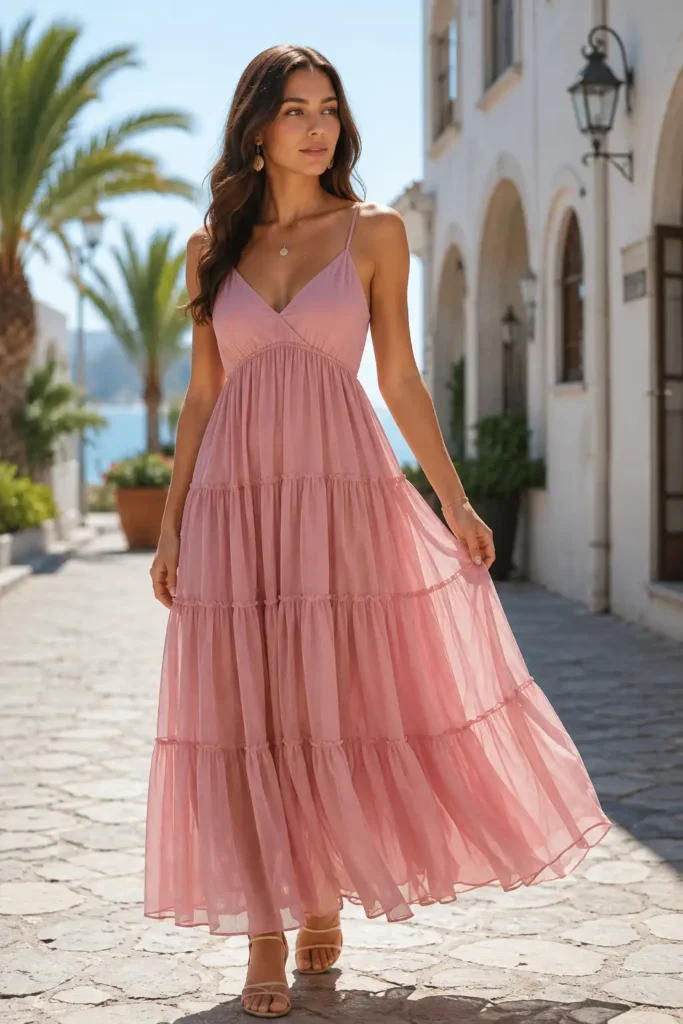
Case 3: Multi-Style Private Label Chiffon Dress Program
Project Scope
An established womenswear brand required a complete seasonal chiffon collection with multiple silhouettes and private-label delivery.
- Collection size: 25 dress styles
- Production scale: 50,000+ pieces
- Product categories: chiffon maxi dresses, midi dresses, resort styles, wrap dresses and party dresses
- Materials: solid chiffon, printed chiffon, different lining structures and branded trims
- Requirement: consistent quality across multiple SKUs and delivery schedules
Development Challenges
The main challenge was managing different chiffon constructions within one seasonal program.
Key risks included:
- Different lining requirements between styles
- Multiple colors and size ratios
- Maintaining fit consistency across silhouettes
- Coordinating labels, packaging and shipment timing
- Preventing sample details from changing during bulk production
Manufacturing Approach
The collection was organized by product structure rather than only by style name.
Flowing Maxi Group
Focused on:
- Hem balance
- Shell and lining length
- Packing protection
- Drape consistency
Fitted Occasion Group
Focused on:
- Bust coverage
- Waist position
- Zipper stability
- Measurement control
Manufacturing Value
The program demonstrated how large chiffon collections require both factory capacity and detailed style-level control to maintain consistency across many SKUs.
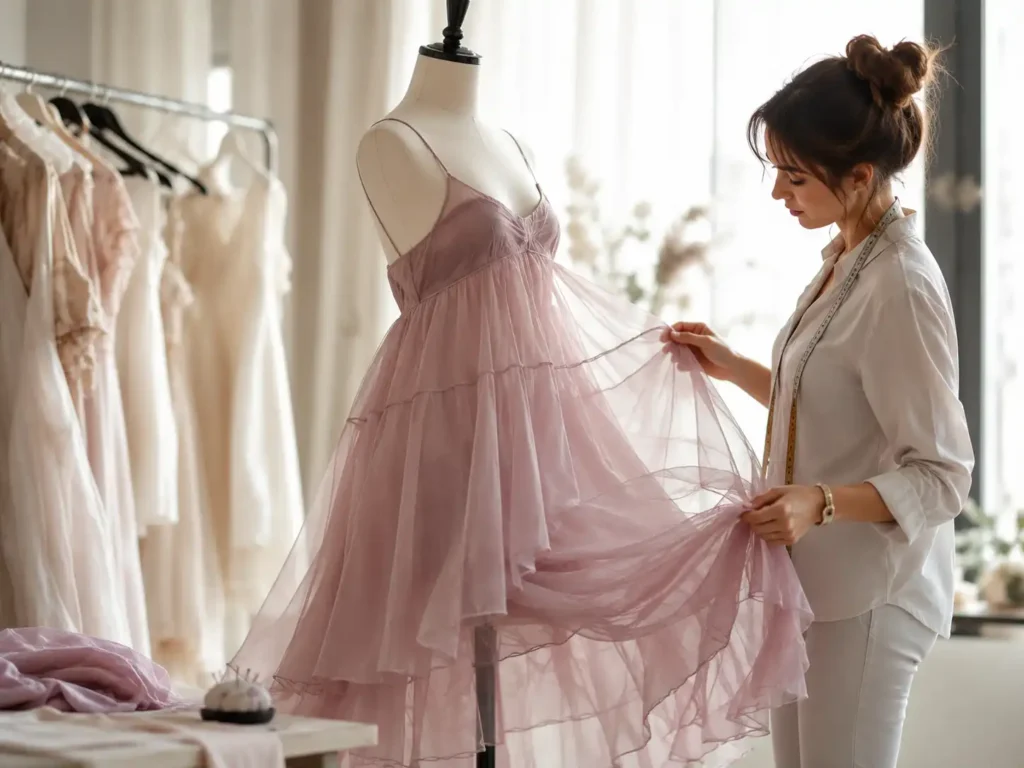
Download Chiffon Dress Development Checklist
A focused checklist helps product, sourcing and merchandising teams prepare cleaner project files before requesting a quote or sample plan. The checklist can be used internally before sending tech packs, reference images or line sheets to Jinfeng Apparel.
Checklist Content
The downloadable checklist should include chiffon shell review, lining selection, light-color transparency check, neckline and armhole review, shell and lining pattern notes, seam finishing options, zipper placement, sample review points, PP sample lock, bulk QC focus, private-label packing and shipment preparation. It should also include a short information list for faster evaluation: style image, target quantity per style/color, color plan, fabric direction, lining expectation, size range, label files, packing requirement and launch window.
A checklist is especially useful for multi-style programs because chiffon dress decisions often overlap across fabric, lining, fit, production and packing. When each style has clear notes, Jinfeng can review feasibility, cost drivers, sample priority and production risk with fewer repeated questions.
Frequently Asked Questions About Chiffon Dresses
Yes. Jinfeng Apparel can develop chiffon dresses with full lining, bodice lining, skirt lining, short lining or partial lining. The suitable option depends on transparency, dress length, neckline, wearing occasion, shell fabric, lining fabric and product price target.
Light chiffon often needs tone-matched lining or carefully selected contrast lining. The lining should improve coverage without making the garment heavy or stiff. Jinfeng reviews color cast, handfeel, drape and lining length before sample approval.
Yes. Development can begin with a reference image, tech pack, sketch, original sample or line sheet. Jinfeng reviews fabric direction, lining need, pattern risk, trims, MOQ, sample feasibility and bulk control before formal development.
Yes. Jinfeng supports private-label dress production with woven labels, size labels, care labels, hangtags, barcode stickers, SKU labels, polybags, carton marks and packing instructions supplied by the brand team.
MOQ starts from 200 pcs per style/color. Final MOQ can change based on chiffon availability, custom color, print, lining fabric, trims, size range, packing requirements and production schedule.
Yes. Jinfeng Apparel supports NDA-based cooperation and protects tech packs, original samples, patterns, label files, packaging files, unpublished designs, pricing, order information and brand materials.
Lining length is reviewed during pattern development, sample fitting and PP approval. Bulk production checks compare shell length, lining length, seam position, movement and hem balance against the approved sample and measurement file.
Yes. Jinfeng can review chiffon options, lining options, shade pairing, drape, comfort and transparency based on style type, wearing occasion, target price and order plan. Final selection depends on available materials and sample confirmation.
Inspection covers fabric appearance, lining position, measurements, seams, zipper function, hem balance, loose threads, labels, hangtags, barcodes, polybags, carton marks and packing ratio. Chiffon styles also need checks for transparency and pressing appearance.
Yes. Jinfeng supports multi-style programs. For 10-30 style collections, the team groups samples and production by fabric, lining, complexity, launch priority, color plan and packing instruction to keep information controlled.

Start Your Chiffon Dress Project With Jinfeng
Send your chiffon dress concept, tech pack, reference sample or line sheet to Jinfeng Apparel for project review. Kelly and the development team will review style structure, chiffon direction, lining expectation, MOQ fit, sample feasibility, private-label needs and bulk production risks before a formal quotation or sample plan is prepared.
Strong project files lead to faster review, clearer costing and fewer avoidable revisions.
Please include:
- Reference image, sketch, original sample photo or tech pack.
- Target quantity per style/color.
- Chiffon fabric direction, composition or swatch photo if available.
- Lining expectation: full, bodice, skirt, short, stretch, tone-matched or partial.
- Color plan, print direction and size range.
- Label, hangtag, barcode, polybag, carton mark and packing requirements.
- Target sample purpose: fit sample, photo sample, salesman sample or PP sample.
- Launch date, warehouse date or preferred shipping window.