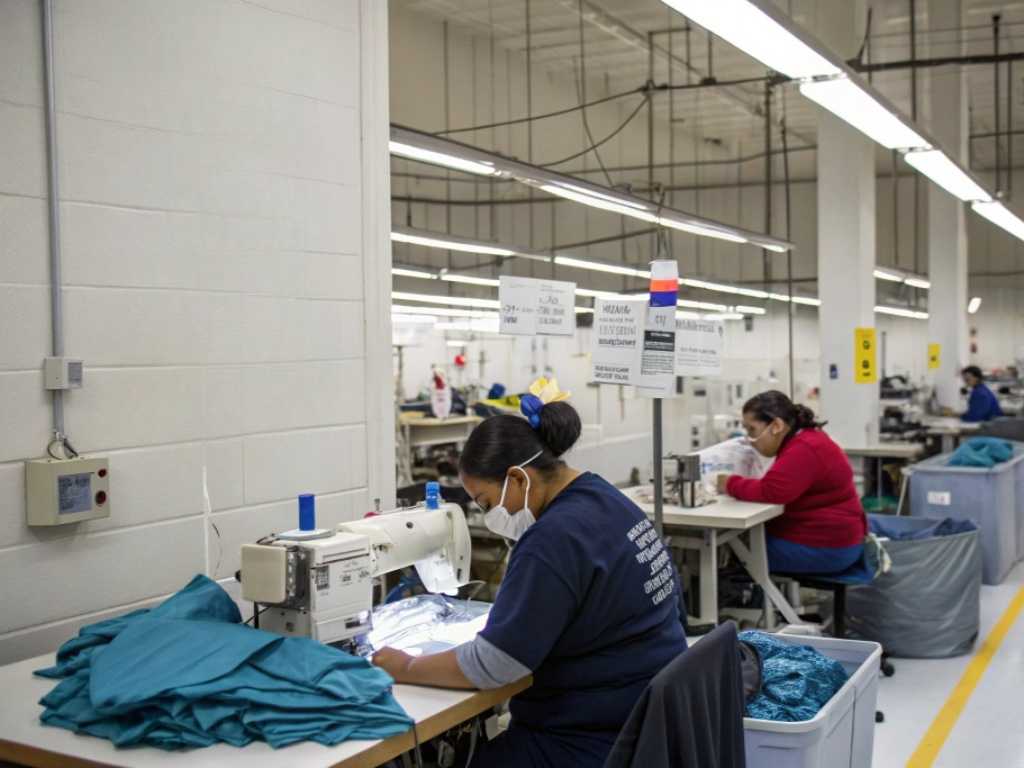
Recycled Fabric Dress Manufacturer
Custom recycled-fabric dress development for established fashion brands, from material review and pattern making to controlled bulk production and private-label delivery.
- Since 2008: focused experience in custom women’s fashion manufacturing.
- 100,000+ pcs: regular monthly capacity across coordinated production resources.
- 200 pcs per style/color: standard garment MOQ, subject to recycled fabric availability, color, certificate scope, and supplier requirements.
- 2 sample rooms, 7+ senior pattern makers, and 20+ sample machinists support fit-sensitive dress development.
Built for Established Fashion Programs
Best Project Fit
- Tech packs, line sheets, original samples, sketches, or reference images can start development.
- Seasonal collections may include 10-30 styles developed in parallel.
- Bulk quantities can be distributed across sizes inside each confirmed style/color quantity.
- Brand labels, care labels, hangtags, barcodes, SKU packing, and carton marks can be integrated into production.
Project Boundaries
The manufacturing system is intended for custom development and bulk production rather than ready-stock purchasing, single-piece fulfillment, or personal dressmaking.
A productive inquiry normally includes style direction, quantity by style/color, fabric expectations, size range, label requirements, and a target delivery window.
Certified, custom-dyed, custom-printed, recycled, lace, sequin, or specially developed fabrics may carry fabric-mill minimums above the standard garment MOQ.
Those limits are reviewed before sampling so product teams can decide whether to keep the original material direction, consolidate colors, or approve a commercially workable alternative.
Manufacturing Capacity Behind Each Collection
Since 2008
Six Owned Factories
Ten Plus Partners
Eighteen Plus Lines
Development Team
Delivery Control
Risks Controlled Before Bulk Production
Unverified Material Claims
Wrong Fabric Handfeel
Weak Dress Drape
Sample-Bulk Differences
Color Batch Variation
Unclear Commercial Limits
Information Needed for Accurate Evaluation
Style Reference
Dress Category
Material Direction
Quantity Plan
Color Plan
Size System
Brand Packaging
Launch Window
Recycled Dress Categories We Develop

Satin Mini Dresses
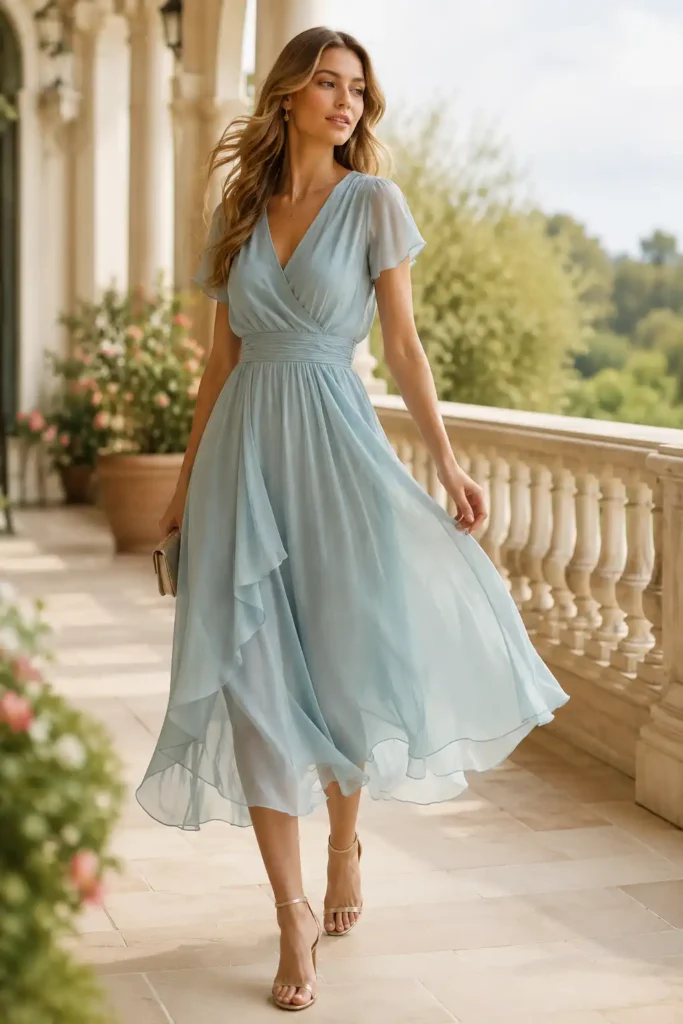
Chiffon Midi Dresses
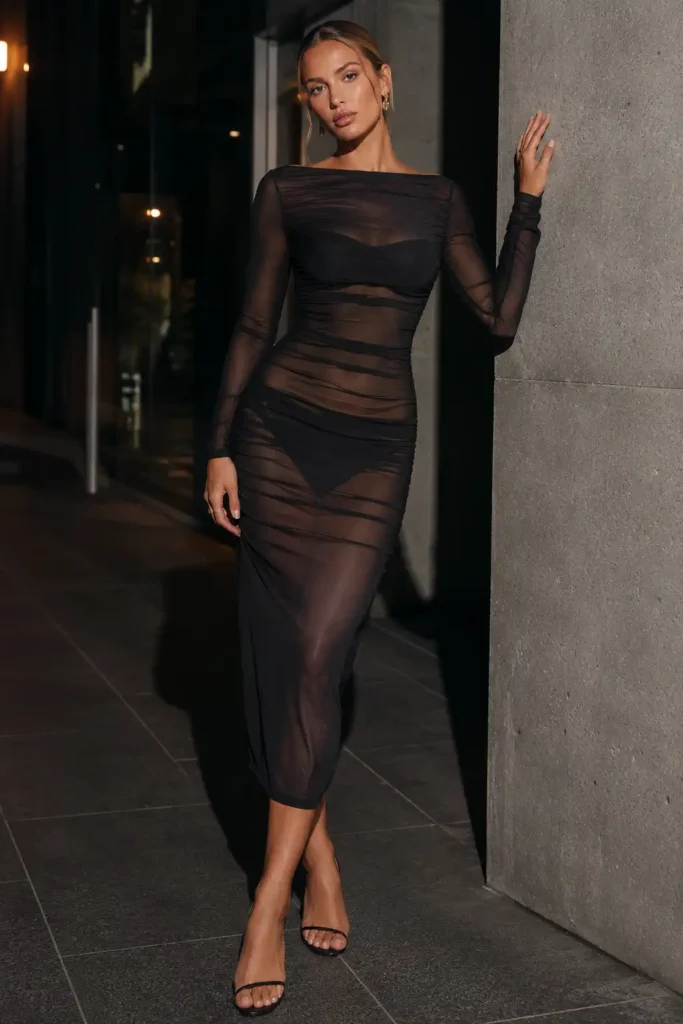
Mesh Bodycon Dresses
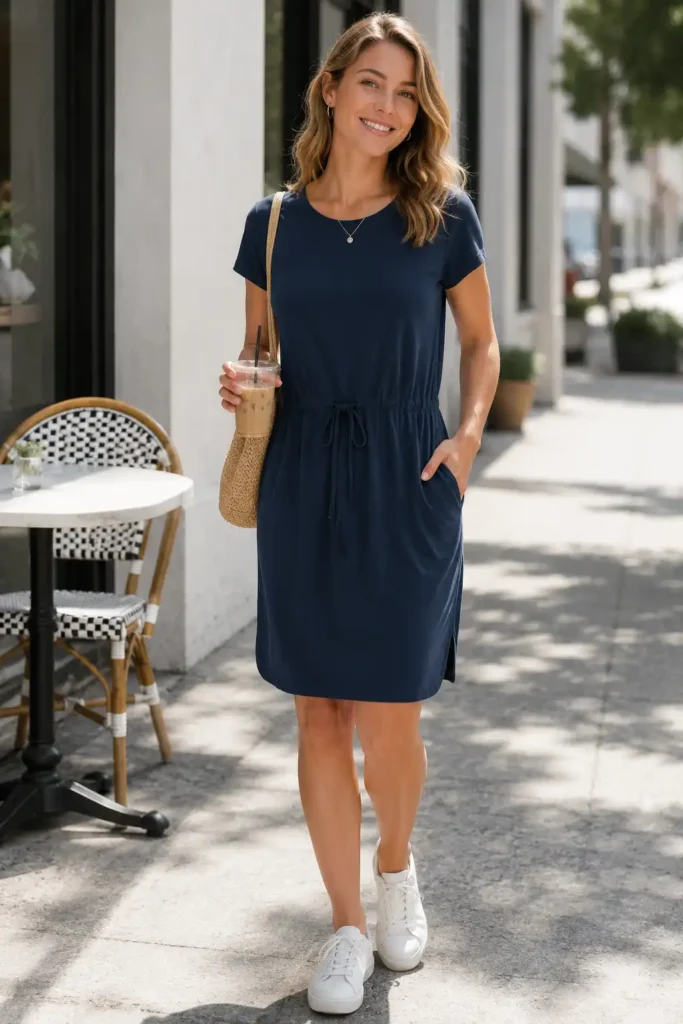
Jersey Day Dresses

Recycled Slip Dresses

Structured Corset Dresses

Party Dress Collections
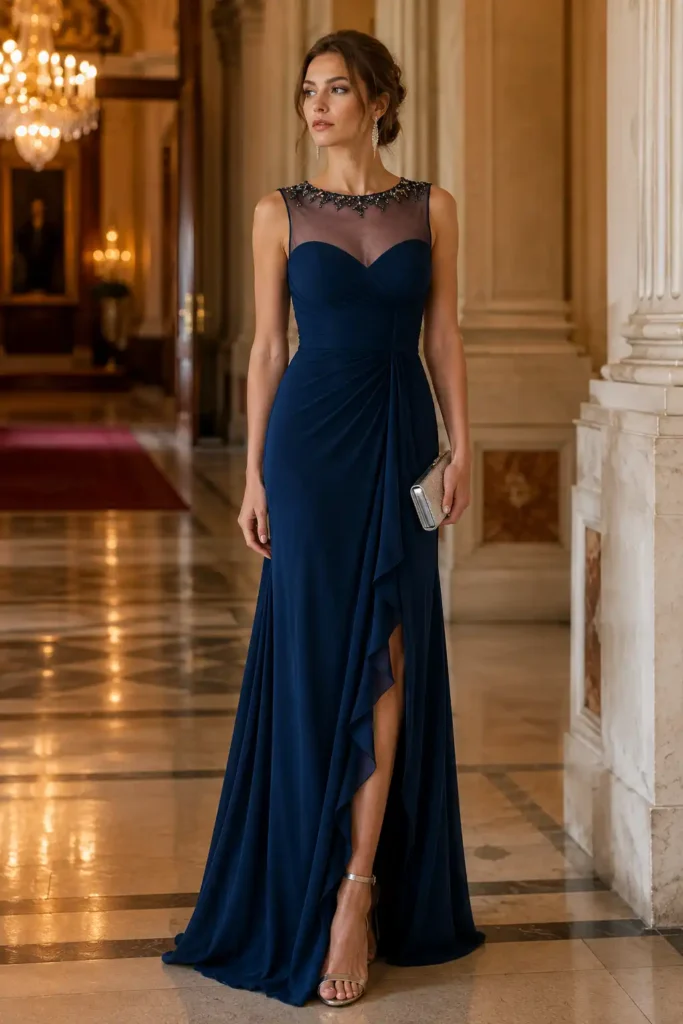
Occasionwear Dresses
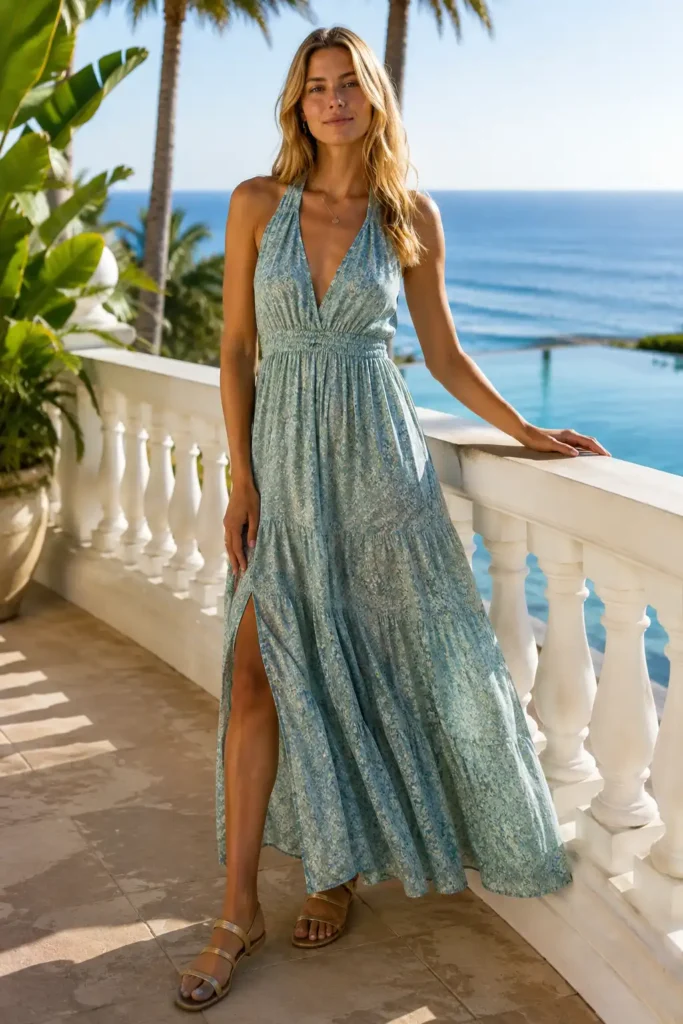
Resort Dress Programs
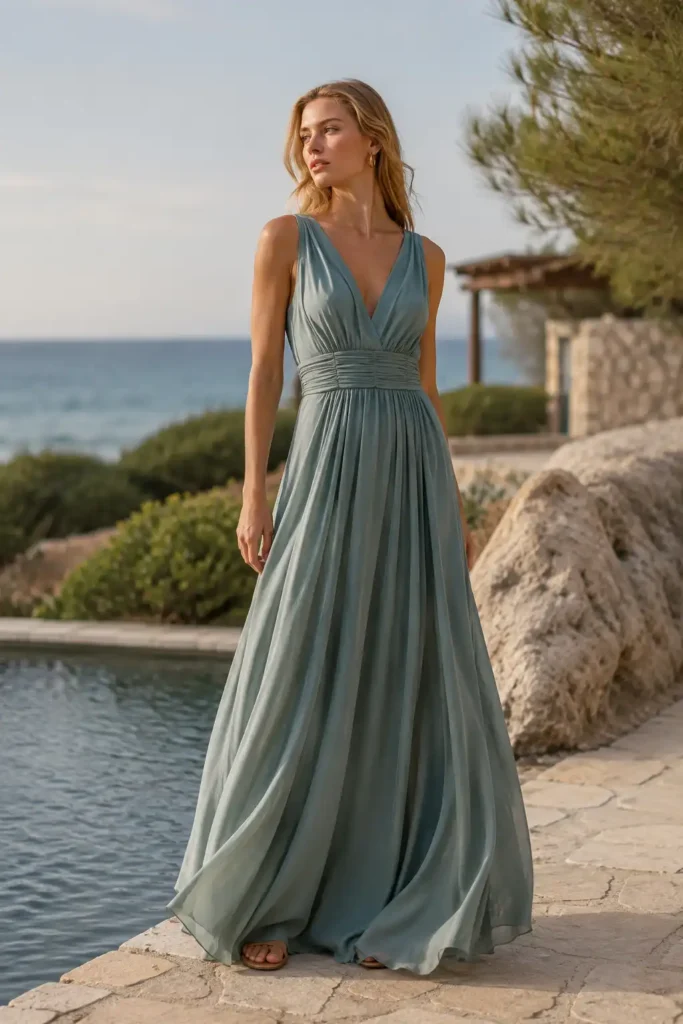
Recycled Maxi Dresses
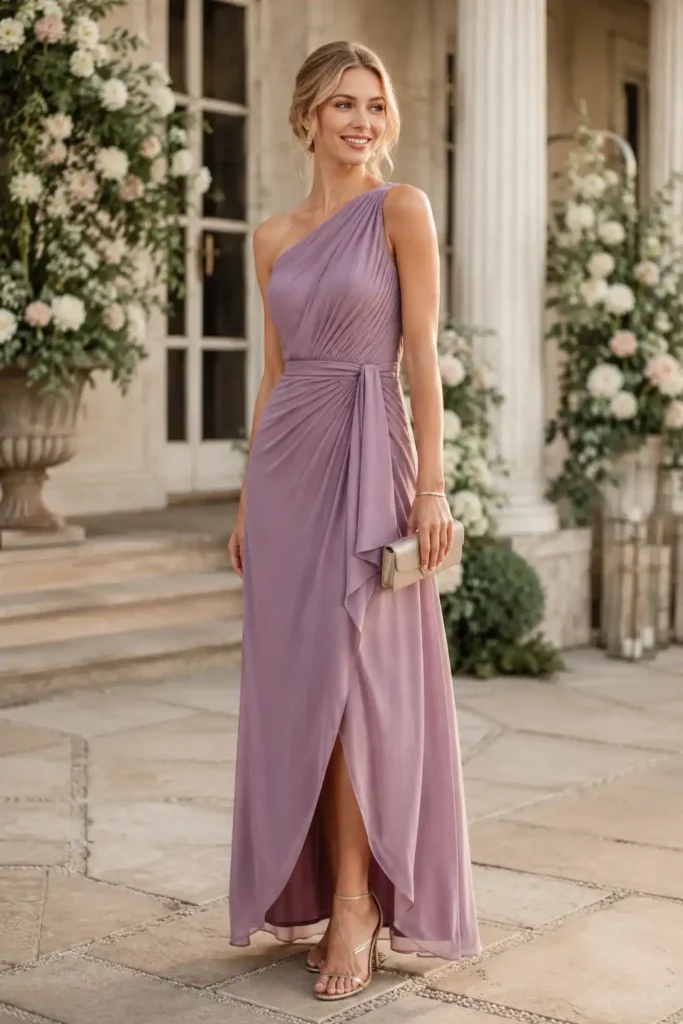
Wedding Guest Dresses
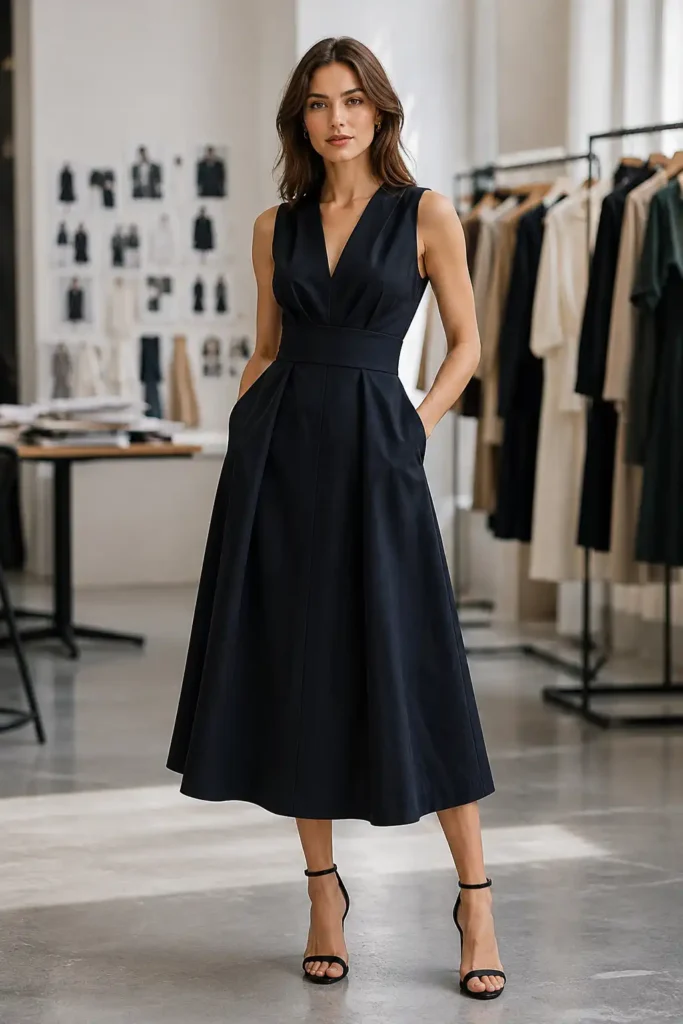
Private-Label Collections
Recycled Fabric Directions by Dress Type

Recycled Satin

Recycled Chiffon
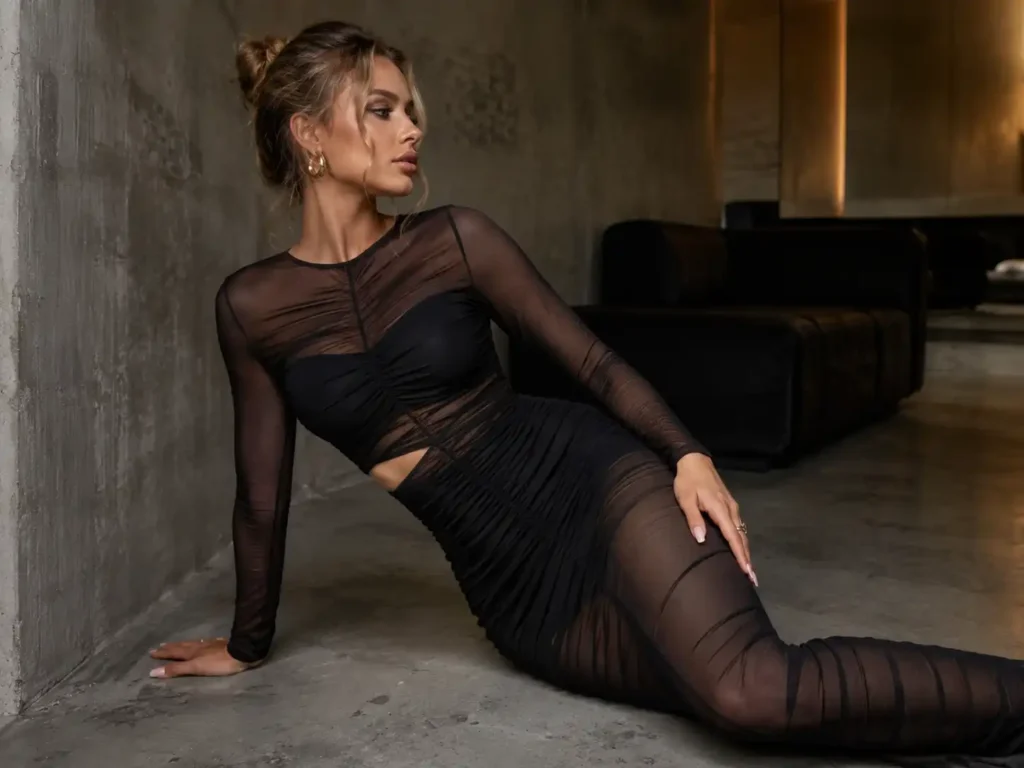
Recycled Mesh
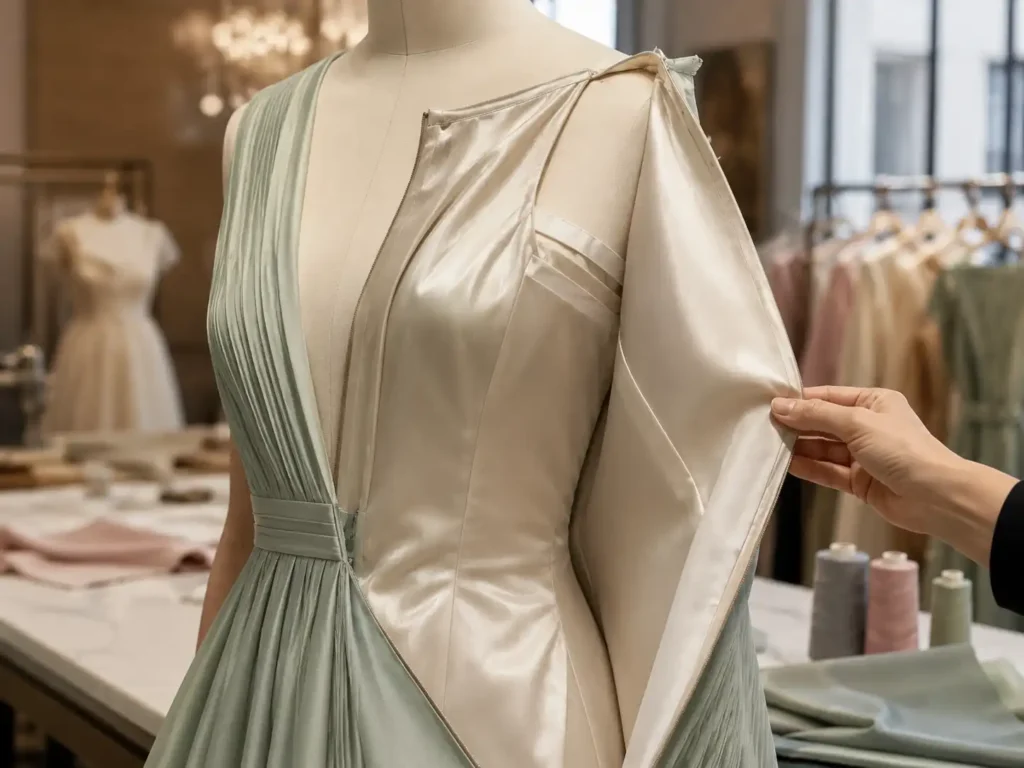
Recycled Lining

Recycled Jersey

Recycled Wovens
Match Fabric Performance to Dress Construction
| Fabric Direction | Suitable Dress Types | Development Checks | Commercial Variables |
|---|---|---|---|
| Recycled satin | Slip, mini, midi, occasion, wedding guest | Drape, sheen, snagging, seam impression, lining, pressing | Color availability, certificate scope, fabric MOQ, dye lot |
| Recycled chiffon | Maxi, layered midi, resort, printed dresses | Transparency, lining, shrinkage, print clarity, hem balance | Layer consumption, custom color, print MOQ, lead time |
| Recycled mesh | Bodycon, ruched, cutout, corset, party styles | Stretch, recovery, transparency, seam strength, coverage | GSM, hole structure, color, lining compatibility |
| Recycled jersey | Casual, ribbed, fitted, travel dresses | GSM, recovery, shrinkage, pilling, twist, neckline stability | Blend, color, finish, fabric-mill MOQ |
| Recycled lining | Lined satin, chiffon, mesh, occasion dresses | Comfort, opacity, static, stretch, color matching | Composition, claim boundary, MOQ, shade matching |
| Recycled woven/crepe | Shirt, office, A-line, structured midi | Drape, opacity, seam slippage, crease recovery | Stock status, custom dye, finish, testing needs |
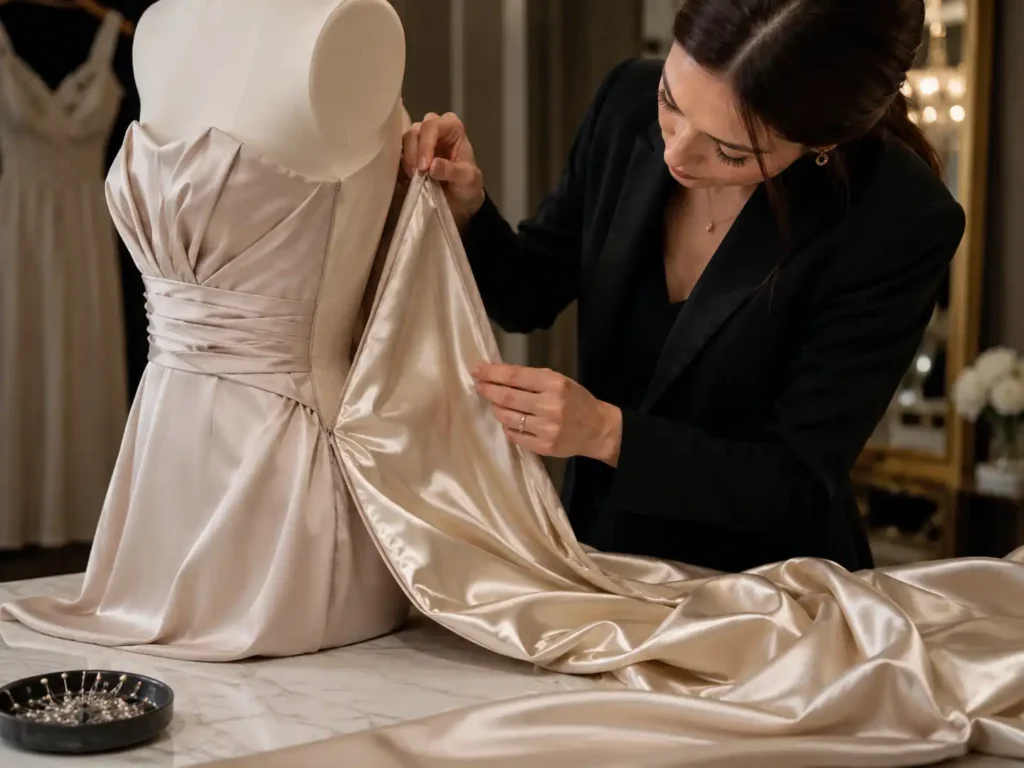
Recycled Satin Dress Development Controls
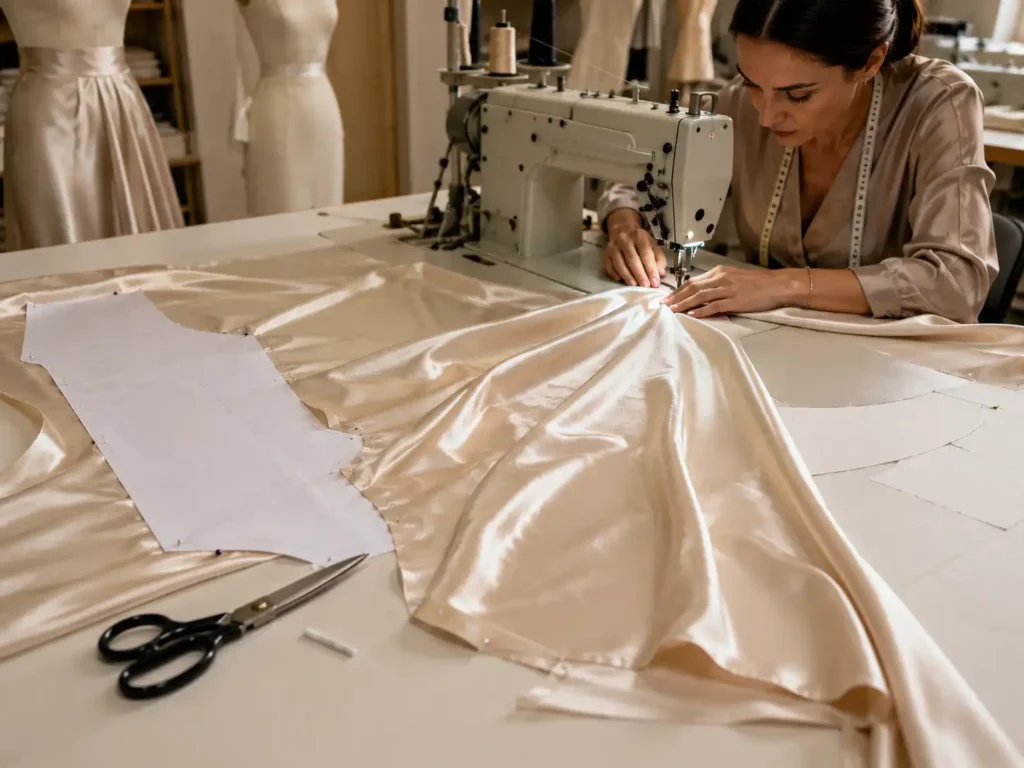
Recycled satin can deliver strong visual value, but surface sensitivity and drape expose weak cutting, sewing, pressing, and packing. Development should lock material behavior and garment structure together.
- Surface, Sheen, and Grain Direction: Satin sheen changes with yarn structure, finish, lighting, and grain direction. Production panels must follow the approved cutting direction so front, back, sleeves, and skirt sections do not reflect light differently. Roll shade and surface marks are checked before cutting. Pattern layout also considers bias movement, seam placement, and consumption because irregular placement can distort the silhouette or create uneven shine.
- Seam, Zipper, and Lining Control: Light or glossy satin can reveal seam allowance, needle marks, puckering, and zipper bulging. Stitch density, needle choice, seam construction, zipper installation, and pressing sequence are reviewed during sampling. Lining color should support the outer shade without changing its visual depth. Fitted dresses require special attention around bust, waist, hip, side seams, and center-back zipper placement.
- Pressing and Packing Protection: Pressing temperature, pressure, steam, and contact surfaces affect gloss and permanent marks. Finished garments are inspected for shine variation, impressions, wrinkles, snags, and lining exposure before folding. Packing method is selected around dress length and structure. Tissue, larger polybags, controlled folds, or hanger packing may be considered where garment value and transport method justify the added cost.
Recycled Chiffon and Crepe Dress Development
Lightweight recycled fabrics create movement and visual softness, yet transparency, shrinkage, seam behavior, and hem balance can become major bulk-production risks.
Transparency and Layer Planning
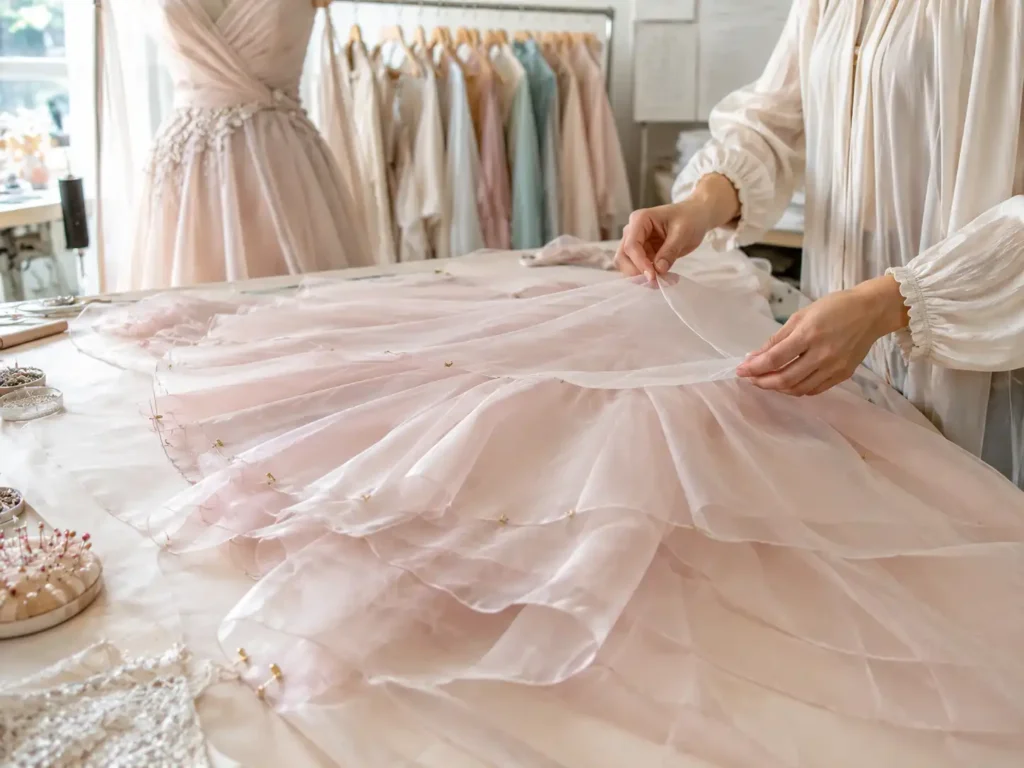
- Chiffon transparency changes by color, layer count, print coverage, and lighting. Development defines whether the dress needs full lining, partial lining, double layers, modesty panels, or strategic coverage. Outer and lining lengths are compared during fitting so the lining does not appear at the hem, slit, armhole, neckline, or side seam. Layer quantity also affects consumption, cost, sewing time, and final weight.
Pattern Balance and Hem Accuracy
- Long chiffon skirts can drop after hanging, especially with bias sections, circular shapes, or heavy gathers. Samples are allowed to relax before final hem evaluation. Waist position, side length, center-front and center-back balance, skirt fullness, and seam direction are checked on the body. Bulk garments are measured and hemmed against the approved construction method rather than trimmed by visual judgment alone.
Crepe Alternatives for Stability
- Where chiffon feels too transparent or delicate, recycled polyester crepe or recycled woven alternatives may provide improved opacity, surface texture, and sewing stability. A substitution still requires new approval because changes in GSM, drape, stretch, shrinkage, and color can affect pattern shape, lining, consumption, quotation, and delivery timing.


Recycled Mesh and Lining Engineering
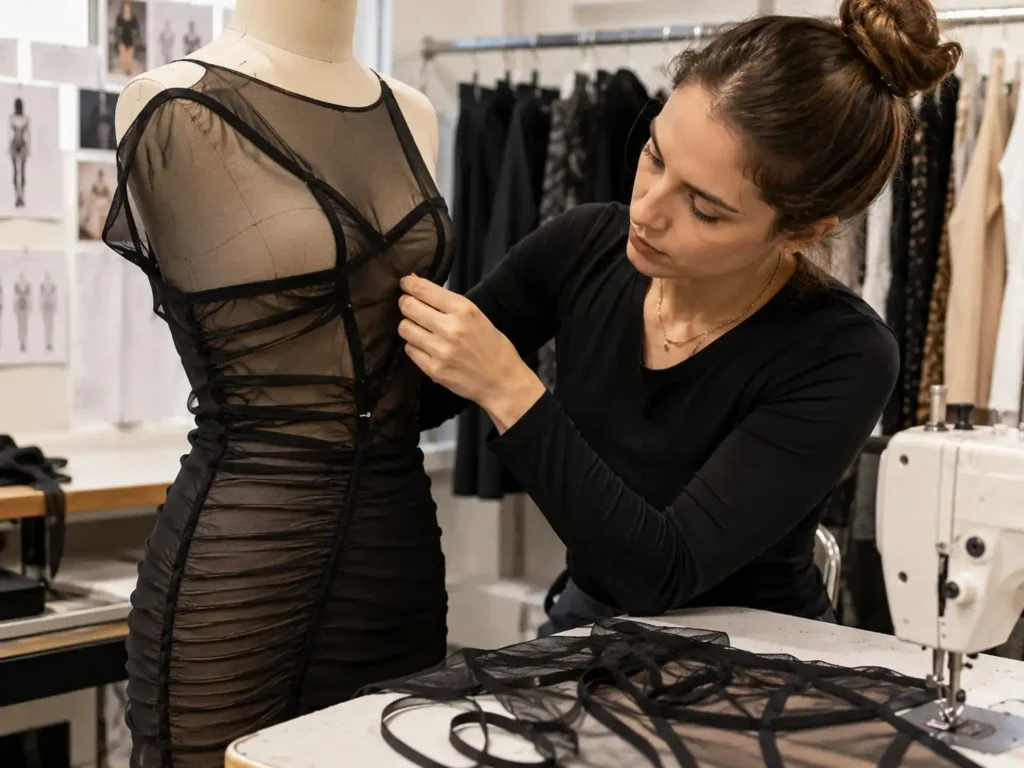
Mesh dresses depend on coordinated stretch, coverage, seam strength, and lining behavior. A visually similar mesh can produce a very different fit once stretched on the body.
- Stretch and Recovery Mapping
Mesh is checked across width and length because stretch direction affects body fit, ruching, cutouts, sleeves, and neckline stability. Recovery is reviewed after repeated extension. Weak recovery can cause loose necklines, stretched armholes, unstable side seams, and poor shape retention. Pattern measurements are adjusted to the actual fabric rather than copied from a non-stretch style.
- Coverage Under Tension
Transparency should be evaluated on the body or a fitting form, not only on a flat table. Bust, waist, hip, underarm, side waist, slit, and back panels can become more transparent under tension. Lining coverage, seam placement, double layers, or power-mesh zones are planned around the final wearing condition and market expectations.
- Lining Compatibility
Outer mesh and lining need compatible stretch, recovery, weight, and direction. A rigid lining can restrict movement or distort an elastic outer layer, while a weak lining can lose support. The BOM should state outer fabric and lining separately, including composition, color, recycled claim, stretch direction, GSM where relevant, and approved supplier reference.
Recycled Jersey and Stretch Dress Control
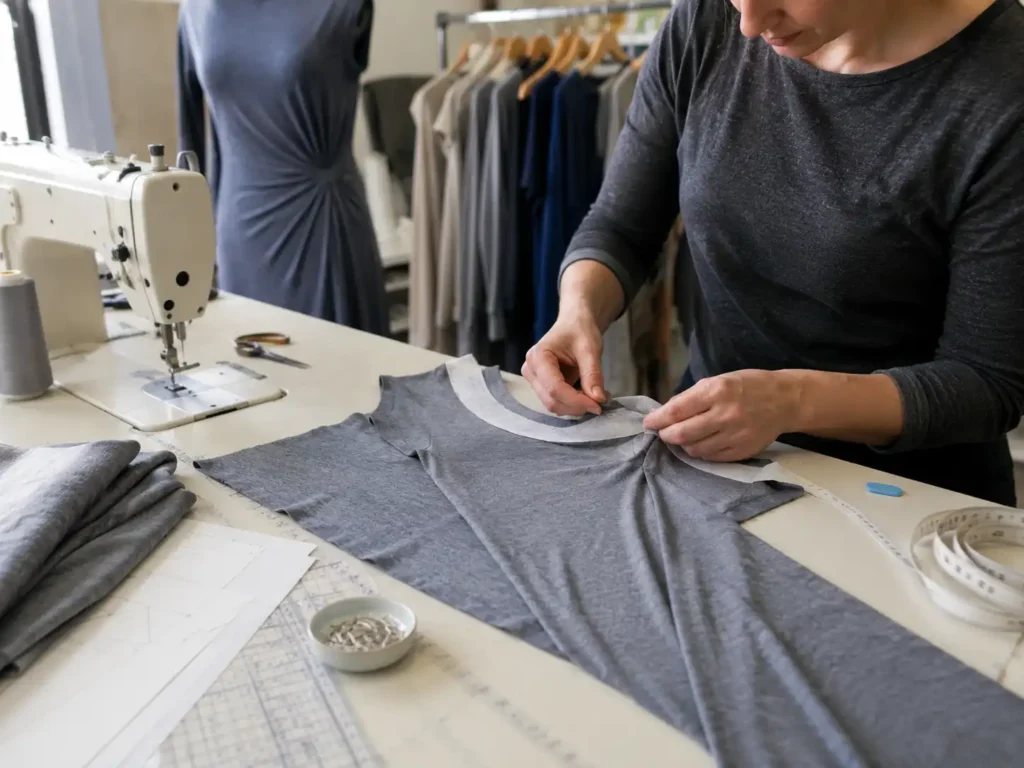
Stretch dresses require fabric relaxation, accurate pattern reduction, stable recovery, and controlled measurement. Small changes in GSM or elastane content can alter fit across the full size range.
Fabric Relaxation Before Cutting
- Jersey and rib fabrics can arrive under tension from winding, transport, or finishing. Fabric is allowed to relax according to material behavior before cutting. Width, GSM, shrinkage, stretch, and recovery are compared with the approved reference. Cutting before stabilization can create short lengths, narrow widths, twisted seams, and inconsistent measurements after pressing or washing.
Bust-Waist-Hip Proportion
- Bodycon and fitted dresses require controlled negative ease. Bust, waist, hip, upper hip, dress length, neckline, armhole, strap, sleeve, and slit positions are reviewed against fabric stretch and recovery. Fit comments are recorded by measurement and location rather than vague descriptions such as “tighter” or “looser.”
Wash and Wear Stability
- Shrinkage, pilling, colorfastness, seam recovery, and side-seam twist may be reviewed during development or through third-party testing when required. Any material change after sample approval can require a revised pattern or new sample. A replacement jersey with the same composition may still behave differently because knit structure, GSM, finishing, and elastane quality vary.

Fabric Performance Checks Before Approval
Handfeel and Drape
Stretch and Recovery
Shrinkage Control
Colorfastness
Pilling and Snagging
Seam Performance

Recycled Material Evidence and Certification Scope
Jinfeng Apparel can source recycled and GRS-related fabric resources by project. Availability and documentation must be confirmed by supplier, material, color, batch, MOQ, current certificate scope, and latest records.
Material Composition Comes First
The development file should state the exact intended composition, such as recycled polyester with elastane, recycled polyester chiffon, recycled polyester mesh, or a blend. Recycled percentage, non-recycled components, lining, trims, and internal support materials are separated in the BOM. A broad phrase such as “eco fabric” is not precise enough for sourcing, costing, labeling, or claim review.
Certificate Scope Must Match
A current certificate should be reviewed for legal company name, certified site, standard, product category, material category, processing scope, validity, and any limitations. A certificate belonging to an unrelated company, expired site, different product category, or unsupported material cannot be treated as evidence for the planned order.
Order Evidence Is Project Specific
A supplier’s scope certificate does not automatically prove every shipment or finished garment. Where order-linked transaction evidence is required, the purchasing path, certified entities, material batch, quantity, and documents should be planned before ordering fabric. Document availability can influence supplier choice, MOQ, lead time, and cost.
Scope and Transaction Document Workflow
Supplier Qualification
- Confirm the fabric supplier or mill identity.
- Review current certificate details and validity.
- Compare material and product scope with the intended fabric.
- Confirm color, finish, recycled percentage, batch, MOQ, and lead time.
- Record the approved source before sample or bulk booking.
Order Documentation
- Match purchase order, fabric description, composition, color, quantity, and supplier reference.
- Keep approved swatches, lab dips, bulk fabric references, packing records, and delivery records aligned.
- Separate outer fabric, lining, trims, and packaging claims.
- Confirm any client-specific document format before ordering.
Transaction Evidence
- Determine whether order-linked transaction evidence is required.
- Confirm which certified entity issues the document.
- Check quantity, material, shipment, and receiving-party information.
- Resolve missing or inconsistent records before claim approval or garment labeling.

Build Defensible Recycled-Content Claims
Clear, qualified wording protects brand credibility. Product claims should reflect the actual materials and verified percentage rather than broad environmental promises.
Define the Claimed Component
A dress may use recycled outer fabric while the lining, thread, zipper tape, elastic, cups, boning, labels, and packaging contain other materials. Claim language should identify whether recycled content applies to the main fabric, selected components, or the complete textile composition. Care-label and marketing wording must remain consistent with the confirmed BOM and available records.
Avoid Unqualified Sustainability Language
Phrases such as “100% sustainable,” “zero impact,” or “fully eco-friendly” can imply far more than the available evidence supports. Stronger communication uses measurable facts: fiber type, recycled percentage, certified supplier where confirmed, material source, packaging choice, or documented process. Jinfeng Apparel provides production and material information; final market claims remain subject to brand and legal approval.
Keep Product and Packaging Separate
A recycled polybag, paper hangtag, or recycled carton does not change the garment fiber composition. Garment and packaging statements are reviewed as separate claims. Logo use, certification marks, wording, placement, and consumer-facing information should not be printed until the responsible brand team approves the final artwork.
Fabric Supplier Qualification Before Sampling
Confirm Product Requirement
Screen Available Sources
Review Swatches
Confirm Commercial Terms
Develop Garment Sample
Lock Approved Source

Color Development and Batch Consistency
Color control connects design, material sourcing, lining, trims, production lots, photography, and repeat orders. Satin, chiffon, mesh, lace, and layered dresses can reveal small shade differences quickly.
Pantone and Reference Approval
Color development starts from a Pantone reference, physical swatch, original garment, or approved standard. Screen images alone are not reliable because displays, lighting, and file settings alter color. The chosen reference is named and retained in the project file so lab dips, bulk fabric, lining, trims, and repeat orders can be compared against the same standard.
Lab Dip and Bulk Approval
Custom-dyed fabrics may require lab-dip rounds before bulk dyeing. Approval considers hue, depth, undertone, surface finish, and intended lighting. Bulk fabric can then be checked for shade variation across rolls. Where a dress combines satin, mesh, lining, lace, elastic, or thread, matching may be tonal rather than chemically identical because different materials absorb color differently.
Repeat-Order Reconfirmation
Reorders should not rely only on old photos or color names. Available yarn, recycled feedstock, dye lot, finish, and supplier production can change. Jinfeng Apparel retains available fabric references and records, then reconfirms shade, handfeel, composition, MOQ, and document status before a repeat material booking.
Tech Pack and Construction Review
A recycled dress should enter sampling with a clear structure, measurement basis, material plan, and approval path. Early engineering reduces late-stage corrections and unclear quotations.
Style Structure Analysis
The development team reviews neckline, armhole, shoulder, bust shaping, waist seam, hip shape, skirt volume, slit, back opening, zipper, closures, lining, internal support, decorative seams, ruching, gathering, and hem construction. Each detail is considered against the selected recycled fabric. A soft chiffon cannot hold the same structure as ponte, while a low-recovery mesh cannot use the same negative ease as power mesh.
BOM and Trim Alignment
The bill of materials lists outer fabric, contrast fabric, lining, interfacing, cups, boning, elastic, anti-slip tape, zipper, hooks, thread, labels, hangtags, and packaging. Recycled claims are attached to specific components rather than assumed across the whole garment. Trim MOQ, color, lead time, logo requirements, comfort, durability, and test needs are reviewed before quotation.
Production Feasibility Review
Construction is evaluated for cutting direction, seam accessibility, stitch method, edge finish, pressing, inspection, repair ability, packing, and repeat production. Where an original concept creates unstable fit, excessive material waste, fragile seams, or unrealistic cost, the team proposes controlled adjustments while preserving the intended appearance.
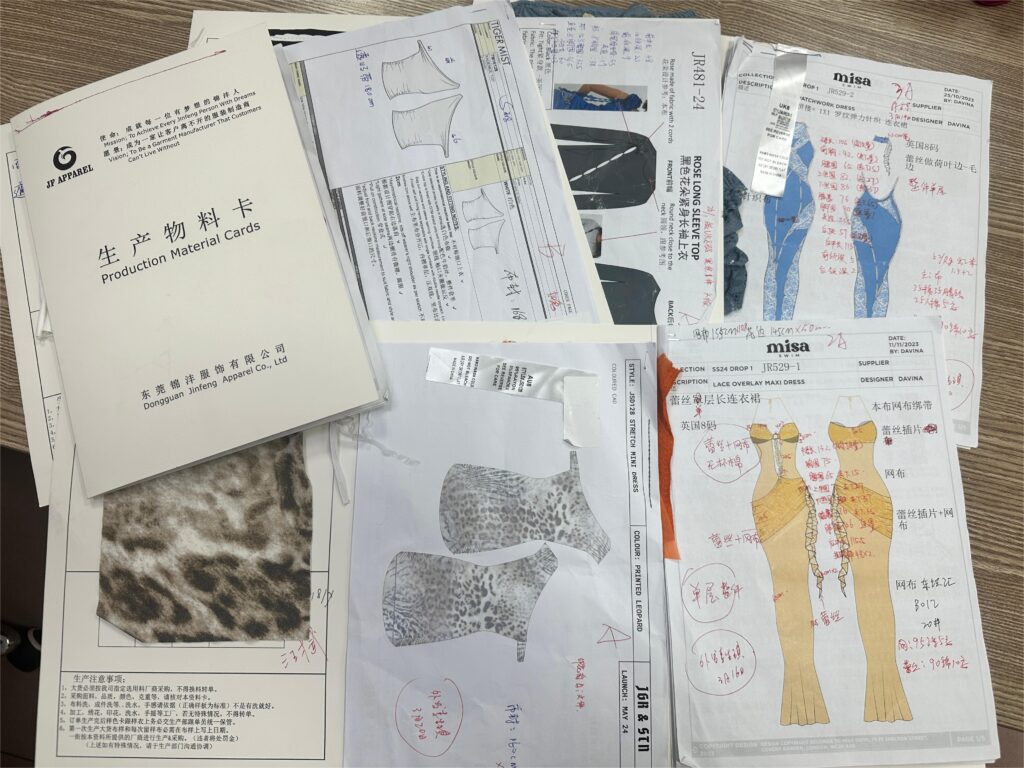

Pattern, Fit, and Dress Proportion Control
Recycled material selection only creates value when the finished dress fits the target body and maintains the intended silhouette across the size range.
Core Measurement Control
Pattern development reviews bust, underbust, waist, upper hip, full hip, shoulder width, armhole, neckline depth, strap length, back width, dress length, skirt length, slit height, sleeve length, and hem sweep where relevant. Fit comments are tied to a measurement location and visual issue. Changes are recorded before a revised pattern or sample is made.
Silhouette-Specific Engineering
- Slip dresses require controlled drape and strap balance.
- Bodycon styles require measured negative ease.
- Corset dresses need bust support, waist control, cups, boning, and secure neckline construction.
- Maxi dresses need hem balance and movement.
- Resort dresses need comfort and wrinkle awareness.
- Pattern decisions follow the actual product rather than a generic women’s block.
Fabric Change Impact
Changing from virgin polyester to a recycled alternative, or from one recycled supplier to another, may change GSM, stretch, recovery, drape, shrinkage, transparency, and surface. Pattern dimensions, lining, seam method, and sample approval are reviewed again when those differences could alter fit or production stability.
Size Grading for Commercial Dress Ranges
A strong base sample does not guarantee balanced fit from XXS to 3XL. Grade rules must preserve proportion, coverage, movement, and design details rather than enlarge every measurement equally.
Grade Rules by Body Zone
- Bust, waist, hip, shoulder, armhole, neckline, strap, sleeve, back width, slit, rise, and length can require different increments.
- Corset, bodycon, low-back, strapless, and cutout dresses need closer control because small grading errors change support or coverage.
- Client size charts and target-market fit standards remain the basis for development.
Size Set Review
For fit-sensitive programs, a size set or selected graded sizes can be reviewed before bulk. The team checks measurement, proportion, design-line position, strap length, neckline, armhole, waist seam, hip shaping, slit height, and garment length. Any grade correction is updated in the measurement file and pattern record before production.
Bulk Size Distribution
- MOQ is calculated per style/color, while sizes are distributed within the confirmed quantity.
- A planned ratio supports cutting efficiency, packing accuracy, and inventory goals.
- Barcode, SKU, size sticker, polybag, and carton-ratio files should match the final size breakdown before packing materials are printed.
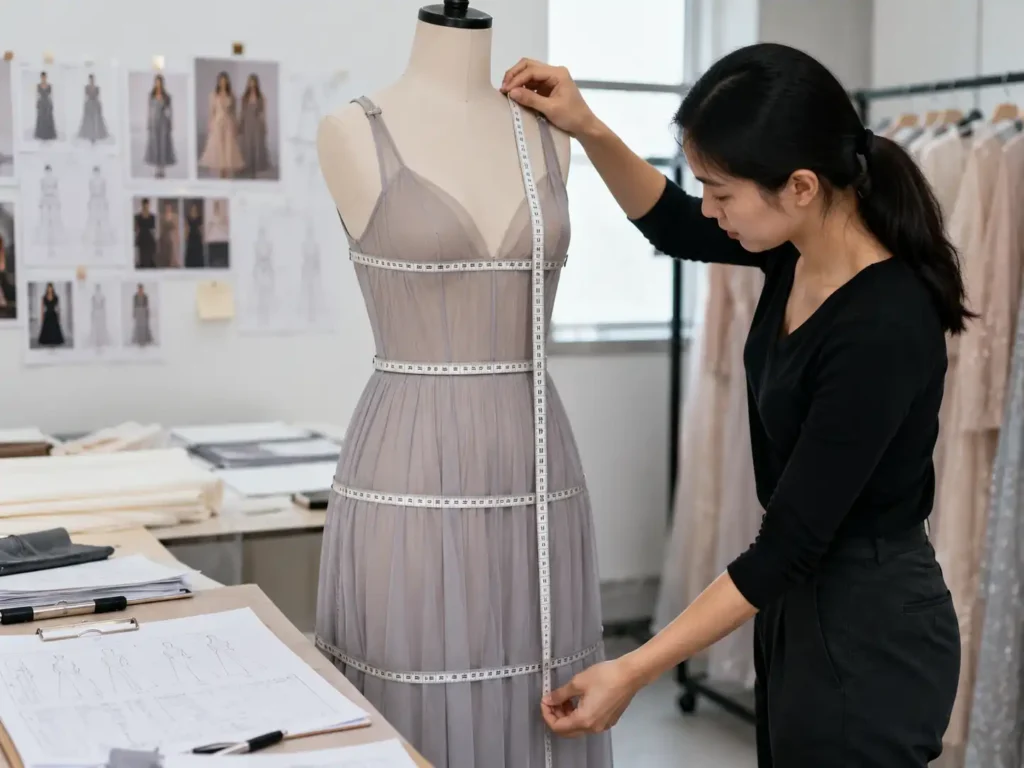

Sample Development from Swatch to PP
Sampling converts material and design decisions into an approved production standard. Timing is quoted by style after fabric, trims, and files are reviewed.
- Fabric and Structure Review
The team confirms available sample fabric, intended bulk fabric, construction questions, measurement chart, lining, trims, and any document requirement. An uncomplicated dress may use a planning window of roughly 7-12 working days for the first sample after materials are ready. Structured, layered, corset, embellished, or multi-material styles may require roughly 12-18 working days. These ranges are planning references rather than fixed promises.
- First Sample and Fit Comments
The first sample tests silhouette, garment proportion, material behavior, internal construction, sewing method, and measurement. Comments should identify exact locations, target measurements, visual references, and priority. The team records bust, waist, hip, length, strap, armhole, neckline, back coverage, slit, and other relevant points before revision.
- Revised and Photo-Ready Samples
Revised samples address approved comments. Photo-ready or salesman samples may require higher attention to surface finish, pressing, color, styling details, and brand presentation. When photo samples use non-bulk fabric or temporary trims, the differences are documented so campaign approval does not accidentally replace PP approval.
PP Approval Before Production Release
Approved Fabric
Approved Measurements
Approved Construction
Approved Trims
Approved Appearance
Approved Packing
MOQ, Cost, and Lead-Time Drivers
| Project Variable | MOQ Effect | Cost Effect | Timing Effect | Required Confirmation |
|---|---|---|---|---|
| Stock recycled fabric | May support standard garment MOQ | Normal fabric and handling cost | Shorter when quantity is available | Composition, color, batch, certificate scope |
| Custom-dyed recycled fabric | Mill minimum may exceed garment MOQ | Lab dip, dyeing, testing, wastage | Added lab-dip and bulk-dye time | Pantone, shade tolerance, quantity, supplier |
| Certified fabric program | Depends on mill, certified entity, color, and scope | Document, sourcing, and handling cost may apply | Document and material booking can add time | Current scope, transaction evidence, validity |
| Custom print | Printing base-cloth and color minimums apply | Artwork, strike-off, screens/digital print, wastage | Strike-off and print production add time | Artwork, repeat, base cloth, color approval |
| Multi-color collection | Each color normally meets MOQ | More lab dips, trims, labels, setup, handling | More approvals and material lots | Quantity by style/color and size ratio |
| Special structure | Garment MOQ may remain, but capacity is reviewed | Pattern, sample, sewing, lining, support materials | More sampling and line preparation | Construction, sample rounds, quality standard |
| Private-label packaging | Packaging suppliers may have separate MOQ | Labels, hangtags, printed bags, stickers, cartons | Artwork and supplier production add time | Final files, quantities, barcode and SKU lists |
Multi-Style Production Planning
Style and Fabric Grouping
Sample Priority
Production Allocation
Delivery Sequencing

Incoming Recycled Fabric Inspection
Bulk fabric is checked before cutting so material defects, shade variation, width, quantity, and performance differences do not move unnoticed into finished garments.
Identity and Document Check
- The receiving record compares supplier, fabric description, composition, color, quantity, roll reference, approved quality, and available documents with the purchase requirement. Outer fabric, lining, contrast fabric, and separate components are recorded independently.
Roll and Shade Control
- Rolls are reviewed for shade variation, surface consistency, stains, holes, snags, creases, coating or finish variation, width, and visible defects. Roll groups may be separated where shade differences could appear within the same garment or coordinated set.
Performance Verification
- Weight or GSM, stretch, recovery, handfeel, drape, transparency, shrinkage risk, and surface behavior are compared with the approved reference where relevant. A meaningful difference can trigger material review, supplier discussion, pattern review, or new approval before cutting.
Quantity and Consumption Check
- Received quantity is compared with the cutting plan, wastage allowance, defect allowance, print direction, stripe or pattern matching, bias cutting, garment length, and size ratio. Long maxi panels, directional satin, prints, lace placement, and delicate mesh can require higher consumption control.
Cutting and Sewing Craftsmanship by Fabric
Satin Cutting and Sewing
Chiffon Layer Control
Mesh and Stretch Construction
Jersey Stabilization
Inline Inspection and Bulk Consistency
Fabric Batch Control
Measurement Inspection
Sewing Method Check
Garment Appearance
Packing Accuracy
AQL or Third-Party Inspection
NDA Protection and Repeat-Order Records
NDA-Based Cooperation
Unreleased Design Protection
Repeat-Order Records
Recycled Dress Program Case Studies
US Occasionwear Program
An established US occasionwear label planned 18 dresses across recycled satin, recycled chiffon, stretch mesh, and selected recycled linings.
The confirmed order structure reached 42,600 pcs across four color groups and sizes XS-3XL.
Development began with fabric swatch comparison and construction review. Satin styles required grain-direction control, zipper-flatness checks, and pressing trials.
Chiffon styles needed lining coverage, layered hem review, and shade matching. Mesh styles required stretch and recovery confirmation before pattern reduction.
Three sample rounds were used for the highest-risk styles, while related silhouettes moved through two rounds before PP approval. Bulk planning grouped styles by fabric and construction. QC priorities included shade separation, bust-waist-hip measurements, neckline coverage, lining exposure, hem balance, label accuracy, and barcode packing
European Resort Collection
A European ecommerce dress brand organized 24 resort and vacation styles with a total order plan of 68,400 pcs. The range included recycled chiffon maxi dresses, lightweight recycled woven midis, printed recycled polyester styles, and lined occasion-resort crossover dresses.
The program used six color and print groups, sizes XXS-2XL, and coordinated private labels, hangtags, barcodes, and SKU packing. Print strike-offs and color standards were prioritized before the full sample set. Maxi styles were reviewed for skirt drop, hem leveling, lining length, and packing folds. Lightweight woven styles were checked for transparency, shrinkage, and crease behavior.
Hero styles entered sample development first. Related bodies reused approved construction logic while retaining style-specific measurements. Bulk was allocated by material group and split into three shipment windows. QC focused on print placement, shade consistency, dress length, waist position, hem balance, barcode accuracy, carton ratio, and warehouse labeling.
Australian Partywear Range
An Australian partywear label developed 12 fit-sensitive styles totaling 27,600 pcs.
Materials included recycled stretch mesh, power mesh, recycled jersey, recycled lining, and selected satin panels. Sizes ran from XXS to 2XL with concentrated volume in core sizes.
Early review identified inconsistent stretch and transparency among visually similar mesh options. The fabric shortlist was reduced after recovery, coverage, handfeel, and seam trials. Pattern development focused on bust, waist, hip, neckline, armhole, strap, cutout position, ruching, and lining coverage. Selected graded sizes were reviewed before PP approval.
Production controls included fabric relaxation, roll-shade grouping, stretch-direction marking, seam-extension checks, critical measurement inspection, lining match, label placement, and individual barcode packing.
The final plan used one primary release with priority-size carton separation for launch allocation.
Recycled Dress Frequently Asked Questions
Project-based options can include recycled polyester satin, chiffon, mesh, jersey, lining, crepe, and woven blends. Availability depends on supplier, composition, color, finish, recycled percentage, certificate scope, quantity, and lead time. Swatches and available records are reviewed before approval.
No. Certification depends on the specific supplier, site, fabric, color, batch, certificate scope, and current validity. Jinfeng Apparel can search for GRS-related resources by project, but no fabric or order is described as certified until applicable documents are reviewed.
Standard garment MOQ starts from 200 pcs per style/color. Certified, recycled, custom-dyed, printed, lace, sequin, or specially developed fabrics may require higher quantities based on fabric-mill requirements. Labels and packaging can also carry separate supplier minimums.
Normally no. MOQ is calculated by style and color, not by combining unrelated designs. Sizes can be distributed within each confirmed style/color quantity according to the approved size ratio.
Yes. Clear front, back, detail, and fit references can begin evaluation. A measurement chart, quantity, fabric direction, size range, label requirements, and delivery target are still needed for accurate development and quotation.
Timing is quoted after fabric, trims, and construction are reviewed. An uncomplicated first sample may use a planning range of about 7-12 working days after materials are ready. Structured, layered, corset, embellished, or multi-material dresses may need about 12-18 working days.
A common planning range is approximately 25-45 days after PP approval and complete material readiness. Style count, fabric booking, construction, quantity, line allocation, QC, packing, and delivery plan can shorten or extend the schedule.
Yes, subject to mill capability, color, material, quantity, certificate scope, lab-dip approval, and lead time. Custom dyeing often carries a fabric MOQ above the standard garment MOQ.
The approved fabric, pattern version, measurement chart, construction notes, trims, PP sample, labels, and packing instructions are aligned before release. Incoming fabric, cutting, inline sewing, measurements, appearance, and packing are checked during production.
Yes. Testing and inspection can be coordinated with client-nominated or third-party organizations by project. Required standards, sample quantity, defect classification, reporting format, cost responsibility, and release authority should be confirmed in advance.

Start Your Recycled Dress Project
Send a complete brief so Kelly and the development team can review material feasibility, dress construction, MOQ, sample plan, production timing, quality requirements, private-label execution, and delivery needs.
A detailed brief allows the team to identify certificate limits, fabric-mill minimums, color-development requirements, fit risks, lining decisions, trim lead times, and packing details before quotation.
Please include:
- Tech pack, line sheet, original sample, sketch, or reference images
- Dress category and number of styles
- Recycled material and required recycled percentage
- Required certificate or document scope
- Quantity per style/color and intended size ratio
- Pantone colors, print artwork, or approved swatches
- Size chart, fit standard, and target market
- Label, hangtag, barcode, polybag, carton, and warehouse requirements
- Campaign, PP, ex-factory, and delivery targets
- Preferred shipment method or appointed forwarder