Sustainable Fabric Dress Manufacturer

Custom dress development for fashion brands requiring verified material direction, controlled fit, traceable sourcing support, and repeatable bulk production.

  • Project-reviewed options can include organic cotton, linen blends, lyocell, responsible viscose, recycled satin, recycled chiffon, recycled mesh, recycled jersey and recycled lining, subject to supplier, color, batch, MOQ and document scope.
  • MOQ starts from 200 pcs per style/color. Certified, custom-dyed, custom-printed or specially developed fabrics may carry separate mill minimums.
  • Standard first samples are commonly planned around 10-15 working days after usable materials and complete files are ready; complex or custom-material styles commonly require 15-35 working days.
  • Six owned women’s fashion factories, 10+ long-term production partners, two sample rooms, 7+ senior pattern makers, 20+ sample machinists and 15+ QC inspectors support development through delivery.

Manufacturing Facts Behind Sustainable Dress Programs

Sustainable material claims only create value when the dress can be developed, approved, produced and documented under a controlled system. The figures below show the resources used to turn material direction into repeatable garments.

Since 2008

Jinfeng Apparel has focused on custom women’s fashion manufacturing since 2008. Experience is applied to fabric risk, pattern correction, sample approval, bulk control, private-label finishing and repeat-order records rather than used as a general marketing claim.

Six Owned Factories

Six owned women’s fashion factories support woven, knit, occasionwear and private-label programs. Styles are allocated by material behavior, silhouette, construction difficulty, quantity, color split and launch plan; not every factory is treated as suitable for every dress.

10+ Production Partners

More than ten long-term satellite production partners support repeat programs, peak-season allocation, regular styles and phased delivery. Jinfeng retains approved patterns, BOM files, measurements, QC standards and packing instructions across assigned production units.

Two Sample Rooms

Two sample rooms separate development purposes such as first sample, fit sample, revised sample, photo-ready sample, salesman sample, PP sample and Golden sample. A visual photo sample never replaces final pre-production approval.

15+ QC Inspectors

More than fifteen QC inspectors support incoming material checks, cutting review, in-line inspection, garment measurement, appearance review, pressing, packing verification and final inspection according to product risk and agreed quality standards.

100,000+ Monthly Capacity

Regular monthly production capacity exceeds 100,000 pieces across the structured production system. Capacity is planned by style complexity and factory allocation; complex corset, lace, mesh or detailed occasionwear does not follow the same output logic as a simple dress.

Built for Structured Fashion Brand Programs

Jinfeng Apparel supports fashion groups that need a clear link between material evidence, dress engineering, private-label execution and commercial delivery. Cooperation begins with a defined product brief and a real production plan.

Best Program Fit

The manufacturing model suits global fashion labels, premium ecommerce programs, sourcing offices, occasionwear and resortwear teams, private-label collections, retailer-developed ranges and multi-style seasonal launches. Strong projects normally include a style direction, planned quantity, target market, size range, sample budget, material requirement and launch date.

  • Multi-style collections with 10-30 coordinated designs
  • Per-brand order programs commonly ranging from 20,000-80,000 pieces
  • Material or claim requirements needing supplier and document review
  • Photo, PP, bulk, QC, private-label and warehouse milestones

What Brands Receive

Each program can be reviewed as a connected system: fabric source, fiber content, certificate scope where required, pattern behavior, sample performance, size standards, trim compatibility, production allocation, QC checkpoints, label wording and packing. The goal is a production-ready dress range, not a fabric list detached from garment performance.
  • OEM and ODM development from tech packs, samples, line sheets or sketches
  • Material substitution and cost review without losing the core visual result
  • NDA-based cooperation for unpublished designs and private-label files
  • Repeat-order records for patterns, materials, trims, measurements and packing

Why Sustainable Dress Programs Fail in Production

A material can carry a strong environmental story and still fail as a dress. Most problems appear when claims, fabric behavior and garment engineering are managed as separate subjects.

Claims Without Evidence

Broad terms such as green, eco-friendly or sustainable can create risk when the selected supplier, certificate scope, fiber percentage, order batch and label wording are not connected. A fabric mill certificate may not automatically support every color, every batch or a finished-garment claim.
  • Define the exact claim before sourcing
  • Check certificate scope and validity
  • Match label wording to available evidence

Fabric Changes the Fit

Replacing conventional satin, chiffon, jersey or cotton with a different fiber construction can alter weight, stretch, recovery, drape, transparency, shrinkage, wrinkle behavior and pressing response. A pattern approved in one material may require neckline, waist, hip, hem or lining correction in another.
  • Recheck pattern after material change
  • Measure sample after relaxation or washing
  • Confirm lining and support again

Sample and Bulk Drift

A development sample can look correct while bulk fabric arrives with a different hand feel, shade, width, finish or stretch. Consistency depends on approved material references, PP confirmation, batch review, production files, first-piece checks and defined substitution control.

  • Lock bulk-intent materials at PP
  • Record approved shade and hand feel
  • Reject silent material substitutions

Information Needed for an Accurate Project Review

Complete development information allows fabric sourcing, sampling, costing and scheduling to begin from measurable requirements. Eight inputs normally create a useful first review.

Design Files

Provide a tech pack, sketch, line sheet, original sample photographs or clear reference images. Hidden structure, internal support and finish still require written confirmation.

Dress Category

Identify mini, midi, maxi, bodycon, slip, corset, resort, occasion, shirt dress or another silhouette so material behavior can be judged against real construction needs.

Material Direction

State preferred fiber, blend, weight, stretch, hand feel, drape, transparency, shine and any physical swatch or approved reference available.

Claim Requirement

Define whether the program needs organic content, recycled content, OEKO-TEX-related fabric, GOTS-related material, GRS-related material, traceability files or a limited packaging claim.

Quantity Plan

List quantity per style and color. MOQ starts from 200 pcs per style/color; a total collection quantity does not replace the per-style and per-color structure.

Size Range

Share base size, full range, garment measurements, body measurements, grade rules, target market and planned size ratio.

Brand Materials

List main label, size label, care label, hangtag, barcode, SKU, polybag, insert, carton mark and warehouse requirements.

Launch Calendar

Provide photography date, PP target, bulk completion target, warehouse receiving date, destination and expected freight route.

From Material Direction to Retail-Ready Delivery

A sustainable dress program moves through connected approval stages. Every stage closes a defined product, evidence, quality or delivery risk before the next stage begins.

Project Review

Review structure, quantity, size range, target market, material claim, price direction, launch timing and missing information.

Claim Definition

Clarify fiber content, certification need, traceability level, label wording and which components are included in the proposed claim.

Fabric Search

Compare material composition, weight, hand feel, drape, stretch, transparency, color, supplier MOQ, price, lead time and document scope.

Pattern Review

Assess whether the selected fabric changes neckline, bust, waist, hip, length, sleeve, lining, support, hem or grade behavior.

Sample Development

Build and measure the first sample, collect fit comments, test material performance and record revisions.

PP Approval

Confirm final shell, lining, trims, measurements, workmanship, labels, packing, shade and bulk-intent material references.

Bulk Production

Release approved files for material inspection, relaxing, cutting, sewing, in-line checking, finishing and garment inspection.

QC and Delivery

Verify measurements, appearance, function, labels, SKU, packing, cartons and shipment documents before the selected freight route.

Sustainable Fabric Dresses We Can Develop
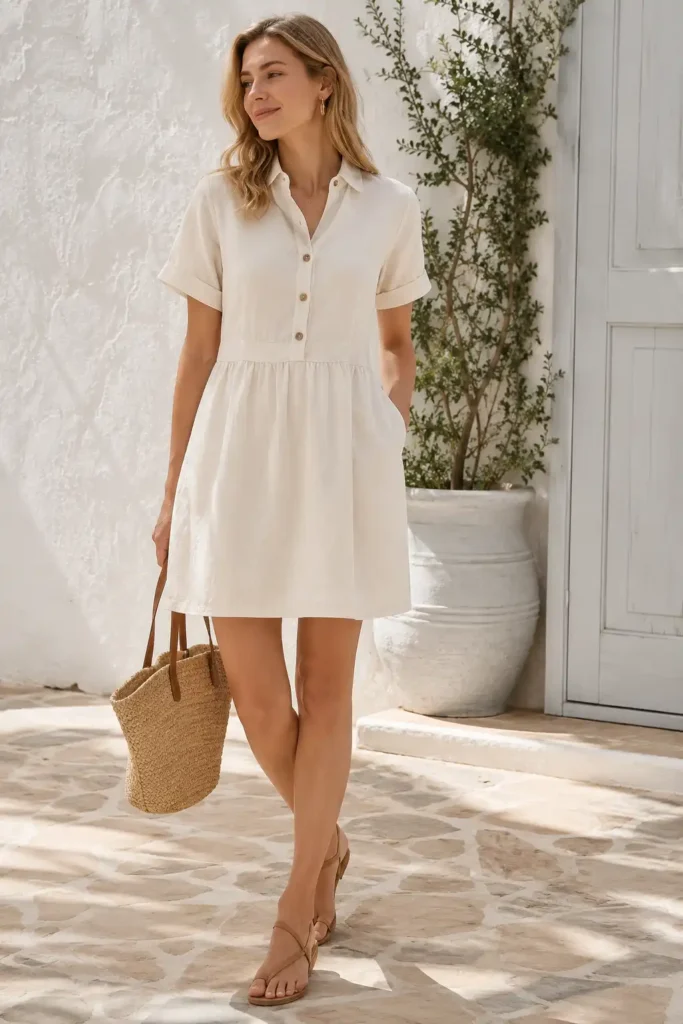
Material direction must serve the product. Jinfeng develops fashion dresses across woven, stretch, lightweight and structured categories, with controls adapted to each silhouette rather than one generic sustainable collection formula.

Organic Cotton Dress

Organic cotton directions work well for shirt dresses, casual minis, tiered midis and easy resort silhouettes. Development reviews weave or knit structure, weight, surface, shrinkage, wrinkle level, opacity and color route. A softer cotton may collapse a structured collar; a dense poplin may change drape and sleeve volume. Bulk control focuses on preshrink assumptions, shade, crease behavior, placket alignment, button security, hem stability and care-label composition. GOTS-related availability is checked by supplier, color, batch, certificate scope, MOQ and current documentation.

Linen Blend Dress

Linen blends support breathable resort, vacation, shirt, wrap and relaxed maxi dresses. The blend ratio influences wrinkle recovery, softness, transparency, stability and target price. Natural slubs should be distinguished from defects in the approved standard. Sampling checks shrinkage, seam puckering, pocket position, waist balance, lining coverage and how the garment hangs after pressing. Bulk inspection separates acceptable natural texture from holes, stains, serious thick yarns or shade variation. Custom colors may require lab dips and mill minimums.

Lyocell Blend Dress

Lyocell and related cellulosic blends can create fluid slip, shirt, midi and draped dresses with a soft hand and strong visual flow. Material review covers wet-state behavior, shrinkage, surface marking, colorfastness, seam stability and pressing. A very fluid construction may require adjusted neckline support, stay tape, lining or hem timing. Samples are allowed to relax before final length review. Bulk control focuses on shade, water marks, seam impression, abrasion, puckering, measurement change and packing methods that reduce hard creases.

Responsible Viscose Dress

Viscose directions suit printed resort dresses, flowing maxis, wrap dresses, cowl silhouettes and lightweight occasion styles. Sourcing reviews supplier information, composition, weight, width, print route, shrinkage and document requirement. Viscose can grow, shrink, twist or show pressure marks when handling is weak. Pattern and sample work check bust coverage, waist seam, sleeve fall, skirt balance and hem after relaxation. Bulk production controls fabric resting, cutting direction, print placement, measurement stability, pressing and carton compression.

Recycled Satin Dress

Recycled satin directions can support slip, cowl, bridesmaid, party, occasion and evening dresses when the surface, weight and drape meet the intended look. Development checks shine direction, snagging, seam impression, zipper flatness, bias growth, lining, pressing and packing creases. GRS-related resources are reviewed by supplier, composition, color, batch and certificate scope. Bulk cutting follows one-way direction when needed. QC focuses on shade, scratches, pulled yarns, zipper bulging, neckline waves, oil marks and visible iron shine.

Recycled Chiffon Dress

Recycled chiffon can be used for layered maxis, ruffle dresses, sleeves, overlays and light resort styles. A fabric claim does not solve transparency, fraying, print direction or hem control. Sampling reviews shell count, lining coverage, neckline stability, gathers, ruffle balance and movement. Custom prints require repeat, scale, base fabric, color and strike-off approval. Bulk quality checks holes, pulled yarns, shade, print defects, seam slippage, uneven rolled hems, lining length and static-related packing behavior.

Recycled Mesh Dress

Recycled mesh directions suit bodycon, ruched, panelled, cut-out, party and overlay dresses. Material performance depends on stretch direction, recovery, transparency, softness, hole size and compatibility with lining. Pattern work reviews bust-waist-hip compression, neckline stability, side-seam twist, sleeve opening and lining boundaries. Samples are measured after relaxation. Bulk QC checks holes, ladders, tension marks, seam waves, asymmetric ruching, exposure, label comfort and size stability across color batches.

Recycled Jersey Dress

Recycled jersey can support fitted midis, bodycon minis, gathered dresses, casual maxis and travel-oriented styles. Composition alone does not predict performance; knit density, weight, stretch, recovery, torque, pilling and washing stability matter. Sampling reviews garment ease, side seams, neckline, sleeve, waist, hem and length rise during movement. Bulk production controls fabric relaxation, marker direction, cutting distortion, differential feed, measurements, seam recovery, pressing and pack-out. Care claims follow the actual tested material and approved label information.

Sustainable Resort Dress

Resort collections often combine linen blends, viscose, lyocell, cotton blends, recycled chiffon or recycled mesh. Commercial success depends on breathability, print clarity, opacity, travel creasing, fit and delivery before the selling window. Development can cover 10-30 styles sharing print families, trims, labels or packing. Jinfeng coordinates style priority, material groups, sample rounds, photo deadlines, PP release, bulk allocation and staged shipping. QC focuses on print direction, shrinkage, long hems, slits, straps, lining and clean folding.

Sustainable Party Dress

Party dresses require more than a sustainable fiber story. Recycled satin, recycled mesh, recycled jersey or verified lace directions must still deliver support, body contour, photo impact and movement. Sample review covers cups, boning, grip tape, zipper, lining, cut-outs, transparency, ruching, slit and hem. Bulk teams control delicate surfaces, stretch recovery, seam symmetry, embellishment security where used, pressing and protective packing. Materials and trims are documented separately so the final label does not overstate the evidence.

Sustainable Midi Dress

Midi dresses can range from fitted jersey to fluid woven, shirt, wrap, corset or occasion structures. The mid-calf length exposes proportion problems quickly. Fabric weight and drape affect waist placement, skirt sweep, slit height, hem balance and movement. Sample work reviews body fit, walking comfort, lining length and whether the chosen material grows after hanging. Bulk QC measures key points, compares silhouette against the approved sample, checks shade and hand feel, and prevents mixed material or label versions across a multi-color program.

Sustainable Maxi Dress

Maxi dresses use more fabric and magnify width, direction, print repeat, shrinkage and packing risks. Linen, viscose, lyocell, recycled chiffon and satin directions can all work when the silhouette matches the material. Engineering reviews usable width, skirt sweep, tier dimensions, panel seams, hem clearance, lining, slit, print placement and size grading. Long garments are checked after hanging and pressing. Packing methods protect length, ruffles and surface finish while controlling carton volume and warehouse presentation.

Match Sustainable Fabrics to the Right Silhouette
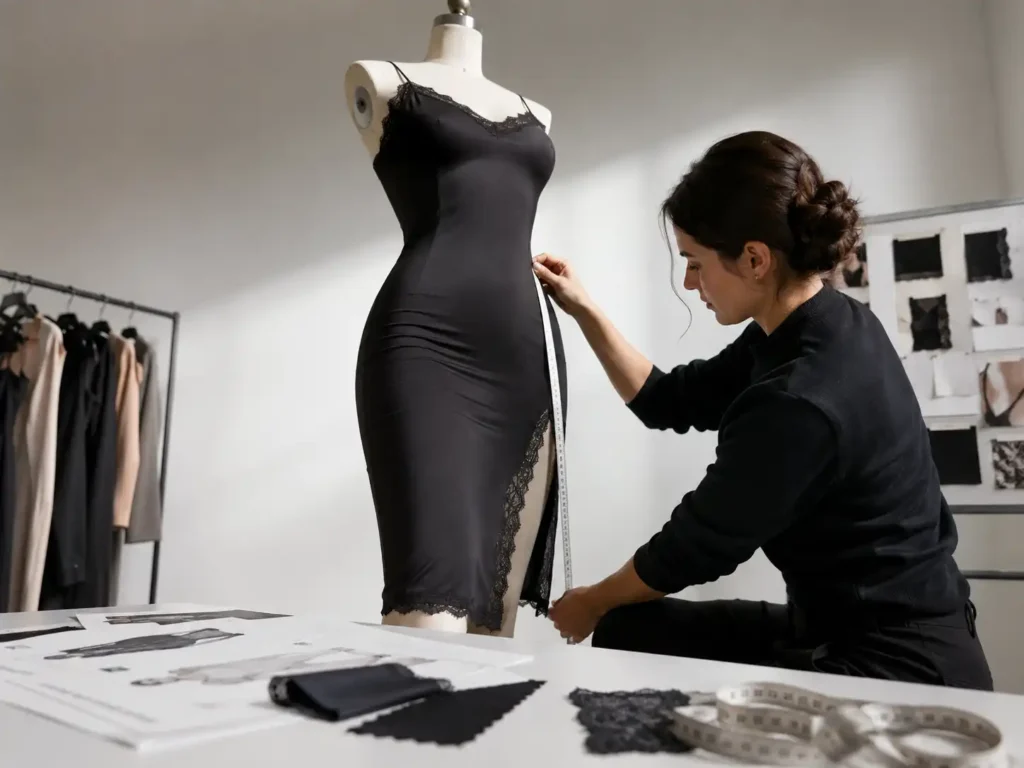
A fiber claim cannot compensate for a poor silhouette match. Every dress shape needs a defined balance of support, drape, stretch, recovery, opacity and surface performance.

Bodycon

Choose stable stretch and recovery rather than stretch percentage alone. Recycled jersey, ponte or stretch mesh must hold bust-waist-hip measurements, recover after movement and avoid side-seam twist. Thin or weak-recovery fabrics may need lining or a different pattern ease.

A-Line

A-line dresses can use cotton, linen blends, viscose, lyocell, crepe or recycled woven directions. Fabric stiffness controls skirt projection; excessive softness can collapse the shape. Waist, hip release, lining and hem sweep are balanced through sampling.

Slip

Slip dresses need controlled drape, neckline stability, strap balance, bias behavior, opacity and a clean hem. Recycled satin or fluid cellulosic fabric must be checked for growth, seam impression, snagging and pressing. Simple styling exposes every workmanship defect.

Corset

Corset dresses require shell, lining, cups, boning, interfacing, grip tape and zipper to work as one support system. A sustainable shell fabric still needs adequate stability. Stretch, thin or loosely woven materials may require internal reinforcement and revised seam allowance.

Shirt Dress

Organic cotton, cotton-linen or lyocell blends can support shirt dresses when collar, placket, pocket, cuff and hem behavior are tested. Shrinkage and wrinkle expectations should be agreed. Soft fabrics need controlled fusible or internal support.

Babydoll

Babydoll silhouettes depend on chest fit, empire seam, gathers, sleeve volume and skirt proportion. Lightweight cotton, viscose or recycled chiffon may work, but transparency and gather bulk must be controlled. The lining should not change the intended lightness.

Maxi

Maxi styles magnify fabric consumption, print direction, panel layout, shrinkage, hanging growth and carton creasing. Long skirts require balance across sizes and movement. Material width and sweep should be calculated before quotation and custom print approval.

Occasion Dress

Occasion silhouettes often combine structured bodices with fluid or sheer skirts. Recycled satin, mesh, chiffon and selected certified fabric directions must be integrated with lining, support, closures and finishing. A mixed-material garment needs component-level evidence and label discipline.

Sustainable Fabric Directions for Fashion Dresses

Jinfeng reviews material direction by performance, supply conditions and evidence. No fabric is treated as suitable until the exact construction, color, quantity, documentation and dress use are assessed together.
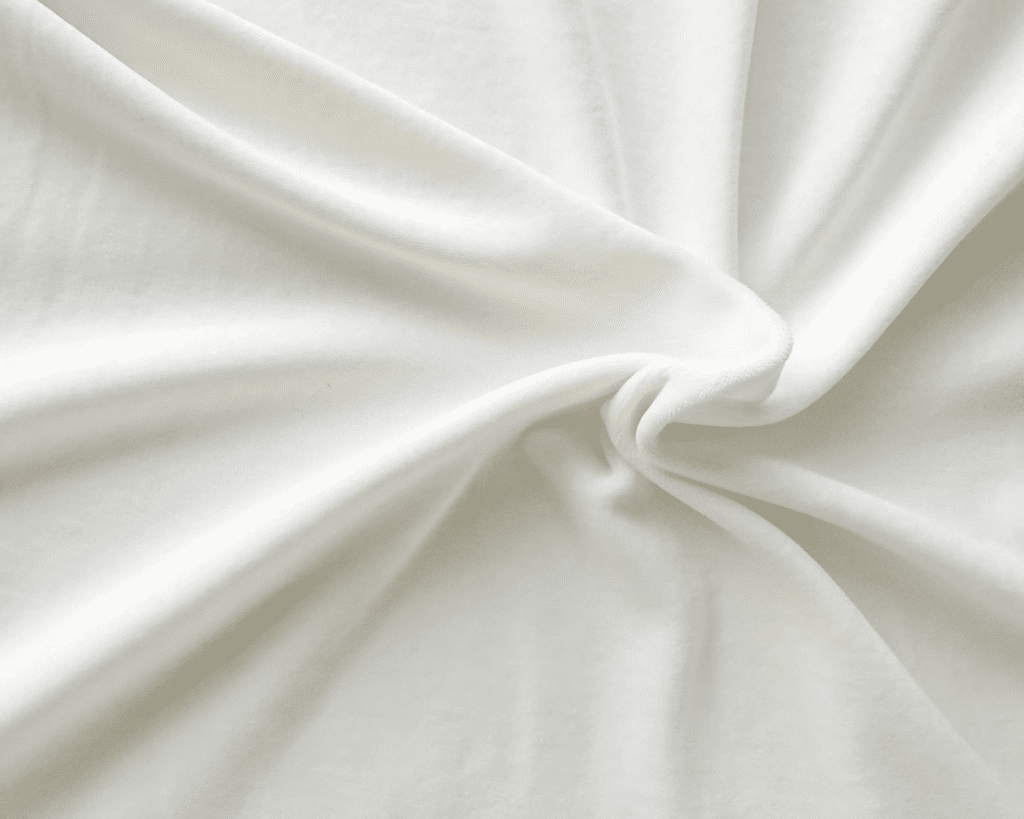
Organic Cotton

Best for casual, shirt, tiered and easy resort dresses. Review weave or knit type, weight, opacity, shrinkage, wrinkle level, colorfastness, hand feel and GOTS-related supplier scope when required. Custom dyeing may change MOQ and timing.

Cotton-Linen Blend

Balances natural texture with greater stability than high-linen constructions. Suitable for shirt, wrap, midi and resort dresses. Check slubs, transparency, shrinkage, seam puckering, pressing and whether the blend ratio supports the intended label claim.

Linen Blend

Creates breathable texture for warm-weather collections. Natural slubs must be approved against a defect standard. Review blend, width, wrinkle expectation, shrinkage, opacity, dye route, seam behavior, lining and packing creases.

Lyocell Direction

Offers a fluid hand for draped, slip, shirt and maxi dresses. Check surface sensitivity, wet behavior, shrinkage, seam stability, pressing, shade, supplier information and whether the material supports the planned claim.

Responsible Viscose

Works for printed, flowing and lightweight dresses. Review supply source, composition, print base, width, shrinkage, torque, colorfastness and handling. A responsible-source statement requires evidence linked to the selected supplier and order.

Recycled Polyester

Can support woven, crepe, satin, chiffon and lining directions. Recycled content must be confirmed by material supplier and batch. Performance review still covers hand feel, drape, pilling, snagging, colorfastness, heat response and garment use.

Recycled Chiffon

Suitable for overlays, ruffles, sleeves and flowing skirts when transparency, fraying, seam slippage and hem quality are controlled. Print and color routes require separate approval. GRS-related documents depend on supplier scope and order chain.

Recycled Satin

Suitable for slip, cowl, party and occasion dresses when shine, weight, drape, surface strength and pressing response meet the brief. Directional cutting, lining, zipper flatness and packing protection are major production controls.

Recycled Mesh/Jersey

Useful for bodycon, ruched, panelled and stretch dresses. Check stretch direction, recovery, transparency, softness, hole formation, pilling, torque and wash stability. Composition and recycled content should match care labels and approved documentation.

Natural and Cellulosic Fabrics for Dress Collections

Natural origin does not automatically establish lower impact. Jinfeng compares fiber source, blend, fabric construction, finishing, supplier information, dress performance, MOQ and available documents before recommending a material direction.
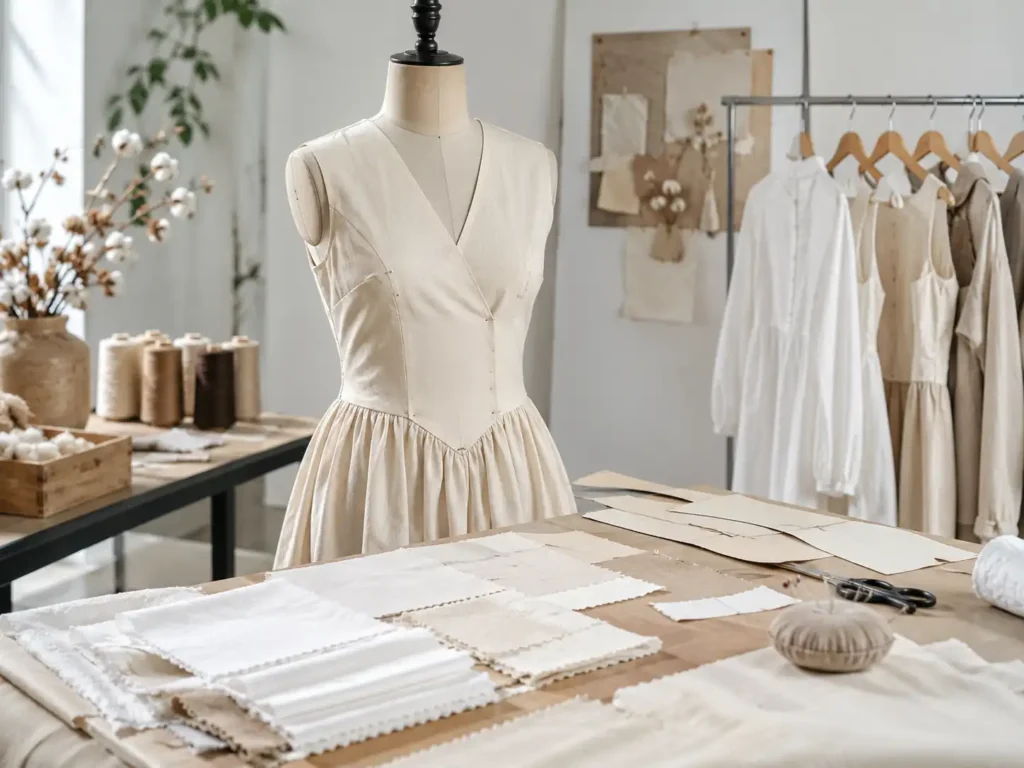
Organic Cotton Dress Engineering

Organic cotton dress development begins with the fabric construction, not the fiber name. Poplin, voile, twill, jersey and rib structures produce different opacity, drape, shrinkage and sewing behavior. A crisp poplin can support shirt collars, plackets and puff sleeves, while a lighter voile may need full or partial lining. A soft jersey needs recovery and neckline control.

Fabric weight, usable width and shrinkage affect consumption and finished measurements. Samples are reviewed before and after relaxation or washing where required. Collar shape, bust darts, waist, sleeve opening, gathers, pockets, placket, hem and lining are checked against the intended care route. GOTS-related resources can be searched through the supply network, but color, supplier, batch, certificate scope, mill minimum and current documentation must be confirmed before a claim is used.

  • Key sample checks: shrinkage, opacity, collar and placket stability, wrinkle appearance
  • Key bulk checks: shade, stains, weave defects, measurements, button and label placement
  • Commercial decision: balance fabric story, crease expectation, hand feel, price and delivery
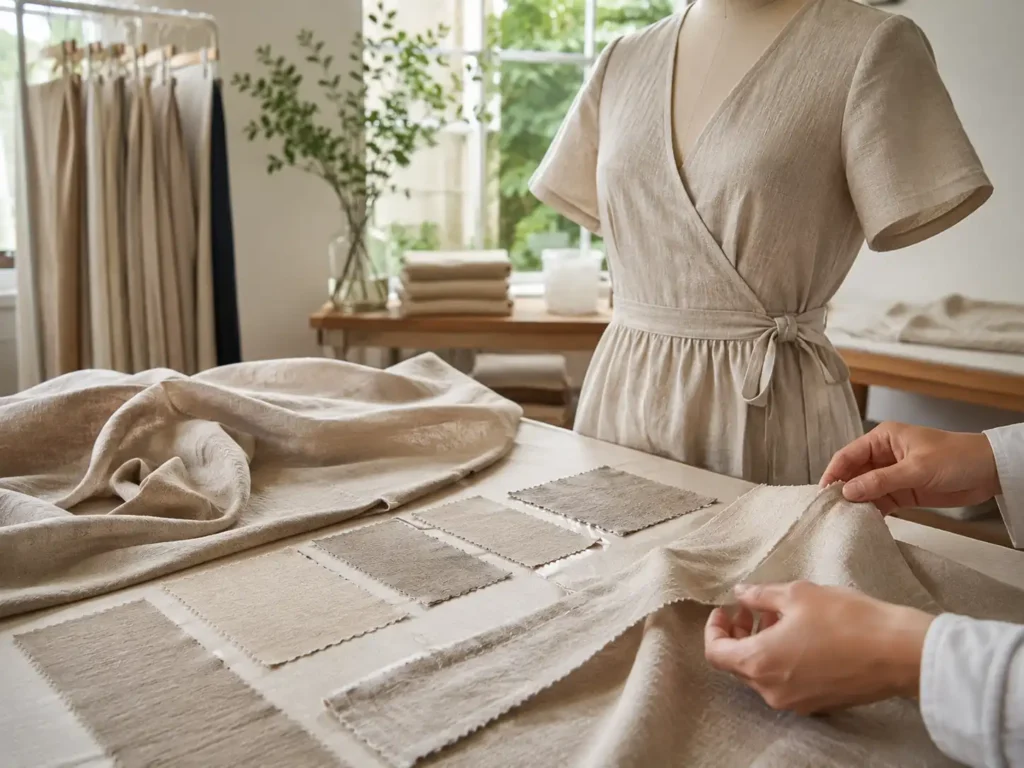
Linen and Linen-Blend Control

Linen delivers recognizable texture and breathability, yet high linen content can increase wrinkling, slub variation, transparency, seam puckering and shrinkage. Blending with cotton, viscose or other fibers can change softness, drape, stability and price.

Development begins by agreeing which natural slubs are acceptable and which marks count as defects. Wrap, shirt, tiered and maxi dresses are checked for waist balance, side seams, pocket openings, button areas, lining, slit, hem and crease recovery.

Custom colors require lab-dip approval and a shade standard. Bulk fabric is compared for hand feel, width and lot consistency. Pressing should shape the garment without creating permanent shine or flattening the intended surface. Packaging is selected around wrinkle sensitivity and the required retail presentation.

  • Key sample checks: natural slub standard, shrinkage, seam puckering, lining coverage
  • Key bulk checks: lot shade, stains, severe yarn faults, panel matching, clean pressing
  • Commercial decision: higher natural texture may support the brand story but requires clear appearance standards
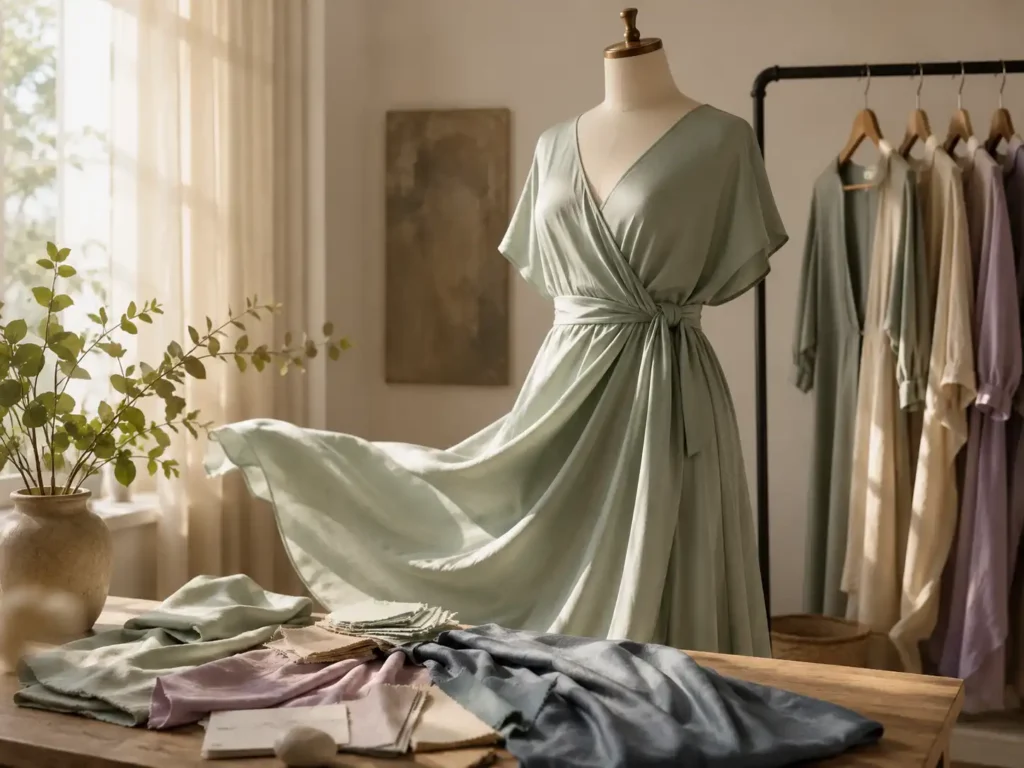
Lyocell and Viscose Drape

Lyocell and viscose directions are widely used for fluid dresses because they can create soft hand feel, movement and print clarity. Their production risk often appears after cutting, washing, hanging or pressing.

A fabric may grow through the body, shrink in length, twist at side seams or show water and pressure marks. Jinfeng reviews width, weight, shrinkage, torque, colorfastness, print route, hand feel, surface sensitivity and supplier documentation before pattern release. Slip and cowl dresses may need neckline support or adjusted grain behavior. Shirt and wrap dresses need placket, collar and waist stability. Maxi hems are reviewed after hanging. Bulk production uses fabric relaxation, controlled cutting direction, measured first pieces and defined pressing to protect size and appearance.

  • Key sample checks: growth, shrinkage, torque, neckline fall, hem balance
  • Key bulk checks: water marks, shade, seam impression, measurements, print direction
  • Commercial decision: fluid hand can raise visual value only when handling and packing are controlled
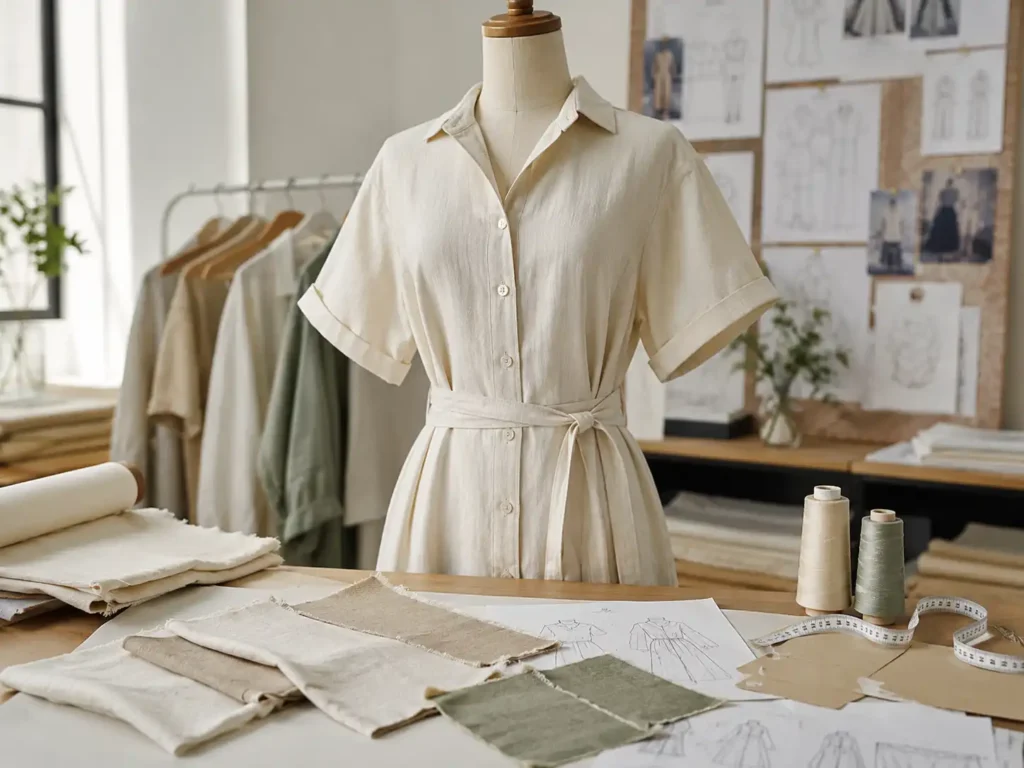
Cotton-Linen Balance

Cotton-linen blends can offer a useful middle position between crisp cotton and high-texture linen.

The exact blend ratio, yarn, weave and finishing determine whether the fabric feels dry, soft, structured or fluid. For dresses, the selection should be based on silhouette: shirt dresses need placket and collar control; wrap styles need body coverage and waist stability; tiered dresses need manageable gather bulk; fitted styles need enough give and opacity.

Sampling checks shrinkage, seam behavior, wrinkle appearance and pressing. A change from 70/30 to 55/45 composition can visibly change drape and fit even when the supplier uses a similar trade description. BOM, care label and costing are updated whenever composition changes.

  • Key sample checks: structure, gather bulk, opacity, shrinkage, wrinkle recovery
  • Key bulk checks: blend and shade consistency, panel matching, measurements, label composition
  • Commercial decision: choose the blend around the finished silhouette, not fiber percentages alone

Recycled Fabrics for Fashion-Driven Dress Styles

Recycled content can support strong fashion products when the selected fabric performs like a production material, not only a sourcing statement. Every option is reviewed for garment behavior, supplier scope, batch evidence, color, MOQ and bulk consistency.

Recycled Satin for Slip and Occasion Dresses

Recycled satin programs are evaluated through composition, recycled percentage, weight, construction, surface shine, drape, snag resistance, crease response and supplier documentation. A slip dress may use bias-influenced cutting, which can create growth or rotation after hanging. Cowl necklines require stable fall without collapsing or opening.

Corset and occasion dresses need a shell that works with cups, boning, lining and zipper support. Samples check neckline, strap, bust, waist, hip, side seams, hem and pressing. Bulk control uses approved shade and hand-feel references, one-way cutting when required, protected tables, clean handling, first-piece approval, zipper checks and packing designed to reduce hard fold lines. GRS-related support remains subject to exact supplier and batch.

Recycled Chiffon for Layered Dresses

Recycled chiffon can carry ruffles, overlays, sleeves, tiers and flowing skirts, yet the fabric is sensitive to fraying, seam slippage, pulled yarns, holes, static and uneven hems. Development compares opacity, density, softness, print base, weight, width and drape.

The dress may require one shell layer, two layers or a separate lining depending on color and lighting. Ruffle and tier dimensions are engineered around fabric volume.

Custom print approval covers repeat, scale, direction, color and strike-off. Bulk teams check material lots, print defects, direction, cut edges, seam tension, gathering ratio, rolled hems, lining length and clean packing.

A recycled content claim is linked to supplier documentation rather than visual similarity.

Recycled Mesh for Fitted Fashion

Recycled mesh is useful for ruched bodycon dresses, sheer overlays, sleeves, cut-outs and panel construction. Stretch percentage alone is not enough. Recovery, direction, softness, transparency, hole size and compatibility with lining determine fit and durability. Jinfeng compares shell and lining stretch before pattern approval.

Sample review covers bust-waist-hip ease, neckline, armhole, sleeve opening, side seams, slit, ruching placement and lining boundaries under movement. The garment is measured after relaxation. Bulk QC checks ladders, holes, seam waves, tension marks, asymmetric gathers, exposure, label comfort, measurements and shade.

Heat and pressing settings are controlled to prevent gloss or distortion.

Recycled Jersey for Repeatable Fit

Recycled jersey can support bodycon, gathered, casual and travel-oriented dresses when knit construction and recovery are stable. Jinfeng reviews weight, gauge, stretch direction, recovery, pilling, torque, washing stability, surface and supplier evidence. Fabric is relaxed before cutting.

Marker direction and cutting pressure are controlled to reduce distortion. Sewing setup must protect stretch without creating popped seams, wavy necklines or twisted side seams. Samples are measured at bust, waist, hip, length, strap, sleeve and hem before and after agreed conditioning. Bulk measurement plans focus on fitted points and length rise during movement. Repeat orders recheck the new fabric lot rather than assuming identical performance.

Choose Fabric by Dress Structure and Sales Use

The strongest material choice protects silhouette, wearability, claim accuracy and bulk consistency at the same time. The matrix below shows how dress engineering changes by product use.

Dress TypeMaterial DirectionRequired PerformanceSample RiskBulk QC Focus
Slip dressRecycled satin, viscose or lyocell directionFluid drape, stable neckline, controlled shineBias growth, neckline opening, strap imbalanceShine direction, snagging, side seam, hem, pressing
Bodycon dressRecycled jersey, ponte or recycled meshStretch, recovery, opacity, shape retentionFit distortion, side-seam twist, length riseMeasurements, recovery, seam waves, lining boundary
Resort maxiLinen blend, viscose, lyocell or recycled chiffonBreathability, movement, print clarityShrinkage, transparency, long-hem imbalancePrint direction, shade, lining, hem, clean packing
Party dressRecycled satin, mesh or structured blendVisual impact, support, movementBust support, cut-out stability, transparencyZipper, symmetry, recovery, surface protection
Shirt dressOrganic cotton or cotton-linen blendStructure, clean placket, manageable wrinkleCollar collapse, shrinkage, pocket distortionPlacket, collar, shade, measurements, buttons
Occasion dressRecycled satin/chiffon/mesh combinationSupport plus fluid or sheer effectMixed-material behavior, lining and claim scopeComponent identity, seam quality, pressing, packing
Printed midiResponsible viscose or recycled wovenPrint scale, drape, colorfastnessRepeat placement, shrinkage, waist balancePrint defects, direction, side seams, shade
Corset dressStable woven shell with verified lining/supportBodice stability, comfort, clean surfaceCup shape, boning, zipper and waist pressureSupport position, symmetry, measurements, finish

Replace Conventional Fabric Without Losing the Design
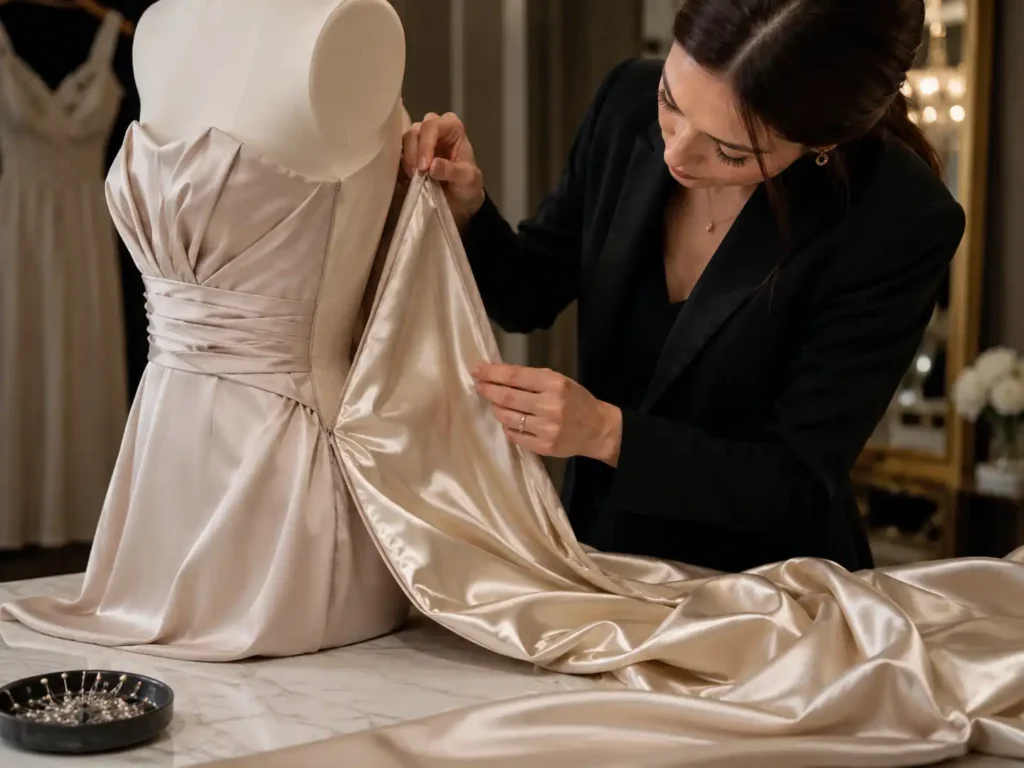
Material substitution should protect the core visual and wearing result. Jinfeng compares physical performance before a new fabric is accepted as an alternative.

Satin Replacement

A recycled or alternative satin should be compared for weight, shine direction, drape, stretch, snagging, seam impression and pressing. A lighter replacement can expose lining and zipper shape; a heavier option can flatten a cowl or alter skirt movement. Pattern, lining and packing may need revision.
  • Compare physical swatches and specifications
  • Reconfirm pattern, lining and cost effect
  • Remake sample when performance changes materially

Chiffon Replacement

Recycled chiffon or another lightweight woven should be compared for density, transparency, softness, fraying, seam slippage, print behavior and rolled-hem quality. Shell count, lining length, gather ratio and ruffle dimensions may change when the new fabric holds more or less volume.
  • Compare physical swatches and specifications
  • Reconfirm pattern, lining and cost effect
  • Remake sample when performance changes materially
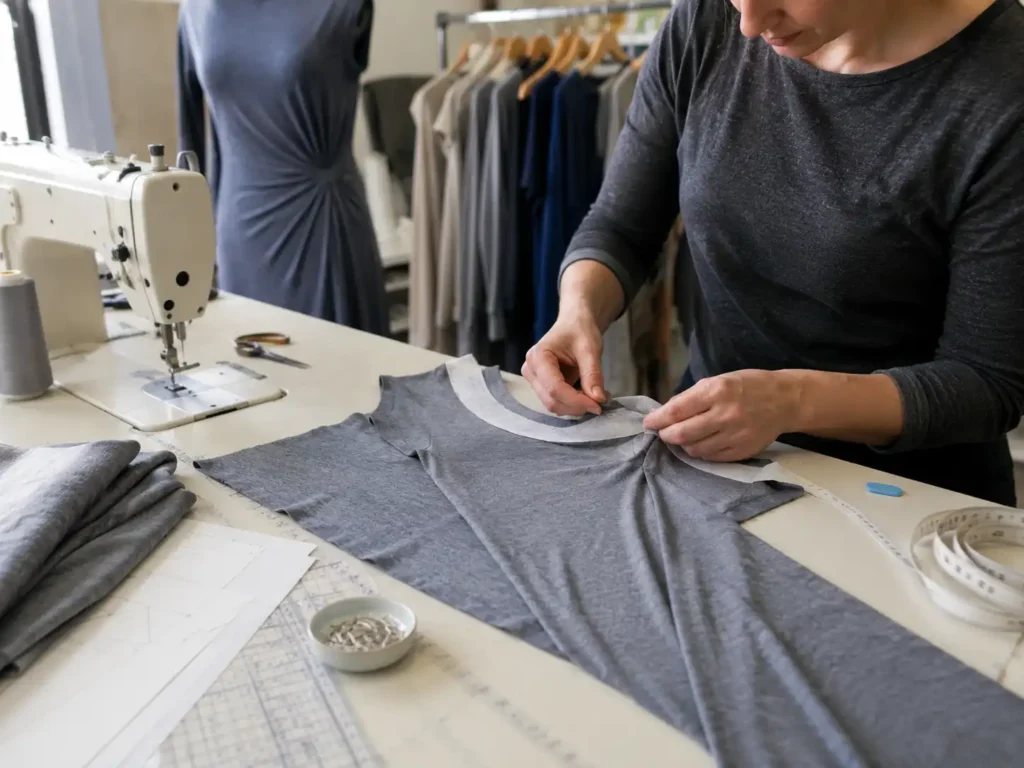
Jersey Replacement

Recycled jersey alternatives require comparison of stretch direction, stretch percentage, recovery, torque, pilling, opacity and washing stability. A pattern developed in strong-recovery fabric can become loose, twisted or short in a weaker construction. Grading and measurement tolerance may need adjustment.
  • Compare physical swatches and specifications
  • Reconfirm pattern, lining and cost effect
  • Remake sample when performance changes materially
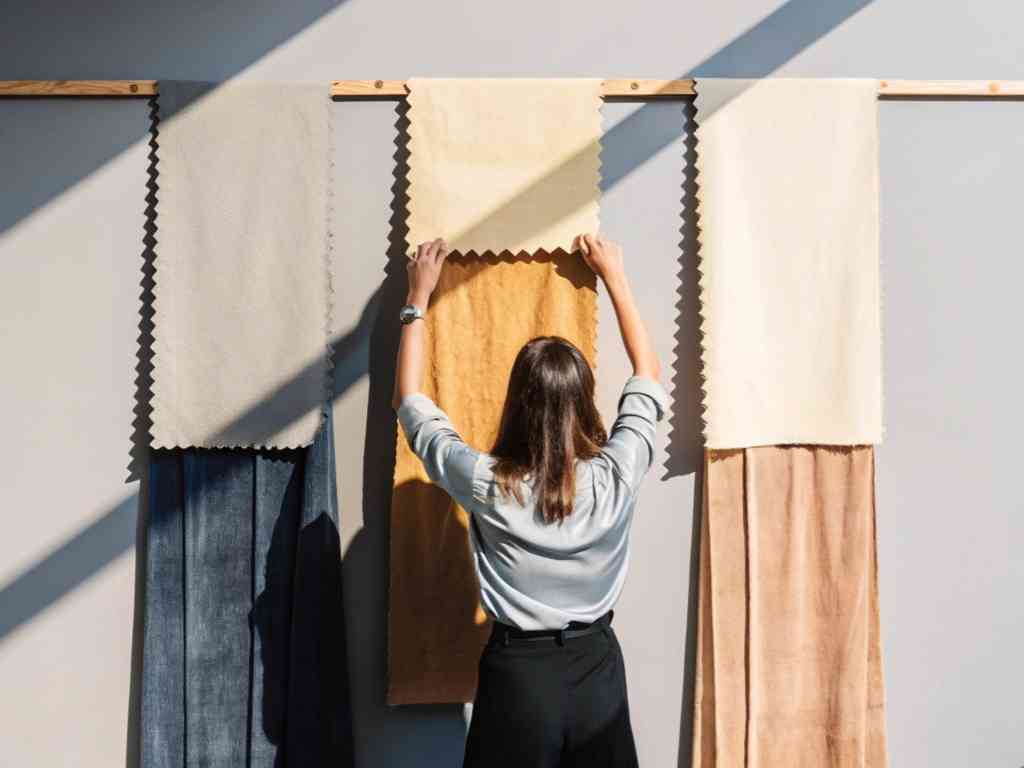
Woman examining fabric swatches labeled silk, jersey, taffeta

Cotton/Linen Replacement

Moving from conventional cotton to organic cotton, or from cotton to a cotton-linen blend, can change wrinkle level, hand feel, shrinkage, transparency and garment structure. Collars, plackets, sleeves, gathers and hems are rechecked. Care label composition and approved appearance standards are updated.
  • Compare physical swatches and specifications
  • Reconfirm pattern, lining and cost effect
  • Remake sample when performance changes materially

Test Sustainable Fabrics Before Bulk Production

Testing is selected around the material, selling market, care route and dress risk. Jinfeng can coordinate supplier information, internal checks and third-party testing by project; no blanket test result is applied to every order.

Shrinkage

Length and width change can alter bust, waist, dress length, sleeve, lining and hem. Cotton, linen, viscose, lyocell and knit directions receive particular attention. Pattern allowance and care labeling follow the agreed test route.

Colorfastness

Color transfer, rubbing, washing and perspiration performance can affect light lining, skin contact, accessories and mixed-color packing. Dark shades, prints and saturated custom colors may require targeted review.

Stretch Recovery

Bodycon and stretch dresses need recovery after extension. Weak recovery causes bagging, neckline opening, side-seam shift and inconsistent measurements. Shell and lining are compared as one fit system.

Opacity

Light colors, chiffon, mesh, linen and lightweight cotton can appear acceptable on a table but become transparent under movement or strong lighting. Lining color, length and coverage are approved on a physical sample.

Pilling/Abrasion

Knits, brushed surfaces and high-friction areas can pill or mark during wear, packing or transport. Testing scope is selected around fabric construction and intended use; visual standards are agreed before bulk.

Dimensional Stability

Torque, hanging growth, seam impression and pressing change the final silhouette. Viscose, lyocell, jersey and bias-influenced satin receive measured review before the PP standard is sealed.

Certified Fabric Support by Project and Supplier

Certification must be attached to the correct material, supplier, color, batch, scope and transaction route. Jinfeng reviews available resources without representing every fabric or factory as universally certified.

OEKO-TEX Resources

OEKO-TEX-related fabric resources can be reviewed through the supply network for dresses, satin, chiffon, mesh, lace, jersey, knit, lining and private-label womenswear. Confirmation covers material type, composition, color, weight, supplier inventory, MOQ, certificate validity, certificate scope and whether the relevant color or batch is included.
  • Supplier and certificate review
  • Color and batch confirmation
  • MOQ, cost and lead-time assessment

GOTS / Organic Cotton

GOTS-related organic cotton resources can be searched when the program requires certified organic material. The review includes fabric mill, construction, color route, scope certificate, batch availability, custom-dye impact, MOQ, price, timing and the order-level documents required by the brand. Organic wording is not used before evidence and label language are aligned.
  • Supplier and certificate review
  • Color and batch confirmation
  • MOQ, cost and lead-time assessment

GRS / Recycled Materials

GRS-related recycled polyester, chiffon, satin, mesh, lining, knit or packaging directions can be reviewed through selected suppliers. Recycled percentage, supplier scope, current certificate, color, batch, transaction route, MOQ, price and lead time are confirmed by project. Similar-looking recycled fabric from another source is not treated as the same documented material.
  • Supplier and certificate review
  • Color and batch confirmation
  • MOQ, cost and lead-time assessment

Build Sustainability Claims on Verifiable Evidence

Strong environmental communication is specific, limited and linked to records. Jinfeng helps organize manufacturing information so brand claims can be reviewed by the brand and its compliance advisers before labels or marketing materials are released.

Define the Exact Claim

The sourcing route changes according to the wording. Organic cotton, certified organic cotton, contains recycled polyester, GRS-related recycled material, OEKO-TEX-related fabric, traceable material and reduced-plastic packaging are not interchangeable statements. The brief should identify the component, percentage, certificate or evidence type, destination market and intended label or marketing use.

Main fabric, lining, thread, zipper tape, elastic, labels and packaging may follow different material routes. A claim for the shell fabric should not silently expand to the entire garment. Early definition prevents late relabeling, material rejection and avoidable cost.

Match Claims to Documents

A controlled chain links the planned wording to the exact supplier and order. Jinfeng can record fabric name, composition, supplier, color, batch, scope certificate where applicable, transaction document where applicable, test report, approved swatch, BOM, production order, care label and packing version. Scope documentation can show supplier capability but may not prove a specific shipment by itself.

Order-level evidence is reviewed according to the selected certification route and the brand requirement. Files are checked for names, numbers, dates, validity and product scope before being attached to an internal project record.

Use Qualified Wording

When available evidence supports only one part of the garment or one limited benefit, wording should remain equally limited. Phrases such as shell contains recycled polyester, organic cotton fabric sourced from an approved supplier, or reduced-plastic packaging for the agreed order are more defensible than broad claims promising a completely sustainable or zero-impact dress.

Jinfeng does not make legal determinations for every market; final claim approval remains with the brand and its qualified compliance team. Manufacturing records, supplier documents and composition data provide the factual base for that review.
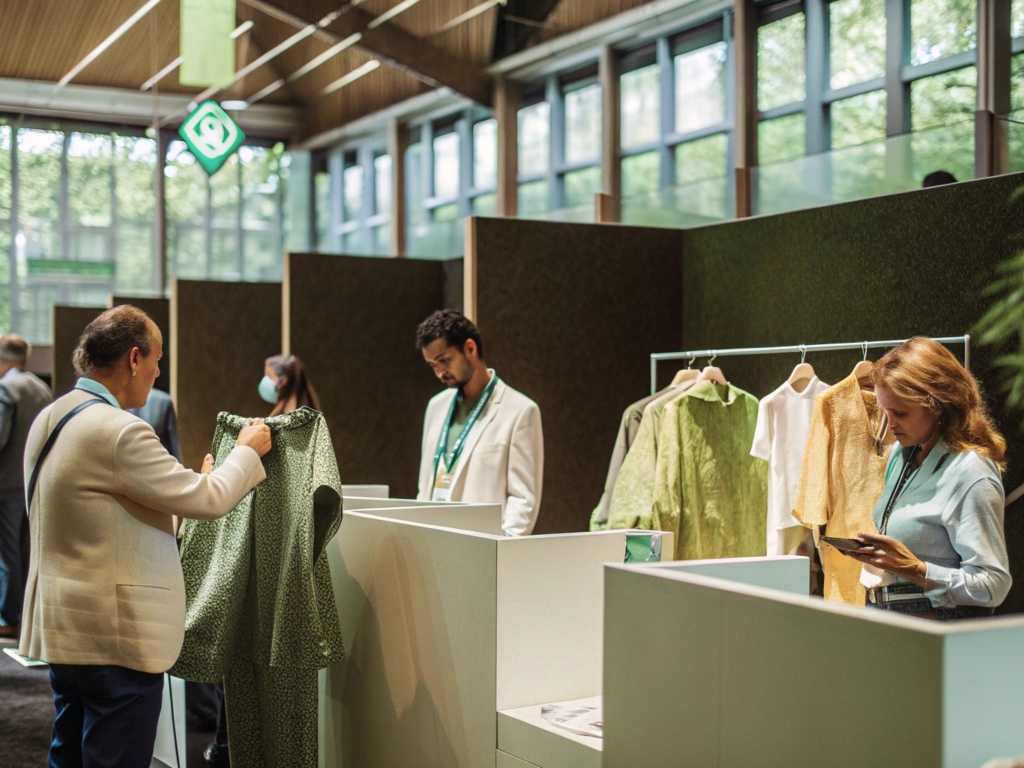
People browsing eco-friendly clothing at fashion trade show booth.

Traceability Files for Sustainable Dress Programs

Available records depend on the material route and supplier. Jinfeng can request, review and organize relevant files when applicable, while keeping brand and unpublished design information protected.

Fabric Specification

Material name, construction, width, weight, finish, stretch, hand feel, color and intended garment use create the technical reference.

Fiber Composition

Composition records support BOM, care label and claim review. Any change in blend or percentage requires renewed approval.

Supplier Details

Supplier identity, contact route, mill information where available and approved material code connect sourcing to the selected order.

Scope Certificate

Where applicable, a current scope certificate is checked for entity name, validity, standard and product scope. It does not automatically prove a specific shipment.

Transaction Document

Where required and available, transaction-level documentation links the certified material movement to a specific supply-chain stage or order route.

Test Report

Fiber content, colorfastness, shrinkage or other testing can be coordinated according to market, brand standard and risk. Report identity must match the reviewed material.

Batch and Color Record

Approved lab dip, shade band, lot number, physical swatch and bulk color reference help control repeat production and color claims.

BOM and Production Record

The final BOM connects shell, lining, trims, labels, packing and approved substitutions to the production order and care-label content.

Custom Colors and Prints on Sustainable Fabrics

Certified or recycled material does not guarantee every color or print is available from stock. Color and artwork development require physical approval, mill capacity, minimum quantities and production timing.

Lab Dip Approval

Custom color starts with a Pantone reference, physical swatch or approved visual target. The lab dip is reviewed under agreed lighting and against the intended fabric construction. Satin, linen, viscose, mesh and lining reflect light differently, so one Pantone number can appear different across components. Approval should cover face, back, wet or dry appearance where relevant, and the relationship between shell, lining, thread, zipper and labels. Custom dyeing has mill minimums and potential shade variation. A new color can affect certificate scope, material availability, sample timing, bulk schedule and unit cost.

Shade Band Control

After bulk dyeing, a shade band or lot comparison helps define acceptable color variation. Jinfeng can separate fabric lots, map them to cutting and avoid mixing visible panels from clearly different shades. Long dresses, solid satin, fitted bodycon styles and matching sets reveal variation quickly. The approved shade reference becomes part of the material and QC record. Reorders require a new comparison because a previous shade cannot be assumed to repeat exactly across another dye lot. Packing and carton allocation can also keep the same lot together by style and color.

Print Strike-Off

Custom print approval covers artwork file, repeat width, repeat length, scale, direction, base fabric, color profile, print method and expected hand feel. A screen image is not a bulk standard. The strike-off is compared for color, edge clarity, registration, penetration, surface, shrinkage and fabric behavior. Digital, screen, placement, border and exclusive prints follow different setup and minimums. When the base fabric changes to a certified or recycled direction, the same artwork can print differently. A new strike-off may be required before sample and bulk approval.

Bulk Batch Management

Bulk color and print control connects fabric lot, style, size, panel direction, cutting marker, sewing group and packing group. Directional prints are marked from fabric to pattern. Border or placement prints require panel-level mapping. Rejected print sections are isolated before cutting. In-line checks watch side-seam matching, motif direction, shade and contamination. Final inspection confirms the approved visual level rather than expecting every printed repeat to look mathematically identical. Reorders recheck base fabric, print route and color because suppliers and batches can change.

Align Fabric, Trims, Lining and Packaging

A documented shell fabric does not automatically make every component part of the same claim. Material identity, performance and evidence are reviewed component by component.

Lining

Lining controls opacity, comfort, structure and movement. Recycled lining directions can be reviewed when required, but stretch, color, weight, static, seam behavior and document scope must match the shell and silhouette.
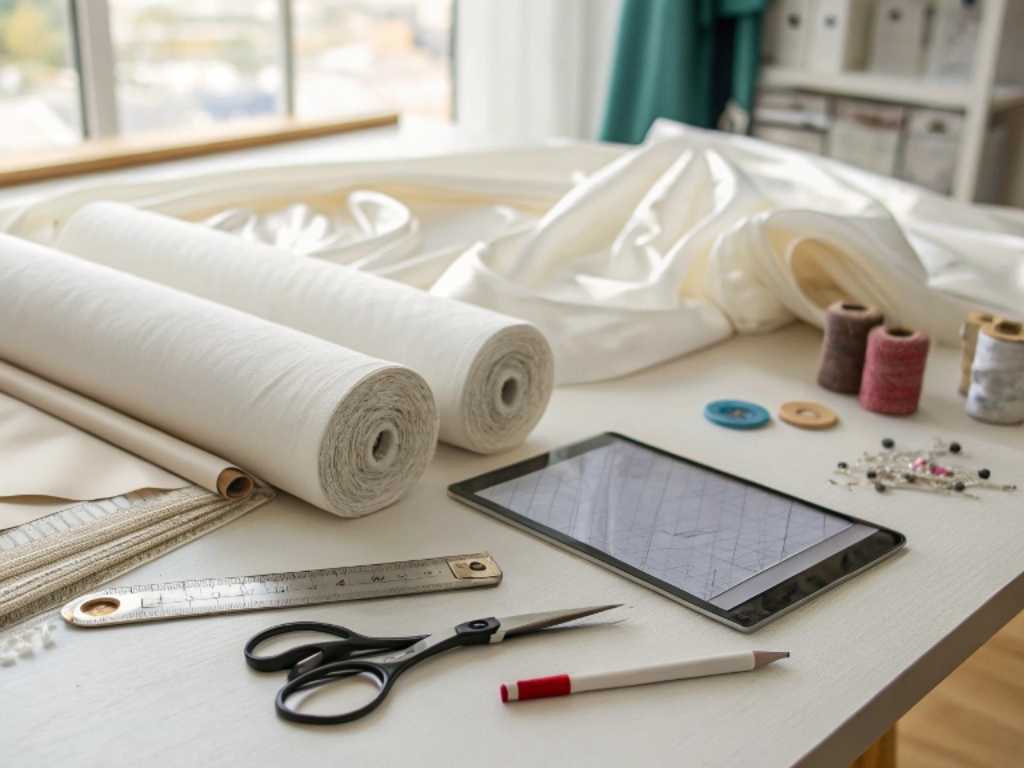
Rolls of white fabric, scissors, ruler, and sewing supplies on a fashion designer’s table.

Sewing Thread

Thread influences seam strength, stretch, appearance and care performance. Recycled or alternative thread may be reviewed by project. Color, ticket size, seam type and supplier minimum still require confirmation.

Zippers

Zipper tape, teeth, puller, length and color affect fit and appearance. Concealed zippers on satin or fitted dresses need flat insertion. Material claims should not include zipper components unless supporting information exists.

Elastic and Support

Elastic, grip tape, cups, boning, power mesh, interfacing and hook-and-eye components create support. Performance is prioritized first. Sustainable alternatives are evaluated only when stability, comfort, MOQ and evidence are suitable.

Labels and Hangtags

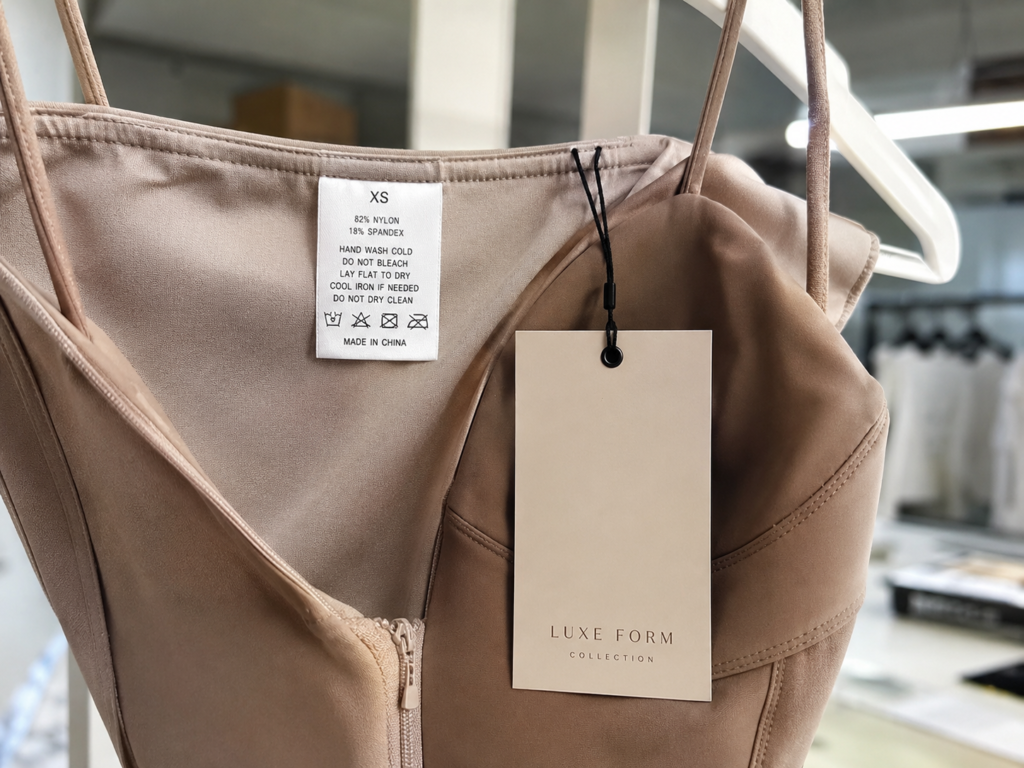
Main label, size label, care label and hangtag must reflect actual composition and approved wording. Artwork, fiber names, percentages, country information and care symbols are checked against the final BOM.

Packaging

Reduced-plastic, recycled-content or alternative packaging can be reviewed by project. Protection, moisture, barcode readability, sealing, warehouse handling, supplier MOQ and claim evidence remain part of the decision.

Build a Production-Ready Sustainable Dress Brief

Writing use sustainable fabric in a tech pack is not enough for sourcing or quotation. The material brief should convert a brand intention into measurable production requirements.

Fiber Target

State required fiber or acceptable blend range. Note whether a precise percentage is mandatory or whether performance-led alternatives can be reviewed.

Certification Need

Name the required standard, component, evidence level and intended claim. Clarify whether supplier scope, order documents or finished-product testing is expected.

Fabric Weight

Provide gsm, oz, a physical swatch or an acceptable range. Weight affects drape, opacity, structure, consumption and shipping.

Stretch Direction

Record two-way or four-way stretch, required percentage, recovery and whether shell and lining must match. Stretch changes fit and grading.

Transparency Limit

Define acceptable coverage under normal and strong lighting. State lining location, length, color and whether double shell layers are allowed.

Hand Feel and Drape

Use physical references or clear descriptions such as dry, soft, brushed, crisp, fluid, matte or high shine. Explain which visual result must be protected.

Testing Requirement

List fiber content, shrinkage, colorfastness, pilling, dimensional stability or brand-specific tests. Identify the destination market and testing party.

Claim and Label

Provide proposed wording, care label format, hangtag claim, barcode/SKU rules and approval owner. Wording remains provisional until material evidence is confirmed.

Sample Sustainable Dresses Before Bulk Production

Sampling turns material and design information into physical standards. Timing begins after complete files, sample payment and usable materials are ready. Each stage has a different approval purpose.

Fabric Swatch Review

Compare composition, weight, hand feel, drape, stretch, transparency, shine, color, supplier MOQ, price, timing and available documents. A swatch approval is not yet a garment approval.

First Pattern

Build the base structure around the selected fabric, size chart and construction. High-risk points include neckline, bust, waist, hip, sleeve, length, slit, lining and internal support.

First Sample

Standard dress first samples commonly require 10-15 working days. Medium-complex styles commonly require 12-18 days. The first sample validates direction rather than serving automatically as a bulk standard.

Fit Review

Review front, side, back and movement views plus measurements. Record comments by location, required change and reference image. Fabric, pattern and workmanship issues are separated.

Revised Sample

Revised samples commonly require 7-15 working days depending on correction scope and material availability. Accepted changes are transferred into pattern, BOM, measurements and sewing notes.

PP Sample Approval

PP samples commonly require 7-15 working days after final materials are available. Final shell, lining, trims, measurements, workmanship, labels, pressing and packing are approved before bulk release.

Control Every Revision Before Bulk Production

Changes remain useful only when they are recorded and transferred into final production references. Jinfeng separates fabric, pattern, measurement and approval records to prevent comments from different rounds being mixed.

Fabric Change Record

Record previous and new fabric name, composition, weight, stretch, hand feel, drape, transparency, color, supplier, MOQ, cost, timing and claim effect. Note whether the pattern, lining, care label or sample must change.
  • Responsible person and date
  • Linked sample version
  • Next action and approval owner

Pattern Revision Record

List the exact pattern action: neckline raised, bust reduced, waist repositioned, hip ease changed, sleeve altered, hem corrected, slit moved or lining extended. Every action is tied to a sample version and date.
  • Responsible person and date
  • Linked sample version
  • Next action and approval owner

Measurement Update

Update the base-size measurement chart, tolerance, grade rule and any edge-size requirement after fit approval. Visual approval without measurements is not enough for bulk inspection.
  • Responsible person and date
  • Linked sample version
  • Next action and approval owner

Approval Status

Every sample receives a defined status: under review, revise, approved for photo, approved for salesman use, approved for PP or sealed as Golden sample. Only the final approved file set is released to production.
  • Responsible person and date
  • Linked sample version
  • Next action and approval owner

MOQ, Cost and Lead Time for Sustainable Fabrics

Stage or VariablePlanning ReferenceMain ConditionsCommercial Effect
Initial review1-3 working daysComplete files, quantity, size range, material direction and launch dateFeasibility notes and missing-file list
Stock fabric search3-10+ working daysAvailable color, sufficient quantity, approved hand feel and supplier responseCan shorten material preparation but stock is not guaranteed
Custom dye / printSupplier scheduleLab dip or strike-off, mill minimum, base fabric, color, print method and approvalHigher MOQ, added development time and color risk
Standard first sample10-15 working daysUsable material and complete construction information readyValidates fit, material and workmanship direction
Complex first sample15-25 working daysCorset, layered, mesh, lace, structured or detailed constructionMore development and correction work
Custom-material sample20-35 working days or supplier cycleSpecial fabric, certification route, custom color, exclusive print or trimSchedule follows material readiness
Revised / PP sample7-15 working daysComplete comments and final materials readyLocks corrections and pre-production standard
Bulk production20-35 working daysPP approval, material readiness, quantity, complexity and factory allocationProduction window before final QC and packing
Final QC and packing3-7 working daysInspection plan, measurements, labels, SKU, cartons and warehouse rulesShipment-ready order
MOQ structure200 pcs/style/color fromFabric, dye, print, trim and packaging supplier minimums also applySeveral colors or materials create separate minimums
Cost structureProject calculationShell, lining, trims, development, sewing time, QC, packing, testing and logistics termsA lower fabric price can create higher total risk or rework
FreightRoute dependentDestination, forwarder schedule, customs, service level and seasonal congestionSea, air or split delivery reviewed by project

Different Controls for Woven and Stretch Dresses
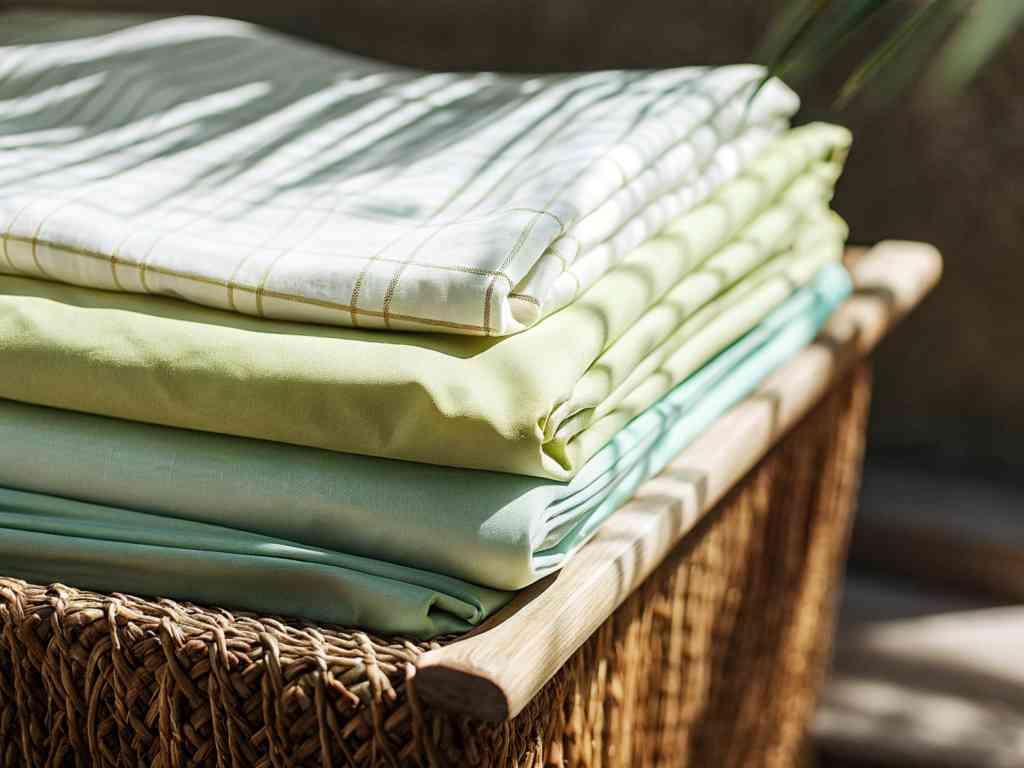
Woven and stretch materials fail in different ways. Production instructions, tolerances and QC points are adapted to fabric mechanics rather than copied across product groups.
A stack of pastel green and white fabrics in a woven basket.

Woven Sustainable Dresses

Woven control covers grain and print direction, width, shrinkage, fraying, seam slippage, puckering, lining, zipper, fusible support, pressing and hem balance. Satin receives surface and shine protection. Chiffon receives edge, transparency and rolled-hem control. Linen and cotton blends receive shrinkage, wrinkle and seam-puckering review. Viscose and lyocell receive relaxation, torque, water-mark and pressing control. Cutting markers reflect one-way fabric or print direction. First pieces are compared with the PP sample before the production group continues.

  • Incoming lot and shade check
  • Fabric relaxation or conditioning as required
  • Cut-panel and first-piece inspection
  • Pressing and packing matched to surface risk

Stretch Sustainable Dresses

Stretch control covers direction, percentage, recovery, relaxation, torque, pilling, cutting distortion, seam stretch, neckline recovery and finished measurements. Recycled jersey or mesh is checked against the approved sample lot. Shell and lining stretch are compared. Fabric rests before cutting. Measurement timing is standardized because a dress measured immediately after sewing can differ after relaxation. Side seams, ruching, slit, hem and length are checked during movement. Bulk tolerances reflect the approved material and brand standard, not a universal zero-error promise.
  • Stretch and recovery reference
  • Relaxed measurement method
  • Seam and neckline recovery
  • Wash or conditioning review by project

Quality Control for Sustainable Fabric Dresses

Quality is built through linked controls from supplier material to packed shipment. Product-specific risks are assigned at each stage so final inspection is not expected to solve every earlier error.

Supplier Material Check

Review material name, composition, weight, width, color, supplier code, quantity, certificate or test documents where required, and whether the delivered fabric matches the approved sourcing route. Missing or inconsistent information is clarified before bulk release.

Fabric Batch Inspection

Compare shade, hand feel, surface, width, defects, print, stretch and lot identity against approved references. Satin, chiffon, mesh, linen, viscose and jersey use different defect standards. Lots are separated when visible variation could affect garment appearance.

Relaxing and Shrinkage

Materials that can grow, shrink, torque or recover need a defined conditioning route. Jersey may rest before cutting. Viscose or lyocell may require relaxation and measured review. Shrinkage assumptions are connected to pattern and care labels.

Cutting Control

Check grain, one-way direction, print orientation, border position, pair parts, shade groups, notches, panel labels and cut dimensions. Directional satin, prints and long skirts can create higher waste and visible mismatch when cutting is weak.

In-Line Sewing Check

Inspect seam type, tension, puckering, stretching, support placement, zipper, lining, gathers, ruching, neckline, sleeve, slit and label position during production. Problems are corrected before they spread across the order.

Garment Measurement

Measure agreed points such as bust, waist, hip, dress length, strap, armhole, neckline depth, sleeve, slit and hem. Tolerance follows product type, fabric behavior and brand requirements. Stretch and woven garments use different measurement logic.

Appearance and Function

Review shade, stains, holes, snagging, print, symmetry, surface, zipper, buttons, hooks, support, opacity, movement, pressing and workmanship against the PP or Golden sample. High-risk details receive focused checks.

Packing Inspection

Confirm main label, size label, care label, hangtag, barcode, SKU, fold, protective tissue, polybag, carton quantity, size ratio, carton mark, warehouse label and packing list. Claim wording and composition must match approved files.

Support Brand Testing, Inspection and Audit Requirements

Jinfeng can coordinate project-based quality, testing and audit requirements with the actual factory, material supplier and approved service provider. All documents remain subject to current validity and relevant scope.

Testing Support

Testing can cover fiber content, shrinkage, colorfastness, pilling, dimensional stability or another agreed requirement through suppliers or third-party providers such as SGS, Intertek, BV or ITS by project. Test identity, fabric code, color, batch and report date must match the material being reviewed. Final market compliance remains subject to the brand and its qualified advisers.
  • Confirm exact scope before booking
  • Use current factory and supplier documents
  • Protect unpublished styles and brand files

Inspection Support

Jinfeng supports internal inspection, brand inspection, client-nominated inspection and AQL-based third-party inspection. AQL is a sampling method rather than a substitute for process QC or a promise of zero defects. Inspection level, defect classification, measurement tolerance, sample size, packing status and reinspection route are agreed before booking.
  • Confirm exact scope before booking
  • Use current factory and supplier documents
  • Protect unpublished styles and brand files

Factory Audit Support

Factory profile, production process, QC process, packing process and audit-related documents can be coordinated according to the actual production unit. SMETA, Sedex or BSCI-related review support is confirmed by project and factory; no blanket statement is applied to all production sites. NDA and brand-data protection rules remain in force during visits and document exchange.
  • Confirm exact scope before booking
  • Use current factory and supplier documents
  • Protect unpublished styles and brand files

Private Label Sustainable Dresses Ready for Retail

Retail-ready execution connects material information to the correct brand, size, SKU and warehouse files. Jinfeng coordinates private-label elements alongside sample and bulk development so labeling does not become a late production risk.

Main Label

Review artwork, color, size, material, hand feel, placement and sewing method. Any recycled or alternative label claim requires supplier evidence and clear component scope.

Care and Fiber Label

Fiber content, percentages, care symbols, country information and required wording are matched to the final BOM and approved materials. Changes in shell or lining require label review.

Hangtag

Brand story, material statement, QR code, care information or sustainability wording remains subject to evidence and final brand approval. Hangtag material and printing also have supplier minimums.

Barcode and SKU

Barcode, SKU, style, color, size and price files are checked against assortment and packing instructions. Sustainable material versions should not be mixed with conventional versions under one uncontrolled SKU.

Folding and Packaging

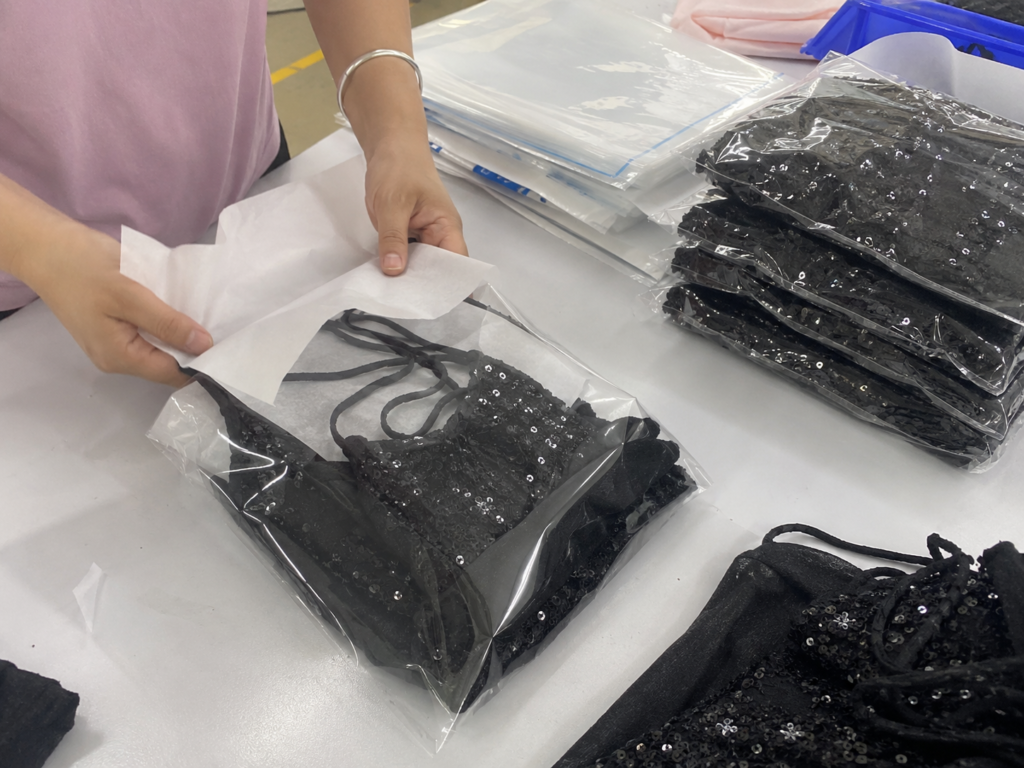
Fold method, tissue, protective layer, polybag or alternative pack, sticker, warning text and sealing are selected around satin, chiffon, linen, long hems, ruffles and warehouse handling.

Carton and Warehouse

Carton size, quantity, size ratio, color ratio, carton mark, purchase order, warehouse label, packing list and receiving rules are verified before shipment. Multi-batch deliveries maintain lot and version identity.

Keep Dress Programs Consistent Across Reorders

Repeat production uses retained records but still requires a current material and document review. A past approval cannot guarantee that the same supplier, batch, certificate, color or fabric performance remains available.

Fabric Record

Retain approved swatch, material name, composition, weight, width, stretch, hand feel, supplier, color, lot and available documents. Recheck source and current evidence before each repeat.
  • Original order record
  • Current availability recheck
  • Controlled approval before restart

Color and Batch Record

Retain lab dip, shade band, physical reference, print strike-off and bulk lot information. New dye lots or print runs require comparison; visible panels are not mixed across clearly different shades.
  • Original order record
  • Current availability recheck
  • Controlled approval before restart

Pattern and Measurement

Retain final pattern, grade rule, measurement chart, tolerance, sample comments and Golden sample. Any new fabric or fit change is assessed before the prior pattern is reused.
  • Original order record
  • Current availability recheck
  • Controlled approval before restart

Packing and Delivery

Retain label artwork, barcode/SKU file, fold, pack, carton, warehouse and shipment instructions. New market, retailer or logistics route may require revised files and approval.
  • Original order record
  • Current availability recheck
  • Controlled approval before restart

Fabric-Controlled Dress Programs for Global Brands

The following anonymous program examples use realistic collection structures for established fashion labels. Material and certification claims are used only when supported by project-specific records; brand names and unpublished designs remain protected. Case quantities and style counts reflect the normal scale of established brand programs: 10-30 styles per order and 20,000-80,000 pieces per brand program. Final delivery plans depend on material readiness, sample approval, factory allocation, packing and freight route.

US Recycled Occasionwear Program

  • Market: United States premium ecommerce and occasionwear
  • Order: 18 styles, 48,600 pieces across satin, mesh and jersey groups
  • Material direction: recycled satin, recycled mesh, recycled jersey and selected recycled lining resources reviewed by supplier and batch
  • Sample route: 18 first samples, 14 revised samples, 9 photo-ready samples and 18 PP approvals across coordinated launch waves
  • Challenge: preserve cowl drape, bodycon recovery and corset support while keeping shell, lining, labels and claim scope separated
  • Solution: fabric groups were approved by performance; bias styles rested before hem review; stretch styles used relaxed measurements; GRS-related document requests were attached only to relevant materials
  • QC focus: shade, snagging, recovery, neckline, zipper flatness, lining boundary, composition labels and SKU separation
  • Result: three staged production waves supported campaign, core launch and replenishment without mixing material or label versions

Australian Linen Resort Collection

  • Market: Australia resortwear and vacation label
  • Order: 22 styles, 36,400 pieces across linen blend, cotton-linen and viscose groups
  • Material direction: breathable natural-look fabrics with controlled shrinkage, approved slub standard and print families
  • Sample route: core silhouettes prioritized first, followed by color and print extensions after base fit approval
  • Challenge: control wrinkling, transparency, shrinkage, long hems, print direction and travel packing across minis, midis and maxis
  • Solution: blend and weight were matched to silhouette; lining coverage was set by color; print repeat and direction were mapped before cutting; maxi hems were reviewed after relaxation
  • QC focus: natural texture standard, stains, shade, print, seam puckering, measurements, lining, hem and clean folding
  • Result: one coordinated seasonal delivery with retained patterns, print files, fabric records and packing instructions for the next resort drop

European Organic Cotton Dress Range

  • Market: European fashion retail and private-label collection
  • Order: 14 styles, 27,800 pieces across poplin, cotton-linen and soft cotton jersey
  • Material direction: organic cotton and GOTS-related supplier resources reviewed according to fabric, color, certificate scope, mill minimum and order route
  • Sample route: shirt, tiered, wrap and jersey styles separated by woven and stretch development routes
  • Challenge: keep collar and placket structure, reduce shrinkage risk, control light-color opacity and align fiber labels with final blend data
  • Solution: fabric specifications and supplier scope were reviewed before label release; patterns were corrected after conditioning; light colors received lining and opacity approval
  • QC focus: shrinkage assumption, collar, placket, button, shade, stains, measurements, care label composition and carton SKU ratios
  • Result: 14 styles entered one brand program with style-specific BOM, PP samples, label files and repeat-order records

Frequently Asked Questions About Sustainable Dress Manufacturing

Jinfeng can review organic cotton, cotton-linen, linen blends, lyocell, responsible viscose, recycled polyester, recycled satin, recycled chiffon, recycled mesh, recycled jersey, recycled lining and selected packaging directions. Availability depends on exact construction, color, quantity, supplier, certificate scope, batch, price and timing.

No blanket statement is made. Certification depends on the selected supplier, fabric, color, batch, current certificate, product scope and order route. A visually similar fabric without matching evidence is not represented as the same certified material.

GOTS-related resources can be reviewed by project. The fabric mill, construction, color, certificate scope, batch availability, mill minimum, price, schedule and required order documents must be confirmed before the claim is approved.

GRS-related recycled polyester, satin, chiffon, mesh, lining and knit directions can be reviewed through selected suppliers. Recycled percentage, supplier scope, color, batch, transaction route, MOQ, cost and timing are confirmed for the actual order.

MOQ starts from 200 pcs per style/color. MOQ is calculated by style and color, not by total collection quantity. Certified fabric, custom dyeing, printing, special trims and private-label packaging may carry higher supplier minimums.

Often possible, but not automatic. Weight, drape, shine, transparency, stretch, recovery, snagging, shrinkage and sewing behavior are compared. Pattern, lining, construction, sample, price and timing may need revision.

Yes, when the new fabric changes stretch, recovery, weight, drape, opacity, shrinkage or structure. Neckline, bust, waist, hip, sleeve, length, slit, lining and grade behavior may require correction before PP approval.

Standard first samples commonly require 10-15 working days after usable materials and complete files are ready. Complex styles commonly require 15-25 working days. Custom-material projects can require 20-35 working days or the supplier development cycle. Revised and PP samples commonly require 7-15 working days.

Bulk production is commonly planned around 20-35 working days after PP approval and material readiness. Quantity, style complexity, color split, size range, supplier minimums, private-label materials, QC and factory allocation affect the final schedule.

Yes, by project. Custom color uses Pantone or physical references, lab dips and shade control. Custom print uses production artwork, repeat, scale, direction, base fabric and strike-off approval. Dye and print suppliers apply separate minimums and schedules.

Approved swatches, specifications, supplier codes, color references, lot records and PP material are used together. Incoming batches are checked for shade, hand feel, width, surface, stretch, print and defects. Substitutions require review and written approval.

Relevant files can be requested and organized when applicable, including fabric specification, composition, supplier details, certificate scope, transaction document, test report, batch record and BOM. Availability depends on the material route and supplier.

Yes, by project. Testing can be coordinated through suppliers or recognized third parties. Jinfeng also supports brand inspection, client-nominated inspection and AQL-based inspection. Scope, sample plan, defect classification and timing are confirmed before booking.

Yes. Main labels, size labels, care labels, hangtags, barcode stickers, SKU labels, polybags or approved alternatives, inserts, cartons, carton marks and warehouse labels can be coordinated from approved artwork and packing files.

Jinfeng supports NDA-based cooperation and protects tech packs, patterns, samples, material plans, labels, packaging artwork, quantities and unpublished styles. Public case materials use anonymized information and approved visuals only.

Records improve repeatability, but each repeat rechecks current supplier, batch, color, certificate validity, fabric behavior, labels and packing. New lots are compared with retained references before production restart.

Start Your Sustainable Dress Development Program

Send enough information for a focused manufacturing review rather than a generic estimate. Kelly and the development team will assess dress structure, material direction, supplier and certificate scope where required, pattern risk, sample route, MOQ, cost drivers, bulk production, QC, private-label work and delivery planning before the next step is confirmed.

Clear files allow the team to identify whether a proposed sustainable material can support the intended silhouette, claim, quantity and launch window.

  • Tech pack, reference images, sketches, line sheet or original sample photographs
  • Dress category, target market, selling occasion and required visual result
  • Preferred fiber, blend, weight, stretch, hand feel, drape, transparency and color
  • Required certification, traceability, testing or sustainability claim
  • Quantity per style/color, color count, size range and size chart
  • Main label, size label, care label, hangtag, barcode, SKU and packing guide
  • Photography date, PP target, warehouse deadline, destination and freight preference
Textile factory workers sewing clothes beside piles of gray fabric.

Tell Us About Your Dress Project

Share your product details, estimated quantity and development requirements. Our team will review your project and provide practical OEM/ODM production feedback.

Premium Women’s Apparel Production for Fashion Brands

From dress sample development to bulk production, JF Apparel supports fashion brands with confidential OEM/ODM manufacturing, reliable quality control and scalable production support.

START YOUR DRESS PROJECT

Ready to Develop Your Next Dress Collection?

Share your design concept, product requirements or sourcing plans with our team. We’ll review your project and provide practical feedback on development, materials, MOQ and production.

7-10 Days

Sample Development

200 PCS

Starting MOQ

Fast Response

Professional Follow-Up