Roma Fabric Dress Manufacturer

Structured Roma fabric dresses developed for global fashion brands, retail programs, and multi-style private-label collections.

  • Ponte Roma sourcing commonly covers 250-420 gsm directions, selected by silhouette, season, stretch recovery, opacity, and retail position rather than weight alone.
  • MOQ starts from 200 pcs per style/color; fabric availability, custom color, trims, lining, packaging, and production timing are reviewed before quotation.
  • Two sample rooms, 7+ senior pattern makers, and 20+ sample machinists support stretch-aware pattern correction, fit samples, revisions, PP approval, and sealed production standards.
  • Six owned women’s fashion factories, 10+ long-term production partners, 18+ sewing lines, and 100,000+ pcs coordinated monthly capacity support 10-30 style programs and repeat orders.

Roma Dress Development Backed by Measurable Capacity

Roma dresses need disciplined fabric selection, stretch-aware patterns, controlled sewing, stable measurements, and accurate bulk transfer. Jinfeng Apparel combines development, production, merchandising, QC, finishing, and logistics resources around one approved garment standard.

Since 2008

Jinfeng Apparel has focused on custom women’s fashion manufacturing since 2008. Long-term dress experience supports informed decisions around silhouette, fabric weight, lining, trims, fit balance, production feasibility, private-label work, and export delivery. Roma programs benefit from experience with bodycon, sheath, office, midi, wrap, long-sleeve, and structured knit dresses where fabric behavior and pattern balance must be evaluated together.

Six Owned Factories

Six owned women’s fashion factories support custom dresses, skirts, jumpsuits, matching sets, and related womenswear. Roma styles are allocated by fabric behavior, stretch direction, construction complexity, order volume, size range, trim requirements, and target delivery. Production allocation follows garment risk rather than sending every style to a general line.

Ten Plus Partners

More than 10 long-term satellite production partners extend capacity for seasonal peaks, repeat orders, and coordinated multi-style programs. Approved patterns, measurement charts, fabric references, workmanship notes, labels, packing instructions, and inspection requirements remain the common operating standard across the selected production unit.

Monthly Capacity

Coordinated monthly capacity exceeds 100,000 pieces across owned and partner production resources. Capacity can support 10-30 styles, several colors, broad size ranges, and phased deliveries. Available space is checked against PP approval, material arrival, sewing difficulty, inspection windows, finishing workload, and packing readiness before a final schedule is issued.

Sampling Structure

Two sample rooms, 7+ senior pattern makers, and 20+ sample machinists support first samples, fit samples, revised samples, photo-ready samples, salesman samples, PP samples, and Golden samples. Roma development reviews stretch direction, recovery, body measurements, seam balance, zipper behavior, neckline shape, sleeve movement, hem stability, and pressing response.

Quality Team

A 15+ member QC team supports incoming material checks, cutting review, sewing inspection, in-line measurement, final garment inspection, pressing review, label verification, and packing QC. Roma-specific checkpoints include GSM variation, stretch recovery, side-seam twisting, neckline deformation, waist and hip measurement, zipper bulging, hem wave, shade consistency, and pressure marks.

Built for Established Fashion and Retail Programs

The strongest Roma programs begin with clear product direction, defined fit standards, planned quantities, and an accountable launch calendar. Jinfeng Apparel supports organized fashion programs requiring sample discipline, private-label delivery, and repeatable bulk standards.

Fashion Brand Teams

Design, merchandising, and production teams can develop Roma dresses from tech packs, original samples, line sheets, sketches, or reference images. Support covers fabric direction, pattern review, fit correction, sample versions, PP approval, bulk production, QC, labels, packaging, and export delivery. Multi-style collections can be grouped by silhouette, fabric weight, color family, launch priority, and sample approval status.

Sourcing Departments

Sourcing teams need clear MOQ boundaries, factory allocation, capacity visibility, material readiness, quality checkpoints, document control, and accountable follow-up. Project review covers style complexity, fabric supply, quantity per color, size range, trims, packaging, target delivery, inspection expectations, and nominated-forwarder requirements before production is committed.

Private Label Programs

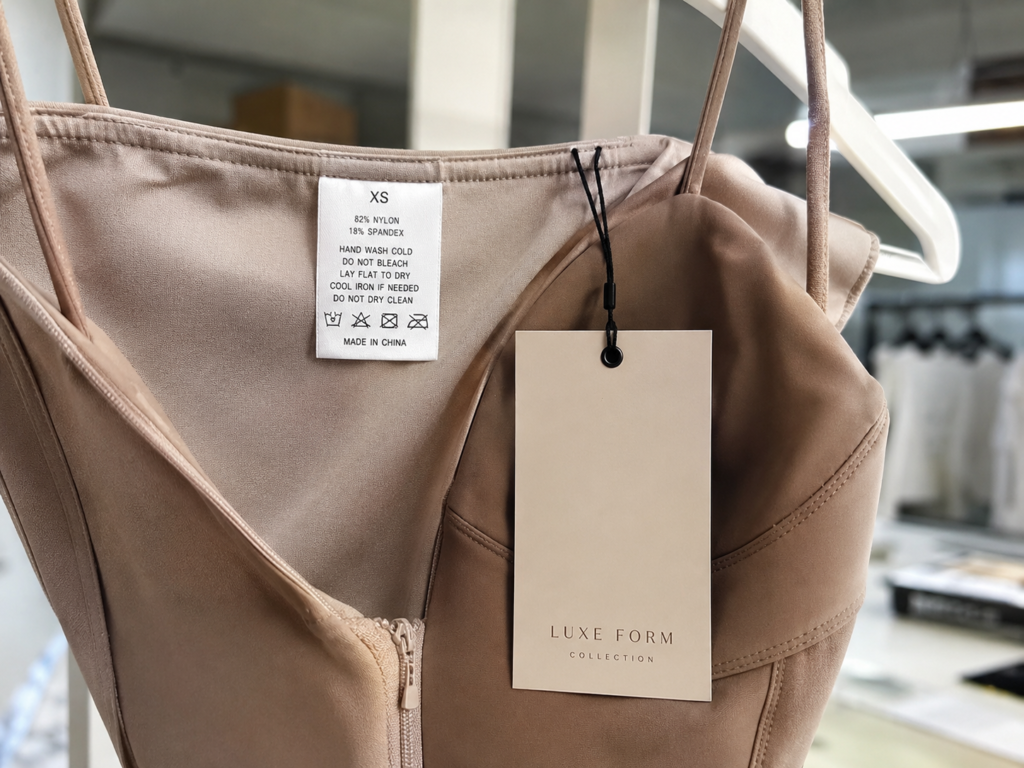
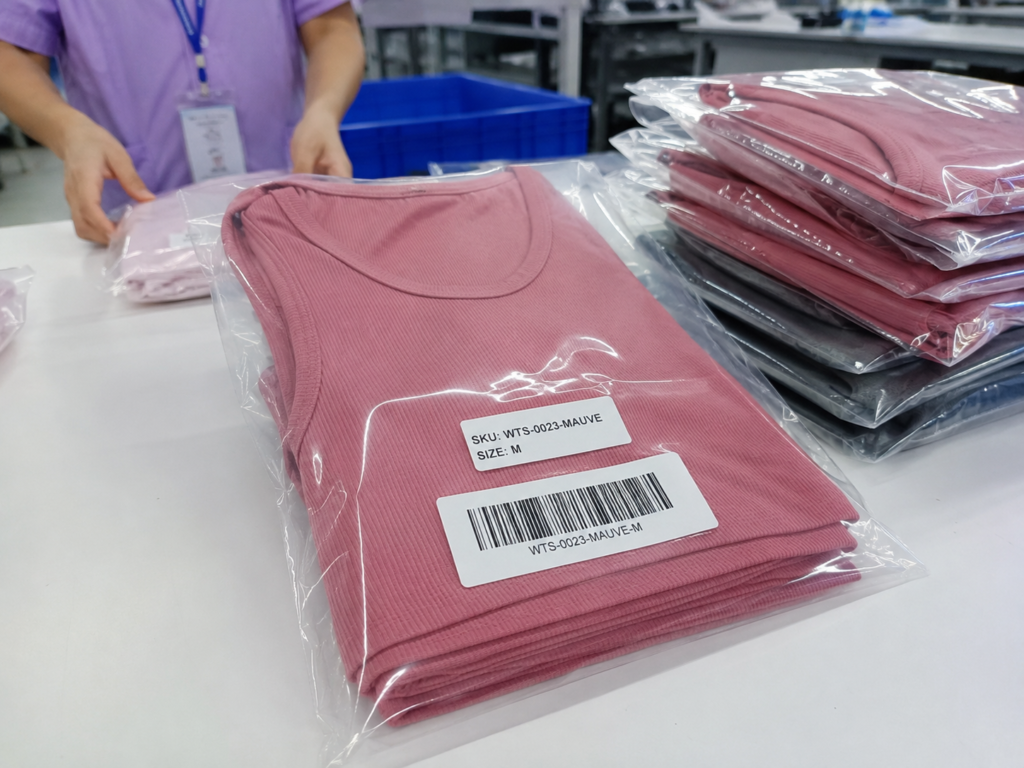
Private-label programs can integrate woven labels, size labels, care labels, hangtags, barcodes, SKU stickers, polybags, carton marks, and warehouse labels. Artwork and packing instructions are reviewed alongside the garment specification. NDA-based cooperation protects tech packs, patterns, samples, unpublished designs, quantities, prices, labels, and packaging files.

What Roma Fabric Means in Dress Manufacturing

Roma fabric usually refers to Ponte Roma, Ponte di Roma, or Punto Roma: a stable double-knit family valued for body, coverage, controlled stretch, and shape retention. Fiber blend, knitting density, finish, and dyeing still create major performance differences.

Ponte Roma Identity

Roma fabric is not one fixed recipe. Common directions include polyester-rayon-spandex, viscose-nylon-spandex, polyester-viscose-elastane, and polyester-spandex. The double-knit construction normally feels denser and more stable than lightweight single jersey. Suitable options can support clean seams, controlled body fit, low transparency, and a polished surface, yet every swatch must be judged by stretch, recovery, weight, hand feel, opacity, pilling risk, and wash response.

Dress Application

Ponte Roma works especially well for bodycon, sheath, shift, pencil, wrap, fit-and-flare, long-sleeve, and office dresses. A fitted silhouette needs dependable rebound and controlled negative ease. A shift dress needs enough structure for clean lines without stiffness. A flared skirt needs predictable volume and seam balance. The fabric name alone never decides whether the finished dress will fit, move, press, and recover correctly.

Why Roma Dress Programs Fail in Bulk

Roma appears stable, yet small errors in fabric weight, recovery, relaxation, pattern balance, sewing tension, or finishing can change the silhouette across colors and sizes. Early control protects the move from sample approval to bulk production.

Wrong Fabric Weight

A lightweight Roma can lose opacity and body, while an overly heavy option can feel restrictive, increase seam bulk, distort zippers, and limit seasonal use. Jinfeng Apparel reviews silhouette, wearing season, stretch level, lining plan, hand feel, and retail position before approval. Two fabrics at 300 gsm can behave very differently when fiber blend, knitting density, finish, and dyeing route change.

Weak Recovery

Initial stretch may feel comfortable, but poor recovery creates loose waistlines, bagged hips, stretched sleeves, and distorted necklines after wear. Fabric review covers extension, rebound, and stress at fitted areas. Bodycon and sheath samples are checked after movement, sitting, dressing, and repeated handling rather than judged only when first placed on a mannequin.

Unstable Measurements

Roma can hide pattern mistakes during fitting because the material stretches around the body. Bulk production then reveals unstable bust, waist, hip, sleeve, and dress-length measurements. Measurement points, tolerance, pattern version, fabric behavior, and grade rules are confirmed before PP approval. In-line measurement detects drift before final inspection.

Twisted Side Seams

Side seams can rotate toward the front or back when fabric relaxation, grain direction, cutting alignment, pattern balance, or sewing feed is not controlled. Twisting affects appearance and comfort. Cut direction is recorded, panels are aligned consistently, and finished garments are reviewed flat and on form. Wash testing can be arranged when care method or fabric construction creates higher torque risk.

Distorted Necklines

Square, V, boat, off-shoulder, and high-neck designs need different stabilization. Poor edge control creates rippling, gaping, asymmetry, or a neckline standing away from the body. Sample review checks shape, recovery after dressing, seam handling, inner support, topstitching, and pressing response before workmanship standards are released.

Sample-Bulk Gaps

A sample may be sewn carefully by one machinist, while bulk involves several operators, fabric lots, sizes, and colors. Jinfeng Apparel transfers the approved pattern, measurement chart, fabric reference, trim card, sewing notes, label placement, packing instructions, and QC checklist into production. PP approval becomes the production lock, not a loose visual reference.

Custom Roma Dress Styles for Fashion Collections

Roma supports structured, fitted, and polished silhouettes across officewear, contemporary daywear, occasion capsules, and premium ecommerce. Every style needs a separate balance of weight, stretch, recovery, body ease, seam placement, and finishing.

Roma Bodycon Dress

Bodycon styles need controlled negative ease, dependable recovery, and accurate bust-waist-hip balance. Fabric should stretch without becoming shiny or transparent at high-tension areas. Review covers side seams, waist position, hem ride-up, zipper behavior, neckline recovery, and movement comfort. Bulk QC measures core body points and checks shape after repeated stretching and handling.

Roma Midi Dress

Midi lengths need proportion control between waistline, hip level, slit position, and hem. Extra length makes side-seam twisting and hem imbalance more visible. Fitted, pencil, wrap, and office directions require walking and sitting review, especially when the skirt is narrow or includes a front, side, or back slit.

Roma Sheath Dress

A sheath dress needs clean vertical lines without becoming loose like a shift or tight like a bodycon style. Medium-weight structured Roma can support refined shaping with moderate stretch. Pattern work focuses on bust shaping, waist suppression, hip ease, shoulder balance, zipper flatness, and an even worn hem.

Roma Office Dress

Office styles combine coverage, comfort, structure, and long-wear shape retention. Neckline depth, slit height, sleeve mobility, waist position, and sitting comfort require disciplined review. Dark solid colors make shade variation, pressing marks, lint, surface defects, and seam impressions more visible.

Fit-and-Flare Dress

Fit-and-flare dresses need a stable bodice and controlled skirt volume. Fabric weight changes how the skirt opens, moves, and returns to shape. Waist seams, panel joins, pocket openings, and zipper areas can become bulky in heavier Roma. Pattern and sewing plans must reduce thickness without weakening the waistline.

Roma Shift Dress

Shift silhouettes appear simple but depend on shoulder balance, bust ease, armhole shape, side-seam alignment, and hem level. Excessive stretch can make the garment soft and unstable; a very dense option can restrict movement. Sample fitting confirms whether the clean line remains comfortable across the approved size range.

Roma Wrap Dress

Wrap construction must control neckline coverage, overlap depth, waist-tie position, and skirt opening during movement. Stable front edges are essential because a stretched neckline can expose more than planned. Roma weight also affects tie bulk and drape. Sampling validates overlap through sitting, walking, and normal dressing movements.

Long-Sleeve Roma

Long sleeves place repeated stress at elbows, cuffs, armholes, and shoulder seams. Recovery, sleeve width, bicep ease, wrist opening, and arm movement need joint review. Heavy fabrics can create bulky armhole joins, while weak recovery produces elbow bagging. In-line QC monitors sleeve symmetry and measurement consistency.

Build a Complete Roma Womenswear Collection

One approved Roma platform can support a connected collection when weight, color, stretch, and care requirements suit every silhouette. Collection planning improves material efficiency while preserving product variety.

Length Variations

A proven base can extend into mini, knee, midi, and maxi lengths. Each length still needs separate hem balance, slit planning, walking ease, consumption review, packing method, and size-chart wording.

Sleeve Variations

Sleeveless, cap sleeve, short sleeve, elbow sleeve, and long sleeve options change armhole construction, recovery demand, seam bulk, and seasonal positioning. Sleeve work should not be treated as a simple add-on to an approved sleeveless block.

Coordinated Skirts

Pencil, A-line, slit, wrap, and panelled skirts can use related fabric standards. Waistband structure, hip ease, zipper behavior, lining, hem method, and size ratios require separate approval.

Matching Sets

Roma crop tops, fitted tops, skirts, and trousers can create matching sets with higher outfit value. Color lot, size pairing, waist position, top length, and individual-or-set packing need coordination.

Jumpsuit Extensions

A Roma jumpsuit requires crotch length, torso balance, seat ease, waist placement, zipper access, and movement testing. The same stretch level used for a dress may still need different pattern allowances.

Color Capsule

A connected palette can combine core neutrals, seasonal accents, and exclusive colors. Lab dips, approved standards, dye-lot control, shade grouping, replenishment risk, and care labels are managed by color rather than assuming one fabric code behaves identically in every shade.

Roma Fabric Options for Different Dress Results

Fiber blend, knitting density, finish, and weight shape the garment more than the word Roma on a supplier card. Jinfeng Apparel compares swatches by silhouette, feel, recovery, opacity, care, cost, availability, and bulk risk.

Rayon Nylon Spandex

Rayon-nylon-spandex Roma can offer a smooth hand, strong structure, clean color, and dependable recovery when the knitting and finish are well controlled. It suits fitted office, sheath, bodycon, and panelled dresses. Review covers pilling, surface shine under stretch, heat response, wash care, and consistency between sample yardage and bulk lots.

Viscose Nylon Elastane

Viscose-rich Roma can feel softer and more fluid while retaining double-knit support. It can suit premium daywear and refined body-skimming dresses. Moisture response, shrinkage, length growth, pilling, and care instructions need careful review. Softer hand feel must not come at the expense of recovery around the waist, hip, elbow, and neckline.

Poly Rayon Spandex

Polyester-rayon-spandex blends often balance cost, shape, color, and commercial availability. Performance varies widely, so weight and composition cannot replace a physical swatch. A suitable quality can support office dresses, pencil shapes, wraps, and fit-and-flare silhouettes while keeping seams controlled and care manageable.

Poly Viscose Elastane

Poly-viscose-elastane directions can provide a matte or refined surface with moderate drape. They may work well for workwear-inspired dresses and coordinating skirts. Development checks hand feel, recovery, shrinkage, lint attraction, color depth, seam impressions, and whether the surface changes after pressing or washing.

Poly Spandex Roma

Polyester-spandex Roma can provide strong color, durability, and accessible supply, but hand feel, breathability, shine, static, and pilling must fit the retail position. It can support high-volume structured knit styles when the selected quality passes recovery, wash, and surface review.

Recycled Directions

Recycled polyester blends may be sourced when material claims, certificate scope, color, MOQ, lead time, and performance align with the program. Certification applies to defined suppliers, materials, batches, and validity periods; it does not automatically cover every Roma option or finished garment.

Roma Fabric Specifications by Dress Type

The ranges below are development directions, not fixed rules. Final fabric approval follows physical swatches, fit samples, care requirements, target season, and the approved commercial position.

Dress DirectionFabric TargetWeight DirectionStretch and RecoveryMain Control
BodyconDense smooth RomaApprox. 280-380 gsmMedium-high stretch; strong reboundHip recovery, opacity, hem ride-up
Sheath / OfficeStructured matte RomaApprox. 300-420 gsmModerate controlled stretchVertical line, zipper flatness, sitting comfort
ShiftStable medium RomaApprox. 260-360 gsmModerate stretch; low growthShoulder balance, armhole, hem level
WrapSoft structured RomaApprox. 250-340 gsmComfort stretch; stable front edgeCoverage, overlap, tie bulk, neckline
Fit-and-FlareBody with controlled drapeApprox. 280-380 gsmStable bodice; moderate skirt recoveryWaist seam bulk, skirt volume, zipper
Long SleeveComfortable recovery RomaApprox. 260-360 gsmBalanced extension and reboundElbow bagging, bicep ease, cuff recovery


Fabric Sourcing Color Approval and Dye-Lot Control

A Roma dress program needs traceable material decisions from first swatch to repeat order. Jinfeng Apparel records composition, weight, width, stretch, recovery, color route, supplier reference, lot information, MOQ, lead time, and approved use.

Reference Review

Development can begin from a physical swatch, original garment, Pantone reference, color card, composition target, weight target, hand-feel description, or retail benchmark. The sourcing team compares available qualities by structure, stretch, recovery, opacity, surface, care, cost, and supply stability.

Stock Color Route

Stock colors can shorten material preparation when shade, quality, quantity, and continuity meet the program. A stock designation does not guarantee future replenishment. Available yardage, lot quantity, shade consistency, and replacement risk are checked before a color is committed.

Custom Dye Route

Custom colors may require lab dips, minimum dye quantities, separate lead time, and approval under agreed lighting. Shade can appear different on rayon-rich, polyester-rich, and nylon-rich blends. Color approval should use the selected construction and finish rather than a generic base cloth.

Bulk Lot Approval

Sample yardage and bulk lots can differ in shade, weight, stretch, hand feel, or finish. Bulk material is checked against the approved reference before cutting. Higher-risk programs may use a bulk-intent PP sample so pattern, measurements, and workmanship are confirmed in the intended lot.

Shade Grouping

Dark and saturated colors can reveal lot differences, pressing marks, lint, and surface variation. Material rolls may need shade grouping before cutting. Panels within one garment must come from a compatible shade group, and replacement cutting should follow the same control.

Repeat Color Control

A repeat order uses retained fabric and color records, yet a new lot still needs approval. Fiber supply, yarn, dye chemistry, finish, and season can affect shade and hand feel. Replenishment planning should confirm material availability early rather than relying on the first-order code alone.

Fabric Tests Before Roma Dress Production

Testing is selected by target market, care method, material risk, brand manual, and final garment construction. Internal checks and third-party testing can be coordinated by project; scope, laboratory, cost, and acceptance criteria are confirmed before booking.

Composition Review

Declared fiber content is compared with supplier documents and label requirements. Third-party composition testing can be arranged when the program requires independent verification. Care-label wording and market requirements follow the approved material information.

Shrinkage Check

Length and width change can alter body measurements, sleeve length, waist position, slit height, and hem level. Test method should reflect intended care. Pattern allowances, pressing, and care instructions may need adjustment when shrinkage falls outside the approved direction.

Stretch Recovery

Extension alone does not prove suitability. Recovery checks whether the fabric returns after controlled stretch and repeated movement. High-stress areas include waist, hip, elbow, neckline, armhole, and zipper zones. Weak rebound can require a new material, revised ease, stabilization, or changed silhouette.

Pilling Review

Pilling risk depends on fiber, yarn, knit, finish, friction, and care. Dark smooth Roma can show surface change quickly. Test expectations should match product use and retail standard. Visual review after wear simulation or laboratory testing helps prevent a premium-looking sample from aging poorly.

Colorfastness

Colorfastness can be reviewed for washing, rubbing, perspiration, and other relevant conditions. Dark shades, contrast panels, light linings, and close-to-skin dresses deserve specific attention. Results influence care instructions, lining selection, packaging, and approval.

Wash Appearance

A complete wash review looks beyond shrinkage. Side-seam twist, neckline shape, hem wave, surface change, zipper behavior, pressing recovery, and label condition can all affect the finished garment. A washed sample provides a stronger production reference for repeat-wear categories.

Pattern Engineering for Structured Stretch Dresses

Roma patterns cannot be copied from woven blocks without considering extension, recovery, weight, and wearing movement. Pattern decisions convert fabric behavior into controlled fit across the approved size range.

Negative Ease

Negative ease is planned by fabric performance and silhouette rather than one fixed percentage. Bodycon styles may use more reduction than sheath or office dresses, but excessive reduction creates shine, seam stress, restricted movement, zipper distortion, and inconsistent fit across sizes.

Bust Waist Hip

Bust, waist, high hip, and full hip are balanced as connected control points. A fitted sample can look acceptable at the waist while pulling across the hip or collapsing under the bust. Front-back distribution, side-seam position, darts, princess seams, and panel shape are corrected together.

Neckline Stability

Neckline depth, width, curve, seam method, and stabilization affect fit and exposure. Square and boat necks need edge control; V-necks need symmetry and point accuracy; off-shoulder lines need recovery and upper-bust support. Pattern and construction are reviewed as one system.

Armhole Balance

Stretch does not excuse an unstable armhole. Front and back armhole shape, shoulder angle, bust coverage, sleeve head, bicep ease, and underarm depth influence movement and appearance. Edge growth is checked after sewing and dressing.

Length and Hem

Roma weight can pull a dress longer after hanging or wearing. Narrow fitted hems can wave; flared hems can become uneven; slit hems can distort under movement. Length approval follows the worn garment and, where needed, controlled resting or hanging before final correction.

Pattern Version Control

Every approved change is transferred into the current pattern version, measurement chart, sewing notes, and sample status. Old pattern files are not mixed with revised specifications. PP approval identifies the final production pattern and the sealed Golden sample used by production and QC.

Bust Waist Hip and Size Grading Control

Size consistency requires defined measurement points, fabric-aware grade rules, and clear tolerance. A stretch dress can fit one base size while losing proportion at smaller and larger sizes if every point is enlarged by one simple increment.

Base Size Approval

The base size establishes silhouette, body ease, neckline position, waist level, hip balance, sleeve movement, slit position, and length. Garment measurements are separated from body measurements so the role of stretch and negative ease remains clear.

Grade Rule Review

Bust, waist, hip, shoulder, armhole, sleeve, neck width, neckline depth, slit height, and dress length may use different grade increments. Fitted styles need controlled proportion rather than uniform enlargement. Curve or extended-size programs can require separate fit review.

Edge Size Sampling

Complex bodycon, cut-out, deep-neck, wrap, or long-sleeve programs may benefit from checking an additional small or large size. Edge-size review reveals exposure, recovery, sleeve tightness, hem ride-up, and proportion problems that a single base sample may not show.

Measurement Tolerance

Tolerance is agreed by point and construction. A waist measurement may require tighter control than a flared hem. Stretch fabric can distort during measurement, so garment placement, resting condition, and method must be consistent across sample room, production, and final inspection.

Size Ratio Planning

A commercial size ratio links demand, fabric yield, cutting efficiency, and packing. Multi-color programs should confirm quantities by style, color, and size before material booking. Late ratio changes can affect cut planning, labels, cartons, and delivery.

Size Chart Accuracy

Final size-chart content should reflect the approved garment and intended market. Garment measurements, fit description, stretch information, care behavior, and model references need alignment. Inaccurate online sizing creates returns even when sewing quality is acceptable.

Design Details Controlled in Roma Dresses
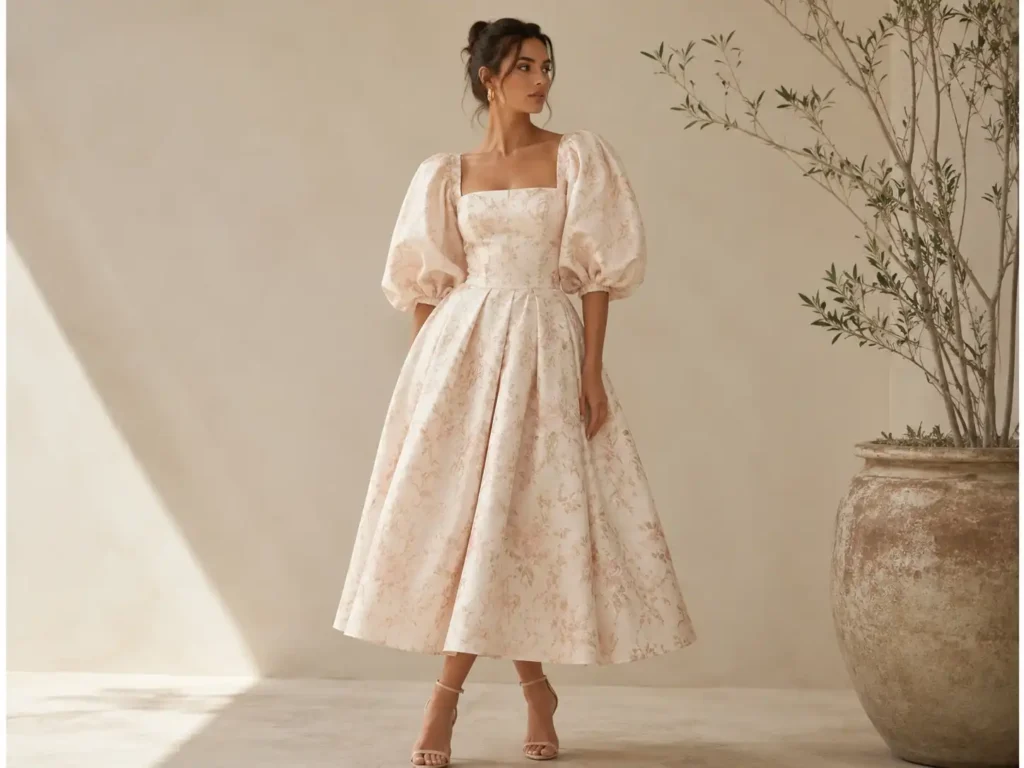
Design details alter stress, stretch, seam stability, coverage, and grading. Development moves each feature from visual idea to measurable production instruction.

Square Neckline

Square necks need crisp corners, balanced width, bust coverage, and stable edges. Stitching and pressing must preserve geometry without stretching the front edge. The corner construction, facing or lining route, shoulder position, and recovery after dressing are checked during sampling.

Princess Seams

Princess seams shape the bust and waist while creating strong vertical lines. Roma thickness can add bulk where curved panels meet. Notches, seam allowance, feeding, pressing, and grade rules are controlled so both sides remain symmetrical and smooth.

Waist Seaming

A waist seam can define the silhouette, join different skirt shapes, support a belt, or connect lining. Fabric thickness and stretch may produce ridge lines or uneven feeding. Seam placement is measured from stable body references and checked across sizes.

Ruching Placement

Ruching changes visible length, tension, and body coverage. Gather direction, amount, anchor points, symmetry, and elasticity are defined. Side ruching can raise one hem; front ruching can change bust and waist balance. Finished gathered measurements are recorded for bulk.

Side Slits

Slit height, angle, reinforcement, lining opening, and hem finish affect movement and exposure. Stretch fabric can make a slit open wider on the body than it appears flat. Sampling covers walking, sitting, and normal movement before final height is approved.

Invisible Zipper

A zipper interrupts stretch and can create a rigid line. Seam stabilization, zipper length, top closure, waist intersection, lining attachment, and pressing determine whether the opening lies flat. Pull strength and dressing comfort are also reviewed.

Sleeve Construction

Cap, short, elbow, fitted long, flare, and puff sleeves create different recovery and seam-bulk needs. Sleeve head, bicep ease, elbow movement, cuff opening, armhole join, and left-right symmetry are measured and reviewed.

Hem Structure

Blind hems, coverstitched hems, twin-needle finishes, clean facings, narrow hems, and lined hems create different appearance and stretch. Method selection follows fabric thickness, silhouette, stretch demand, machinery suitability, and retail finish. Hem wave and visible impressions are checked after pressing.

Stitching Methods for Stable Roma Construction

Good workmanship is visible in flat seams, stable edges, balanced feeding, smooth zippers, clean interiors, and repeatable measurements. Sewing specifications are selected after fabric and construction trials rather than copied from generic knit styles.

Needle and Thread

Needle type and size are matched to knit density, elastane content, seam thickness, and surface risk. An unsuitable needle can create skipped stitches, holes, runs, or visible damage. Thread must support seam strength and extension without creating excessive stiffness or shine.

Seam Selection

Overlock, safety stitch, coverstitch, lockstitch with controlled extension, and reinforced seams may be combined according to garment area. Side seams, waist seams, shoulders, zippers, slits, and hems do not automatically use the same method.

Feed Balance

Uneven feeding can create seam waves, panel mismatch, twisting, or length difference. Fabric layers are guided without stretching one side more than the other. Operator method, seam direction, notches, and in-line checks help maintain panel balance.

Edge Stabilization

Shoulders, necklines, zipper seams, pocket openings, and selected waist areas may need tape, elastic, facing, lining, or other support. Stabilization should control growth without creating a rigid edge that fights the fabric.

Pressing Control

Heat, pressure, dwell time, moisture, and handling affect surface shine, seam impressions, flattening, and recovery. Pressing trials establish a safe route for the approved color and finish. Dark smooth Roma deserves special protection because marks can be highly visible.

Workmanship Standard

The PP sample and Golden sample show approved seam shape, topstitching, zipper position, slit finish, lining attachment, labels, pressing, and overall balance. Written instructions and QC checkpoints support repeatability across operators, sizes, and colors.

Linings Zippers and Trims for Roma Dresses

Trims and internal layers change stretch, comfort, support, cost, MOQ, and lead time. Every component is selected as part of the garment system rather than added after the outer shell is approved.

Stretch Lining

Fitted or light-color Roma dresses may use stretch lining for opacity, comfort, or a cleaner interior. Lining stretch, recovery, weight, color, seam method, and length must work with the shell. A rigid lining inside an elastic shell can restrict movement and distort fit.

Partial Lining

Bodice-only, skirt-only, bust-panel, or back-panel lining can add coverage without changing the complete garment feel. Coverage edges, seam visibility, color, skin contact, and movement are reviewed on the body rather than flat.

Invisible Zippers

Stock zippers can be matched by length and color when available. Special color, puller, or logo requirements may have separate supplier MOQ and lead time. Zipper tape stability, teeth quality, pull smoothness, seam flatness, and top closure are inspected.

Shoulder Tape

Shoulder tape can limit growth in dresses carrying sleeve or garment weight. Tape width, stiffness, stretch, placement, and seam compatibility need approval so support does not create visible ridges or discomfort.

Elastic Support

Clear elastic, soft elastic, anti-slip tape, or internal waist support may stabilize necklines, off-shoulder edges, waists, and selected openings. Width, recovery, tension, skin feel, and wash response are tested during sampling.

Private Labels

Main labels, size labels, care labels, hangtags, barcode stickers, SKU labels, polybags, and carton marks follow approved artwork and placement. Custom label and packaging suppliers may have MOQ and lead-time requirements separate from garment MOQ.

From Roma Dress Concept to PP Approval

Sampling closes risk in stages. A first sample is not a bulk standard, and a photo sample is not automatically a PP sample. Each version receives a defined purpose, material status, comment record, and approval status.

Project Review

Reference images, technical flats, tech packs, original samples, line sheets, target quantity, size range, fabric direction, labels, packing, and launch dates are reviewed. Missing details and production risks are identified before pattern work begins.

Fabric Direction

Available swatches are compared by composition, weight, width, stretch, recovery, opacity, hand feel, color route, care,
MOQ, lead time, and cost. A selected direction is linked to the planned silhouette.

Pattern Development

The pattern team builds or corrects the base using fabric behavior and intended fit.

Bust, waist, hip, neckline, armhole, sleeve, slit, zipper, and length are reviewed before cutting the first sample.

First Sample

The first sample proves structure, proportion, construction, and initial material suitability. Standard Roma styles are commonly planned in about 7-15 working days after core files and usable sample fabric are confirmed; custom color or complex development can require longer.

Fit Review

Fit comments are separated into pattern, measurement, material, trim, workmanship, color, and packing actions. Movement, recovery, coverage, seated comfort, hem behavior, and zipper response are checked rather than relying on static photographs only.

Revised Sample

Approved comments are transferred into updated patterns, measurements, sewing notes, and records. Material or construction changes are reviewed for cost, MOQ, and schedule impact. Additional revision rounds follow actual project needs rather than unlimited free changes.

PP Sample

The PP sample locks intended bulk fabric, color, pattern, measurements, construction, trims, labels, and packing. Bulk cutting does not begin from an unapproved fit sample or incomplete material set.

Golden Sample

A sealed Golden sample supports first-piece approval, in-line comparison, final inspection, packing review, and repeat-order records. Physical reference and written specifications work together; one cannot replace the other.

How Sample Corrections Become Production Standards

A useful revision process identifies root cause, updates the correct record, and prevents old instructions from entering bulk. Comments are converted into controlled files rather than left in scattered messages.

Fit Correction

Bust, waist, hip, shoulder, armhole, sleeve, length, slit, and neckline changes are written as measurable actions. Pattern corrections and measurement updates remain connected so sample appearance and specification do not conflict.

Fabric Correction

A change in weight, blend, stretch, recovery, color, or finish can require new pattern allowances, lining, stabilization, sewing, testing, cost, and schedule review. Swapping fabric is never treated as a color-only change.

Workmanship Correction

Seam waves, zipper bulging, skipped stitches, uneven feeding, lining roll, hem ripple, and pressing marks are assigned to revised sewing or finishing instructions. A corrected sample proves the method before bulk release.

Trim Correction

Zipper, elastic, tape, label, hangtag, barcode, and packaging corrections are transferred into approved trim records and placement references. Supplier MOQ and lead time are rechecked when a component changes.

Size Correction

A base-size change can affect grading. High-risk points are reviewed across the range, and edge-size samples may be considered for fitted, wrap, deep-neck, long-sleeve, or extended-size programs.

Approval Record

Every sample version receives a status: under review, revise, approved for photo, approved for PP, or sealed as Golden sample. Production uses the final approved file set and reference, reducing the risk of mixing comments from different rounds.

MOQ and Cost Factors for Roma Dress Production

MOQ starts from 200 pcs per style/color. MOQ is calculated by style and color, not by total collection quantity. Special fabrics, custom dyeing, trims, labels, printing, and packaging can carry separate supplier minimums.

Fabric Cost

Composition, weight, width, knit density, finish, color route, supplier minimum, testing, and wastage affect fabric cost. A cheaper fabric can create higher total cost through weak recovery, extra lining, poor yield, rework, or return risk.

Pattern and Sampling

Pattern development, first sample, fit correction, revised samples, PP sample, material preparation, workmanship trials, inspection, and communication form part of sample cost. Sample fees are charged separately and may be credited by project when the same style reaches qualified bulk production.

Construction Time

Panels, princess seams, ruching, pockets, zippers, slits, sleeves, linings, facings, topstitching, and finishing change sewing time. Similar-looking dresses can require very different workmanship and quality control.

Color and Size Plan

More colors create separate material, shade, cutting, label, packing, and QC groups. Broad size ranges can require additional grading, fit review, labels, size ratios, and edge-size control. Consolidating colors or planning ratios can improve efficiency without weakening appearance.

Private Label Work

Custom woven labels, care labels, hangtags, barcode stickers, printed polybags, inserts, cartons, and warehouse labels affect cost and lead time. Artwork accuracy and supplier minimums are confirmed before commitment.

Delivery Plan

Express, air, sea, split shipment, local warehouse requirements, nominated forwarder, testing, third-party inspection, and trade terms influence total landed cost and schedule. Cost control focuses on fabric, structure, trims, yield, color planning, packing, and shipment without weakening brand-level appearance.

How to Evaluate a Roma Dress Manufacturer

A strong supplier decision relies on development evidence, not product images alone. The following checks reveal whether a factory can translate structured knit fabric into stable samples, bulk production, and repeat orders.

Roma Fabric Knowledge

Ask how the team compares composition, GSM, stretch direction, recovery, opacity, pilling, shrinkage, surface, and wash behavior. A credible answer should connect each property with silhouette, pattern, sewing, and care rather than describing Roma only as thick jersey.

Pattern Capability

Review pattern-team structure, fit process, measurement points, grade rules, edge-size strategy, and sample records. A manufacturer should explain negative ease, waist-hip balance, neckline recovery, sleeve movement, slit behavior, and fabric changes.

Sample Discipline

Confirm whether first, fit, revised, photo, PP, and Golden samples are separated by purpose. Ask how comments are recorded and transferred into patterns, measurements, sewing instructions, trims, and QC checkpoints.

Knit Sewing Experience

Request workmanship references for seam flatness, edge stability, zippers, shoulders, necklines, hems, and pressing. A suitable factory should discuss needle damage, skipped stitches, feed balance, seam waves, and heat sensitivity.

Bulk Fabric Control

Ask how sample yardage is compared with bulk lots, how shade groups are managed, whether fabric is relaxed before cutting, and how replacement panels are controlled. Material identity must remain traceable through cutting and production.

Measurement System

Review measurement methods, tolerances, in-line checks, final inspection, and size-chart alignment. Stretch garments require consistent resting and measuring methods, not subjective pulling until a measurement appears correct.

Private Label Support

Confirm artwork review, label sourcing, care-content checks, barcode lists, SKU stickers, polybags, carton marks, warehouse labels, and packing approval. Private-label errors can block warehouse intake even when garments are well made.

Repeat Order Records

Ask whether patterns, fabrics, colors, trims, sewing notes, QC issues, labels, packing, and shipment details are retained. A repeat order should use history while still rechecking new material lots, availability, quantity, and delivery conditions.

How Roma Dress Production Is Allocated

Jinfeng Apparel allocates production by material behavior, pattern complexity, quantity, workmanship, size range, repeat history, and delivery sequence. A structured knit dress is assigned to a unit with relevant stretch-product experience.

Core Knit Styles

Regular sheath, shift, midi, bodycon, and long-sleeve Roma styles can be grouped by fabric platform and workmanship. Grouping supports material control, line familiarity, measurement consistency, and efficient repeat production.

Complex Structures

Wrap, ruched, panelled, cut-out, lined, zipped, asymmetric, or mixed-material styles require stronger sample transfer and production supervision. Allocation considers seam count, stretch conflicts, trim risk, fitting sensitivity, and inspection workload.

Multi-Style Programs

Programs containing 10-30 styles are sequenced by fabric readiness, hero SKU, sample status, launch priority, and production difficulty. Common fabrics and colors can be coordinated, while high-risk styles receive separate PP, first-piece, and QC attention.

Roma Dress Bulk Production Process

Bulk production begins after PP approval and the required production files are locked. Every stage passes information and physical references to the next stage, reducing gaps between development, sewing, inspection, packing, and delivery.

PP Release

Production fabric, color, pattern, measurements, construction, trims, labels, packing, and approval status are checked. Unresolved comments remain closed before bulk release.

Material Preparation

Bulk fabric, lining, zippers, elastic, labels, hangtags, barcodes, polybags, and cartons are tracked against required quantity, approved reference, supplier status, and expected arrival.

Incoming Inspection

Fabric shade, width, weight direction, visible defects, stretch direction, and lot information are reviewed. Trims and packaging are checked for specification, color, text, size, and quantity.

Fabric Relaxation

Selected Roma fabrics are allowed to relax before cutting so stored tension does not distort panels or measurements. Relaxation method and time follow material behavior and production planning.

Cutting Control

Marker, grain, cut direction, shade group, size ratio, notches, replacement panels, and bundle identity are controlled. Panels within one garment remain connected to the approved lot and shade group.

First-Piece Review

Initial production garments are compared with the PP and Golden sample for measurements, fit-critical points, seams, zipper, neckline, sleeves, slit, hem, labels, pressing, and packing direction.

In-Line Sewing QC

Seam waves, skipped stitches, feeding imbalance, twisting, measurement drift, zipper shape, edge stretch, and workmanship are checked while correction remains possible. Findings are communicated to production management.

Finishing Inspection

Thread trimming, stain control, pressing, shape, surface, measurements, labels, hangtags, barcodes, and visual balance are reviewed. Pressing method protects the approved fabric surface.

Packing and Dispatch

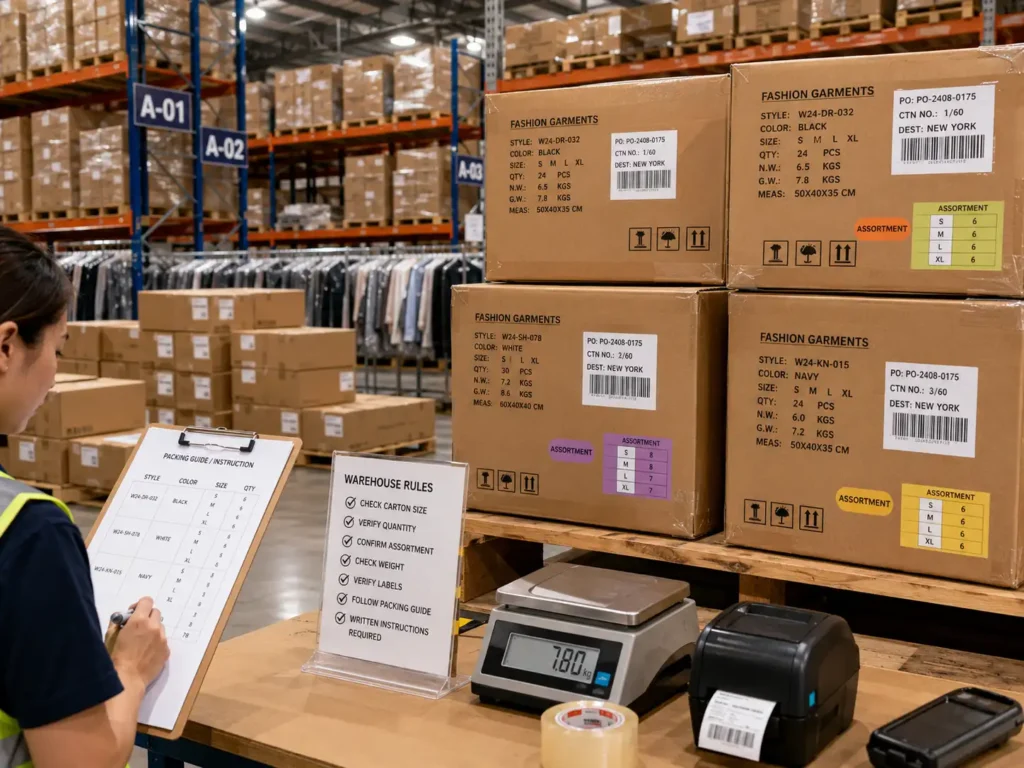
Garments follow approved folding, polybag, SKU, carton ratio, carton mark, and warehouse instructions. Packing lists, commercial documents, carton measurements, weights, shipment photos, and forwarder coordination are prepared by agreement.

Quality Control for Roma Dress Orders

Roma dress QC connects material, cutting, sewing, measurements, finishing, and packing. Inspection points are chosen around the actual silhouette and approved risk notes rather than a generic final check.

Incoming Fabric

Shade, lot, visible defects, width, weight direction, stretch direction, hand feel, surface, and approved reference are checked. High-risk colors can be grouped before cutting.

Cutting Accuracy

Grain, cut direction, notches, panel pairing, size identity, shade grouping, and replacement pieces are reviewed. Incorrect direction can create twisting or different surface appearance.

First Piece

First production garments confirm pattern, measurements, seam shape, zipper flatness, neckline recovery, sleeve balance, slit height, hem, labels, and pressing before wider production continues.

In-Line Measurement

Bust, waist, high hip, full hip, shoulder, sleeve, neckline, slit, and length are measured according to the specification. Repeated drift triggers correction before the complete batch is finished.

Final Appearance

Seam waves, skipped stitches, holes, side-seam rotation, bagging, pressing shine, stains, lint, zipper bulging, hem wave, left-right symmetry, and overall silhouette are checked.

Packing Accuracy

Main label, size label, care label, hangtag, barcode, SKU sticker, polybag, size ratio, carton quantity, carton mark, and warehouse guide are verified. Third-party inspection or brand QC can be supported by project.

Roma Dress Quality Inspection Checklist

A written checklist links the approved garment standard with repeatable inspection. Brand manuals, AQL requirements, measurement methods, and third-party inspection plans can be integrated by project.

Inspection AreaWhat Is CheckedPrimary RiskApproval Record
FabricShade, lot, weight direction, stretch, surfaceDye-lot difference or weak recoverySwatch, roll check, test record
CuttingDirection, shade group, notches, size, bundlesTwisting, panel mismatch, wrong sizeCutting and bundle record
SewingSeam flatness, stitch security, zipper, edgesWaves, skipped stitches, bulgingFirst-piece and in-line record
MeasurementBust, waist, hip, length, sleeve, slitFit drift across sizes and colorsMeasurement sheet
FinishingPressing, shape, stain, lint, symmetryShine, impressions, distorted silhouetteFinal QC record
PackingLabels, barcode, SKU, polybag, carton ratioWarehouse mismatch or mixed sizesPacking approval and packing list

See How Roma Dress Production Is Controlled

Real process images strengthen manufacturing evidence when client identity and unreleased designs are protected. Visual records should show the control point, not expose confidential artwork, labels, order numbers, or launch information.

Fabric Swatches

Show approved and alternate Roma swatches with composition, weight, stretch direction, color reference, and intended style. Remove supplier-sensitive and client-sensitive information before public use.

Pattern Development

Show paper patterns, digital pattern screens, marked measurement points, and pattern-version control without revealing proprietary designs. The image should make stretch-aware pattern work visible.

Sample Sewing

Show selected seam, zipper, neckline, lining, sleeve, or hem trials in the sample room. Close-up images should reveal workmanship decisions rather than generic factory scenery.

Fit Measurement

Show bust, waist, hip, sleeve, slit, and length measurement on a garment or form. Measurement method and resting condition should be consistent with the approved specification.

Bulk Cutting

Show fabric relaxation, shade grouping, marker preparation, cutting, bundle identification, and panel control where confidentiality allows. Avoid visible client logos and unreleased style details.

Knit Sewing

Show side-seam feeding, zipper insertion, neckline stabilization, sleeve joining, or hem construction. Images should connect to the written workmanship section.

In-Line QC

Show first-piece comparison, garment measurements, seam inspection, shade review, and corrective follow-up. Inspection images should demonstrate active control rather than only finished garments.

Finished Packing

Show approved folding, labels, barcodes, polybags, size stickers, carton ratios, carton marks, and shipment preparation with identifiable client information removed or covered.

Private Label Roma Dresses Ready for Delivery

Private-label work is coordinated with garment development so label content, placement, packaging, SKU data, and warehouse rules are approved before bulk finishing.

Main Labels

Woven or printed main labels follow approved artwork, size, color, fold, and placement. Supplier MOQ and lead time are checked during project setup.

Size Labels

Size labels must match the approved size range and packing list. Label text, position, order quantity, and mixed-size prevention are controlled.

Care Labels

Fiber content, care symbols, country wording, language, style information, and placement follow approved material and market requirements. Final content should be confirmed before printing.

Hangtags

Hangtag artwork, paper, finish, string, barcode, price area, warning text, and attachment point are reviewed. Special materials or finishes can carry separate MOQ.

Barcodes and SKU

Barcode and SKU lists are matched with style, color, size, and order quantity. Verification before packing reduces warehouse receiving problems and relabeling.

Polybags

Bag size, thickness, print, warning text, ventilation, adhesive, size sticker, fold method, and garment recovery are reviewed. Dense Roma should not be compressed so tightly that pressure marks become visible.

Carton Ratios

Solid-size, assorted-size, solid-color, or mixed-color packing follows the approved warehouse plan. Carton quantity, dimensions, gross and net weight, and marks are recorded.

Warehouse Labels

Retailer or warehouse labels can be coordinated from approved files and placement guides. Final data must match packing lists, carton contents, shipping documents, and nominated-forwarder instructions.

Export Delivery for Global Roma Dress Programs

Delivery planning links warehouse date, production readiness, inspection, packing, freight route, documents, and inventory priority. Jinfeng Apparel can coordinate express, air, sea, split shipment, or a client-appointed forwarder.

Express and Air

Express and air freight suit samples, photo-ready garments, urgent launch quantities, replacement pieces, or time-sensitive sizes. Chargeable weight, carton size, destination, customs documents, and delivery target are reviewed before booking.

Sea and Split

Sea freight supports larger planned orders. Air-and-sea splits can place priority styles, colors, or sizes into the market first while the main quantity moves by sea. SKU separation, carton marks, packing lists, and document sets must remain clear.

Appointed Forwarder

Jinfeng Apparel can coordinate cargo details, packing lists, commercial invoices, carton marks, carton measurements, gross and net weight, pickup information, and shipment photos with a nominated forwarder. DDP is evaluated by destination and route rather than promised as a default service.

Documentation Support for Brand Vendor Approval

Supplier approval often requires factory, production, QC, material, packing, and audit-related documents. Available records are confirmed against the actual production factory, material supplier, certificate scope, batch, and validity period.

Factory Information

Factory profile, product range, production flow, team structure, sample process, QC process, packing process, and shipment coordination information can be prepared for vendor review. Sensitive operating information is handled according to the project and NDA.

Material Documents

Supplier declarations, composition records, color references, test reports, and available certification documents can be reviewed by material, color, batch, scope, and validity. No blanket claim is made for every Roma fabric or finished garment.

Audit Coordination

Client audit, sourcing-office review, third-party inspection, and compliance-document requests can be coordinated by project. Requirements should be shared early so the selected production unit and available records can be evaluated before order commitment.

Anonymous Roma Dress Programs for Established Brands

The following anonymous project profiles reflect the scale and operating shape of multi-style brand programs. Identifiable names, original artwork, prices, and unreleased designs remain protected.

US Officewear Program

Program scope: 18 styles, 42,600 garments, four coordinated colors, sizes XS-3XL, including sheath, pencil, long-sleeve, and wrap dresses. The main challenge was aligning two Roma weights across fitted and relaxed silhouettes while preserving one color family. Development used three sample rounds for high-risk styles, separate grade review for the largest sizes, and zipper-stabilization trials. Bulk was grouped by fabric weight and color lot, then released in two delivery waves. Retained patterns, fabric references, and packing files supported planned replenishment colors.

UK Ecommerce Collection

Program scope: 24 styles, 68,400 garments, six color families, sizes XS-XXL, combining bodycon, midi, ruched, asymmetric, and office-to-evening directions. Online fit consistency and photography were central. Photo-ready samples were separated from PP samples, while the final measurement set was aligned with product-detail size charts. Dark colors received added shade and pressing review. Priority launch styles representing roughly 20% of the order moved by air; the remaining quantities followed by sea under separate packing lists and carton marks.

Australia Travel Capsule

Program scope: 12 styles, 27,800 garments, three core colors, sizes AU 6-18, including shift, wrap, short-sleeve, long-sleeve, and coordinating skirt styles. The challenge was balancing fold recovery, breathable comfort, opacity, and shape retention for travel-oriented products. Fabric comparisons covered hand feel, recovery, pilling direction, wash appearance, and packing pressure. Fitted styles received revised waist-hip balance after the first fit round. A controlled folding trial shaped polybag size and carton packing, and the complete capsule followed one coordinated warehouse-delivery plan.

Repeat Orders and Seasonal Roma Development

Repeat-order memory reduces repeated explanation, but every new order still receives material, color, quantity, schedule, and packing review. Records preserve approved intent while current conditions protect the new production run

Pattern Records

Final pattern versions, grade rules, key measurement points, fit comments, and approved corrections are retained for reorder evaluation. New fabrics or silhouette changes can still require pattern review.

Fabric Records

Composition, weight, width, stretch, recovery, supplier code, color route, lot information, test results, and approved application are retained. Reorders confirm current availability and performance.

Color Records

Pantone references, physical standards, lab dips, approved swatches, shade notes, and production-lot observations support color continuity. A new dye lot still requires review.

Trim Records

Zippers, elastic, tape, labels, hangtags, barcodes, polybags, and cartons are recorded by specification and artwork. Supplier changes, minimums, and lead times are rechecked.

QC Records

First-piece findings, in-line issues, measurement results, final inspection notes, packing checks, and corrective actions inform future production planning. Recurring risks receive focused checkpoints.

Packing Records

Fold method, polybag, size sticker, SKU, carton ratio, carton mark, warehouse labels, weights, and shipment documents support repeat delivery. New warehouse rules or inventory plans are incorporated before packing begins.

Roma Fabric Dress Manufacturing Frequently Asked Questions

Roma fabric commonly refers to Ponte Roma, Ponte di Roma, or Punto Roma. The terms describe a double-knit family rather than one fixed blend or weight. Physical swatches are still needed because fiber content, knitting density, finishing, stretch, recovery, surface, and care can vary widely.
Jinfeng Apparel can review polyester-rayon-spandex, rayon-nylon-spandex, viscose-nylon-elastane, polyester-viscose-elastane, polyester-spandex, and other available Roma directions. Final selection depends on silhouette, weight, hand feel, stretch, recovery, color, MOQ, lead time, care, and cost.
Common sourcing directions often fall around 250-420 gsm, but GSM alone does not decide suitability. A bodycon, sheath, wrap, shift, fit-and-flare, or long-sleeve dress can require a different balance of density, stretch, recovery, drape, opacity, and seam bulk.
Yes. A physical swatch or original garment can guide composition, weight, hand feel, color, surface, stretch, recovery, and opacity. Exact duplication depends on supplier capability, quantity, custom development, and current material availability. Alternatives can be compared before sampling.
MOQ starts from 200 pcs per style/color. One style in two colors normally requires 200 pcs per color. Special fabrics, custom dyeing, zippers, labels, printing, and packaging may have separate supplier minimums.
Yes. Clear front, back, side, and detail images can begin an evaluation. Development improves when size range, target fit, fabric direction, quantity, color plan, labels, packing, and launch dates are also provided. Tech packs or original samples provide stronger control for complex styles.
A standard first Roma dress sample is commonly planned in about 7-15 working days after core files, sample fee, usable material, and key details are confirmed. Custom colors, special trims, complex patterns, repeated fit rounds, or delayed approvals can extend the schedule.
Fabric review covers extension, rebound, high-stress zones, and wash appearance. Pattern ease, waist-hip balance, neckline support, sleeve fit, seam method, and measurement tolerance are adjusted to the approved material. Bulk lots are checked against the approved reference before cutting.
Yes, size ranges are evaluated by style and fabric. Grade rules cover bust, waist, hip, shoulder, armhole, sleeve, neckline, slit, and length. High-risk or extended-size programs may use an additional sample size before bulk approval.
Yes. Main labels, size labels, care labels, hangtags, barcode stickers, SKU labels, polybags, cartons, carton marks, and warehouse labels can be coordinated from approved artwork and packing instructions. Individual components may carry separate MOQ and lead time.
Yes. Internal QC covers material, cutting, sewing, measurements, finishing, labels, and packing. Brand QC or third-party inspection can be supported by project. NDA-based cooperation protects tech packs, patterns, samples, unpublished designs, labels, packaging, quantities, prices, and launch information.
Send product references or a tech pack, quantity per style/color, color plan, size range, preferred Roma fabric or swatch, lining and trim details, private-label requirements, packing guide, target sample date, delivery destination, and inspection requirements. Complete information supports a more accurate quotation basis.

Start Your Roma Dress Development Project

Send Jinfeng Apparel the available information for an initial manufacturing review.

A tech pack, original sample, line sheet, or clear reference images can begin the discussion. The development team will assess silhouette, Roma fabric direction, pattern complexity, stretch and recovery, trims, MOQ fit, sample route, production risk, private-label work, and the information needed for quotation. Project files can be handled under NDA-based cooperation.

  • Product type with front, back, side, and detail references
  • Tech pack, size chart, grade rules, or original garment measurements
  • Quantity per style/color and planned color count
  • Preferred Roma composition, GSM, hand feel, stretch, recovery, or physical swatch
  • Lining, zipper, elastic, tape, slit, pocket, sleeve, or support requirements
  • Main label, care label, hangtag, barcode, SKU, polybag, carton, and warehouse needs
  • Target sample date, PP date, launch date, warehouse date, destination, and freight plan
  • Testing, inspection, audit, NDA, or nominated-forwarder requirements

Tell Us About Your Dress Project

Share your product details, estimated quantity and development requirements. Our team will review your project and provide practical OEM/ODM production feedback.

Premium Women’s Apparel Production for Fashion Brands

From dress sample development to bulk production, JF Apparel supports fashion brands with confidential OEM/ODM manufacturing, reliable quality control and scalable production support.

START YOUR DRESS PROJECT

Ready to Develop Your Next Dress Collection?

Share your design concept, product requirements or sourcing plans with our team. We’ll review your project and provide practical feedback on development, materials, MOQ and production.

7-10 Days

Sample Development

200 PCS

Starting MOQ

Fast Response

Professional Follow-Up