...

Ponte Dress Manufacturer

Custom jersey dress development for fashion brands requiring controlled stretch, reliable fit, stable bulk measurements and retail-ready private-label delivery.

Structured Ponte dresses developed for global fashion brands, retail programs, and multi-style private-label collections.

  • Ponte and Ponte Roma options commonly range from 250-420 gsm, selected by silhouette, season, stretch requirement, and retail position.
  • MOQ starts from 200 pcs per style/color, with fabric, color, trim, and packaging requirements reviewed before quotation.
  • Two sample rooms, 7+ senior pattern makers, and 20+ sample machinists support fit correction before bulk production.
  • Six owned women’s fashion factories, 10+ long-term production partners, and 100,000+ pcs monthly capacity support multi-style programs and repeat orders.

Ponte Dress Development Backed by Measurable Manufacturing Capacity

Ponte garments need disciplined fabric selection, stretch-aware patterns, controlled sewing, and repeatable measurements. Jinfeng Apparel combines development teams, production capacity, and quality checkpoints to move structured knit dresses from concept to retail-ready delivery.

Since 2008

Jinfeng Apparel has focused on custom women’s fashion manufacturing since 2008. Long-term dress development experience supports informed decisions around silhouette, fabric weight, lining, trims, fit balance, bulk feasibility, and private-label delivery. Ponte projects benefit from a team familiar with fitted dresses, office dresses, midi lengths, structured knit construction, and the points where sample approval can fail during bulk transfer.

Six Owned Factories

Six owned women’s fashion factories provide direct production control across custom dresses, skirts, jumpsuits, matching sets, and related womenswear categories. Ponte styles are allocated by fabric behavior, pattern complexity, trim requirements, order volume, and target delivery. Production allocation is planned around garment risk rather than sending every style to a general line.

Ten Plus Partners

More than 10 long-term satellite production partners extend capacity for multi-style programs, seasonal peaks, and repeat orders. Partner allocation remains subject to fabric type, sewing complexity, QC requirements, and schedule. Jinfeng Apparel coordinates production standards, measurement files, workmanship references, labels, packaging, and inspection expectations across the approved production unit.

Monthly Capacity

Regular monthly capacity exceeds 100,000 pieces across the owned and partner production system. Capacity supports brand programs containing 10-30 styles, multiple colors, size ranges, and phased deliveries. Available space is reviewed against confirmed PP samples, material arrival, production complexity, QC windows, and packaging readiness before a final schedule is issued.

Sampling Structure

Two sample rooms, 7+ senior pattern makers, and 20+ sample machinists support first samples, fit samples, revised samples, photo-ready samples, PP samples, and Golden samples. Ponte development is not treated as a simple knit sewing task; the sample team reviews stretch direction, recovery, body measurements, seam balance, zipper behavior, neckline shape, and pressing response.

Quality Team

A 15+ member QC team supports incoming material checks, cutting review, sewing inspection, in-line measurement, final garment inspection, pressing review, and packing QC. Ponte-specific attention includes GSM variation, stretch recovery, side-seam twisting, neckline deformation, hip and waist measurement, zipper bulging, hem wave, shade consistency, and packing pressure marks.

Built for Established Fashion and Retail Programs

The strongest Ponte programs come from teams with clear product direction, defined fit standards, planned quantities, and a repeatable launch calendar. Jinfeng Apparel supports development and production structures suited to established brands and organized apparel programs.

Fashion Brand Teams

Design, merchandising, and production teams can develop Ponte dresses from tech packs, original samples, line sheets, sketches, or reference images. Support covers fabric direction, pattern review, fit correction, sample versions, PP approval, bulk production, QC, labels, packaging, and export delivery. Multi-style collections can be grouped by silhouette, fabric weight, color family, launch priority, and sample approval status.

Sourcing Departments

Sourcing teams need more than an attractive sample. They need clear MOQ boundaries, factory allocation, capacity visibility, material readiness, quality checkpoints, document control, and accountable follow-up. Jinfeng Apparel provides project-based evaluation covering style complexity, fabric supply, quantity per color, size range, trim requirements, packaging instructions, target delivery, and inspection expectations before production is committed.

Private Label Programs

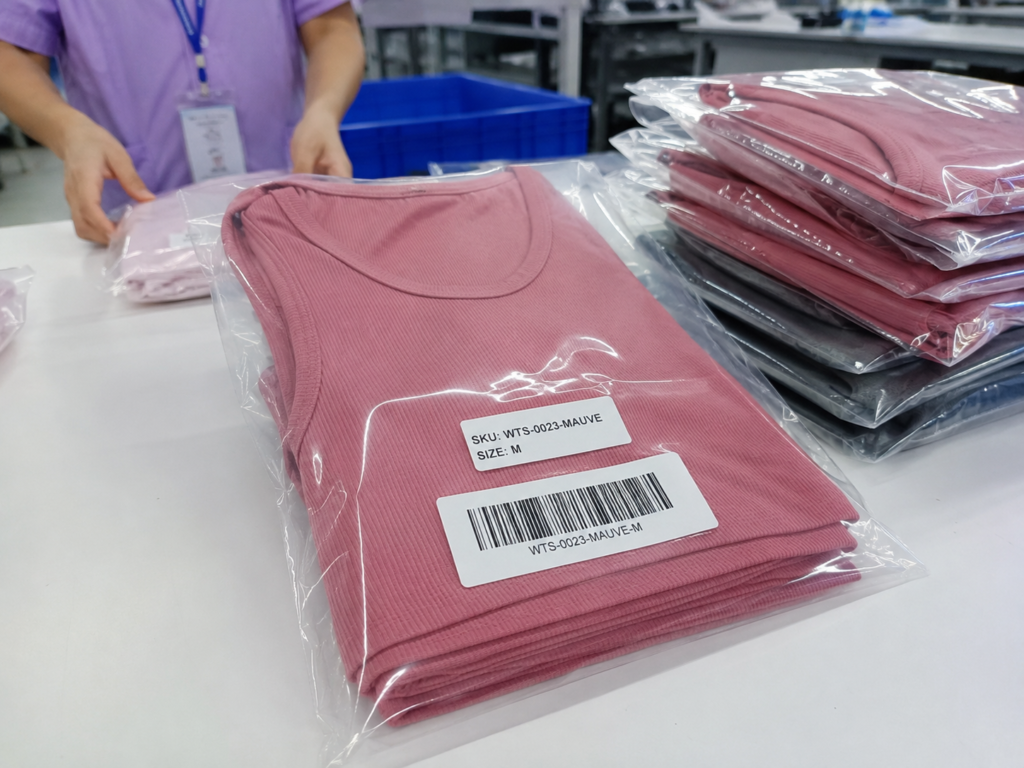
Private-label dress programs can integrate woven labels, size labels, care labels, hangtags, barcodes, SKU stickers, polybags, carton marks, and warehouse labels. Brand artwork and packing instructions are reviewed alongside the garment specification so labeling and receiving requirements do not become late-stage delays. NDA-based cooperation supports protection of tech packs, patterns, samples, unpublished designs, and packing files.

Why Ponte Dress Programs Fail During Bulk Production

Ponte looks stable, yet small errors in weight, stretch, pattern balance, sewing tension, or finishing can change the final silhouette. Early risk review prevents a polished first sample from becoming an inconsistent production run.

Wrong Fabric Weight

A lightweight Ponte can lose opacity and body, while an overly heavy option can feel restrictive, increase seam bulk, and limit seasonal use. Jinfeng Apparel reviews the intended silhouette, retail season, stretch level, lining plan, and target hand feel before fabric approval. The same 300 gsm fabric may behave differently across fiber blends and finishing methods, so weight alone never decides suitability.

Weak Stretch Recovery

Initial stretch can feel comfortable, but poor recovery creates loose waistlines, bagged hips, stretched sleeves, and distorted necklines after wear. Fabric review considers stretch direction, extension, rebound, and the stress placed on fitted areas. For bodycon or sheath styles, sample fitting examines whether the garment returns to shape after movement rather than only checking how it looks when first worn.

Unstable Body Measurements

Ponte can hide pattern mistakes during a fitting because the fabric stretches around the body. Bulk production then exposes inconsistent bust, waist, hip, sleeve, and length measurements. Jinfeng Apparel confirms measurement points, tolerance, pattern version, fabric behavior, and size grading rules before PP approval. Measurements are checked during production rather than waiting until final inspection.

Twisted Side Seams

Side seams can rotate toward the front or back when fabric relaxation, grain direction, cutting alignment, pattern balance, or sewing feed is not controlled. Twisting changes both appearance and comfort. Fabric is reviewed before cutting, cut direction is confirmed, and completed garments are checked flat and on form. Wash testing may be requested when the program or care method makes twisting risk significant.

Distorted Necklines

Necklines may stretch, ripple, or stand away from the body when pattern shape, stabilization, seam handling, or pressing is unsuitable. Square necks, V-necks, boat necks, and off-shoulder styles each require different control. Sampling validates edge stability, visual symmetry, recovery after dressing, and comfort before production standards are released.

Sample Bulk Gaps

A sample can be made carefully by one machinist, while bulk involves multiple operators, material lots, sizes, and color groups. Jinfeng Apparel transfers the approved pattern, measurement chart, fabric reference, trim card, sewing notes, label placement, packing instructions, and QC checklist into production. PP approval becomes the production lock, not a loose visual reference.

Custom Ponte Dress Styles for Fashion Collections

Ponte supports a wide range of structured and fitted silhouettes. Each style needs a different balance of weight, stretch, recovery, neckline control, body ease, seam placement, and finishing.

Ponte Bodycon Dress

Bodycon styles need controlled negative ease, dependable recovery, and careful bust-waist-hip balance. Fabric should stretch without becoming shiny or transparent at high-tension areas. Sample review focuses on side seams, waist placement, hem ride-up, zipper behavior, neckline recovery, and movement comfort. Bulk QC measures the main body points and checks whether repeated stretching changes shape.

Ponte Midi Dress

Midi lengths need proportion control between waistline, hip level, slit position, and hem. Extra length increases the visual effect of side-seam twisting and hem imbalance. Ponte midi styles work well for fitted, pencil, wrap, and office silhouettes. Sample fitting should include walking and sitting, especially when the skirt is narrow or includes a back, side, or front slit.

Ponte Sheath Dress

A sheath dress needs clean vertical lines without becoming loose like a shift or tight like a bodycon style. Medium-weight structured Ponte can support a refined silhouette with moderate stretch. Pattern work focuses on bust shaping, waist suppression, hip ease, shoulder balance, zipper flatness, and a hem that hangs evenly when worn.

Ponte Office Dress

Office styles combine coverage, comfort, structure, and long-wear shape retention. Neckline depth, slit height, sleeve mobility, waist position, and sitting comfort require disciplined review. Dark solid colors are common, making shade consistency, pressing marks, lint, and surface defects more visible. Care labels should reflect the approved fabric and finishing method.

Fit-and-Flare Dress

Fit-and-flare designs need a stable fitted bodice and controlled skirt volume. Fabric weight affects how the skirt opens, moves, and returns to shape. Waist seams, panel joins, pocket openings, and zipper areas can become bulky in heavier Ponte. Pattern and sewing plans should manage thickness while preserving a smooth waistline.

Ponte Shift Dress

Shift silhouettes appear simple but depend on shoulder balance, bust ease, armhole shape, side-seam alignment, and hem level. A fabric with too much stretch may make the style look soft and unstable, while a very dense option may restrict movement. Sample evaluation should confirm whether the intended clean line remains comfortable across the size range.

Ponte Wrap Dress

Wrap construction must control neckline coverage, overlap depth, waist tie position, and skirt opening during movement. Stable edges are essential because a stretched wrap neckline can expose more than planned. Ponte weight also affects knot bulk and drape. Sampling validates the wrap position on several body movements before production measurements are locked.

Long-Sleeve Ponte Dress

Long sleeves place repeated stress at elbows, cuffs, armholes, and shoulder seams. Recovery, sleeve width, bicep ease, wrist opening, and arm movement need to be checked together. Heavy fabrics can create bulky armhole joins, while weak recovery may produce bagging at the elbow. In-line QC monitors sleeve symmetry and measurement consistency.

Selecting Ponte Fabric for Each Dress Silhouette

Fabric choice should begin with silhouette, wearing season, recovery requirement, opacity, hand feel, and retail position. GSM offers a useful reference, but composition, density, finishing, and stretch direction determine real garment performance.

Ponte DirectionCommon Weight ReferenceStructureStretch and RecoverySuitable Dress DirectionsMain Development Risk
Soft Viscose-Blend Ponte250-300 gsmSoft-mediumComfortable stretch; recovery must be verifiedWrap, soft sheath, day-to-evening midiWaist or hip relaxation after wear
Balanced Rayon-Nylon-Spandex Ponte280-340 gsmMediumGood balance when knitting and finishing are stableBodycon, pencil, office midi, long sleeveBatch variation in hand feel or recovery
Structured Polyester-Blend Ponte300-380 gsmMedium-firmStable shape; may feel less fluidSheath, shift, panelled office dressPressing shine and seam bulk
Heavy Sculpting Ponte360-420 gsmFirmStrong support; movement and comfort need fittingStructured bodycon, winter midi, corset-inspired knitThick seams, zipper bulging, restricted movement
Bi-Stretch PonteProject dependentMediumStretch in two directions; grading needs validationFitted dresses requiring movement comfortPattern becoming too loose if extension is ignored
High-Recovery PonteProject dependentMedium-firmStrong rebound after extensionPremium bodycon, pencil, repeat core stylesHigher cost and supplier availability

Ponte Fabric Approval Before Sample Development

A controlled approval sequence reduces unnecessary sample revisions. Fabric is judged by garment function, not only color and hand feel. Each checkpoint connects directly to fit, production stability, and retail performance.

Hand Feel Review

The hand feel should match the collection position: soft and comfortable, compact and refined, or firm and sculpting. Surface smoothness, density, coolness, and perceived quality are reviewed beside the target garment. A fabric can feel premium in hand yet become too heavy or rigid once sewn into sleeves, waist seams, pockets, or multiple layers.

Weight Confirmation

GSM is recorded as a reference and compared with the intended silhouette. Jinfeng Apparel reviews whether weight supports opacity, drape, structure, seam construction, and seasonal use. Material-lot variation is considered before cutting because a meaningful weight shift can alter fit, pressing, and production handling.

Stretch Direction

Widthwise and lengthwise extension are checked so pattern ease and panel direction can be planned correctly. Stretch direction affects fitted bodices, sleeves, wrap overlap, necklines, and skirt movement. Panel rotation is not approved solely to improve fabric utilization when it changes performance.

Recovery Review

Fabric is extended and allowed to return, then assessed for visible relaxation. Fitted samples are also reviewed after movement and resting. Recovery matters at waist, hip, elbow, seat, neckline, and zipper areas. A visually similar substitute needs a new review if rebound differs.

Shrinkage Risk

Ponte often carries low-to-medium shrinkage risk, yet fiber mix, dyeing, finishing, and care method can change results. Wash testing may be arranged by project. Pattern, garment measurements, and care-label direction should reflect the approved result rather than relying on generic assumptions.

Color Surface Review

Solid Ponte dresses expose shade variation, barre, surface marks, pressing shine, lint, and dye-lot differences. Dark colors require careful light comparison. Color approval may use Pantone references, physical standards, lab dips, swatches, or approved bulk color samples depending on the sourcing method.

Fit Engineering for Structured Stretch Ponte Dresses

Ponte can stretch around a flawed pattern and make a first fitting look acceptable. Reliable fit comes from measured body balance, controlled negative ease, movement review, and a size strategy matched to the approved material.

Bust, Waist, and Hip Balance Must Work Together

Fitted Ponte dresses are judged through the relationship between bust, waist, and hip, not isolated numbers. A tight hip can pull the side seam forward, shorten the back hem, distort a slit, and create horizontal stress lines. A loose waist can remove the intended shape even when bust and hip measurements meet the chart. Bust shaping affects neckline position, armhole gaping, shoulder balance, and zipper tension.

Jinfeng Apparel reviews the size chart, measurement method, pattern shape, fabric stretch, and target silhouette as one system. Key measurements can include half chest, half waist, half hip, shoulder, armhole, sleeve length, bicep, center-front length, center-back length, sweep, slit length, and zipper length. Measurement tolerance is agreed by project and can vary by point because a neckline or zipper opening may require tighter control than sweep.

Fit comments should identify location and desired correction. Notes such as “waist -1 cm at each side,” “raise neckline 1.5 cm,” or “add 2 cm across bicep” are clearer than “make it fit better.” Revised patterns and sample records help protect approved corrections during bulk transfer.

Negative Ease Must Match Real Fabric Extension

Negative ease means the garment measurement is smaller than the body measurement so the fabric stretches to fit. There is no universal negative-ease percentage for Ponte. Fiber blend, GSM, stretch direction, recovery, compression, panel count, seam construction, and intended look all influence the decision.

A sculpting bodycon style may require more controlled negative ease than an office sheath. A high-recovery fabric can support a closer fit, while a softer viscose blend may relax during wear. Excessive reduction can create transparency, shine, seam stress, zipper rippling, restricted sitting, and size dissatisfaction. Insufficient reduction can create a loose waist, dropped seat, or weak silhouette.

Fit review should include standing, sitting, walking, reaching, and dressing. The garment is observed immediately and after a rest period. Stress marks, seam distortion, hem ride-up, neckline movement, and recovery are recorded before the PP pattern is locked.

Neckline, Armhole, Slit, and Hem Need Separate Control

A dress can fit the body and still fail at the edges. Square necklines need corner stability and symmetrical shape. V-necks need controlled depth and clean recovery. Boat necks can stand away from the shoulder when the opening stretches. Off-shoulder designs need secure positioning without excessive compression. Armholes must permit movement without gaping or cutting into the body.

Slits require enough opening for movement while maintaining coverage during walking and sitting. Stress at the slit top must be controlled through pattern shape and construction. Hem wave can come from feed imbalance, unsuitable finishing, incorrect pressing, or excessive stretch during sewing.

Edge areas are checked during samples, in-line production, and final garment review. A visually clean edge is a production requirement, not a finishing correction added at the end.

Ponte Silhouettes and Design Details We Develop

Design details change stress distribution, seam thickness, movement, and fit. Each option is assessed against the selected Ponte weight, recovery, body shape, care method, and target retail appearance.

Bodycon Shaping

Panel placement, waist suppression, and negative ease define the sculpted result. Development checks whether the fabric smooths the body without becoming shiny or transparent. Side seams, princess seams, and center panels must remain straight after movement. Hem ride-up and hip relaxation are reviewed during fitting.

Pencil Silhouette

A pencil skirt shape requires controlled hip ease, walking room, and slit placement. Heavy Ponte can restrict stride if the taper is aggressive. Back, side, or front slits are tested for coverage and stress. The hem should remain level when the garment is worn, not only when it lies flat.

Fit and Flare

The bodice should remain stable while the skirt opens cleanly from the waist or high hip. Fabric weight determines volume and movement. Waist seams can become thick, especially with pockets, lining, or belts. Pattern and sewing plans reduce bulk without weakening the structure.

Shift Construction

A shift dress relies on shoulder balance, bust ease, armhole shape, and straight side seams. Ponte provides clean structure, yet excessive weight can make the silhouette rigid. Fitting confirms enough movement through the body while protecting the intended modern line.

Wrap Structure

Wrap depth, waist tie placement, neckline stability, and skirt overlap are tested during movement. Heavy Ponte can produce a bulky knot, while soft Ponte can stretch at the neckline. Hidden snaps or internal support may be evaluated when the design needs added security.

Square Neckline

Square necks need precise corner shape, stable edges, and left-right symmetry. Stretch during sewing can round the corners or make the neckline stand away from the body. Stabilization, pattern shape, seam allowance, and pressing are confirmed during sample development.

Controlled Slits

Slit height affects movement, exposure, and stress concentration. The slit top must remain secure without a bulky reinforcement mark. Length is checked on the body because a fixed measurement can appear different across sizes and proportions. Production QC reviews symmetry and opening stability.

Ruched Details

Ruching can add fit flexibility and visual interest, but it changes fabric consumption, side-seam tension, and body measurements. Gather ratio, elastic length, placement, and symmetry are recorded. Bulk inspection checks even distribution and ensures ruching does not distort the hem or zipper.

Trims and Internal Structure for Ponte Dresses

Closures, support materials, linings, and brand components must work with the fabric’s thickness and stretch. A trim that suits a lightweight woven dress may create bulk, drag, or distortion in a structured knit garment.

Invisible Zippers

Zipper length, tape weight, color, seam allowance, and insertion method are matched to the Ponte. Heavy fabric around a lightweight zipper can create bulging; excessive tension can produce ripples. Sample fitting checks opening ease, top alignment, body comfort, and flatness when worn.

Linings

Many Ponte dresses do not require full lining because opacity is usually low, yet lining may be added for comfort, structure, color coverage, or a refined interior. Lining stretch must suit the outer fabric. A rigid lining can restrict movement and change measurements, while an overly soft lining may twist or show at the hem.

Elastic Support

Elastic may support wrap waists, ruching, internal waist stays, cuffs, or off-shoulder edges. Width, recovery, stretch ratio, and attachment method are confirmed in the sample. Elastic should support the design without creating pressure marks, visible rippling, or premature relaxation.

Shoulder Structure

Shoulder shape may be supported through suitable seam construction, tape, pads, or internal reinforcement depending on the design. Heavy shoulder treatment can look formal or bulky, while insufficient control can allow necklines to stretch. The approved structure is documented for bulk use.

Neckline Stabilization

Neckline edges may use tape, elastic, facing, lining, or other stabilization methods according to shape and fabric. The goal is clean recovery, symmetry, comfort, and repeatability. Stabilization should not create a visible ridge or reduce the intended stretch around the opening.

Brand Components

Woven labels, size labels, care labels, hangtags, barcodes, and SKU stickers are planned alongside garment construction. Label size, material, fold, position, and attachment should avoid irritation or distortion. Fiber content and care instructions need to match the approved fabric information.

Ponte Dress Samples Before Bulk Production

Each sample version answers a different commercial or technical question. A disciplined sequence prevents photo samples, fit samples, and PP samples from being treated as interchangeable approvals.

First Sample

The first sample verifies the initial silhouette, fabric direction, construction logic, and major proportions. It may reveal issues in bust, waist, hip, neckline, sleeve, slit, zipper, or overall length. A first sample is a development tool, not an automatic production standard.

Fit Sample

A fit sample focuses on body balance, movement, negative ease, neckline position, armhole comfort, waist placement, hip fit, hem behavior, and recovery after wear. Clear comments and measurement changes guide the next pattern revision. Fitting should use the intended fabric or a verified equivalent whenever possible.

Revised Sample

The revised sample confirms whether requested corrections were applied accurately. It should be checked against the comment record and updated measurement chart. New changes are evaluated carefully because correcting one area can affect another, such as raising a neckline and changing shoulder or armhole balance.

Photo-Ready Sample

A photo-ready sample prioritizes visual presentation for campaign, ecommerce, or line-sheet photography. Fabric, color, fit, and finishing should be close to final direction, but photo approval alone does not replace PP approval. Production details, labels, packaging, and bulk material still require separate confirmation.

PP Sample

The PP sample locks production fabric, color, pattern, measurements, construction, trims, labels, and packaging. Bulk scheduling should follow PP approval and material readiness. Changes after PP lock can affect cost, lead time, consumption, label artwork, and production consistency.

Golden Sample

A Golden sample serves as the retained visual and construction reference for production and final inspection. It supports comparison of fit, workmanship, trims, label placement, finishing, and packing. A Golden sample is most useful when its status and approved components are clearly documented.

Managing Multi-Style Ponte Dress Collections

A collection containing 10-30 styles needs controlled priorities and shared standards. Jinfeng Apparel organizes development by fabric group, silhouette, color, pattern complexity, sample stage, and launch timing.

Fabric Grouping

Styles using the same approved Ponte can share material sourcing, color approval, testing, and bulk booking. Grouping reduces unnecessary variation, but each silhouette still needs its own fit validation. A bodycon, shift, and fit-and-flare dress cannot use identical negative ease simply because the fabric is shared.

Style Priority

Hero styles, campaign samples, core repeat silhouettes, and later-launch options are prioritized differently. Priority planning prevents all samples from entering the room at once and blocking urgent approvals. The brand team can identify photography dates, market meetings, launch windows, and volume-driving SKUs.

Pattern Complexity

Simple shifts, fitted panel dresses, wrap shapes, ruched styles, lined designs, and zipper-heavy garments require different development time. Complexity grouping helps plan pattern work, sample sequence, costing, production allocation, and QC attention. A simple visual shape may still carry technical risk in neckline or negative ease.

Color Planning

Every color is reviewed for material MOQ, dye-lot risk, shade approval, labels, barcodes, SKU setup, cutting separation, and packing. Core colors can be confirmed first, followed by secondary colors after fit and fabric direction are stable. Excessive color fragmentation can weaken cost and schedule control.

Sample Tracking

Each style is tracked by sample type, pattern version, fabric status, fit comments, approval date, and next action. Clear status labels prevent a photo sample from being mistaken for a PP sample or an outdated pattern from entering bulk. Multi-style programs benefit from a shared approval sheet.

PP Approval Status

Bulk production begins only when the required fabric, measurements, construction, trims, labels, and packing details are locked. Styles can enter production in approved groups rather than waiting for every design, when material and launch planning allow. Each group still needs clear handover and QC standards.

How We Produce Ponte Dresses at Bulk Scale

Bulk production starts after PP approval and material readiness. Each stage carries its own quality risk, so production follows a defined handover from fabric intake through packing and shipment preparation. Bulk lead-time planning reference: many Ponte programs are planned around 25-40 working days after PP approval and material readiness. Multi-style orders, custom dyeing, complex trims, special packing, peak-season capacity, and inspection requirements can extend the schedule.

Material Arrival

Fabric rolls, linings, zippers, labels, hangtags, polybags, and cartons are tracked against the approved order requirements. Missing trims can delay sewing or packing even when garment fabric is ready. Material status is reviewed before the production start date is confirmed.

Fabric Inspection

Incoming Ponte is checked for color direction, surface marks, visible knitting defects, shade variation, weight direction, and overall match with the approved reference. Project testing may cover shrinkage, pilling, colorfastness, or other requirements according to the agreed standard and material source.

Fabric Relaxing

Structured knit fabric may need time to relax before cutting so tension from rolling or transport does not distort components. Relaxing conditions and duration depend on the material. Fabric behavior is observed before marker placement and cutting proceed.

Pattern and Marker

The final pattern, graded sizes, fabric width, direction, shrinkage information, and order ratio guide marker planning. Consumption is optimized without rotating panels against the approved stretch or surface direction. Pattern version is verified before cutting.

Cutting

Cut components are controlled by style, color, size, bundle, and shade group. Direction, symmetry, notches, slit points, neckline shape, and zipper openings are reviewed. Cutting errors cannot be fully corrected by sewing, so early checks protect the entire production run.

Sewing Setup

Early production pieces establish the approved seam handling, zipper insertion, neckline stabilization, hem method, label placement, and pressing approach. Production management and QC review the first output before volume increases. Corrective instructions are recorded and communicated.

In-Line Inspection

QC checks workmanship, measurements, seam stability, side-seam position, neckline shape, zipper flatness, sleeve balance, hem, and visible defects during production. Issues are corrected before they spread across the order. Selected points are measured by size and production stage.

Finishing and Measurement

Completed garments are trimmed, inspected, pressed, rested, and measured according to the approved method. Dark colors are reviewed for lint, shine, and pressing marks. Garments failing the agreed standard move to correction and reinspection before packing.

Packing Review

Labels, hangtags, barcodes, SKU stickers, polybags, size markings, carton quantity, carton marks, and packing breakdown are checked against the approved instructions. Shipment preparation includes packing-list data, carton details, and coordination with the selected delivery method.

Quality Control from Fabric Intake to Final Packing

Quality is built through multiple checkpoints rather than a single final check. Ponte programs receive additional attention around weight, stretch, recovery, measurements, twisting, edges, finishing, and packing pressure.

Incoming Material QC

Fabric and trims are compared with approved references. Review can include color, shade, hand feel, surface, weight direction, stretch behavior, visible defects, zipper color, label content, and packaging materials. Testing requirements are confirmed by project, supplier, batch, and market need.

Cutting QC

Final pattern version, marker direction, fabric width, shade grouping, component count, notches, symmetry, neckline shape, slit points, and size bundles are checked. Cutting QC prevents grain, direction, and measurement errors from becoming irreversible sewing problems.

Sewing QC

Workmanship is checked for seam security, elasticity, puckering, skipped stitches, uneven joins, panel mismatch, label placement, and visible thread ends. Ponte requires careful control because excessive stretching during sewing can distort measurements and edges.

In-Line Inspection

QC reviews early and ongoing production rather than waiting for completion. Critical measurements, neckline shape, side-seam alignment, zipper flatness, sleeve balance, slit security, hem behavior, and visual consistency are checked. Corrective actions are followed by reinspection.

Measurement QC

Garments are measured according to agreed points and tolerance after resting and, where relevant, after pressing. Bust, waist, hip, length, sleeve, bicep, neckline, slit, and sweep may receive priority. Measurement methods are standardized to avoid stretching the garment during checking.

Final Garment QC

Final review covers appearance, workmanship, measurements, shade, stains, surface defects, seam balance, zipper function, neckline, sleeves, hem, pressing, labels, and overall comparison with the approved reference. Defects are classified and handled according to the agreed quality plan.

Pressing Review

Pressing is checked for shine, seam impressions, pressure marks, distorted edges, and uneven shape. Dark solid Ponte makes finishing defects visible, so garments are reviewed under suitable light after cooling. Pressing cannot be used to hide incorrect pattern or sewing.

Packing QC

Size, color, style, labels, hangtags, barcodes, SKU stickers, polybag markings, carton quantity, carton marks, and warehouse instructions are verified. Packing pressure and fold lines are reviewed to reduce creasing or permanent marks during transport.

Ponte Dress Quality Checks That Reduce Returns

Ponte-specific inspection connects material performance with garment fit and finishing. The matrix below shows where risk appears, how it is checked, and why the result matters after retail delivery.

RiskInspection StageControl MethodCommercial Impact
GSM or density variationIncoming fabricCompare production material with approved reference; review lot consistencyPrevents changes in structure, opacity, sewing, and fit
Weak stretch recoveryFabric and sampleExtension and rebound review; fit movement check; project testing where requiredReduces bagging at waist, hip, elbow, and seat
Side-seam twistingSample, in-line, finalFlat comparison, on-form review, direction check, optional wash reviewProtects silhouette and wearing comfort
Neckline deformationSample and sewingEdge stability, symmetry, recovery, and stabilization reviewReduces gaping, rippling, and shape loss
Measurement instabilityIn-line and finalAgreed points, tolerance, rest method, size samplingReduces size complaints and inconsistent fit
Zipper bulgingSample, early bulk, finalWorn and flat review; tension, seam, zipper, and pattern checkProtects back or side profile
Hem waveSewing, pressing, finalHem method, feed, stretch handling, pressing, and resting reviewImproves retail presentation
Shade differenceIncoming, cutting, packingDye-lot separation, light comparison, color approval recordPrevents visible color mismatch within an order
Pressing shineFinishing and finalControlled pressing and suitable-light inspectionProtects dark solid surfaces
Packing pressure marksPacking trial and finalFold planning, tissue, bag size, carton pressureReduces arrival creases and surface impressions

The Team Behind Ponte Dress Development and Production
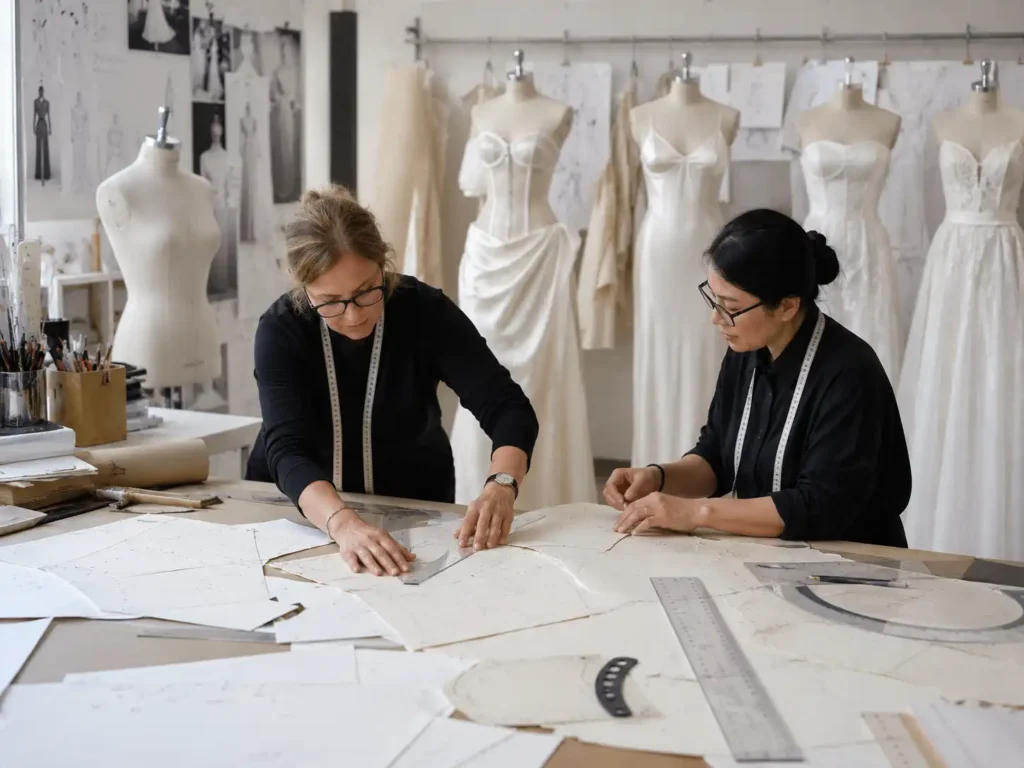
A reliable program depends on clear responsibility across pattern work, sampling, merchandising, production, QC, finishing, packing, and delivery. Jinfeng Apparel operates a structured team rather than a single sales-to-factory handoff.

Pattern Team

Seven plus senior pattern makers support structure review, base-pattern development, fit correction, grade preparation, and production handover. Ponte work focuses on fabric extension, body ease, bust-waist-hip balance, neckline, armhole, sleeve, slit, zipper position, and hem balance.

Sample Rooms

Two sample rooms organize first, fit, revised, photo-ready, PP, and Golden samples according to project priority. Sample status, fabric direction, pattern version, fit comments, and approval requirements are tracked so different versions are not confused.

Sample Machinists

Twenty plus sample machinists support varied women’s fashion construction. For Ponte, the team validates seam handling, zipper flatness, neckline stability, hem finish, label placement, and pressing before production standards are released.

Merchandising Team

Twelve plus merchandisers and order follow-up specialists coordinate requirements, fabric and trim status, sample comments, costing inputs, approvals, bulk updates, packaging, inspection, and shipment preparation. Multi-style programs receive a shared timeline and style-status structure.
3.-Inline-QC-During-Sewing(车缝过程质检)

QC Inspectors

Fifteen plus QC inspectors support incoming material checks, cutting QC, sewing inspection, in-line measurement, final garment inspection, pressing review, and packing QC. Inspection priorities are adjusted to the style, fabric, market, and agreed quality manual.

Finishing and Packing

Thirty plus finishing and packing workers support thread cleaning, pressing, garment presentation, labels, hangtags, barcodes, polybags, carton packing, and shipment preparation. Ponte packing considers garment weight, fold placement, pressure marks, carton load, and warehouse requirements.

MOQ Quotation and Production Planning for Ponte Dresses

A useful quotation depends on complete product information. Quantity alone cannot define price or timing because fabric, fit complexity, trims, colors, sizes, labels, testing, packing, and delivery terms all affect the production plan.

MOQ Planning

MOQ starts from 200 pcs per style/color. MOQ is calculated by style and color, not by combining unrelated designs into one total. One style in two colors generally requires the standard quantity for each color. Special Ponte fabrics, custom dyeing, custom trims, printed packaging, and certain labels can carry separate supplier MOQ. Multi-style programs should therefore plan core colors, style priority, and material grouping before finalizing the assortment.

Quotation Inputs

Accurate costing requires the tech pack or reference, quantity per style/color, size range and ratio, fabric composition or target hand feel, garment construction, trims, labels, packaging, testing needs, delivery destination, and trade term. Cost includes fabric, trims, pattern work, sampling, cutting, sewing time, pressing, QC, packing, wastage, logistics scope, testing, and reasonable manufacturing margin. Jinfeng Apparel can review fabric substitution, construction simplification, color consolidation, and packaging tiers without weakening the intended brand-level appearance.

Timeline Planning

A project schedule is built from fabric sourcing, sample type, revision rounds, PP approval, material booking, factory allocation, cutting, sewing, in-line QC, final inspection, packing, and shipment preparation. Planning references often place a first Ponte sample around 7-12 working days after inputs are confirmed and bulk production around 25-40 working days after PP approval and material readiness. Final timing changes with 10-30 style programs, 20,000-80,000 piece order structures, dyeing, trims, packing, peak-season load, and inspection requirements.

Private Label Ponte Dresses Ready for Retail Delivery
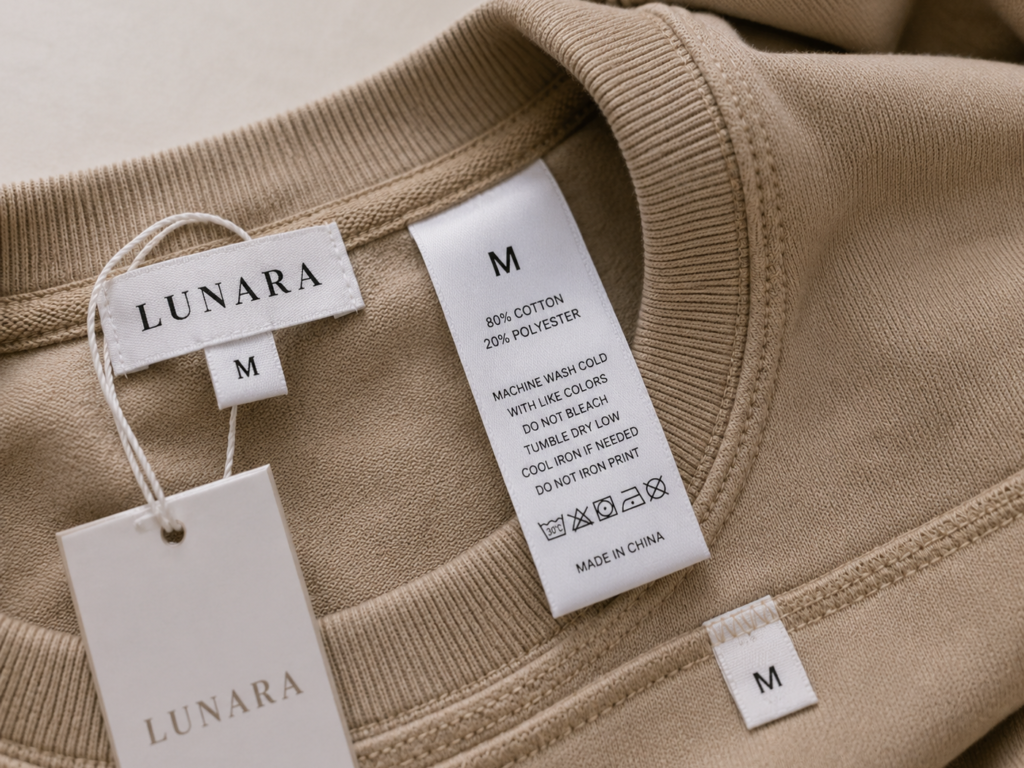
Private-label production includes garment identification, care information, SKU control, packing, carton data, and warehouse requirements. Brand components are managed with the garment specification rather than added after production is complete.

Woven Labels

Main labels are reviewed for artwork, size, material, fold, color, placement, and comfort. The label should suit the neckline or side-seam construction without showing through or distorting the Ponte. Custom labels may carry supplier MOQ and development time.

Size Labels

Size labels must match the approved size range, garment bundle, polybag marking, barcode, and carton breakdown. Placement and attachment are checked for comfort and consistency. Multi-market programs can require different size expressions or label formats.

Care Labels

Care labels should reflect confirmed fiber content, care direction, country requirements, brand information, and language needs. Composition and care wording are based on approved material information. Final compliance is confirmed with the brand or appointed compliance professional.

Hangtags

Hangtag artwork, paper, finish, string, attachment point, and information are reviewed before production. Heavy tags can pull or mark a fitted dress if placed poorly. Tag position should protect the garment surface and support retail presentation.

Barcode and SKU

Barcode stickers, SKU labels, color codes, size codes, and warehouse references must match the packing list and carton breakdown. Data is checked before application to reduce receiving errors, mis-picks, and relabeling after arrival.

Polybags and Cartons

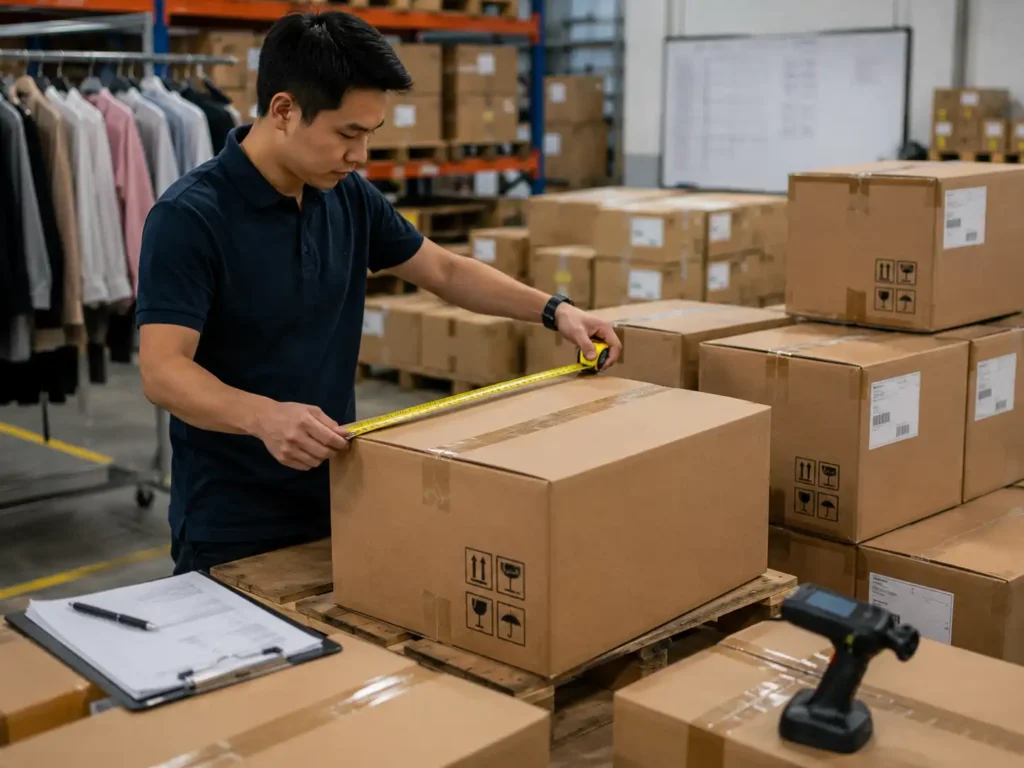
Polybag size, warnings, ventilation, fold method, tissue, pieces per carton, carton dimensions, carton marks, and warehouse labels are confirmed by project. Ponte weight and pressure sensitivity influence packing density. Carton data supports freight planning and warehouse receiving.

Client Standards Inspections and Design Protection

Established brands often bring their own quality manuals, inspection rules, packaging guides, and confidentiality requirements. Jinfeng Apparel can integrate project standards into development, production, and delivery after the scope is reviewed.

Client Quality Standards

Brands can provide measurement tolerance, defect classification, appearance standards, fabric testing requirements, label rules, packing guides, carton standards, and warehouse instructions. Jinfeng Apparel translates approved requirements into sample comments, production notes, QC checklists, and packing controls. Requirements should be shared before quotation and PP approval because they may affect material selection, testing, workmanship, inspection time, and cost.

Inspection Support

Internal QC covers material, cutting, sewing, measurements, final garments, pressing, and packing. Brand representatives or third-party inspection companies can be supported by project. Inspection level, sample size, booking date, report format, and reinspection conditions should be confirmed in advance. Testing and certification availability depend on the fabric supplier, batch, color, order quantity, certificate scope, and latest documentation.

NDA and Brand Protection

NDA-based cooperation can protect brand names, tech packs, line sheets, original samples, patterns, measurements, fabric directions, trims, labels, packaging, barcodes, quantities, prices, and unpublished designs. Images used for production proof or case studies should be anonymized unless written authorization permits disclosure. Files are used for project evaluation, development, production, QC, packing, and delivery coordination.

Delivery and Repeat-Order Support for Ponte Collections

Delivery planning connects garment readiness, carton data, documents, freight mode, launch timing, and warehouse instructions. Repeat orders use retained records, while new material lots and colors still require controlled reconfirmation.

Shipment Planning Follows Launch and Inventory Priorities

amples usually move by express courier with tracking. Bulk orders can be coordinated through air freight, sea freight, EXW, FOB, CIF, DAP, DDP by project, a client-nominated forwarder, or a factory-recommended forwarder. The selected route depends on destination, quantity, carton volume, launch date, cost target, customs arrangement, and warehouse requirement.

Time-sensitive programs can evaluate air-and-sea split delivery, priority style groups, color groups, or first-batch and replenishment structures. Every split needs clear carton marks, independent packing data, quantity breakdown, and documents. A split shipment is valuable only when it supports the launch plan without creating warehouse confusion.

Repeat Orders Begin from Retained Production Records

Repeat-order support includes retained pattern files, measurement charts, fabric references, trim details, sewing notes, label placement, packing instructions, carton data, QC notes, and order history. Records reduce repeated explanation and protect approved construction across seasons.

Repeat does not mean automatic production without review. A new dye lot can change shade; a new material batch can change GSM or recovery; a new color can behave differently in pressing; updated care labels or barcodes can affect packing. Jinfeng Apparel reconfirms changes before production rather than assuming every input remains identical.

Multi-Batch Delivery Supports Collection Rhythm

Large programs may separate delivery by launch priority, region, warehouse, style group, color group, size ratio, or freight method. Production and packing plans are built around each batch so quantities and documents remain traceable.

A typical brand program containing 10-30 styles and 20,000-80,000 total pieces may use one main sea shipment, an earlier air shipment for campaign or launch quantities, and later replenishment for core colors. Final structure depends on approved production output, commercial priorities, freight cost, and warehouse capacity.
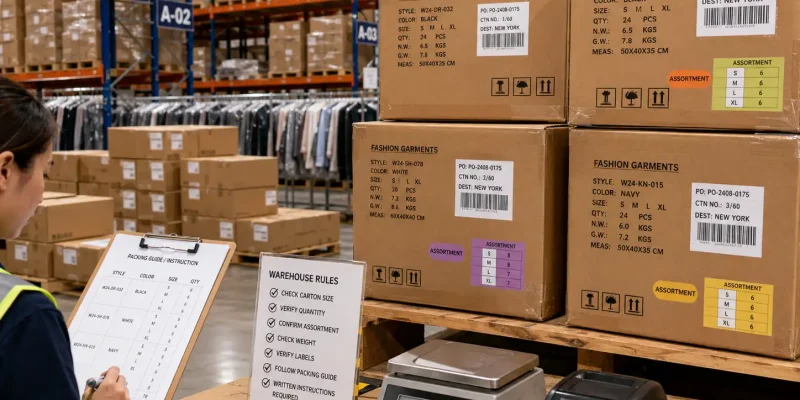
Carton and Warehouse Rules

Ponte Dress Programs Developed for Global Fashion Brands

The following anonymized project profiles reflect realistic order structures for established fashion programs. Brand identity, proprietary designs, technical files, and commercial terms remain protected.

United States Premium Ecommerce Ponte Midi Program

Market: United States

Program: 18 Ponte dress styles across fitted midi, long-sleeve bodycon, square-neck sheath, and office-to-evening silhouettes.

Order structure: 42,600 pieces across core black, navy, chocolate, burgundy, and two seasonal shades. Each style/color followed the standard MOQ structure, with larger volume concentrated in four hero styles.

Development challenge: The original fabric direction delivered strong compression but created visible zipper bulging and restricted sitting comfort in the midi bodycon styles. Softer options improved comfort but relaxed around the waist and hip after wear.

Manufacturing response: Jinfeng Apparel reviewed several Ponte directions between approximately 300 and 360 gsm, then selected separate fabric groups for sculpting and office silhouettes. Pattern corrections adjusted negative ease, center-back shaping, zipper seam balance, slit opening, and bicep measurements. First, fit, revised, photo-ready, and PP samples were tracked by style priority.

Quality focus: Stretch recovery, bust-waist-hip measurements, zipper flatness, side-seam position, neckline stability, pressing shine, barcode accuracy, and polybag size.

Delivery structure: Launch-priority units moved by air, while the main order moved by sea under the brand’s nominated logistics arrangement. Pattern, material, label, and packing records were retained for replenishment.

United Kingdom Office-to-Evening Ponte Collection

Market: United Kingdom

Program: 12 styles including pencil dresses, wrap midis, structured shifts, asymmetric-neck designs, and long-sleeve sheath dresses.

Order structure: 28,800 pieces in four core colors and two limited seasonal colors. The assortment used two approved Ponte families to control variety without creating unnecessary material fragmentation.

Development challenge: The brand required clean office coverage, comfortable eight-hour wear, and enough visual distinction for evening styling. Early wrap samples showed neckline opening during movement, while a structured shift felt restrictive across the upper arm in larger sizes.

Manufacturing response: Neckline overlap, internal support, waist tie position, armhole depth, bicep, sleeve pitch, and slit length were revised. A selected extended-size fitting was added before PP approval. Color approvals used physical standards and controlled light comparison. Private-label work included woven labels, care labels, hangtags, barcodes, size stickers, and warehouse carton marks.

Quality focus: Neckline recovery, sleeve mobility, grade consistency, slit security, side-seam twisting, dark-color pressing, label placement, and carton breakdown.

Delivery result: Styles were released in two production groups according to launch dates and approval status. Main-volume colors entered first, followed by limited colors after material confirmation.

Australia Structured Knit and Bodycon Program

Market: Australia

Program: 26 styles combining sleeveless bodycon dresses, midi pencil shapes, ruched designs, panelled office dresses, and related Ponte tops and skirts.

Order structure: 67,200 pieces across a six-month launch calendar. Volume was distributed by hero style, color depth, size ratio, and expected repeat potential.

Development challenge: The collection needed strong shape retention in fitted styles while remaining suitable for warm transitional weather. Heavy Ponte improved smoothing but increased garment weight and seam bulk. Lighter options risked transparency and weaker recovery in pale colors.

Manufacturing response: Jinfeng Apparel divided the collection into medium-weight and structured fabric groups, adjusted lining only where opacity or interior finish required it, and simplified selected waist intersections to reduce bulk. Ruched styles received controlled gather ratios and elastic specifications. Sample priority followed campaign, launch, and repeat-potential categories.

Quality focus: GSM consistency, pale-color opacity, recovery after movement, ruched symmetry, hem wave, waist-seam thickness, size grading, hangtag attachment, and packing pressure.

Delivery structure: Production used multiple approved units under a shared QC standard. A first delivery supported launch and photography stock, followed by the main sea shipment and planned replenishment for proven colors.

How to Evaluate a Ponte Dress Manufacturer

A capable supplier should demonstrate material knowledge, fit development, sample discipline, production transfer, QC evidence, and organized brand delivery. Price alone does not reveal whether a Ponte program will remain stable after scaling.

Ponte Fabric Experience

Ask which Ponte blends, weights, and silhouettes the supplier has handled. A credible answer should cover stretch direction, recovery, opacity, weight, shrinkage, surface, color, and fit impact rather than repeating “high quality fabric.” Request swatches and anonymized garment evidence where available.

Pattern and Fit Team

Confirm who develops patterns, records revisions, handles grading, and reviews fitted knit measurements. Ask how negative ease is selected and how bust, waist, hip, neckline, armhole, sleeve, slit, and hem are assessed. A supplier relying only on the sewing line may struggle with corrections.

Sample Process

Check whether first, fit, revised, photo-ready, PP, and Golden samples are distinguished. Ask what becomes locked at PP approval and how late changes are handled. A clear sample sequence reduces confusion between appearance approval and production approval.

Bulk QC Evidence

Request the proposed inspection flow for incoming fabric, cutting, sewing, in-line measurement, final garments, pressing, and packing. Ponte-specific checks should include weight direction, recovery, twisting, neckline shape, zipper flatness, measurements, hem wave, shade, and pressure marks.

Private Label Control

Confirm whether labels, care information, hangtags, barcodes, SKU stickers, polybags, carton marks, and warehouse labels are integrated into the production plan. Ask how artwork versions and packing data are checked before application.

Capacity and Delivery

Review owned production resources, partner allocation, monthly capacity, line availability, multi-style planning, peak-season schedule, inspection windows, and logistics support. Strong suppliers explain conditions and constraints instead of promising unlimited capacity or the fastest possible delivery.

Frequently Asked Questions About Ponte Dress Manufacturing
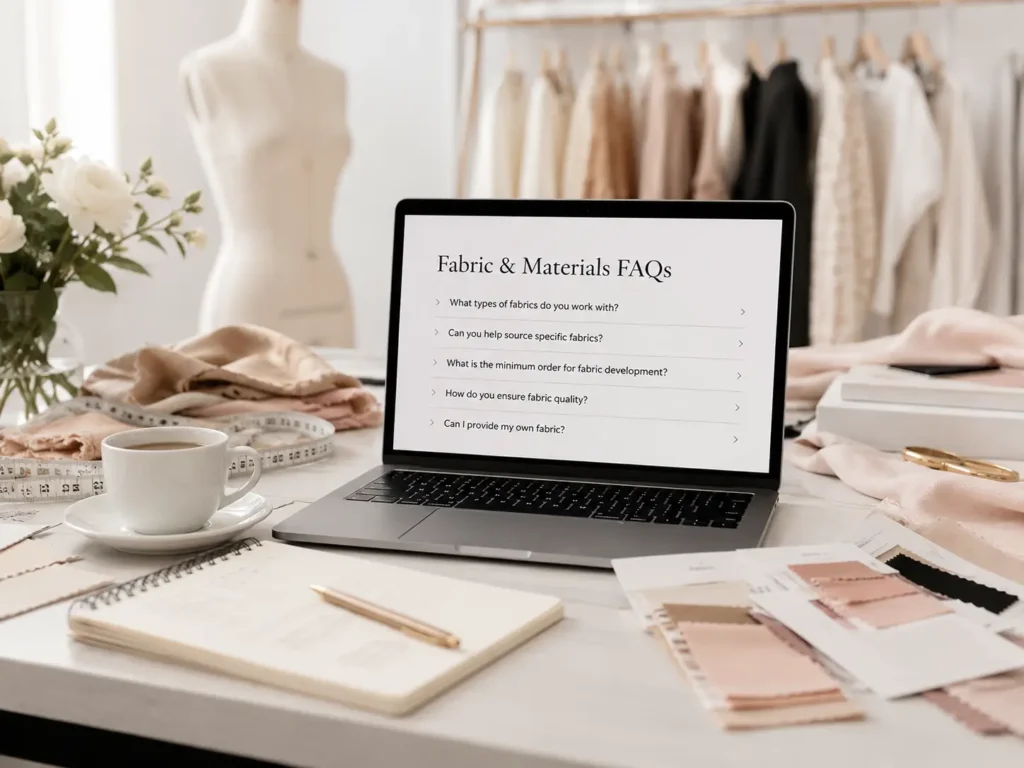
Ponte, also called Ponte Roma, is a structured double-knit fabric commonly made from polyester, rayon or viscose, nylon, and spandex blends. It usually offers low transparency, medium drape, medium-to-high stretch, and more body than lightweight jersey.
Ponte commonly ranges around 250-420 gsm. Suitable weight depends on silhouette, season, opacity, stretch, lining, seam construction, and desired structure. Final selection should use a swatch and garment sample rather than GSM alone.
Jinfeng Apparel supports bodycon, midi, sheath, office, pencil, fit-and-flare, shift, wrap, long-sleeve, panelled, ruched, and related structured knit dress directions based on project review.
MOQ starts from 200 pcs per style/color. Special fabrics, custom colors, trims, labels, and packaging can carry separate supplier MOQ. Quantity is reviewed by style and color rather than combined across unrelated designs.
Yes. Reference images, sketches, line sheets, original samples, and tech packs can be reviewed. Images may not show measurements or internal construction, so fabric, pattern, structure, trims, and fit direction must be confirmed during development.
A Ponte first sample is often planned around 7-12 working days after technical inputs and material direction are confirmed. Revised samples may require around 5-8 working days. Final timing depends on complexity, fabric, trims, and sample-room load.
Control includes size-chart review, measurement-point confirmation, pattern version, grade rules, fabric stretch, fit samples, PP approval, in-line measurement, final measurement, tolerance, and selected extended-size review when required.
No. Ponte usually has low transparency and often works without full lining. Lining may be added for pale colors, interior finish, comfort, support, or design reasons. Its stretch must suit the outer fabric.
Yes. Support can include woven labels, size labels, care labels, hangtags, barcode stickers, SKU labels, polybags, carton marks, and warehouse labels. Custom materials may have separate MOQ and lead time.
Yes. Internal QC covers material through packing, and brand or third-party inspections can be supported by project. NDA-based cooperation protects tech packs, patterns, samples, unpublished designs, labels, packaging, quantities, and commercial information.

Start Your Ponte Dress Development with Jinfeng Apparel

Send your Ponte dress concept, tech pack, original sample photos, line sheet, or reference images for an initial manufacturing review. The development team will evaluate silhouette, fabric direction, pattern complexity, stretch and recovery requirements, trims, MOQ fit, sample route, production risk, private-label needs, and the information required for quotation.
For a faster review, include:

  • Product type and front/back references
  • Tech pack, size chart, or original sample measurements
  • Target quantity per style/color
  • Planned color range and size ratio
  • Preferred Ponte composition, weight, hand feel, or swatch
  • Required lining, zipper, elastic, or internal structure
  • Woven label, care label, hangtag, barcode, and packing needs
  • Target sample date, launch date, and delivery window
  • Destination country, warehouse requirement, and preferred trade term

Tell Us About Your Dress Project

Share your product details, estimated quantity and development requirements. Our team will review your project and provide practical OEM/ODM production feedback.

Premium Women’s Apparel Production for Fashion Brands

From dress sample development to bulk production, JF Apparel supports fashion brands with confidential OEM/ODM manufacturing, reliable quality control and scalable production support.

START YOUR DRESS PROJECT

Ready to Develop Your Next Dress Collection?

Share your design concept, product requirements or sourcing plans with our team. We’ll review your project and provide practical feedback on development, materials, MOQ and production.

7-10 Days

Sample Development

200 PCS

Starting MOQ

Fast Response

Professional Follow-Up