Skip to content
Metallic Fabric Dress Manufacturer
Metallic dress development for fashion brands requiring controlled shine, engineered fit, stable bulk production and retail-ready private-label delivery.
- Develop metallic mini, bodycon, corset, slip, party, cocktail and evening dresses from reference images, original samples, sketches or complete tech packs.
- Evaluate foil-coated stretch fabric, metallic jersey, lamé, lurex knit, metallic satin, mesh, jacquard and sequin-backed materials before pattern and sample work begins.
- Support programs from 200 pieces per style/color, subject to metallic fabric availability, custom color requirements, trims, construction complexity and production scheduling.
- Back development with 2 sample rooms, 7+ senior pattern makers, 20+ sample machinists, 6 owned women’s fashion factories and 10+ long-term production partners.
Manufacturing Capacity Behind Metallic Dress Programs
Since 2008
6 Owned Factories
10+ Production Partners
2 Sample Rooms
7+ Pattern Makers
15+ QC Inspectors
Built for Brands Selling High-Impact Fashion Dresses
Partywear Brands
Occasionwear Labels
Clubwear Collections
Festival Fashion
Premium Ecommerce
Sourcing Teams
Why Metallic Dress Concepts Fail in Bulk Production
Uneven Shine
Surface Cracking
Needle Damage
Batch Variation
Fit Distortion
Skin Discomfort
Pressing Damage
Packing Marks
From Metallic Dress Concept to Retail-Ready Production
Design Review
Fabric Direction
Pattern Build
First Sample
Fit Revision
PP Approval
Bulk Production
Final Delivery
Metallic Dress Styles Developed for Fashion Brands

Metallic Mini Dress
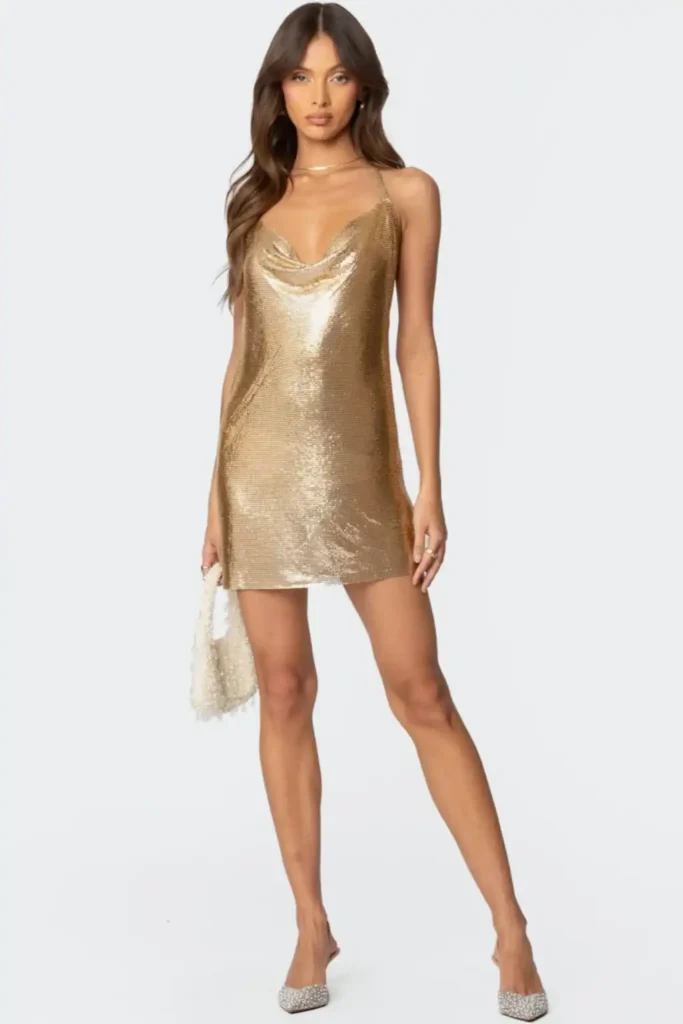
Metallic Bodycon Dress
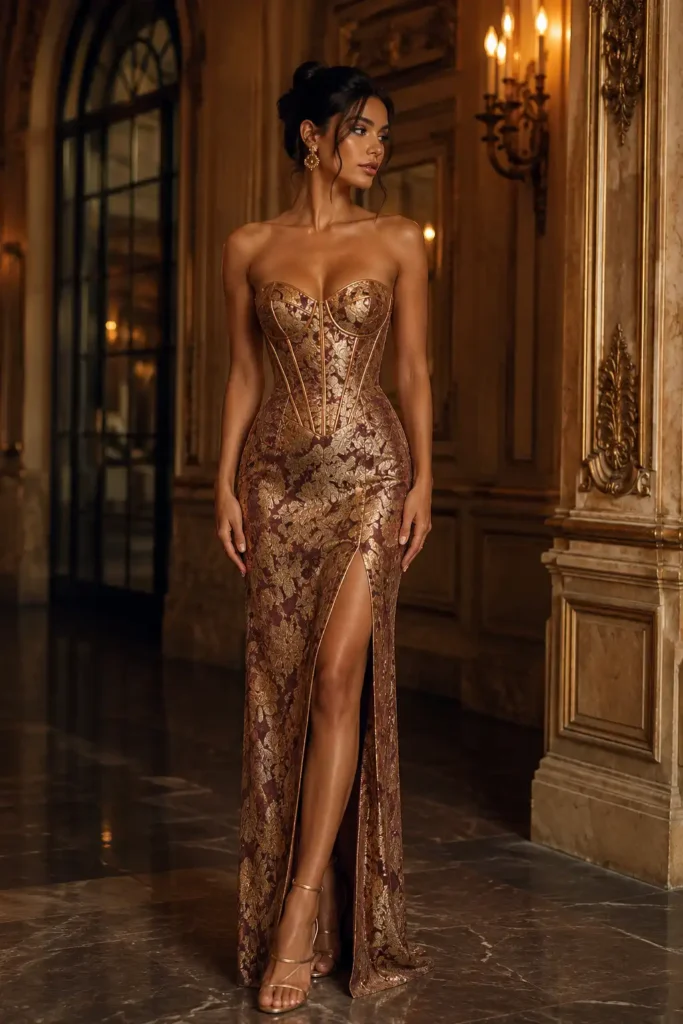
Metallic Corset Dress

Metallic Slip Dress
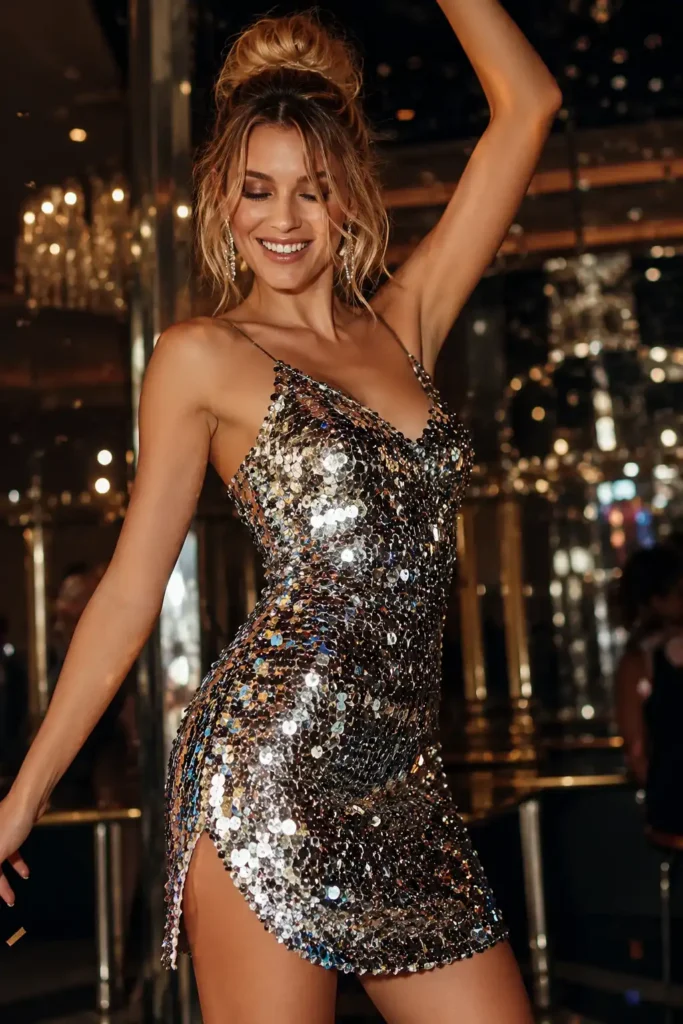
Metallic Party Dress

Metallic Cocktail Dress
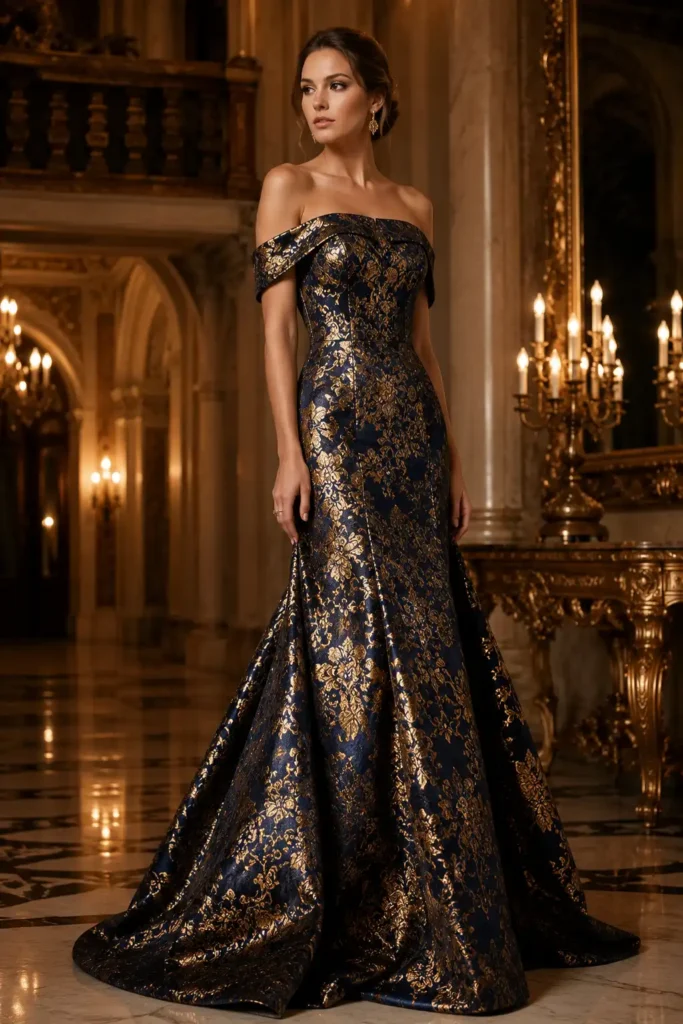
Metallic Evening Dress

Metallic Prom Dress

Metallic Strapless Dress
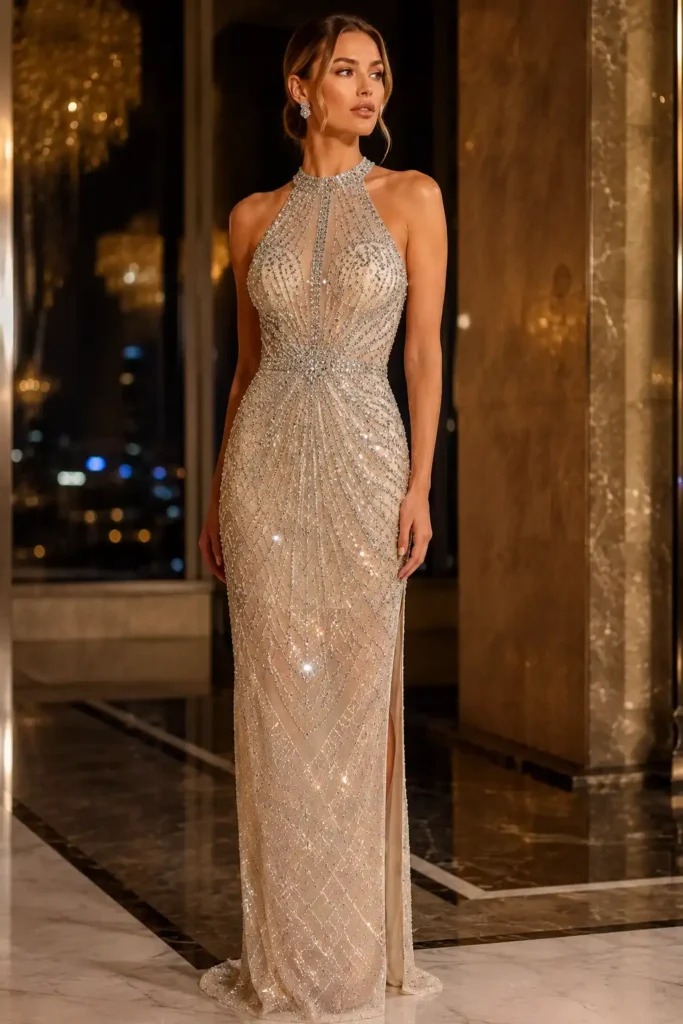
Metallic One-Shoulder
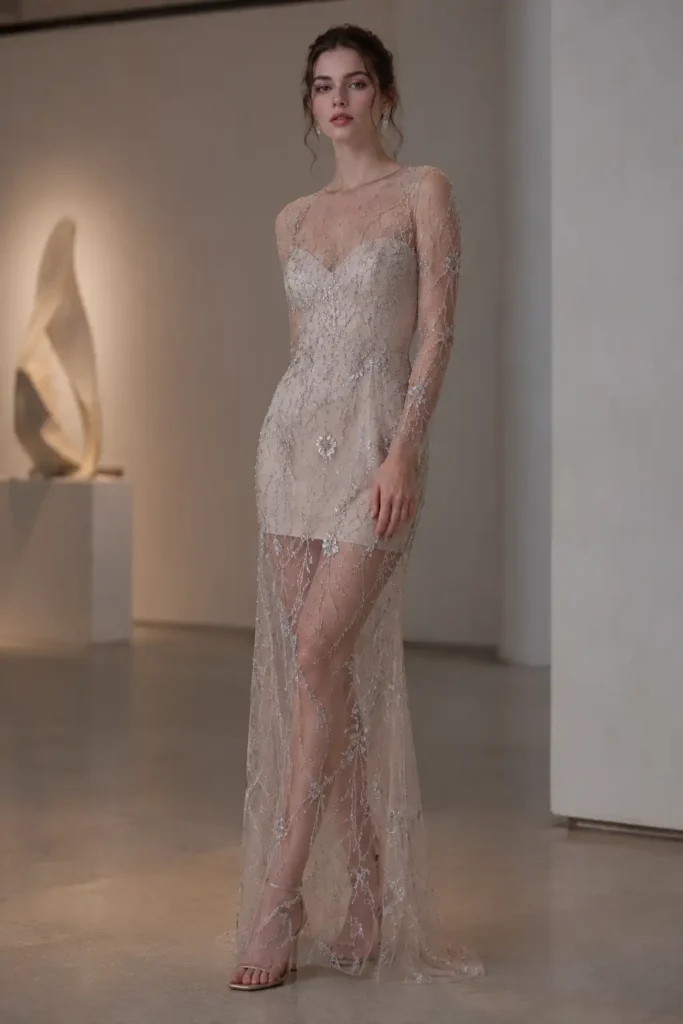
Metallic Mesh Dress
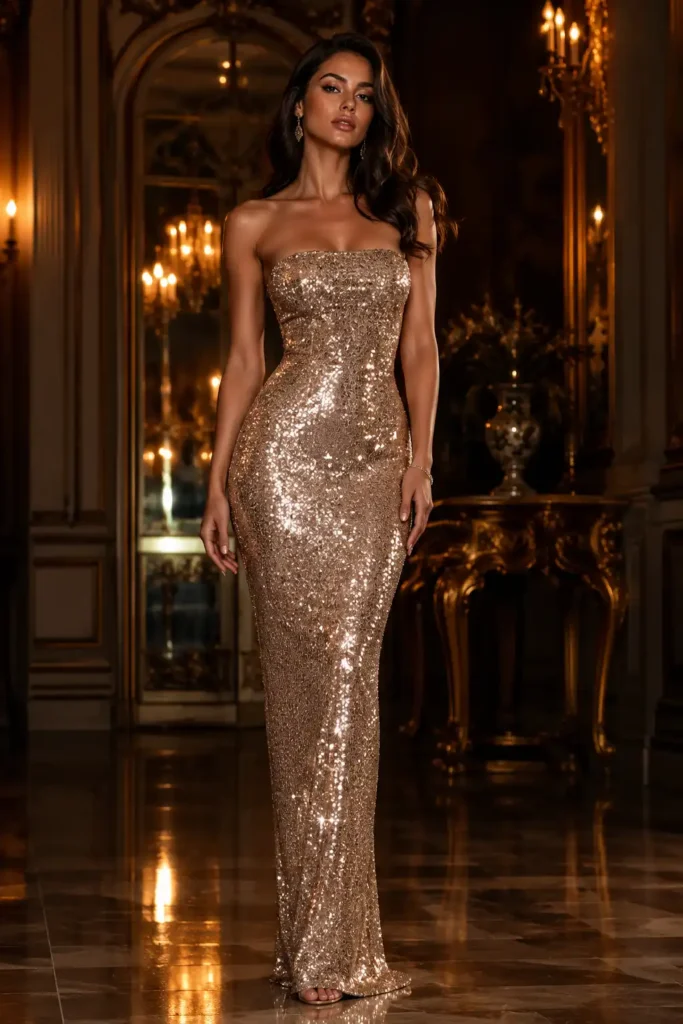
Metallic Sequin Dress
Metallic Fabric Options for Different Dress Effects

Metallic Jersey
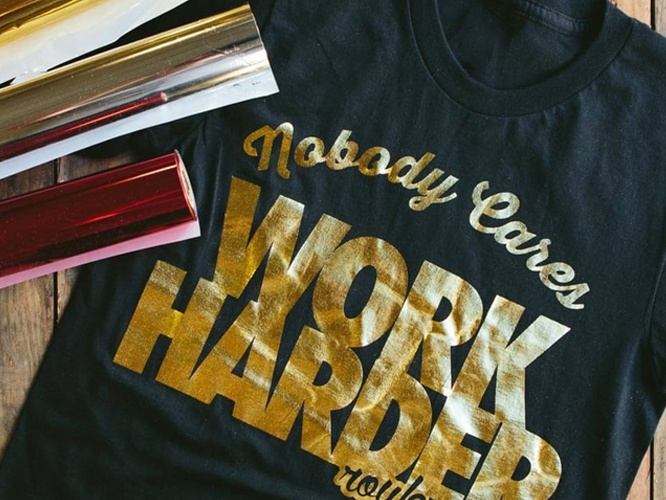
Foil-Coated Stretch
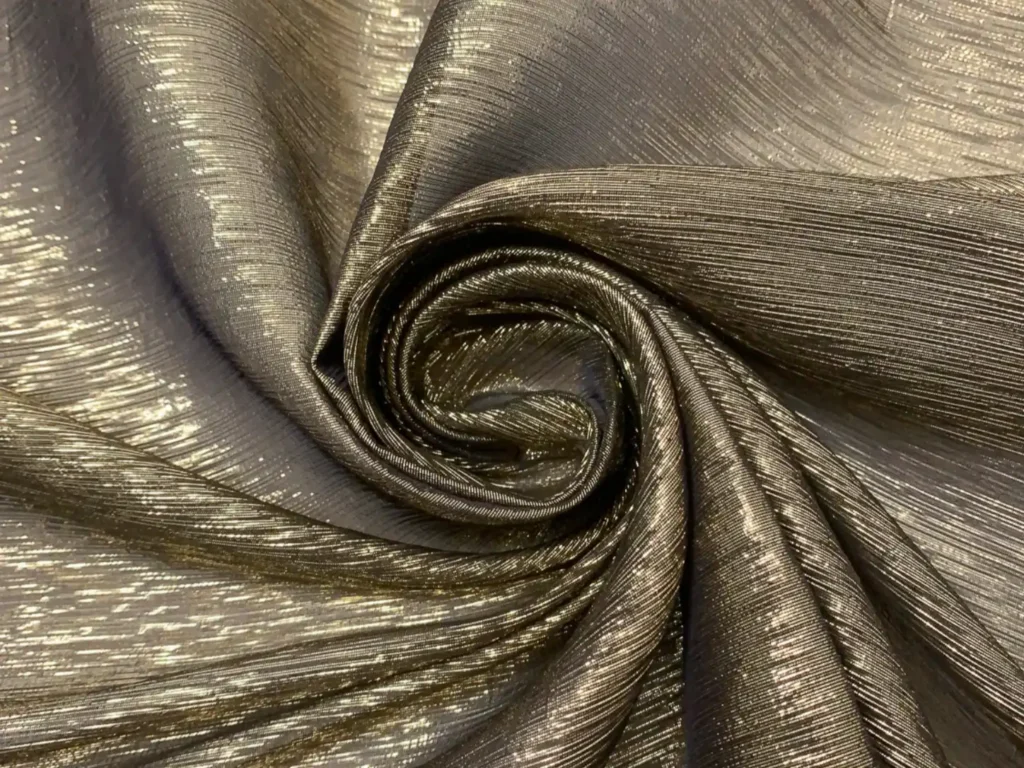
Lamé Fabric
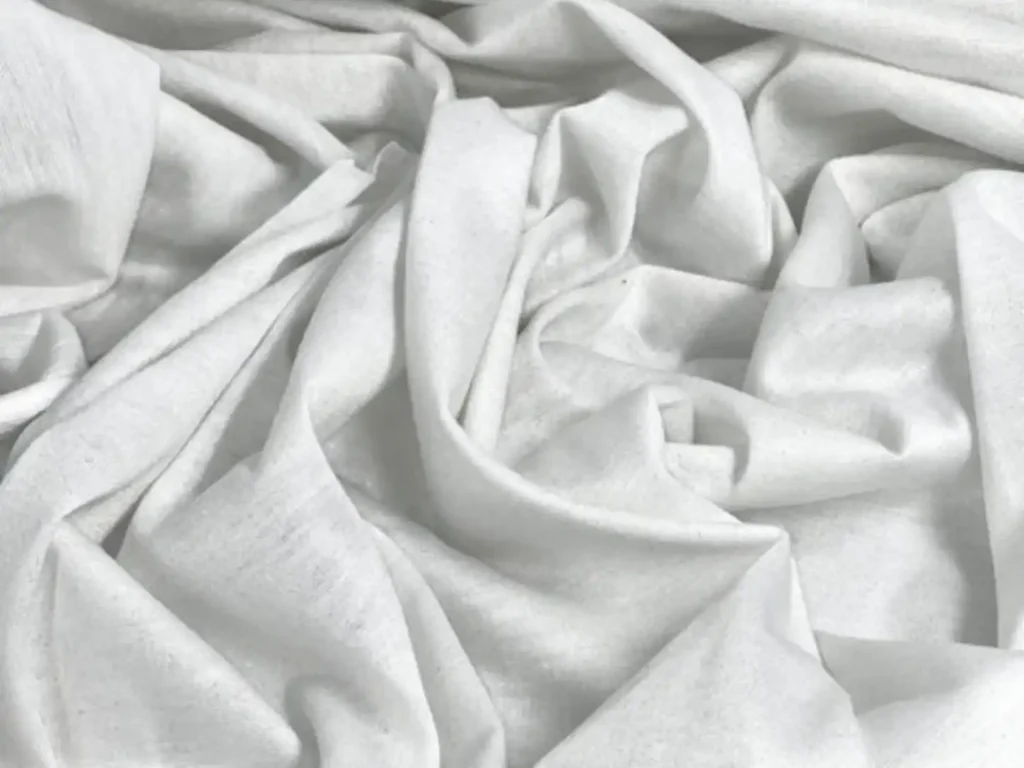
Lurex Knit

Metallic Satin

Metallic Mesh
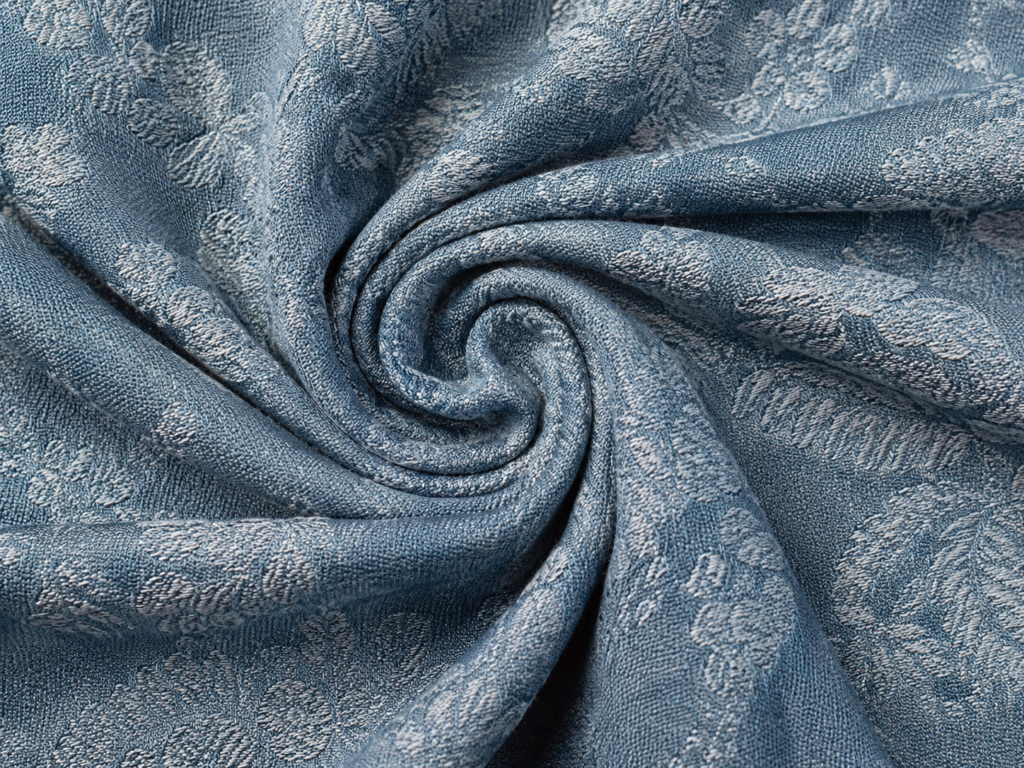
Metallic Jacquard
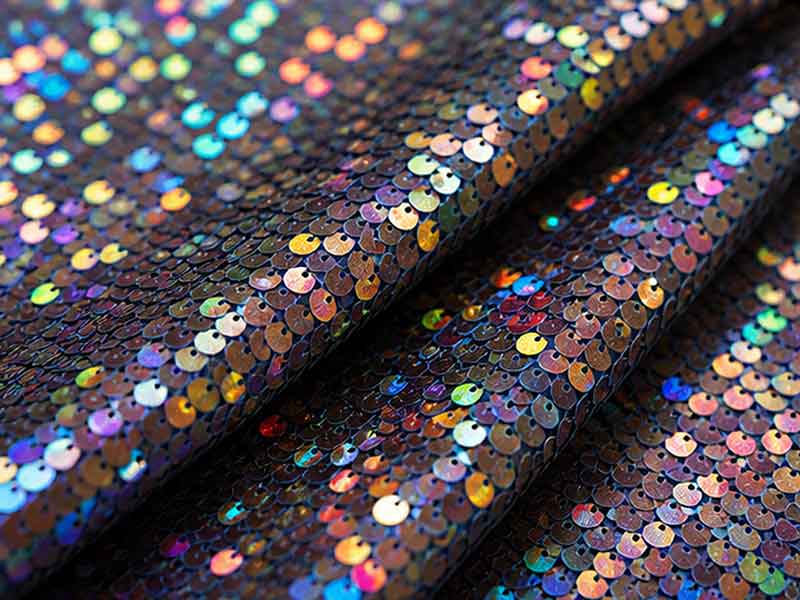
Holographic Fabric
Choose the Right Metallic Fabric for Your Design
Material selection should follow silhouette, stretch demand, comfort, lighting, target price and care expectations. Similar silver or gold surfaces may require very different patterns and production controls.
Fabric Type | Stretch | Drape | Opacity | Main Surface Risk | Best Dress Uses |
Metallic jersey | Medium to high | Soft to body-skimming | Usually medium | Whitening, coating stress, seam growth | Bodycon, ruched, mini, cut-out |
Foil-coated stretch | Medium to high | Close, fluid or firm by base | Usually medium | Cracking, peeling, pressure marks | Chrome mini, liquid-look, clubwear |
Lamé woven | Low | Crisp to fluid | Low to medium | Fraying, seam slippage, heat sensitivity | Slip, draped, cocktail, statement |
Lurex knit | Medium | Soft and flexible | Low to medium | Snagging, yarn roughness, recovery | Party, knit mini, relaxed shimmer |
Metallic satin | Low to slight | Fluid with directional shine | Medium | Snags, press marks, fold lines | Slip, cocktail, evening, occasion |
Metallic mesh | Medium or low by base | Light and layered | Low | Holes, edge damage, transparency shift | Overlay, cut-out, festival, bodycon |
Metallic jacquard | Low | Structured | Medium to high | Motif mismatch, fraying, seam bulk | Cocktail, mini, occasion, sculptural |
Sequin-backed fabric | Low to medium | Weighted | Medium to high | Sequin loss, snagging, seam bulk | Party, prom, evening, statement |
Control Metallic Color, Shine and Surface Direction

Gold
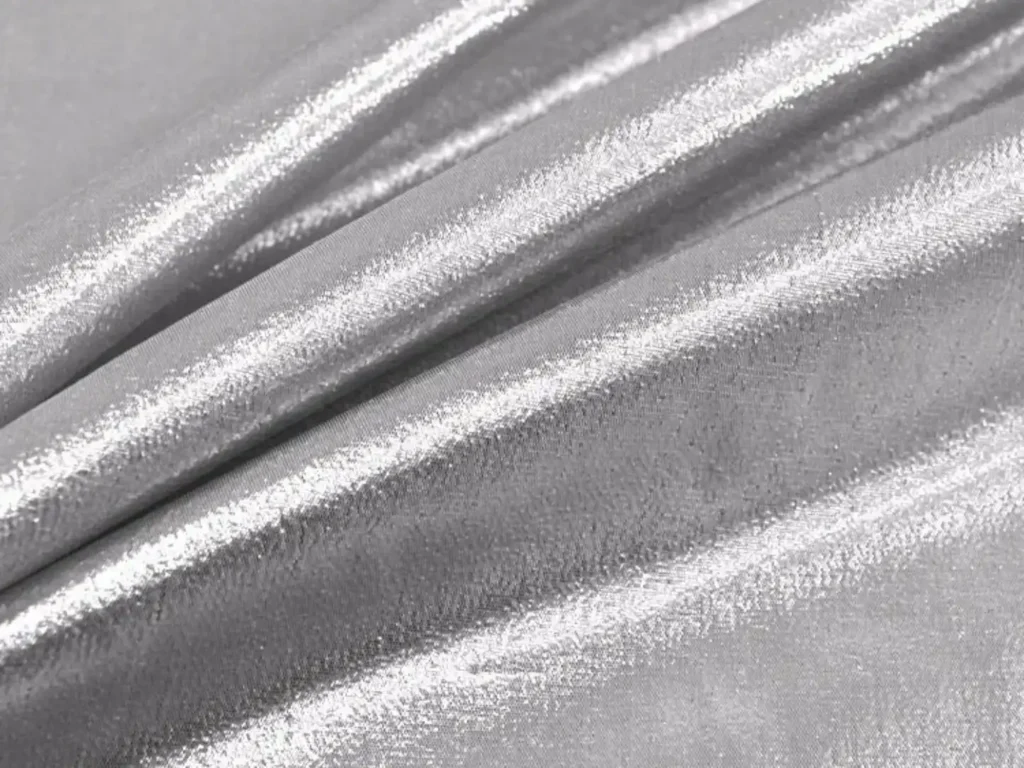
Silver
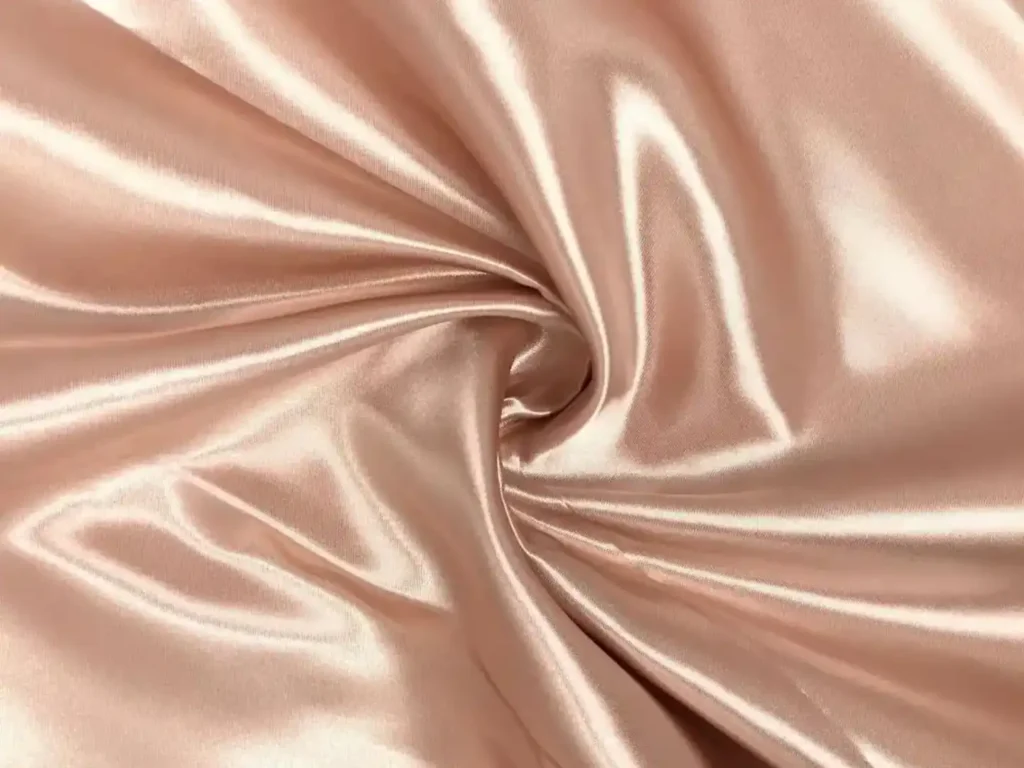
Rose Gold
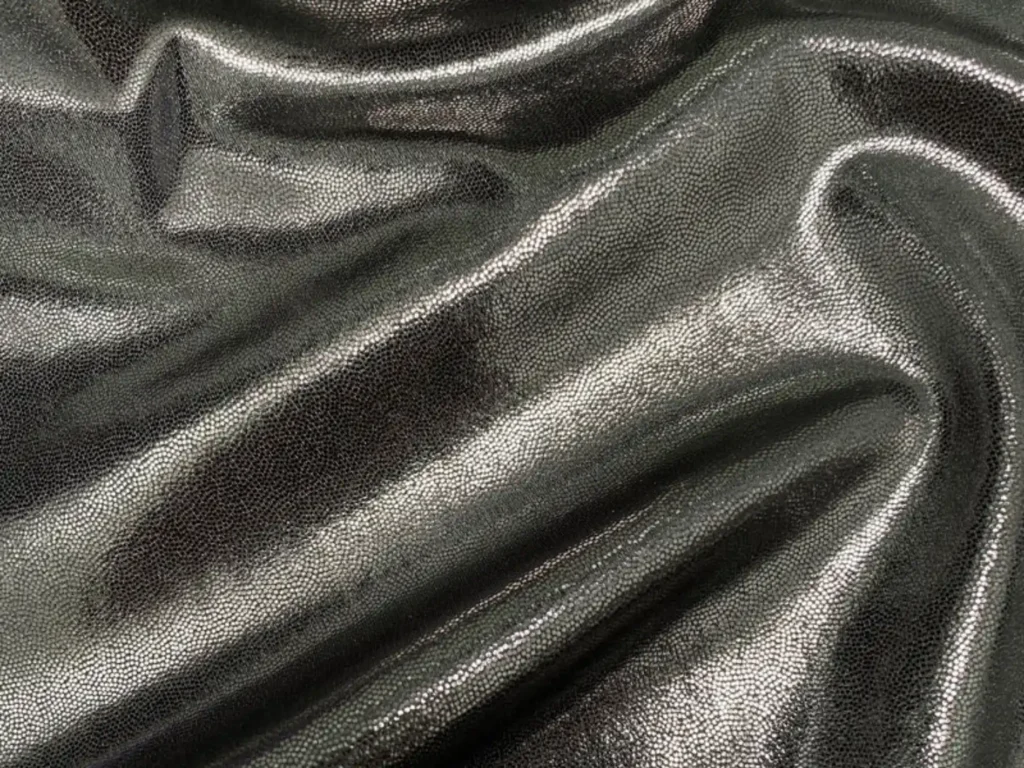
Gunmetal
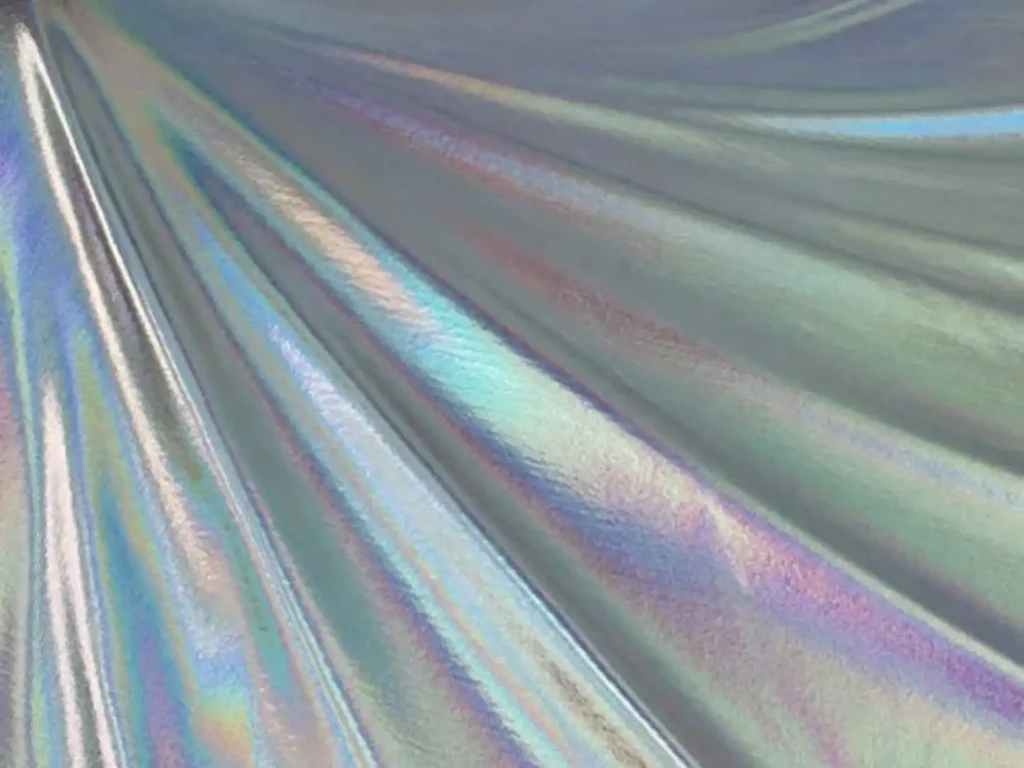
Iridescent
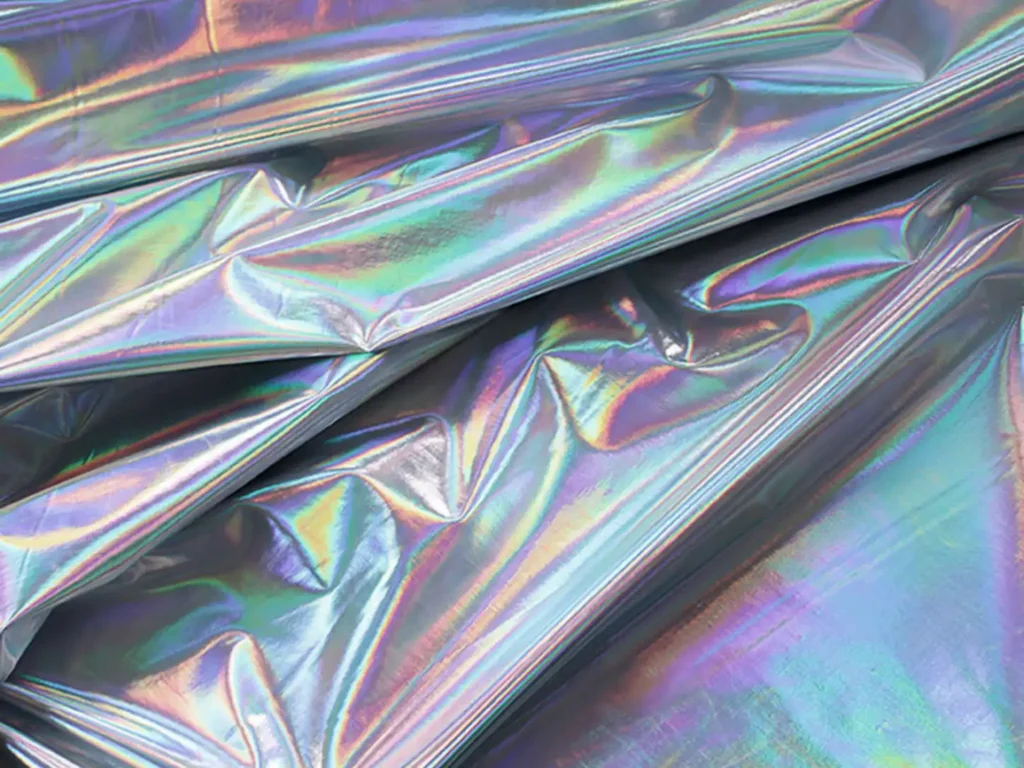
Holographic
Pattern Engineering for Fit-Sensitive Metallic Dresses
Metallic surfaces make fit errors more visible. Pattern work follows the actual production fabric, support structure and wearing movement rather than transferring an ordinary dress block without material testing.
Bodycon Proportion and Recovery
- Bust, waist and hip measurements are balanced against tested stretch and recovery. Excessive negative ease can create coating cracks, white stress lines, tight hems and side-seam rotation.
- Length is checked while standing, walking and sitting because high recovery fabrics may climb upward. Ruching, lining and zipper construction can further restrict movement.
- Size grading keeps the intended silhouette without applying one percentage to every body area. Upper bust, full bust, waist, high hip and full hip require separate control.
Corset Support and Surface Control
- Cup shape, underbust, waist shaping, boning and closure are developed as one internal system. Metallic outer fabrics may need stabilization so the support structure does not telegraph through the surface.
- Boning channels, seam allowance and lining must avoid bulky ridges. Anti-slip tape and upper-bust tension are checked during fitting, especially for strapless or low-back styles.
- Pattern corrections are transferred into revised cups, panels and measurement files before PP approval. Visual symmetry is checked under direct light because reflective surfaces reveal small differences.
Slip Dress Balance
- Bias or fluid metallic fabrics may grow after hanging. Jinfeng reviews side-seam fall, neckline shape, strap length, bust coverage and hem balance after the sample settles.
- Lining cannot restrict the outer layer or create a second visible hem line. Lining length, stretch and attachment points are developed with the outer fabric.
- Seam allowance, zipper insertion and pressing must remain clean because a simple slip silhouette has few design elements to hide construction marks.
Strapless and One-Shoulder Stability
- Strapless patterns control upper bust, underbust, waist, back height and internal grip. One-shoulder styles add asymmetric tension across neckline, armhole and side seam.
- Metallic stretch may recover differently along length and width. Pattern direction and support placement prevent twisting, neckline gaping or downward movement.
- Fit comments are recorded by measurement point and visual observation, then reflected in revised patterns and PP sample instructions.
Mini Length and Slit Safety
- Mini and high-slit dresses are checked for standing length, sitting coverage, hem opening and movement. Lining can be shorter than the shell, but the difference must protect coverage without becoming visible.
- Slit height is measured from a stable reference point. Stretch, hem weight and seam strain can change the apparent height during wear.
- Bulk QC uses approved measurement points rather than visual judgment alone, especially across graded sizes.
Long Dress and Hem Control
- Maxi and evening metallic dresses require front length, back length, side balance, train shape and hem opening control. Heavy sequins or metallic yarns can pull the garment downward.
- Hem leveling follows the final fabric, lining and support structure. Bias sections may need resting before final correction.
- Packing folds are considered during pattern and construction review because long metallic surfaces can retain pressure marks during transport.
Lining and Comfort Engineering Behind Metallic Dresses
A strong metallic surface cannot compensate for poor wearability. Lining, seam placement, backing and support materials protect skin, control transparency and preserve movement.
Skin-Contact Zones
Metallic yarn, sequin backs and rough coatings are reviewed at underarm, neckline, waist, hip, thigh and zipper areas. Raw edges should not remain against the skin where repeated movement can cause irritation.
Soft binding, partial lining, backing fabric or adjusted seam placement may solve contact problems without adding unnecessary bulk. The selected method must remain hidden from the outer metallic surface.
Opacity and Coverage
Mesh, thin lamé and stretched foil fabrics may become transparent under light or body tension. Lining color, length and layer count are selected after testing the fabric on the body form and under strong light.
Coverage decisions include bust, underbust, hip, slit and seat areas. Skin-tone lining can create a fashion effect, while matching lining provides a more solid appearance.
Stretch Compatibility
A non-stretch lining inside a stretch metallic shell can restrict movement and create stress at side seams, zipper and hem. Stretch direction and recovery should align unless the design intentionally uses controlled support.
Lining pattern, seam allowance and attachment points are developed separately rather than copied directly from the outer shell.
Heat, Sweat and Movement
Foil coatings and metallic yarns can feel warmer than ordinary fabrics. Ventilation, lining coverage and garment ease are considered according to party, festival, evening or all-day occasion use.
Samples are reviewed while sitting, walking and raising the arms. Comfort issues are recorded alongside measurements because a technically correct flat garment may still feel restrictive in motion.
Construction Details Protecting Metallic Dress Performance
Metallic materials expose weak sewing decisions. Needle choice, stitch density, seam finish, zipper preparation, support and pressing instructions must be established before bulk production.
Needle and Stitch Testing
Needle type and size are tested on the approved fabric to reduce permanent holes, pulled metallic yarn and coating damage. Stitch density is balanced against seam strength because overly dense stitching may perforate a film surface.
Test seams are stretched, turned and inspected under light. Approved settings become part of the production instruction instead of relying on operator preference.
Seam Selection and Allowance
Seam type follows fabric weight, fraying, stretch and lining. Woven lamé may need secure edge finishing; stretch metallic jersey needs controlled elasticity; sequin bases need cleared allowances and protected edges.
Seam allowance also affects repair risk. Very narrow allowances can expose the base cloth or weaken stressed areas, while excessive bulk can show through a smooth metallic face.
Zipper and Closure Control
Invisible, exposed or metal zippers are selected according to fabric and silhouette. Coated surfaces can ripple beside a zipper when reinforcement and seam tension are not balanced.
Corset, bodycon and fitted cocktail styles receive extra checks at waist and hip. Hook-and-eye, anti-slip tape or internal stay options are added where the closure needs support.
Support Components
Boning, cups, elastic, grip tape and internal panels must support the body without creating visible ridges. Each component is checked for width, position, stiffness, color and skin comfort.
Metallic surfaces often reflect internal construction, so seam symmetry and controlled pressing around support areas are essential.
Hem and Edge Finish
Hem method depends on drape, thickness, stretch, sequin coverage and garment length. Narrow hems may suit soft metallic satin, while structured jacquard or sequin fabrics need stronger control.
Curved and bias hems are allowed to settle before correction. Edge finish is tested for waviness, coating cracks and visible stitch marks.
Decorative Detail Security
Rhinestones, chains, rings, sliders, sequins and metal trims are checked for attachment, sharp edges, color matching and interaction with the fabric surface.
Protective backing and placement prevent scratching during wear and packing. Spare components and replacement rules can be confirmed for large collection programs.
Metallic Dress Sampling Before PP Approval

First Sample

Fit Sample
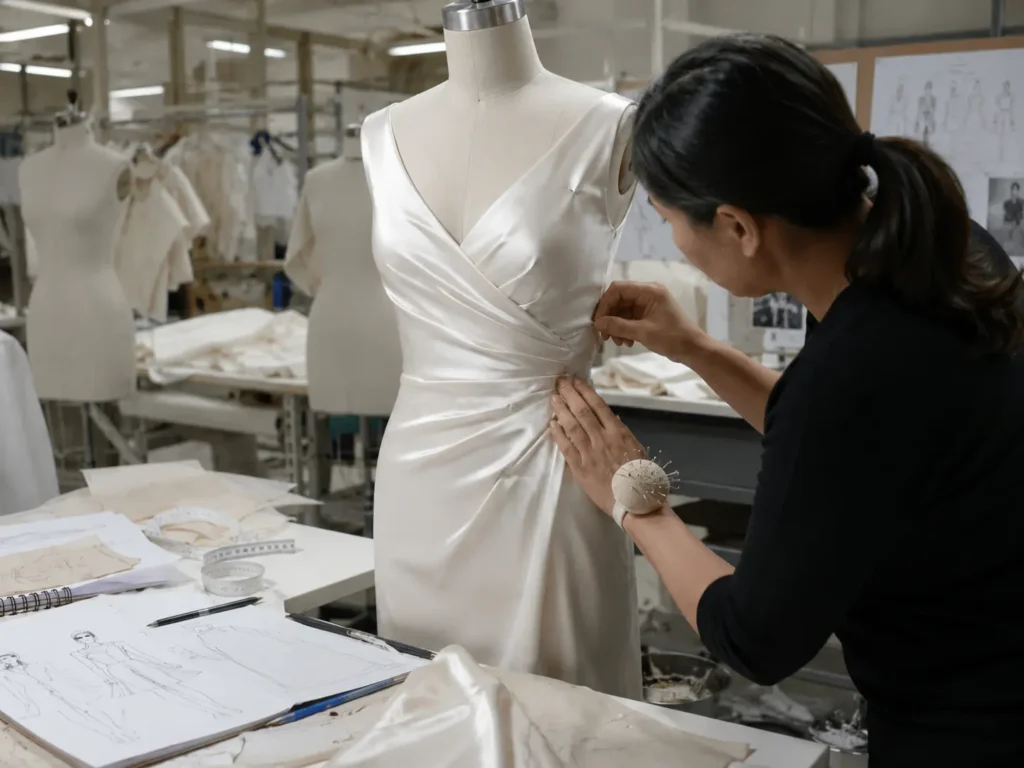
Revised Sample

Photo-Ready Sample

PP Sample

Golden Sample
Metallic Dress Manufacturing from Fabric Inspection to Packing
Material Arrival
Bulk fabric, lining, zippers, support components, labels and packing materials are checked against approved records before release.
Fabric Inspection
Color, width, weight, hand feel, stretch, recovery, opacity, surface defects, shade variation and direction are reviewed by lot.
Relax and Group
Stretch or knitted fabrics are relaxed as required. Metallic rolls are grouped by shade and surface behavior to reduce panel mismatch.
Marker Planning
Pattern direction, motif, shine, nap-like effects and defect positions are considered before cutting. Extra loss from sequin or directional fabric is recorded.
Protected Cutting
Cut panels are separated and handled to reduce scratches, coating transfer, snagging and mixed shade. Critical points are checked before bundling.
Controlled Sewing
Approved needle, thread, seam, stitch and support instructions are applied. First pieces receive closer review before line continuation.
In-Line Inspection
Measurement, seam appearance, surface condition, zipper, lining, support and decorative details are checked while correction remains efficient.
Finishing Review
Loose threads, stains, surface marks, pressing, symmetry, measurements and garment presentation are checked against the PP and Golden Sample.
Metallic Fabric Risks Controlled Before Bulk Delivery
Surface Scratching
Coating Cracking
Needle Marks
Metallic Yarn Breakage
Direction Error
Shade Variation
Seam Slippage
Skin Irritation
Stretch Whitening
Pressing Damage
Sequin Loss
Packing Pressure
Quality Control from Fabric Inspection to Final AQL
Quality control covers materials, cutting, sewing, measurements, finishing and packing. Metallic dresses add surface-specific checks to the normal women’s fashion inspection flow.
Incoming Material QC
- Check fabric color, weight, width, hand feel, stretch, recovery, opacity, surface defects, shade variation and shine direction.
- Check lining, zipper, cups, boning, elastic, labels, hangtags, polybags and cartons against approved records.
- Separate or hold materials that do not match the approved reference.
Cutting QC
- Confirm pattern version, direction, shade group, panel count, notch position and cutting accuracy.
- Inspect cut panels for scratches, coating loss, pulled yarn, sequin damage and defect placement.
- Keep sensitive panels protected and correctly bundled.
Sewing and In-Line QC
- Inspect seam appearance, stitch quality, needle damage, zipper, lining, support components, ruching, symmetry and decorative attachment.
- Measure key points during production rather than waiting for final inspection.
- Record corrective actions and recheck affected bundles.
Finished Garment QC
- Compare measurements, shape, color, surface, workmanship, pressing and presentation with the PP and Golden Sample.
- Inspect under direct light for scratches, shade mismatch, direction error, coating stress and press marks.
- Confirm movement-related points such as slit safety, strap stability and neckline coverage.
Packing QC and AQL
- Check brand label, size label, care label, hangtag, barcode, SKU, folding, protection, polybag and carton mark.
- Use AQL sampling according to the agreed inspection level; AQL is a sampling method rather than a claim of full inspection.
- Support brand-appointed or third-party inspection when arranged before shipment.
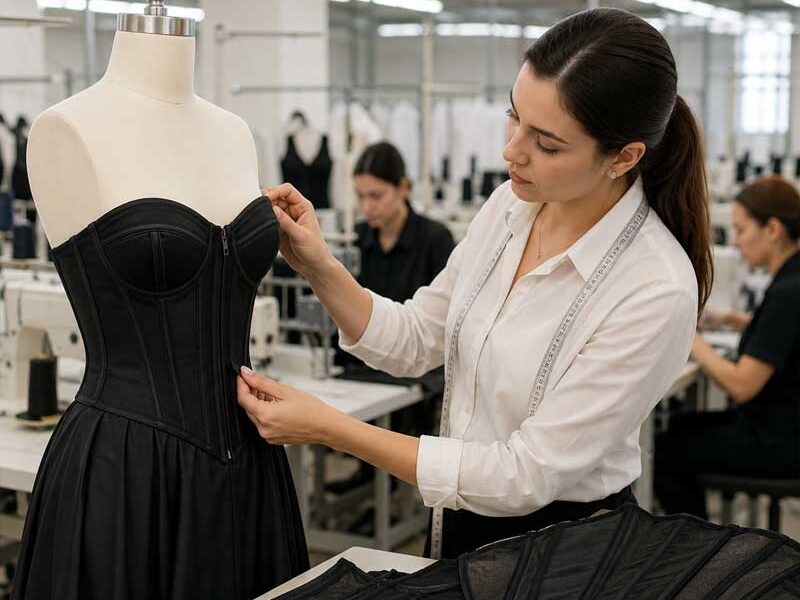
Maintain Fit Consistency Across Metallic Dress Size Runs
Fit consistency comes from defined measurement points, graded patterns, size-set review and repeated production checks. Reflective surfaces make uneven proportions easy to see.
Key Measurement Points
- Bust, upper bust, underbust, waist, high hip, full hip, shoulder, strap length, armhole, neckline depth, slit height, front length, back length and hem opening are selected by style.
- Corset and strapless dresses add cup, boning and upper-edge control. Long dresses add side length, train and hem balance.
- Every point uses a defined measuring method to reduce interpretation differences.
Size Set and Grading
- Grading rules follow silhouette and fabric behavior. Stretch bodycon styles, structured corsets and bias slips do not use the same increment logic.
- A size set can be reviewed for key or risk sizes before full production. Proportion changes are checked visually and by measurement.
- Changes are updated in the pattern, size chart and QC record before release.
In-Line Measurement
- First pieces and selected production pieces are measured at planned checkpoints. Early detection allows pattern, sewing or handling issues to be corrected before the full lot is complete.
- Bodycon length, strap length, neckline, bust, waist, hip and slit height receive closer attention because small changes affect wearability quickly.
- Records link measurement results to style, size, color and production batch.
Final Consistency Review
- Finished garments are compared with the approved tolerance and Golden Sample. Out-of-tolerance pieces are separated for correction or disposition.
- Measurement review also considers surface stress. A garment may measure within tolerance but show coating whitening or seam strain if the fit is too aggressive.
- Repeat-order records preserve final patterns, measurements and QC notes for future production.
Protect Metallic Dress Surfaces During Packing and Shipping
Foil Surface Protection

Metallic Satin Control
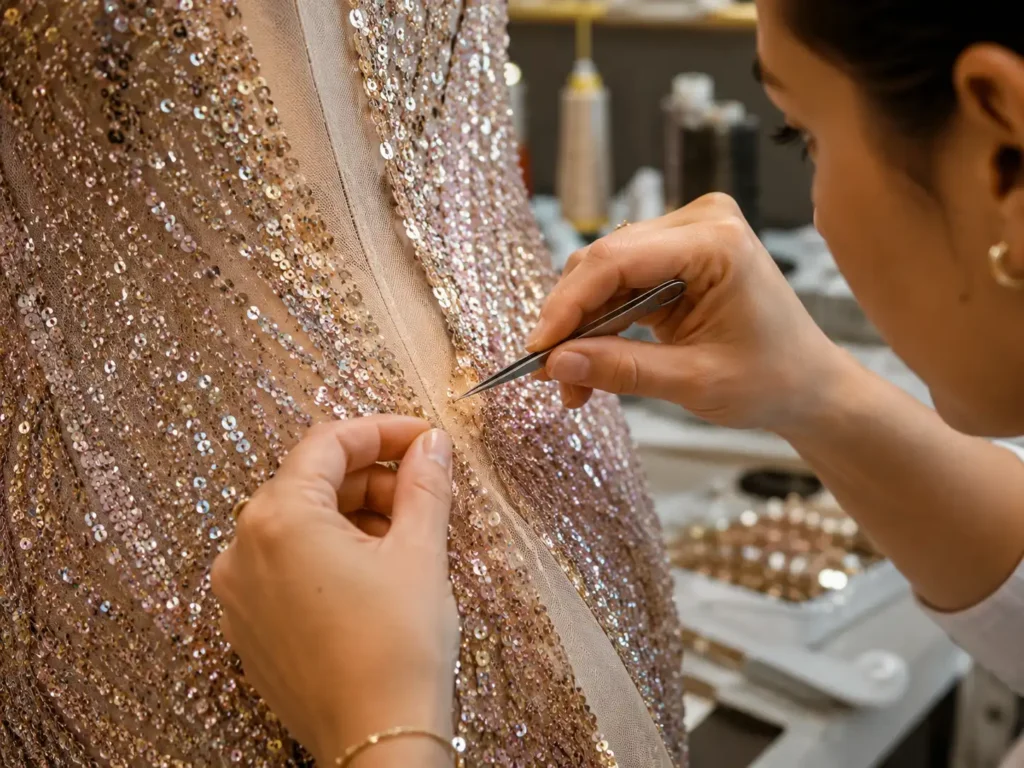
Sequin Separation
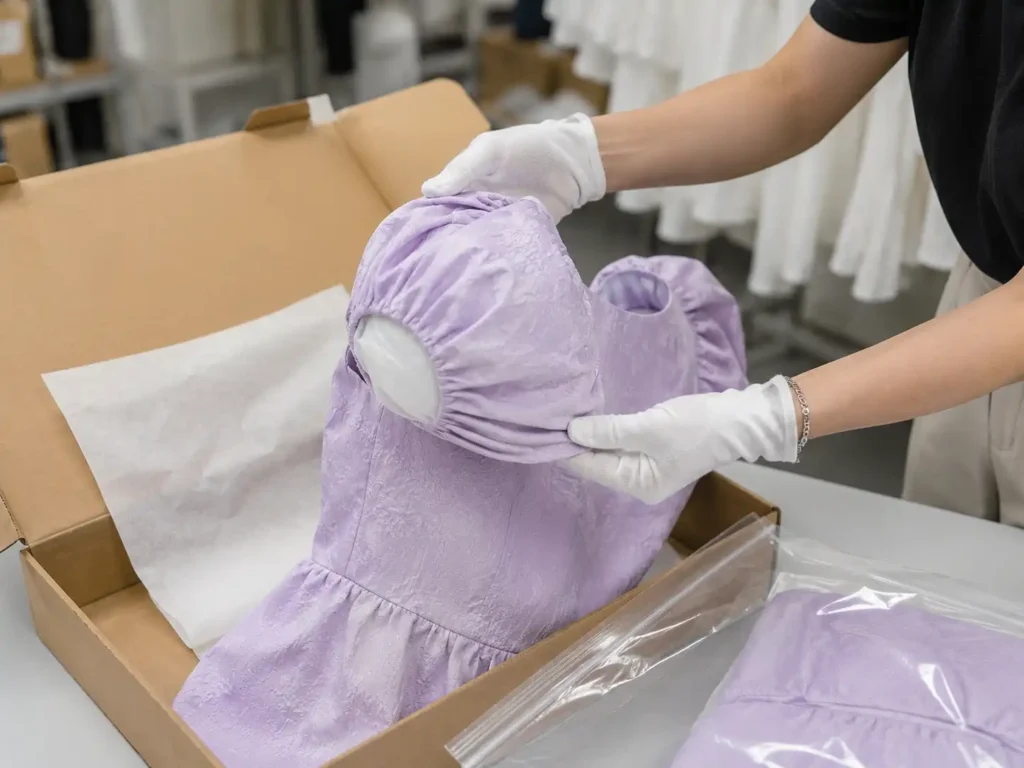
Structured Dress Support
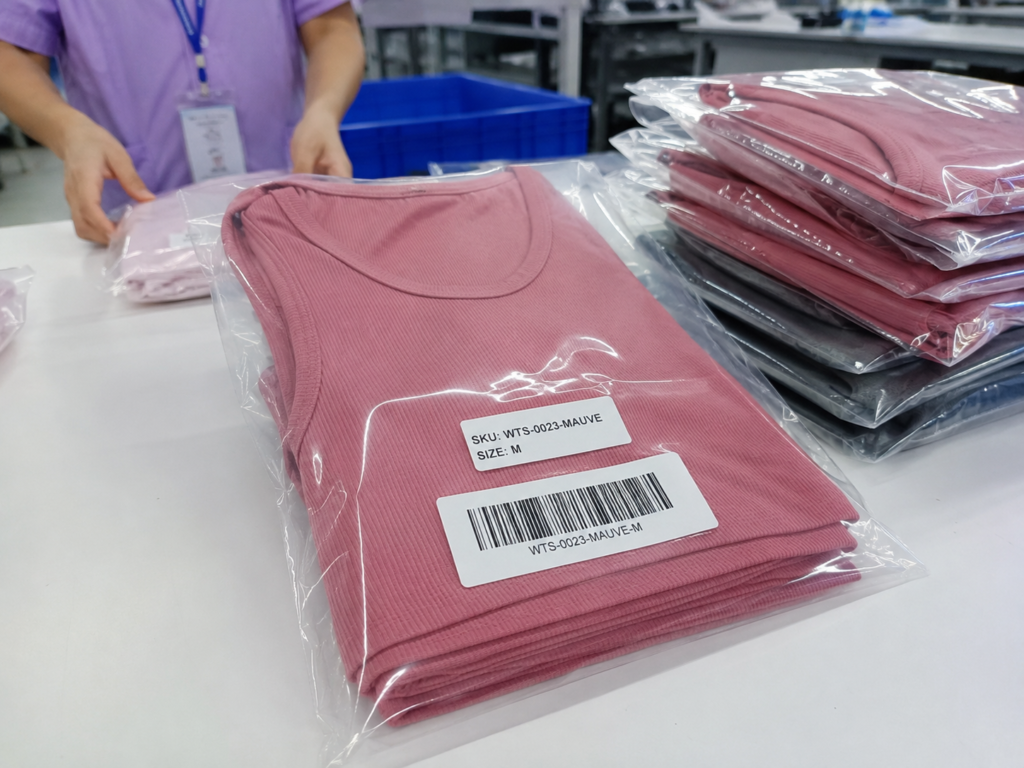
Label and SKU Accuracy

Shipment Planning
Private Label Metallic Dresses Ready for Brand Delivery
Woven and Size Labels
Care Labels
Hangtags and Barcodes
Polybags and Cartons
NDA Support
Unreleased Style Control
Metallic Dress Manufacturing Cases for Global Fashion Brands

U.S. Partywear Collection - 18 Styles, 52,800 Pieces
- Project overview: An established U.S. partywear brand developed an 18-style metallic capsule covering bodycon minis, ruched midis, cut-out dresses and one-shoulder styles. The order totaled 52,800 pieces across silver, gold, gunmetal and rose-gold color directions, with metallic jersey and foil-coated stretch as the main fabric families.
- Challenge: three fabric bases showed different stretch, recovery and surface whitening under body tension. One shared bodycon block would have produced inconsistent bust-waist-hip fit.
- Development: styles were grouped by fabric family. Key styles moved through first sample, fit sample, one or two revised versions and PP approval. Pattern ease and dress length were adjusted separately for each fabric group.
- Production control: bulk rolls were grouped by shade and surface direction. First pieces were checked for side-seam rotation, neckline stretch, coating stress and zipper rippling before full line continuation.
- Result: the collection entered bulk with locked patterns, fabric references, measurement sheets and packing instructions. Priority campaign colors shipped first, while remaining SKUs followed the main delivery schedule.
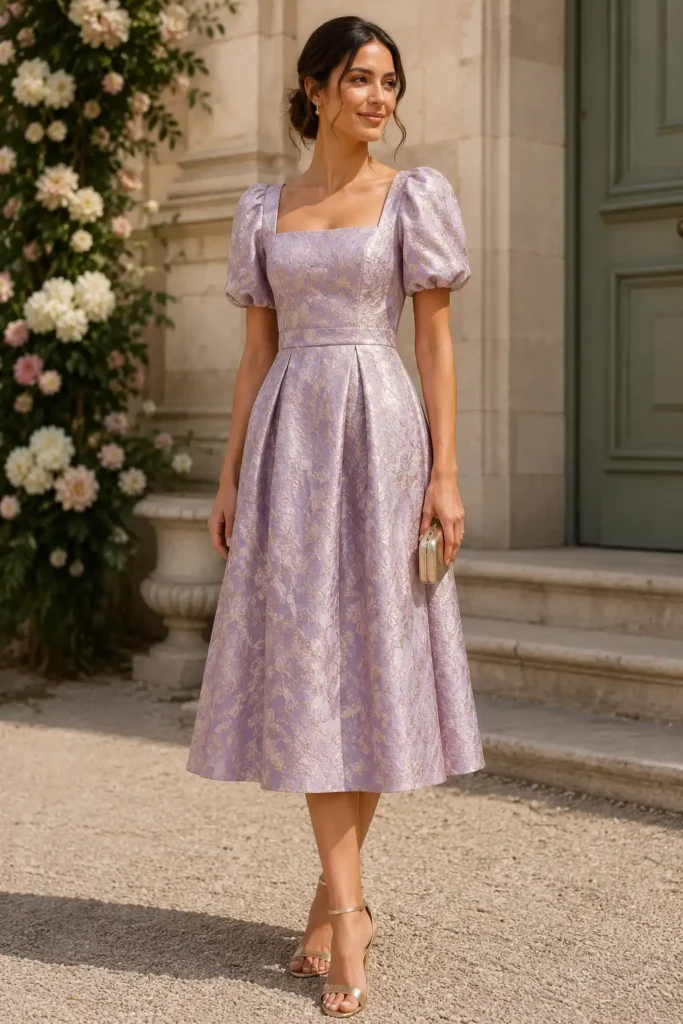
UK Occasionwear Program - 12 Styles, 24,600 Pieces
- Project overview: An anonymous UK occasionwear label developed 12 structured metallic dresses totaling 24,600 pieces. The range combined metallic satin, coated woven fabric and lurex jacquard across strapless, corset, cocktail and asymmetric silhouettes in six graded sizes.
- Challenge: the outer fabrics reflected internal seam bulk, cup imbalance and boning position. Rose-gold and champagne shades also shifted under warm indoor lighting.
- Development: Jinfeng rebuilt corset panels around the approved cup and underbust measurements, adjusted anti-slip support, refined lining attachment and reviewed color under daylight, indoor light and flash.
- PP control: fabric, trims, boning, zipper, label placement, measurement points and protective packing were locked before production. Key sizes received size-set review for bust coverage and waist shaping.
- Result: PP approval was completed after two fit-focused revision rounds. Production followed separate QC checklists for structured and non-structured styles, with surface and symmetry review under direct light.
Australian Eventwear Drop - 21 Styles, 63,000 Pieces
- Project overview: An Australian eventwear brand planned a 21-style holiday and party drop totaling 63,000 pieces. The program included metallic satin slips, sequin minis, mesh-overlay dresses and holographic festival styles, with several hero SKUs required ahead of the main warehouse arrival.
- Challenge: material approval, photography samples, PP timing and final delivery had to support one launch calendar while the styles carried very different production risks.
- Project plan: styles were ranked by launch priority, fabric readiness and complexity. Hero SKUs moved first through photo-ready and PP approval, while sequin and holographic styles received additional surface and packing trials.
- Delivery control: a 20% priority quantity covering hero styles and core sizes moved by air, while the remaining 80% moved by sea. SKU, carton and packing-list files were separated to protect warehouse receiving accuracy.
- Result: the brand launched priority styles on schedule and received the main inventory through the planned lower-cost route. Pattern, fabric, packing and QC records were retained for repeat colors.
Frequently Asked Questions About Metallic Dress Manufacturing
Jinfeng can review metallic jersey, foil-coated stretch fabric, lamé, lurex knit, metallic satin, metallic mesh, metallic jacquard, holographic fabric and sequin-backed materials. Availability, color, supplier MOQ, width, stretch and surface performance are confirmed by project.
Fabric stretch and recovery are tested before pattern finalization. Pattern ease, seam strain, stitch settings, wearing movement and packing folds are reviewed together. A foil surface cannot be protected by sewing alone when the base fabric or stretch demand is unsuitable.
Yes. Metallic jersey and foil-coated stretch fabrics can support bodycon, ruched and cut-out silhouettes. Stretch percentage alone is not enough; recovery, whitening, coating stability, seam growth and skin comfort must also pass sample review.
Approved swatches and bulk lots are compared under more than one light source. Rolls are reviewed for shade, shine and direction, then grouped when needed. Pattern pieces from visibly different groups are not mixed within one garment.
Many styles benefit from full, partial or strategic lining. The decision depends on transparency, skin feel, support, stretch and silhouette. Mesh, sequin, lamé, corset and light metallic satin styles often need a specific lining plan.
Jinfeng tests needle type, size, stitch density, seam method and unpicking risk on the approved fabric. Operators follow the approved setting, while first pieces are inspected before bulk sewing continues. Rework is minimized because some metallic surfaces retain holes.
MOQ starts from 200 pieces per style/color. Custom foil colors, metallic yarn, special sequin bases, custom trims and private-label materials may have separate supplier minimums. Final MOQ follows the selected fabric and construction.
Revision count depends on fabric certainty, fit complexity, structure and the quality of initial files. Metallic corset, bodycon, mesh and evening styles may require first, fit, revised and PP stages. Every major change is recorded before bulk release.
Packing follows surface and structure. Options can include tissue separation, protected folds, isolated hardware, individual polybags, hanger packing and adjusted carton loading. Foil, satin, sequin and structured dresses do not always use the same packing method.
Yes. Jinfeng supports woven labels, size labels, care labels, hangtags, barcode stickers, SKU labels, polybags, cartons, carton marks and warehouse labels. Artwork, placement and packing instructions are approved before bulk completion.

Start Your Metallic Dress Development with Jinfeng Apparel
Send your metallic dress direction to Kelly for a structured project review. Jinfeng Apparel can evaluate silhouette, metallic material route, pattern risk, lining, support, trims, MOQ, sample path, production feasibility, private-label packing and launch requirements. Complete files allow a faster and more accurate response, but a reference image or original sample can also begin the discussion when technical details are still being organized.
- Reference images, sketches, original samples or tech packs
- Target quantity by style and color
- Preferred metallic effect, fabric swatch or material reference
- Size range and measurement chart
- Lining, zipper, cups, boning, trims and decorative details
- Brand labels, barcode, SKU and packing requirements
- Required sample purpose and launch window
- Contact: Kelly | info@jinfengapparel.com | WhatsApp +86 18929465598