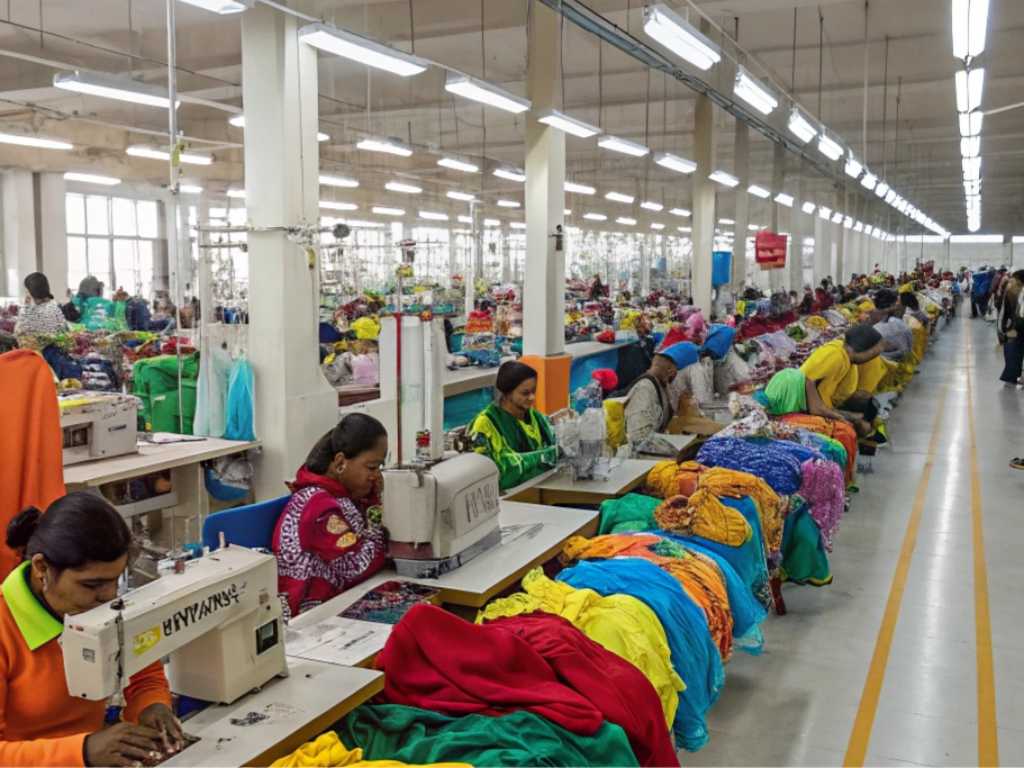
Animal Print Dress Manufacturer
Custom animal print dresses developed around print scale, fabric behavior, fit, production consistency and retail-ready private-label delivery.
- 16+ years of women’s apparel manufacturing experience since 2008, with 6 owned fashion factories and 10+ long-term production partners.
- Print-led development for leopard, zebra, snake, tiger, cow, cheetah and abstract animal patterns across mini, midi, maxi, bodycon, slip, corset, party and resort silhouettes.
- 2 sample rooms, 7+ senior pattern makers and 20+ sample machinists support fit, print proportion, construction and PP approval before bulk cutting.
- Multi-style programs can be planned across 10-30 styles and 20,000-80,000 garments, with print-version control, measurement records, QC checkpoints and private-label packing.
Manufacturing Facts for Print-Led Dress Programs
Since 2008
6 Owned Factories
10+ Production Partners
2 Sample Rooms
7+ Pattern Makers
15+ QC Inspectors
Built for Established Fashion Brands and Sourcing Teams
Global Fashion Brands
Premium Ecommerce Brands
Partywear Brands
Resortwear Brands
Private Label Programs
Sourcing Teams
Why Animal Print Dress Programs Fail in Bulk
Scale Looks Wrong
Color Shifts
Direction Reverses
Stretch Distorts Motifs
Fit Breaks Visual Balance
Reorders Lose Identity
From Print Concept to Retail-Ready Dresses
Design Intake
Artwork Review
Fabric Direction
Print Sampling
Pattern Development
First Sample
Fit Revision
PP Approval
Material Inspection
Bulk Production
Final QC
Delivery Support
Animal Print Directions We Can Develop
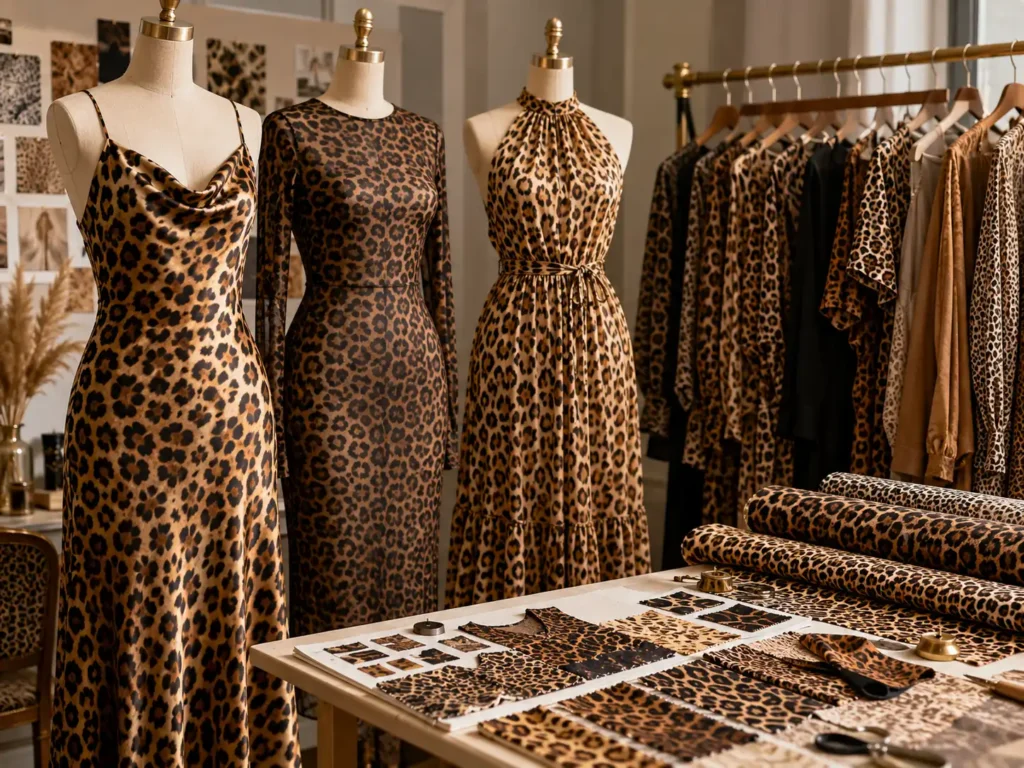
Leopard Print
- Works across satin slips, mesh bodycon dresses, rayon maxis and commercial mini styles.
- Control points: spot scale, warm-neutral balance, dark-edge clarity, print repeat and replenishment records.
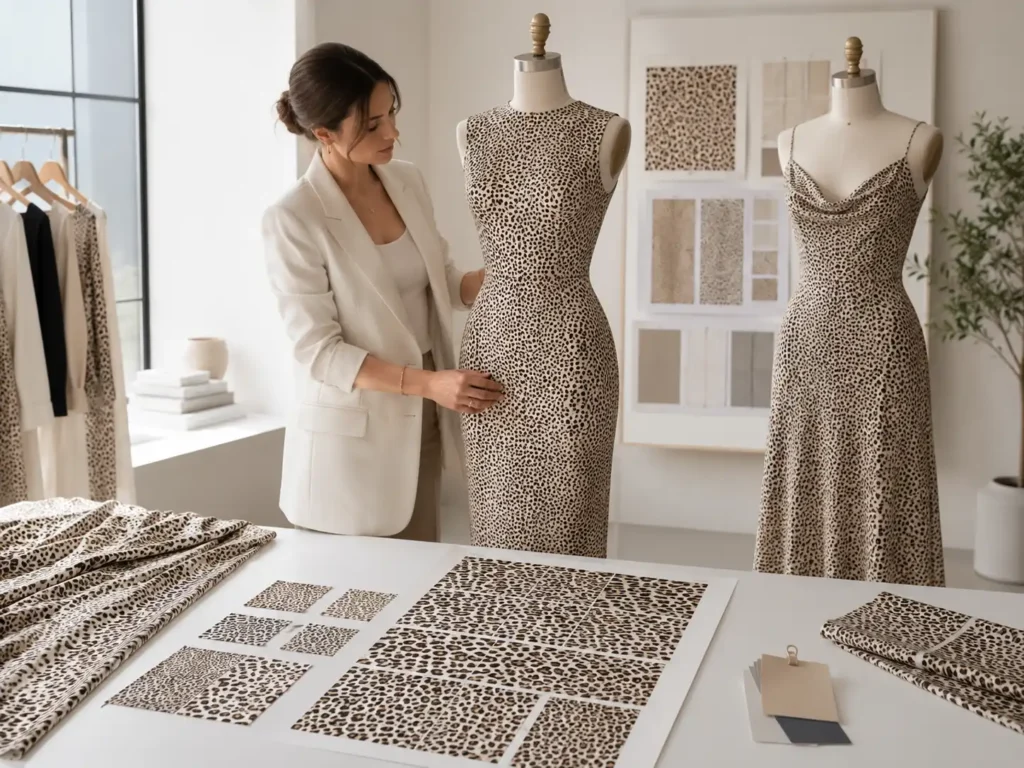
Cheetah Print
- Smaller, cleaner spot structures suit fitted silhouettes and refined day-to-evening collections.
- Control points: spot density, negative space, repeat visibility and color consistency across panels.
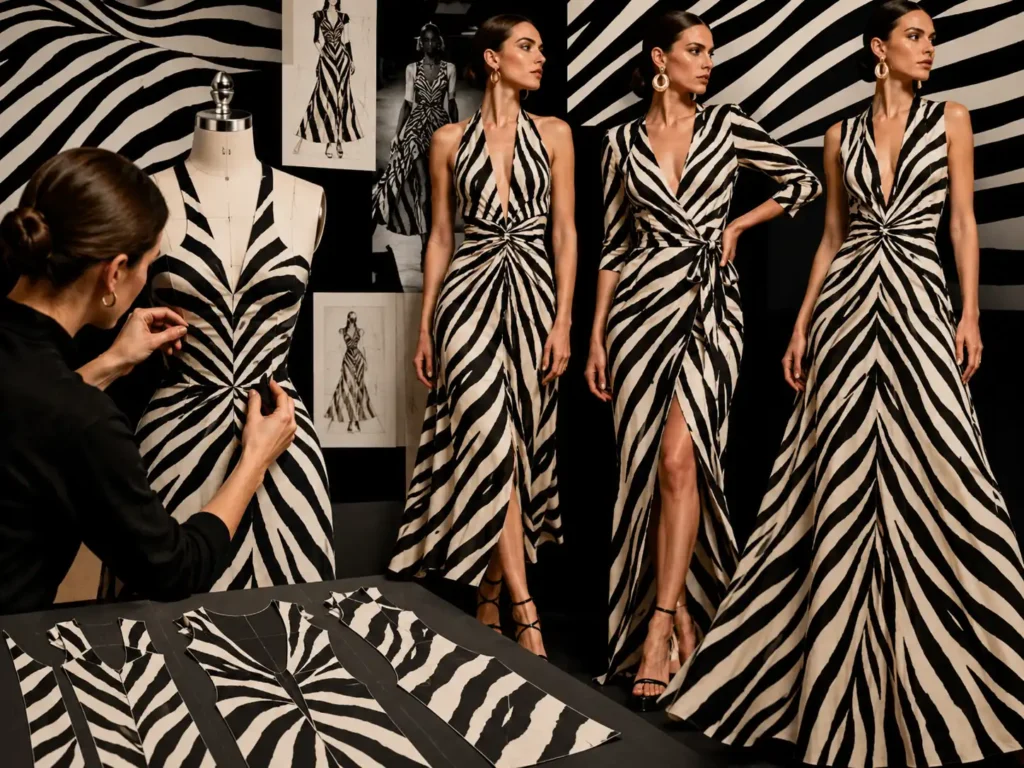
Zebra Print
- High-contrast stripes create strong movement on bodycon, halter, wrap and maxi dresses.
- Control points: stripe direction, seam interruption, stretch distortion, symmetry and cutting orientation.
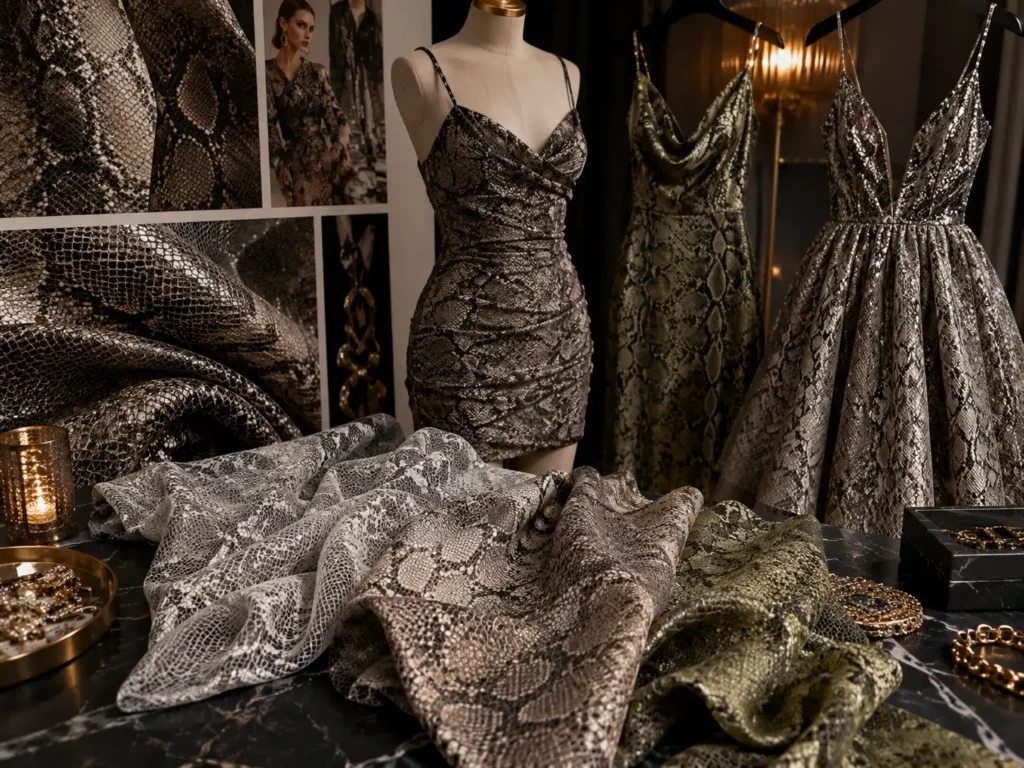
Snake Print
- Fine-scale textures work for mesh overlays, fitted minis, slips and statement party dresses.
- Control points: small-detail clarity, color gradation, base-fabric texture, panel continuity and print resolution.
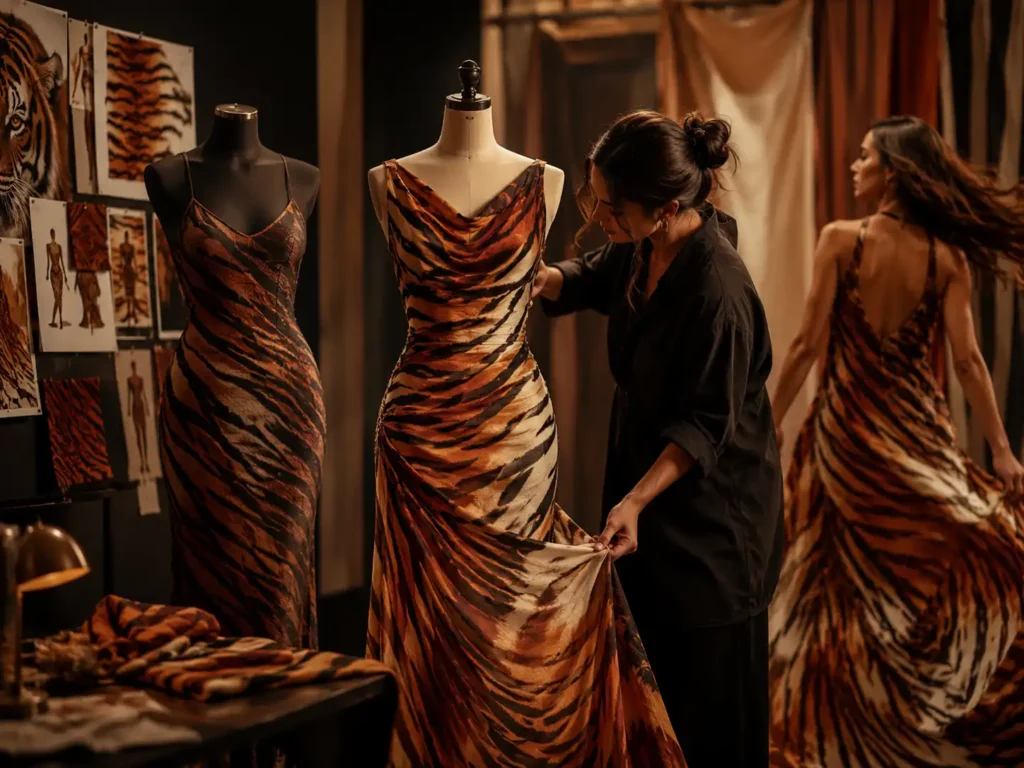
Tiger Print
- Elongated marks add energy to jersey, mesh and draped silhouettes.
- Control points: one-way direction, stripe angle, visual balance over bust and hip, and repeat alignment.
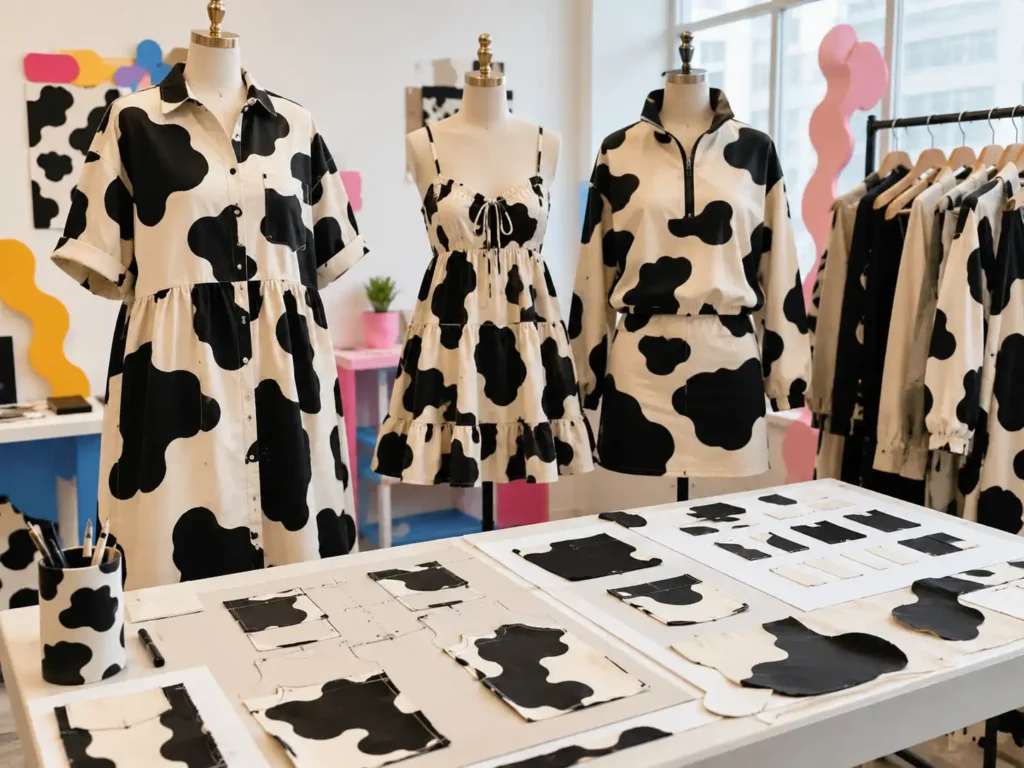
Cow Print
- Large irregular blocks suit casual shirt dresses, minis and graphic capsule collections.
- Control points: motif placement, panel balance, large blank areas, pocket placement and scale by size.
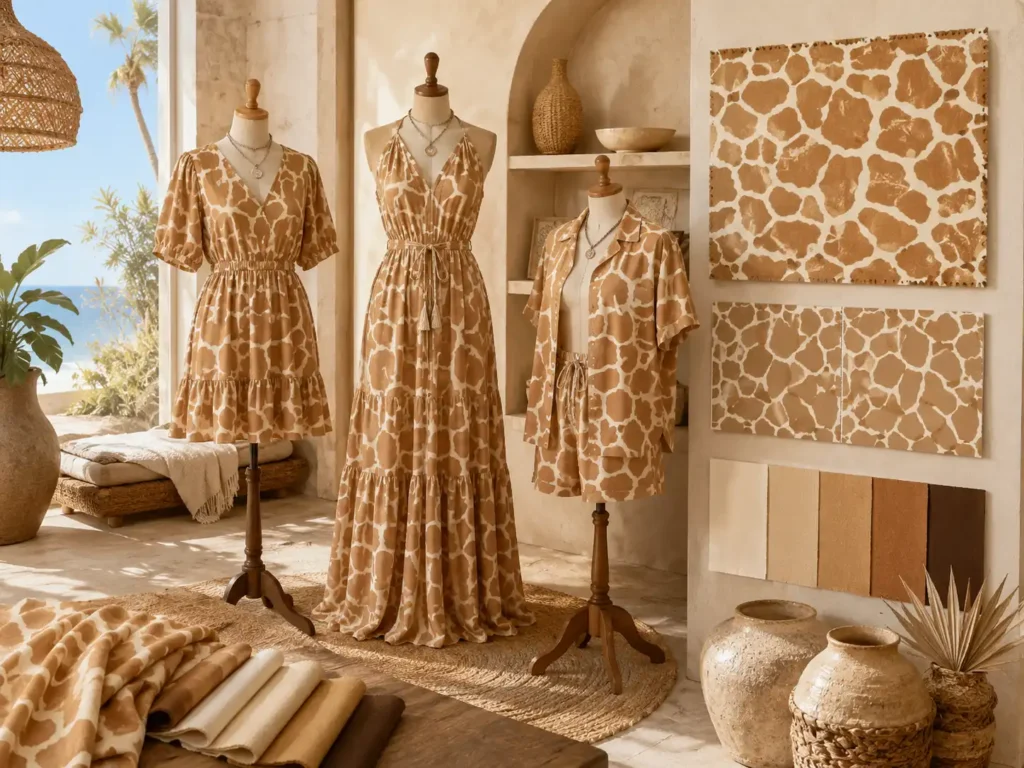
Giraffe Print
- Geometric organic shapes work well on woven day dresses, resort styles and coordinated sets.
- Control points: repeat joins, color contrast, print density and balance across long skirt panels.
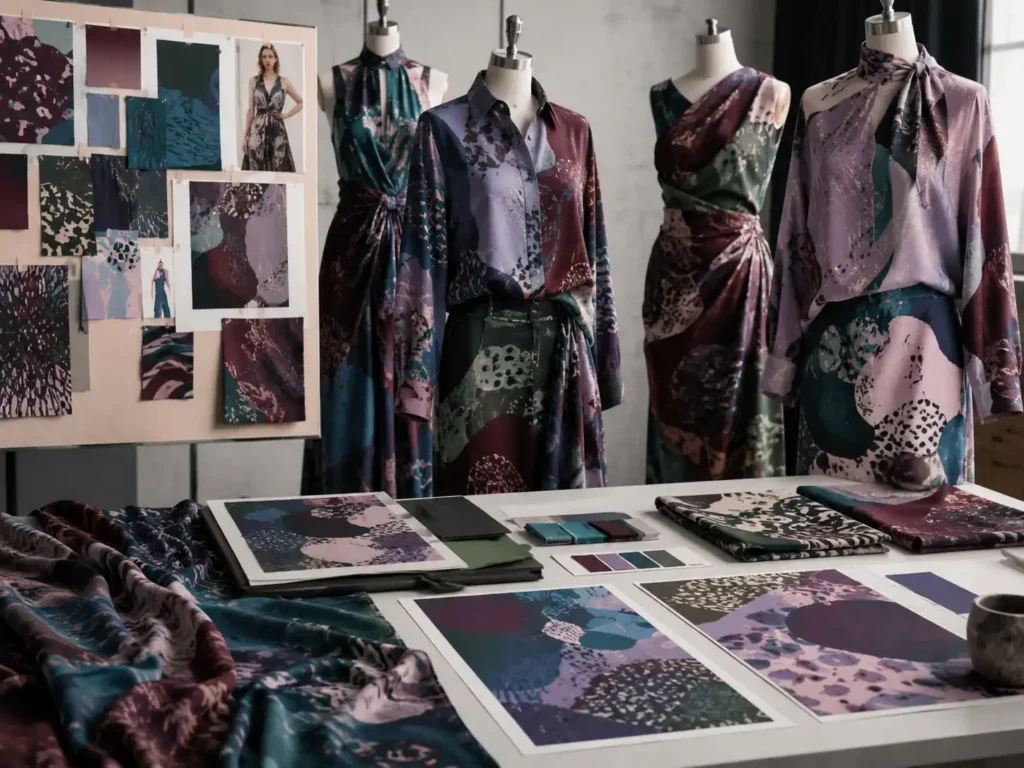
Abstract Animal
- Recolored or deconstructed patterns create distinctive brand signatures beyond natural animal tones.
- Control points: exclusive artwork ownership, repeat construction, color approval, file version and future reuse across categories.
Custom Animal Print Dresses for Complete Collections
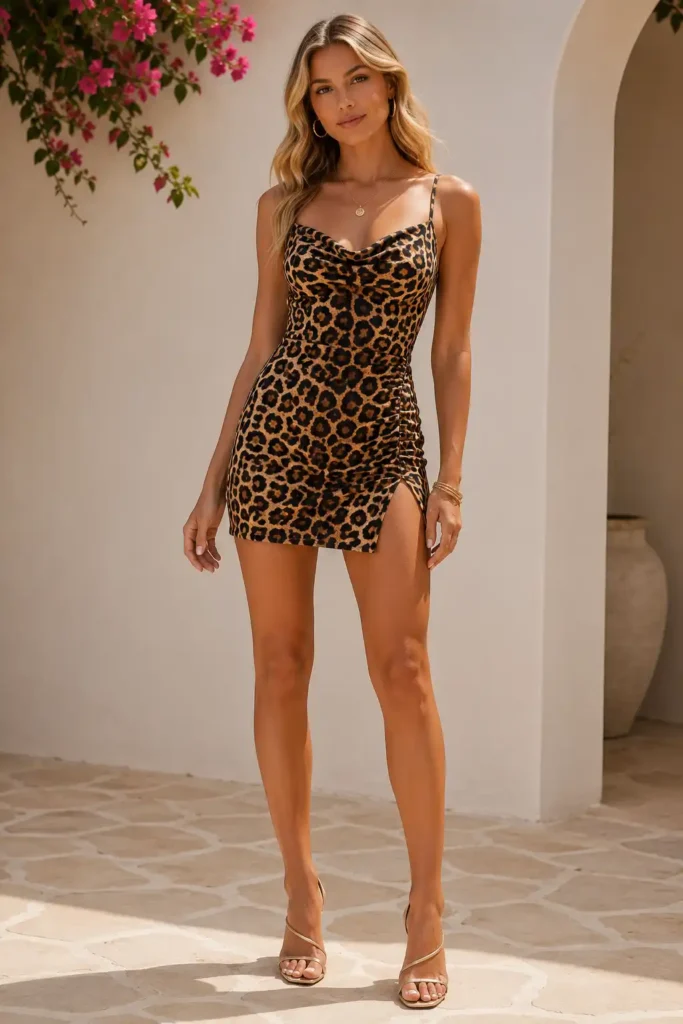
Printed Mini Dress
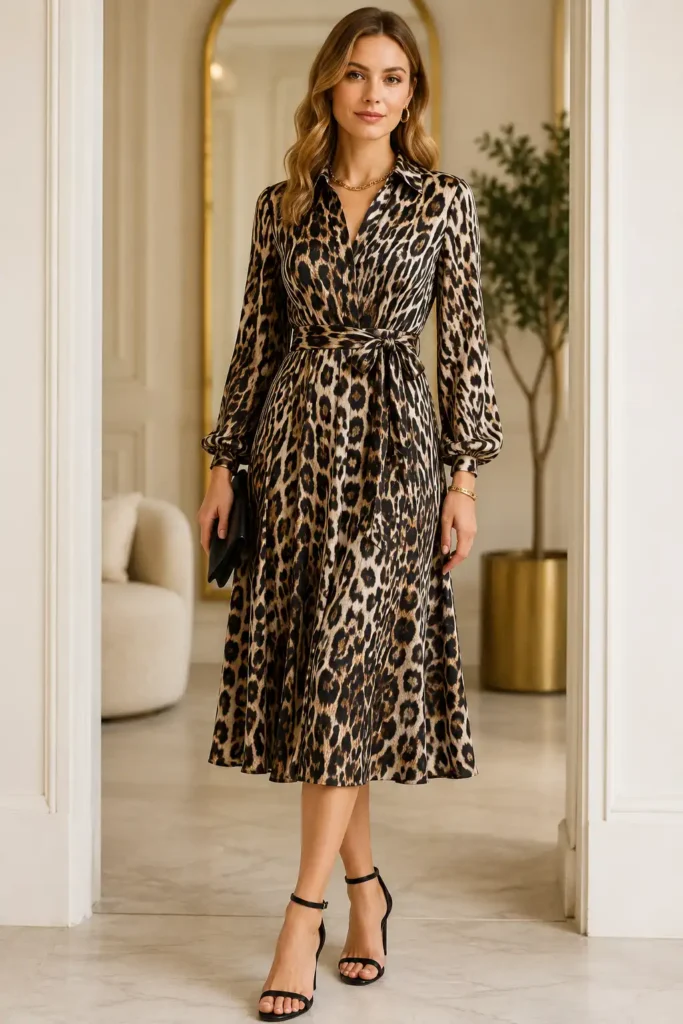
Printed Midi Dress
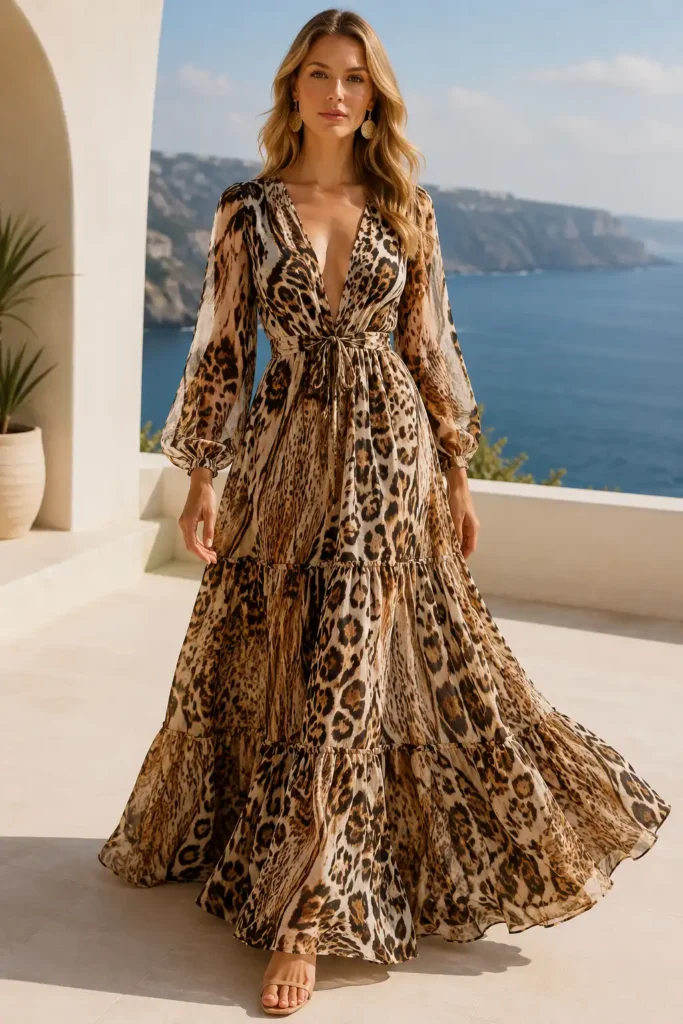
Printed Maxi Dress
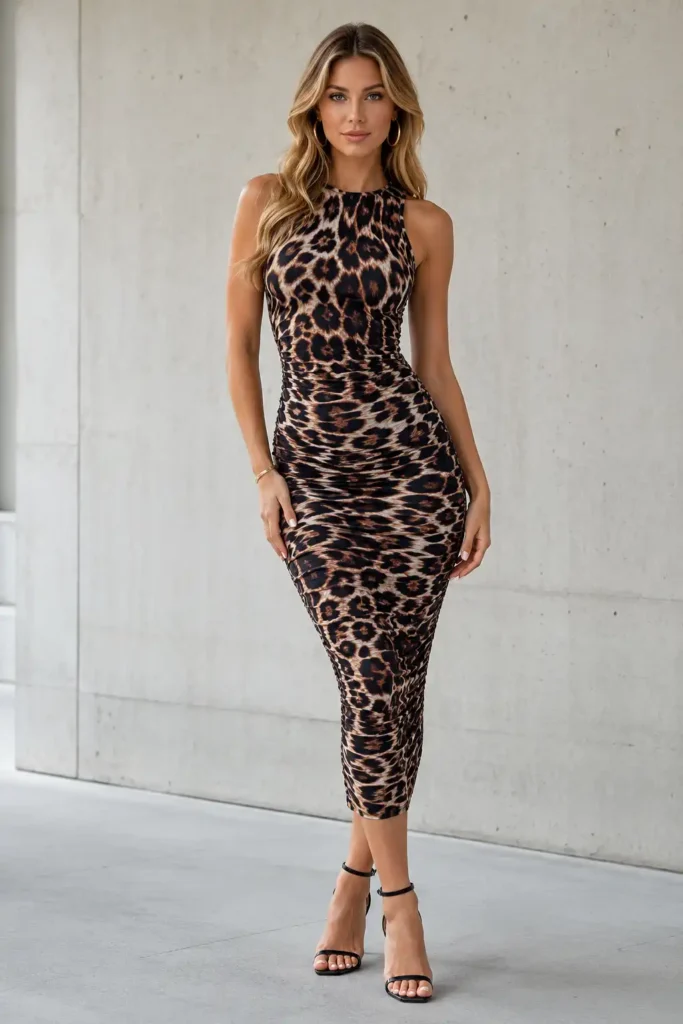
Bodycon Print Dress
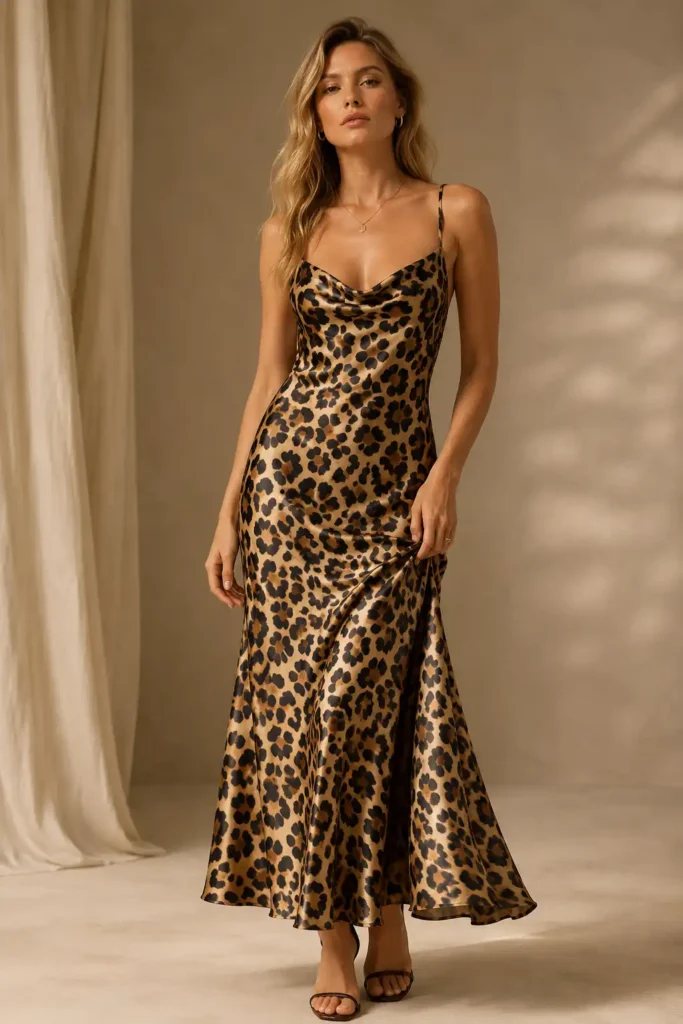
Animal Slip Dress
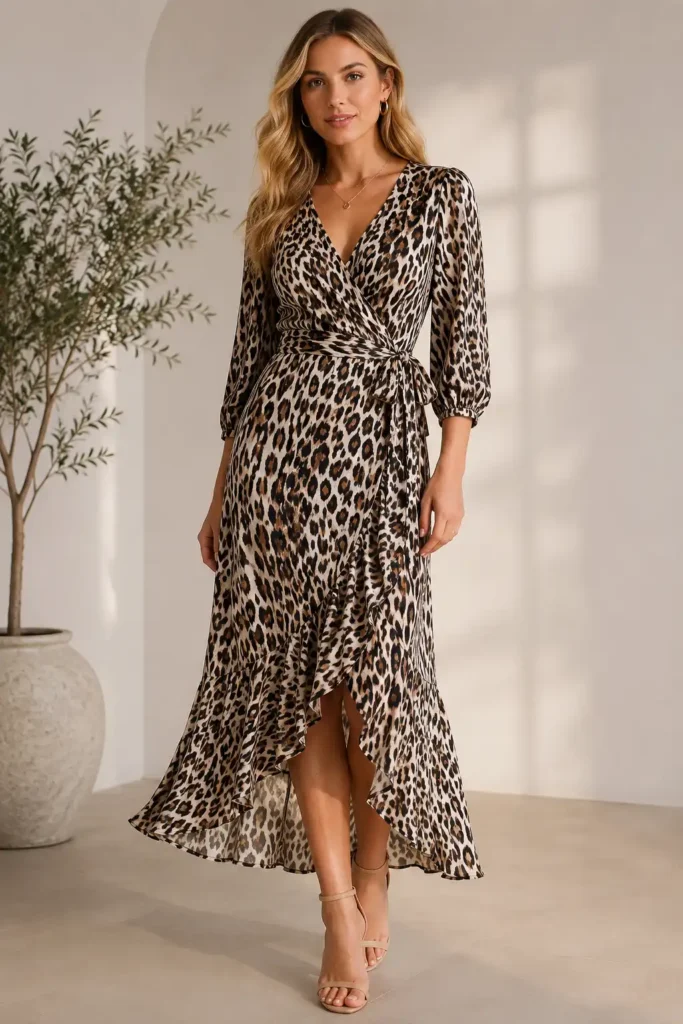
Printed Wrap Dress
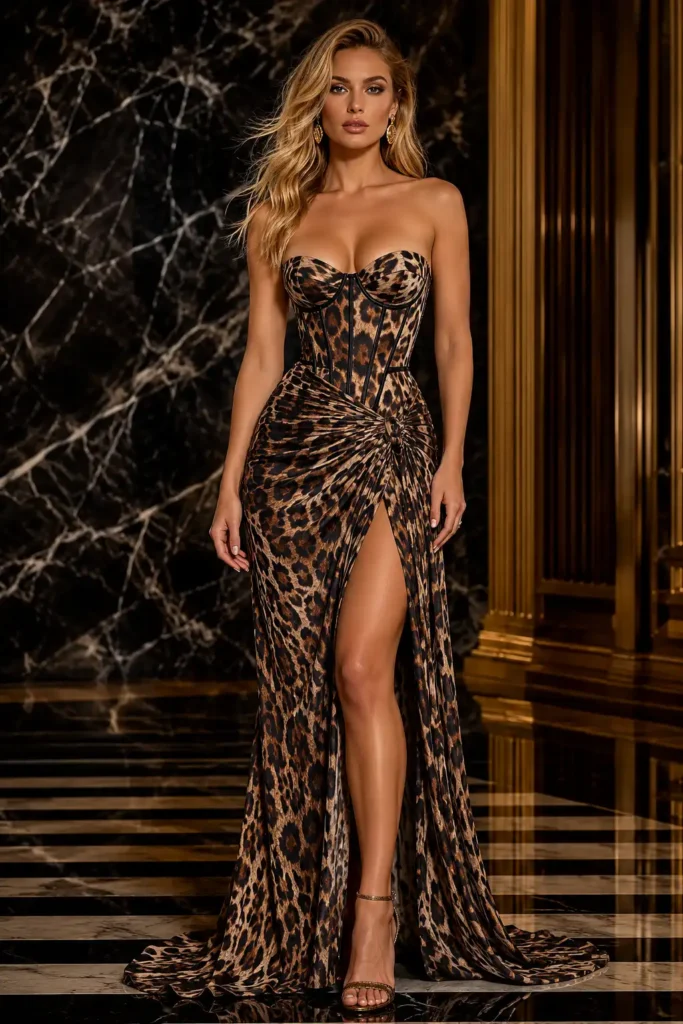
Corset Print Dress
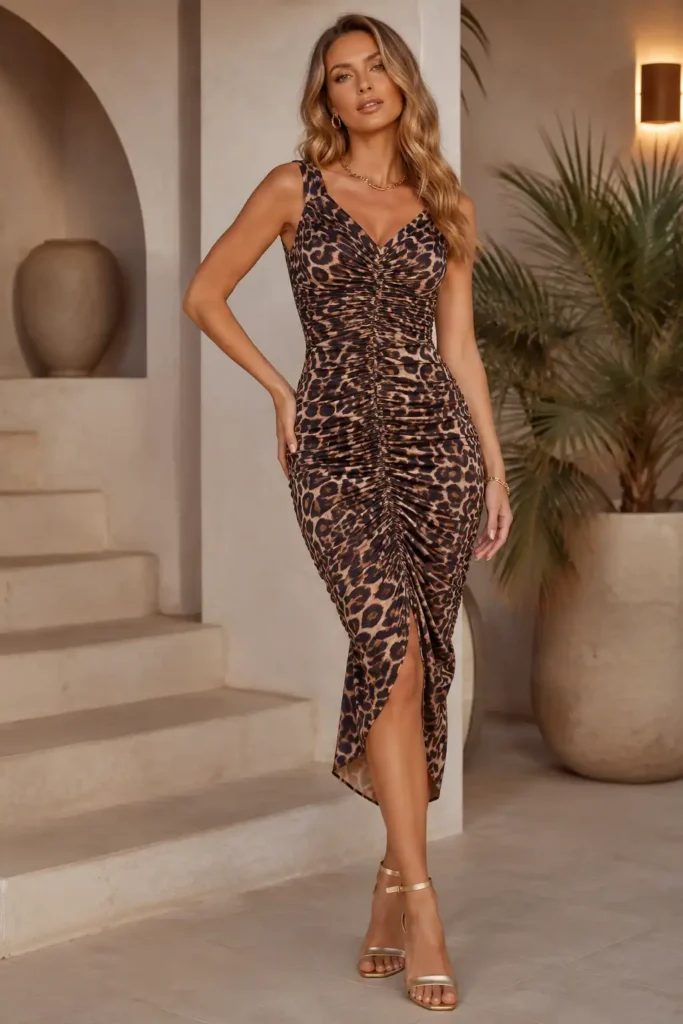
Ruched Print Dress
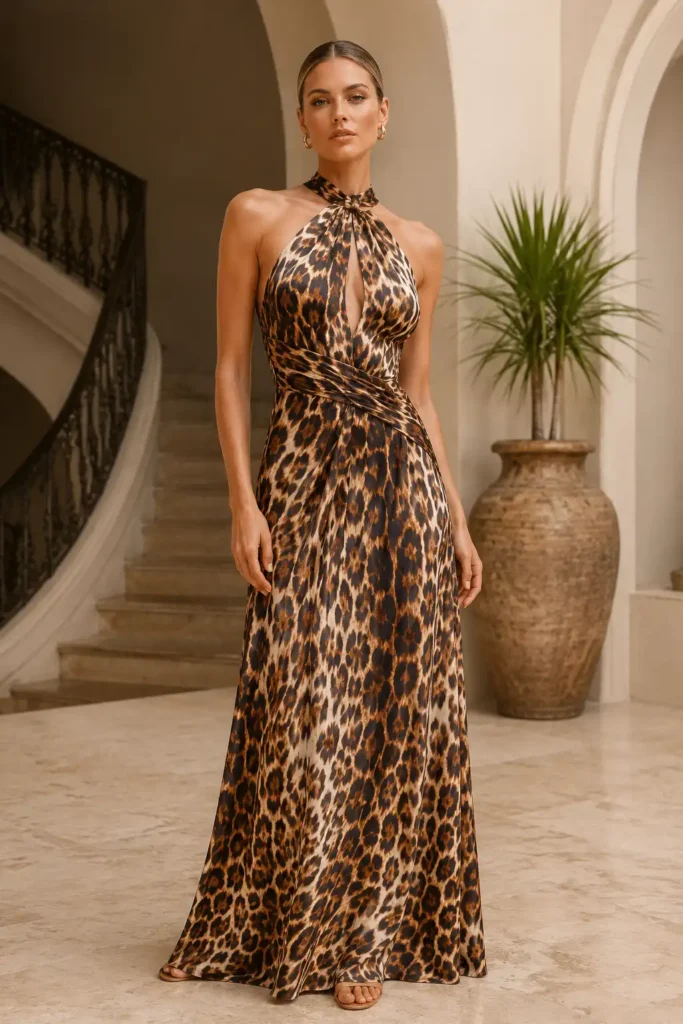
Halter Print Dress
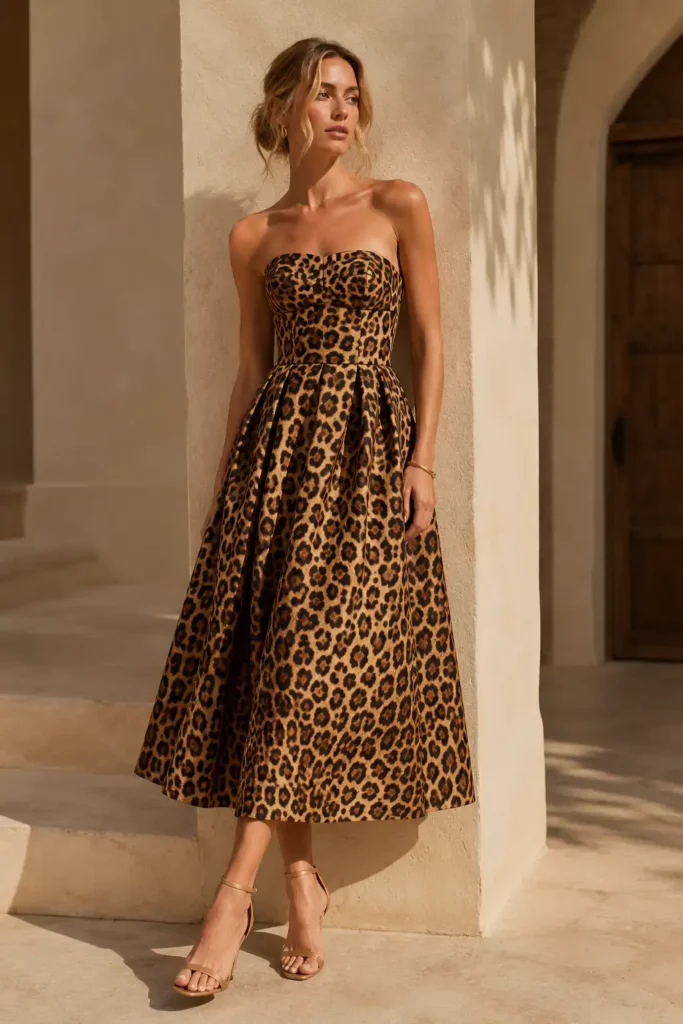
Strapless Print Dress
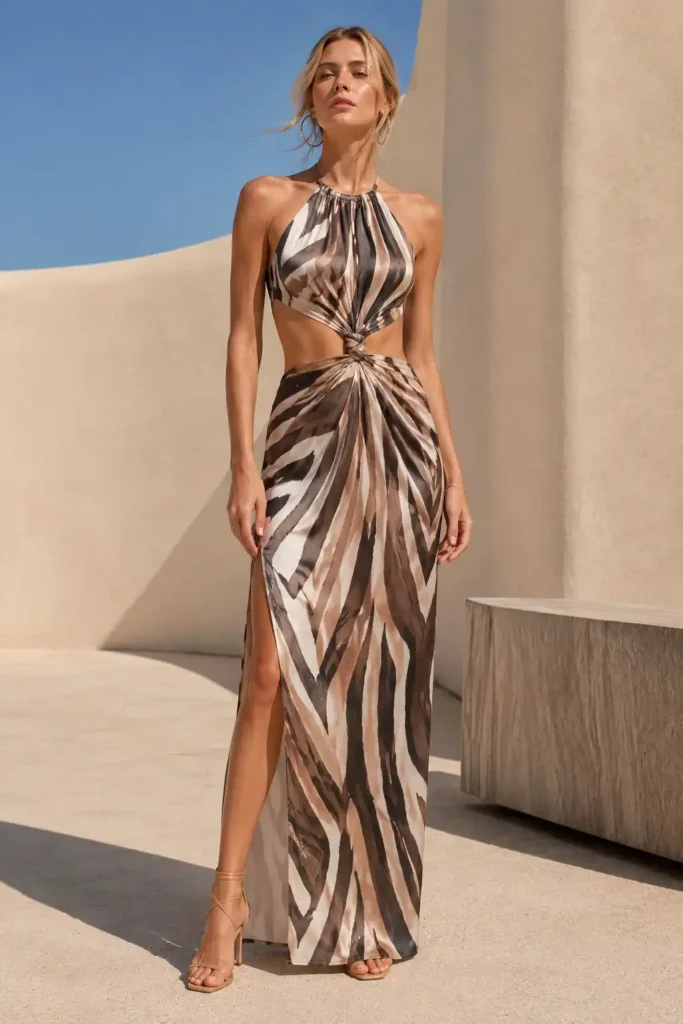
Cut-Out Print Dress
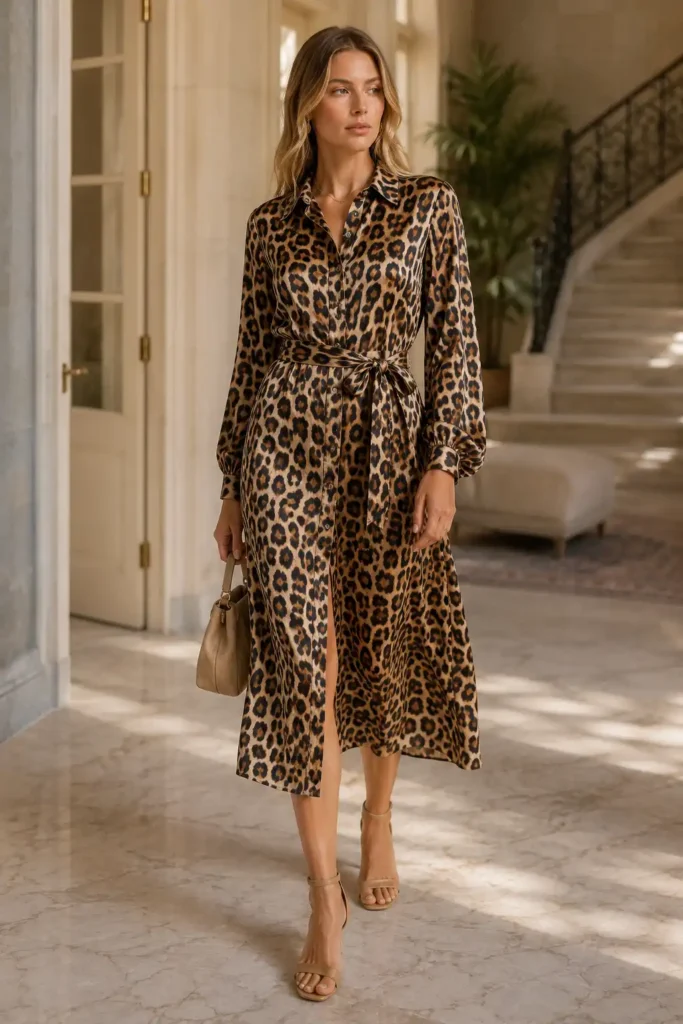
Shirt Print Dress
Leopard, cow and abstract patterns work well on casual woven dresses. Placket alignment, button placement, collar balance, pocket motifs, sleeve direction and hem stability guide production.
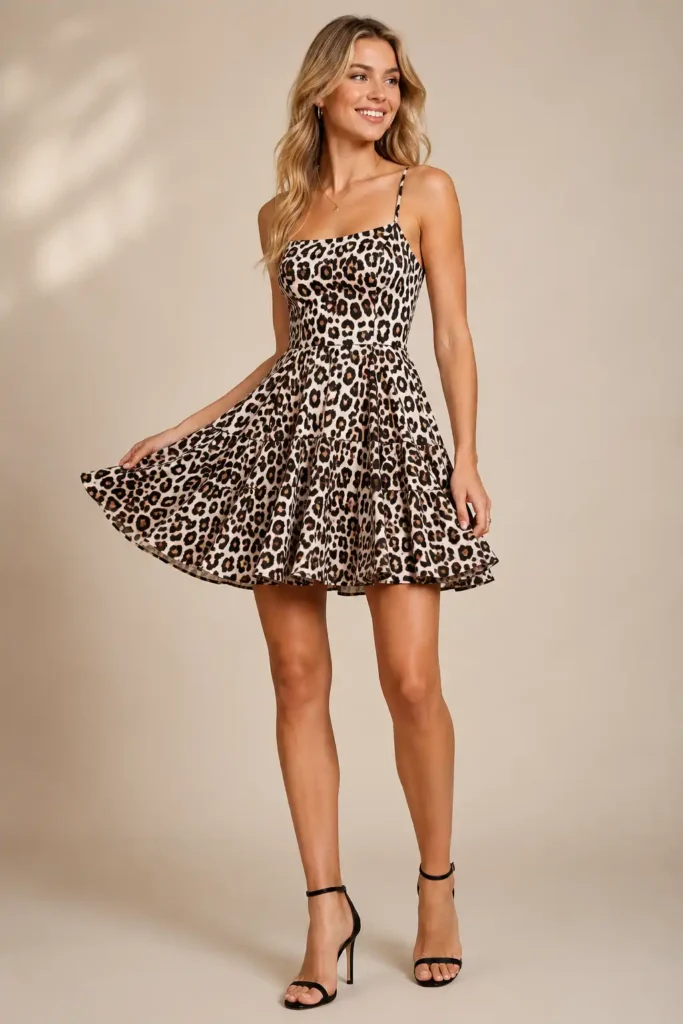
Skater Print Dress
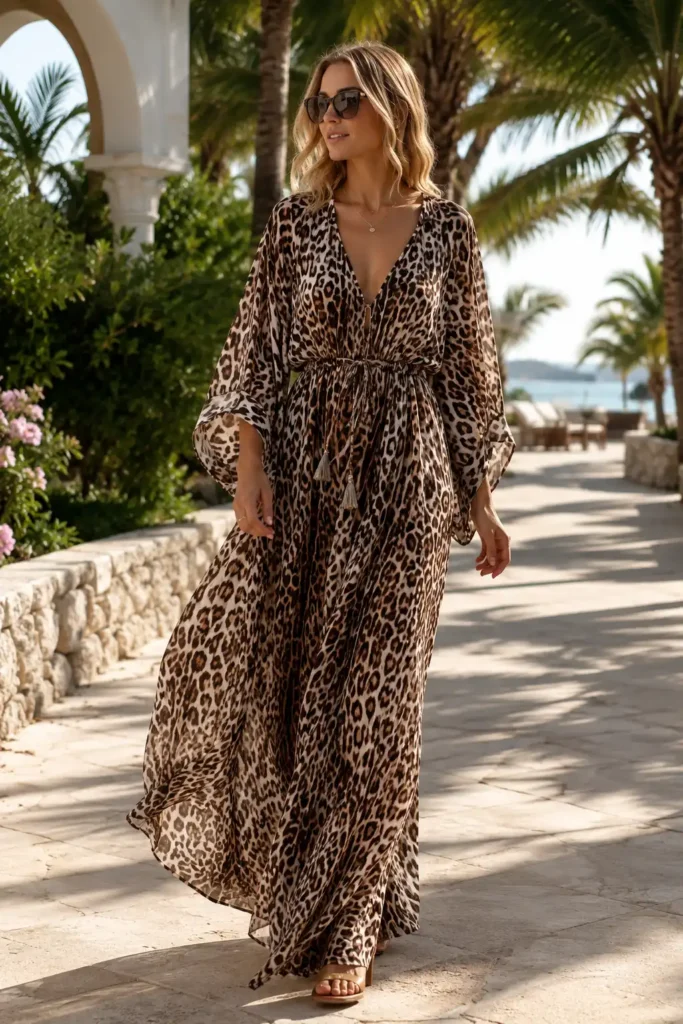
Resort Print Dress
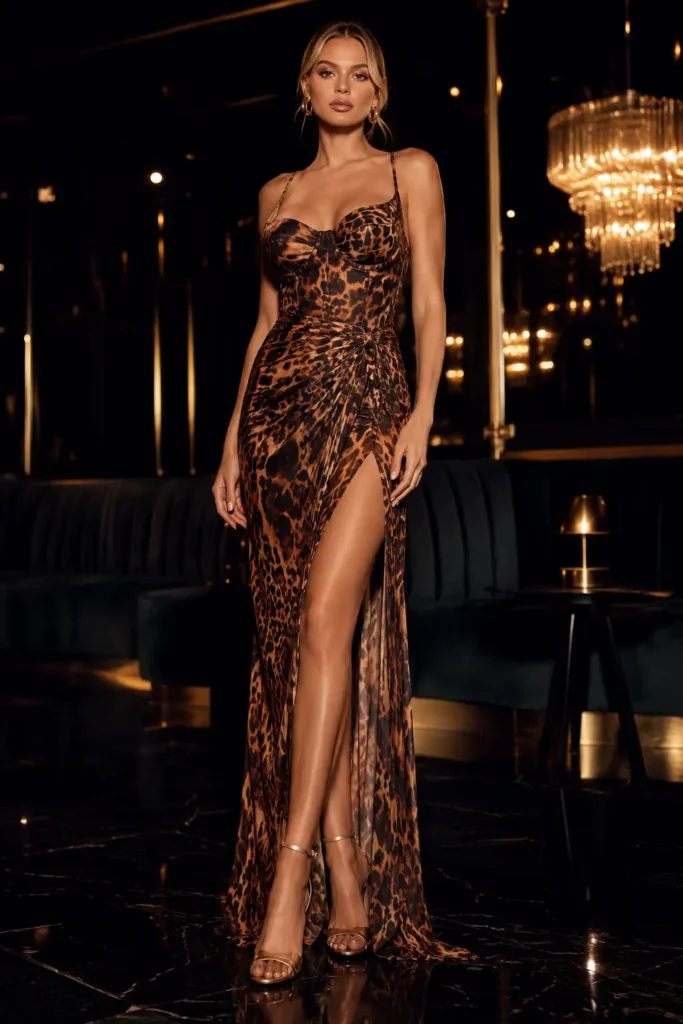
Party Print Dress
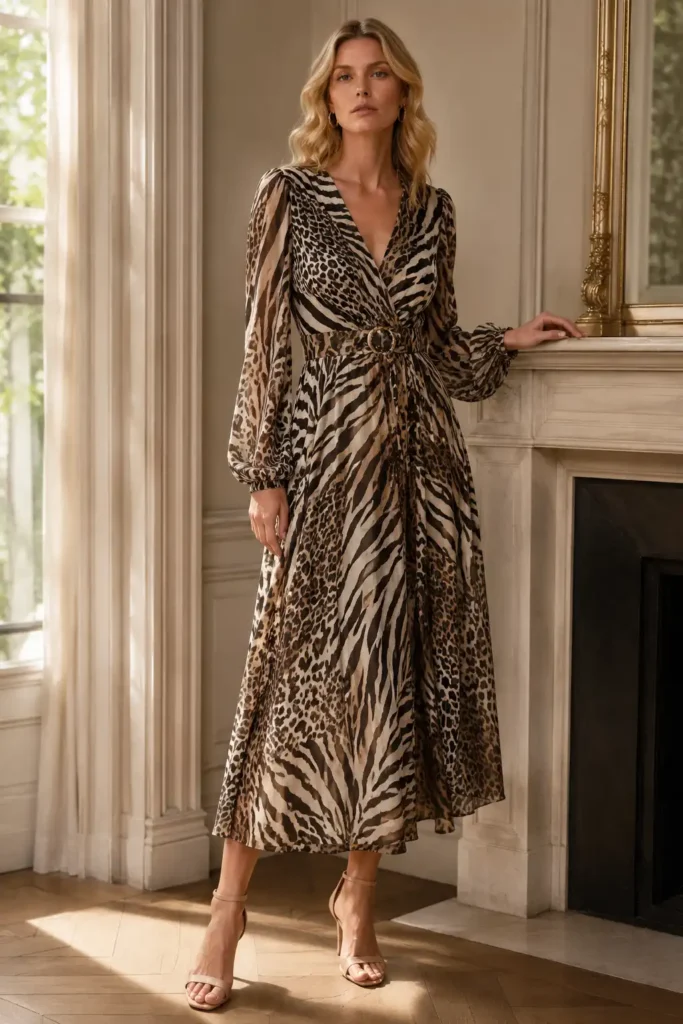
Long-Sleeve Print Dress
Animal Print Collections Built for Selling Scenarios

Party and Club

Resort and Vacation

Occasion Statements
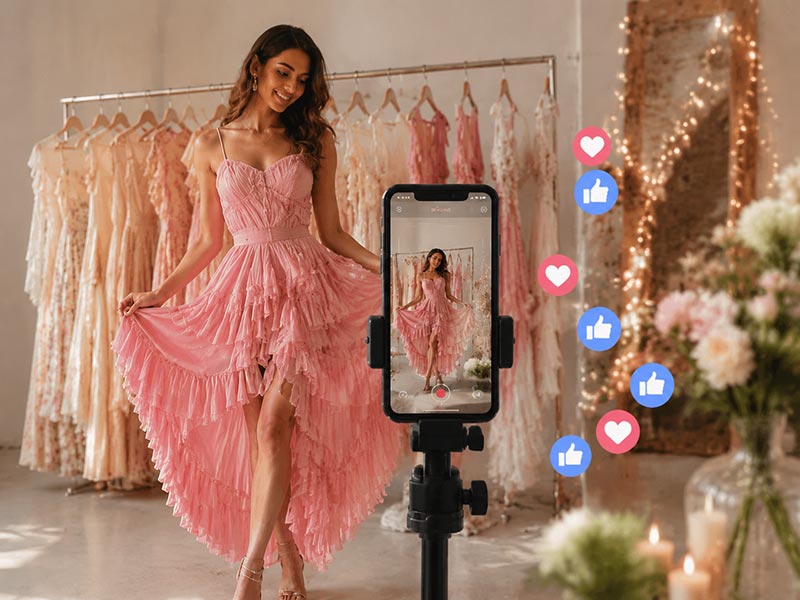
Social Media Drops
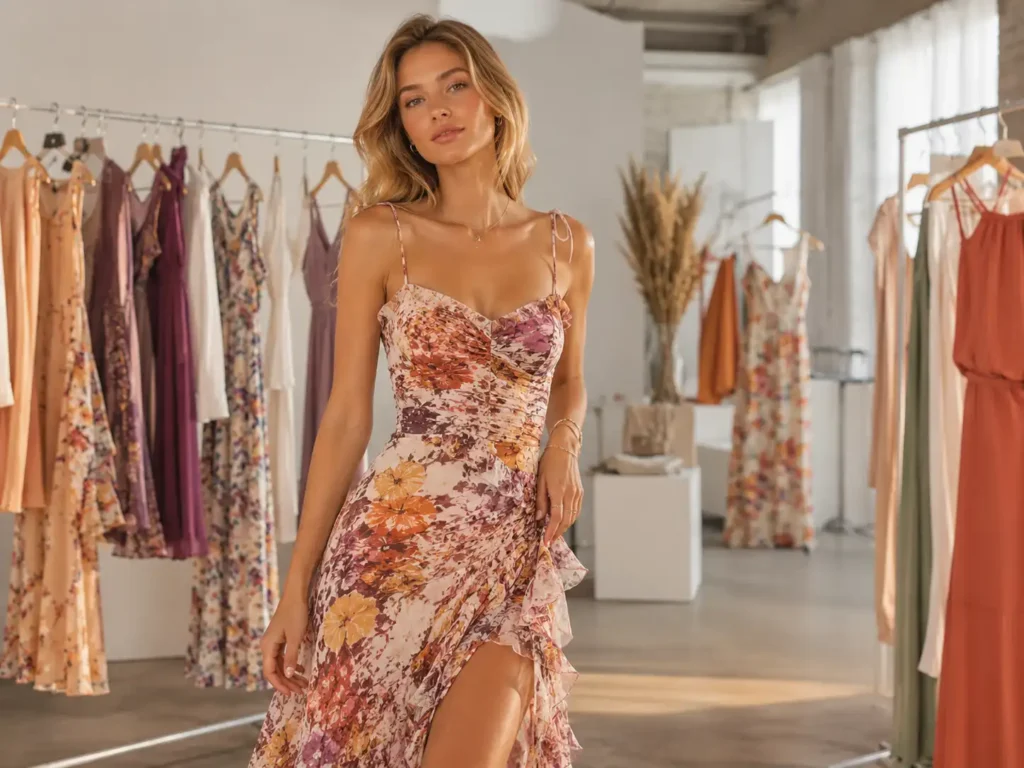
Seasonal Transitions

Private Label Capsules
Every Element Can Follow Your Brand Direction
Original Artwork
Print Colorways
Fabric Base
Dress Silhouette
Neckline and Sleeve
Lining and Coverage
Labels and Trims
Retail Packaging
Matching Prints, Fabrics and Dress Structures
| Print Direction | Recommended Fabric Bases | Suitable Dress Structures | Main Development Controls |
|---|---|---|---|
| Leopard | Satin, crepe, rayon, stretch mesh | Slip, midi, maxi, bodycon, party | Spot scale, warm-neutral balance, shine, seam visibility, reorder color |
| Cheetah | Crepe, woven polyester, jersey | Mini, midi, wrap, skater | Small-spot clarity, repeat density, negative space, stretch response |
| Zebra | Jersey, ponte, stretch mesh, woven polyester | Bodycon, halter, wrap, maxi | Stripe direction, symmetry, stretch distortion, cutting orientation |
| Snake | Mesh, satin, lightweight polyester, jersey | Mini, slip, corset, party | Fine-detail resolution, color gradation, panel seams, print clarity |
| Tiger | Jersey, rayon, mesh, crepe | Ruched, bodycon, maxi, long sleeve | One-way layout, stripe angle, bust and hip distortion, sleeve direction |
| Cow | Cotton blend, twill, woven polyester | Shirt dress, mini, skater | Large motif placement, pockets, placket, blank-area balance |
| Abstract Animal | Chiffon, viscose, satin, crepe, printed woven | Resort, occasion, wrap, maxi | Artwork ownership, repeat, exclusive colorway, cross-category use |
Stock Prints or Exclusive Artwork: Choose Deliberately

Stock Print Route
- Confirm actual stock before sample approval.
- Keep a physical fabric reference.
- Recheck availability before repeat orders.
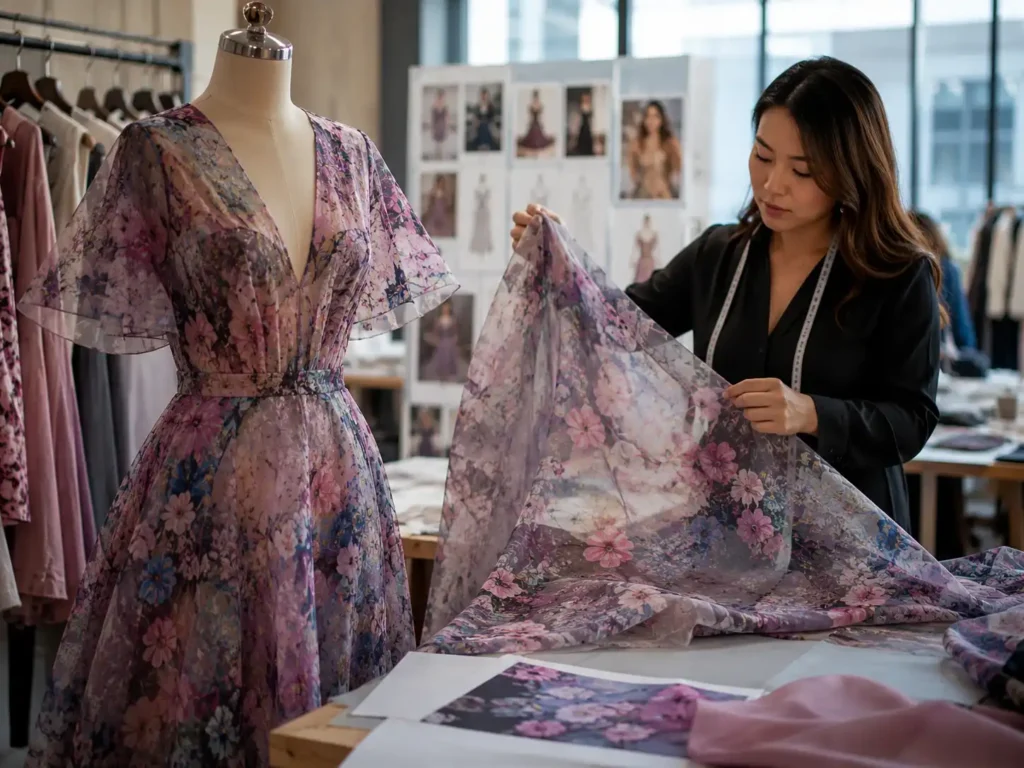
Exclusive Print Route
- Prepare production-quality artwork.
- Approve repeat, scale and color physically.
- Protect files under NDA-based cooperation.
Selecting a Printing Route for Each Program

Digital Printing

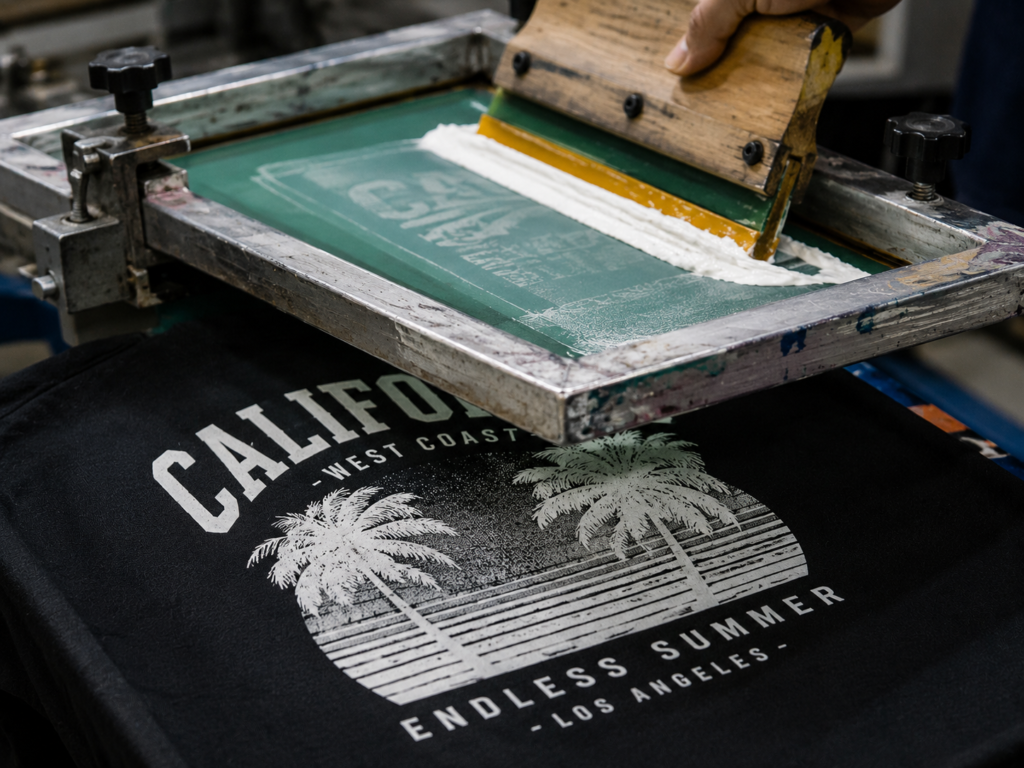
Screen Printing
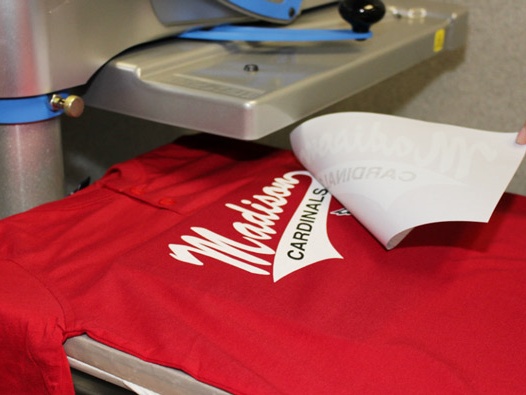
Heat Transfer
Placement Printing
Approving Print Color Before Bulk Production
Define Standard
Select Base Fabric
Develop Print Swatch
Review Lighting
Record Approval
Verify Bulk Lot
Controlling Print Direction and Motif Placement

Front Bodice

Waist Seam

Side Seams

Center Back

Sleeve Direction
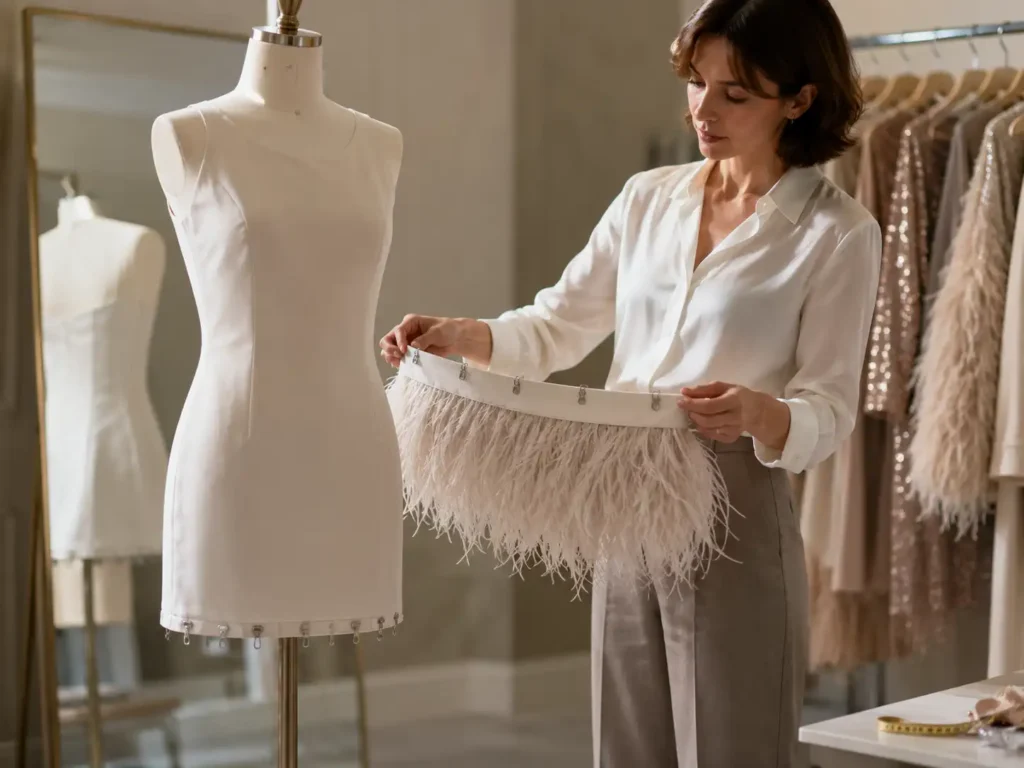
Skirt Panels
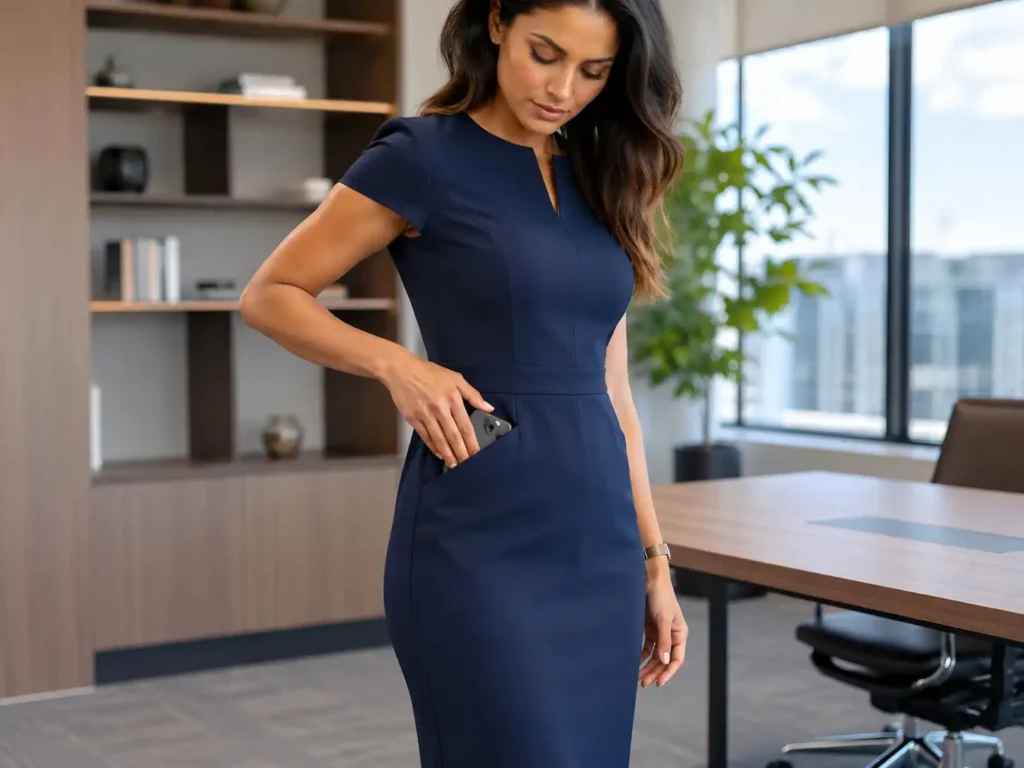
Pockets and Plackets

Graded Sizes
Fabric Bases Transforming Animal Prints

Satin

Chiffon

Rayon and Viscose
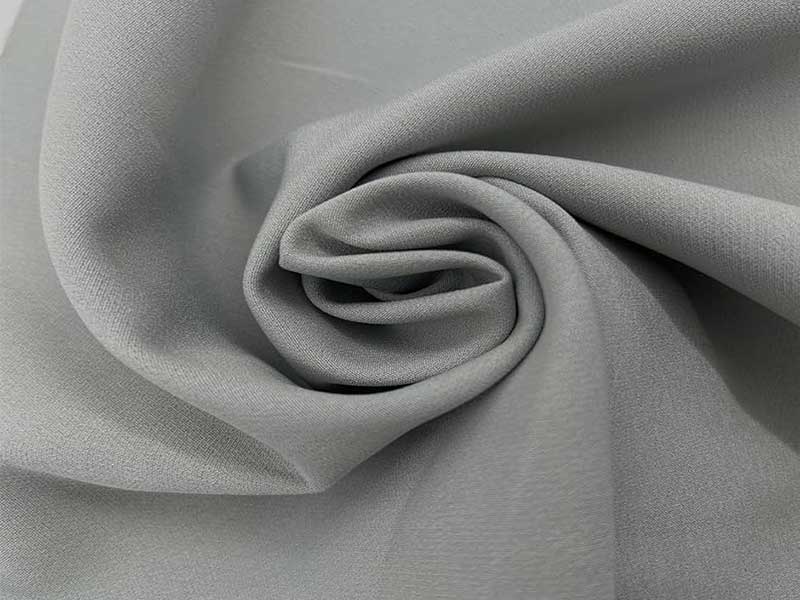
Polyester Woven
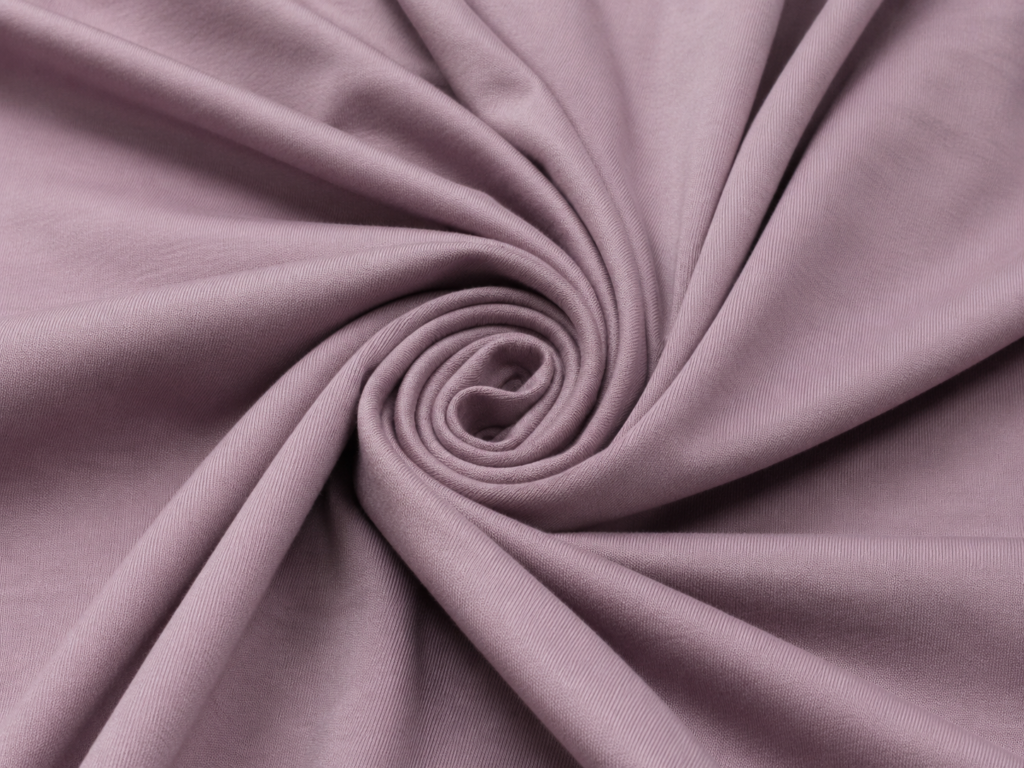
Jersey
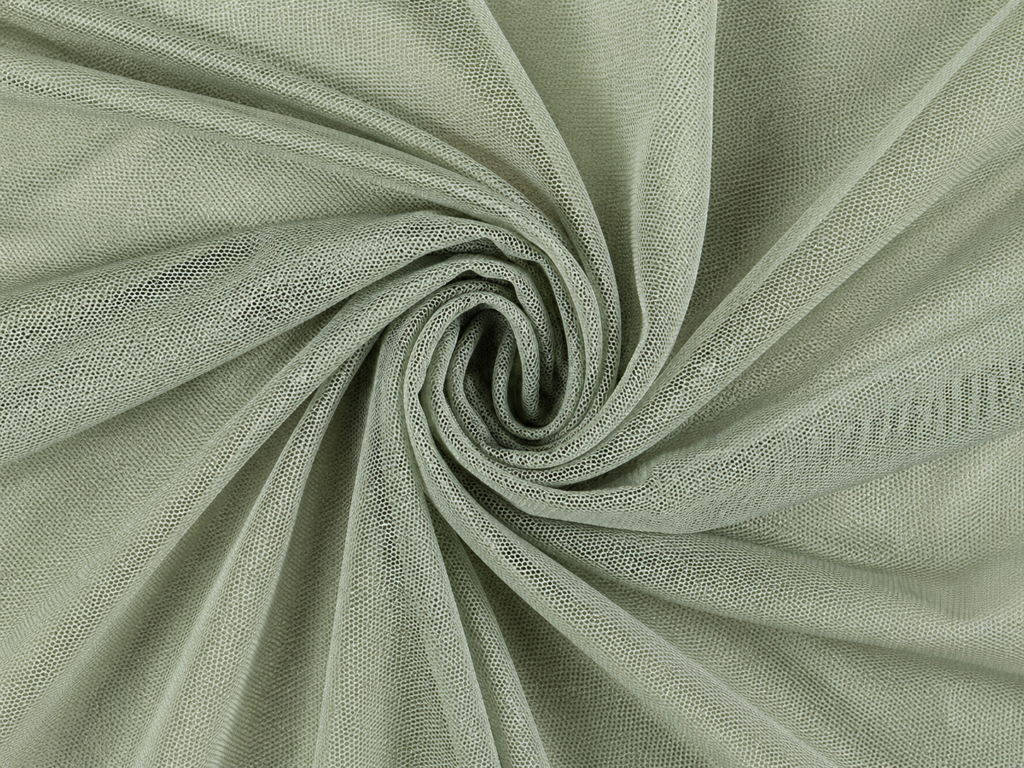
Stretch Mesh
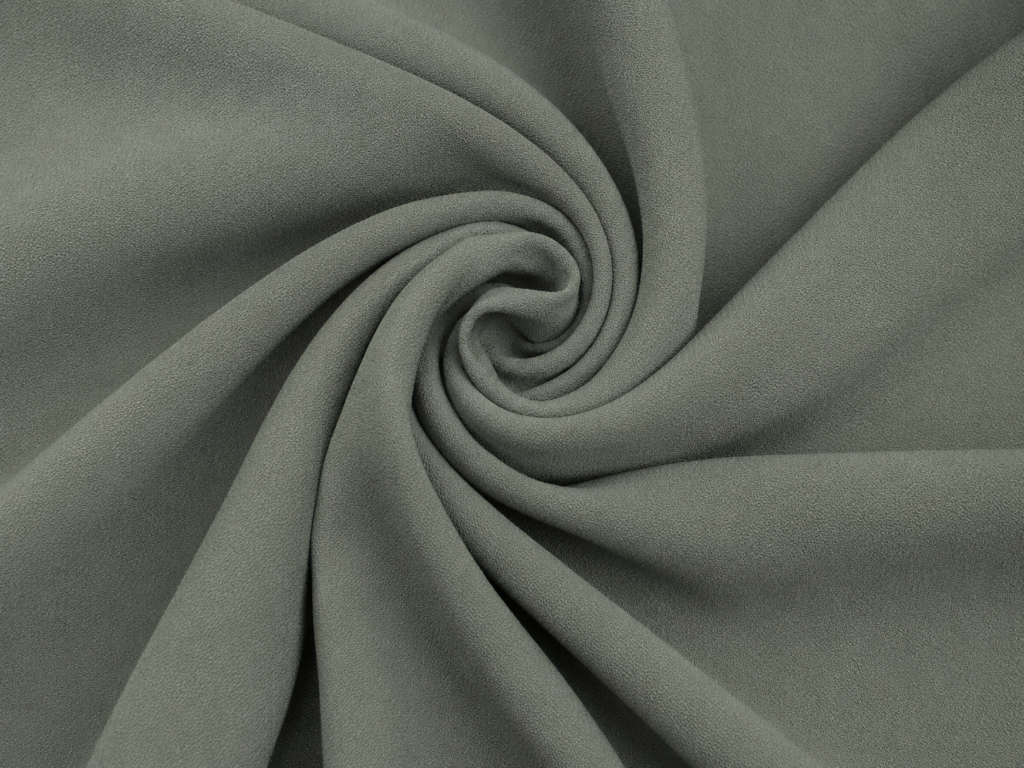
Crepe
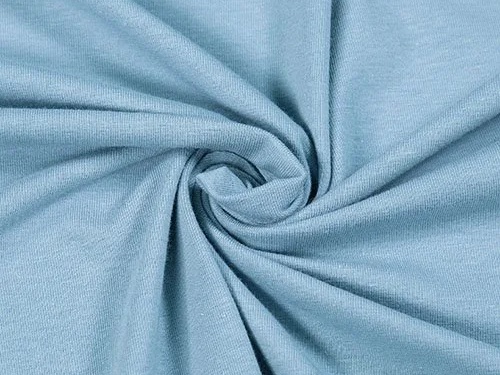
Cotton Blend
Fabric Performance Checks for Printed Dresses
Fabric Weight
Usable Width
Shrinkage
Stretch Recovery
Transparency
Wash Fastness
Rubbing Fastness
Surface Durability
Why Print Direction Changes Fabric Consumption
Random All-Over Prints
- Lower matching demand
- More flexible marker planning
- Suitable for broad commercial programs
Directional Prints
- One-way cutting
- Higher potential wastage
- Direction arrows required
Matched or Symmetrical Prints
- Placement zones defined
- Tolerance agreed before sampling
- Consumption reviewed by style
Long and Complex Structures
- Length and sweep matter
- Lining adds separate consumption
- Complexity affects cutting time
Fit Engineering for Bold Printed Silhouettes

Bust Balance

Waist Position
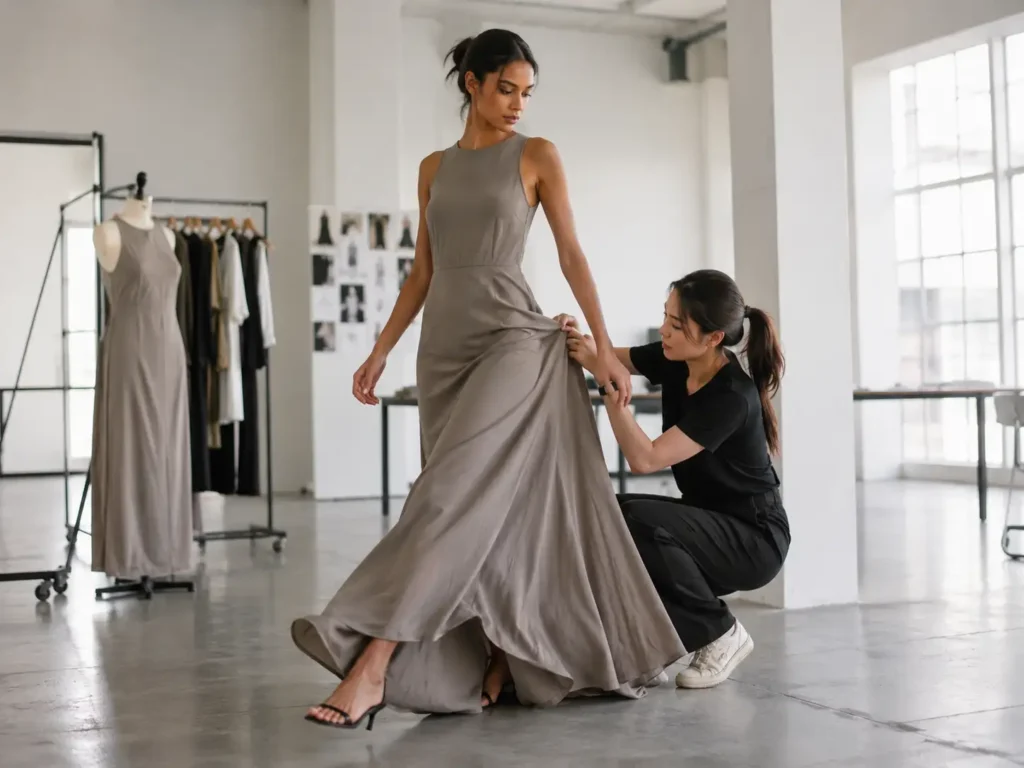
Hip Ease
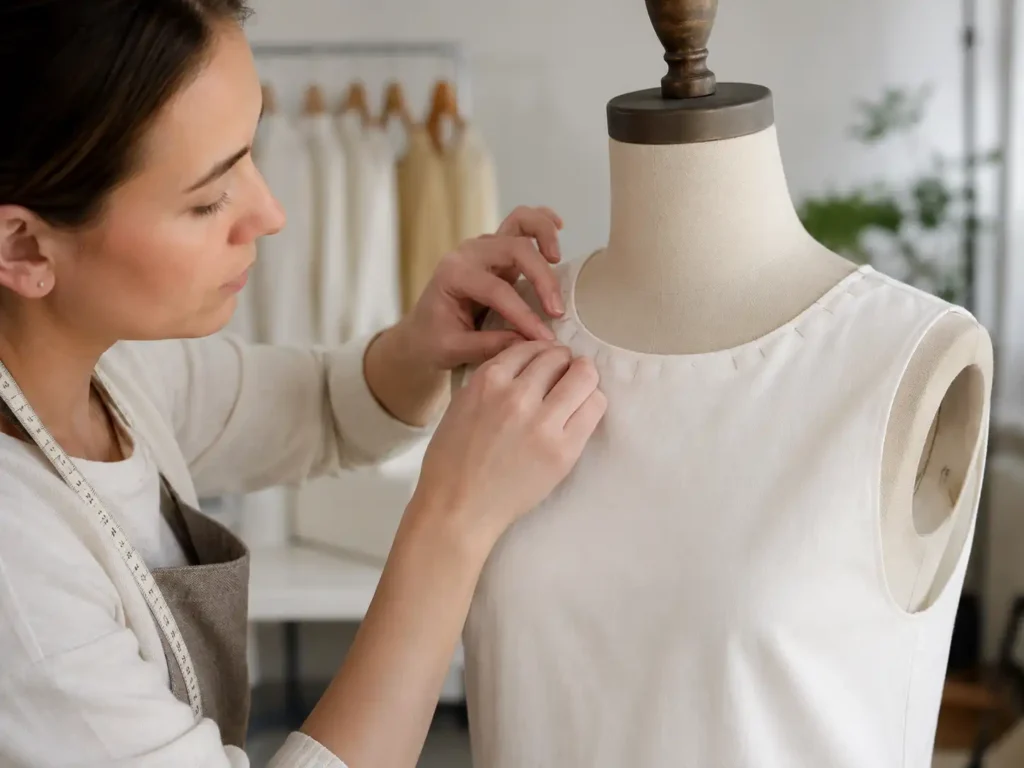
Neckline Stability
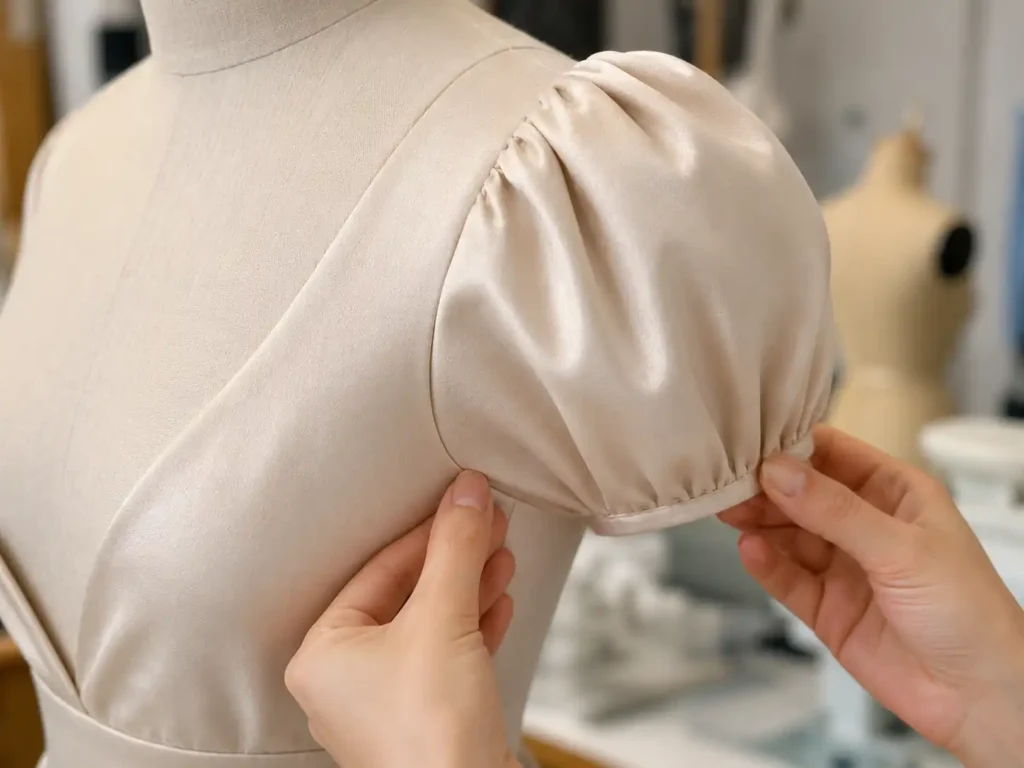
Armhole Coverage

Dress Length
Side Seam Balance

Size Grading
Construction Details Behind Sellable Printed Dresses

Neckline Stabilization

Lining Coverage
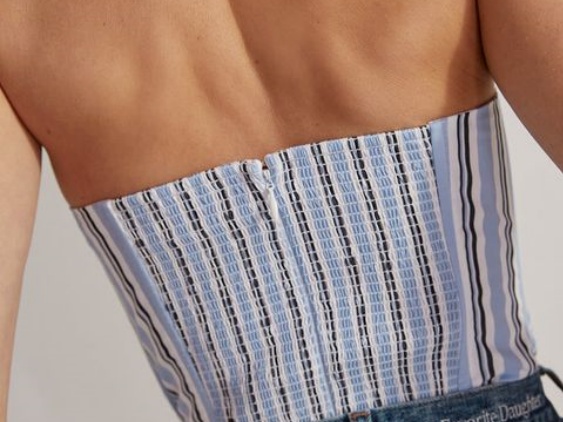
Invisible Zipper
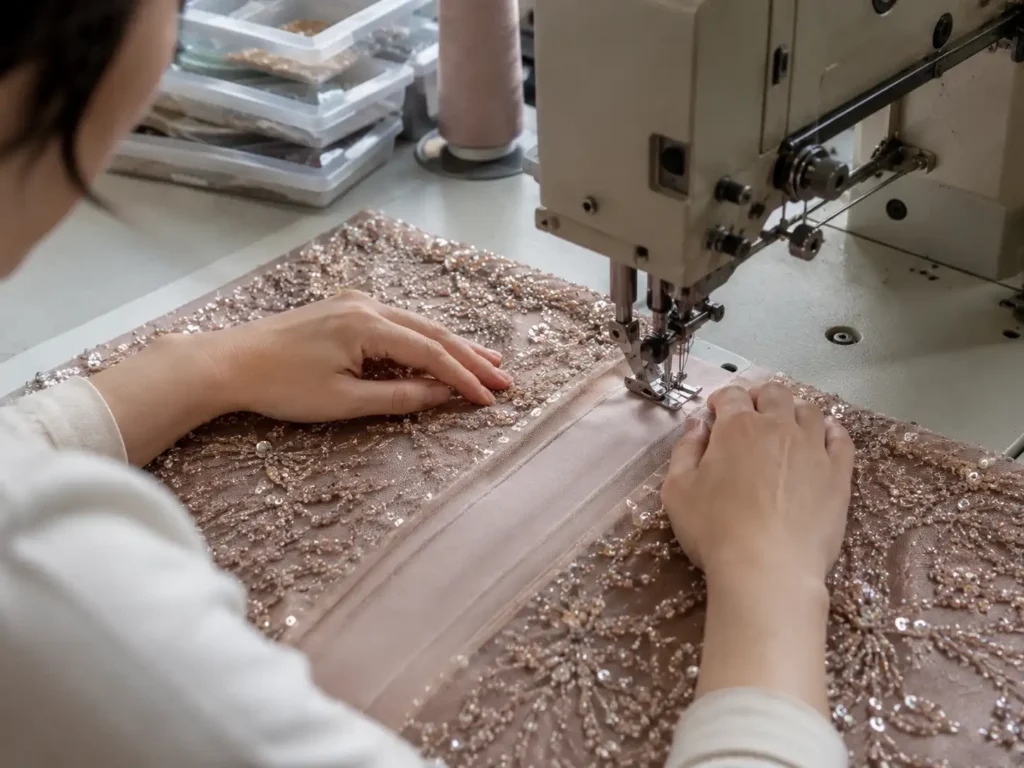
Ruched Seams
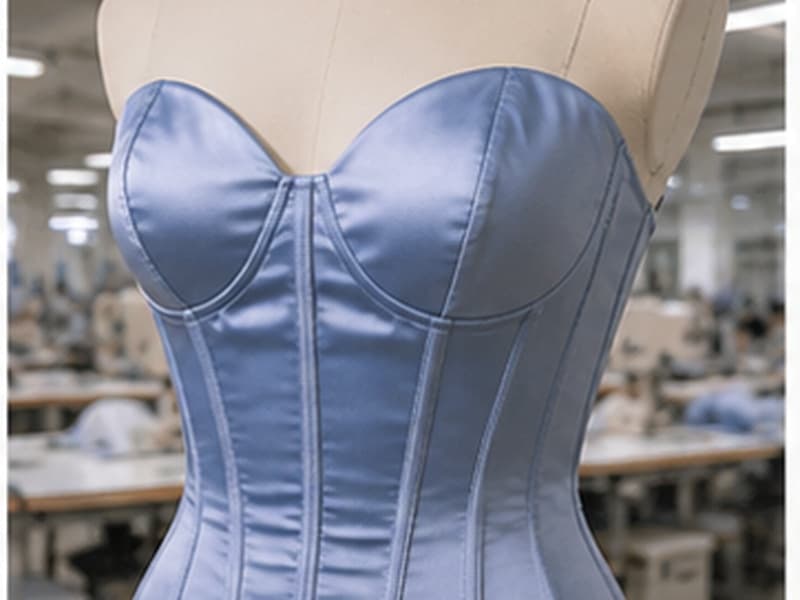
Corset Support

Cut-Out Reinforcement

Slit Control

Hem Finishing
What We Review Before the First Sample
Front and Back Views
Base Measurements
Size Chart
Grade Rules
Print Artwork
Fabric Preference
Lining Requirements
Trim Details
Label Artwork
Packaging Files
Quantity Plan
Launch Calendar
From First Sample to Approved Print Dress

First Sample

Fit Sample

Revised Sample

Photo Sample

PP Sample

Golden Sample
What Must Be Approved Before Bulk Cutting
Print Standard
- Artwork filename and revision
- Repeat and scale
- Color reference
- Direction and placement
- Approved fabric swatch
Garment Standard
- Approved PP sample
- Measurement chart
- BOM and trim card
- Sewing instruction
- QC checkpoints
Packing Standard
- Label artwork
- Barcode and SKU list
- Packing instruction
- Carton breakdown
- Warehouse guide
Bulk Production Built Around Approved Standards
Fabric Inspection
Fabric Relaxing
Marker Planning
Cutting Control
Sewing Production
Inline Inspection
Finishing and Pressing
Packing Release
Workmanship Details We Inspect on Printed Dresses
Balanced Neckline
Flat Side Seams

Smooth Zipper

Controlled Ruching
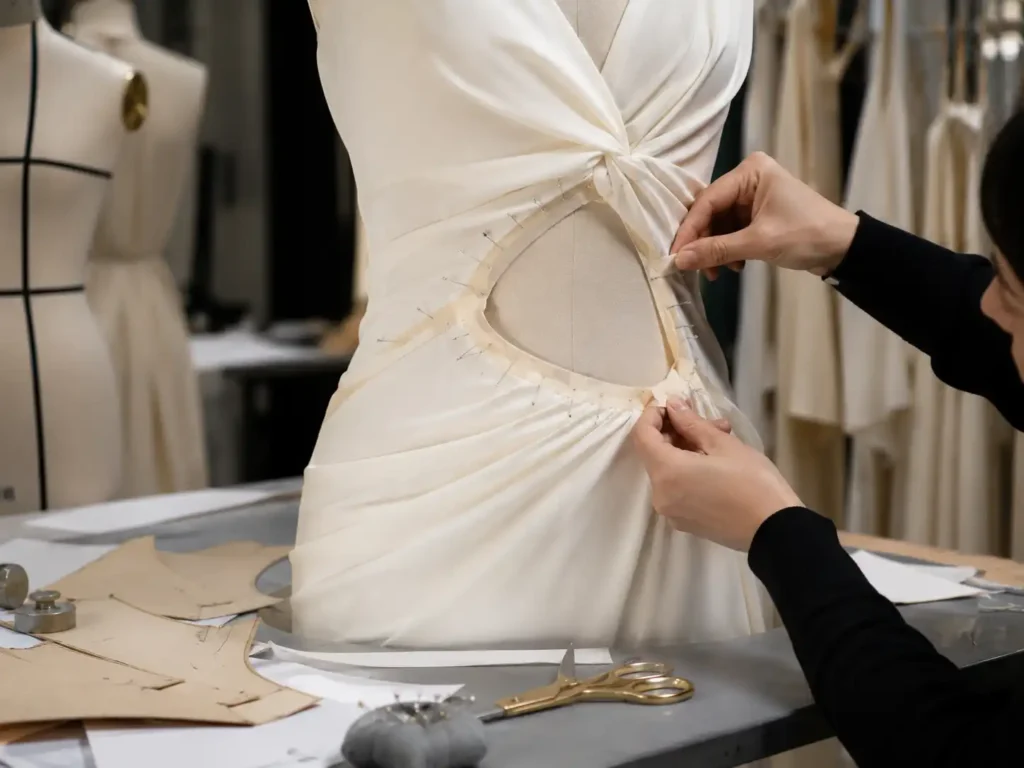
Stable Cut-Outs

Secure Lining
Reinforced Slits

Clean Hemline

Surface Finish
Quality Control from Printed Fabric to Packing
| QC Stage | Inspection Focus | Main Risk | Control Record |
| Incoming Fabric | Color, clarity, repeat, flaws, width, quantity | Batch variation, print defects, unusable areas | Fabric inspection notes and photos |
| Cutting | Direction, motif placement, size, notches, defects | Reversed panels, mixed sizes, visible flaws | Cutting instruction and panel check |
| Sewing Start | First pieces, construction, print orientation, measurements | Wrong method repeated through the line | First-piece review and correction |
| Inline Sewing | Seams, zipper, ruching, lining, symmetry, critical measurements | Accumulated workmanship or fit deviation | Inline QC feedback and repair follow-up |
| Finished Garment | Appearance, full measurements, stains, snags, hem, pressing | Size inconsistency, surface damage, imbalance | Measurement sheet and garment inspection |
| Packing | Labels, care content, barcode, SKU, folding, polybag, ratio | Warehouse errors, wrong identity, packing damage | Packing checklist and carton photos |
| Final Release | Order quantity, AQL support, carton marks, documents | Shipment claim or receiving rejection | Final report and shipment file |
Managing Multi-Style Print Collections at Scale
Style Matrix
Print Version Control
Fabric Grouping
Sample Tracking
Production Allocation
Size and SKU Control
Delivery Phasing
Reorder Records
Animal Print Dress Programs for Global Markets
United States Ecommerce Program
Program scope: 24 animal print and coordinated solid-color dress styles, 46,800 garments across mini, bodycon, ruched, corset and mesh-overlay silhouettes. The assortment used four print families and multiple size ratios for a high-frequency online launch calendar.
Challenge: stretch mesh and jersey changed motif shape over bust and hip areas, while several corset panels interrupted print flow. Barcode, SKU and polybag information also varied across style-color-size combinations.
Manufacturing response: print scale was reviewed on pattern views before sample release; fit comments were translated into bust-waist-hip pattern corrections; PP standards locked print, support structure, labels and packing. Production files separated each artwork revision and colorway.
Result: 24 styles moved through sample, PP, bulk QC and staged packing under one coordinated collection file. Priority launch styles were prepared first, while remaining styles followed the approved shipment plan.
- Market: United States
- Styles: 24
- Order quantity: 46,800 pcs
- Core control: stretch distortion, corset panels, SKU accuracy
United Kingdom Occasion Program
Program scope: 16 printed midi, slip, wrap and structured occasion dresses totaling 32,400 garments. Fabrics included satin, crepe, lightweight woven polyester and lined mesh in leopard, snake and abstract animal directions.
Challenge: satin reflection altered perceived color, center-back zippers divided feature motifs, and long hems needed consistent balance after pressing. Several styles required refined neckline and lining coverage for ecommerce imagery.
Manufacturing response: physical print standards were reviewed by fabric base; zipper and waist-seam placement were checked on PP samples; hem leveling followed fabric settling; packaging reduced deep fold pressure on satin surfaces.
Result: the range achieved a consistent color and finishing standard across four fabric categories, with measurement, packing and carton records organized for retail receiving and later repeat-order evaluation.
- Market: United Kingdom
- Styles: 16
- Order quantity: 32,400 pcs
- Core control: satin color, motif interruption, hem balance
Australian Resort Program
Program scope: 21 printed maxi, halter, wrap and relaxed mini dresses totaling 58,600 garments. The range used rayon, viscose, chiffon and printed woven bases across leopard, zebra and recolored abstract prints.
Challenge: long directional panels increased material use, rayon shrinkage affected final length, and light chiffon required lining and transparency decisions. Travel packing needed to limit severe creasing before warehouse receipt.
Manufacturing response: fabric width and one-way cutting were included in consumption planning; shrinkage and length were reviewed before grading; lining coverage was approved by style; folding and polybag dimensions were confirmed before bulk packing.
Result: 21 styles were coordinated through print, fit, PP, bulk and packing records, supporting a resort launch with multiple delivery groups and repeat-ready production files.
- Market: Australia
- Styles: 21
- Order quantity: 58,600 pcs
- Core control: direction, shrinkage, transparency, travel packing
Private Label Dresses Prepared for Retail

Woven Label
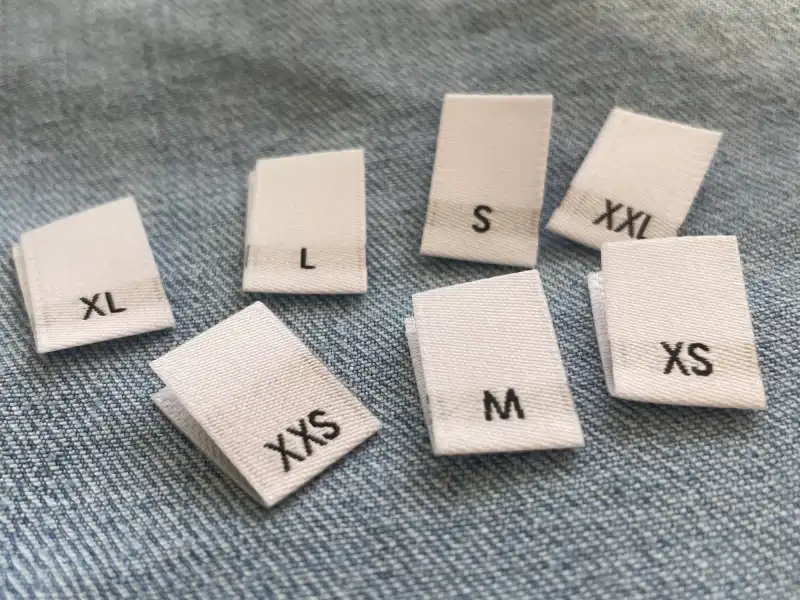
Size Label
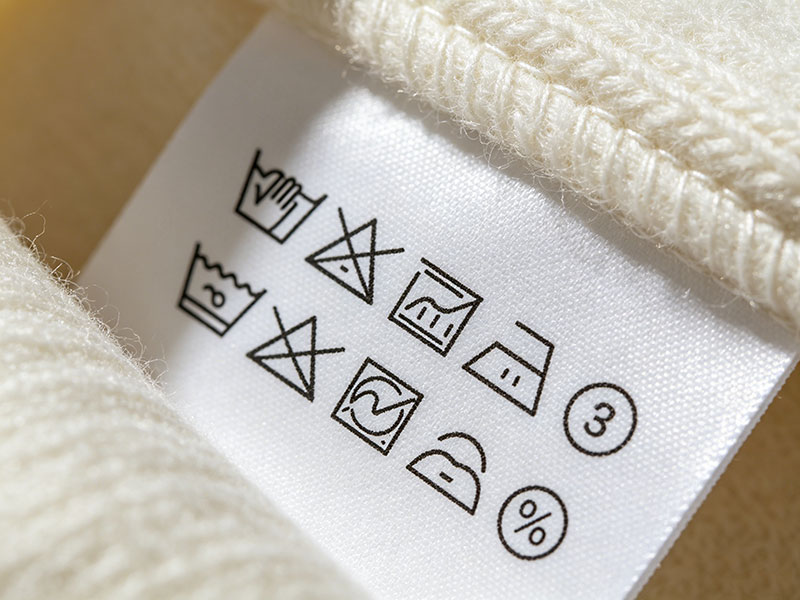
Care Label

Hangtag
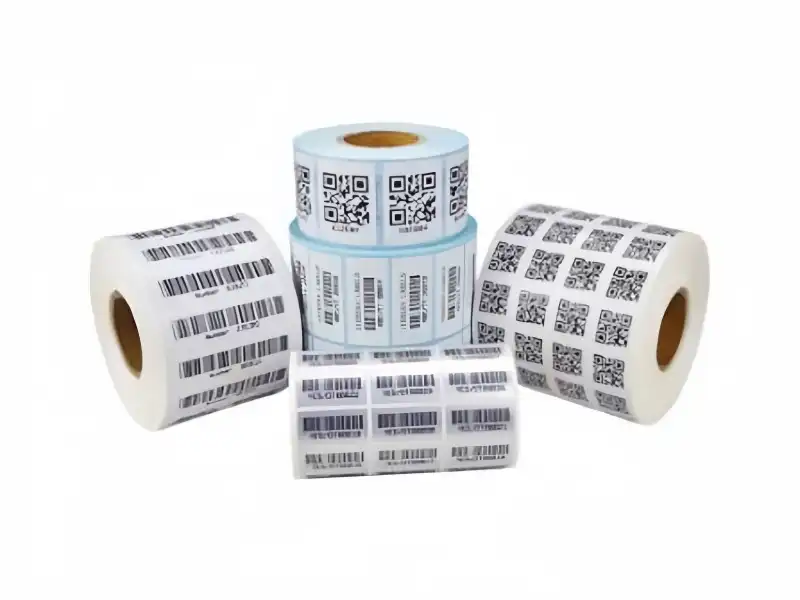
Barcode Sticker

Individual Polybag
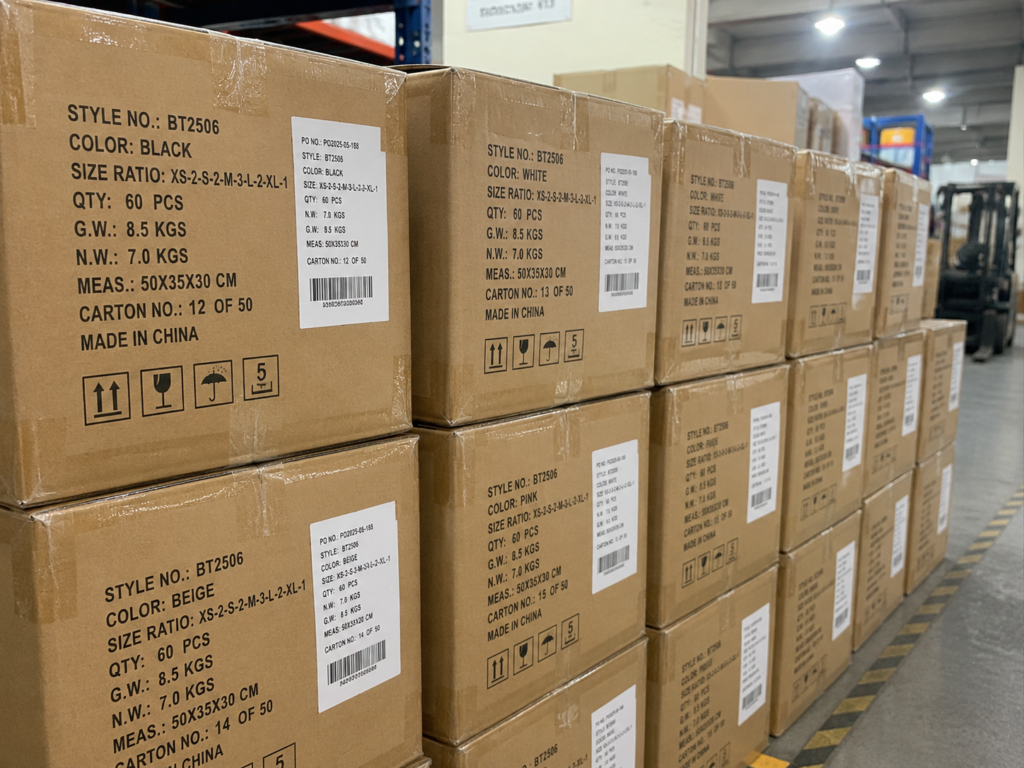
Carton Mark

Packing Ratio
Protecting Exclusive Prints and Repeat-Order Records
Design Protection
- NDA support
- Restricted project use
- No unauthorized brand disclosure
- Protected unpublished artwork
Repeat-Order Control
- Pattern and measurement record
- Print and fabric reference
- Trim and packing record
- New lot re-approval
Frequently Asked Questions About Animal Print Dresses
Yes. Brand teams can provide completed production artwork, a repeat file or a reference direction. Jinfeng can review file quality, repeat, physical scale, color references, fabric base and print feasibility with suitable supply partners. Artwork ownership and approved use should be clear before development.
Editable AI, PSD or layered PDF files are preferred. High-resolution TIFF artwork can also be reviewed. Include repeat size, physical scale, direction, color references and placement notes. Compressed screenshots or web images usually require rebuilding before print production.
A reference garment can guide color, scale and style direction, but ownership and legal use must be confirmed by the brand. A physical sample may also require artwork rebuilding, repeat construction and color review before a reliable print file is available.
Jinfeng evaluates and coordinates print routes according to artwork, fiber, fabric surface, order quantity, handfeel and color needs. Digital, screen, heat-transfer or placement routes may be considered through suitable print partners after technical review.
Yes, where the artwork and garment construction support controlled placement. Direction, symmetry, feature motifs, waist seams, zippers, sleeves, pockets and skirt panels can be marked in the technical file. Exact matching may increase fabric consumption.
Common options include satin, chiffon, rayon, viscose, woven polyester, jersey, stretch mesh, crepe and cotton blends. Selection depends on silhouette, drape, stretch, transparency, print clarity, care performance, target price and retail position.
Color approval can use Pantone references, physical fabric swatches, an original garment or a printed standard. A print swatch or strike-off is reviewed on the intended base fabric, then retained with the approved artwork revision and scale.
MOQ starts from 200 pcs per style/color. Different styles cannot normally be combined to reach one 200-piece minimum. Custom printing, dyeing, special fabrics, trims, labels or packaging may carry separate supplier minimums.
Yes. The confirmed quantity for one style/color can be distributed across multiple sizes according to the approved size ratio. A finished-garment size chart, grade rules, size labels and carton breakdown are required for accurate production and packing.
Regular dresses normally require about 10-15 days after details and materials are ready. Complex corset, mesh, lace, special-print or structured styles commonly require 15-25 days or project confirmation. Revisions, custom materials and print swatches can extend timing.
No. A photo sample may be prepared for content or campaign use. A PP sample represents the intended bulk standard with approved fabric, print, pattern, measurements, trims, workmanship, labels and packing information.
Yes. Woven labels, care labels, size labels, hangtags, barcode stickers, SKU labels, polybags, carton marks and warehouse labels can be coordinated. Each item needs approved artwork, content, placement and supplier MOQ review.
Jinfeng can retain patterns, measurements, print files, fabric references, trim records, workmanship notes, QC feedback and packing requirements. New fabric or print lots still require availability, shade, cost and schedule confirmation before production.
Testing can be coordinated according to fabric, color, market and brand requirements. Scope, laboratory, sample quantity, cost, timing and applicable standards must be confirmed for each program. No blanket claim covers every fabric or order.

Start Your Animal Print Dress Program
Send enough information for a focused development and production review. Kelly will coordinate the initial assessment with the relevant product, fabric, pattern and project teams.
For a quotation or sample plan, share your tech pack, reference images, print artwork or direction, target fabric, quantity per style/color, size range, labels, packaging requirements and launch timing. Jinfeng will review print feasibility, fabric behavior, pattern complexity, MOQ, sample scope, production risk and the information needed before a formal offer.Files remain limited to project evaluation, development, production, QC, packing and delivery coordination.
NDA-based cooperation is available for exclusive prints, unpublished designs and private-label information.
- Tech pack, line sheet or clear front/back references
- Editable print artwork, repeat size and color references
- Target fabric, lining and key trim requirements
- Quantity by style, color and size range
- Woven label, care label, hangtag and barcode files
- Target sample date, launch date and destination market