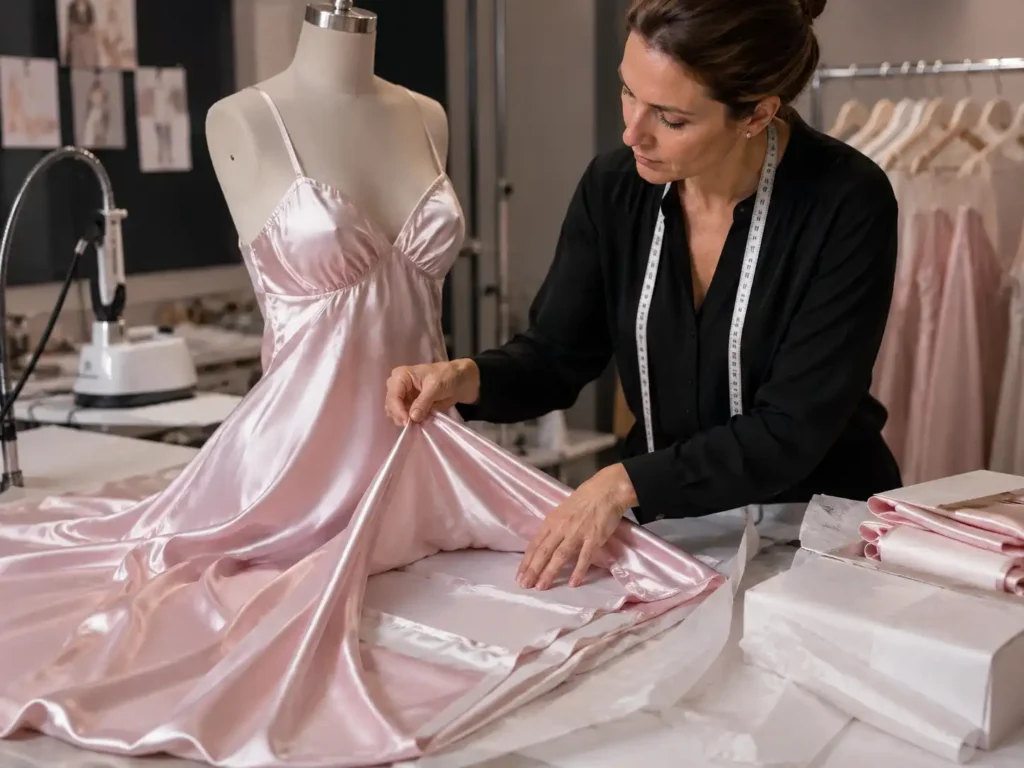
Matte Satin Dress Manufacturer
Custom matte satin dress development for established fashion, occasionwear, ecommerce and private-label brands.
Jinfeng Apparel converts reference images, original samples, sketches and tech packs into production-ready matte satin dresses. Fabric direction, drape, opacity, stretch, lining, fit, zipper flatness, seam appearance, pressing and packing are reviewed before bulk cutting.
- Matte satin options are evaluated across an 80-220 gsm reference range, with composition, stretch, drape and opacity selected for each silhouette.
- MOQ starts from 200 pcs per style/color; custom dyeing, special trims and branded packaging may carry separate supplier minimums.
- A structured production network includes 6 owned women’s fashion factories, 10+ long-term production partners and 18+ sewing lines.
- A documented US satin occasionwear program covered 12 styles and around 20,000 pieces, including multi-color control, lining, invisible zippers and repeat colors.
Manufacturing Capacity for Satin Dress Programs
Since 2008
6 Owned Factories
10+ Production Partners
2 Sample Rooms
7+ Pattern Makers
15+ QC Inspectors
Built for Established Fashion and Occasionwear Brands
Occasionwear Brands
Premium Ecommerce Brands
Bridesmaid Labels
Wedding Guest Brands
Sourcing Teams
Private Label Programs
Why Matte Satin Dress Production Goes Wrong
Wrong Matte Level
Shade Variation
Surface Snagging
Zipper Bulging
Seam Puckering
Pressing Creases
Is Jinfeng the Right Manufacturing Partner?
Best Fit For
- Reference images, sketches, original samples, line sheets or tech packs
- A quantity plan meeting 200 pcs per style/color
- Professional sampling and revision approval
- Seasonal collections, repeat colors or replenishment potential
- Brand labels, SKU control and export packing requirements
Project Boundaries
- Ready-stock purchasing is not the core service
- Dropshipping and single-piece fulfillment are not provided
- Multiple styles cannot be combined to reach one style/color MOQ
- The lowest unit price is not prioritized over brand-level appearance
- Bulk cutting does not begin before PP approval
Matte Satin Dress Styles We Develop

Slip Dress

Cowl Neck Dress

Ruched Midi Dress

Satin Mini Dress

Bias-Look Maxi Dress

Strapless Dress

One-Shoulder Dress

Corset Satin Dress
Satin Collections for Different Fashion Markets

Wedding Guest
Midi and maxi dresses need refined proportion, comfortable lining, controlled movement and a clean photographic finish. One-shoulder, halter, ruched and draped options can share one fabric direction while retaining distinct silhouettes.

Bridesmaid

Cocktail

Evening

Partywear
Resort Evening
What Makes Satin Look Matte Rather Than Glossy?
Fiber Composition
Yarn and Weave
Weight and Density
Surface Finish
Lighting Response
Stretch and Recovery
Compare Matte Satin Options Before Sampling
Fabric selection should link visual effect with pattern behavior, lining, workmanship and end use. Reference weight ranges guide early review; final approval is based on the actual supplier swatch and sample garment.
| Fabric Direction | Reference Weight | Stretch | Drape | Best-Fit Styles | Main Control Points |
|---|---|---|---|---|---|
| Lightweight matte satin | 80-120 gsm | Low or none | Fluid | Slip, cowl neck, resort evening | Opacity, seam marks, hem balance, lining |
| Medium matte satin | 120-170 gsm | Low | Balanced | Midi, bridesmaid, wedding guest | Creasing, zipper line, shade consistency |
| Stretch matte satin | 140-200 gsm | Medium | Body-following | Bodycon, ruched, fitted mini | Recovery, seam tension, lining stretch |
| Heavy matte satin | 170-220 gsm | Low | Structured | Corset, formal maxi, strapless | Bulk, pressing marks, internal support |
| Silk-like satin | Project-based | Varies | Soft and fluid | Premium occasionwear, draped dresses | Supplier consistency, care, cost, shade |
Controlling Matte Sheen, Shade and Fabric Direction

Face-Side Approval

Directional Cutting

Dye-Lot Grouping

Lighting Review

Lining Coordination

Repeat Color Records
Approve Fabric Before Pattern and Sample Development
Material Specification
- Fiber composition and supplier reference
- Weight and usable width
- Stretch direction and recovery
- Face and back identification
Visual Performance
- Matte level under several light sources
- Color depth on flat and draped fabric
- Opacity over skin-tone and lining references
- Surface snagging and pressure sensitivity
Garment Compatibility
- Drape for neckline and skirt volume
- Suitability for ruching, bias or corset structure
- Lining and interfacing compatibility
- Hem and seam appearance
Commercial Conditions
- Stock or custom-dye availability
- Fabric MOQ by color
- Bulk material lead time
- Cost impact and replacement risk
Pattern Development for Satin Drape and Fit
Bust Coverage
Waist Position
Hip Ease
Cowl Depth
Strap Placement
Side-Seam Balance
Slit Height
Finished Length
Construction Details Protecting Satin Appearance

Invisible Zipper

Cowl Stabilization
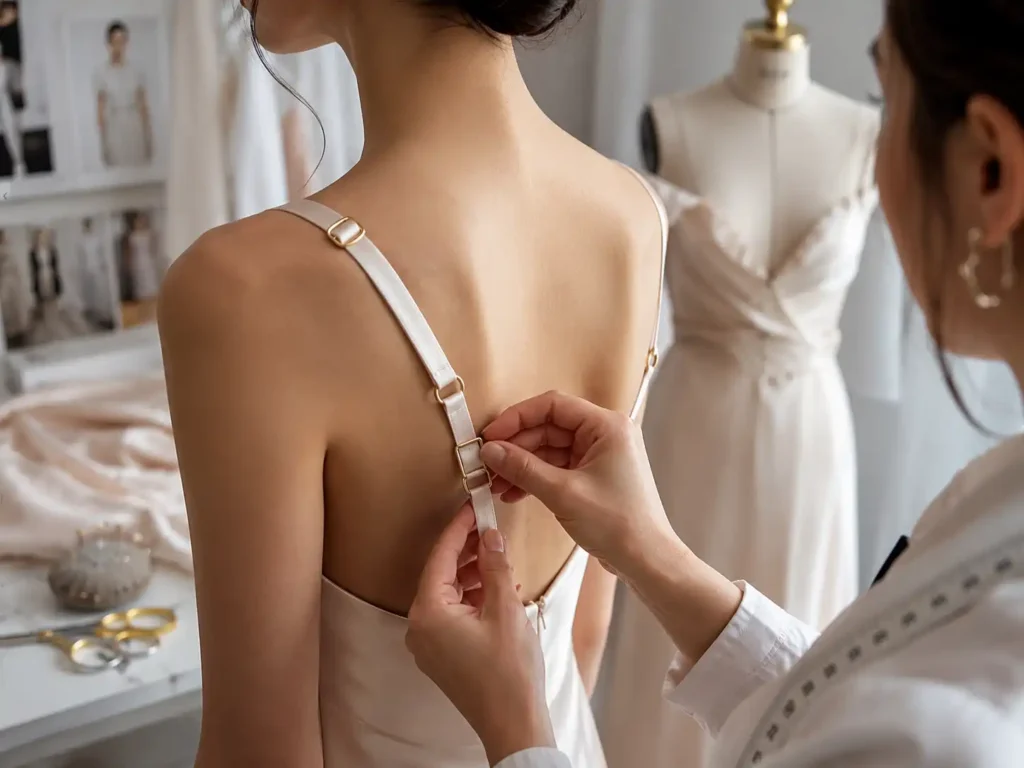
Adjustable Straps

Ruched Waist
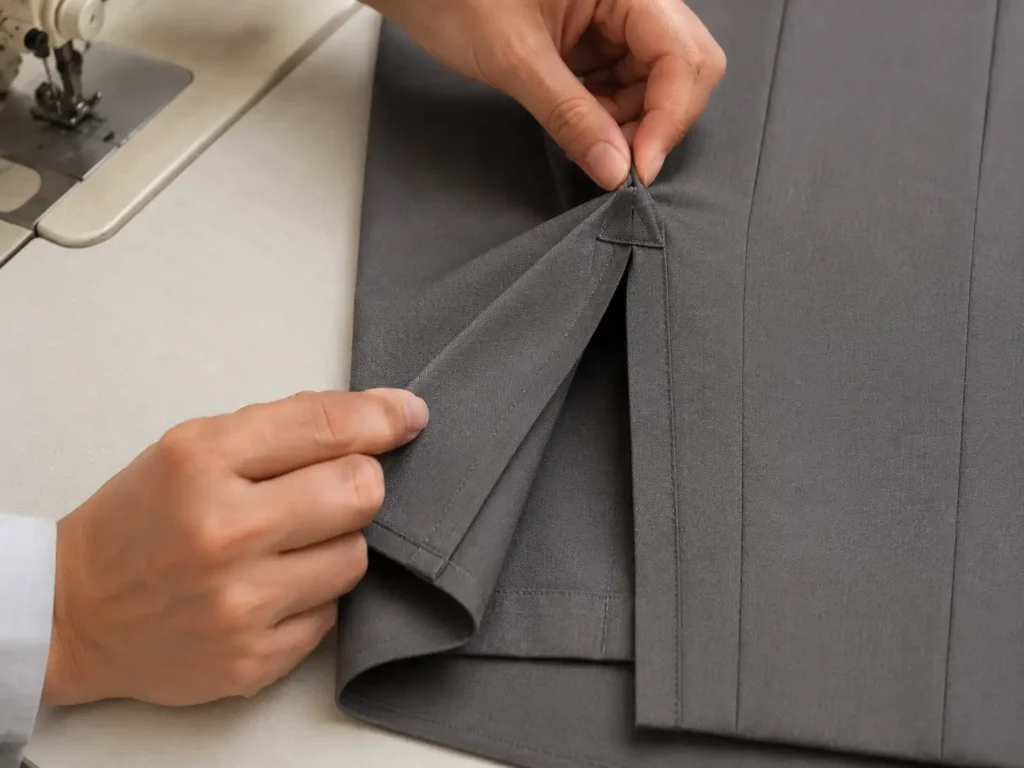
Slit Reinforcement

Clean Hem Finish
Lining Choices for Coverage, Comfort and Movement

Light Fluid Lining

Stretch Lining

Structured Lining
From Fabric Direction to Approved Satin Sample
Project Review
Fabric Direction
Pattern Development
First Sample
Fit Review
Revised Sample
PP Sample
Golden Sample
What We Review During Satin Sample Revisions

Fabric and Sheen

Fit and Measurement

Construction and Trims

Finishing and Presentation
Controlled Bulk Production for Satin Collections
PP Approval
Fabric Inspection
Shade Grouping
Directional Cutting
Sewing Setup
In-Line Inspection
Finishing
Final Inspection
Shipment Preparation
Sewing and Pressing Methods for Clean Satin

Needle Selection

Thread Tension

Seam Feeding
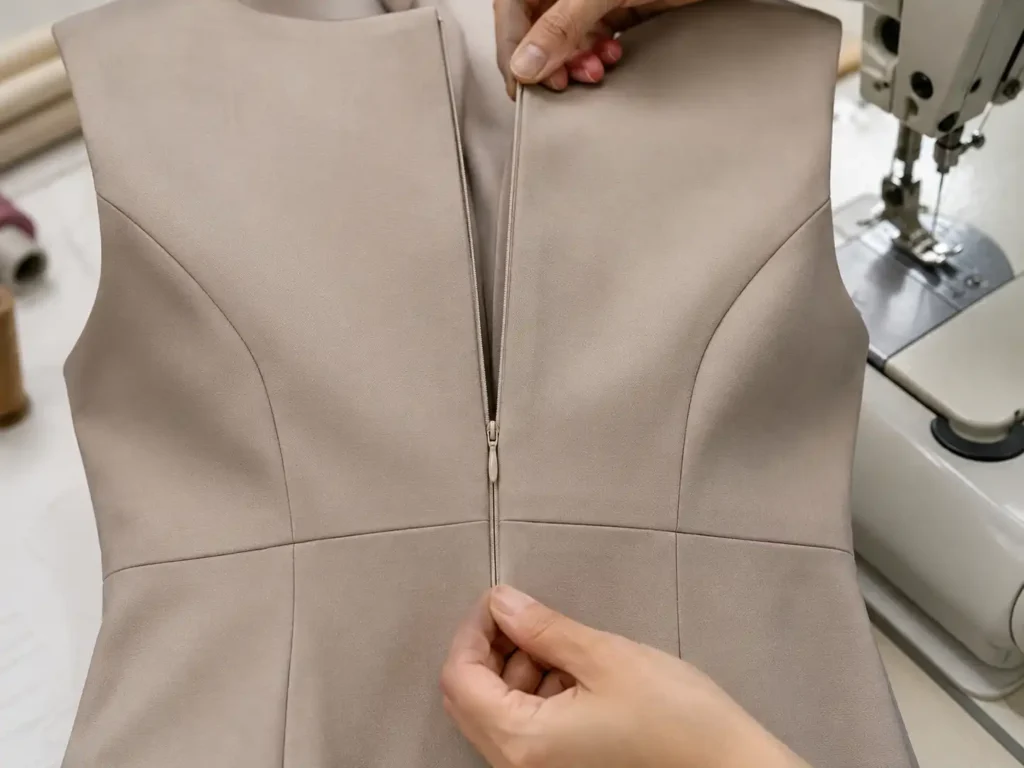
Zipper Installation

Pressing Control

Clean Work Surfaces

Garment Transfer

Hem Preparation
Satin-Specific Quality Checks Before Shipment
Quality control follows the risk path of the garment. Satin inspection begins with incoming fabric and continues through cutting, sewing, measurements, finishing and packing.
| QC Stage | Inspection Focus | Risk Controlled |
|---|---|---|
| Incoming fabric | Shade, sheen, face side, snagging, stains, width, visible defects | Wrong or damaged material entering production |
| Cutting | Direction, face-side marking, panel matching, notches, shade grouping | Mixed light direction and panel mismatch |
| In-line sewing | Seam puckering, needle marks, zipper flatness, gathering, strap symmetry | Repeated workmanship defects |
| Measurement | Bust, waist, hip, length, straps, neckline, slit and hem sweep | Fit and grading inconsistency |
| Finishing | Pressing marks, wrinkles, loose threads, stains and surface pulls | Poor retail appearance |
| Final inspection | Color group, workmanship, labels, size and assortment | Mixed, incomplete or non-conforming shipment |
| Packing | Cooling, folding, tissue, polybag, carton pressure and SKU separation | Transport creases and packing errors |
What Determines Matte Satin Dress Cost?
Fabric Direction
Color Plan
Lining and Support
Pattern Complexity
Trims and Branding
QC and Packing
Measurement checks, satin-specific inspection, protected pressing, tissue, hanger packing, carton limits and brand inspection support are included according to the agreed standard.
Private Label Details for Retail-Ready Dresses
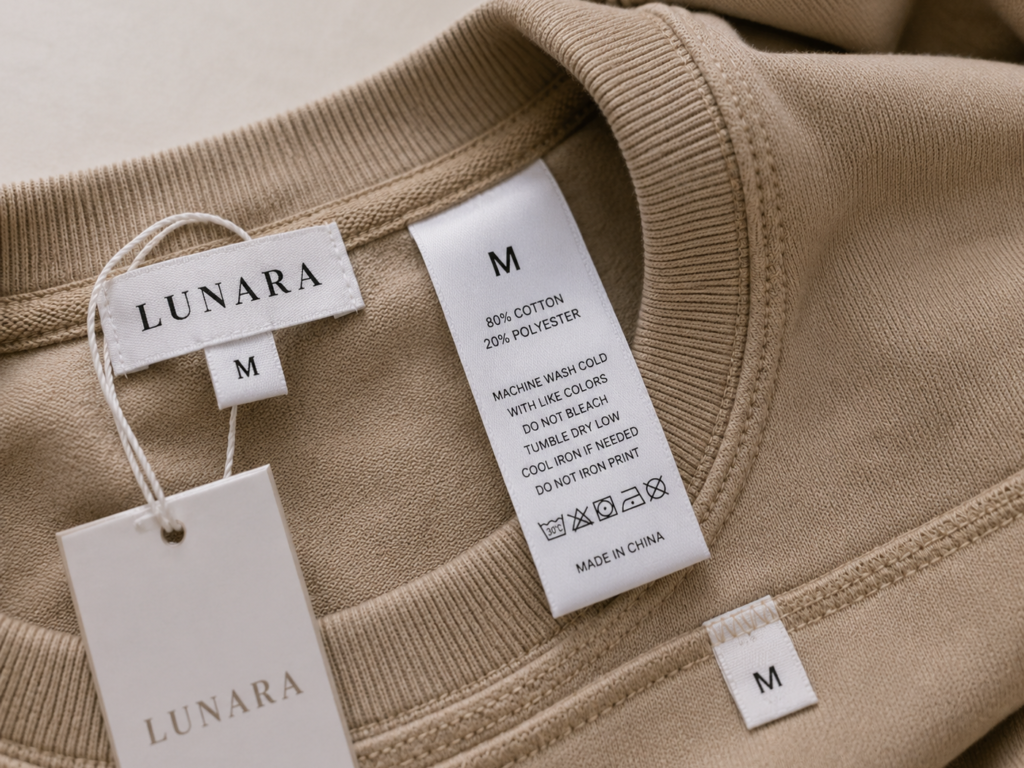
Woven Labels

Size Labels

Care Labels

Hangtags
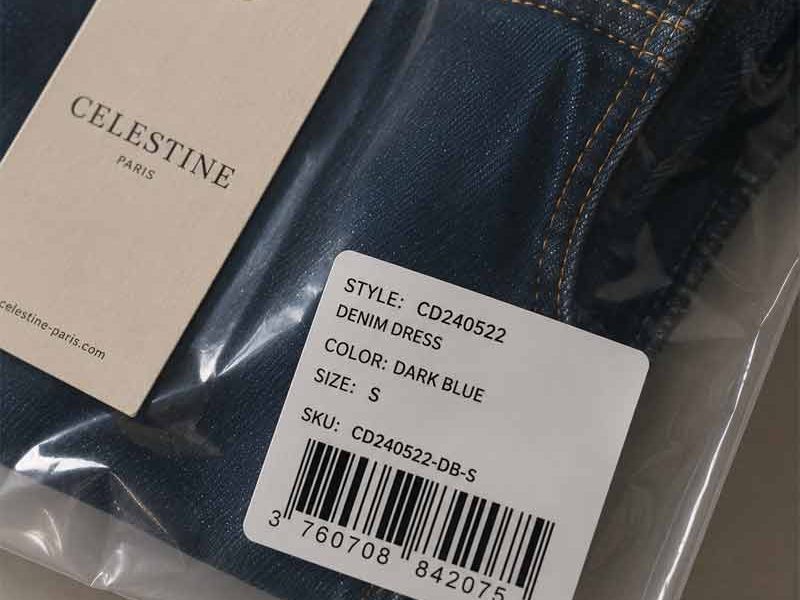
Barcode and SKU
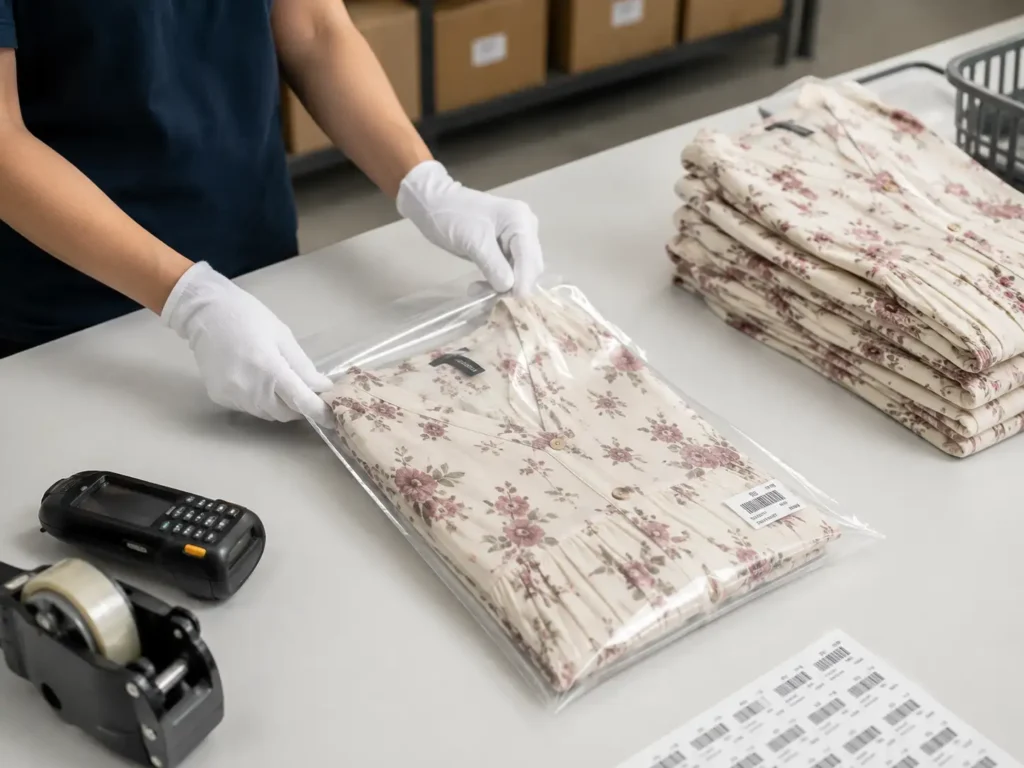
Branded Polybags
Packing Satin Dresses to Reduce Transport Creases
Cooling Before Packing
Controlled Folding
Individual Protection
Carton Pressure
Shipment Planning
Export Documents
20,000-Piece Satin Occasionwear Program
Program Scale
- 12 coordinated styles
- Around 20,000 pieces
- Mini and midi lengths
- Several colorways
- Matte and stretch satin
- Private-label delivery
Development Challenges
- Shade and sheen differences
- Zipper flatness at waist and hip
- Light lining comfort
- Multi-color bulk consistency
- Ruched waist balance
- Pressing and packing marks
Control Plan
Jinfeng Apparel reconfirmed satin weight, sheen direction, lining color, zipper specification and waist-hip pattern balance. First samples moved through revision, PP approval and Golden sample sealing. Bulk inspection focused on zipper flatness, shade grouping, seam appearance, pressing and packing.
- Fabric and lining approval
- Pattern correction
- Revised sample review
- PP sample approval
- Golden sample standard
- In-line and final QC
Project Result
Bulk production was completed according to the project schedule, supporting the planned occasionwear launch. Approved production records were retained, and the brand later added repeat colors using the established pattern, fabric and QC references.

Built for Seasonal Collections and Repeat Orders
Production Records
Fabric and Color Records
Design Protection
Frequently Asked Questions About Matte Satin Dresses
Matte satin reflects light more softly, while glossy satin creates stronger highlights. The result depends on fiber, yarn luster, weave, density, finish, color and lighting. Approval should rely on a physical swatch and sample garment, not only a fabric name.
Satin used for dresses often falls within an 80-220 gsm reference range. Lightweight options suit slips and cowls; medium weights suit midi and bridesmaid styles; heavier options suit structured, corset or formal silhouettes. Final selection depends on drape, opacity, lining and construction.
Lining depends on color, weight, opacity, silhouette and comfort target. Light colors, fitted styles and formal dresses often need lining. Slip and draped styles require a lining soft enough to preserve movement, while structured styles may need firmer internal support.
Bulk fabric is reviewed by roll and grouped by shade. Face side and sheen direction are confirmed before cutting, and noticeably different lots are not mixed within one garment. Repeat colors use retained references but still require fresh bulk approval.
Zipper flatness depends on pattern shape, fabric weight, seam allowance, zipper tape, stabilization and sewing tension. The zipper is sampled on approved fabric and checked on-body at the waist and hip before bulk production.
Custom dyeing can be reviewed according to target color, fabric supplier, material MOQ, lab-dip process, bulk timing and cost. Stock colors may support faster development, while custom colors require separate approval and supplier minimums.
Yes. Polyester-spandex satin can support bodycon, ruched and fitted silhouettes. Stretch percentage, direction, recovery, lining compatibility, seam tension and finished measurements are reviewed during sampling.
MOQ starts from 200 pcs per style/color. One style in two colors generally requires 200 pcs per color. Special fabrics, dyeing, trims, printing and packaging may have additional supplier MOQ.
Garments cool after pressing, then follow controlled folding, tissue placement, individual bagging and carton-pressure planning. Long or structured dresses may require adjusted carton quantities or hanger-packing review.
Yes. Jinfeng Apparel retains patterns, size charts, BOM, fabric references, color records, trim details, sewing instructions, packing requirements, QC notes and Golden sample references.

Start Your Matte Satin Dress Development
Send the available project files for a structured review by Kelly and the development team. A useful first review should allow the team to assess silhouette, fabric direction, pattern risk, lining, trims, MOQ, sample scope, bulk feasibility, branding and delivery planning. More complete information leads to a more accurate development route and quotation basis.
- Reference images, sketches, original samples, line sheets or tech packs
- Target quantity for each style and color
- Preferred matte satin composition, weight, stretch or swatch reference
- Color plan, size chart and target measurement standard
- Lining, zipper, strap hardware, cups, boning or other trim requirements
- Woven label, care label, hangtag, barcode, SKU and polybag files
- Launch date, delivery destination and preferred shipping arrangement
- Any inspection, testing, warehouse or packing requirements