 Skip to content

Can a Manufacturer Make a Dress Without a Tech Pack? A Practical Guide for Fashion Brands

Your trusted Women’s Apparel Manufacturer from China
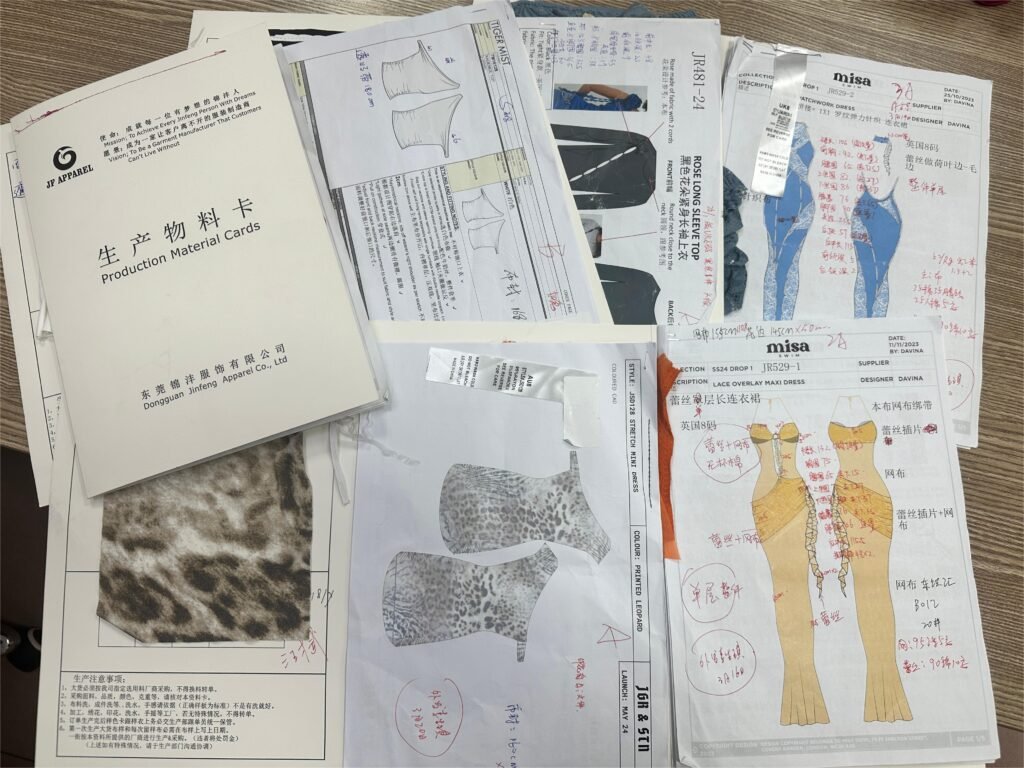
A dress does not always begin with a polished technical file. In real product development, manufacturers often receive a phone photo, a physical garment, a hand sketch, an annotated screenshot, or a line sheet long before anyone has prepared a complete tech pack. The difficult part is not persuading a factory to say it can make the style. The real challenge is converting incomplete visual information into a garment with controlled fit, suitable fabric, repeatable construction, realistic cost, and enough technical detail to survive the transition from one development sample to commercial production.
Yes, a capable dress manufacturer can begin development without a finished tech pack when sufficient product direction is available. Reference images, sketches, original garments, measurements, fabric preferences, quantities, and fit requirements can all support the first development stage. However, the missing information must gradually become controlled patterns, measurements, material specifications, construction instructions, approved samples, and production records before bulk manufacturing starts.
Think about a fitted satin mini dress photographed on a model. The image may clearly communicate the silhouette, but it does not reveal whether the satin stretches, whether the bodice contains cups or boning, how the lining is attached, how much ease is built into the hip, or whether the zipper extends through the waist seam. Three factories could interpret the same photograph in three technically different ways. The better development process is therefore not about avoiding documentation; it is about building reliable documentation while the product is being developed.
Can a Manufacturer Make a Dress Without a Tech Pack?
A manufacturer can develop a dress without a complete tech pack when it has the technical team needed to interpret the design, create patterns, source suitable materials, make samples, correct fit, and record approved changes. The project can start with references, but it should not remain dependent on references alone once the style approaches bulk production.
Is a Tech Pack Required to Start Development?
A complete tech pack is one of the cleanest ways to transfer a garment from a designer to a manufacturer, but it is not the only practical starting point. Established brands arrive at factories with very different levels of documentation. Some provide technical flats, detailed measurements, graded size specifications, fabric codes, BOMs, label placements, stitch details, and packing instructions. Others may send a physical garment with several handwritten changes. Another brand may have a sketch, a few reference images, a target fabric direction, and an existing size chart from a previous collection.
All of these projects can potentially move forward, but the amount of development work required will be very different. When the brand supplies a complete and accurate tech pack, the manufacturer is mainly checking feasibility, material availability, construction, costing, and production readiness. When the project arrives without those specifications, the manufacturer must create more of the technical framework itself through pattern development, fabric evaluation, sample construction, fitting, measurement checks, and documented revisions.
The distinction becomes especially important with structured or fitted womenswear. A loose resort dress made from a forgiving woven fabric may be relatively simple to interpret from a strong reference sample. A strapless corset mini dress can hide cups, boning, fusible reinforcement, anti-slip tape, lining, internal seams, zipper construction, and carefully controlled bust-to-waist relationships. These elements influence both appearance and wearability, so leaving them undefined increases the chance that the first sample will follow the factory’s assumptions rather than the brand’s intention.
Jinfeng Apparel’s documented OEM and ODM development process supports projects that begin from tech packs, reference photos, original samples, line sheets, or sketches, rather than requiring every project to arrive in one fixed technical format. Its development scope includes fabric sourcing, trim sourcing, pattern making, sampling, production, quality control, and private-label packing.
The useful question is therefore not simply whether a tech pack is compulsory. A better question is who will create, verify, and control the technical information when the brand does not already have it. A capable manufacturer can take on a meaningful share of that work, but the brand still needs to approve fit, materials, proportions, colors, trims, construction decisions, and the final production reference.
What Can Replace a Tech Pack?
No single photograph, sketch, or sample perfectly replaces a complete tech pack because each communicates a different part of the product. A physical garment is excellent for understanding seam placement, proportion, internal construction, lining, stretch behavior, closures, and finishing. A sketch communicates design intent more clearly when the new product differs from the reference garment. Measurements control fit, while a fabric swatch communicates weight, hand feel, stretch, opacity, surface texture, and drape in ways photographs cannot.
The strongest no-tech-pack development packages usually combine several of these inputs. A brand might send front, side, and back photos, provide a physical sample for general fit, mark the changes directly on screenshots, supply the base-size measurements used across its existing collection, and identify the intended fabric direction. Even when none of these items looks like a traditional tech pack, together they reduce the number of decisions the manufacturer must make without approval.
Clear annotations are especially valuable. When several references are being used, the manufacturer needs to know what each image is contributing. One image might define the neckline, another the skirt shape, and another the back construction. Writing “use neckline only,” “keep our existing waist measurement,” or “extend the skirt approximately 5 cm from the reference proportion” turns visual inspiration into a much more practical technical discussion.
A physical sample should also come with instructions explaining what is and is not being copied from the reference. The brand may like the fit but want a completely different fabric, or it may want to keep the outer silhouette while changing the neckline, lining, closure, and hem. Without those instructions, the factory may preserve features the brand expected to change, creating unnecessary revisions later.
Is a Reference Image Enough?
A reference image is usually enough to begin a development discussion, but it is rarely enough to control a finished dress from quotation through bulk production. A photograph describes appearance from one or more viewing angles, yet manufacturing depends heavily on details that remain invisible. A smooth strapless neckline may depend on boning, cups, internal elastic, fusible reinforcement, silicone tape, or a separate corset layer hidden inside the garment.
The same issue appears in seemingly softer styles. A ruched mesh dress may use single mesh, double mesh, mesh over lining, elastic gathering, drawcord channels, or shaped pattern pieces. A satin slip dress may be cut on straight grain or bias grain. A lace panel may be cut randomly or positioned deliberately around a motif. Two dresses can look almost identical in an ecommerce image while requiring quite different patterns, labor, material consumption, and quality-control methods.
Proportion is another source of uncertainty. Model height, pose, footwear, camera angle, styling, and the size worn during photography can all influence the way a garment appears. A mini dress that looks 15 cm above the knee on a tall model will not automatically create the same visual balance for another target customer. Neckline depth, waist position, strap length, and slit height are even more difficult to judge accurately from photography alone.
A professional reference-image project therefore works through interpretation followed by confirmation. The development team identifies visible details, lists unresolved construction questions, recommends technical solutions, creates a pattern and first sample, and then replaces assumptions with measurements and approved decisions. A manufacturer asking several detailed questions after receiving a reference image is usually demonstrating more product understanding than one that immediately responds that everything is already clear.
What Does a Manufacturer Need to Start?
A manufacturer needs enough information to understand the intended garment, assess whether it can be made, identify the likely materials and construction, and decide what still needs to be resolved during sampling. Product type, fit direction, size range, fabric preference, reference materials, quantity, colors, target market, commercial timing, and packaging expectations can all influence the first development decisions.

What Product Information Is Essential?
A useful first brief should describe more than the general category of the dress. “Black evening dress” still leaves a large number of technical decisions open. “Fitted ankle-length stretch-satin evening dress with an asymmetric neckline, internal bust support, invisible back zipper, full lining, and a side slit” gives the development team enough information to begin thinking about pattern structure, fabric performance, lining, closures, consumption, sewing time, and likely sample difficulty.
Fit direction also deserves more precision than common fashion adjectives provide. Words such as fitted, slim, bodycon, relaxed, structured, and close-fitting are useful for communicating general intention, but they are not manufacturing specifications. When a brand already has successful products, providing an approved base-size chart or physical fit reference can be more valuable than repeatedly describing the desired garment as “a little tighter” or “more flattering.”
Quantity needs to be discussed early because it can affect development choices. A fabric supplier may supply several meters for sampling while requiring a substantially higher commitment for custom dyeing, printing, weaving, lace development, or special finishing. Hardware, decorative trims, custom zipper pullers, packaging, and branded components can also carry separate supplier minimums. Knowing the likely production quantity helps the factory avoid developing a beautiful sample around materials that are unrealistic for the planned order.
Commercial timing matters for the same reason. A dress tied to a campaign shoot, holiday launch, retail delivery window, or seasonal collection requires a schedule that accounts for pattern development, fabric sourcing, first samples, revisions, final material approval, PP sampling, production, finishing, inspection, packing, and transportation. The earlier those dates are visible, the easier it is to determine which development choices are practical and which ones may introduce unnecessary schedule risk.
Which Reference Materials Are Most Useful?
Different references answer different manufacturing questions, so the strongest development package usually combines visual, physical, dimensional, and material information instead of relying on one source alone. The practical value of each reference depends on what the factory is trying to understand and what information remains uncertain.
Development Input | Best Use | Useful Information | Main Limitation |
Physical garment | Construction and fit reference | Measurements, seams, lining, closures, internal support | May not match final fabric or intended modifications |
Front/back/side photos | Visual direction | Silhouette, neckline, skirt shape, visible details | Internal construction remains uncertain |
Annotated sketch | Design communication | Seam placement, proportion, required changes | Fit and material behavior still need testing |
Size chart | Fit control | Bust, waist, hip, length and key dimensions | Does not define construction |
Fabric swatch | Material direction | Weight, stretch, opacity, hand feel and drape | Does not define garment shape |
Line sheet | Collection planning | Style range, colors, product relationships | Usually lacks production detail |
A common mistake is sending ten or twenty inspirational images without explaining how they relate to the intended dress. More references do not automatically create more clarity. If the neckline comes from one garment, the skirt from another, and the back from a third, marking those intentions directly gives the pattern and sample teams a clearer development target.
Physical garments also need context. A manufacturer should know whether the sample is being provided for exact fit, general proportion, fabric quality, internal construction, workmanship, or only styling inspiration. If the sample fits well but the new design will use a very different material, the factory may need to adapt the pattern rather than reproduce the original measurements without adjustment.
What Fit and Size Details Are Needed?
The development team should know which base size is being used for the first sample and how that size relates to the brand’s own customer. US, UK, EU, AU, alpha sizes such as XS–XL, and brand-specific sizing systems are not automatically interchangeable. When the brand has its own approved size chart, that information should normally take priority over a generic factory measurement standard.
For dresses, important fit dimensions often include bust, waist, hip, garment length, front and back body length, neckline depth, shoulder width, armhole, strap length, slit height, and hem width. Structured bustier or corset styles may also require upper-bust, under-bust, cup-related dimensions, waist shaping, and support positioning. Stretch bodycon dresses require particular attention to fabric stretch and recovery because the same garment measurement can feel very different in two fabrics with different performance.
Small dimensional changes can be surprisingly visible in fitted womenswear. Depending on the style and material, a neckline change of around 1–2 cm can noticeably affect coverage, while a similar adjustment to a narrow strap can alter neckline tension and bust positioning. These are not universal production tolerances, but they illustrate why comments such as “raise it slightly” or “make the strap a little shorter” should eventually become measurable changes before the style is approved.
Fit reviews should also distinguish symptoms from causes. A loose waist may result from the pattern, excessive fabric stretch, weak recovery, incorrect seam position, or the garment being evaluated on a body that does not match the intended fitting standard. Experienced pattern development looks at those variables together rather than assuming every visible problem can be solved by reducing one measurement.
What Fabric, Quantity, and Price Information Helps?
Material information becomes more useful when it describes performance rather than simply naming a fabric family. Saying “satin” does not tell the manufacturer whether the dress should feel lightweight, fluid, structured, matte, glossy, non-stretch, or highly elastic. A lightweight fashion satin, heavier structured satin, and stretch satin can create significantly different silhouettes even when their surface appearance is similar.
Mesh presents a similar challenge. Soft fashion mesh, stretch mesh, and power mesh can vary greatly in transparency, recovery, compression, and support. Jersey fabrics differ by fiber content, knit construction, weight, stretch direction, and recovery. Lace varies according to motif size, placement, edge design, softness, stability, and the way it behaves when cut through seams.
Providing the estimated quantity, number of colors, expected size range, material level, and packaging requirements helps the manufacturer build a more realistic commercial picture. When a target production price exists, sharing it can also help the development team identify whether the original design is aligned with the intended cost structure before multiple samples are produced.
A target cost should not be treated as a demand that every visual detail must somehow fit into a fixed number. Double layers, corset construction, heavy ruching, intricate lace placement, sequins, hand-applied embellishment, or custom hardware can materially affect both fabric consumption and sewing time. A capable factory should explain which components are driving cost and offer technically reasonable alternatives when the original specification and the commercial target are not aligned.
How Is a Dress Developed Without a Tech Pack?
When a complete tech pack is not available, the technical definition of the garment is built gradually. Design review is followed by material evaluation, pattern development, sample construction, fitting, revision, measurement confirmation, and pre-production approval. The purpose of each stage is to replace assumptions with documented decisions until the product can be reproduced consistently rather than relying on memory or visual interpretation.
How Does the Factory Review the Design?
A professional development team should review the garment before pattern cutting begins. The first task is to separate confirmed design requirements from elements that remain uncertain. On a fitted dress, this may include neckline shape, bust structure, waist position, hip fit, skirt volume, garment length, slit height, seam placement, back construction, lining, closure method, internal support, stretch requirements, and any decorative elements that affect construction.
The proposed fabric should be reviewed at the same time because visual intention and material behavior can conflict. A structured corset shape cannot always be achieved in an extremely soft outer fabric without additional support. A heavily ruched dress can consume substantially more fabric than its flat dimensions suggest. A soft stretch fabric may look attractive on a hanger but provide insufficient recovery for a close-fitting silhouette.
A useful review process separates details into confirmed, recommended, and unresolved categories. Confirmed elements should not be changed casually because they are part of the brand’s design intention. Recommended elements are areas where the manufacturer believes another construction or material may improve stability, cost, comfort, or repeatability. Unresolved elements should be returned to the brand for approval rather than becoming hidden factory assumptions.
Cost also starts to become clearer during this review. Multiple lining layers, boning, complex internal structure, lace placement, hand-applied embellishment, unusual hardware, difficult cutting layouts, and highly sensitive fabrics can add meaningful time or material consumption. Identifying those issues before the first sample gives the brand more control than discovering them only after the design has already been developed around an expensive construction method.

How Is the Pattern Created?
Pattern development is where a visual concept begins to become measurable. Even when a physical garment is available, the new pattern should not automatically be created as a mechanical copy if the brand will use different fabric, sizing, fit, or design proportions. The pattern maker must understand how the garment should behave on the intended body as well as how it appears when laid flat.
For woven dresses, the pattern often needs carefully controlled ease because the material has limited ability to absorb dimensional error. Stretch dresses can use negative ease, but the amount depends on the actual stretch and recovery of the chosen fabric. A pattern developed around stable crepe cannot simply be transferred unchanged to stretch satin, while a fitted jersey pattern can behave differently again when the replacement fabric has greater stretch but weaker recovery.
The first pattern is therefore best understood as a technical interpretation that needs to be tested. The sample reveals whether bust shaping, waist position, hip fit, neckline tension, armhole coverage, straps, skirt balance, lining, and overall proportion work together. Issues that look insignificant on paper can become obvious when the garment is worn, especially in strapless, backless, bodycon, corset, and asymmetric dresses.
The pattern and sample teams should evaluate visual balance alongside measurement accuracy. Two dresses can share the same waist circumference and still create different silhouettes because the waistline is positioned differently or the bodice distributes tension differently across the bust and hip. Experienced pattern work connects measurements, body proportion, fabric behavior, and the intended fashion silhouette rather than treating them as separate technical problems.
How Are Fabrics and Trims Selected?
Material selection should be part of product engineering rather than a separate sourcing exercise performed after the pattern is complete. The team needs to consider appearance, weight, width, stretch, recovery, transparency, drape, shrinkage, surface sensitivity, sewing behavior, availability, minimum quantity, lead time, and cost. A fabric that photographs beautifully may still be unsuitable if it snags easily or cannot maintain consistent performance in commercial quantities.
Trims deserve the same attention because they directly influence the way many dresses function. Invisible zippers, bra cups, boning, elastics, hooks, sliders, rings, lace trims, rhinestone trims, linings, and decorative hardware can affect stability, comfort, fit, and sewing methods. A heavy slider can distort a narrow strap, while a lining with insufficient stretch may restrict a stretch outer fabric even when the outside of the garment appears correct.
When development begins without a tech pack, material approval is also one of the stages where technical records start to form naturally. Once a fabric, lining, zipper, cup, boning type, or decorative trim has been approved, the factory should record the relevant reference rather than depending on descriptions such as “the softer mesh” or “the zipper from the second sample.”
This becomes even more important when a sample material is temporary. A development sample may use an available substitute while the final custom color or special fabric is still being prepared. That is acceptable when everyone understands which characteristics are provisional. It becomes risky when a temporary sampling material is silently treated as proof that the final production fabric will create the same fit, sewing performance, and visual result.
How Does Sampling Turn Into Production Specs?
Sampling transforms creative intention into evidence. The first sample tests the basic structure and proportion. A fit sample may focus more closely on body balance and measurements. A revised sample incorporates agreed corrections, while a photo-ready sample may be required when a brand needs campaign or ecommerce imagery before final production. A PP sample becomes especially important because it should represent the materials, construction, fit, workmanship, and details intended for bulk.
A project may therefore move through a sequence such as Reference → Pattern → First Sample → Fit Review → Revised Sample → PP Sample → Golden Sample → Bulk Production. Not every dress requires every physical stage, and simple proven structures may need fewer revisions than complex occasionwear or corset designs. The important point is that unresolved fit or construction issues should not be pushed forward simply to eliminate one sample round from the schedule.
Every approved change should gradually become part of a controlled technical record. Measurements are updated, pattern versions are identified, fabric and trim references are retained, placement dimensions are recorded, and important workmanship or quality points are documented. By the time the PP or equivalent production reference is approved, the garment should no longer depend on verbal interpretation from the original development conversation.
Jinfeng Apparel’s documented sample-development process includes requirement review, structure analysis, fabric and trim recommendations, cost estimation, pattern development, sample sewing, fit checking, revision tracking, PP approval, and Golden sample sealing. The broader lesson is useful regardless of supplier: starting without a tech pack is manageable, but finishing development without controlled production information is not.
What Are the Risks Without a Tech Pack?
The main risk is not the absence of a particular document format; it is the number of decisions left open to interpretation. Missing measurements, fabric performance, construction details, fit expectations, trim information, or approval records can affect quotation accuracy, sample fit, revision time, material choices, workmanship, and consistency between the approved sample and the garments eventually produced in bulk.
Which Details Are Easy to Misinterpret?
Fashion dresses often contain far more technical information than their exterior appearance suggests. A strapless mini dress may show a clean neckline and fitted waist while hiding cups, boning, reinforcement, gripper tape, lining, internal elastic, waist support, and multiple shaped panels. None of those components may be visible in a campaign image, yet they can determine whether the garment stays in position and whether the bust shape remains consistent across sizes.
Ruching is another frequent source of misunderstanding because several construction methods can produce a similar visual effect. It may be created through gathered seams, elastic channels, drawstrings, shaped panels, layered mesh, or combinations of these methods. Each choice changes fabric consumption, labor, fit, movement, wash behavior, and the consistency of the finished appearance across a production run.
Delicate fabrics create additional uncertainty. Lace motifs may need deliberate placement at seams and necklines. Sequined fabric may require removal or management of sequins inside seam allowances. Satin can expose puckering, zipper distortion, pressing marks, surface damage, and grain-direction differences that would remain less visible in a more forgiving fabric.
The Jinfeng Apparel product-development knowledge base identifies incomplete technical information, incorrect bust-waist-hip proportion, poor fabric substitution, sample-to-bulk inconsistency, unstable mesh transparency, lace-placement issues, measurement instability, zipper bulging, and exposed lining among recurring womenswear development risks. These examples show why a visually simple dress can still contain multiple manufacturing decisions that should be confirmed before production.
How Can Fit Differ From the Reference?
Fit is particularly difficult to reproduce from a photograph because the image represents one garment, one model, one size, and one moment. The model may be taller or shorter than the brand’s target customer, the garment may have been pinned for the shoot, or the camera angle may visually lengthen the legs and shorten the torso. These factors make visual proportion useful for inspiration but unreliable as a finished fit specification.
Even a physical reference garment does not guarantee a perfect result when the new design uses different materials. A woven dress containing a small amount of elastane can behave very differently if reproduced in a stable non-stretch fabric. A jersey dress can feel looser even with identical measurements when the replacement fabric stretches easily but does not recover well after being worn.
Particular attention should be paid to neckline depth, bust shaping, under-bust position, waist seam height, hip ease, armhole coverage, back depth, strap length, slit height, mini-dress length, lining tension, and corset compression. Small adjustments in these areas can materially change how a fitted garment looks and feels, especially when the style exposes more of the shoulder, bust, back, or leg.
Fit comments also need diagnosis rather than literal interpretation. “The waist feels loose” does not always mean the waist measurement should simply be reduced. The cause may be weak fabric recovery, incorrect bust shaping, a misplaced waist seam, or excess tension being released from another part of the garment. Good fitting work identifies the cause before changing the pattern so that one correction does not create another problem elsewhere.

How Can Fabric Change the Dress?
Fabric can change the shape, comfort, opacity, movement, and perceived quality of a dress even when the pattern remains unchanged. A soft draping material can create a fluid skirt while a firmer fabric used with the same pattern may project away from the body. Stretch satin can support a close-fitting bodice differently from non-stretch satin, while lightweight mesh may become significantly more transparent once it is stretched across the bust or hip.
Fabric Property | What It Influences | Typical Risk if Ignored |
Stretch direction | Where the garment can expand | Tight bust, waist or hip |
Recovery | Return after stretching | Bodycon dress becomes loose |
Weight | Structure and drape | Skirt hangs differently |
Opacity | Coverage under tension and light | Unexpected transparency |
Width | Marker efficiency and consumption | Cost changes |
Shrinkage | Finished measurements | Post-wash size variation |
Surface sensitivity | Handling and sewing | Snags, marks or damaged satin |
Drape | How the fabric falls | Silhouette differs from reference |
Lining compatibility | Movement between layers | Pulling or lining exposure |
These factors do not have one universal pass-or-fail number because acceptable performance depends on the garment. A recovery level that works for a loose dress may not be sufficient for a close bodycon style. A transparency level that is intentional in sleeves may be unacceptable across the hip. Material testing should therefore be connected to the actual product instead of being approved solely because the swatch has the right color and surface appearance.
Bulk sourcing introduces another practical consideration. A beautiful first sample produced from several meters of available fabric has limited value if the same article cannot be sourced consistently for production. Shade variation, finish differences, width changes, stretch differences, and different dye lots can all affect the commercial result. The sample stage should therefore evaluate not only whether a fabric looks good, but whether it is realistic to reproduce at the intended quantity.
How Are Sample Revisions Controlled?
Sample revision becomes especially important when the development did not begin from one complete technical package. Feedback should first be separated into categories such as fit, measurements, fabric, trim, construction, workmanship, appearance, and cost. Different problems require different owners. A fit correction belongs mainly with the pattern team, while a material issue may require sourcing involvement and a construction problem may require both technical and sample-room input.
After the cause has been identified, the relevant record should be updated before the next sample is made. A useful version trail might record the first pattern, followed by a second version with the waist reduced and neckline raised, a third version with revised lining and zipper length, and finally the PP version containing the approved measurements, materials, trims, and construction.
The naming system itself is less important than traceability. Every department working on the style should be able to identify which pattern, size chart, fabric, trim, and workmanship instructions are current. When ten or twenty styles are moving through development together, relying on email threads or chat messages becomes increasingly risky because one outdated comment can easily re-enter the production process.
Jinfeng Apparel’s documented revision process converts feedback into updated patterns, measurement charts, fabric records, trim records, sewing instructions, QC checkpoints, and revised-sample requirements rather than leaving approved changes only inside communication records. This type of discipline is particularly useful when the initial project began from visual references rather than from a fully prepared technical package.
When Does Technical Documentation Become Essential?
Technical documentation becomes essential as soon as the project moves from exploration toward repeatable manufacturing. Early conversations and indicative prices can sometimes rely on references and reasonable assumptions, but bulk production requires controlled patterns, measurements, materials, construction, workmanship, branding, packing requirements, quality checkpoints, and an approved physical reference. The commercial risk of every undocumented assumption increases as production quantity increases.
Is a Tech Pack Needed for an Initial Quote?
A manufacturer can often provide a preliminary price range without receiving a complete tech pack, particularly when the reference is clear and the brand supplies quantity, fabric direction, and enough construction information to estimate the likely work. A simple slip dress can sometimes be evaluated with relatively little information, while a structured corset dress with cups, boning, lace placement, custom hardware, and specialized lining requires a much deeper review before the quotation becomes dependable.
The brand should therefore understand whether the first figure is an indicative estimate or a confirmed production price. Fabric costs depend on article, width, consumption, color, availability, and supplier terms. Ruching can increase material consumption, full lining adds fabric and sewing operations, corset construction introduces more components, and lace placement, sequins, rhinestones, or specialized hardware can increase both preparation and sewing time.
Jinfeng Apparel’s documented costing framework considers fabric, trims, construction complexity, pattern work, sampling, cutting, sewing time, pressing, quality control, packing, wastage, testing, logistics, and quantity rather than treating every dress within a category as if it should carry the same unit cost.
A manufacturer that identifies assumptions before quoting may therefore give a more useful commercial answer than a supplier that immediately presents an exact low price from one photograph. If fabric, lining, internal structure, or trim specifications remain open, the factory should explain which parts of the quotation may still change once those choices are confirmed.
What Must Be Confirmed Before Sampling?
Sampling does not require every final production detail to be locked, but the development team needs enough information to ensure that the sample is testing the correct product. The base size should be identified, the desired fit should be understood, the intended material direction should be known, and the visible design details that matter most to the brand should already be separated from areas where the factory may suggest an alternative.
Temporary materials are sometimes necessary during early development. A fit sample might use available black stretch satin while the final custom color is still being prepared, or it might use a temporary zipper to verify the bodice structure. These substitutions can be perfectly reasonable when they are recorded clearly and everyone understands that the final color, article, trim, or performance remains subject to approval.
Problems arise when temporary choices are mistaken for confirmed production standards. A sample created in a highly elastic development fabric may fit well but offer little evidence that a firmer final fabric will behave the same way. Similarly, using a temporary lining that stretches more than the approved bulk lining can conceal tension problems until later in the process.
The purpose of early sampling is therefore not to create the illusion that every detail has already been finalized. It is to answer the most important development questions efficiently, expose risks while they are still inexpensive to correct, and create a clearer foundation for the next sample or pre-production stage.
What Must Be Locked Before Bulk Production?
Bulk manufacturing requires a much stronger level of control because a minor unresolved detail can be multiplied across hundreds or thousands of garments. Before cutting begins, production and quality teams need a consistent reference for the approved pattern, measurements, fabric, lining, trims, workmanship, visual details, labels, packing, and quality requirements.
Project Stage | Information Normally Required | Practical Control Level |
Initial review | Reference images, product type, quantity, timing | Exploratory |
Preliminary quotation | Material direction and construction assumptions | Estimated |
First sample | Base size, development pattern, fabric and basic trims | Development |
Fit/revised sample | Measurements, fit comments and recorded changes | Increasingly controlled |
PP sample | Final or approved materials, trims, construction and measurements | Production-ready |
Bulk production | Approved sample plus complete production records | Locked |
Repeat order | Pattern, materials, QC and packing history | Historical control |
The exact format varies between manufacturers and brands. One company may maintain a formal centralized tech pack, while another combines technical flats, measurement sheets, BOMs, annotated photos, production worksheets, approved swatches, and physical sample references. The title of the document is less important than the fact that each department is working from the same approved information.
For a dress, bulk release should normally confirm the final pattern version, measurement chart and tolerances, fabric and color, lining, zippers, cups or boning where relevant, decorative trims, construction, placement measurements, label positions, packing instructions, and the approved PP or equivalent production sample. Production should not be expected to recreate those decisions from the original reference image.
This is the most important difference between developing without a tech pack and producing without technical specifications. The first can be entirely workable. The second exposes the project to unnecessary ambiguity at precisely the stage where mistakes become most expensive to correct.

Do Repeat Orders Need Controlled Specifications?
Repeat orders make reliable documentation even more valuable because the product may return several months after the first bulk shipment. The factory should not need to reopen old email threads or search chat messages to discover which zipper, lining, waist measurement, pattern version, or packing instruction was finally approved. Those details should already be part of the style record.
Version control also becomes important when a successful product is extended rather than repeated exactly. A black satin mini dress may return in new colors, a midi length, or a different fabric. Those variations should remain connected to the approved original pattern while keeping their own material and measurement changes. Otherwise, updates for one version can accidentally overwrite information required for another.
Useful repeat-order records often include the final pattern, grading rules, measurement chart, BOM, fabric article, color records, trim references, construction notes, labels, packing requirements, quality standards, approved sample references, and any feedback collected after the previous shipment. These records create an institutional memory for the product that remains useful even when staff or production lines change.
For brands managing replenishment programs or seasonal collections, controlled historical records can reduce repeated decision-making and help preserve fit and appearance across production cycles. The value is not simply administrative convenience. Every confirmed detail that can be reused accurately is one less variable that needs to be reinterpreted when a successful style enters production again.
How Do You Choose the Right Manufacturer?
The right manufacturer should be able to convert incomplete creative material into controlled product information rather than simply promising that it can copy a picture. Pattern development, experienced sample makers, fabric and trim knowledge, revision control, quality management, project coordination, confidentiality, and clear pre-production approval are particularly important when the brand is not supplying a complete tech pack at the beginning.
Which Development Capabilities Matter?
The less technical information the brand supplies, the more technical responsibility the manufacturer must be capable of carrying. A factory receiving a complete production-ready specification may mainly need to verify feasibility and execute accurately. A factory working from reference images must interpret structure, identify uncertainty, recommend materials, estimate construction, develop patterns, create samples, diagnose fit problems, and convert all approved decisions into production instructions.
Product analysis is one of the first abilities to evaluate. The team should be able to explain how the dress is likely constructed, which details remain uncertain, and where the design may create production or fit risks. Pattern-making capability is equally important because fitted dresses, corset structures, asymmetric necklines, stretch garments, and complex cut-outs cannot be handled reliably through generic pattern blocks alone.
Material knowledge also matters because a manufacturer needs to understand more than fabric names. It should be able to discuss weight, stretch, recovery, drape, opacity, lining compatibility, surface sensitivity, shrinkage, and bulk availability. The same applies to sampling: the team should understand when a first sample is enough to answer a question and when a revised, fit, PP, or other sample is needed before releasing production.
Quality control completes the process. A successful development sample has little commercial value if the bulk production does not follow it. The factory should have a practical method for checking measurements, construction, appearance, fabric issues, trims, pressing, and packing throughout the production process rather than treating final inspection as the only quality checkpoint.
One useful way to assess a prospective manufacturer is to send a real style and ask the team to explain its development approach. Which details would they clarify? Which fabric risks do they see? What pattern areas deserve attention? Which construction method would they propose? Thoughtful questions and specific technical observations usually reveal more about actual capability than broad statements about being able to manufacture any style.
Does the Factory Have Pattern and Sample Teams?
Pattern makers and sample machinists become especially important when the brand is not providing a complete technical package because these teams create the bridge between a visual concept and a garment that can be reproduced. The pattern team controls fit, balance, body proportion, and how the selected fabric interacts with the intended silhouette, while the sample room tests whether those decisions actually work in sewn form.
Experienced sample machinists often identify problems that remain difficult to see in drawings alone. A seam intersection may become too bulky in lace, lining tension may pull against a stretch outer layer, an invisible zipper may distort a satin waist seam, or an embellished fabric may be too difficult to sew through the planned construction. These observations should feed back into the pattern or technical record rather than being treated as isolated sewing problems.
Project coordination is another important part of the structure. Once a style contains multiple samples, material references, fit comments, pattern updates, label files, and approval stages, someone needs to ensure that the correct information reaches the correct department. Without that coordination, even strong pattern and sample work can be undermined by an outdated version reaching production.
For context, Jinfeng Apparel’s verified fact base lists 7+ senior pattern makers, 2 sample rooms, 20+ sample machinists, 15+ QC inspectors, 12+ merchandisers, and 30+ finishing and packing workers within its wider womenswear development and production structure. The significance of those roles is not simply headcount; it is the separation of technical responsibilities across development, production, quality, and delivery.
When evaluating another manufacturer, the numbers may be different, and larger is not automatically better. The more useful question is whether the required functions genuinely exist, whether responsibilities are clear, and whether development information moves consistently between pattern making, sampling, production, inspection, and packing.
How Are Designs and References Protected?
Projects that begin without a tech pack can require brands to share a surprising amount of sensitive material. The factory may receive unreleased sketches, reference garments, pattern ideas, upcoming color stories, collection timing, launch dates, private-label artwork, packaging files, target costs, and samples that have not yet appeared publicly. Confidentiality therefore becomes part of supplier capability rather than a separate legal formality.
Brands should ask whether the manufacturer can sign an NDA, who can access development files, how physical samples are stored, whether client photographs or garments are ever used for marketing, and how confidential information is handled if specialist production partners become involved. The supplier should also have a clear distinction between using a reference to understand construction and circulating another company’s design materials for unrelated commercial purposes.
Jinfeng Apparel’s documented policy supports NDA-based cooperation covering client tech packs, original samples, patterns, unpublished designs, label files, packaging files, pricing, order information, and brand materials. The same policy states that client names, logos, tech packs, sample photos, patterns, labels, packaging information, unpublished designs, quantities, and prices should not be publicly disclosed without permission.
This becomes even more important in a long-term manufacturing relationship because the supplier gradually accumulates more knowledge about the brand’s fit standards, seasonal plans, fabric preferences, construction methods, packaging, replenishment strategy, and best-selling products. Strong confidentiality practices allow that accumulated knowledge to become an operational advantage without turning sensitive development information into an unnecessary commercial risk.
What Should You Ask Before Sampling?
Before paying for a sample, the brand should understand exactly what the manufacturer believes it is developing. Ask which details remain uncertain, what material will be used for the first sample, whether that material is temporary or intended for bulk, which size is being developed, how fit feedback will be recorded, and what the next approval stage will be if the first sample does not yet meet the intended result.
Sampling costs should also be understood in the context of the work being performed. A professional sample can involve pattern development, fabric and trim sourcing, sewing, measurement checks, fitting analysis, revision records, and communication between several technical teams. A sample that is inexpensive but creates no reliable production information may become more expensive overall if it leads to repeated revisions or problems once the order reaches bulk manufacturing.
Before development begins, both sides should have a common understanding of the reference material, base size, fit direction, expected fabric, important trims, sample type, feedback method, approximate timing, revision process, estimated production quantity, confidentiality requirements, and the point at which materials and construction will be locked for production.
The best early conversations therefore sound less like a sales exchange and more like a product review. A capable development manufacturer will normally explain which decisions can be made immediately, which ones require sampling, and which risks should be resolved before the style goes further. That clarity can be more valuable than receiving an instant yes to every request.
A dress can absolutely begin without a conventional tech pack, and many commercially successful development projects do. The important condition is that missing information cannot remain missing forever. Reference images and samples can start the conversation, but patterns, measurements, fabrics, trims, construction choices, fit corrections, quality points, and approvals must gradually become controlled information before bulk production is released.
For a fashion brand, the practical standard is simple: do not evaluate a supplier only by whether it can produce one attractive sample. Evaluate whether the team can explain the garment, identify uncertainty, create and correct the pattern, select appropriate materials, document changes, protect sensitive information, and reproduce the approved result across production. When those capabilities are in place, starting without a tech pack becomes a manageable development path rather than an uncontrolled manufacturing gamble.
Share This Article :

Jerry Lee
Categories

Latest blogs
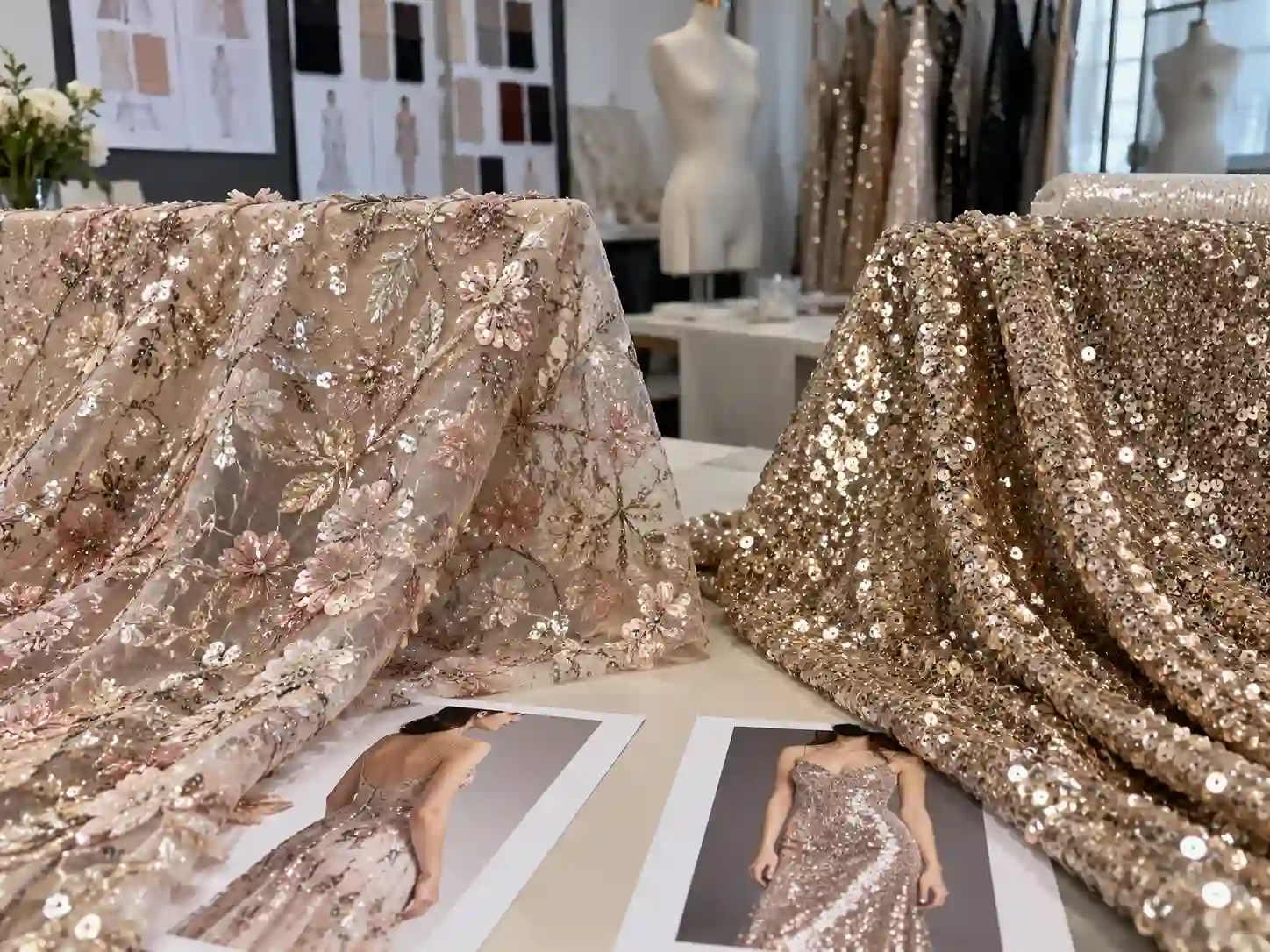
Table of Contents
Here, developing your OEM/ODM private label clothing collection is no longer a challenge—it’s an excellent opportunity to bring your creative vision to life.

